
You Haven’t Really Seen Massachusetts Until You Visit These 10 Historic Cities
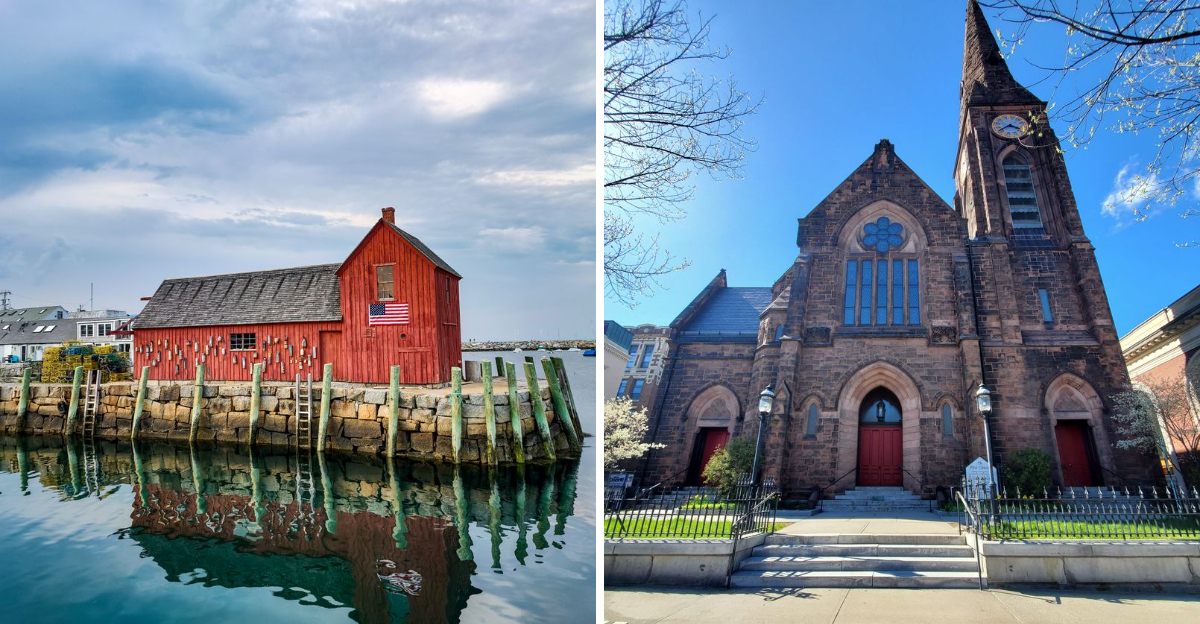
Massachusetts brims with stories etched into cobblestone streets, colonial homes, and centuries-old landmarks. Each city tells a chapter of the nation’s history, from the echoes of revolution in town greens to hidden corners where maritime trade once thrived.
Exploring these 10 historic cities reveals the heart of the Bay State, a place where the past isn’t just preserved, it’s alive, waiting to be discovered around every turn. Step into these streets and experience the moments that shaped America, one city at a time.
1. Boston
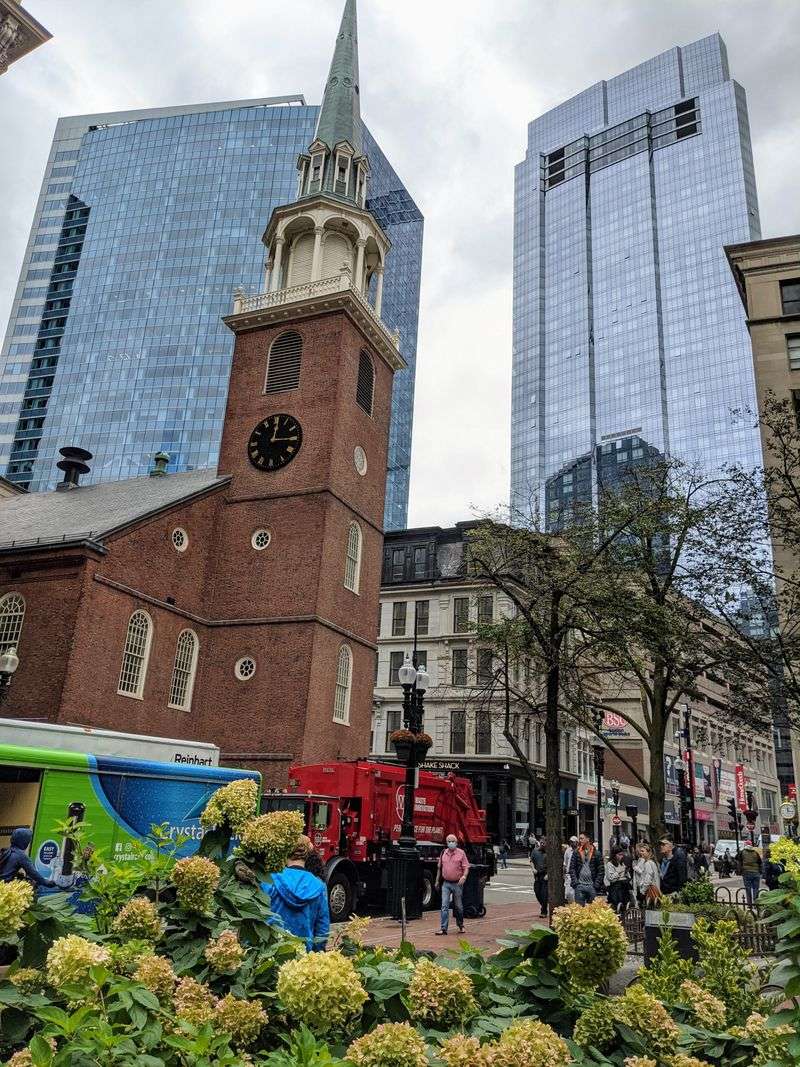
Walking through the narrow streets of this incredible city feels like stepping into a living history book. Every corner reveals another chapter of American independence, from cobblestone paths that revolutionaries once walked to churches where freedom fighters gathered in secret.
The Freedom Trail alone connects sixteen historically significant sites that shaped our nation’s destiny.
You can stand where the Boston Tea Party happened, visit Paul Revere’s home, and see the Old North Church where lanterns signaled British troop movements. The city brilliantly balances its colonial past with modern energy, creating an atmosphere that’s both educational and thrilling.
Museums here don’t just display artifacts—they immerse you in pivotal moments.
Faneuil Hall still buzzes with activity just as it did centuries ago, though now it’s filled with food vendors and street performers. The Boston Common, America’s oldest public park, has witnessed everything from colonial militia drills to modern-day concerts.
Spending time here means understanding how our country began, fought for independence, and grew into what it is today. The revolutionary spirit absolutely lives on in every brick and monument.
2. Salem
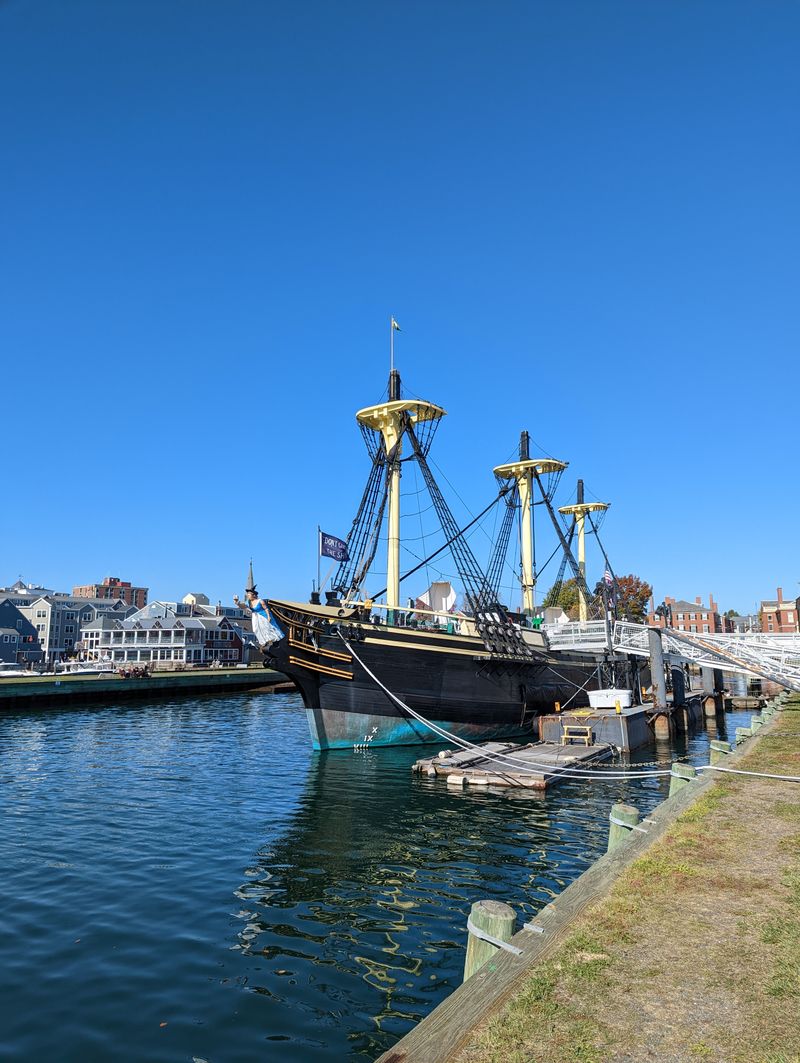
Dark legends and maritime history blend together in this fascinating coastal community. Most people know about the infamous witch trials of 1692, but there’s so much more to discover beyond that tragic chapter.
Salem was once one of America’s wealthiest seaports, where merchant ships brought exotic goods from across the globe.
The Peabody Essex Museum houses incredible collections of Asian art and maritime treasures that tell stories of adventure and trade. Walking through the historic district, you’ll find beautifully preserved homes from the 1700s and 1800s, each with its own tale.
The House of the Seven Gables inspired Nathaniel Hawthorne’s famous novel and offers tours through secret passageways.
October brings crowds seeking spooky experiences, but visiting during quieter months lets you appreciate the genuine historical significance. The Salem Maritime National Historic Site preserves wharves, warehouses, and vessels from the golden age of sail.
You can actually board historic ships and imagine life as a sailor or merchant.
Museums here handle the witch trial history thoughtfully, honoring victims while explaining the hysteria that gripped the community. Salem proves that understanding difficult history helps us learn important lessons about justice and tolerance.
3. Plymouth
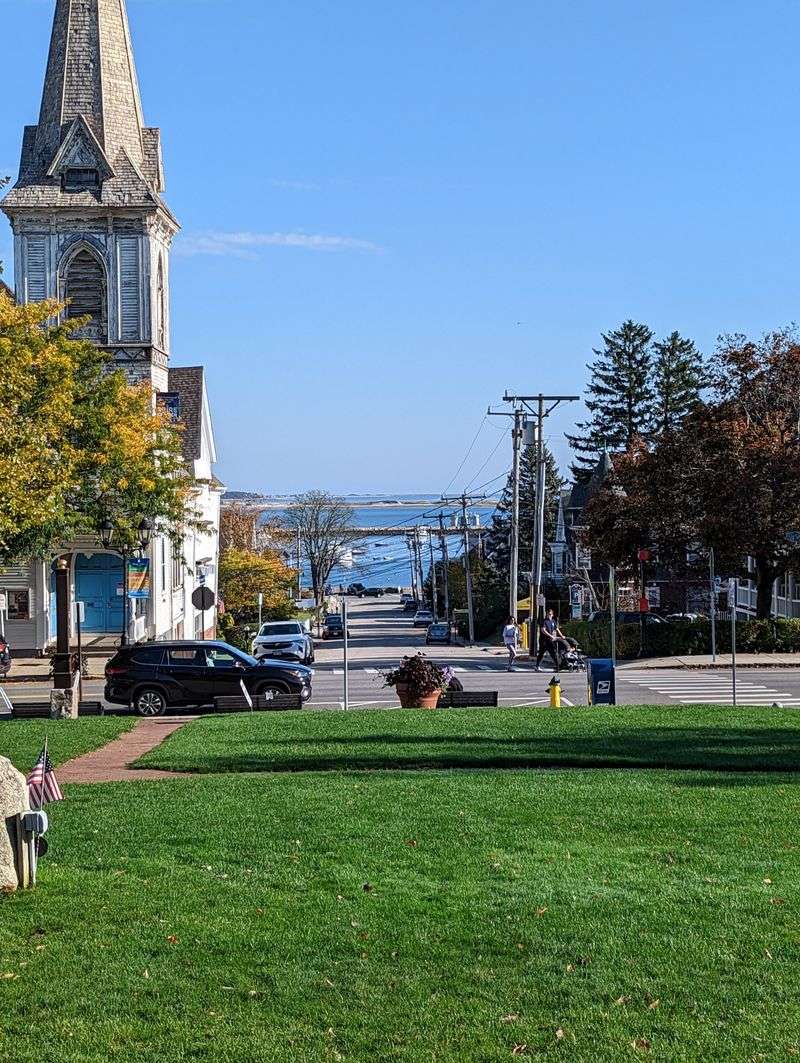
Standing on the shore where the Mayflower passengers first landed creates an indescribable connection to American beginnings. Plymouth Rock might be smaller than you’d expect, but its symbolic importance towers over its physical size.
The story of survival, cooperation with Native Americans, and eventual settlement changed this continent forever.
Plimoth Patuxet Museums (formerly Plimoth Plantation) offers an extraordinary living history experience. Costumed interpreters stay completely in character, speaking in seventeenth-century dialects and demonstrating colonial crafts and cooking.
The Wampanoag Homesite presents the Native perspective, showing traditional dwellings and discussing their culture before and after European arrival.
Mayflower II, a full-scale replica of the original ship, helps you understand the incredibly cramped conditions passengers endured crossing the Atlantic. Climbing aboard makes you appreciate their courage and desperation for religious freedom.
The compact space housed 102 passengers for sixty-six days—absolutely unimaginable by today’s standards.
Downtown Plymouth combines historic charm with modern shops and restaurants along the waterfront. Burial Hill Cemetery contains graves of Mayflower passengers and offers panoramic views of the harbor.
Visiting here means confronting complex history—both the colonists’ struggles and the devastating impact on indigenous peoples who helped them survive.
4. Lexington
April 19, 1775, changed everything when British troops and colonial militia faced off on the town green. Those first shots of the American Revolution echoed across the world, signaling that ordinary farmers and tradesmen would fight for self-governance.
The Battle Green remains remarkably preserved, letting visitors visualize that tense dawn confrontation.
A statue of Captain John Parker, who commanded the Lexington militia, stands where he positioned his seventy-seven men. His famous order—”Stand your ground; don’t fire unless fired upon, but if they mean to have a war, let it begin here”—captures the colonists’ determination.
Eight militiamen died that morning, becoming the first casualties of the Revolutionary War.
The Lexington Visitor Center provides excellent exhibits explaining events leading to the battle and its immediate aftermath. You can follow the Battle Road Trail connecting Lexington to Concord, walking the same route British soldiers marched.
Historic houses like Buckman Tavern, where militiamen gathered before the battle, offer guided tours with fascinating details.
Each Patriots’ Day, the town reenacts the battle with costumed participants firing muskets and demonstrating eighteenth-century military tactics. Even without the reenactment, standing on that green gives you chills thinking about ordinary people risking everything for freedom.
History feels incredibly alive and personal here.
5. Concord
Literary giants and revolutionary heroes both called this charming town home. After the skirmish at Lexington, British troops marched here seeking hidden weapons and ammunition.
At the Old North Bridge, colonial militia successfully turned them back in what Ralph Waldo Emerson called “the shot heard round the world.”
The bridge and surrounding battlefield are beautifully maintained, with walking trails explaining troop movements and battle tactics. A famous statue of a Minuteman stands guard at the bridge, symbolizing citizen soldiers defending their rights.
The visitor center offers films and exhibits that bring April 19, 1775, into sharp focus.
Beyond revolutionary history, Concord became a center for American literature and philosophy. Walden Pond, where Henry David Thoreau lived in a small cabin for two years, draws visitors seeking the same natural inspiration he found.
You can swim in summer or walk the path circling this glacial kettle pond year-round.
The homes of Emerson, Louisa May Alcott, and Nathaniel Hawthorne are open for tours, showing where these writers created their masterpieces. Sleepy Hollow Cemetery contains their graves, along with Thoreau’s, in an area called Authors’ Ridge.
Concord proves that ideas and words can be just as revolutionary as muskets and military action.
6. Newburyport
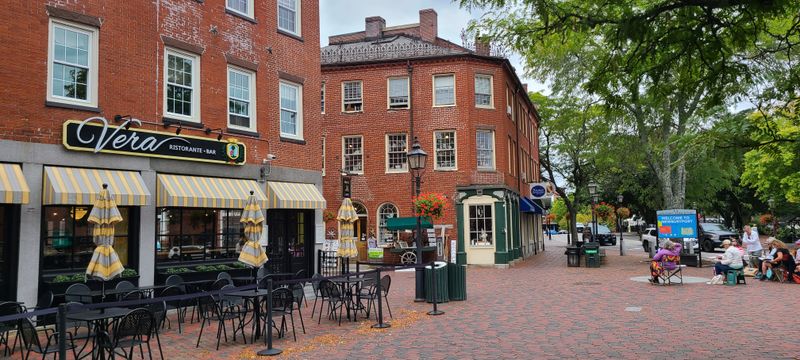
Elegant Federal-style mansions line the streets of this perfectly preserved seaport, testaments to the wealth generated by maritime trade. During the late 1700s and early 1800s, Newburyport rivaled Boston as a commercial center, with shipyards producing some of America’s finest vessels.
Sea captains built grand homes showcasing their prosperity and worldly tastes.
The downtown historic district features brick buildings housing unique shops, galleries, and restaurants that maintain the area’s historic character. Market Square bustles with activity much as it did two centuries ago, though now you’ll find coffee shops instead of ship chandleries.
The waterfront boardwalk along the Merrimack River offers beautiful views and connects to parks perfect for picnicking.
Custom House Maritime Museum occupies the 1835 U.S. Custom House, where officials once collected import duties on exotic cargo.
Exhibits explore shipbuilding, navigation, and the daily lives of sailors and their families. You’ll learn about the clipper ship era when Newburyport vessels raced to deliver goods worldwide.
Plum Island, accessible via bridge, provides miles of pristine beaches and the Parker River National Wildlife Refuge. After exploring history, relaxing by the ocean feels perfect.
Newburyport shows how historic preservation and modern vitality can coexist beautifully, creating communities that honor the past while embracing the present.
7. Stockbridge
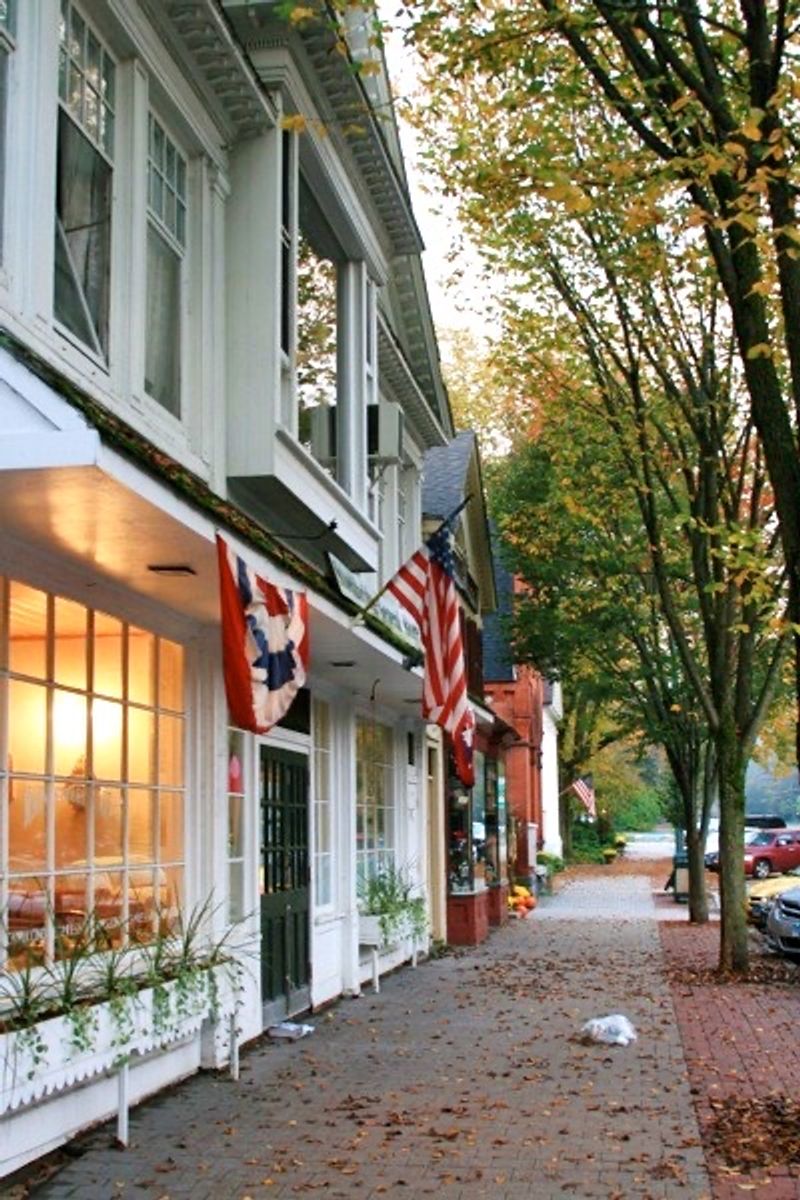
Norman Rockwell captured the essence of small-town America through paintings created in this picturesque Berkshires community. His studio and the museum dedicated to his work let you see exactly where he transformed ordinary moments into iconic images.
The Main Street he painted still looks remarkably similar today, with white church steeples and charming storefronts.
The Red Lion Inn has welcomed guests since 1773, making it one of America’s oldest continuously operating hotels. Its wraparound porch lined with rocking chairs invites you to slow down and appreciate simpler times.
Inside, antique furnishings and historical photographs create an atmosphere of genteel New England hospitality.
Naumkeag, a Gilded Age mansion with spectacular gardens, showcases how wealthy families summered in the Berkshires. The property features terraced gardens designed by landscape architect Fletcher Steele, including the famous Blue Steps.
Tours reveal the lifestyle of the Choate family and their contributions to the community.
The Mission House, built in 1739, tells the story of Reverend John Sergeant’s work with the Mohican community. This museum explores both colonial history and Native American culture in the region.
Stockbridge balances artistic heritage with deeper historical narratives, creating a destination that appeals to multiple interests and offers genuine cultural enrichment.
8. Rockport
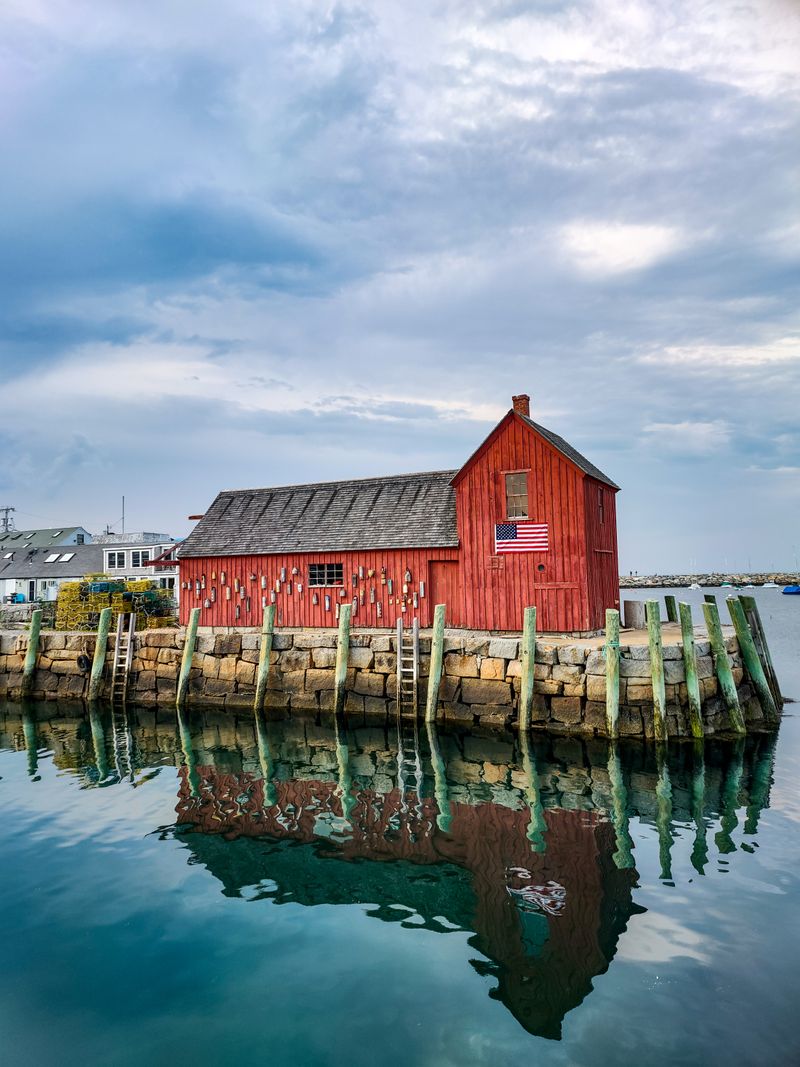
Artists have been capturing this coastal village’s beauty on canvas for over a century. The famous red fishing shack known as Motif Number 1 has been painted, photographed, and sketched countless times, becoming perhaps the most depicted building in America.
Its bright red color against blue harbor waters creates a scene that’s irresistibly picturesque.
Bearskin Neck, a narrow peninsula jutting into the harbor, is packed with galleries, craft shops, and seafood restaurants occupying former fish houses. Wandering these lanes feels like treasure hunting, with unique artwork and handmade items around every corner.
The smell of saltwater mixes with aromas from chowder shops and candy stores.
Halibut Point State Park offers dramatic rocky coastline where you can explore tide pools and watch waves crash against granite ledges. The abandoned quarry filled with clear water makes a stunning backdrop for photos.
Hiking trails provide panoramic ocean views that explain why artists find endless inspiration here.
Front Beach and Back Beach offer swimming opportunities, though the water stays pretty cold even in summer. Historic homes from Rockport’s fishing village days line quiet streets away from the tourist areas.
The town successfully balances its working harbor heritage with its identity as an art colony, creating an authentic coastal experience that doesn’t feel overly commercialized or artificial.
9. Northampton
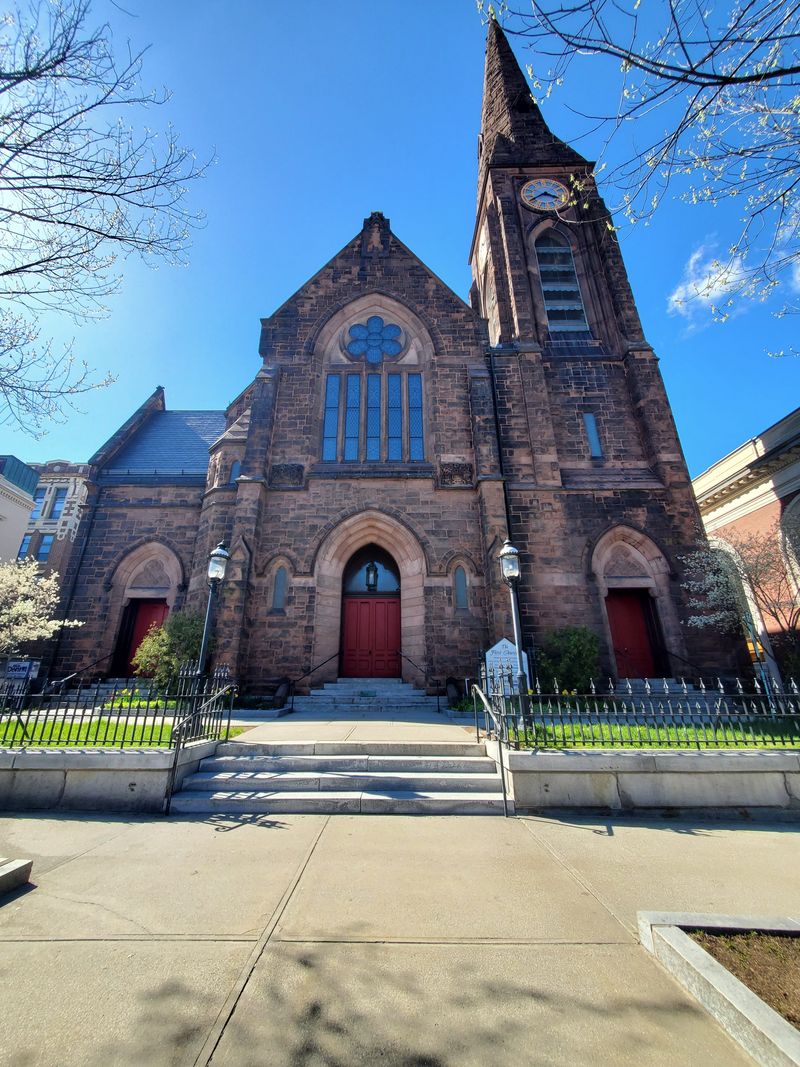
Progressive politics and artistic energy define this vibrant college town in the Pioneer Valley. Smith College, one of the prestigious Seven Sisters schools, brings intellectual vitality and beautiful architecture to the community.
The campus features stunning buildings and botanical gardens open to visitors year-round, with greenhouses containing plants from around the world.
Downtown Northampton buzzes with independent bookstores, music venues, restaurants serving diverse cuisines, and theaters presenting everything from experimental plays to classic performances. The town has long welcomed different perspectives and lifestyles, creating an inclusive atmosphere that feels genuinely welcoming.
Street musicians and outdoor cafes add to the lively urban energy.
Historic buildings from the nineteenth century house modern businesses, showing how adaptive reuse preserves character while meeting contemporary needs. The Calvin Coolidge Presidential Library and Museum honors the thirtieth president, who practiced law here before entering politics.
Learning about Silent Cal provides insight into a very different political era.
The nearby Connecticut River offers recreational opportunities including kayaking and scenic bike trails. Northampton serves as an excellent base for exploring the Pioneer Valley’s farms, orchards, and natural areas.
The combination of college-town culture, progressive values, historical significance, and natural beauty creates a unique destination that challenges stereotypes about small New England cities and offers unexpected discoveries.
10. Pittsfield
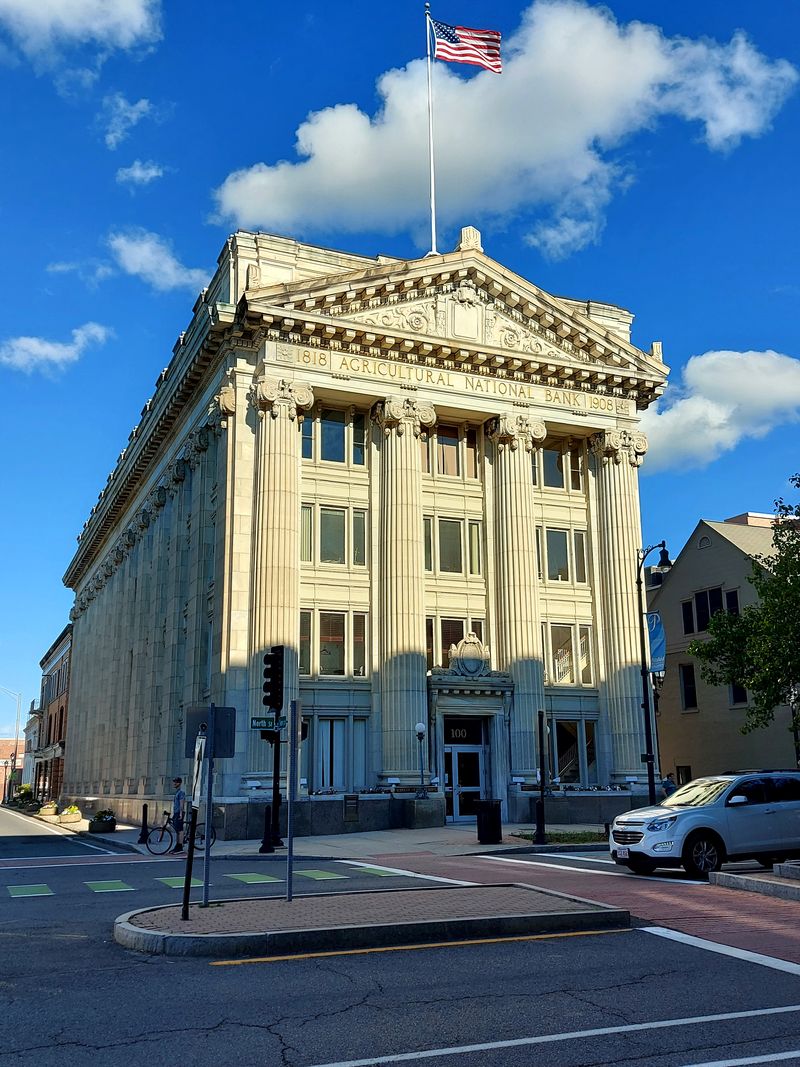
Herman Melville wrote his masterpiece Moby-Dick while living at Arrowhead, his farm on the outskirts of this Berkshire County city. Tours of his home reveal the study where he crafted the great American novel, with views of Mount Greylock that supposedly reminded him of a whale’s back.
Understanding where literary genius happened adds depth to reading his complex works.
The Colonial Theatre, beautifully restored to its 1903 glory, presents performances ranging from Broadway shows to concerts. Its ornate interior transports you to the golden age of entertainment.
Downtown has undergone revitalization, with new restaurants and shops occupying historic buildings that tell stories of Pittsfield’s industrial past.
The Berkshire Museum combines art, natural history, and science in eclectic collections that surprise and educate. Ancient artifacts sit near contemporary paintings, while aquariums and a small planetarium add interactive elements.
This quirky approach to museums makes learning feel like an adventure rather than an obligation.
Pittsfield served as an important manufacturing center, particularly for electrical equipment produced by General Electric. That industrial heritage shaped the city’s character and architecture.
Today, Pittsfield balances honoring its working-class roots with cultivating arts and culture, creating an authentic urban experience in the beautiful Berkshires that offers both historical depth and contemporary relevance to visitors seeking substance.