
You Walk Shaded Trails Through The Old-Growth Tennessee Forest Loggers Never Reached, Right Inside Memphis
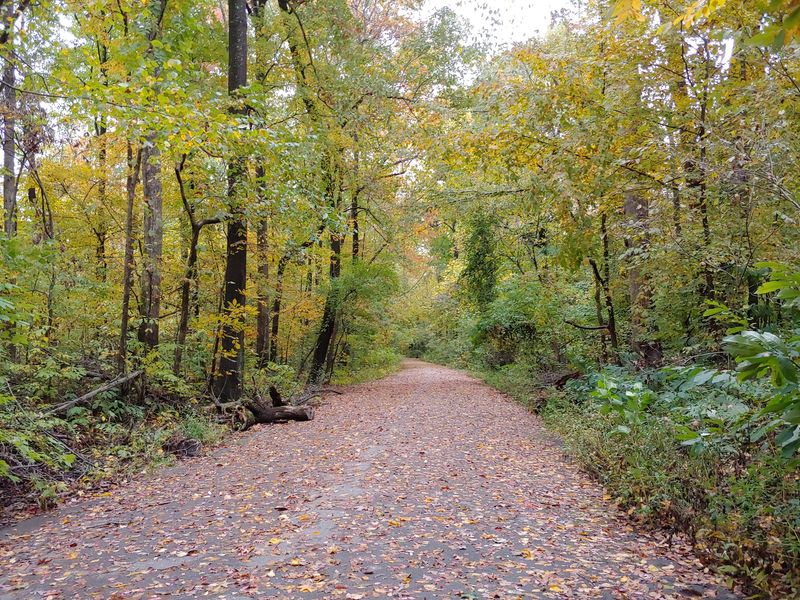
Most people picture Tennessee’s big trees somewhere out east, up in the mountains where the roads get twisty. But there’s a patch of ancient hardwood forest sitting inside a major Tennessee city, surrounded by neighborhoods, traffic lights, and coffee shops, that somehow never met a logging crew.
Step twenty yards down one of its dirt paths and the city sound drops away like someone turned a dial. It costs nothing to walk in, and a whole morning here runs you about the price of gas plus lunch.
1. A 126-Acre Woodland Wrapped Inside a City Park
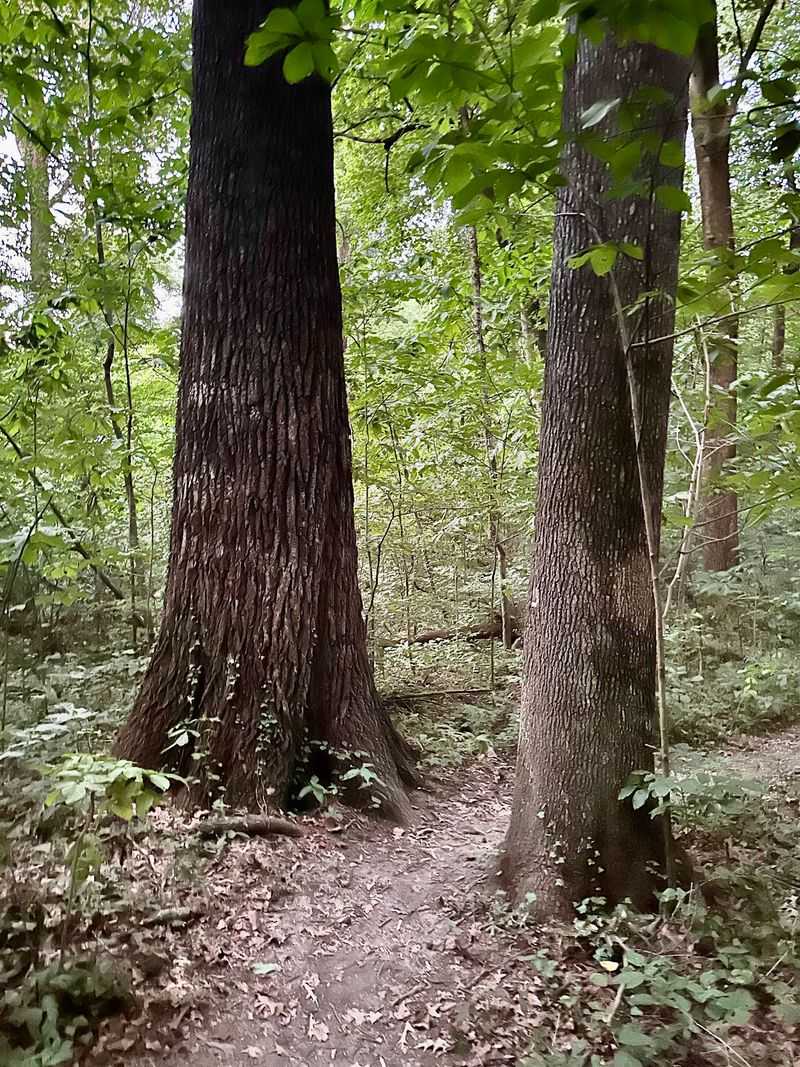
Tucked inside Overton Park in Midtown Memphis, the Old Forest State Natural Area covers 126 acres of genuine old-growth hardwood. The larger park spans 342 acres, but this particular section is the reason people drive across town.
What makes it unusual is simple math. Nearly all of West Tennessee’s original bottomland and upland hardwood forest was cleared for timber and farming generations ago.
This tract escaped, largely because the City of Memphis bought the land in 1901 and set it aside for public use before saws reached it.
The result is described as the only urban old-growth forest in the southeastern United States. You can stand under trees whose ancestry runs unbroken to the forest that covered this region long before the city grew around it.
Address-wise, you are looking at Memphis, TN 38104, right in the middle of things. The zoo sits on one side, an art museum on another, and residential streets ring the edges.
Trailheads open onto quiet dirt paths within a minute of leaving your car, which is the part that surprises first-time visitors most.
2. How the Trees Outlasted the Saw
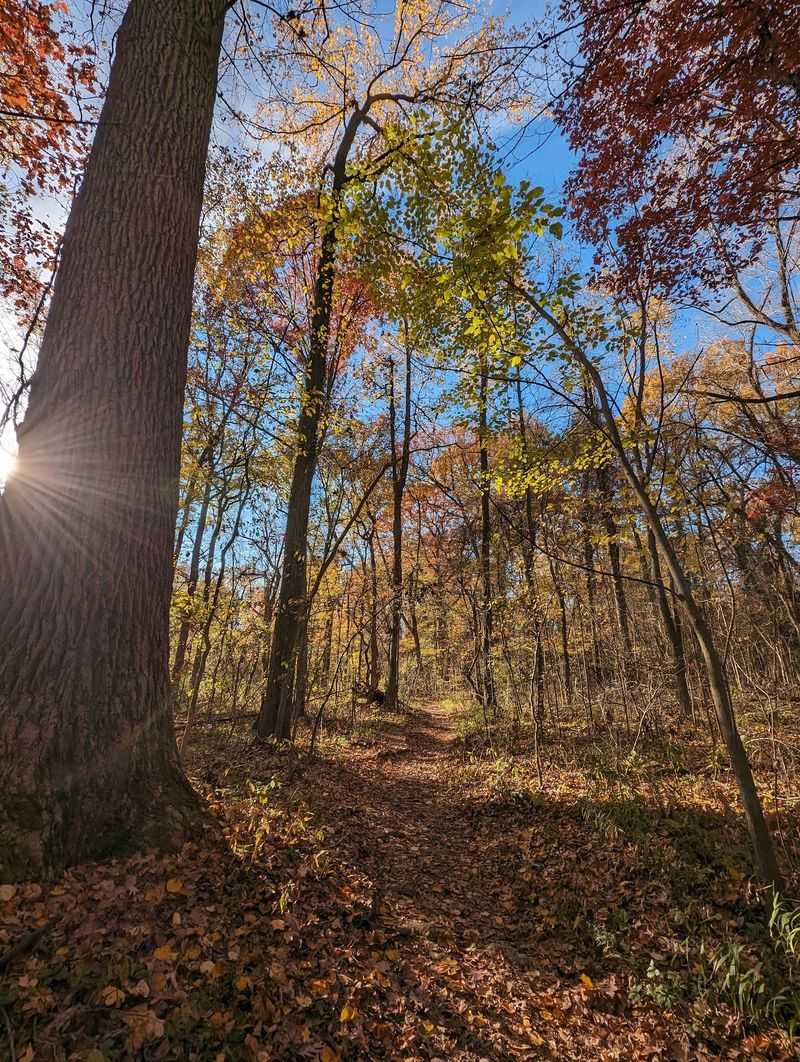
Timing saved this place. When Memphis acquired the land for Overton Park in 1901, hardwood forests across the surrounding region had already been logged hard, and this tract landed under public protection at almost the last possible moment.
Protection deepened over the decades. The forest was included on the National Register of Historic Places in 1979 as part of the Overton Park Historic District, and in 2011 the state designated it a Tennessee State Natural Area, which locked in a stronger layer of legal safeguards.
Those two dates matter because they moved the woods from being simply city property to being formally recognized natural heritage. Trails are maintained, but the forest itself is left to behave like a forest, with fallen limbs, leaf litter, and natural regeneration all part of the picture.
Walking here, the age shows in the canopy height and the trunk diameters more than in any single dramatic tree. Layers of understory, midstory, and crown stack up the way a mature forest is supposed to.
It is history you experience with your feet rather than through a display case, which is a rare thing inside city limits.
3. Four Miles of Dirt Paths and a Paved Loop for Wheels
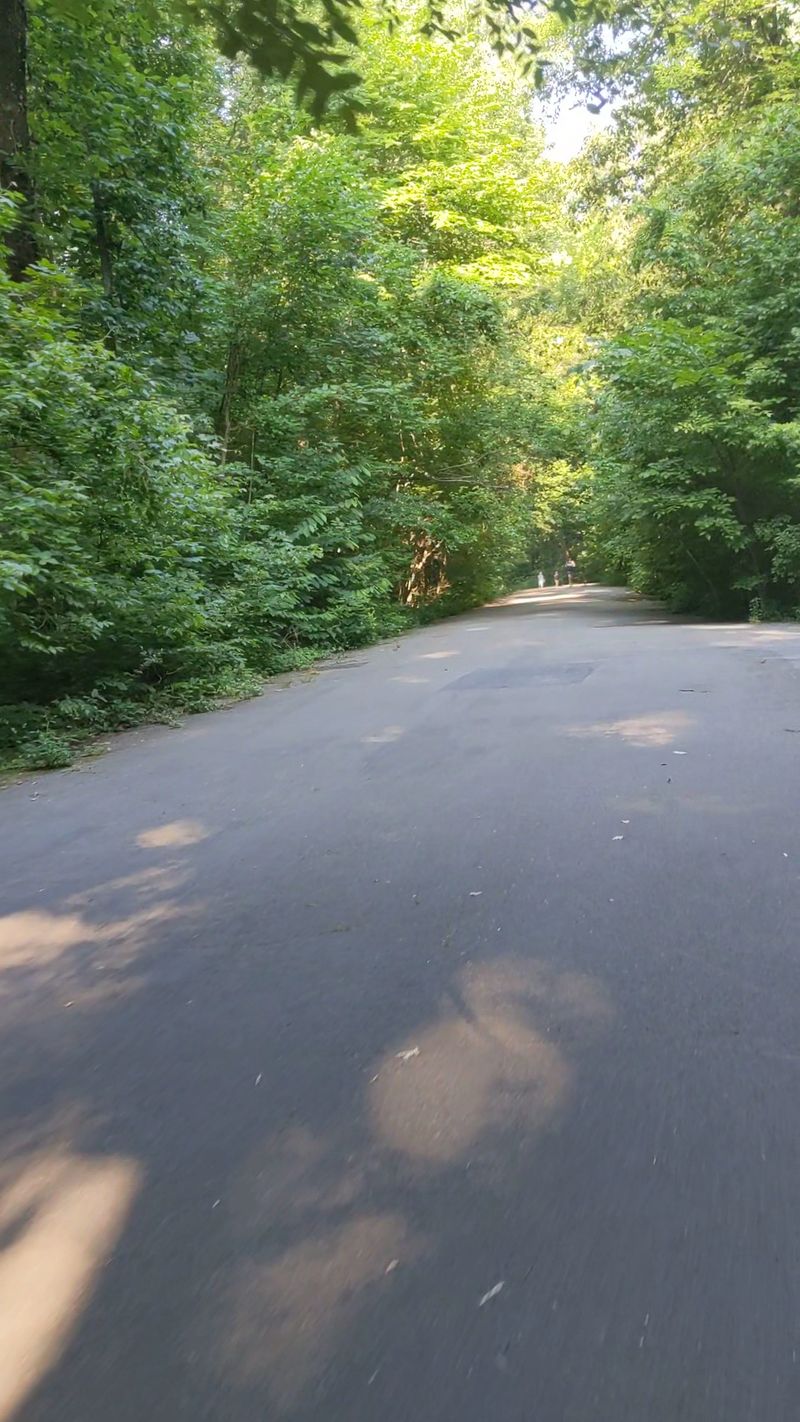
Trail choices here split neatly into two camps. Roughly four miles of unpaved dirt and gravel paths thread through the old-growth section, while a 1.4-mile paved loop handles strollers, wheelchairs, and anyone who prefers a firm surface underfoot.
Distance-wise, nothing is punishing. Regular walkers mention finishing the Old Forest loop at a relaxed pace in under an hour, which makes it easy to fit around a lunch plan or a nap schedule.
Signage gets consistent praise from visitors, who point out that the marked junctions keep you oriented even though the paths braid and cross. Some of those signs also flag the wildlife you might spot along the way.
Terrain stays mostly flat, with gentle undulations rather than climbs. After heavy rain, expect soft or muddy stretches on the dirt sections, so shoes you do not mind scuffing are the smarter pick.
Strollers and small bikes generally work fine on the paved loop. For families juggling different ages and abilities, being able to mix surfaces on a single outing solves a lot of arguments before they start.
4. Tulip Poplars, Eleven Oaks, and Five Hickories Overhead
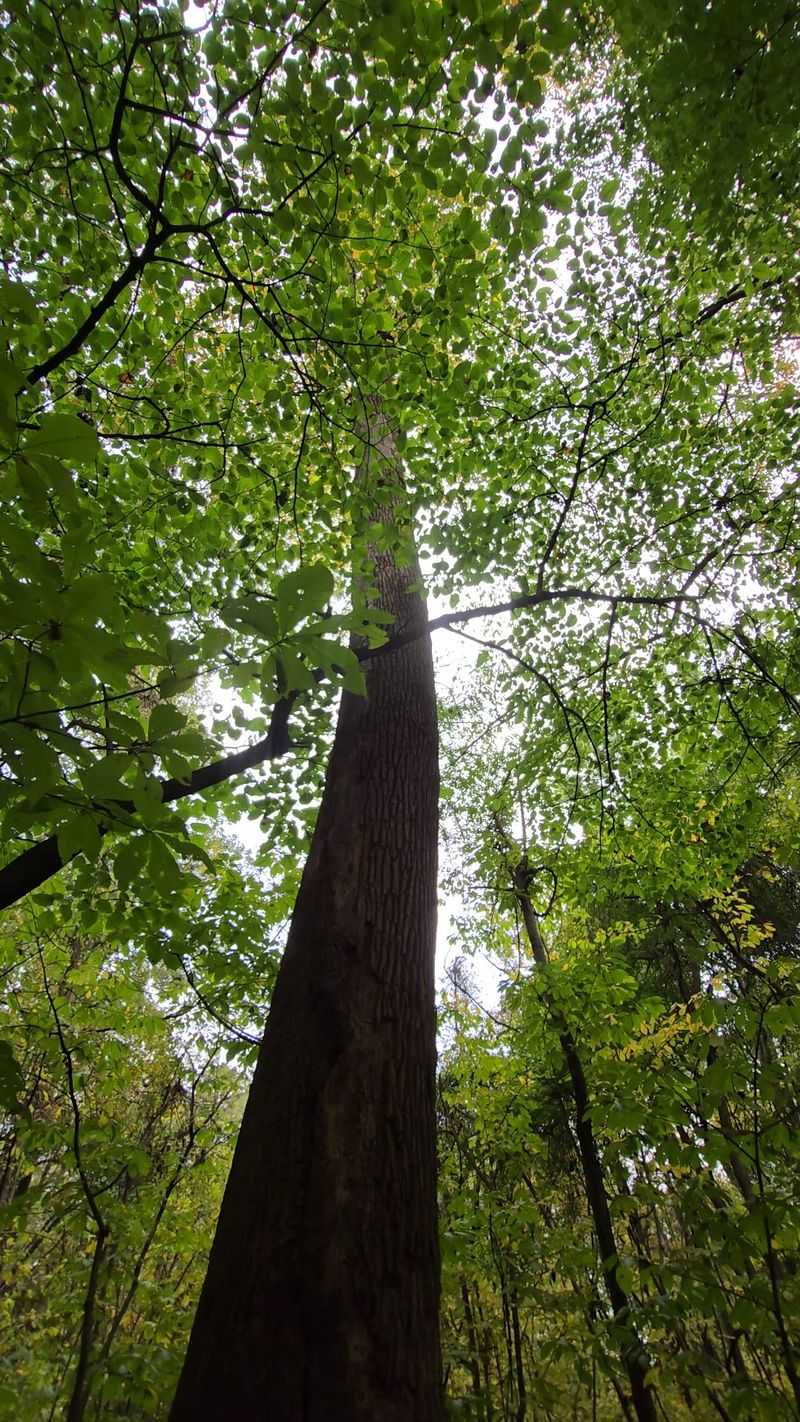
Look up and the species list starts making sense. Tulip poplars dominate much of the canopy, joined by eleven different species of oak and five species of hickory, with white ash, black cherry, and sugar maple filling in the gaps.
That diversity is what separates an old forest from a replanted one. A tree farm gives you rows of the same thing; here the crown is a patchwork, and the light reaching the ground shifts every few steps because of it.
Shade is the practical benefit. Visitors regularly note how comfortable the walking stays even in a Memphis summer, since the canopy blocks most direct sun across the interior paths.
Autumn turns the mix into a real color show without requiring a drive to East Tennessee. Hickories go golden, oaks run rust and copper, and the poplars drop big yellow leaves that carpet the trails.
Winter has its own appeal, when the bare structure of the older trunks becomes obvious and you can finally see how far back the woods actually stretch. Each season reads differently, which is why locals return.
5. Wildflowers, Ferns, and the Mushrooms Everyone Photographs
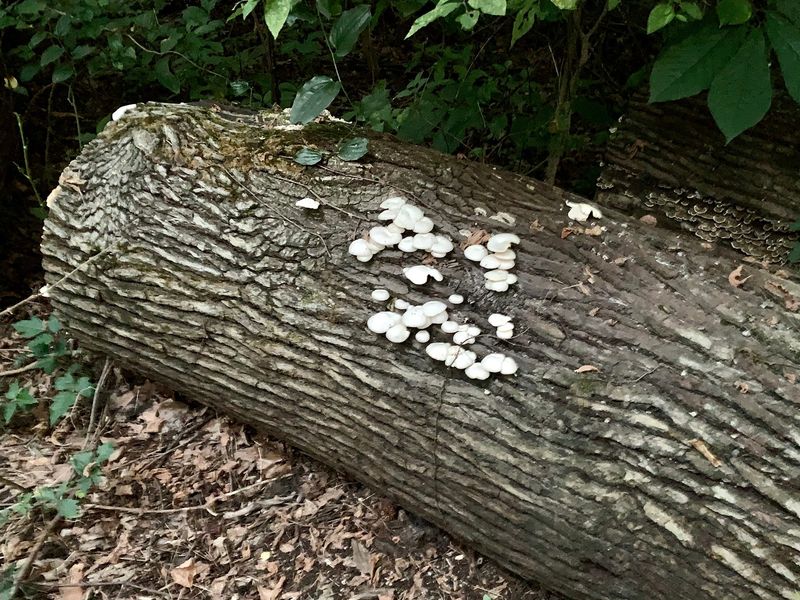
More than 330 plant species have been documented across this small acreage, which is a staggering number for land ringed by city streets. Prairie trillium, celandine poppy, and a variety of ferns are among the standouts.
Spring is the season to catch the ground layer at its best. Before the canopy fully leafs out, sunlight hits the forest floor and the ephemeral wildflowers make their brief appearance, usually across a few short weeks.
Mushrooms are the sleeper attraction. Walkers frequently mention keeping an eye out for unusual fungi popping up on logs and along path edges, particularly after a wet stretch, and kids tend to spot them faster than adults do.
Fallen wood is left where it lands in much of the natural area, which is exactly why the fungi thrive. Decaying trunks feed the whole system.
Bring a plant identification app if you like, or just let curiosity lead. Half the fun is noticing something you have never seen before roughly a mile from a busy Midtown intersection, then trying to figure out what on earth it was.
6. Birdwatching Where 166 Species Have Been Counted
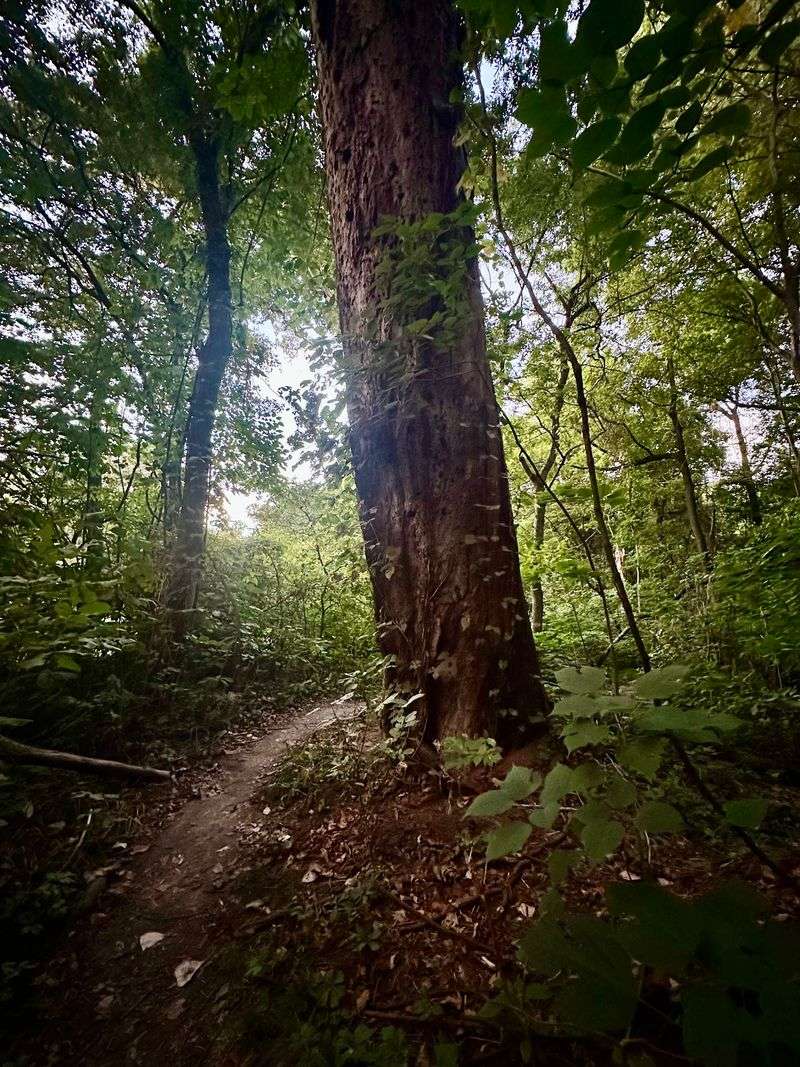
Binocular users have logged 166 bird species in this forest, a figure that reflects its position along a migratory corridor as much as its size. Spring and fall migration bring the biggest variety.
Songbird strolls and guided nature walks are offered here, which is a low-commitment way to learn what you are hearing. Going out with someone who can name a call by ear changes how you experience every walk afterward.
Early morning delivers the most activity. Gates open at 6 AM, and the first couple of hours after sunrise are when the canopy gets noisy with warblers, vireos, thrushes, and woodpeckers working the older trunks.
Retirees seem to have figured this out already, since weekday mornings draw a steady stream of unhurried walkers with binoculars looped around their necks.
You do not need fancy equipment to enjoy it. A cheap pair of binoculars and a free bird app will get a curious kid hooked in about fifteen minutes, and the flat trails make it easy to stop and stare upward without blocking anyone.
7. The Quiet That Shows Up Twenty Yards In
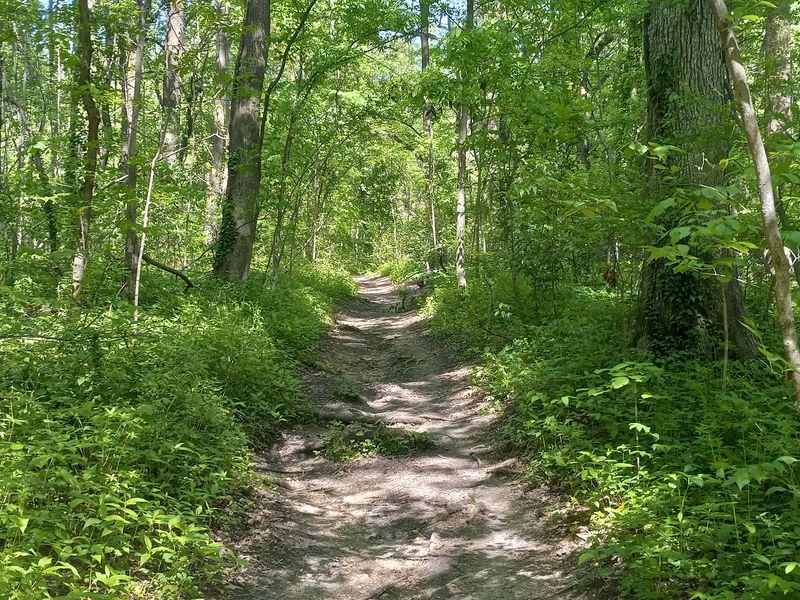
Sound is the thing nobody warns you about. Traffic noise fades remarkably fast once the trail bends and the understory closes in behind you, replaced by leaves, birds, and your own footsteps on packed dirt.
Visitors describe the atmosphere as genuinely peaceful, and several mention returning multiple times a week just for the mental reset. One frequent walker logs an hour or more on the paths three times weekly.
Safety comes up often too. People note feeling comfortable here, partly because the trails stay reasonably populated during daylight hours and partly because the network is compact and well marked.
Mid-morning tends to hit a nice balance, with enough other walkers around to feel sociable without the paths getting crowded. Weekday mornings run quieter than weekend afternoons.
Not everyone takes to the deep woods sections, and that is fine. Some regulars stick entirely to the paved loop and the open lawns, treating the dirt trails as scenery rather than a destination.
Either approach works. The forest does not demand much of you beyond showing up and slowing down a little.
8. Playgrounds, Picnic Tables, and a Turtle Pond for the Kids
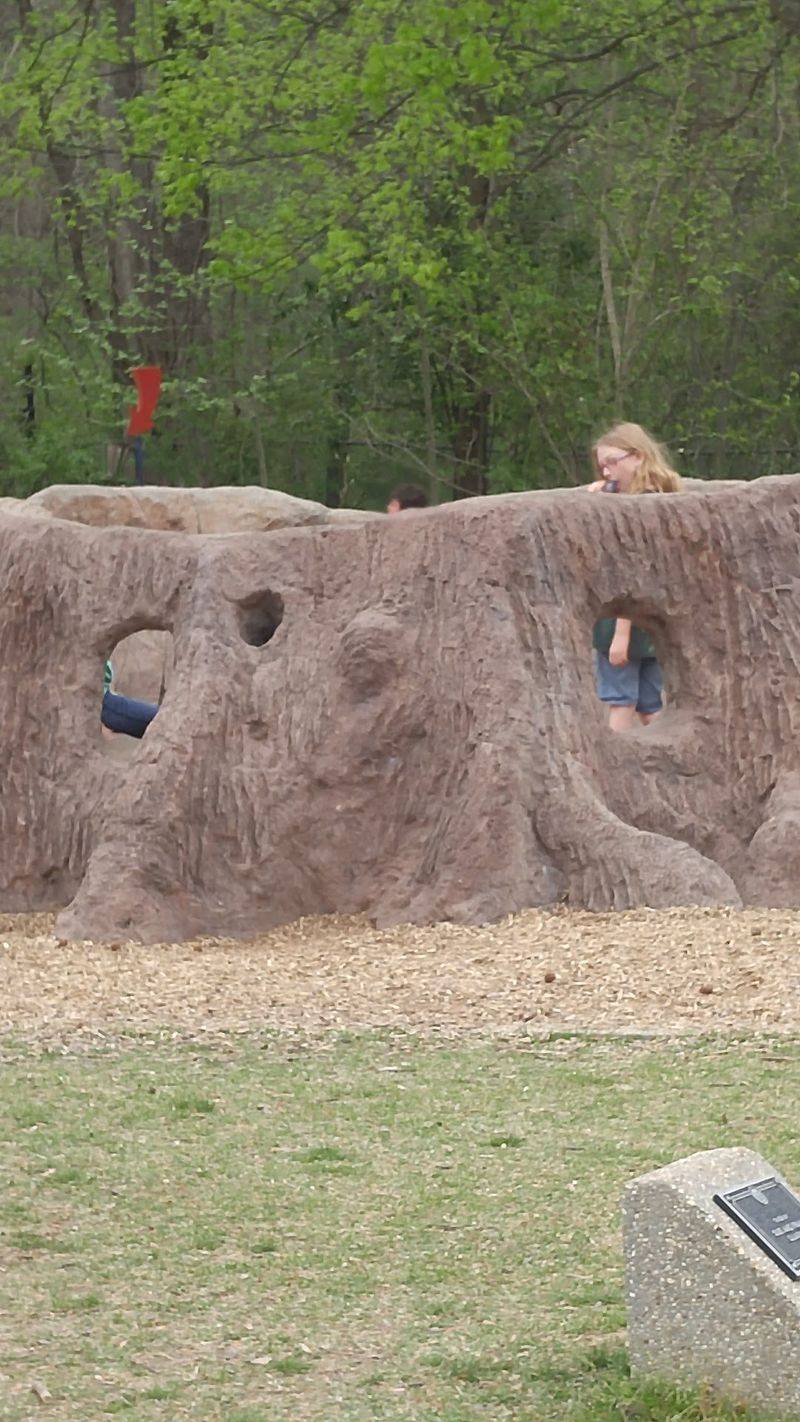
Kids who last exactly nine minutes on a nature trail have options here. Overton Park holds two playgrounds, Rainbow Lake Playground and East Parkway Playground, both with climbing structures, swings, and picnic areas set under shade trees.
Rainbow Lake itself gets mentioned by families for its turtles, which are usually easier to find than any bird and hold a toddler’s attention far longer.
Picnicking is straightforward and generous. Tables are scattered throughout, grills are permitted with designated coal bins for disposal, and you can set up a 10×10 canopy without applying for a special permit.
That last detail matters for birthday parties and family reunions. Pack a cooler, claim a shaded table, and the whole day costs you groceries.
Dogs are welcome too. Leashed dogs are fine on the walking paths, and the park includes a separate off-leash dog park for animals that need to burn energy properly.
Combining a short forest walk with playground time and a picnic lunch is probably the most reliable formula for keeping everyone in the family reasonably happy for three or four hours.
9. A Zoo, an Art Museum, and Golf Within Walking Distance
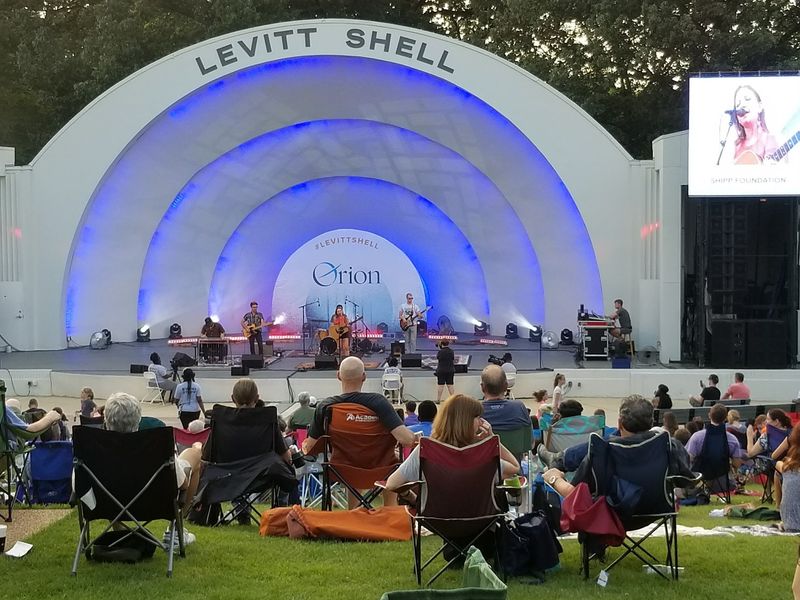
Neighbors make this outing stretch. The Memphis Zoo and the Memphis Brooks Museum of Art both sit inside Overton Park, along with the Abe Goodman Golf Clubhouse and open lawns used for music and events.
Those attractions carry their own admission and hours, so treat them as separate decisions rather than automatic add-ons. The forest stays free regardless.
Plenty of families build a full day around the combination, walking the shaded trails in the cool early hours and then heading to an indoor or ticketed attraction when the afternoon heats up. That sequencing works especially well in July and August.
Cyclists use the park too, with the paved paths handling casual riding, though serious mileage is better found elsewhere.
Greenhouse and pavilion spaces in the park have hosted gatherings and celebrations, which tells you something about how flexible the grounds are.
If your household contains one person who wants a quiet walk and another who wants animals or artwork, the geography solves the disagreement neatly. Everyone parks once and splits up for an hour without anyone having to drive anywhere.
10. Hours, Parking, and What It Costs You
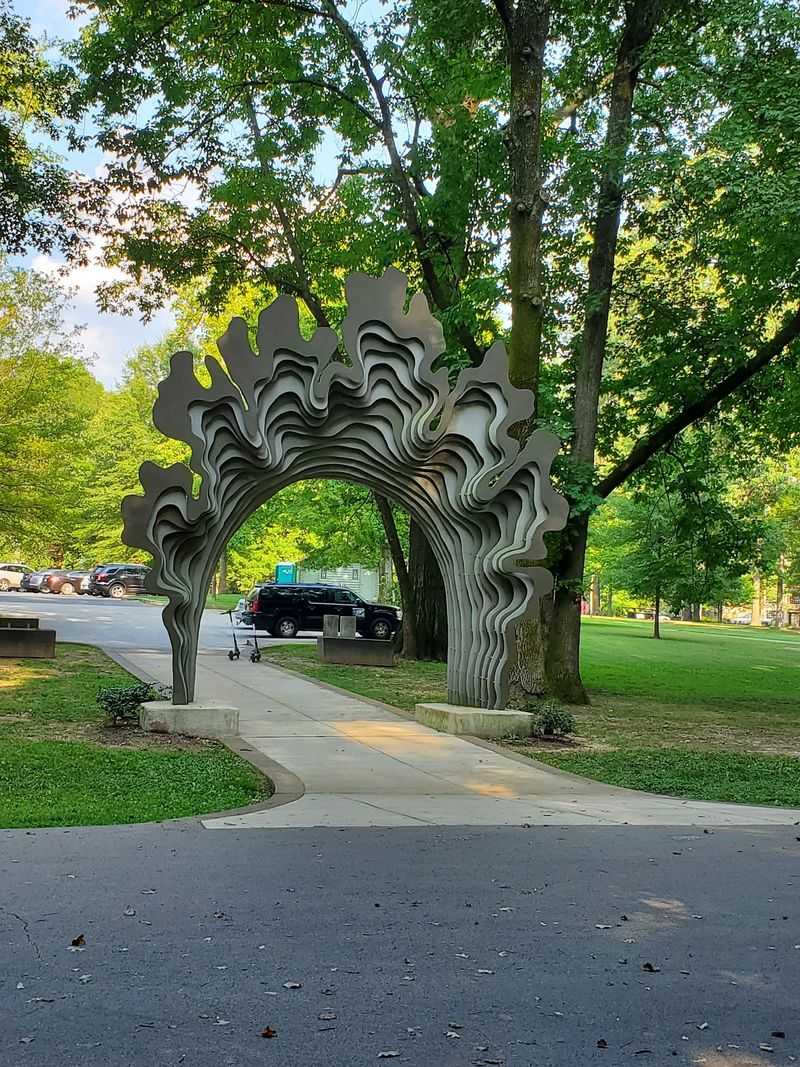
Zero. Admission to the Old Forest State Natural Area is free, and parking is free as well, which is the number that makes this an easy Saturday for families watching a budget.
Hours run 6 AM to 8 PM daily, and the park generally operates dawn to dusk. Seasonal daylight affects how much of that window is actually usable, so check before an evening visit in winter.
Parking lots are limited but spread out, with designated areas at Rainbow Lake Playground, the Abe Goodman Golf Clubhouse, and East Parkway Pavilion. Free street parking is available throughout Overton Park when the lots fill.
Restrooms exist at Rainbow Lake Pavilion and East Parkway Pavilion, plus the golf clubhouse during its operating hours. Worth noting since not every trail network offers that convenience.
For questions about guided walks or events, the park office line is 901-214-5450, and overtonpark.org carries current schedules.
Budget-wise, a family of four can spend an entire morning here, eat a packed lunch at a picnic table, and drive home having spent nothing beyond fuel and groceries.
11. Cheap Lunch Just Down the Street in Overton Square
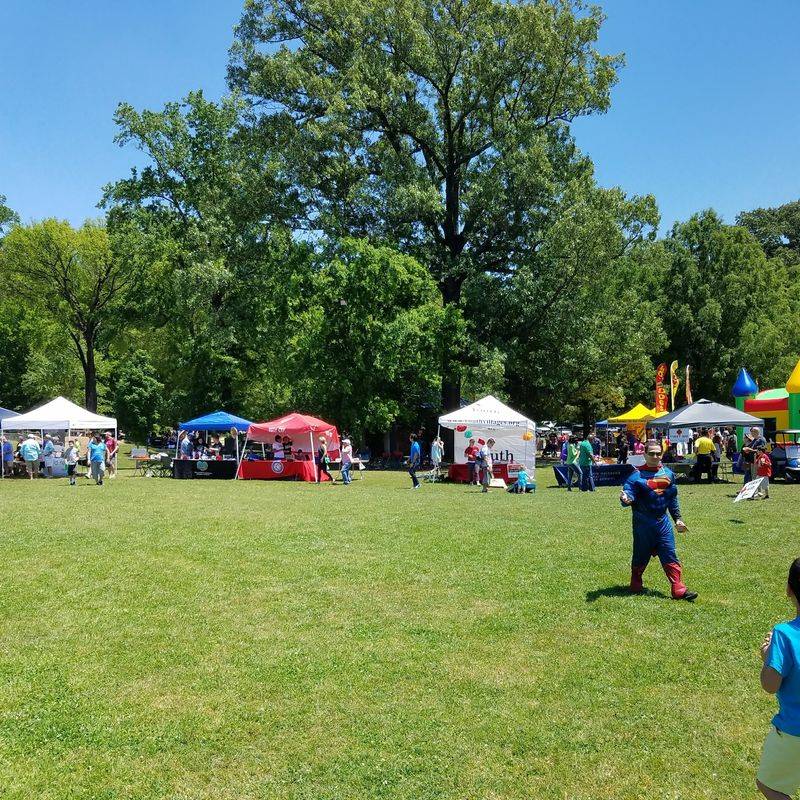
Hungry after two hours of walking? Overton Square sits close to the park and stacks up several casual, affordable places to eat without requiring a long drive.
Huey’s is the reliable family pick, known for burgers and a laid-back room where nobody minds a restless seven-year-old. Maciel’s Tacos and Tortas handles the authentic Mexican side at prices that stay friendly.
For something distinctly Memphis, Payne’s Bar-B-Que in Midtown is a longstanding local favorite, and its chopped pork sandwich has a following that stretches well beyond the neighborhood.
Prices at all three land in the range where a family of four eats for roughly the cost of one sit-down entree elsewhere. Combine free park admission with a modest lunch tab and the whole day still comes in under $40 for most households.
Packing a cooler is the cheaper route, of course, and the picnic setup at the park makes it painless.
Menus and hours shift, so a quick check before you go saves disappointment. Either way, you are never more than a few minutes from a decent meal.
12. Why This Walk Earns a Spot on Your Weekend List
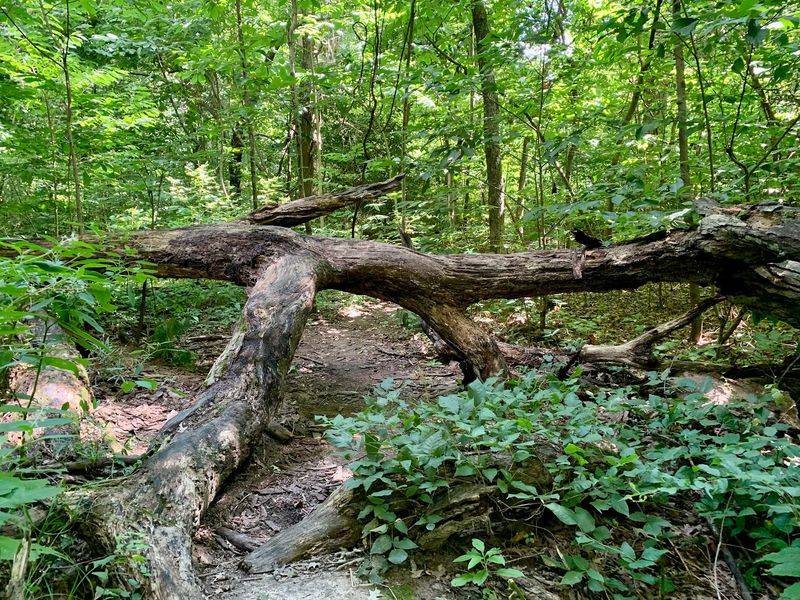
Very few American cities can point to a genuine old-growth forest inside their limits, and Memphis has one that asks nothing of you but time. That alone justifies the drive from Jackson, Oxford, or across town.
Best suited to walkers, birdwatchers, families with young kids, and anyone who wants an hour of quiet without committing to a state park two hours away. Dog owners do well here too.
Less suited to hikers chasing serious distance or elevation. Regulars who want something longer and more remote point toward Meeman-Shelby Forest instead, which is fair advice.
Fall is arguably the strongest season, with the hardwood color arriving without any highway miles required. Spring runs a close second for wildflowers and migrating songbirds.
Conditions and programming change, so glance at overtonpark.org before heading out, especially if you are hoping to join a guided walk.
What stays constant is the feeling of stepping under trees that were standing long before the streets around them existed. For free, on a Saturday morning, that is a hard thing to beat in West Tennessee.