
You’ll Find More Waterfalls Than You Expect In This Nevada Mountain Range
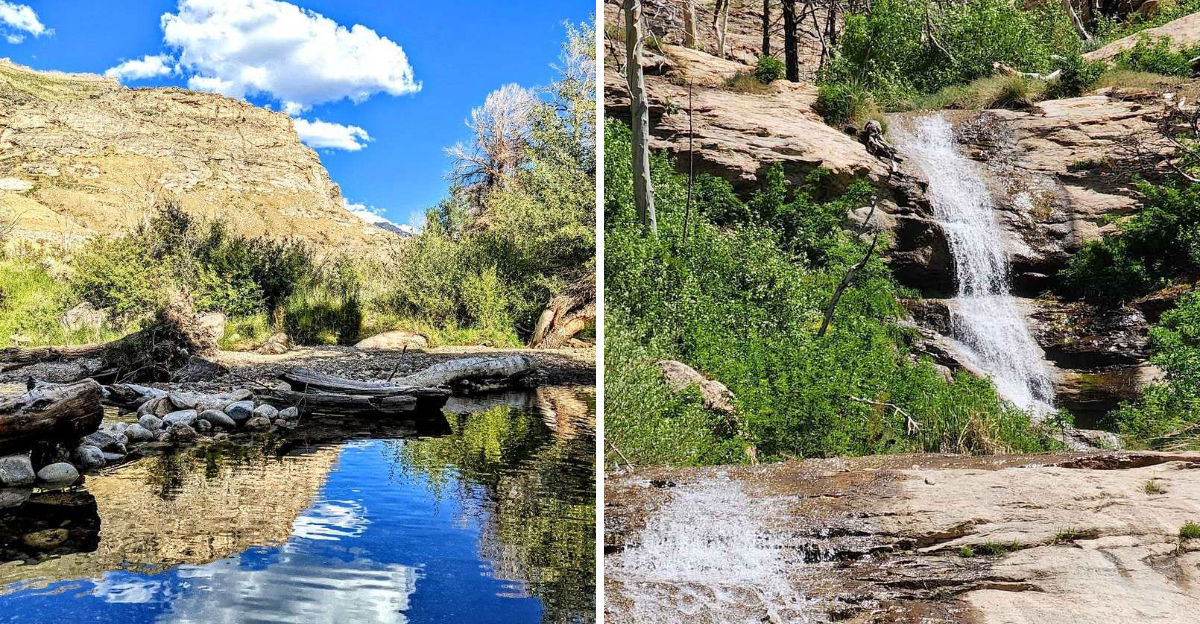
Nevada hides a secret that flips every desert assumption: real waterfalls crash through these mountains more than most people expect.
A canyon carved by ancient glaciers cuts deep into a jagged range, granite streaked with melting snow. Wildflowers crowd the roadside each summer.
Bighorn sheep cling to steep cliffs, golden eagles circle overhead, and trout linger in cold alpine creeks. Autumn turns the aspens gold against grey stone.
Winter buries it all in snow built for snowshoes and skis. Trails range from an easy stroll to a multi day trek across the crest.
Fishing, camping, and climbing round out a lineup most people never connect with Nevada’s mountains.
Curious how many waterfalls are actually flowing through there? One drive through this range should answer that.
The Drive That Redefines Nevada
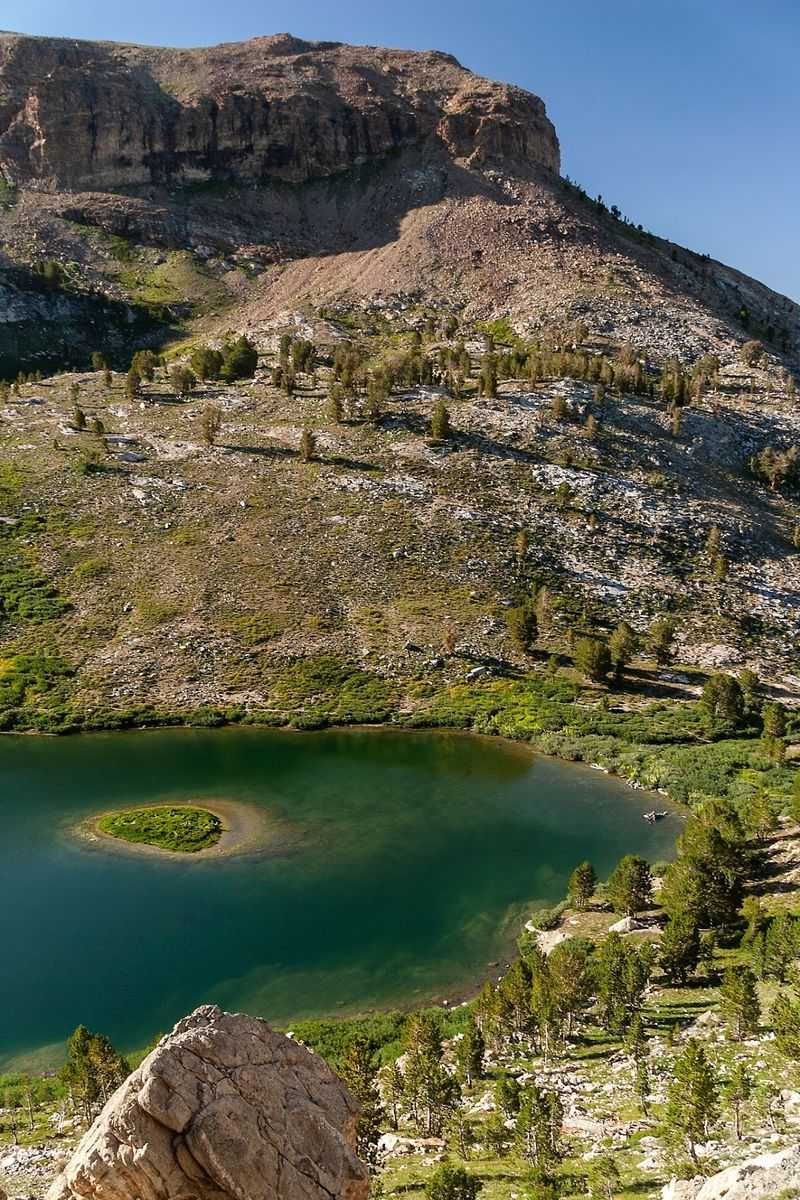
Forget every assumption about Nevada roads leading nowhere interesting. The Lamoille Canyon Scenic Byway, officially designated as Forest Service Road 660, stretches roughly 12 miles into the Ruby Mountains and climbs nearly 2,900 feet along the way.
The pavement is smooth and well-maintained, making it accessible for any standard vehicle. Pullouts appear frequently, giving drivers plenty of chances to stop, breathe, and absorb views that genuinely rival famous national parks.
The canyon walls rise sharply on both sides, their granite faces streaked with seasonal moisture. Wildflowers crowd the roadside in summer, and the creek below the road hums with snowmelt energy.
Picnic areas like the Powerhouse Picnic Area and the Terraces Picnic Area sit along the route, perfect for a midday break. The byway is typically accessible from May through October, though snow can push that window.
No admission fee is required, making this one of the most rewarding free drives in the entire state.
Big Falls and the Waterfall Surprise
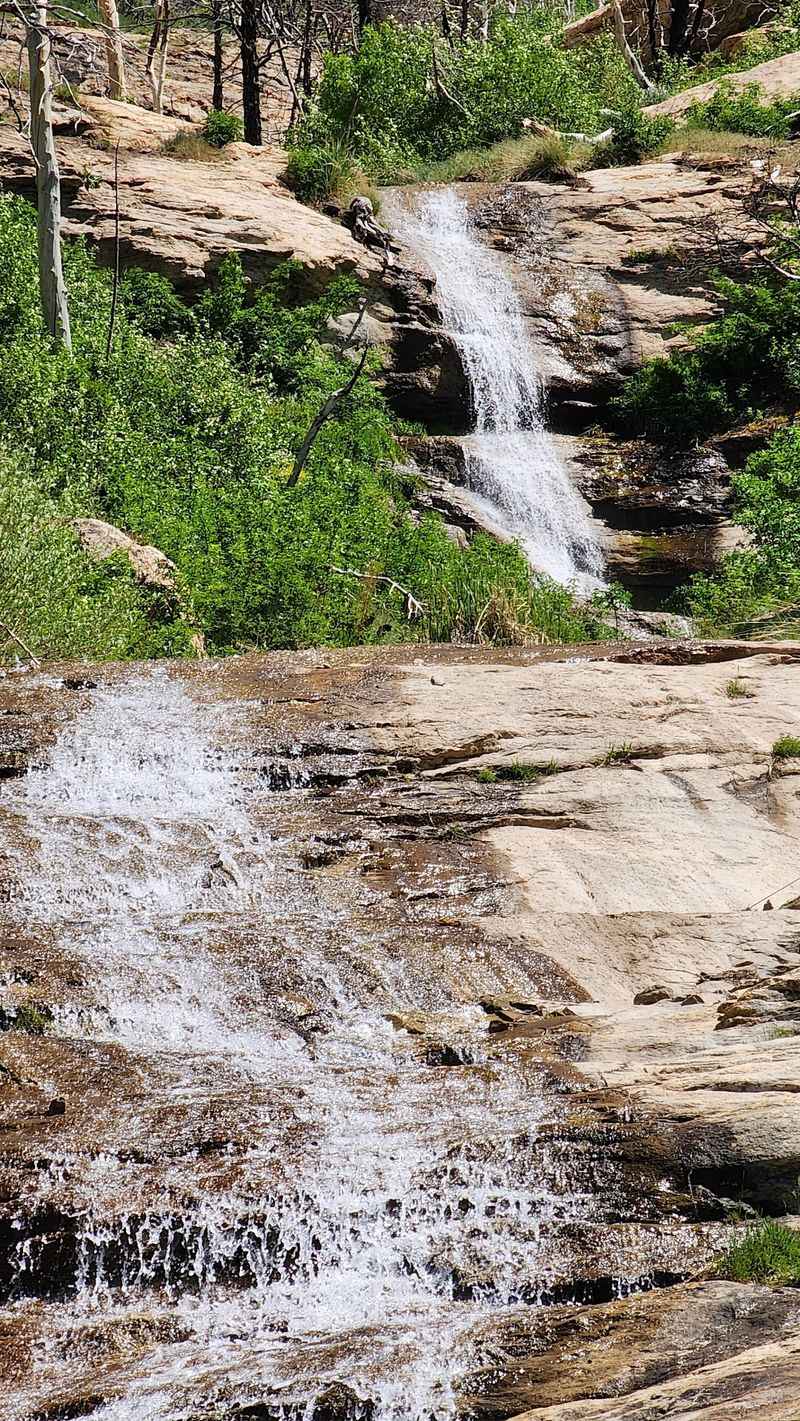
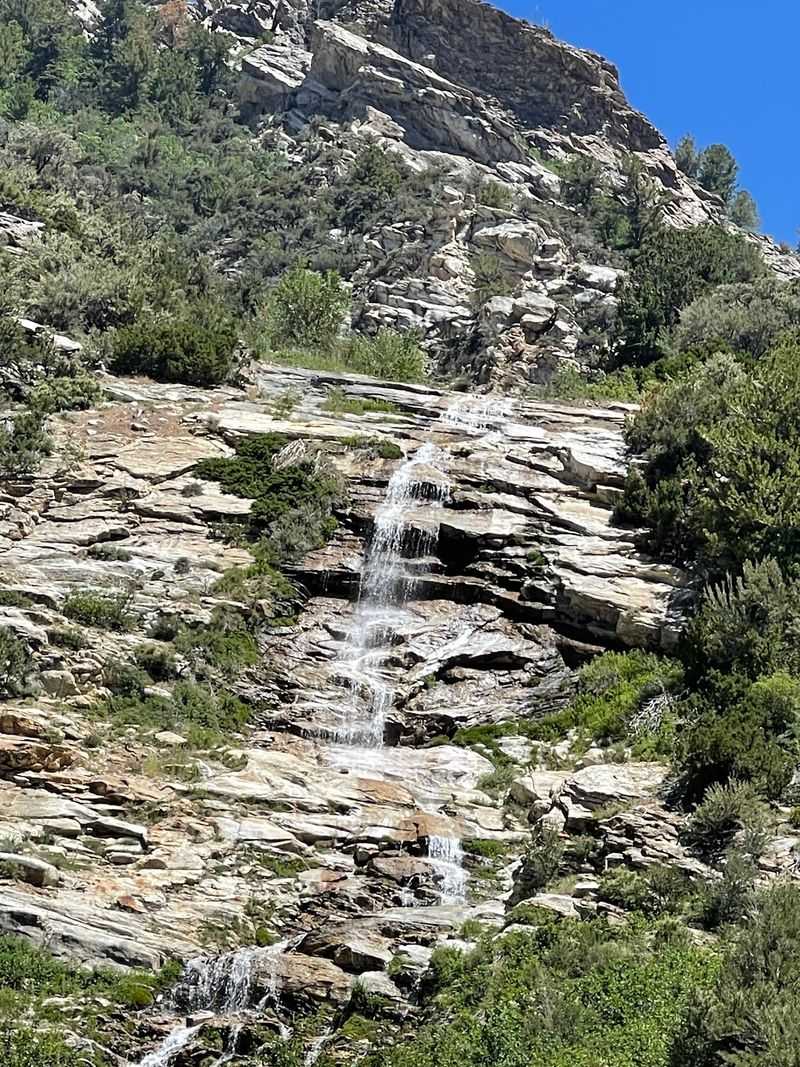
Nevada holds the tallest waterfall you probably never knew about. Big Falls, located within Lamoille Canyon, plunges approximately 100 feet and holds the distinction of being the tallest waterfall in the state.
That alone makes it worth the trip. The falls are fed by snowmelt that pours off the high Ruby Mountain peaks, making late spring and early summer the most dramatic time to visit.
The water hits the rocks below with real force, sending mist into the surrounding air.
Lamoille Falls adds another watery highlight near the junction with Right Fork Canyon. Thomas Canyon, a side canyon accessible from the byway, hides its own series of cascades fed partly by the Thomas Glacier above.
These are not trickles. They are legitimate, rushing waterfalls that surprise every visitor who assumed Nevada had none to offer.
Catching all of them in one day is entirely possible, making this canyon a waterfall lover’s unexpected playground right here in Nevada.
A Canyon Shaped By Ancient Ice
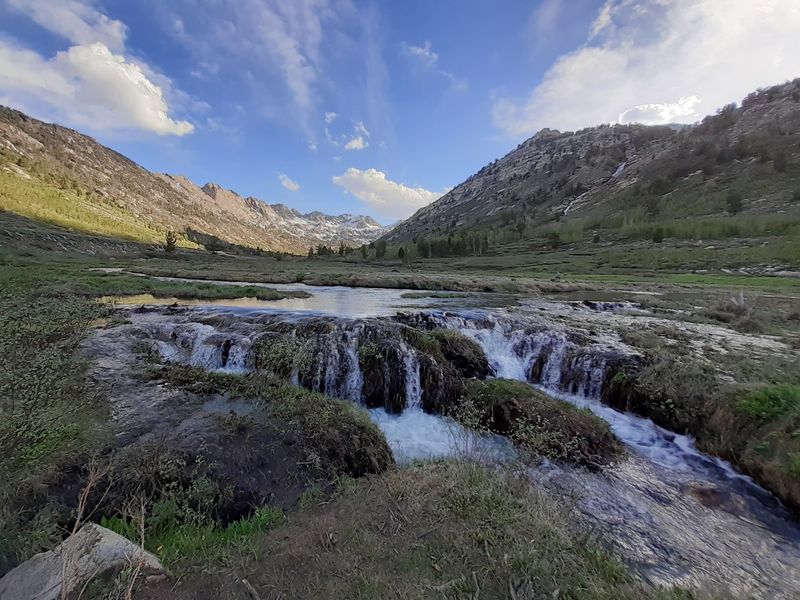
Ice did the heavy lifting here. Massive glaciers ground through this landscape over millennia, carving the deep, U-shaped valley that visitors walk through today.
The result is a textbook example of glacial geology, with hanging valleys perched high on canyon walls and dramatic cirques scooped out near the peaks.
The Ruby Mountains are also recognized as a metamorphic core complex, a rare geological feature where deep crustal rocks have been pushed to the surface over millions of years. That adds a layer of scientific intrigue beneath all the scenic beauty.
Early explorers noticed this, too.
In 1868, geologists traveling as part of the King Geological Exploration of the Fortieth Parallel documented extensive glaciation in this part of the range, describing it as bold and rugged with numerous summits exceeding 10,000 feet. Their observations were among the earliest formal records of the region’s geological character.
The canyon has been drawing curious minds ever since, and the evidence of ancient ice is visible everywhere a visitor looks.
Hiking Trails For Every Type of Adventurer
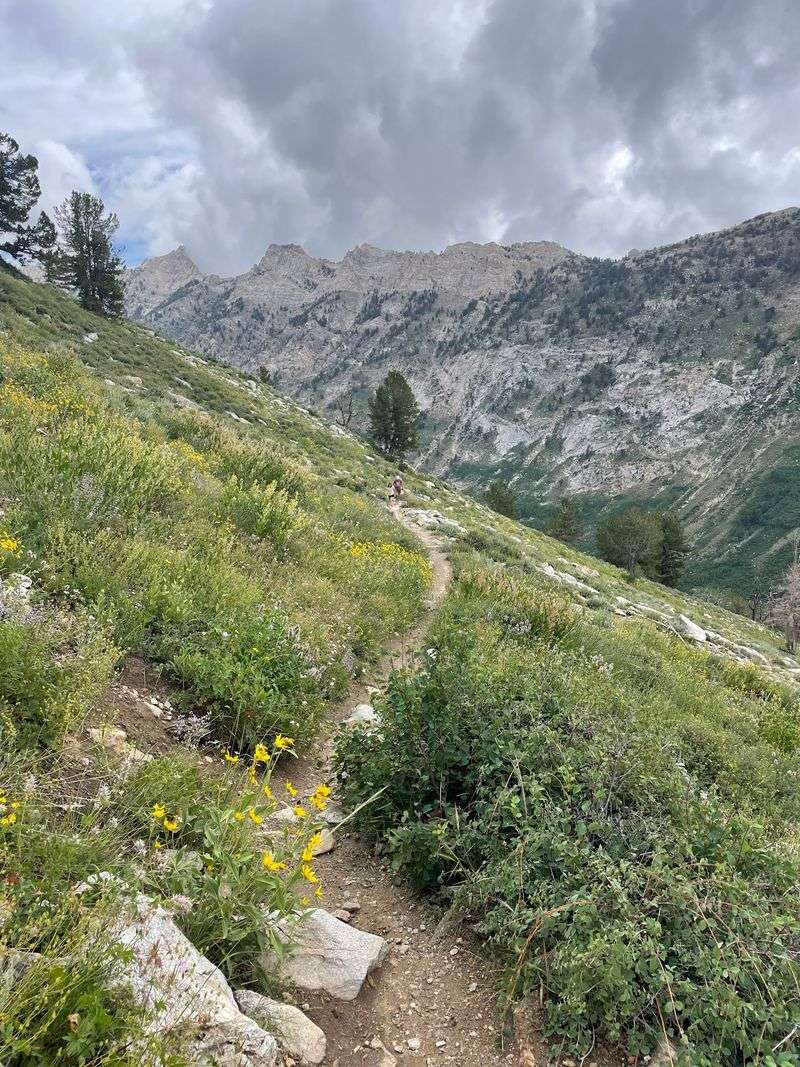
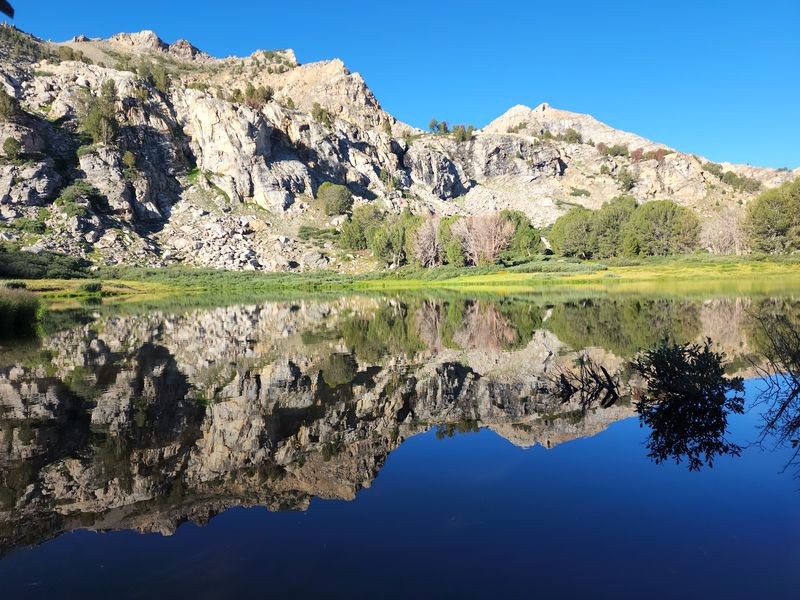
The trail options here cover a wide range of ability levels, which is part of what makes this canyon so popular. The path to Lamoille Lake is a favorite, covering roughly 4.4 miles round trip and ending at a stunning glacial tarn ringed by rocky peaks.
Island Lake is another crowd-pleaser, offering dramatic scenery and a satisfying payoff for the effort. The Thomas Canyon Trail starts at the campground and winds past several of those famous waterfalls before climbing into a glacial cirque.
For hikers who prefer something shorter, the Changing Canyon Nature Trail provides a pleasant walk without demanding too much from the legs.
The crown jewel for serious adventurers is the 43-mile Ruby Crest National Recreation Trail, which runs the length of the range and suits multi-day backpackers looking for a real challenge. More than a dozen trailheads branch off from the byway.
Trails may still carry snow into June, so sturdy footwear and a U.S. Forest Service map are both strongly recommended before heading out.
Wildlife That Shows Up Uninvited (In The Best Way)
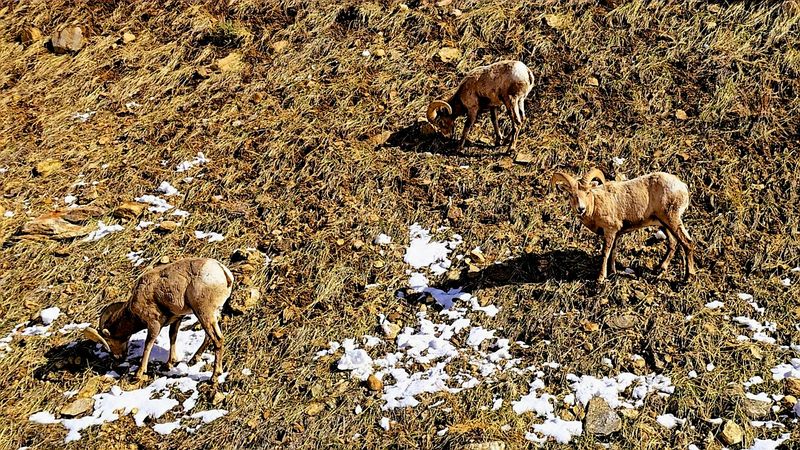
Mountain goats and bighorn sheep navigate the steep cliffs of Lamoille Canyon with casual confidence, as if the vertical terrain is completely unremarkable. Spotting one of these animals perched on an exposed ledge is a genuine thrill that no photograph fully captures.
Mule deer graze in the canyon meadows during quieter parts of the day, often ignoring visitors entirely. Beaver and pika occupy more hidden corners of the landscape, rewarding patient observers who slow down and look carefully.
Birdwatchers have their own reasons to visit.
Golden eagles ride thermals above the canyon walls, and the Himalayan snowcock, a species rarely encountered elsewhere in Nevada, has been documented in the high elevations of the Ruby Mountains. Rattlesnakes and mountain lions are also present, so awareness on the trail is always a good idea.
Binoculars make a meaningful difference here. The wildlife density in this canyon consistently surprises visitors who expect a quiet, empty mountain landscape and instead find a fully functioning ecosystem at every elevation.
Fishing In The Most Unlikely Desert State
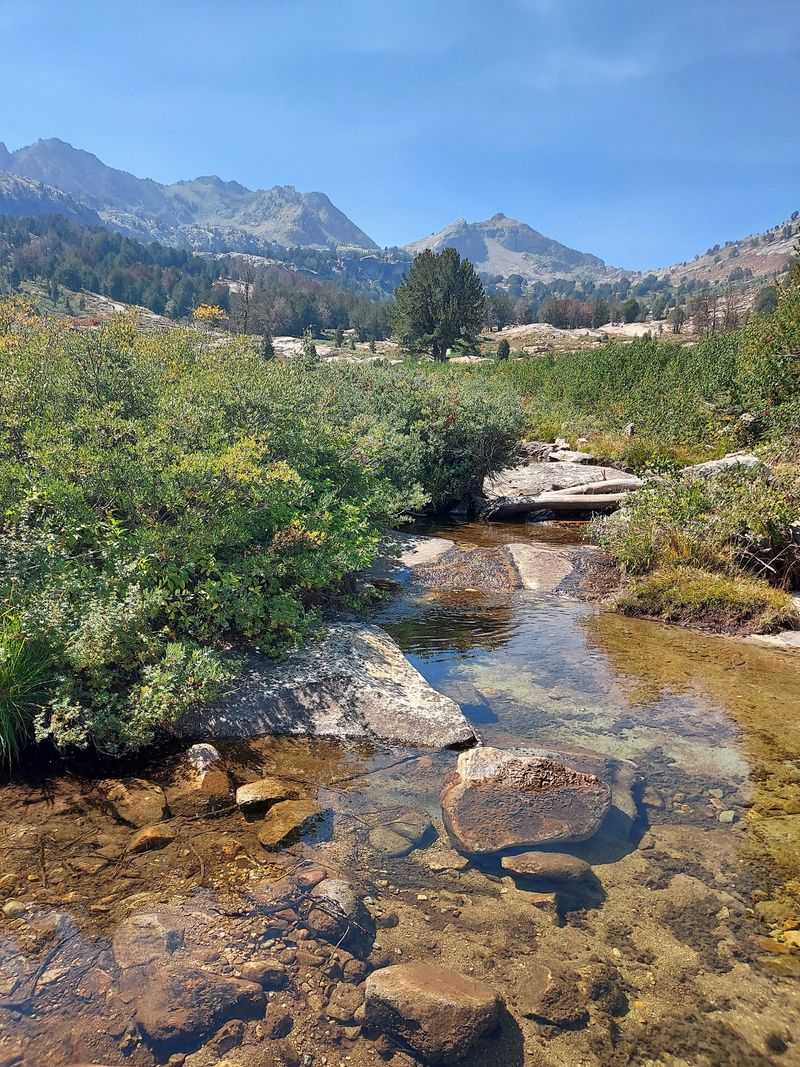
Lamoille Creek runs alongside the byway for much of its length, and it carries a healthy population of brook trout and wild rainbow trout. Fly-fishing along this creek is a peaceful, rewarding experience that feels worlds away from the Nevada most outsiders picture.
The creek is fishable from the canyon’s lower reaches all the way up to the headwaters near Roads End, giving anglers plenty of water to explore. The beaver ponds near the upper end of the byway are particularly productive, with tiger trout, rainbow trout, and wild brook trout all present in good numbers.
The alpine lakes scattered throughout the Ruby Mountains also hold fish, rewarding those willing to hike a little further for a more secluded spot. Fishing in this canyon carries a meditative quality that pairs naturally with the surrounding scenery.
The sound of the creek, the cold clean air, and the backdrop of granite peaks make every cast feel like a small event worth remembering. A valid Nevada fishing license is required.
Camping Where The Stars Actually Show Up
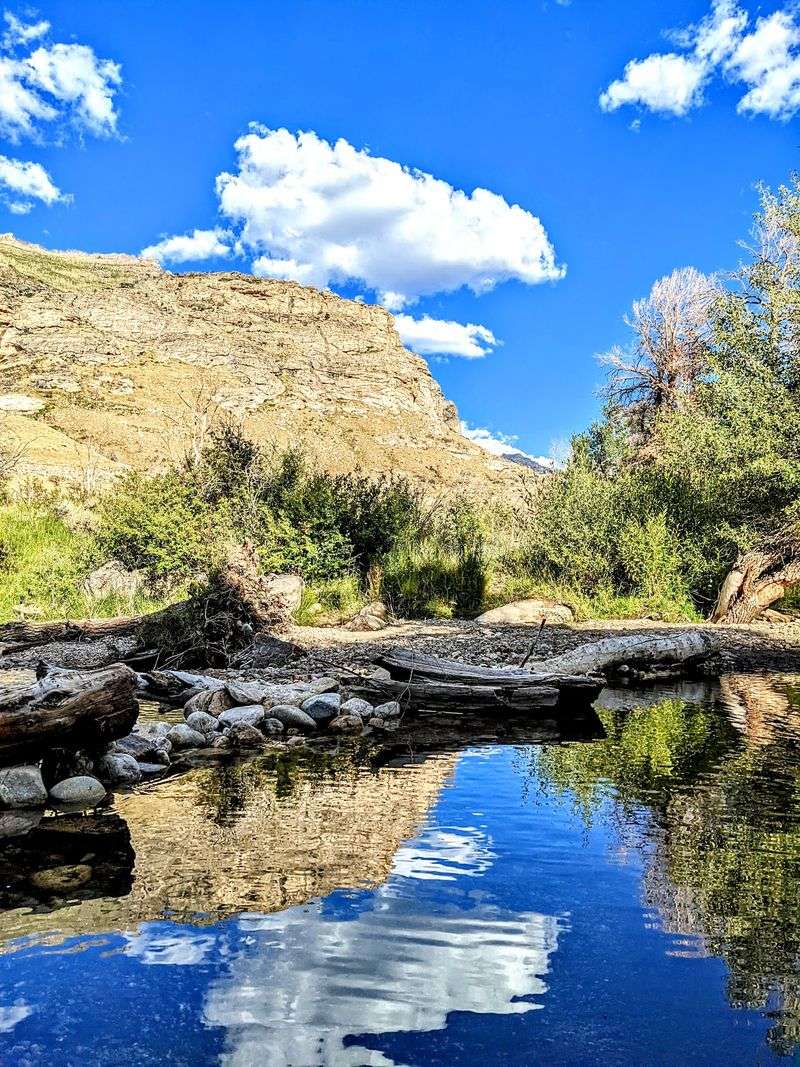
Thomas Canyon Campground sits at the mouth of Thomas Canyon at roughly 7,200 feet elevation, putting campers close to trailheads, waterfalls, and fishing spots all at once. The sites come equipped with picnic tables, campfire rings, and grills, covering the basics without over-engineering the experience.
The views from camp are hard to argue with. Towering peaks surround the area, and the night sky at this elevation rewards anyone who steps outside after dark.
Light pollution is minimal this far from city centers, making stargazing a genuine highlight of an overnight stay.
Dispersed camping is also permitted along sections of Forest Service Road 660 before reaching the established campgrounds. These spots offer more solitude and a rawer connection to the wilderness.
High-clearance vehicles help for some dispersed sites, though many are easily accessible. Checking current road and fire conditions before arrival is always a smart move.
The campground’s proximity to the byway makes it a practical base for exploring everything the canyon offers across multiple days.
Autumn Colors That Stop Traffic
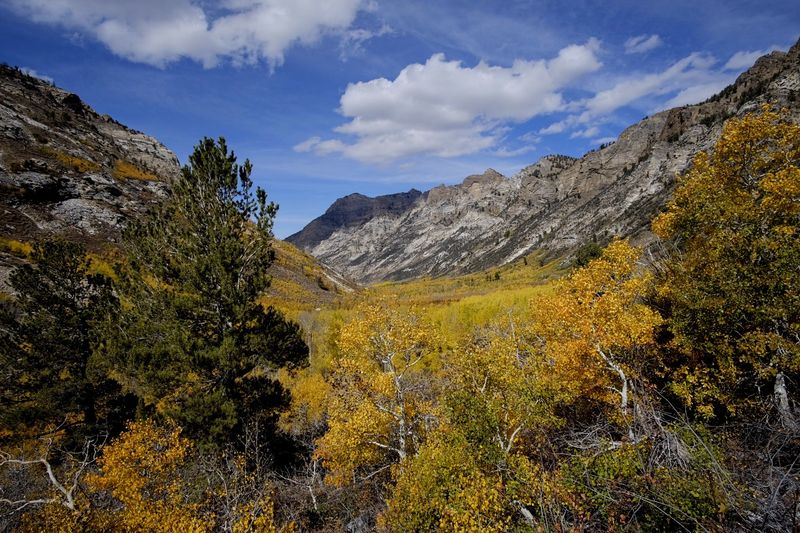
Peak fall color in Lamoille Canyon is the kind of thing that makes people pull over and just stand there for a while. The aspen groves lining Lamoille Creek turn a vivid gold in early to mid-October, creating a contrast against the grey granite walls that feels almost theatrical.
Snow-dusted peaks often appear in the background during this window, adding another visual layer that photographers chase from across multiple states. License plates from Idaho, California, Oregon, Utah, and Texas regularly appear in the parking areas during peak autumn weekends, a testament to how far people travel for this display.
The paved byway remains accessible for most of October, giving leaf-peepers a comfortable way to experience the color without demanding a serious hike. Morning and late afternoon light hit the canyon walls and aspen groves at ideal angles, so timing the visit around golden hour pays off.
Bringing extra memory cards is genuinely practical advice for this particular trip. The canyon earns its reputation most visibly during these few spectacular weeks.
Winter Transforms The Canyon Entirely
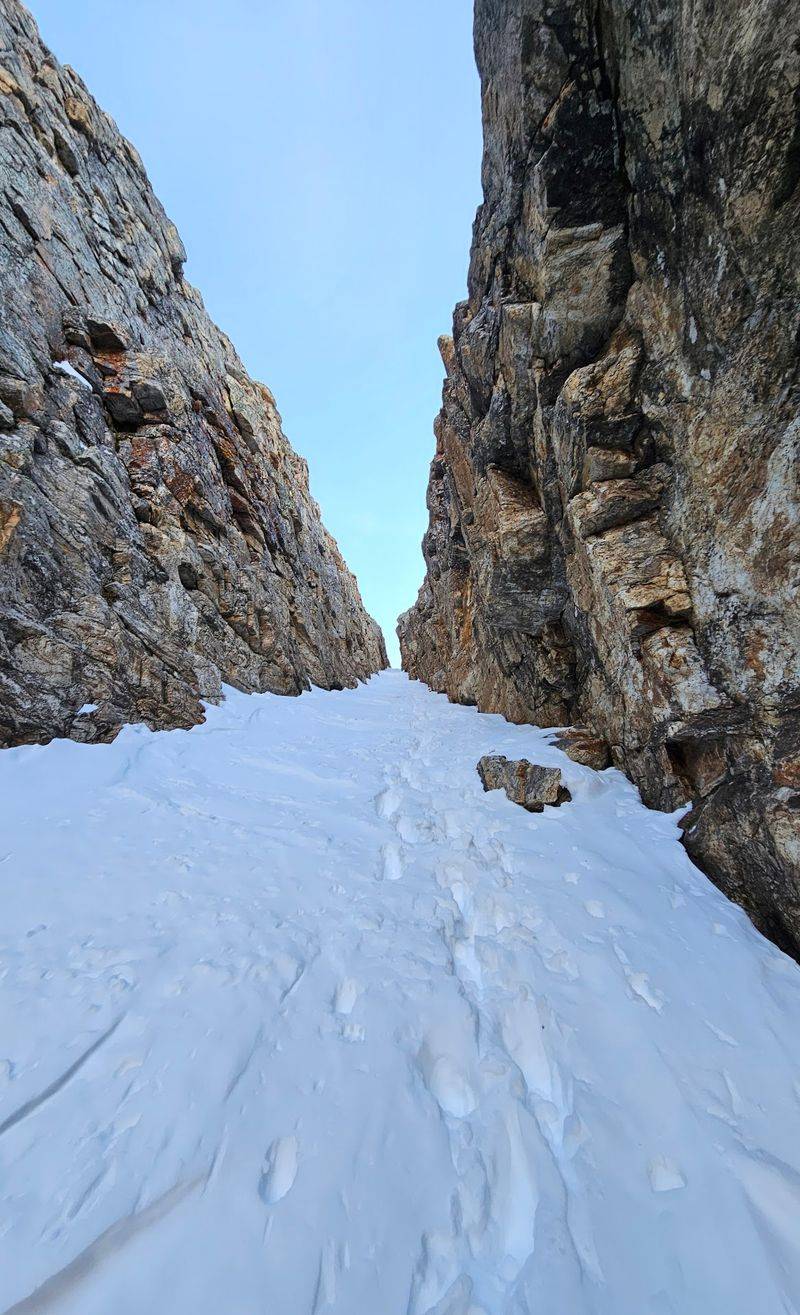
When the paved byway closes to regular vehicles, the canyon does not go quiet. Winter converts Lamoille Canyon into a different kind of playground, one that rewards those willing to bundle up and venture in on their own terms.
Snowshoeing and Nordic skiing are popular ways to explore the lower canyon during colder months. Backcountry skiing and snowmobiling open up the higher elevations for those with the right gear and experience.
Heli-skiing is also available in the Ruby Mountains for those seeking a more dramatic descent.
The snowpack here can be substantial, with some years seeing the byway remain closed to vehicles well into June. That same heavy snow is exactly what feeds the waterfalls and streams that make the canyon so impressive in late spring.
Winter visitors should always check current conditions before heading out, as road closures and avalanche risks vary significantly by season. The silence of a snow-filled canyon, broken only by wind and the creak of pine branches, is a Nevada experience most travelers never discover.
Rock Climbing On Glaciated Granite
The granite walls of Lamoille Canyon are not just scenic backdrops. They are active climbing terrain that draws technical climbers looking for routes with real character and relatively easy access from the paved road.
Glaciated granite surfaces offer solid holds and varied texture, suiting climbers across a range of skill levels. Top roping and rappelling are common activities, and some hardware from previous climbing efforts is already in place on established routes.
Ice walls within the canyon add a winter dimension for those with the right technical skills and equipment.
The combination of accessible approach and quality rock makes this an appealing destination for climbers who might otherwise drive straight past Nevada on the way to more famous crags. The canyon’s relatively low foot traffic compared to popular climbing destinations means more time on the wall and less time waiting.
Checking in with the Humboldt-Toiyabe National Forest office before a climbing trip is a practical first step for route information and current conditions. The walls here hold more potential than their quiet reputation suggests.
How To Get Here Without Getting Lost
Getting to Lamoille Canyon requires no special navigation skills, just a willingness to head southeast from the city of Elko. From Elko, the drive follows State Route 227 for approximately 22 miles through open rangeland and gradually rising terrain.
About one mile before reaching the small community of Lamoille, a right turn marked with signs for Lamoille Canyon Recreation Area leads directly onto Forest Service Road 660, the official designation for the byway. Thomas Canyon Campground can be found off Forest Service Road 660 in the Spring Creek, NV 89815 area, and is easiest to navigate to by searching its name directly rather than a street address.
The entire approach is paved and manageable for any standard passenger vehicle. No off-road capability is needed to reach the canyon’s main attractions.
Vault toilets are available at the end of the byway, and parking areas are generally well-sized. Arriving on a weekday or early on weekend mornings helps avoid the busiest periods, particularly during peak summer and fall color seasons.
Why This Canyon Deserves More Recognition
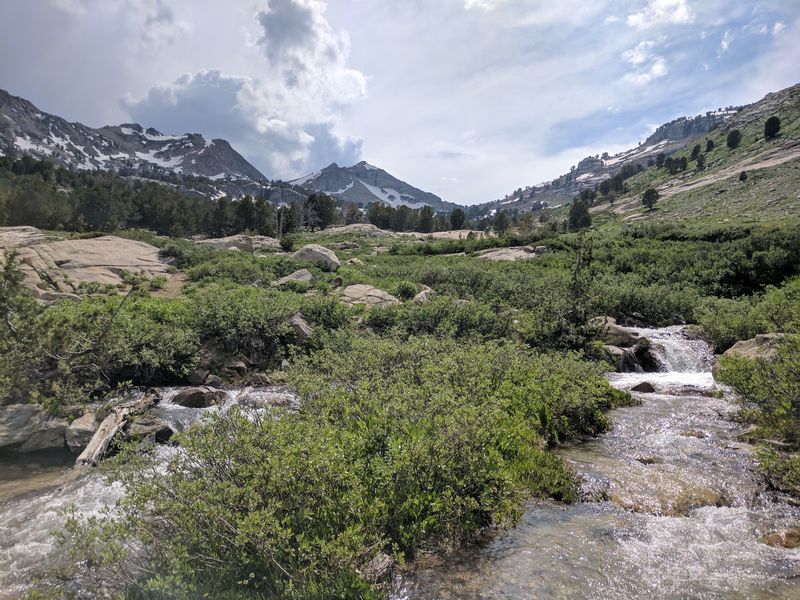
Visitors who have seen Lamoille Canyon often say the same thing: if this place were located anywhere else in the country, it would already be a national park. The scenery competes directly with Yosemite and Grand Teton in terms of raw visual impact, yet the crowds never reach those levels.
That relative obscurity is both its charm and its quiet advantage. Trails become less crowded the further a hiker advances.
Alpine lakes sit in near-perfect stillness on weekday mornings. The canyon operates at a pace that lets visitors actually absorb what they are seeing rather than rushing between viewpoints.
Nevada gets overlooked as a destination for mountain scenery, and the Ruby Mountains absorb that oversight without complaint. The byway asks nothing of visitors except their time and attention, returning both with extraordinary interest.
From the first waterfall to the last aspen grove, Lamoille Canyon makes a compelling case that Nevada holds far more natural variety than its reputation suggests. Coming here once is usually enough to guarantee a return trip.