
You’ll Want To Drink Straight From This Clean Mountain Lake Water In Tennessee
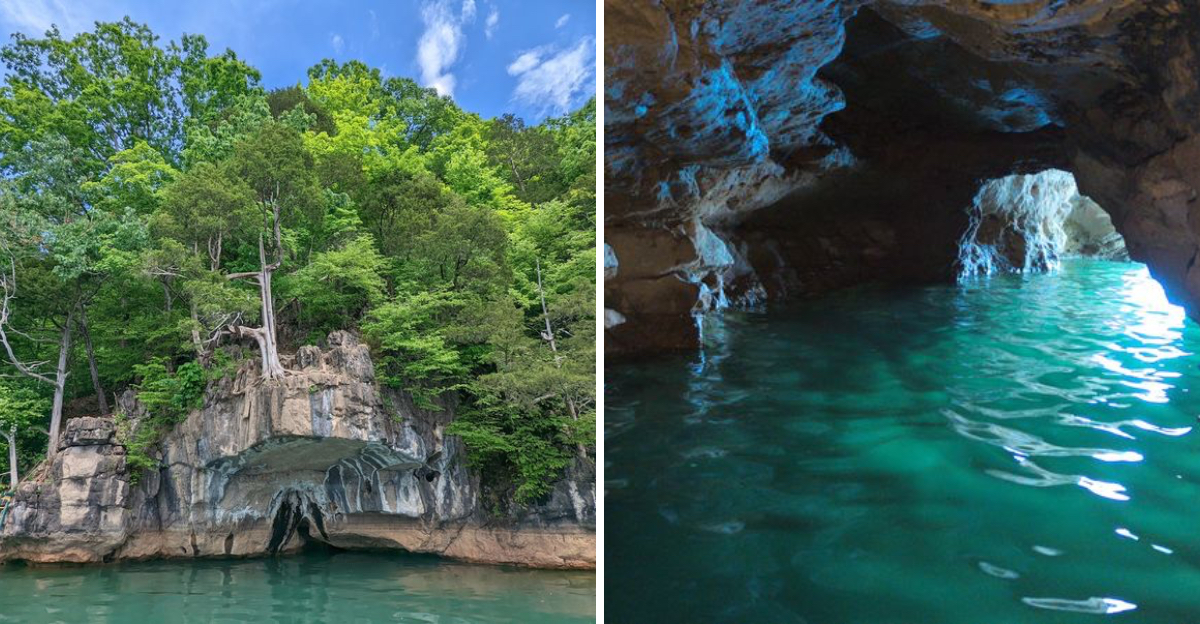
Few lakes can back up a reputation for water this clean. You could practically drink from the surface without a second thought.
Deep in the hills of Tennessee, a stretch of blue winds through five different counties. Below all that glassy calm sits a whole town nobody talks about anymore.
Anglers cross state lines chasing bass that practically beg to be caught. Paddlers slip into quiet coves where herons stand like statues.
Come fall, the whole shoreline catches fire in color, and Tennessee turns into something close to magic.
There’s a dam holding a story bigger than the lake itself, plus a museum keeping pieces of mountain life alive. Trails wind toward views that beg to be kept secret.
Your next great outdoor memory might be closer than you think.
Crystal-Clear Water That Earns Its Reputation
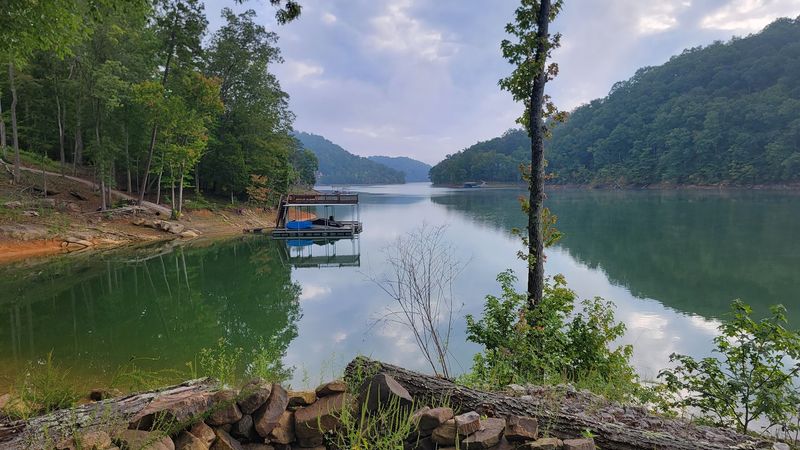
Few lakes in the country can back up their reputation the way Norris Lake does. The water clarity here regularly reaches depths of 15 to 25 feet, meaning you can watch your own feet disappear into the blue without losing sight of them for a surprisingly long time.
The secret behind this remarkable clarity is a combination of natural geology and careful management. Limestone bedrock beneath the watershed acts as a natural filter, stripping out impurities before water even reaches the lake.
The lake also runs deep, touching depths of up to 210 feet with an average around 75 feet. That depth allows suspended particles to sink far below the surface, keeping the upper water column clean and bright.
Minimal agricultural runoff from the surrounding forested hills adds another layer of protection. The Tennessee Valley Authority actively monitors water quality and oversees responsible shoreline development, making sure the lake stays as clean tomorrow as it is today.
The Dam That Started It All
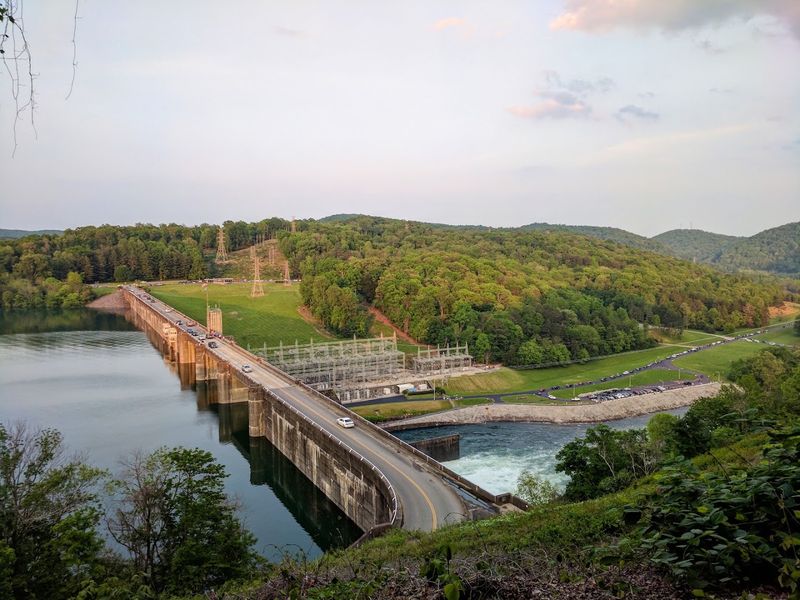
Norris Dam has a story worth knowing before you ever set foot near the water. Construction began in 1933 and wrapped up in 1936, making it the very first major project completed by the Tennessee Valley Authority.
The TVA built the dam for flood control, hydroelectric power, and regional economic development. The effort reshaped the landscape dramatically, including the relocation of entire communities.
The town of Loyston, Tennessee, now rests permanently beneath the lake’s surface.
Both the lake and the dam carry the name of Senator George W. Norris of Nebraska, who championed the legislation that created the TVA.
His advocacy helped bring electricity and economic stability to a region that needed both.
The planned town of Norris itself was built to house construction workers and their families during the dam’s creation. It later became a national model for thoughtful community planning.
Visiting the dam today offers a tangible connection to one of the boldest public works efforts in American history.
A Lake That Covers Five Counties
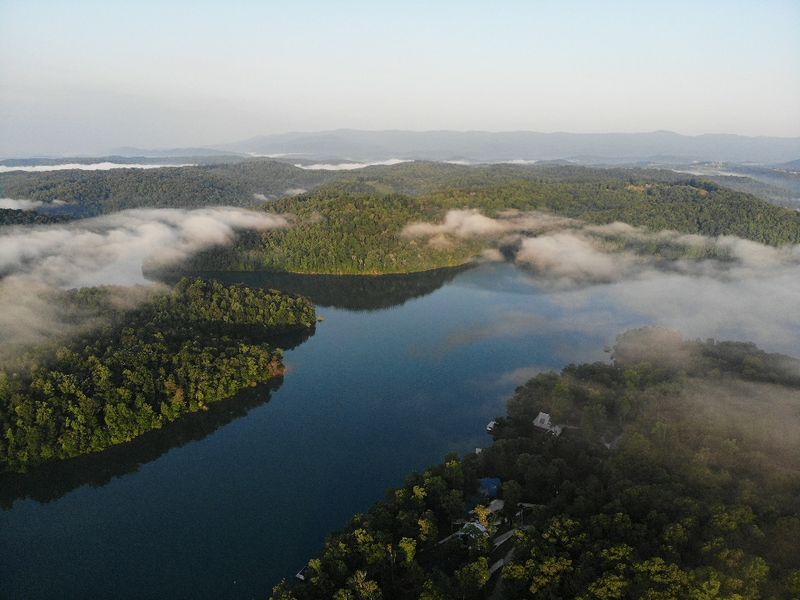
The sheer scale of Norris Lake surprises most first-time visitors. The reservoir stretches 73 miles up the Clinch River and 56 miles up the Powell River, forming a vast, branching system of waterways that feels almost endless to explore.
Spread across Anderson, Campbell, Claiborne, Grainger, and Union counties in Tennessee, the lake offers dramatically different scenery depending on which direction you point the bow. Dramatic limestone cliffs drop into deep water in some areas, while shallow sandy coves invite wading and swimming in others.
Over 800 miles of shoreline wind through this landscape, creating countless hidden inlets and quiet corners that reward patient explorers. Regular visitors report spending two full weeks on the water without covering the same stretch twice.
About 75 percent of the shoreline is managed by the TVA and the State of Tennessee, keeping development limited and the natural character intact. That protection is a big reason the lake still feels wild and unspoiled even as its popularity grows.
Fishing So Good It Draws Anglers From Other States
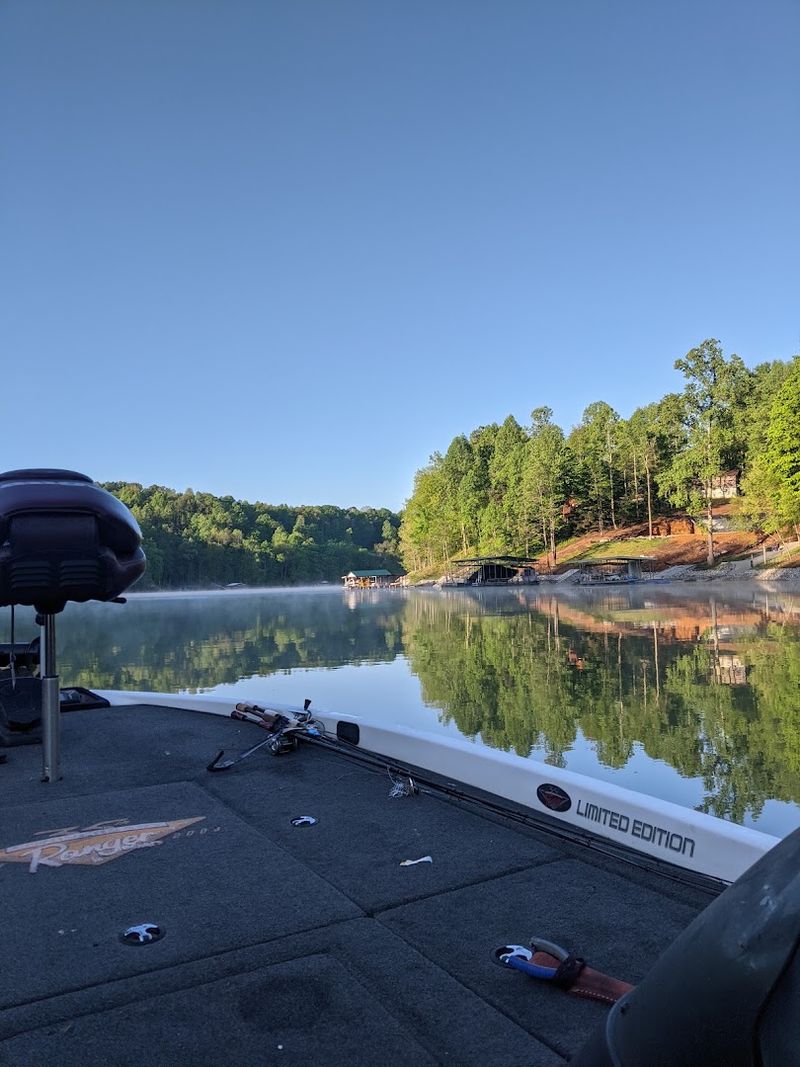
Word travels fast in fishing communities, and the word on Norris Lake is consistently excellent. The lake hosts over 56 species of fish, making it one of the most diverse fisheries in Tennessee and a serious draw for anglers from across the region.
Smallmouth bass, largemouth bass, and spotted bass all thrive here. Striped bass, crappie, and walleye round out the mix, giving anglers plenty of reasons to keep switching rigs throughout the day.
Visitors from Indiana and other distant states have made the trip specifically for the smallmouth bass fishing and reported it was worth every mile. The clear water makes sight-fishing possible in shallow coves, adding a visual thrill that most lakes simply cannot offer.
The Tennessee Wildlife Resources Agency has worked alongside local volunteers to place fish habitat structures, including brush piles and spawning benches, strategically throughout the lake. That active management keeps fish populations healthy and the fishing consistently rewarding across seasons.
Water Sports That Keep Everyone Moving
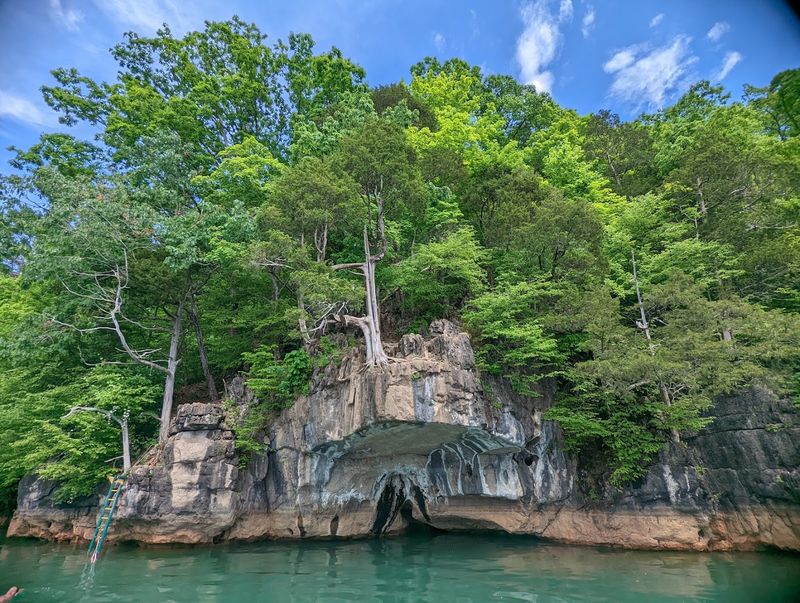
Pull up to Norris Lake on a summer weekend and the energy hits immediately. Boats tow skiers and wakeboarders across glassy stretches of water while jet skis carve arcs through the open bays.
The lake handles all of it with room to spare.
Water skiing, wakeboarding, wake surfing, and tubing are all popular here. The clear, deep water makes the experience feel different from murkier lakes.
Watching the surface beneath the boat stay transparent even at speed adds a surreal quality to every run.
Average summer water temperatures hover between 72 and 80 degrees Fahrenheit, hitting that comfortable sweet spot where swimming feels refreshing rather than punishing. Rope swings tucked into hidden coves add an element of adventure for those willing to explore off the main channels.
Multiple marinas around the lake offer boat rentals and equipment, making it accessible even for visitors who arrive without their own gear. The infrastructure supports a full day on the water without much planning required.
Quiet Paddling Through Hidden Coves
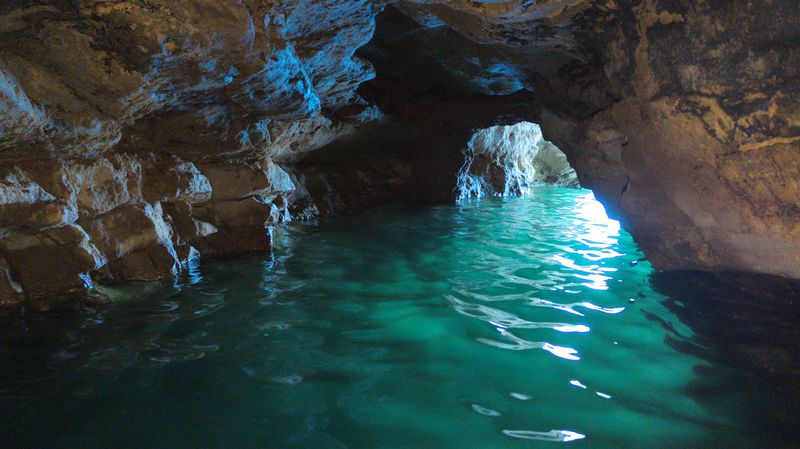
Not every visit to Norris Lake needs to be loud. Kayaking, canoeing, and stand-up paddleboarding offer a completely different relationship with the water, one built on silence and slow discovery rather than speed.
The lake’s extensive cove system makes paddling particularly rewarding. Each inlet leads somewhere new, whether that means a quiet beach, a shaded limestone wall, or a stretch of water where the only sounds come from birds in the treeline above.
Stand-up paddleboarding has become especially popular here. The water’s clarity makes it feel like floating on glass, and the calm conditions inside protected coves keep even beginners stable and confident.
Rental boards are available at several marinas for those who want to try without committing to gear purchases.
Early mornings offer the most peaceful experience. The main channels stay calm before boat traffic picks up, and the mist sitting low over the water in cooler months creates an atmosphere that is hard to replicate anywhere else in East Tennessee.
Trails That Wind Through Mountain Wilderness
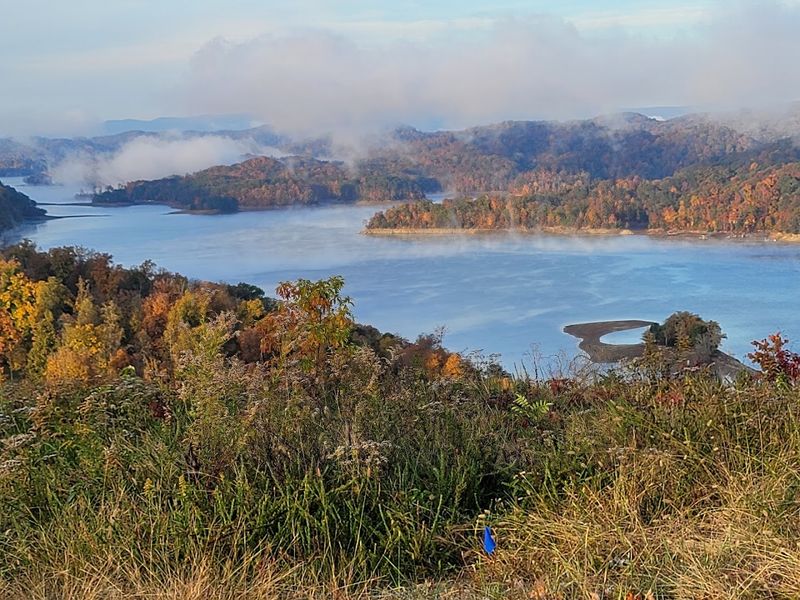
The lake is only part of the story. The land surrounding Norris Lake offers nearly 95 miles of trails for hiking, mountain biking, and horseback riding, threading through some of East Tennessee’s most scenic terrain.
Norris Dam State Park, Big Ridge State Park, and the Chuck Swan Wildlife Management Area all border the lake and connect to this trail network. Each area has its own character, from the dramatic ridgelines above the dam to the quieter hollow trails deeper in the forest.
Big Ridge State Park stands out for its mix of lakeside paths and woodland routes. Hikers can move from shaded forest floor to open overlooks in a single outing, catching views of the lake that reward the climb every time.
The trail system accommodates different fitness levels and interests. Short nature walks work well for families with young children, while longer backcountry routes challenge experienced hikers looking for real mileage.
The variety makes the area worth returning to across different seasons and moods.
Wildlife Watching Along a Protected Shoreline
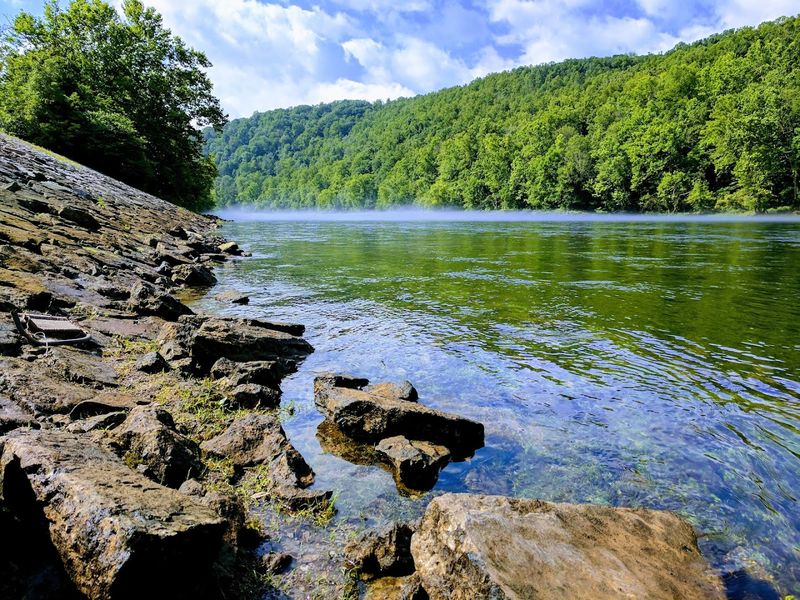
The fact that roughly 75 percent of Norris Lake’s shoreline falls under TVA or state management has a real and visible effect on the wildlife living there. Protected land means undisturbed habitat, and undisturbed habitat means animals behave as if humans are an afterthought.
Deer move through the forest edge at dusk with unhurried confidence. Wild turkey cross trails without much concern.
Great blue herons stand motionless in the shallows, hunting with the patience of experts.
Bald eagle sightings have been reported around the lake, adding a dramatic highlight to any morning on the water. The lush Appalachian oak forest covering the hills provides nesting and foraging habitat for a wide range of bird species throughout the year.
Visitors who slow down and spend time near the quieter coves tend to see the most. Paddlers and early-morning hikers consistently report closer wildlife encounters than those who arrive later in motorized boats.
The lake rewards patience with some genuinely memorable natural moments.
Fall Colors That Transform the Whole Lake
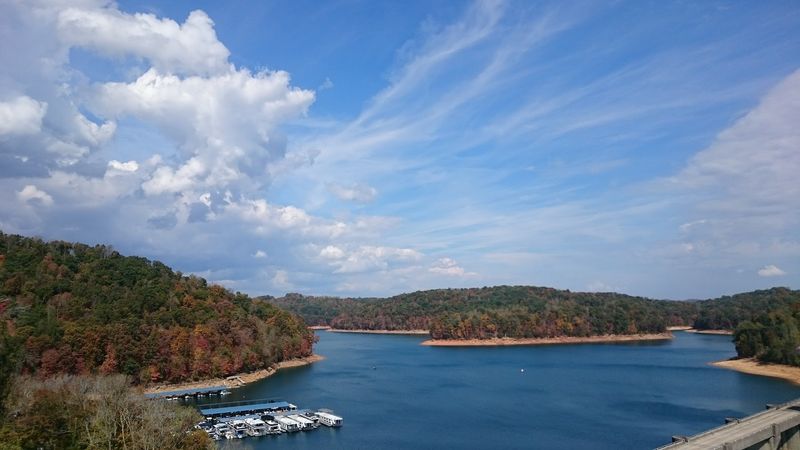
Summer gets most of the attention at Norris Lake, but fall makes a strong case for being the best season to visit. When the surrounding mountains shift color in October, the lake becomes something close to extraordinary.
The Appalachian oak forest surrounding the water turns through full autumn range, from pale yellow to deep orange to saturated red. Those colors reflect off the lake’s clear surface, creating a visual effect that photographs can only partially capture.
Boat traffic drops significantly after Labor Day, which means the coves stay quiet and the water returns to its glassy morning calm. Paddlers and anglers who return in fall often describe it as a completely different lake from the busy summer version.
Temperatures in late September and early October stay comfortable enough for hiking and light paddling. The air carries a crispness that makes the whole experience feel more alive.
Visitors who time a trip around the peak foliage window rarely regret pushing the season just a little past summer.
The Museum of Appalachia and Local Heritage
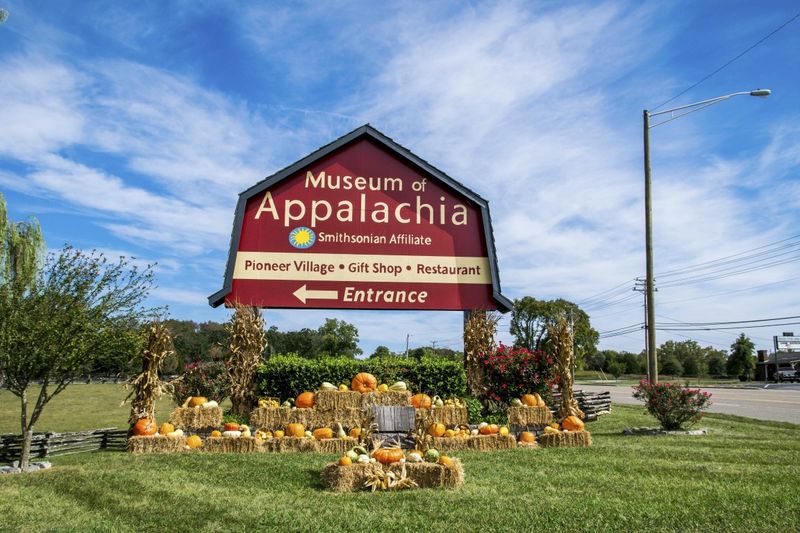
The land around Norris Lake carries history that goes well beyond the dam’s construction story. The Museum of Appalachia, located in the town of Norris, Tennessee, preserves that deeper heritage in a way that few regional museums manage to pull off.
The museum covers several acres and includes a collection of original log cabins, barns, and outbuildings relocated from across the Appalachian region. Each structure holds tools, furniture, and everyday objects from mountain life spanning multiple generations.
Visiting the museum adds meaningful context to everything else the lake area offers. Understanding what the land looked like before the TVA arrived, and what communities existed in the valleys now filled with water, makes the modern landscape feel layered and complex rather than simply scenic.
The town of Norris itself was a planned community originally built for dam construction workers. Its grid layout and original architecture reflect a fascinating chapter in American public planning history.
Spending an afternoon exploring both the museum and the town rounds out a lake visit in a way that purely water-based activities cannot.