
10 Mississippi Beach And River Towns Where You Can Park Once And Walk To Lunch, Local Shops, And The Waterfront
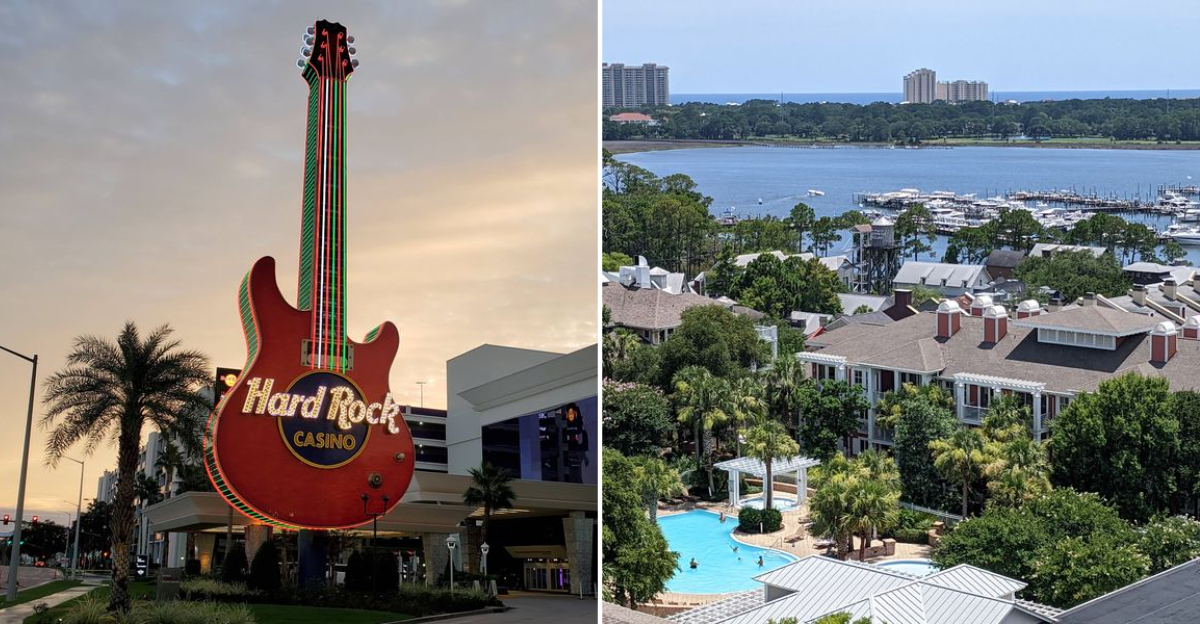
Mississippi offers towns where everything sits close together, making the whole day easier without needing to drive between stops. These beach and river towns let visitors park once and walk to lunch, local shops, and the waterfront.
Streets here stay compact enough that a single parking spot covers an entire afternoon of exploring. Restaurants, boutiques, and scenic viewpoints all sit within easy reach of each other.
Nothing about these towns feels spread out or inconvenient for visitors wanting a relaxed pace. Locals appreciate the walkability just as much as visitors passing through for the day.
Families especially benefit from not needing to load back into a car between every stop. These towns proved that sometimes the best days require nothing more than good shoes and a single parking spot.
1. Ocean Springs
Locals call it the City of Discovery, and the nickname holds up once you see how much fits into a few short blocks. Government Street and Washington Avenue form the spine of it all.
Live oaks arch over the sidewalks like a green ceiling, shading pottery studios, art galleries, and small boutiques that stock things you will not find in a mall. Artists have been drawn here for generations, and it shows in the window displays.
Tat-O-Nut Shop is a downtown institution known for doughnuts made with potato flour, which sounds strange and tastes wonderful. Morning lines form early, so plan accordingly.
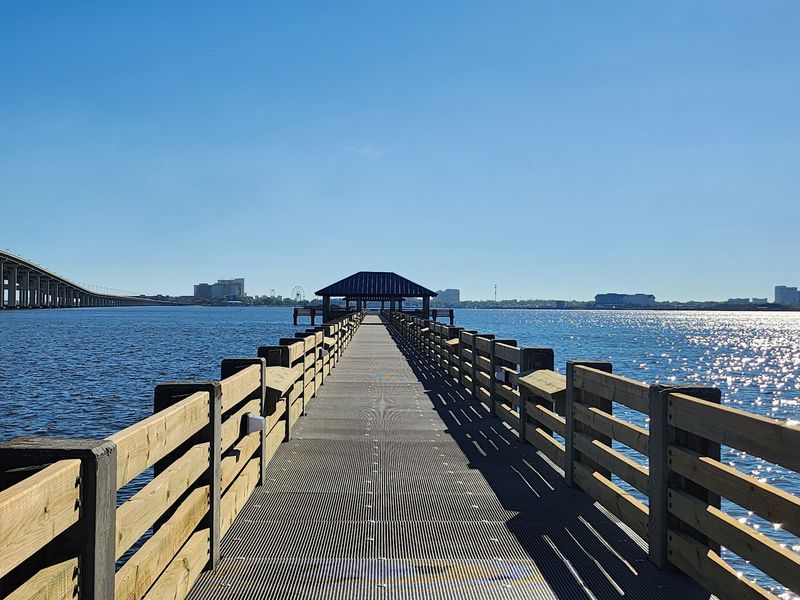
The Lady May sits right on Washington Avenue, a solid midday stop before more browsing. From there it is a short walk to Front Beach, where fishing piers stretch into the Mississippi Sound and the sand stays soft and quiet.
Fort Maurepas Park sits near the beach and hosts outdoor events throughout the year, turning an ordinary afternoon into something livelier. Sunsets over the Sound are the closing act, and nobody rushes them.
What makes the town work for walkers is its compactness. Shops, food, museums, and water all sit within a comfortable radius, so one parking spot covers the entire day without any strategic repositioning.
2. Bay St. Louis
Hurricane Katrina hit this town hard in 2005, and the rebuild became part of its identity. Old Town came back painted in bright colors, with galleries and small shops filling storefronts that had been rubble.
Moss hangs from oaks along the streets, softening everything. The nickname A Place Apart fits, because the pace here really does feel separated from the rest of the coast.
One building carries more history than most museums. The 100 Men Hall opened in 1922 as a benevolent society hall and became a stop on the blues circuit, hosting performers who shaped American music.
Today it still functions as a cultural venue, and the walls have absorbed decades of sound. Music history buffs treat it as a pilgrimage.
Shops along Main Street and Second Street lean artistic, with pottery, jewelry, and paintings made by people who live nearby. Restaurants sit mixed among them, so lunch never requires a detour.
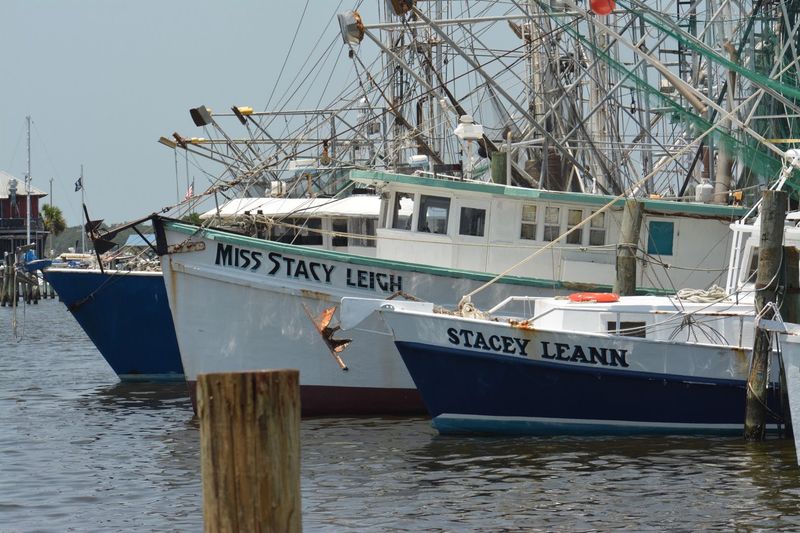
The waterfront wraps the edge of town, offering a walk along the bay with views toward the bridge. Benches face the water for anyone who wants to sit and watch boats move.
Distances stay short throughout, which means an afternoon of galleries, food, and shoreline needs exactly one parking effort.
3. Pass Christian
Everybody shortens the name to The Pass, and the town moves at a speed that matches the abbreviation. Sailing built its reputation, and the yacht club here dates back to the 1840s, making it one of the oldest in the country.
Presidents have visited. Franklin Roosevelt spent time along this stretch of coast, back when the town drew wealthy families escaping New Orleans summers.
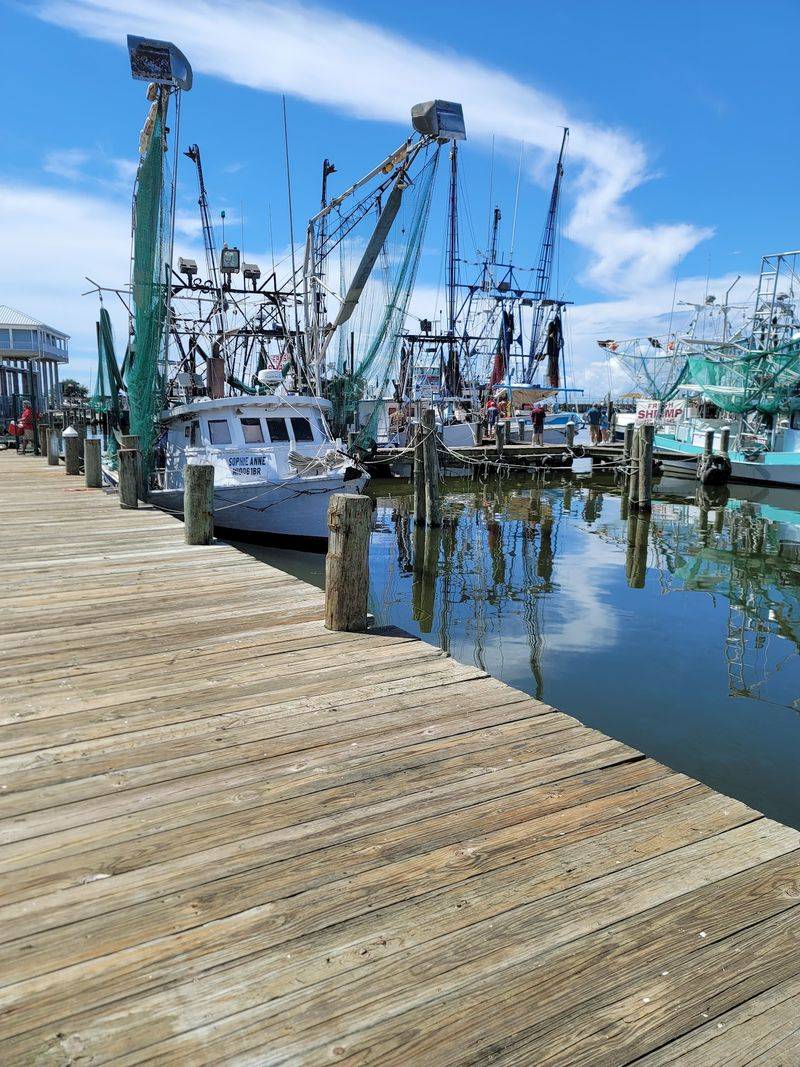
The harbor remains the anchor. Shrimp boats and sailboats share the water, and the walk along the docks gives you a working view of Gulf life rather than a staged one.
Scenic Drive runs beside the beach, lined with homes that survived storms and homes rebuilt after them. The sand across the road stays wide and uncrowded, ideal for a slow walk.
Small galleries and shops sit near the harbor area, along with restaurants serving Gulf seafood pulled from water you can see from the table. Oysters here have a long local pedigree.
Nothing about the layout is complicated. Park near the harbor and everything unfolds within a few blocks, including the beach access points.
Quiet is the main product here, and the town seems fine with that. It is a place for reading, walking, and watching water instead of collecting activities.
4. Natchez
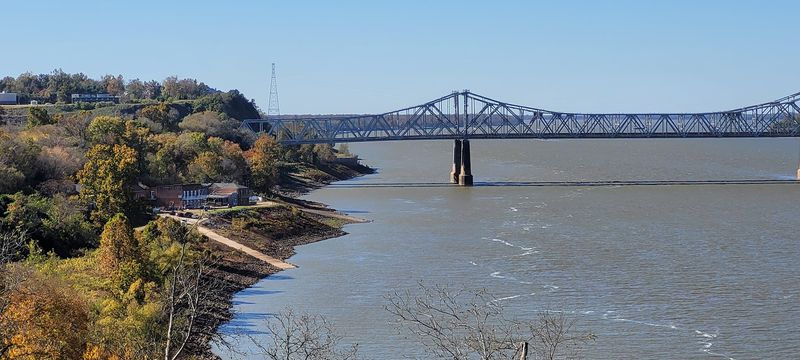
Two Natchezes exist, and the difference between them is about a hundred feet of elevation. Top-of-the-Hill holds the historic downtown, with antebellum buildings, brick sidewalks, and storefronts full of antiques, books, and art.
Founded in 1716, it is older than New Orleans. That head start left behind more preserved architecture than almost any town its size in the country.
Cafes and restaurants occupy the old commercial buildings along Main and Franklin, so lunch comes with high ceilings and original woodwork. Boutiques fill the gaps between them.
Then comes the walk down. Silver Street drops steeply to the Under-the-Hill district, a riverfront strip that was once notorious for gambling, brawling, and general lawlessness among boatmen.
The rough reputation has faded, replaced by restaurants and a front-row view of the Mississippi River. Barges push past, enormous and slow.
Bluff Park stretches along the top edge of town, a grassy promenade where the river spreads out below and Louisiana sits on the far bank. Sunsets from here draw a small crowd every evening.
The hill is the only real workout involved. Everything else connects easily on foot, so one parking spot handles history, food, shopping, and the river itself.
5. Vicksburg
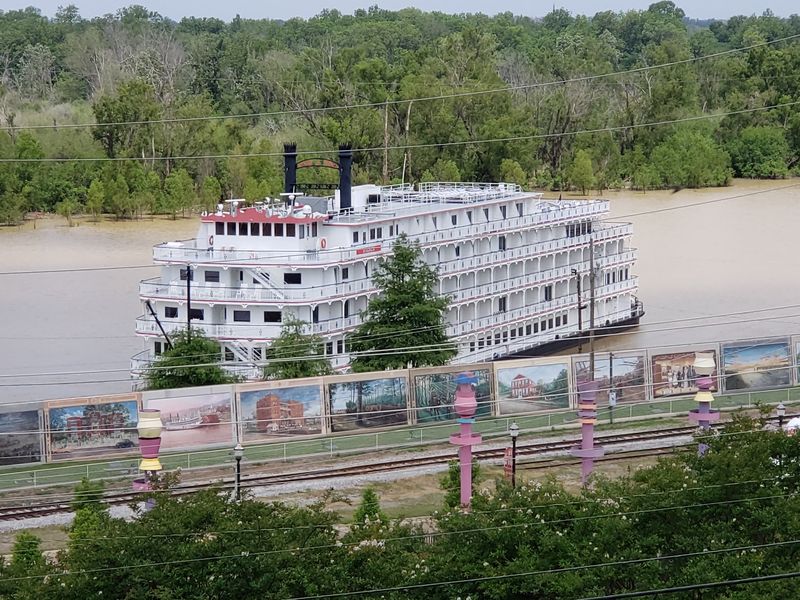
The 47-day siege in 1863 changed the course of the Civil War, and this city has never stopped telling that story.
Vicksburg National Military Park spreads across the eastern edge of town with monuments, earthworks, and battle lines still visible in the landscape.
Inside the park sits the USS Cairo, a Union ironclad gunboat that sank in 1862 and stayed buried in river mud for over a century before being raised.
Downtown is a separate experience and an easily walkable one. Washington Street runs along the bluff with brick buildings holding shops, restaurants, and small museums.
The floodwall murals are the surprise. A long series of painted panels covers the concrete barrier facing the river, illustrating local history scene by scene.
Antebellum homes sit scattered through the older neighborhoods, several bearing damage or repairs from the siege years. Their stories tend to be more personal than the battlefield markers.
The river view from the bluff is genuinely dramatic, with the Yazoo Diversion Canal below and bridges spanning toward Louisiana.
Park downtown and the shops, food, murals, and overlooks all connect on foot. Save the military park for a separate drive, since it covers 1,800 acres.
6. Corinth
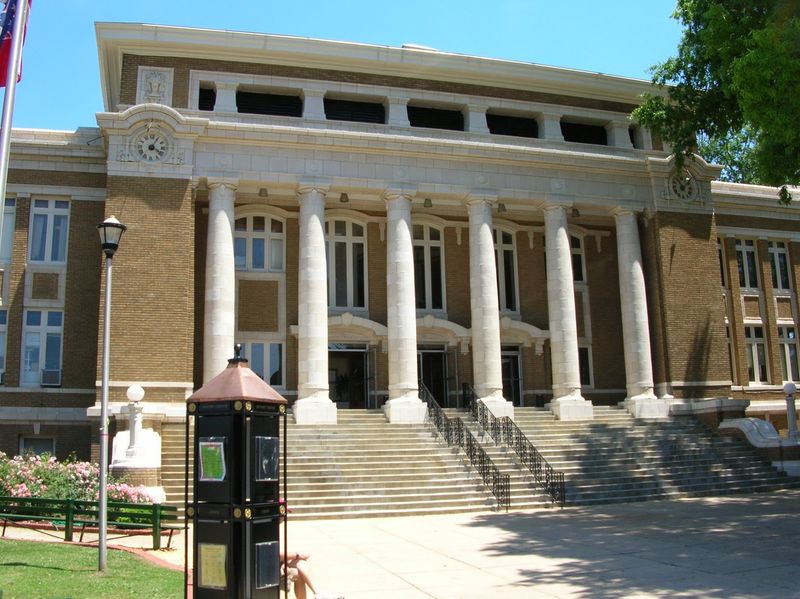
Two railroads crossed here in 1854, and that intersection made the town strategically valuable enough to fight over. Both armies wanted it during the Civil War, and the 1862 Battle of Corinth followed.
The crossing still exists. Trains run through the middle of town, which gives downtown a soundtrack you do not get in most historic districts.
Brick storefronts line the streets around Fillmore, filled with antique dealers, gift shops, and cafes. The scale is small enough that browsing everything takes an afternoon rather than a weekend.
Slugburgers are the local specialty, a Depression-era sandwich stretched with an extra filler and fried. The town holds a festival dedicated to them every summer.
Preservation efforts have kept the architecture intact, and public spaces have been improved with landscaping and parks that make walking pleasant instead of purely practical.
The Corinth Contraband Camp site tells a heavier story, where thousands of formerly enslaved people found refuge during the war and built a functioning community.
Corinth sits inland rather than on the coast, but the Tennessee River waterways and nearby lakes keep water within reach. The downtown itself is the main draw, compact and genuinely historic.
7. Long Beach
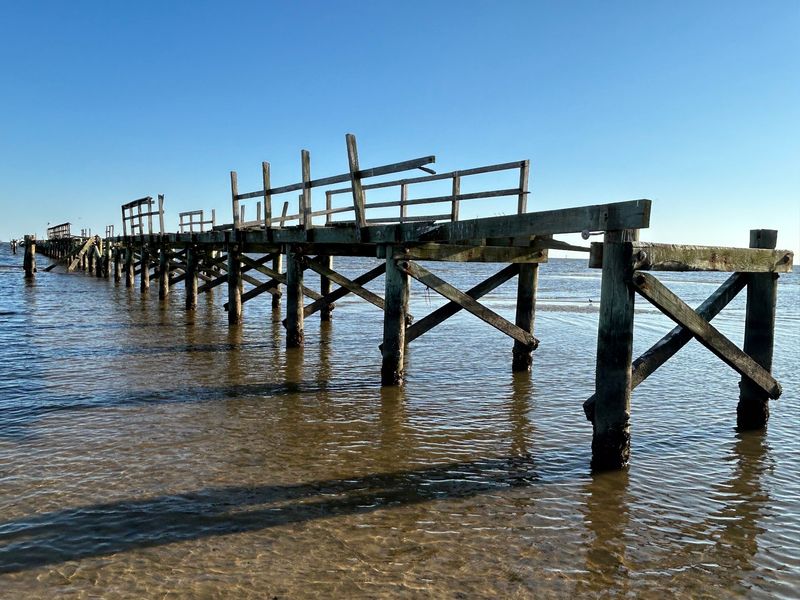
Some coastal towns exist for tourists. This one mostly exists for the people who live there, and visitors get to borrow the atmosphere.
The town center clusters around city hall, with the library, shops, and restaurants forming a tight little core. Everything sits close enough that errands and lunch happen in the same trip.
Families here often trace their roots back several generations, sometimes to the original settlers. That continuity gives the place a settled, unhurried quality.
Radish farming once made the town famous, oddly enough. Long Beach shipped radishes across the country in the early 1900s and earned the nickname Radish Capital of the World.
The beach itself runs along Highway 90 with white sand and calm Sound water, and the small harbor gives boats a place to gather. Walking from town to shoreline takes minutes.
Local businesses, schools, and nonprofits work together closely, which shows up in community events and well-kept public spaces.
Friendship Oak stands on the University of Southern Mississippi Gulf Park campus nearby, a live oak over 500 years old with branches spreading wider than most houses.
Quiet streets, short distances, and a beach at the end make this an easy place to spend a low-key day.
8. Pascagoula
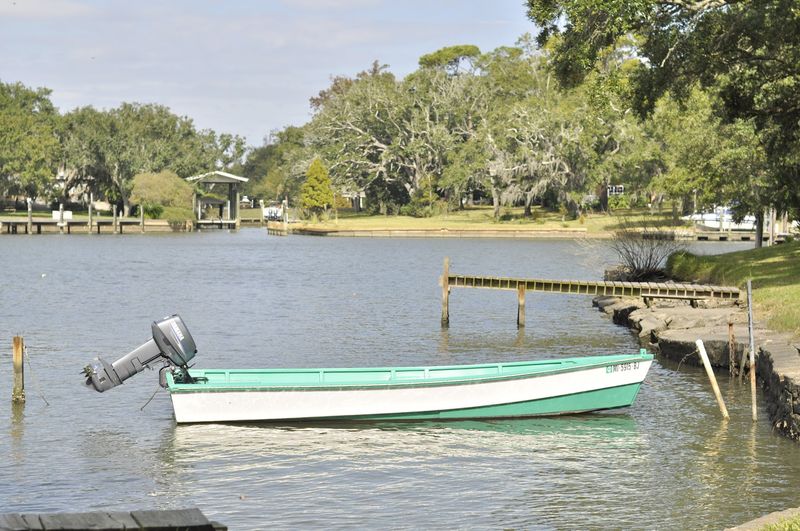
Three hundred years of history sit in this town, and one of the most famous chapters involves aliens. A historical marker notes the site of the 1973 abduction claim, when two fishermen reported being taken aboard a craft on the riverbank.
The town leans into it a little. It is not the main attraction, but it is definitely a conversation starter.
Downtown is the real reason to park here. The historic district holds antique dealers and gift shops packed with the kind of clutter that rewards patient searching.
Anchor Square gathers a cluster of small Mississippi Cottages around a boardwalk, each one housing a different shop. The layout makes browsing feel like a loop rather than a chore.
Scranton’s Restaurant occupies a 1920s building that served as the town firehouse and city hall. An old jail cell is still visible inside, which is an unusual thing to eat next to.
The Pascagoula River runs nearby and is the largest free-flowing river in the lower 48 states. Kayaks are a common sight on it.
Waterfront views come easy, and the restored Round Island Lighthouse stands as a landmark worth walking toward.
9. Biloxi
Under the I-110 overpass, the Biloxi Farmers Market sets up in a spot that sounds unpromising and turns out to be perfect. Shade, space, and local produce all in one place.
Downtown spreads out from there along Howard Avenue, close enough to the shoreline that the Gulf breeze reaches the sidewalks.
Howard Avenue Emporium operates as a multi-vendor market where antiques share space with handmade goods from area artists. Rummaging is encouraged.
The Ohr-O’Keefe Museum of Art is the architectural showstopper, designed by Frank Gehry with curved metal forms that seem to move.
Inside are the ceramics of George Ohr, the self-declared Mad Potter of Biloxi, whose twisted, crumpled pots baffled people in the 1890s and look startlingly modern now.
Rotating exhibitions keep the museum fresh for repeat visits.
The beach runs along Highway 90 with soft white sand imported decades ago and hauled in by the ton. It stretches for miles, so finding an empty patch is rarely a problem.
Seafood restaurants sit throughout the downtown area, and the shrimping industry that built this city still operates from the harbor.
Park once near Howard Avenue and the market; shops, museum, and sand all fall within reach.
10. Gulfport
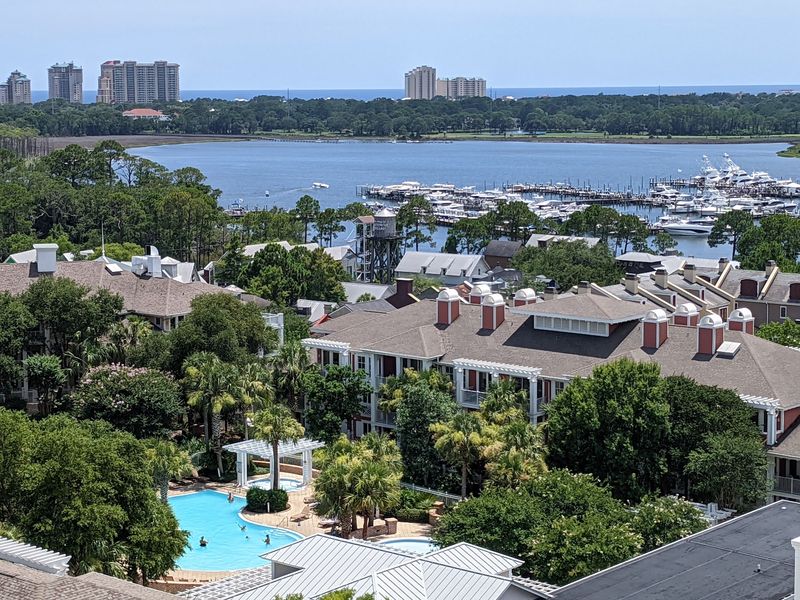
Alleys usually get ignored. Fishbone Alley got murals, string lights, and a reputation instead.
The narrow passage behind downtown Gulfport works as an open-air gallery where the artwork changes and live music shows up regularly. Festivals spill into it throughout the year.
Downtown wraps around the harbor district, with boutiques and restaurants filling historic buildings that survived a century of storms. Half Shell Oyster House serves Southern seafood a short walk from the docks.
Jones Park covers about 60 acres along the water and gets called the city’s front yard for good reason. Walking paths, playgrounds, and open lawns face the harbor, and the Gulf sits right there.
Ship Island ferries depart from the harbor, running out to a barrier island with clear water and Fort Massachusetts, a brick fort finished after the Civil War began.
As the second-largest city in Mississippi, Gulfport could easily feel sprawling. The downtown core avoids that, staying compact enough to cover entirely on foot.
Historic buildings mix with newer construction, and the contrast tells the story of a city that has rebuilt more than once.
Between the murals, the harbor, the park, and the food, one parking spot stretches a long way here.