
10 Old Mississippi Ghost Towns, Ruins, And Abandoned Places That Feel Frozen In Time
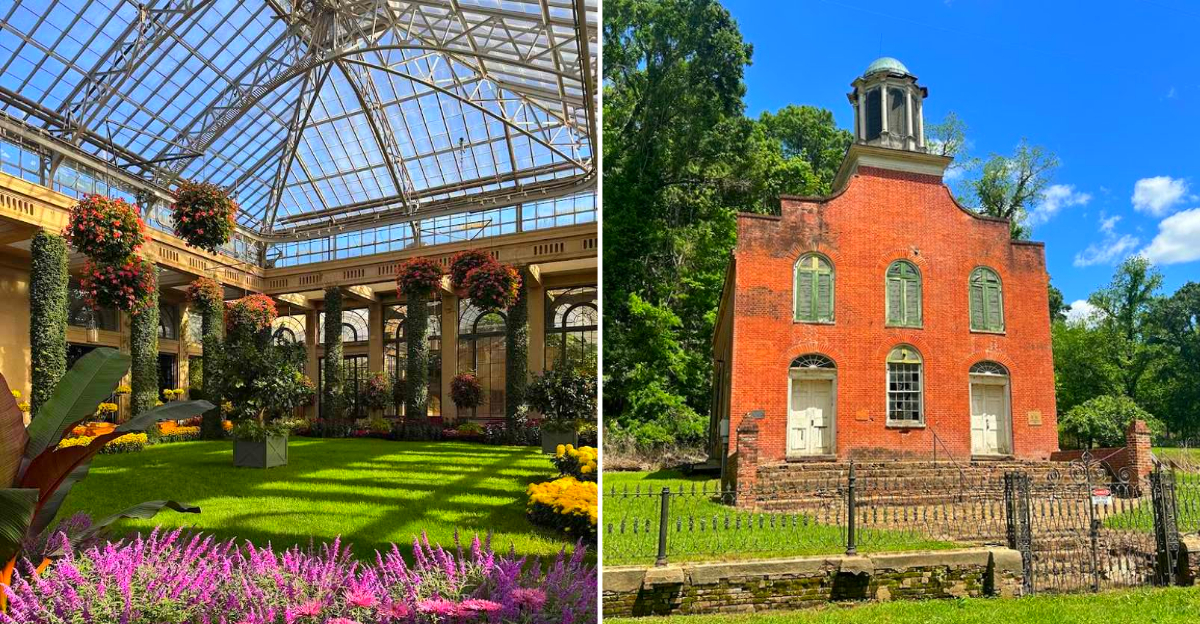
Abandoned places have a way of telling the truth about history that restored ones cannot quite manage, and Mississippi has some of the most atmospheric examples of exactly that sitting quietly throughout the state. Ghost towns where the streets are still there but the people are not.
Ruins that have been standing long enough to become part of the landscape. Spaces left exactly as they were found when whoever was last there walked out and never came back.
Each location on this list carries its own specific atmosphere and its own specific story, and both reward the people curious enough to show up in person rather than just scroll past the photographs.
Mississippi in this context is not the state most people picture and that gap between expectation and reality is part of what makes these places so genuinely compelling.
Frozen in time is not a metaphor here. It is just an accurate description of what is waiting.
1. Windsor Ruins
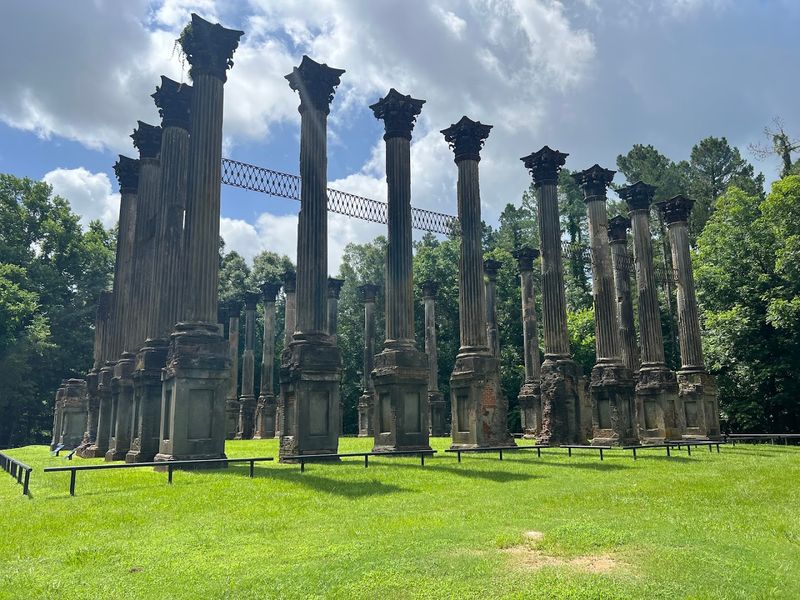
Twenty-three massive Corinthian columns still stand at Rodney Rd, Port Gibson, MS 39150, and honestly, they hit different every single time you see them. Windsor Ruins is what remains of the largest antebellum Greek Revival mansion ever built in Mississippi.
Cotton planter Smith Coffee Daniell II had it constructed between 1859 and 1861, and the thing was five stories tall with 23 rooms and an observatory on top. Yeah, that kind of extra.
The mansion survived the Civil War because Union soldiers used it as a hospital and lookout post. But in February 1890, a fire broke out accidentally and the whole structure burned to the ground.
All that was left were those 23 stunning columns standing like guards who refused to leave their post.
The 2.1-acre site was added to the National Register of Historic Places in 1971 and designated a Mississippi Landmark in 1985. One of the original cast-iron stairways was relocated to Alcorn State University.
Visiting Windsor Ruins feels like walking onto a movie set, except the drama here is completely real. Bring your camera because no filter on earth can improve what nature and history already built together at this jaw-dropping spot.
2. Rocky Springs Historical Site
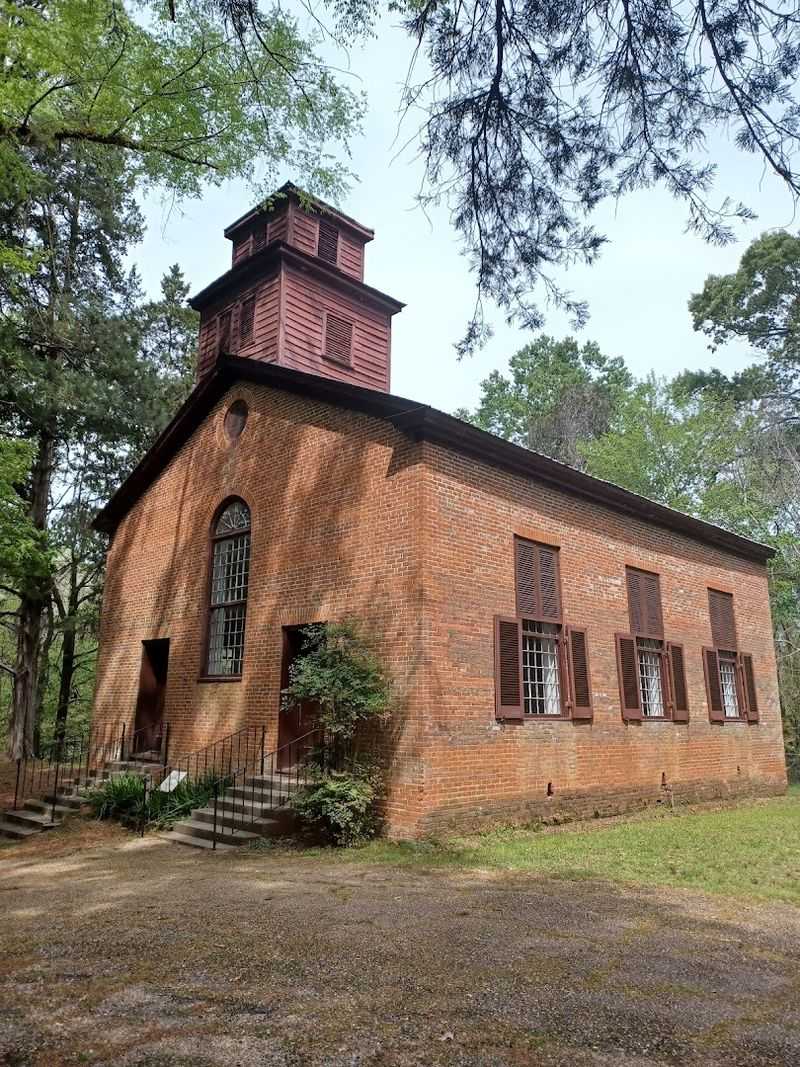
Rocky Springs was once a thriving town with over 2,600 residents, two churches, a school, a post office, and a cotton-gin. Today, at Unnamed Road, Hermanville, MS 39086, all that remains is an old Methodist church, a safe, a few building foundations, and a cemetery tucked inside the Natchez Trace Parkway.
The town basically got erased off the map, and nature moved right back in without asking permission.
The town peaked in the early 1800s when cotton was king in Mississippi. A series of devastating events including yellow fever epidemics, the Civil War, a boll weevil infestation that destroyed cotton crops, and severe soil erosion all combined to knock Rocky Springs completely off its feet.
By the early 1900s, residents had packed up and left for good. The National Park Service now maintains the site as part of the Natchez Trace Parkway, so you can actually visit without worrying about getting lost in the woods forever.
The old church still holds occasional services, which is both charming and slightly eerie. Walking through Rocky Springs feels like the town is mid-sentence and just waiting for someone to finish the story.
Highly recommend adding it to your Mississippi road trip list.
3. Old Rodney Presbyterian Church (Rodney Ghost Town)
Rodney almost became the capital of Mississippi, losing that vote by only three votes back in 1817. Let that sink in for a second.
By the 1850s, this town in Lorman, MS 39096 was one of the busiest ports on the Mississippi River between New Orleans and St. Louis, with nearly 4,000 residents at its peak. The place had banks, newspapers, hotels with ballrooms, and the state’s very first opera house.
Rodney was that girl.
Then the river changed course in 1870, leaving Rodney stranded about two miles inland. A fire in 1869 had already done serious damage, and when the railroad also bypassed the town in the early 1880s, Rodney basically had no reason left to exist.
By 1930, the Governor of Mississippi officially disincorporated it.
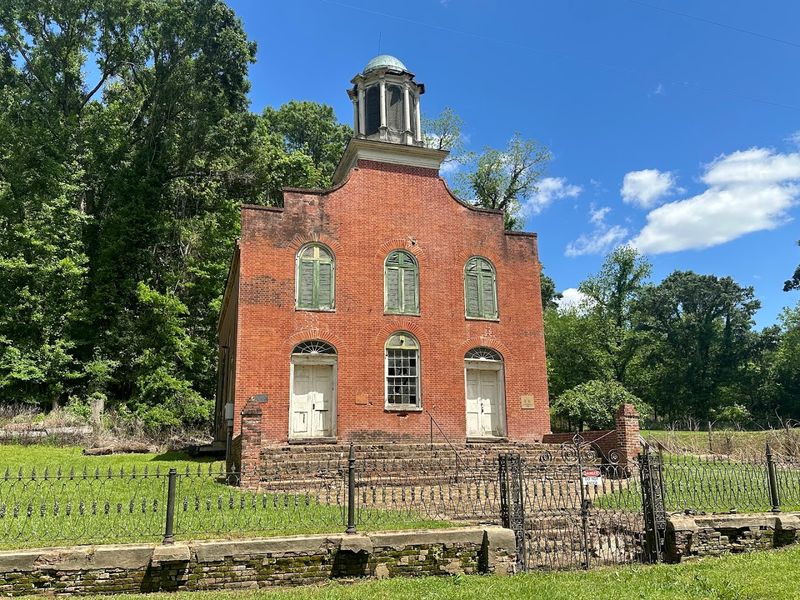
The Rodney Presbyterian Church is one of the last structures still standing, and restoration efforts are currently underway. The Rodney Center Historic District is listed on the National Register of Historic Places.
Walking through what used to be a booming port city and seeing almost nothing but overgrowth and one lonely church is a genuinely humbling experience. Rodney is proof that even the most powerful places can be quietly erased by time and geography.
4. Grand Gulf Military State Park
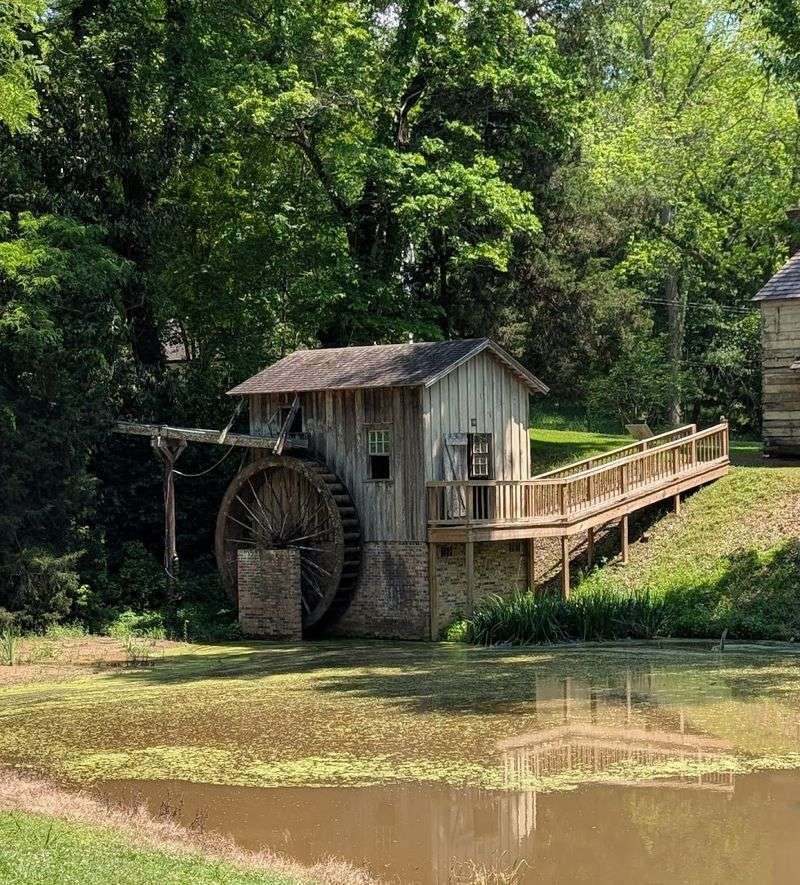
Grand Gulf once handled more cotton than almost any other Mississippi city except Natchez and Vicksburg. By 1854, the town at 12006 Grand Gulf Rd, Port Gibson, MS 39150 had nearly 1,000 residents, two churches, a town hall, a hospital, and even a theater.
Named after a massive whirlpool in the Mississippi River, Grand Gulf was officially incorporated in 1833 and was moving serious weight in the cotton trade.
Yellow fever epidemics hit hard throughout the 1800s. A tornado tore through in 1853.
Then the Mississippi River started eating the town alive, eroding over 50 city blocks by 1860. The Civil War finished the job, and Grand Gulf was never rebuilt.
The river literally consumed an entire city, which is both terrifying and kind of fascinating.
Grand Gulf Military State Park now preserves what little history survived, including a Spanish House from the 1790s and a museum filled with Civil War artifacts. The park sits right along the river and gives you a real sense of how powerful that water is.
You can see why people built their lives here and also understand exactly why the river took it all back. Grand Gulf is one of those places that makes you respect nature a whole lot more after your visit.
5. Longwood
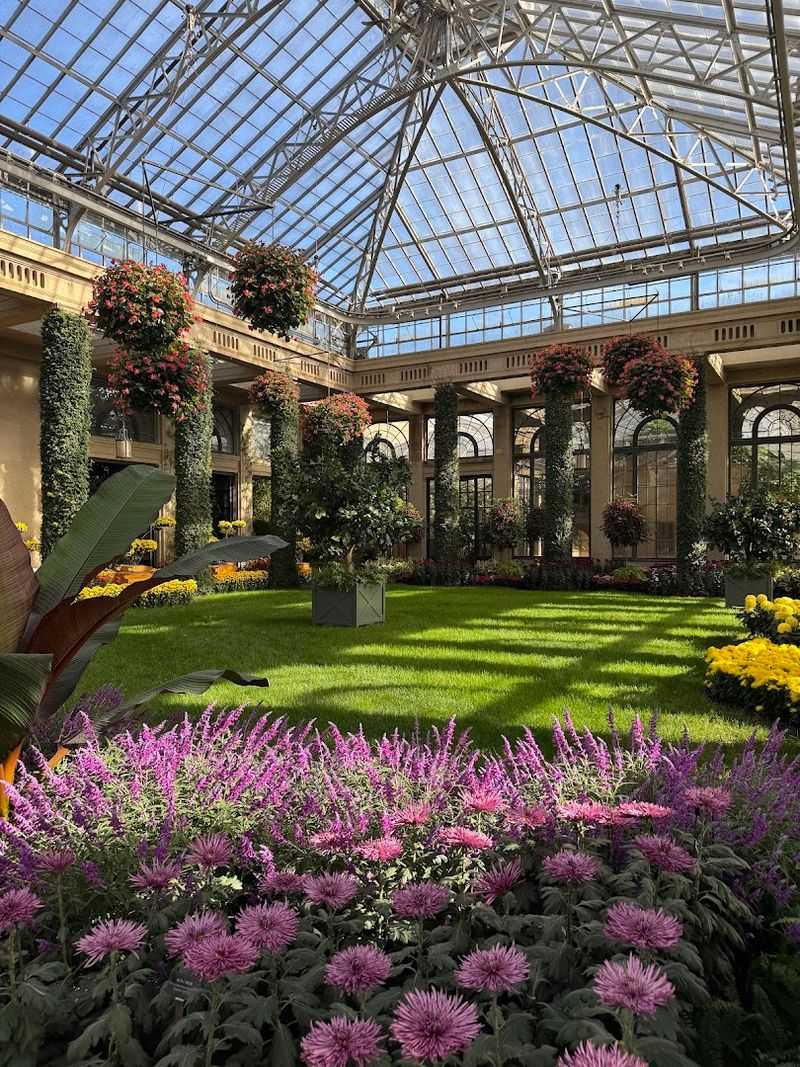
Longwood is the largest octagonal house in the United States, and it has been unfinished since 1861. Located at 140 Lower Woodville Rd, Natchez, MS 39120, the building was commissioned by cotton planter Haller Nutt and designed by Philadelphia architect Samuel Sloan.
The plan was for a six-story, 30,000-square-foot mansion with a Byzantine-inspired onion dome on top. Yes, in Mississippi.
Yes, really.
Construction started in 1860 using Northern craftsmen who immediately dropped their tools and headed home when the Civil War broke out. The basement level was barely finished, and the family moved in out of desperation.
Haller Nutt died in 1864, financially ruined and heartbroken, and the upper floors were never touched again.
The unfinished floors still contain the original construction materials exactly where workers left them over 160 years ago, including paint pots, scaffolding, and tools. That detail alone is worth the trip.
The Pilgrimage Garden Club now owns and operates Longwood as a museum open for tours. Seeing the elaborate finished exterior contrasted with the raw, frozen-in-time construction interior is genuinely one of the most unique architectural experiences in the entire South.
Longwood is not just a house, it is a time capsule with serious style and even more serious unfinished business.
6. Mount Holly Plantation
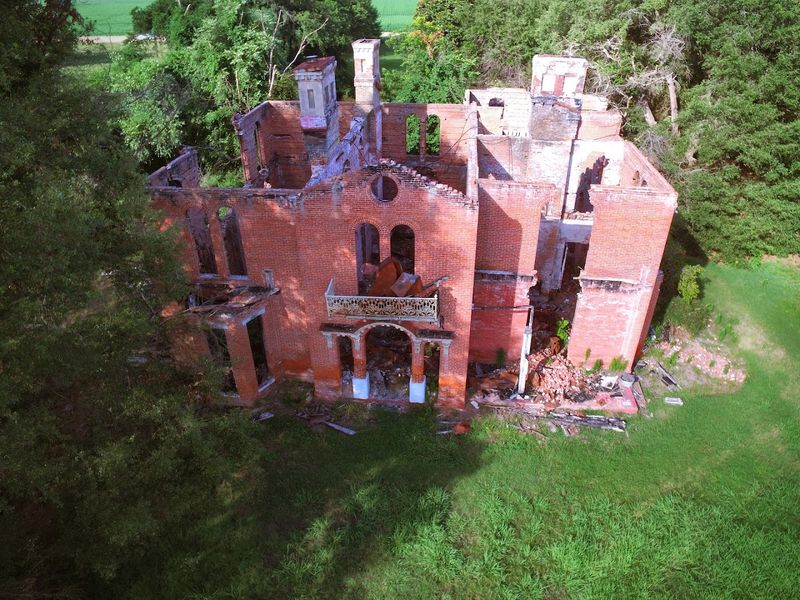
Standing at 1835 Lake Washington Rd E, Hollandale, MS 38748, Mount Holly Plantation is one of the most striking abandoned mansions in the entire Mississippi Delta. Built around 1856, the Greek Revival structure sits right on the edge of Lake Washington and looks like something out of a Southern gothic novel.
The columns are still standing, the bones are still strong, but the years have not been kind to the details.
The plantation has changed hands multiple times over the decades and suffered from neglect, fire damage, and the general cruelty of Mississippi humidity. At various points, there were serious efforts to restore it, but funding and momentum never quite aligned long enough to get the job done.
Mount Holly keeps sitting there, stubborn and beautiful, refusing to fully fall apart.
Preservation groups have advocated for saving the structure, recognizing its architectural significance and historical value to the Delta region. The lakeside setting makes it particularly photogenic, especially at dusk when the light hits the old columns just right.
Mount Holly is a reminder that the Delta’s history is complicated, layered, and worth understanding deeply. For anyone driving through the flatlands of the Mississippi Delta, this plantation is absolutely worth a detour and a long, thoughtful look.
7. Mississippi River Basin Model
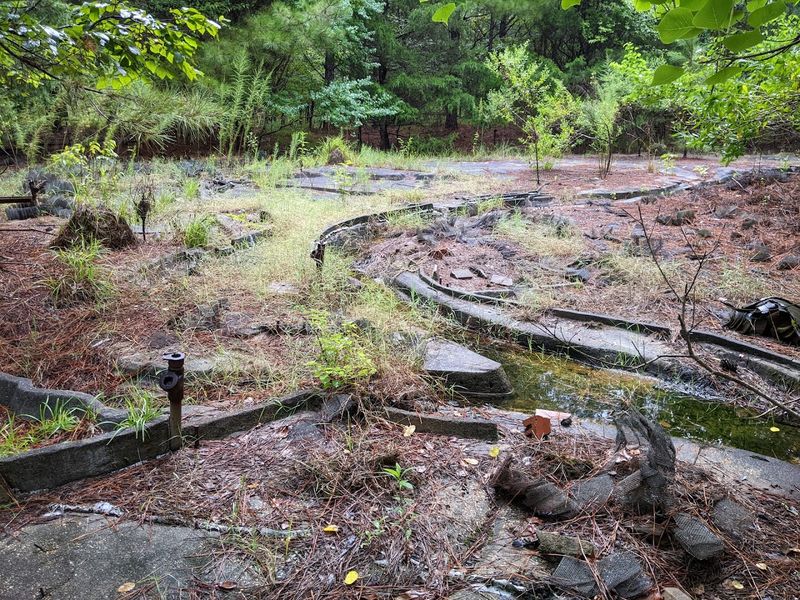
The Mississippi River Basin Model at 6180 McRaven Rd, Jackson, MS 39209 is the largest small-scale model ever built anywhere on earth. Covering 200 acres, it recreates 41 percent of the entire United States in miniature, with over 15,000 miles of rivers scaled down to about eight miles of winding concrete streams.
Construction started in 1943 during World War II, using prisoners of war from Italy and Germany as labor. That backstory alone earns this place a spot on any serious list.
The Army Corps of Engineers used the model from 1949 to 1973 to study flooding patterns and hydraulic disasters. It actually helped prevent major flooding in Omaha in 1952 by providing critical data.
By the early 1970s, computer modeling made the physical structure obsolete, and the Corps packed up and left in 1990.
The City of Jackson took over the site in 1993 but could not keep up with maintenance costs, and the model was eventually abandoned. Today it sits inside Buddy Butts Park, overgrown and wild, but completely open to the public for exploration.
Walking across a concrete recreation of the entire Mississippi watershed is one of the most surreal experiences Mississippi has to offer. Bring good shoes and a curious mind because this place rewards both generously.
8. Stuckey’s Iron Bridge
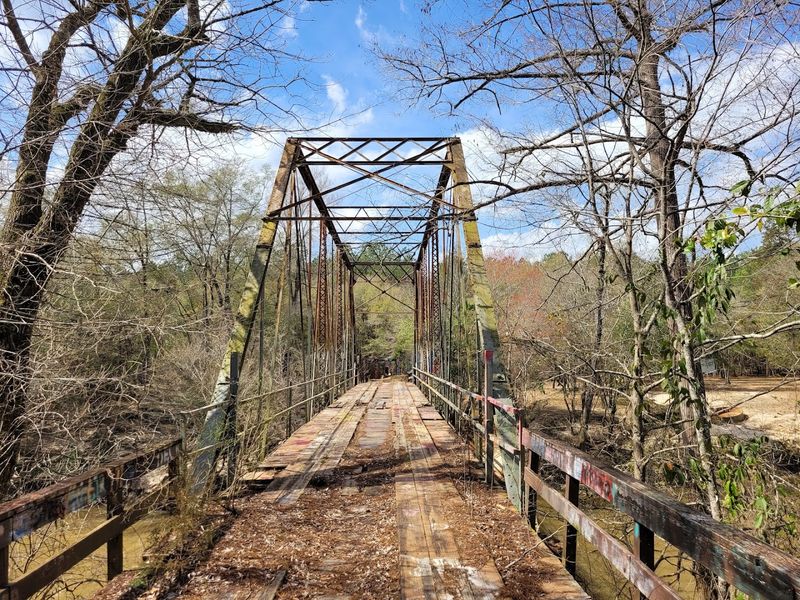
Built in 1901 over the Chunky River at 6170 Stuckey Bridge Road, Enterprise, MS 39330, the Stuckey Iron Bridge is one of those places where history and legend have been living together so long that nobody is totally sure where one ends and the other begins.
The bridge replaced an earlier crossing from around 1850 and served vehicular traffic for nearly a century before closing to cars in the early 1990s.
Now it is pedestrian only, which somehow makes it feel even more mysterious.
The legend attached to this bridge is genuinely wild. According to local lore, a man named Old Man Stuckey owned a nearby inn, robbed and murdered his guests, and buried their bodies along the riverbank.
The story goes that he was eventually caught and hanged from the bridge itself. Whether or not the legend is true, people have reported seeing shadowy figures with lanterns and apparitions near the bridge for decades.
Stuckey’s Bridge was listed as a Mississippi Landmark in 1984 and added to the National Register of Historic Places in 1988. The iron truss design is a beautiful piece of old engineering, and the surrounding forest gives the whole scene a deeply atmospheric quality.
Ghost story or not, the Stuckey Bridge is a legitimate piece of Mississippi history worth visiting on your next road trip through Lauderdale County.
9. Ingomar Mounds
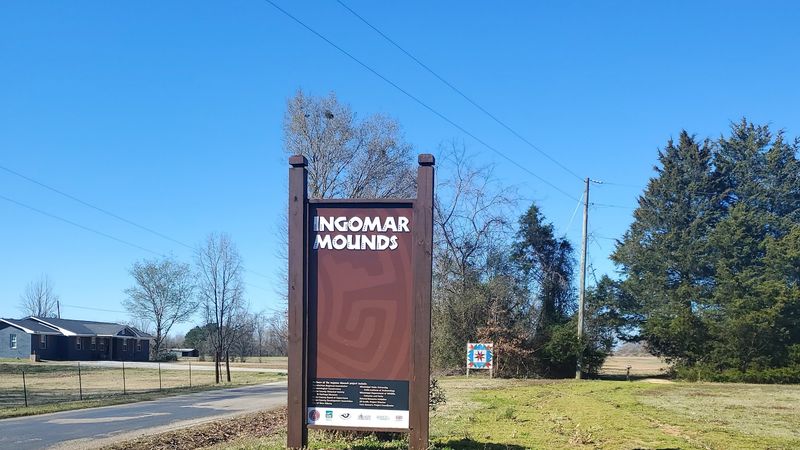
Long before Mississippi had ghost towns or plantations, it had the Ingomar Mounds near New Albany, MS 38652. These ancient earthworks were built by the Middle Woodland people around 100 BCE to 400 CE, making them over 2,000 years old.
The site consists of two large burial mounds and several smaller features spread across a quiet forested landscape in Union County. Calling this place old is a serious understatement.
The Ingomar Mounds are listed on the National Register of Historic Places and are considered one of the most significant prehistoric archaeological sites in Mississippi.
Excavations at the site have uncovered ceremonial objects, human remains, and artifacts that offer rare insight into the lives and beliefs of people who lived here millennia ago.
The craftsmanship and deliberate placement of the mounds show a sophisticated understanding of the landscape.
Visiting the Ingomar Mounds is a humbling experience because the scale of time involved is almost impossible to fully process. Standing next to a mound built two thousand years ago by a culture with no written records puts every modern inconvenience into sharp perspective real quick.
The site is maintained and accessible, making it a genuinely worthwhile stop for history lovers and curious travelers passing through northern Mississippi. Do not sleep on this one.
10. Natchez City Cemetery
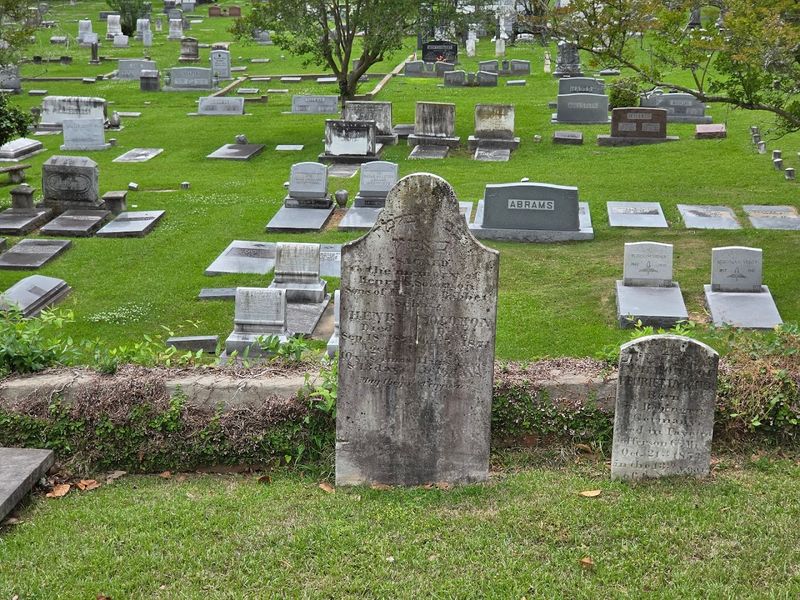
The Natchez City Cemetery at 2 Cemetery Rd, Natchez, MS 39120 is not your average burial ground. Established in 1822, this cemetery is essentially an outdoor museum of antebellum architecture, local legend, and Mississippi history all in one place.
The grounds are filled with elaborate monuments, cast-iron fences, and mausoleums that reflect the wealth and ambition of Natchez at its peak as one of the richest cities in pre-Civil War America.
Among the most famous graves is that of Louise the Unfortunate, a mysterious woman whose identity was never confirmed, buried with a marker that has sparked curiosity and local legend for over a century. The cemetery also holds the remains of several notable figures from Mississippi history, including politicians, planters, and soldiers from multiple conflicts.
The live oak trees draped in Spanish moss make the whole place feel like it exists slightly outside of regular time.
The cemetery is open to the public and is a popular stop on Natchez heritage tours. Walking through the grounds on a quiet morning is genuinely one of the most reflective experiences you can have in the state.
The craftsmanship on some of these nineteenth-century monuments is extraordinary, and the stories buried here are as rich as any novel. Natchez City Cemetery rewards slow, curious visitors who are willing to actually read the stones.