
This Dreamy Botanical Garden In Massachusetts Is Ideal For Stress-Free Weekend Trips
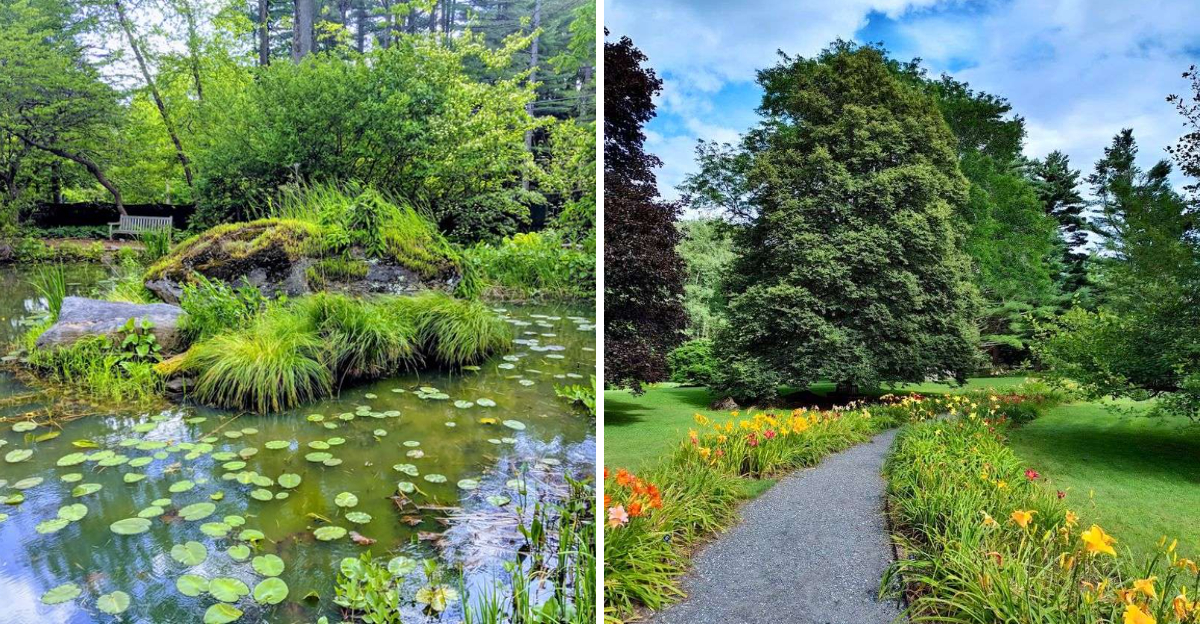
Massachusetts knows how to slow you down when you need it most. And right in the heart of the Berkshires, there is a botanical garden so quietly beautiful, so completely removed from the noise of everyday life, that visitors consistently say they arrived stressed and left feeling like entirely different people.
Herb gardens that smell like a different country entirely. Art exhibitions woven between the plantings.
Children laughing in the discovery garden. A pace so gentle and unhurried that an entire afternoon disappears without you even noticing.
This is not just a garden. This is a full reset.
Massachusetts does weekends like nowhere else.
A Garden With Deep Roots And Nearly A Century Of History
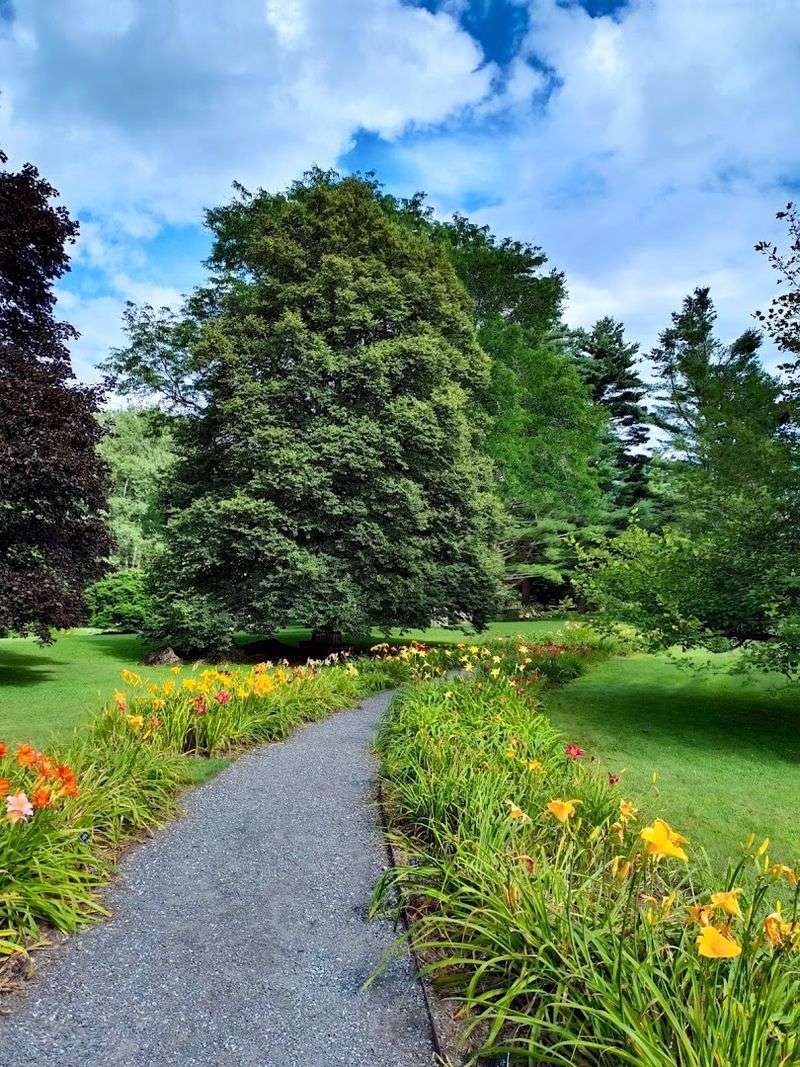
Few gardens in New England can claim the kind of longevity that this place has earned. Established in 1934, this institution carries nearly a century of horticultural tradition within its 24 acres.
That history is not just a number on a plaque; it shows in the maturity of the trees, the depth of the plant collections, and the confident layout of the garden spaces themselves.
As one of the oldest botanical gardens in New England, it has grown steadily without losing its original sense of purpose. The founders envisioned a place where education and beauty could coexist without one overshadowing the other.
That balance remains intact today. Walking through the grounds, you get the sense that each section was planted with intention, shaped by decades of careful observation and seasonal adjustment.
Visitors who return year after year often remark on how the garden continues to evolve while keeping its character grounded. The 1937 Herb Garden still stands as one of the most beloved features on the property.
For anyone who appreciates places with genuine depth and a story worth knowing, this is the kind of destination that earns its reputation honestly.
Over 3,000 Plant Species Across 24 Remarkable Acres
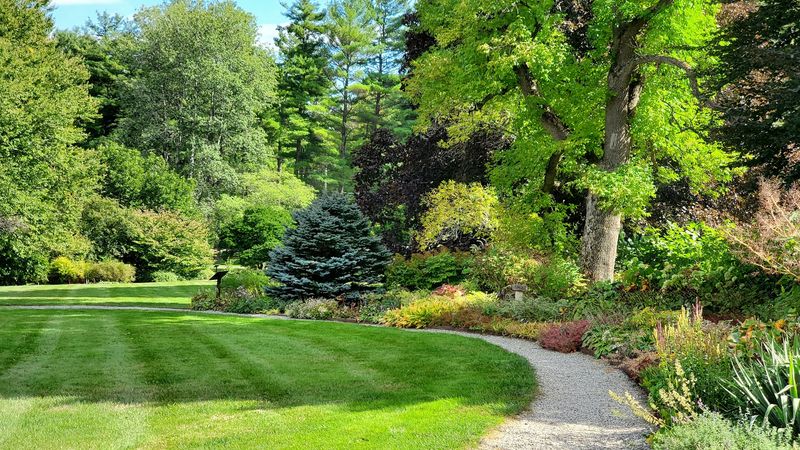
The sheer variety of plant life at Berkshire Botanical Garden is one of the first things that catches a visitor off guard. Spread across 24 acres, the garden holds over 3,000 species and varieties of herbaceous and woody plants, all selected for their compatibility with USDA Plant Hardiness Zone 5b.
That means everything growing here has been thoughtfully chosen to thrive in the Berkshire climate, making it a practical resource as much as a visual one.
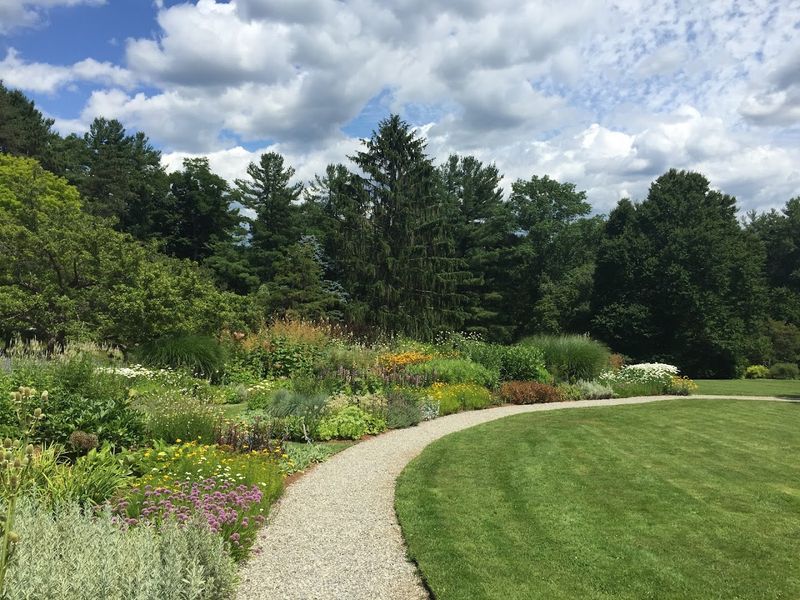
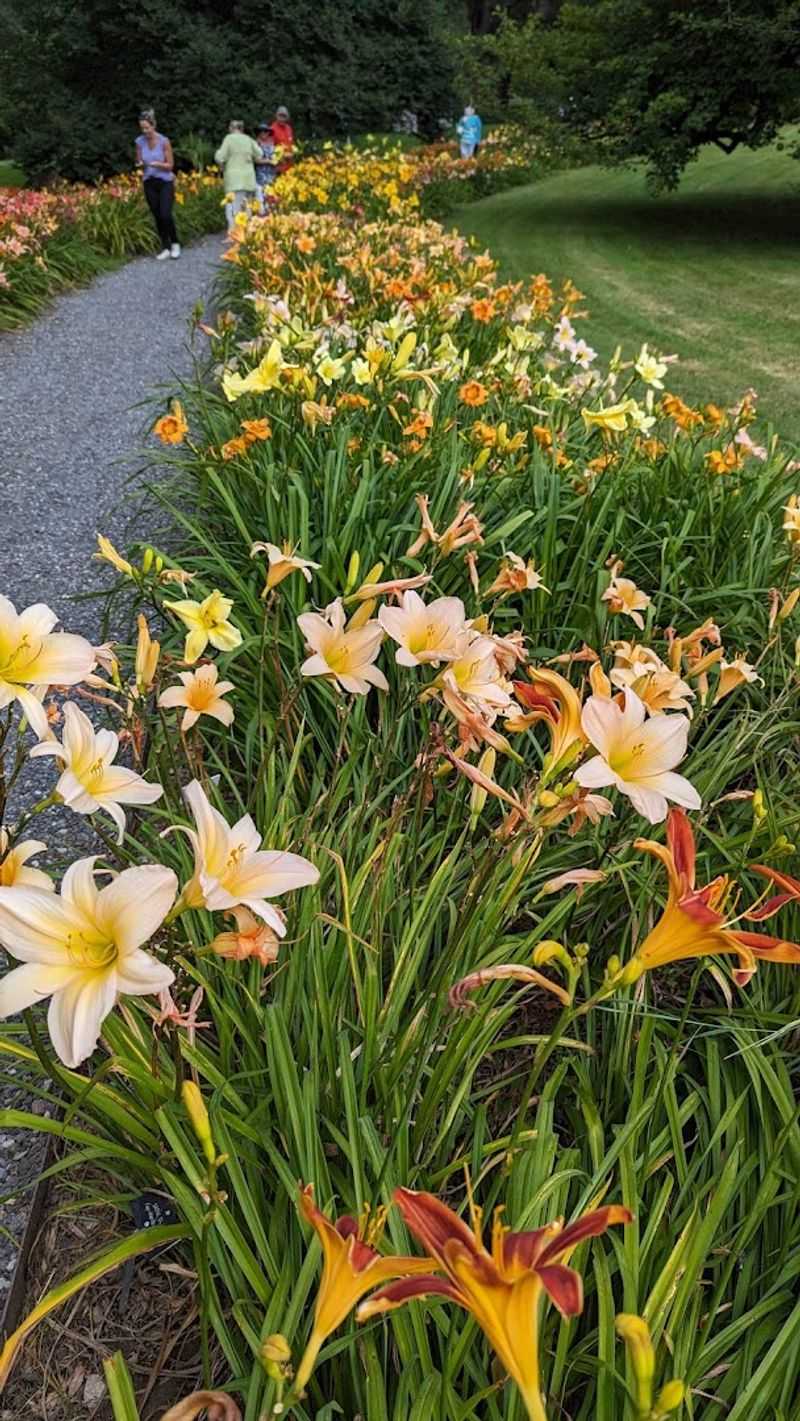
The mixed border gardens are particularly striking, offering a layered display of color and texture that shifts noticeably from one season to the next. Sun and shade perennial borders run alongside tree collections, raised-bed vegetable gardens, and native plant areas.
The result is a garden that feels simultaneously curated and organic, as though nature and the gardening staff have reached a comfortable agreement.
For visitors who enjoy gardening themselves, this place functions as a living reference guide. Plant labels are placed throughout the grounds, identifying species and offering context that helps guests connect what they see with what they might grow at home.
Plan to spend at least two hours here, and consider bringing a notebook. The ideas you leave with may well outlast the visit itself.
The location is 5 W Stockbridge Rd, Stockbridge, MA 01262.
The Wildflower Meadow That Opened In 2023 Is Worth The Trip Alone
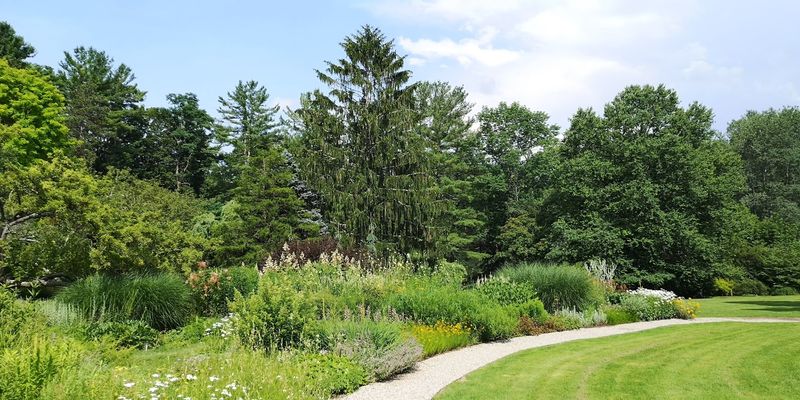
Opened in 2023, the 2.5-acre Wildflower Meadow at Berkshire Botanical Garden has quickly become one of the most talked-about additions to the property. Walking trails wind through the meadow at an unhurried pace, and the views that open up along the way are the kind that make you stop mid-stride just to take them in.
The scale of the space feels generous and unrestrained compared to the more structured garden sections nearby.
Wildflower meadows have a particular quality that formal gardens sometimes lack. They feel alive in a different way, with movement from wind, insects, and the irregular heights of native plants creating a sensory experience that is both calming and quietly stimulating.
The Berkshire Botanical Garden version achieves this well, balancing naturalistic design with enough intentionality to keep the space accessible and navigable.
For families, solo walkers, or anyone who finds formal garden layouts a little too tidy, the meadow offers a refreshing counterpoint. It also supports local pollinators and native ecosystems, giving the space an ecological purpose beyond its obvious visual appeal.
If your visit falls during peak bloom season, this section of the garden alone justifies the admission price and the drive to Stockbridge.
Lucy’s Garden And Its 22 Whimsical Topiary Creatures
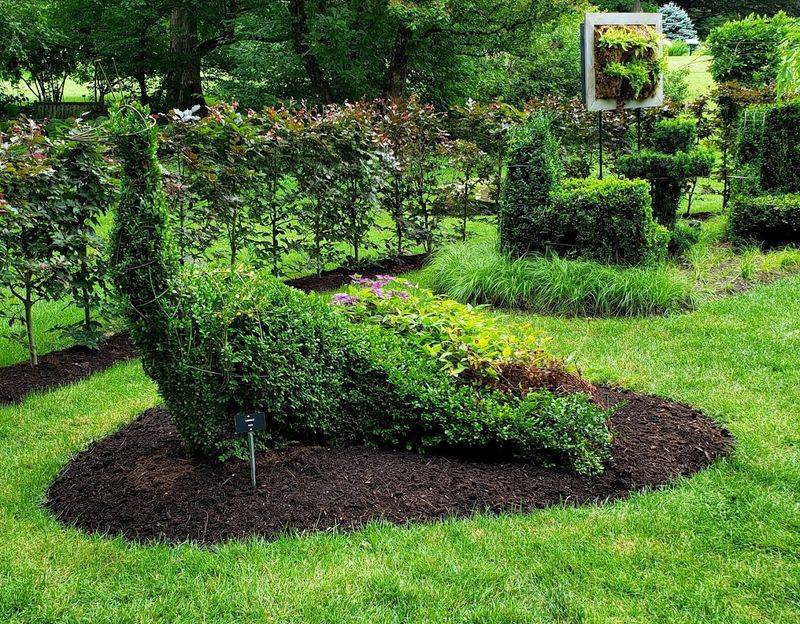
There is something genuinely playful about walking into Lucy’s Garden and finding yourself surrounded by 22 topiary creatures shaped from living plants. Opened in 2019, this section of Berkshire Botanical Garden brings a lighthearted energy to the grounds that appeals to visitors of all ages.
The topiary figures are crafted with real skill, and the adjacent labyrinthine hedge adds a sense of discovery that keeps people wandering longer than they planned.
Topiary as an art form requires patience and precision, and the creatures in Lucy’s Garden reflect both. Each figure has its own personality, and the overall effect is more whimsical than formal, more inviting than intimidating.
Children are particularly drawn to this area, though adults tend to linger just as long, often circling back for a second look or a photograph.
The garden sits comfortably within the broader landscape of the property, offering a tonal shift from the more contemplative sections nearby. It serves as a reminder that botanical gardens do not have to be solemn to be meaningful.
Humor and horticulture, it turns out, make excellent companions. Lucy’s Garden has become one of the most photographed spots on the property, and it earns that attention with genuine charm rather than novelty alone.
The Children’s Discovery Garden Keeps Young Visitors Fully Engaged
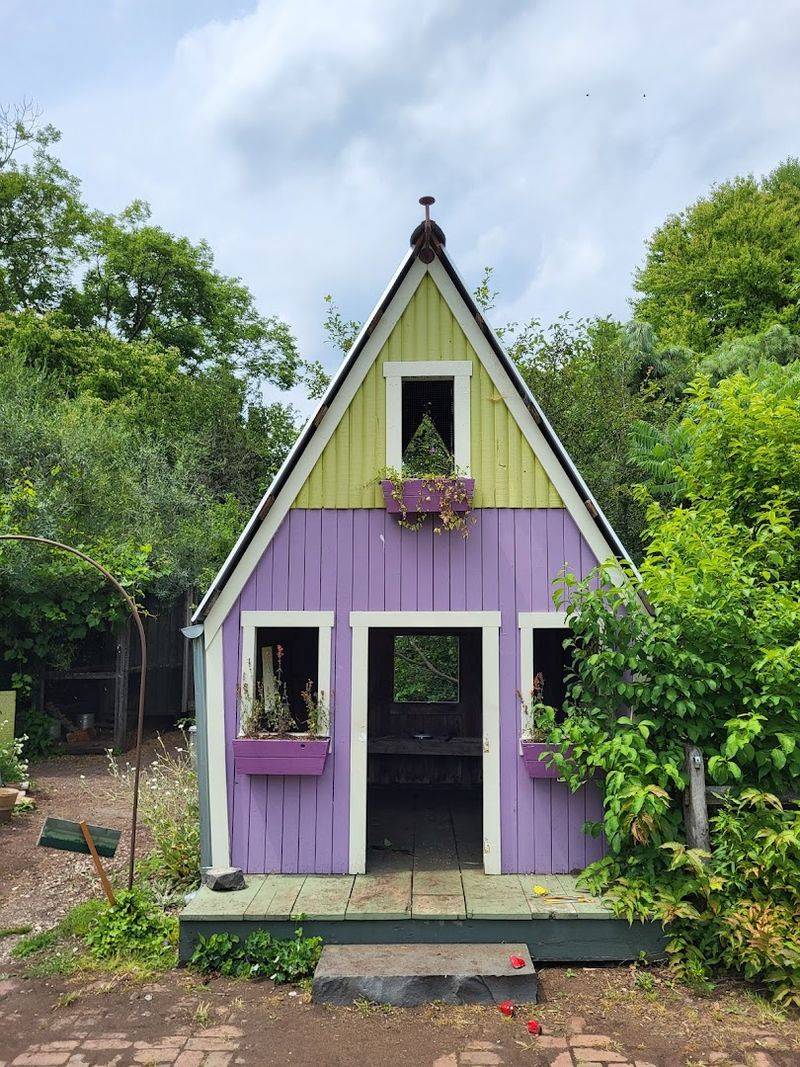
Bringing children to a botanical garden can sometimes feel like a gamble, but the Children’s Discovery Garden at Berkshire Botanical Garden is designed to remove that uncertainty entirely. Complete with a chicken coop, a playhouse, and a Fairy Garden, this section of the property gives younger visitors their own world to explore at their own speed.
The hands-on elements make the experience feel participatory rather than passive.
The Fairy Garden, in particular, tends to captivate children in a way that is hard to manufacture. Small in scale but rich in detail, it invites imaginative thinking and careful observation at the same time.
The chicken coop adds a layer of farm familiarity that many kids find unexpectedly exciting, especially those who have grown up in more urban settings.
Parents appreciate the fact that this section is engaging enough to hold attention for a sustained period, giving adults a chance to actually look at the plants nearby without constant redirection. The Children’s Discovery Garden reflects a genuine understanding of how young people learn, through play, curiosity, and the freedom to touch and explore.
It makes the overall visit feel inclusive in a way that elevates the experience for every family that walks through the gate.
Guided And Self-Guided Tours Make Every Visit More Rewarding
Knowing what you are looking at makes a significant difference in how much you take away from a botanical garden visit. Berkshire Botanical Garden understands this, which is why it offers public guided tours daily at 11 a.m. from June through August, and on Thursdays in May and September.
These tours are free with admission and led by knowledgeable staff who bring the plant collections to life with context and story.
For visitors who prefer to move at their own pace, self-guided audio tours are available in both English and Spanish. The audio format allows guests to pause, backtrack, and linger without the social pressure of a group setting.
It is a thoughtful option that makes the garden more accessible to a wider range of visitors, including those who are visiting for the first time and want orientation without commitment to a schedule.
Reviews from past visitors frequently mention how helpful the staff are at the Visitor Center, which serves as the starting point for most tours and provides maps, snacks, cold beverages, and general information. Whether you arrive with a plan or simply show up curious, the tour options at Berkshire Botanical Garden ensure that you leave with more knowledge than you arrived with, and that feels like good value at any admission price.
Seasonal Events Like SpringFest And The Harvest Festival Add Extra Excitement
A botanical garden that closes its gates at the end of the season and offers nothing else is one thing. Berkshire Botanical Garden is something more active than that.
Throughout the year, the property hosts a rotating calendar of events, workshops, and seasonal celebrations that give visitors good reason to return more than once. The annual SpringFest, typically held over Mother’s Day weekend, features family activities, a petting zoo, and pony rides alongside the Plants-and-Answers Plant Sale.
The Harvest Festival in October is another anchor event, drawing visitors to the grounds at a time when the growing season is winding down but the atmosphere is anything but quiet. These events transform the garden from a passive destination into a lively community gathering point, and the energy they bring is noticeably different from a regular weekday visit.
Beyond the big seasonal events, the garden runs watercolor painting sessions, bird walks, horticultural programs, and art exhibitions in the Anna and Frederick Henry Leonhardt Gallery throughout the year. Classes and exhibitions continue even during winter months when the outdoor gardens are closed.
For anyone looking to build a recurring relationship with a destination rather than a single visit, Berkshire Botanical Garden offers more than enough reasons to keep coming back through every season.
Admission Is Affordable And Tuesday Offers A Pay-As-You-Wish Option
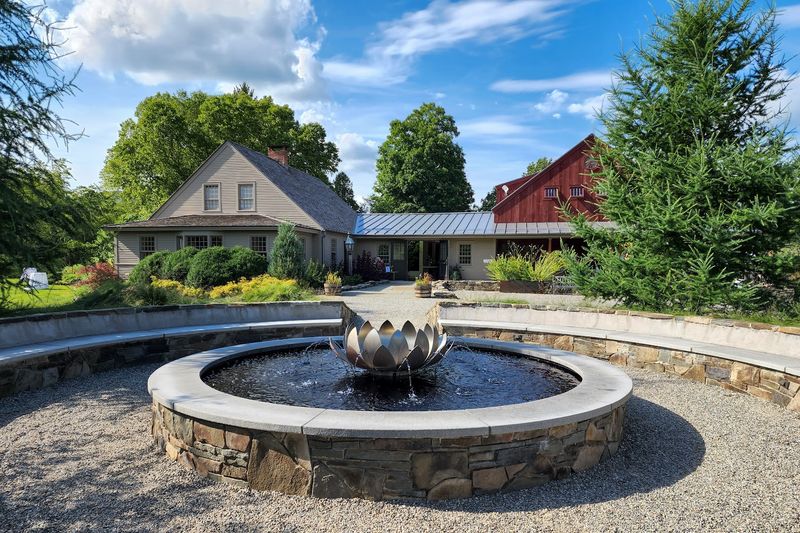
Admission to Berkshire Botanical Garden is priced at $22 for general adult entry and $20 for seniors aged 65 and older. Children 12 and under are admitted free, which makes this a genuinely budget-friendly outing for families.
Compared to many comparable botanical destinations in the Northeast, the pricing reflects the scale and quality of what the garden provides without crossing into territory that would make a spontaneous visit feel like a financial decision.
Tuesday visits come with an added incentive. The garden operates a Pay-As-You-Wish admission policy on that day, allowing visitors to contribute what feels reasonable to them.
This policy is not widely advertised, but it is a meaningful gesture toward accessibility and community engagement. Visitors with Massachusetts EBT cards can also access the garden for free with up to four guests, a detail worth knowing if you are planning a trip on a tighter budget.
The Visitor Center at the entrance handles admission smoothly and also stocks snacks, cold beverages, and garden-inspired souvenirs. A gift shop on site carries gardening tools, books, and specialty items that make for thoughtful purchases.
The overall admission experience is welcoming rather than transactional, which sets a positive tone for everything that follows once you step onto the grounds.
Accessibility Features Ensure Everyone Can Enjoy The Garden Comfortably
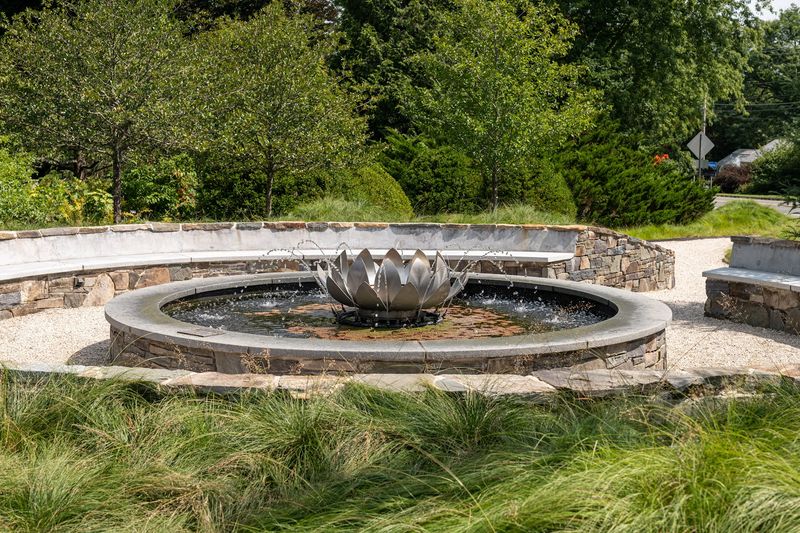
Accessibility at a public garden is not a small consideration, and Berkshire Botanical Garden has made meaningful efforts to ensure that visitors with varying mobility needs can engage with the property. ADA-compliant parking and accessible restrooms are available on site.
Many garden areas are wheelchair-friendly or viewable from accessible vantage points, and golf cart tours can be reserved in advance for those who need additional support navigating the grounds.
The terrain across the 24-acre property does vary. Some sections include slopes, gravel paths, mulched areas, and stone steps, so visitors with specific mobility considerations are encouraged to contact the garden ahead of time or ask staff for guidance upon arrival.
The team is generally described as helpful and attentive, which makes a practical difference when navigating a space of this size.
Benches, chairs, and shaded rest areas are distributed throughout the grounds, which benefits not only visitors with physical limitations but also anyone who simply wants to sit quietly and absorb the surroundings without rushing. The garden’s commitment to inclusivity extends beyond physical access; the audio tours are available in both English and Spanish, and the overall design philosophy prioritizes making the experience meaningful for every kind of visitor who walks through the entrance at 5 West Stockbridge Road.
The Pond Garden And Rock Garden Offer Quiet Moments Worth Savoring
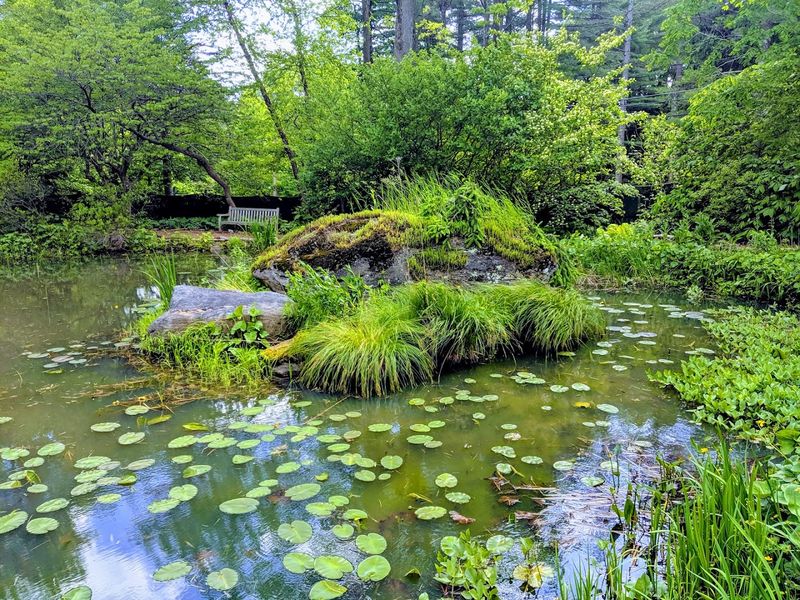
Among the most quietly affecting spaces within Berkshire Botanical Garden are the Pond Garden and the Foster Rock Garden. The Pond Garden has a contemplative quality that is difficult to replicate artificially.
Water has a way of organizing a visitor’s attention, drawing the eye outward and slowing the pace of movement in a way that feels involuntary and welcome at the same time. Several reviews from past visitors single out the pond as one of their favorite moments on the property.
The Foster Rock Garden operates on a different register entirely. Rock gardens require a particular kind of patience from both the designer and the visitor, rewarding careful observation over quick passes.
The plant selection in this section tends toward smaller, more architectural species that reveal their character gradually rather than all at once. It is the kind of garden that improves with a second visit, once you know where to look.
Both spaces benefit from the placement of benches and seating areas nearby, which encourages visitors to stay longer and look more carefully. The overall grounds hold dozens of distinct garden areas, but the Pond Garden and Rock Garden stand out for their ability to create genuine stillness in a world that rarely offers it.
They are the kind of spaces you remember long after the visit ends.