
This Underrated River Town In Mississippi Is One Of America’s Most Picturesque Spots This Year
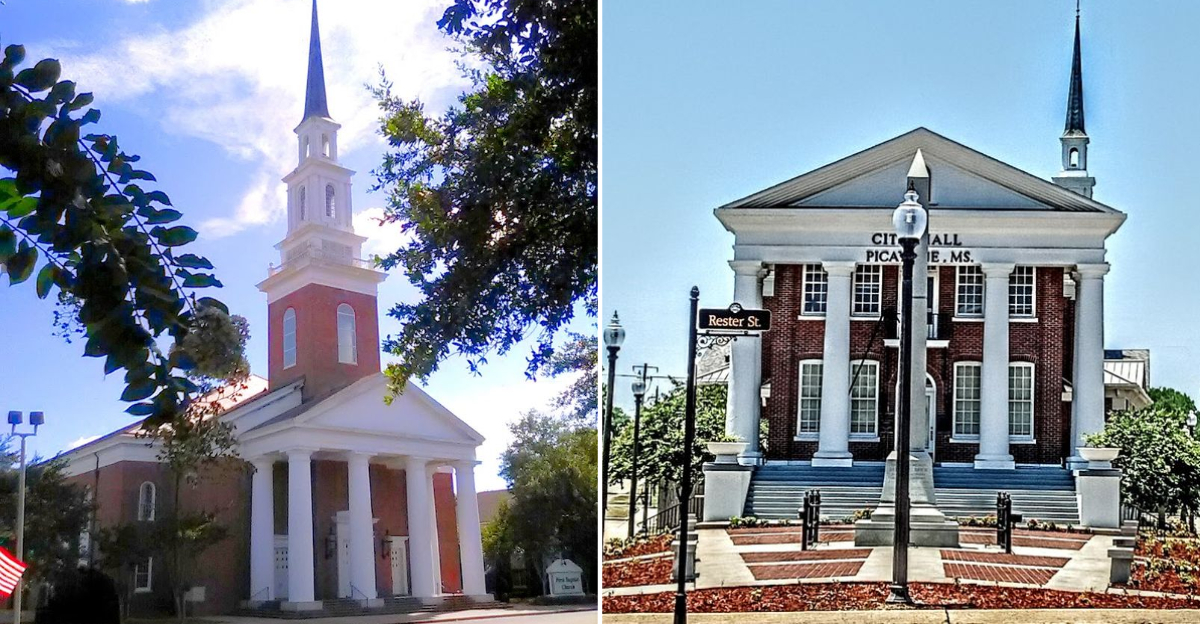
Not every stunning American town ends up on the lists it deserves to be on and this Mississippi river town is the most photogenic example of exactly that oversight.
Beautiful in a way that feels completely effortless, unhurried in a way that makes everything about the visit feel restorative, and sitting right there along the river doing its thing while the rest of the country looks somewhere else entirely.
The setting alone makes the trip worth it. Water, history, and a town with enough personality and charm to keep you exploring long after you planned to leave.
Mississippi has a talent for hiding its most spectacular spots in plain sight and this river town is one of the finest examples of that going into 2026. America has been sleeping on this one and the people who have already found it are in absolutely no hurry to correct that.
A Place Where Nature And Architecture Share The Same Conversation
Few places in the American South manage to make stillness feel this intentional. The Crosby Arboretum, a 104-acre native plant conservatory in Picayune, Mississippi, is the kind of destination that rewards slow walkers and curious minds in equal measure.
Woodlands give way to bogs, bogs open into savannahs, and savannahs edge toward glassy ponds that mirror the sky above with quiet precision.
At the heart of the arboretum stands the Pinecote Pavilion, a structure designed by architect Fay Jones that has earned genuine admiration from those who study the relationship between built form and natural setting. The pavilion does not impose on its surroundings but rather rises from them, using wood and geometry to echo the rhythm of the trees nearby.
Visiting it feels less like entering a building and more like stepping into a considered pause in the landscape.
The arboretum is managed by Mississippi State University Extension Service and welcomes visitors throughout the year. Walking its paths offers an education in regional ecology that no textbook quite replicates.
Every season brings a new arrangement of color, texture, and sound that makes each visit feel distinct from the last.
Picayune, Mississippi And The Story Behind Its Unusual Name
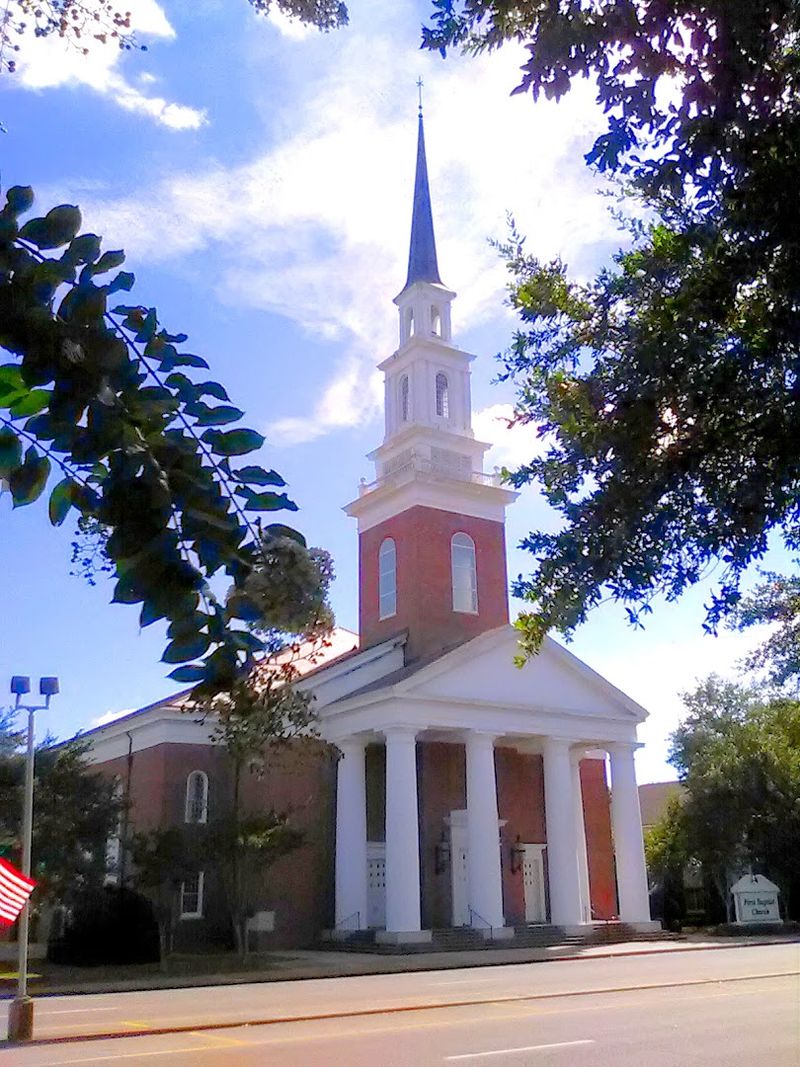
Not many American cities can trace their name to a Spanish coin by way of a newspaper publisher, but Picayune, Mississippi is not a typical American city.
The name was given in the 1880s by Eliza Jane Poitevent Nicholson, the owner and publisher of The Daily Picayune in New Orleans, who applied the term to the area during its early development.
A picayune was a small-value coin, and the word carried a colloquial meaning of something modest or slight, though the city has never truly lived down to that description.
Incorporated in 1904, Picayune grew steadily through the logging era and later became recognized as the tung oil capital of the world, a title it held until Hurricane Camille reshaped the regional economy in 1969. Today, beef farming anchors much of the local agricultural activity, and the city serves as the largest urban center in Pearl River County.
The Stennis Space Center sits just ten miles away, adding a layer of scientific history to the region that surprises first-time visitors.
Long before European settlers arrived, the Choctaw people inhabited this land and shaped its character in ways that still echo through local history and place names across the county.
The Wilderness Trail That Rewards Patient Explorers
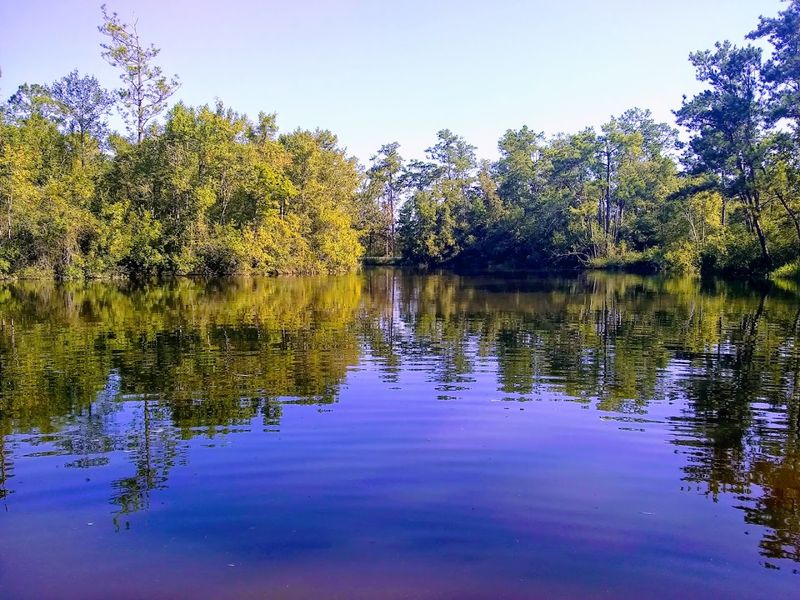
About ten minutes outside of Picayune, the Bogue Chitto Wilderness Trail offers a completely different tempo from the city streets.
The trail winds through a landscape where bald eagles circle overhead, waterfowl settle along the water’s edge, and the occasional alligator reminds you that this is very much a working ecosystem rather than a manicured park.
Wild hogs have also been spotted moving through the underbrush, which adds a certain alertness to the hiking experience.
Fishing along the trail is a popular activity, and the calm stretches of water provide conditions that anglers of all experience levels tend to appreciate.
The area maintains a natural quietness that has become increasingly rare in accessible outdoor spaces, and that quality alone draws visitors who simply want to be somewhere genuine and unhurried.
The trail is suitable for morning walks when the light sits low through the trees and wildlife activity peaks. Bringing binoculars is a practical choice rather than an optional one, given the variety of birds that pass through the area during migration seasons.
The Bogue Chitto corridor represents the kind of natural resource that quietly defines a region’s character without ever demanding recognition for doing so.
The Teddy Bear House Museum And Its Remarkable Collection

There is exactly one place in Mississippi where you can stand surrounded by more than 25,000 teddy bears, and it happens to be in Picayune.
The Teddy Bear House Museum is the kind of attraction that earns a double take when you first read about it, and then earns genuine appreciation once you actually walk through the door.
The sheer scale of the collection transforms what might sound like a novelty into something that feels like a real cultural artifact of human affection and memory.
Each bear in the collection has its own provenance, and the variety on display spans decades of design, craftsmanship, and popular culture. Antique bears sit alongside modern ones, and the range of sizes runs from palm-sized miniatures to bears that would comfortably fill an armchair.
For families traveling with children, the museum delivers an experience that holds attention in a way that few exhibits manage without digital assistance.
The museum reflects something genuinely endearing about Picayune’s character, which is a willingness to celebrate the unexpected with full sincerity. Fun fact: the teddy bear itself was named after President Theodore Roosevelt following a famous 1902 hunting story, so the collection carries more history than its soft exterior might imply.
Coastal Ridge Farm And The Fields That Change With The Seasons
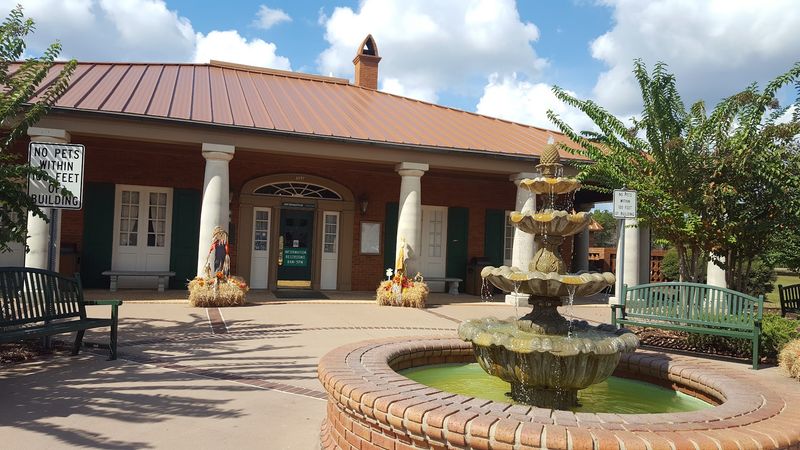
A short drive from the city center, Coastal Ridge Farm offers a version of the Mississippi countryside that feels almost deliberately composed.
The farm is known for its zinnia cultivation, and during peak bloom the fields carry a density of color that stops visitors mid-step and holds them there longer than they planned to stay.
Zinnias are not delicate flowers, they are bold and abundant, and the farm leans into that quality with admirable commitment.
The atmosphere at the farm is relaxed and genuinely welcoming, with the kind of easy pace that reminds visitors what a slow morning in the country is supposed to feel like.
Photography enthusiasts find the rows of blooms particularly rewarding, as the natural light in this part of Mississippi tends to be warm and consistent during the growing season.
Families and couples alike find reasons to linger.
Farms like Coastal Ridge contribute to the texture of Picayune in a way that is easy to overlook on a map but impossible to miss in person. The agricultural landscape surrounding the city is characterized by rolling fields and open sky, and the farm sits comfortably within that broader scenery.
Visiting during the height of bloom season is worth planning around if the calendar allows.
The Pearl River And The Waterways That Frame The City
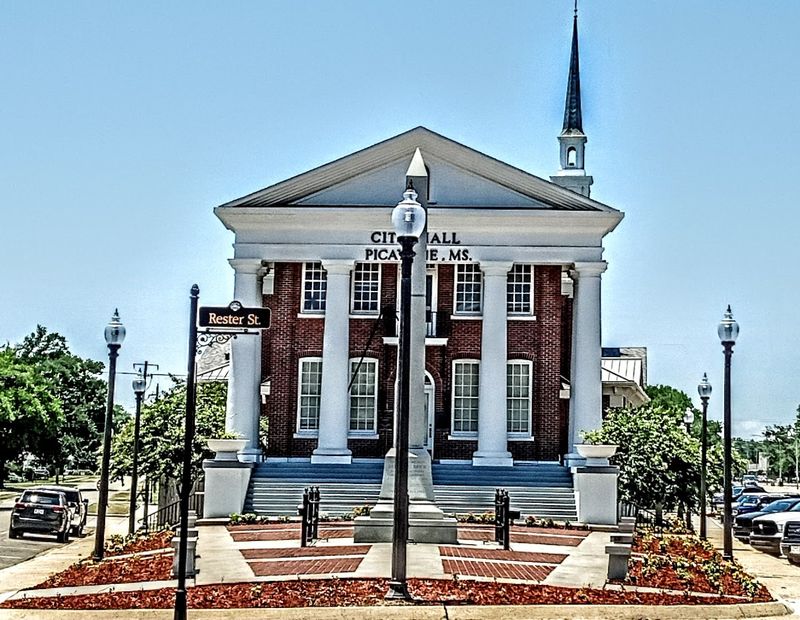
The Pearl River does not simply pass through the geography near Picayune. It organizes it.
West of the city, the river forks into the East and West Pearl Rivers, creating a branching waterway system that eventually empties into the Gulf of Mexico. This forking gives the landscape a layered quality, with water appearing at unexpected angles as you move through the surrounding terrain.
The river also marks a portion of the boundary between Mississippi and Louisiana, which gives it a kind of quiet political significance alongside its scenic one. East Hobolochitto Creek adds another thread to the local water network, flowing through Picayune and contributing to the area’s lush, moisture-fed vegetation.
The combination of multiple waterways creates habitats that support an impressive range of wildlife throughout the year.
For visitors who enjoy paddling, fishing, or simply sitting near moving water with no particular agenda, the Pearl River corridor delivers without requiring much planning or equipment. The views along its banks shift with the seasons, from the bare-limbed clarity of winter to the dense green canopy of summer.
The river has shaped Picayune’s landscape, economy, and sense of place in ways that a single visit begins to reveal and repeated visits continue to unfold.
City Parks And Green Spaces That Anchor Daily Life
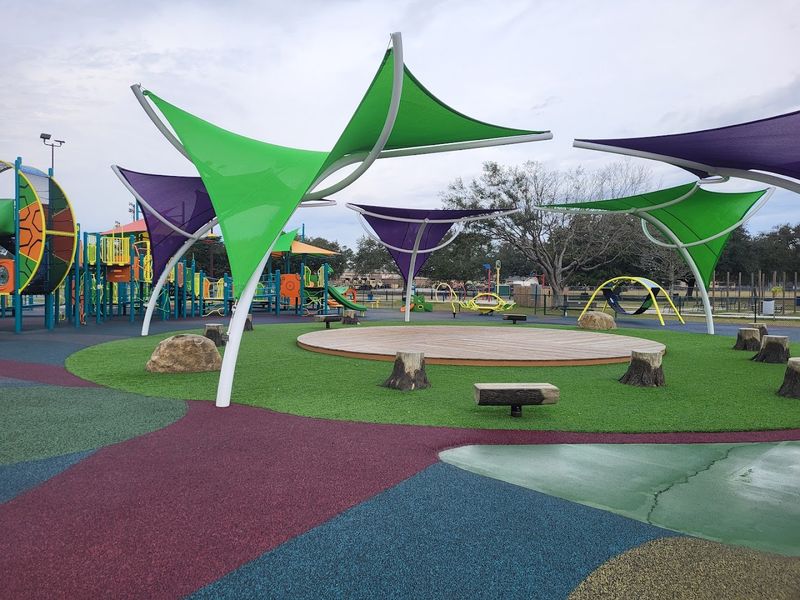
Picayune City Park and Friendship Park serve as the kind of everyday green spaces that reveal the true character of a place more honestly than any landmark ever could.
These parks offer walking trails, open lawns, and recreational facilities that locals use with the casual familiarity of a neighborhood that has grown comfortable with its own amenities.
Mature trees provide shade that makes afternoon walks genuinely pleasant rather than merely bearable in the Mississippi heat.
The parks sit within a city that has maintained a measured pace of development, which means the green spaces have not been squeezed or compromised by surrounding density. There is room to move, room to sit, and room to simply observe the ordinary rhythms of a Southern city going about its day.
That kind of unscripted atmosphere is harder to find than most travel guides acknowledge.
Picayune covers a landscape characterized by rolling fields and pine forests, and the parks extend that natural quality into the urban fabric in a way that feels considered rather than accidental.
Visitors who build time into their itinerary for a morning walk through the city parks often find that the experience anchors the rest of the trip with a grounded sense of what Picayune actually is, a real and livable place with genuine appeal.