
This Breathtaking Lake In Colorado Has The Clearest And Bluest Water You’ve Ever Seen
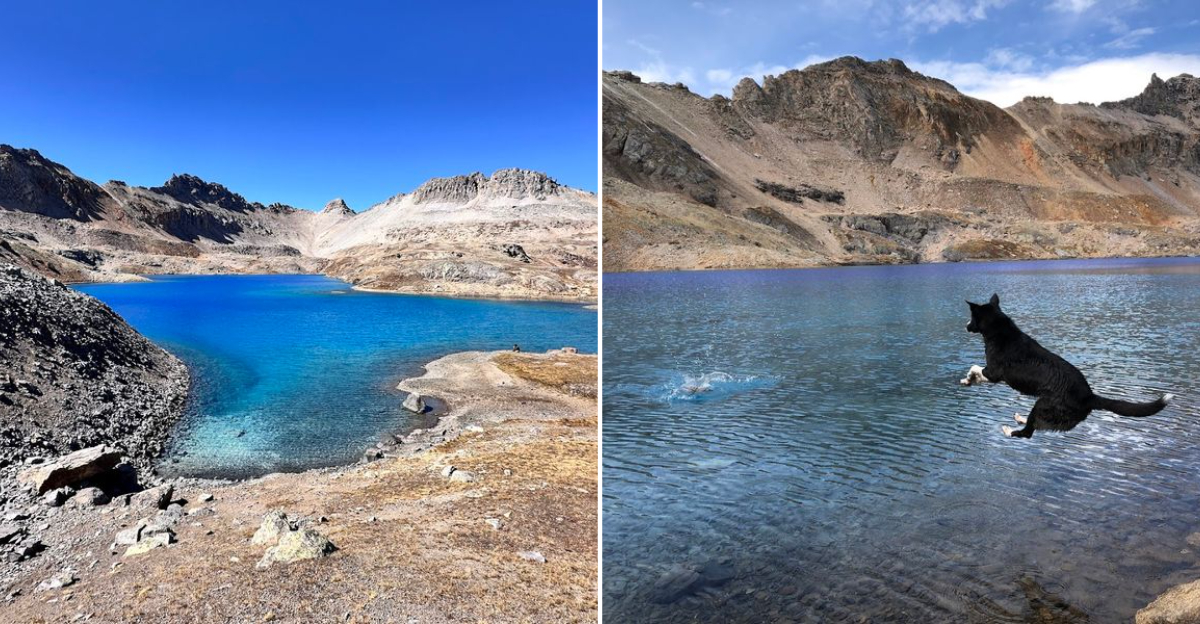
You will crouch down and stare at it like a confused golden retriever. You will do this more than once, and no one standing at this lake will judge you for it.
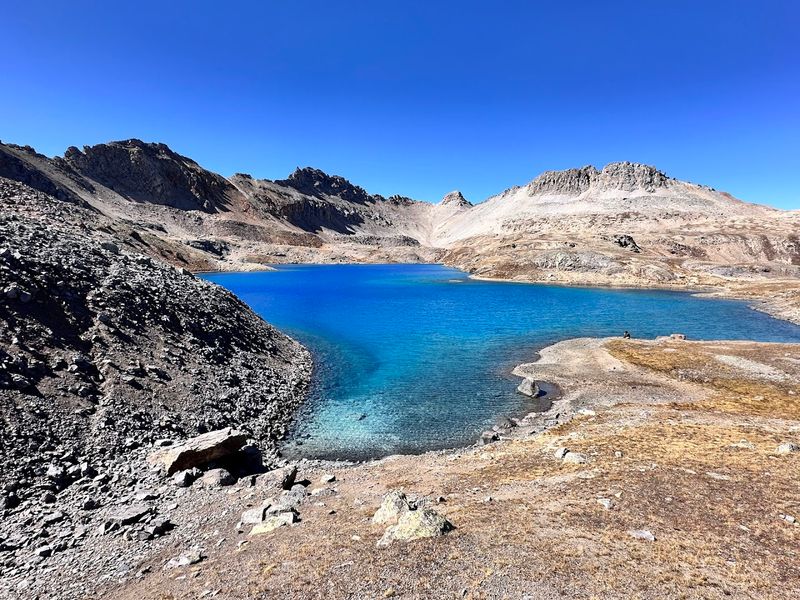
The water is so clear and so blue that your brain simply refuses to believe it is real. Most lakes are fine.
You see them, you take a photo, you go home. This one in Colorado makes you question every lake you have ever called beautiful.
You will look back at your old photos and feel personally offended. This is not a lake that shows up on every travel list.
It does not need the attention. It has been sitting up there, impossibly clear and quietly unbothered, long before anyone thought to write about it.
Some places exist just to remind you that nature is not playing fair. This is one of them.
Colorado has been holding out on us.
Water Quality And Transparency Levels
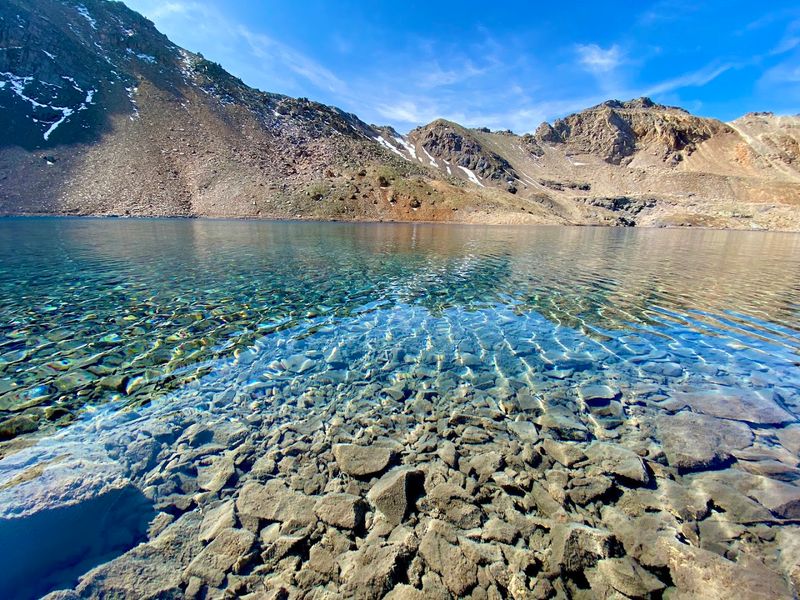
This lake sits at roughly 12,693 feet above sea level, and the water clarity here is almost unreal. You can see straight down to the rocky bottom like the lake is made of glass.
There is no murky green tint, no algae bloom, nothing cloudy at all.
The high elevation plays a huge role in keeping the water this clean. At that altitude, warmer temperatures and pollution rarely reach the lake.
Fewer organisms survive up there, which means less biological material clouding the water.
Snowmelt feeds the lake directly from surrounding peaks. That fresh glacial input constantly refreshes the water.
It keeps sediment levels low and transparency high year after year.
Hikers often describe looking into the lake and feeling genuinely confused. The water looks shallow because it is so clear, but it is actually quite deep in places.
That visual trick surprises nearly everyone who visits for the first time.
The address for reaching this spot is Colorado 81426, near Silverton off the Million Dollar Highway. Plan your route carefully before heading out.
The road to the trailhead is rough and requires preparation.
Unique Mineral Content Affecting Color
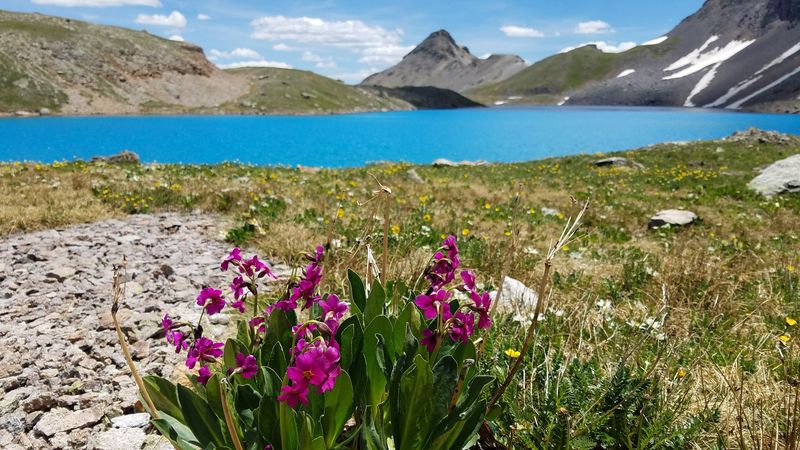
That wild blue color at Columbine Lake is not just a trick of the light. The geology beneath the lake directly influences the water’s stunning hue.
Minerals from the surrounding San Juan Mountain rock formations dissolve slowly into the water.
The San Juan Mountains are rich in volcanic and sedimentary rock. As snowmelt filters through these formations, it picks up trace minerals.
Those minerals scatter light at specific wavelengths, creating that vivid turquoise and sapphire appearance.
Granite and quartz-rich geology surrounding the lake basin also contribute. These rock types are relatively stable and do not release heavy metals or harmful compounds.
The result is mineral-rich water that stays clean and visually stunning.
People have described the color as everything from Gatorade blue to deep emerald, depending on the season and light angle. Morning light tends to pull out the royal blue tones.
Midday sun makes it look almost neon turquoise.
No artificial dye, no filter, no editing needed. The minerals just do their job quietly beneath the surface.
It is honestly one of the most naturally photogenic lakes in all of Colorado.
Surrounding Flora And Its Impact On Water
The plant life around Columbine Lake is not just pretty to look at. It actually plays an active role in keeping the water clean and clear.
Meadow grasses and wildflowers act as natural filters along the shoreline.
Colorado blue columbine flowers bloom near the water’s edge in summer. They are the state flower, and yes, this lake is named after them.
Seeing them framing that electric blue water is genuinely a lot to handle visually.
Root systems from alpine plants stabilize the soil around the basin. That stability prevents erosion and keeps sediment from washing into the lake.
Less sediment means better water clarity all season long.
Mosses and low-growing ground cover near the shoreline also absorb runoff. They trap nutrients and fine particles before they enter the water.
This natural filtration system works quietly and consistently without any human help.
The meadows surrounding the lake stay lush through mid-summer because of consistent snowmelt moisture. That moisture supports dense plant growth.
Dense plant growth means more natural filtration happens around the clock.
The whole ecosystem around Columbine Lake functions like a well-oiled machine. Every plant has a purpose.
Together, they protect the water quality visitors love so much.
Seasonal Changes Influencing Water Appearance
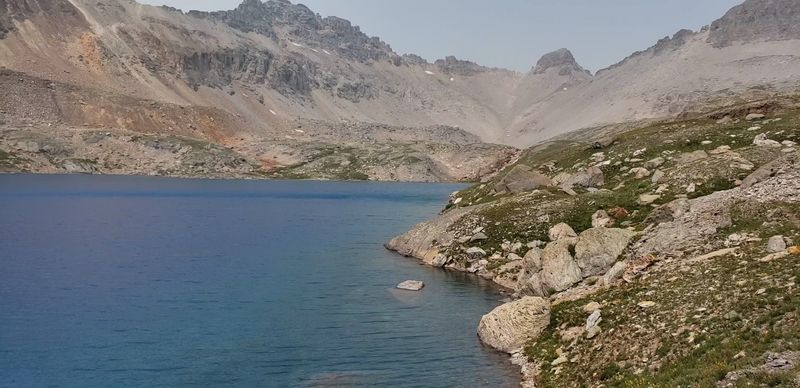
Columbine Lake does not look the same in July as it does in September. The water shifts in color and character depending on the time of year.
Seasonal changes make every visit feel slightly different.
Mid-July through mid-September is the sweet spot for visiting. Snow has mostly melted by then, and the trail becomes passable.
The water reaches its most vibrant blue during this window.
Early summer brings heavy snowmelt rushing into the lake. That fresh input gives the water an almost electric turquoise intensity.
The surrounding peaks are still capped in white, which makes the contrast even more dramatic.
By late September, the light changes angle and the days shorten. The water takes on a deeper, moodier sapphire tone.
Snow can return quickly at that elevation, so timing matters a lot.
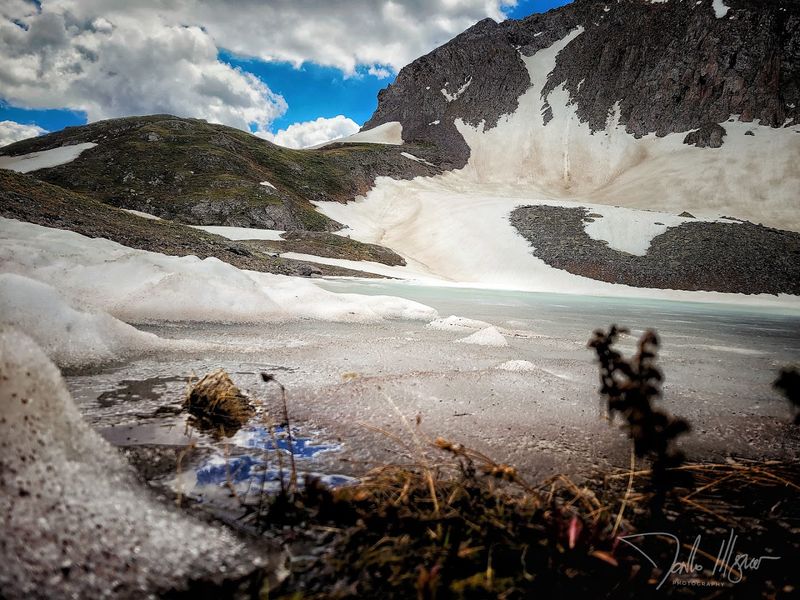
Winter completely transforms the lake. Ice covers the surface, and the basin fills with snow.
The blue water disappears under a white blanket until the cycle starts again in spring.
Each season brings its own version of Columbine Lake. Some hikers return multiple times just to see the difference.
Honestly, that is a completely reasonable life choice.
Wildlife Supported By Clear Water Ecosystems
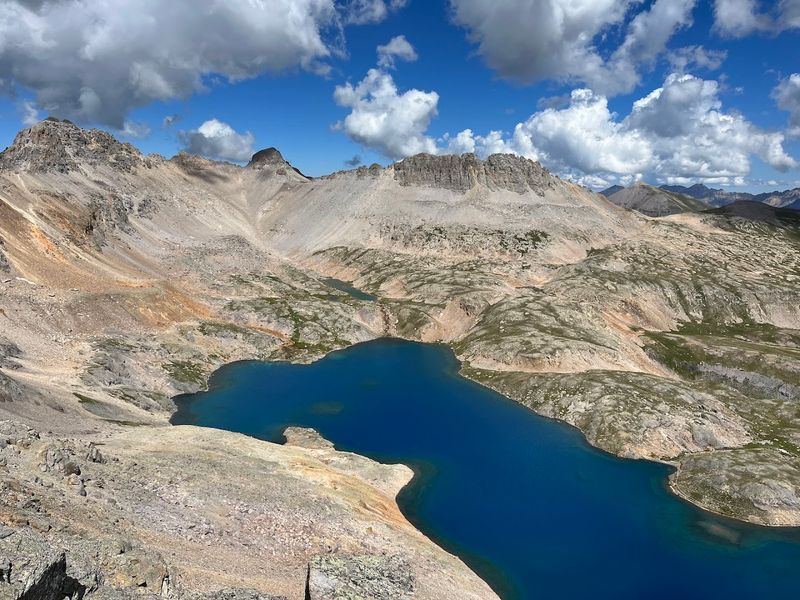
Clean, clear water supports a surprisingly active ecosystem at Columbine Lake. Brook trout are the most well-known residents here.
They are visible through the crystal water, darting around the rocky bottom.
Brook trout thrive in cold, oxygen-rich water. Columbine Lake provides exactly that.
The high elevation keeps temperatures low, and the clarity signals strong water quality that fish need to survive.
Yellow-bellied marmots are commonly spotted near the rocky shoreline. They sunbathe on boulders and watch hikers with zero shame.
Seeing one pop up from the rocks while you are trying to photograph the lake is a genuinely fun moment.
Pikas also live in the talus fields surrounding the basin. They are small, round, and extremely vocal.
You will probably hear one before you see one.
Birds of prey circle above the lake during warmer months. Golden eagles and red-tailed hawks use the thermals rising off the mountain slopes.
The lake and its surrounding meadows provide hunting ground for multiple raptor species.
The entire food web here depends on water clarity. Clean water grows healthy aquatic insects.
Healthy insects feed the fish and birds above. It all connects back to that stunning blue water.
Recreational Activities Suitable For Clear Lakes
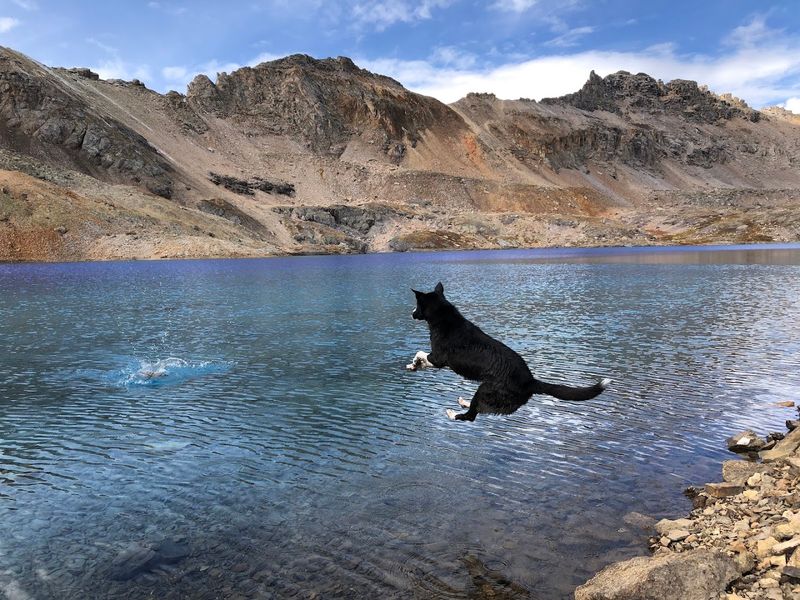
Columbine Lake is not just a place to stare at from the shore. The water invites actual participation once you get there.
Non-motorized activities are the norm here, and that keeps the environment peaceful.
Kayaking and canoeing are popular options for those willing to carry gear up the trail. Paddling on that blue water with granite peaks all around is a surreal experience.
The effort of hauling a kayak up 2,900 feet of elevation gain is either impressive or slightly unhinged, depending on your perspective.
Swimming is technically possible in summer. The water is extremely cold, though, so most people wade in and immediately reconsider.
A quick dip still counts as a badge of honor among alpine hikers.
Fishing is a legitimate draw for many visitors. Brook trout are present in the lake and are visible from shore.
Bring a valid Colorado fishing license and a lightweight rod for the hike in.
Photography is honestly its own recreational activity here. The combination of blue water, wildflowers, and rugged peaks creates a near-perfect composition.
Early morning light before the afternoon thunderstorms roll in is the best time to shoot.
Start your hike early, no matter what you plan to do. Afternoon storms at this elevation are serious and fast-moving.
Geological Features Forming The Lake Basin
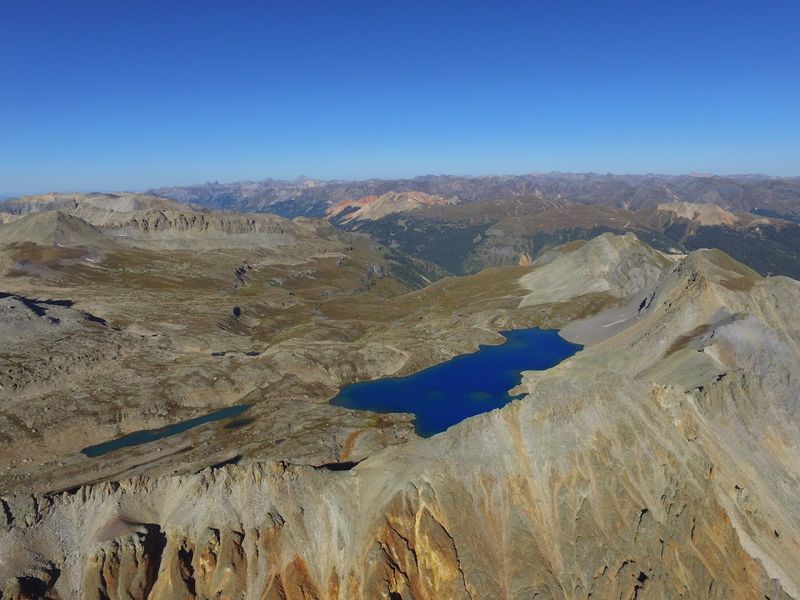
Columbine Lake owes its existence to glacial activity that happened thousands of years ago. Ancient glaciers carved the bowl-shaped basin in which the lake now sits.
That classic cirque shape is still clearly visible from the surrounding ridgelines.
A cirque is formed when a glacier erodes into a mountainside over centuries. The ice slowly grinds away rock, creating a steep-walled hollow.
When the glacier retreats, it leaves behind a depression that fills with snowmelt and precipitation.
The San Juan Mountains are geologically complex, with layers of volcanic and sedimentary rock. Tectonic activity and volcanic eruptions shaped this region over millions of years.
Glaciers then sculpted the finer details of the landscape during ice ages.
Moraine deposits ring the lower edge of the basin. Those are piles of rock and debris left behind as the glacier retreated.
They act as a natural dam, helping hold water in the lake basin.
The surrounding granite walls reflect directly into the water on calm days. That reflection deepens the blue tone you see in photographs.
The geology above the surface is just as responsible for the color as the geology beneath it.
Standing at the lake and knowing this basin was carved by ice over thousands of years makes the whole scene feel even more significant.
Conservation Efforts Preserving Water Clarity
Keeping Columbine Lake as clean as it is requires real effort from the people who visit and manage it. The lake sits within the San Juan National Forest, which comes with specific regulations.
Those rules exist for very practical reasons.
Leave No Trace principles are strongly encouraged on the trail and at the lake. That means packing out all trash and waste.
It also means staying on designated paths to avoid trampling fragile alpine vegetation.
Human foot traffic can destabilize the soil around the shoreline quickly. Once erosion starts near a high alpine lake, it is difficult to reverse.
Staying back from the water’s edge actually helps protect the clarity that hikers come to see.
Camping near the lake is regulated to prevent overuse. Campfire restrictions are common at this elevation because vegetation recovery is extremely slow.
A fire scar in an alpine meadow can last decades.
Fishing regulations also play a conservation role. Catch-and-release practices help maintain the brook trout population.
A healthy fish population supports the broader aquatic ecosystem.
The relatively low foot traffic at Columbine Lake compared to more famous Colorado alpine lakes is actually a conservation advantage. Fewer people mean less impact overall.
Keeping it that way is a shared responsibility every visitor carries.