
This Dreamy Wisconsin Trail Might Be One Of The State’s Most Beautiful Walks
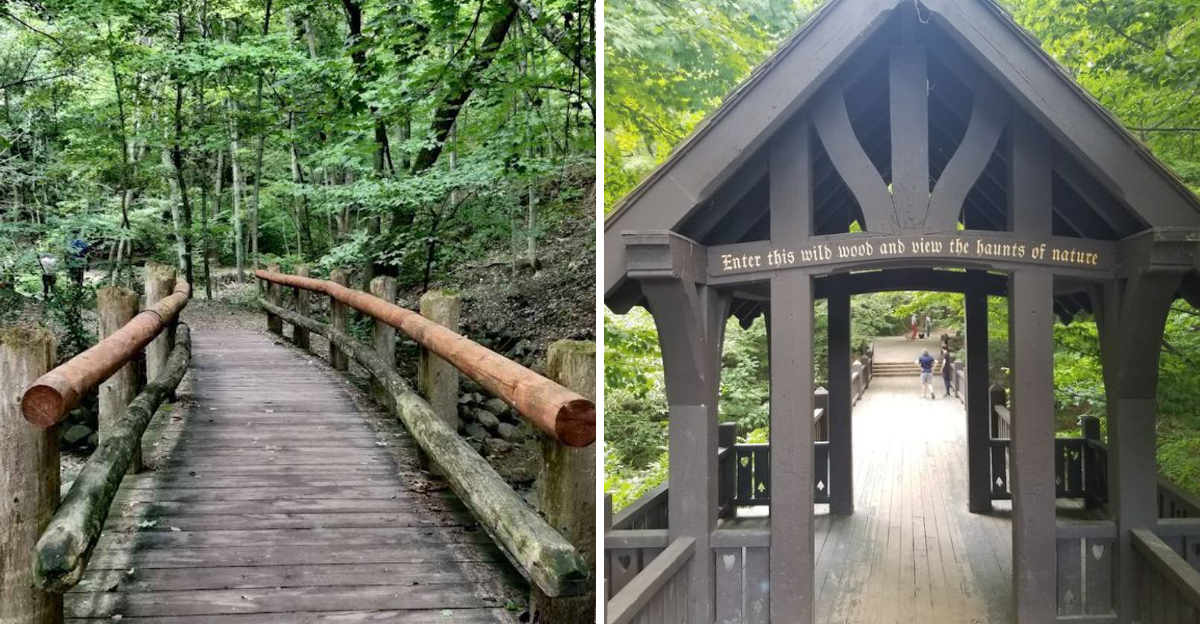
Some trails do not need dramatic overlooks to make an impression, and I think that is what makes this Wisconsin walk so appealing. It has quiet woods, stone bridges, little creeks, and the sound of leaves under your feet.
The two-mile path moves through a shaded ravine that feels surprisingly peaceful for a place so close to the city. Built during the 1930s, it still has that old, handcrafted feel, with stairways and bridges that make the route feel thoughtful rather than ordinary.
It is simple, scenic, and easy to enjoy without needing a big plan.
The Trail Winds Through A Wooded Ravine In Grant Park
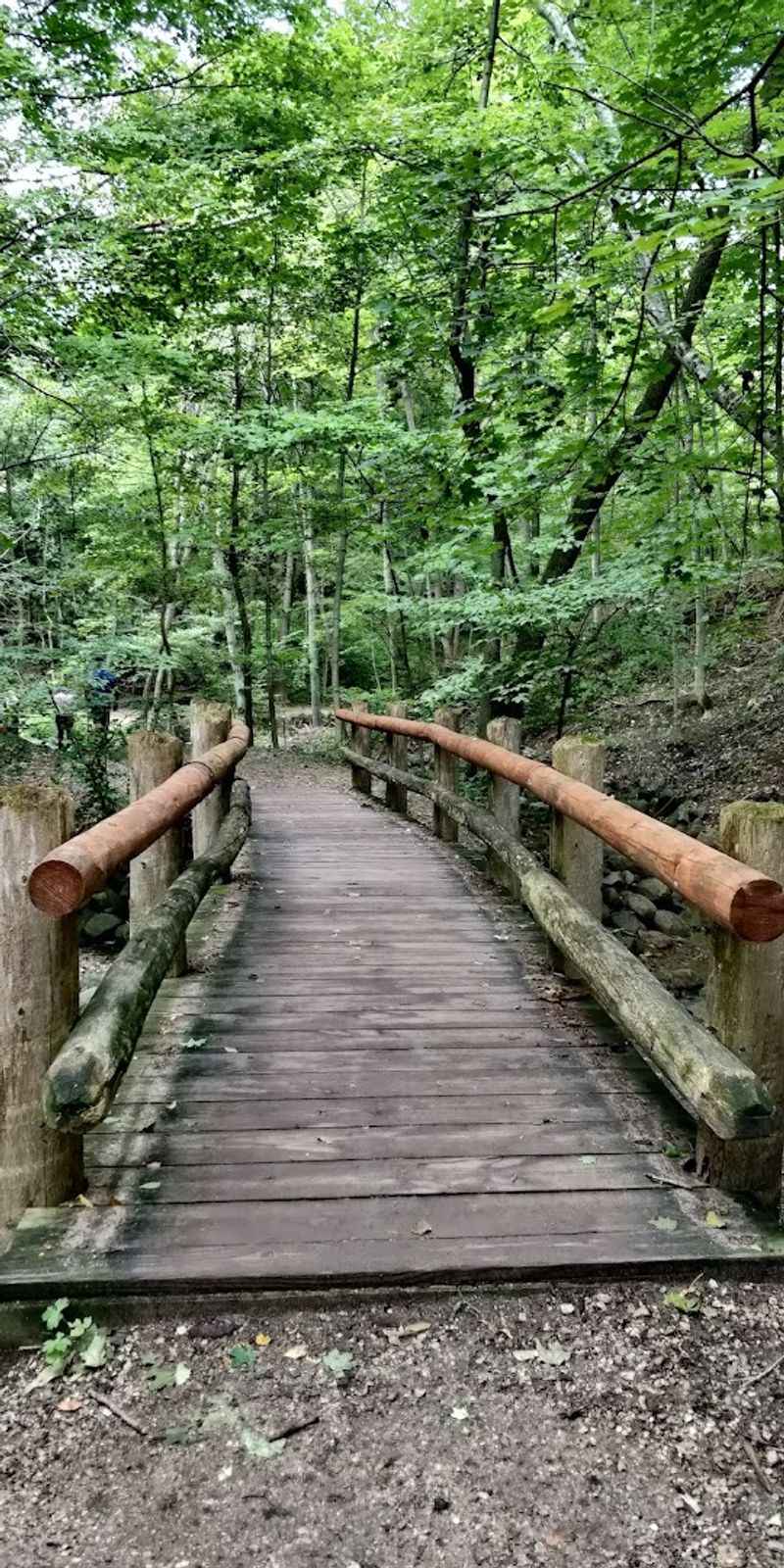
Grant Park spreads across 384 acres along Lake Michigan’s shoreline, and the Seven Bridges Trail cuts right through its most dramatic landscape feature. The ravine drops steeply from the upper park grounds, creating a sheltered valley where the forest grows thick and the temperature stays noticeably cooler than the surrounding areas.
Walking down into this natural depression feels like entering a different world altogether.
Tall trees form a protective canopy overhead, blocking out much of the direct sunlight and creating a dim, peaceful atmosphere even on the brightest summer days. The ravine walls rise on either side of the path, covered in ferns and moss that thrive in the shade and moisture.
Small streams trickle down these slopes after rain, feeding into the larger creek that runs along the trail’s lowest point.
Finding the trailhead requires heading to Grant Park at 100 Hawthorne Avenue in South Milwaukee, where signs point visitors toward this special walking route.
Seven Bridges Trail Is About Two Miles Long
The complete loop measures just under two miles from start to finish, making it manageable for most walkers without requiring serious athletic training. You can finish the entire route in about an hour if you maintain a steady pace, though most people take longer because they stop frequently to look at the bridges, photograph the scenery, or simply rest on one of the benches placed along the way.
The trail does not demand extreme effort, but it does include elevation changes that get your heart pumping a bit.
Several staircases connect different levels of the ravine, and while none of them are particularly long, they do add up over the course of the walk. Families with young children complete this trail regularly, though very small kids might need help on the steeper sections.
The path stays well-maintained throughout the year, with park staff clearing fallen branches and keeping the route clearly marked.
Most visitors find the length perfect for a morning or afternoon outing that leaves time for other activities in Grant Park afterward.
Lannon Stone Paths Give The Walk An Old-World Feel
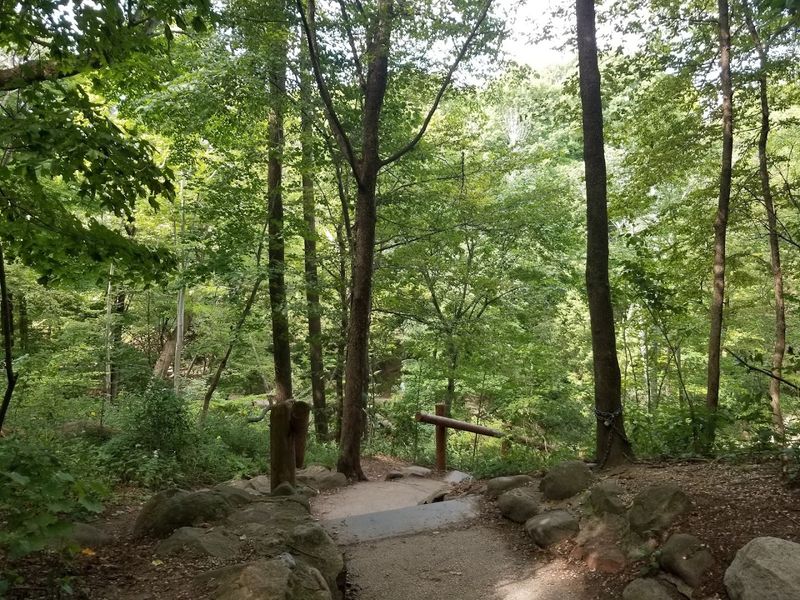
Workers during the 1930s used Lannon stone to build much of the trail’s infrastructure, including retaining walls, staircases, and sections of the walking path itself. This distinctive cream-colored limestone comes from quarries in the nearby village of Lannon, and it has been a favorite building material in southeastern Wisconsin for over a century.
The stone develops a beautiful patina as it ages, with moss and lichen adding splashes of green to its pale surface.
Walking on these fitted stone paths feels remarkably different from hiking on modern paved trails or simple dirt tracks. Each block was cut and placed by hand, creating a surface that has lasted nearly a century with minimal maintenance.
The craftsmanship shows in how well the stones fit together and how carefully the builders matched the trail to the natural contours of the land.
Rain makes the stone surfaces slightly slippery, so good footwear helps during wet weather. The old-world character of these paths adds immeasurably to the trail’s charm and historic atmosphere.
Footbridges And Stairways Make The Route Feel Storybook
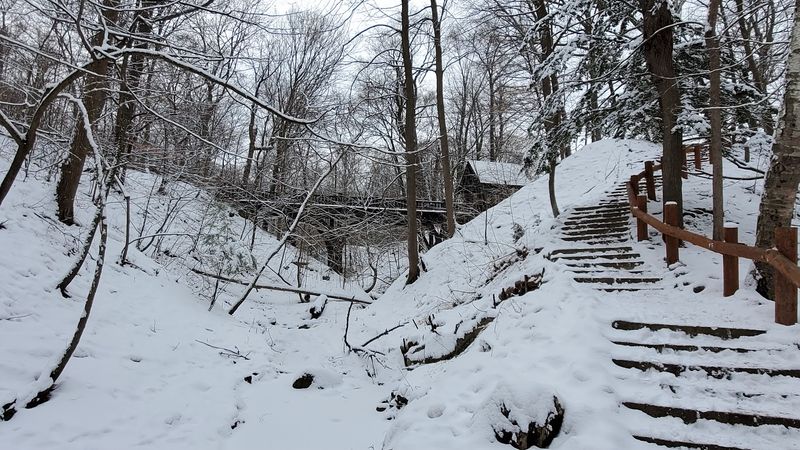
Multiple stone bridges cross the ravine’s creek system, each one built with the same careful attention to detail that characterizes the entire trail. These structures arch gracefully over the water, with low stone walls on either side that serve as railings.
Some bridges sit just a few feet above the stream, while others span deeper sections where the water has cut down through layers of soil and rock over thousands of years.
The exact number of bridges has caused some friendly debate among visitors, with some counting more than seven depending on how you define a bridge versus a culvert. Regardless of the precise tally, each crossing provides a chance to pause and look down at the flowing water or up at the forest canopy overhead.
Stone staircases connect these bridges to different trail levels, their worn steps testament to decades of foot traffic.
Photographers particularly love these architectural features, which frame the natural scenery beautifully and add a touch of European countryside charm to this Milwaukee County park.
The Trail Leads All The Way To Lake Michigan
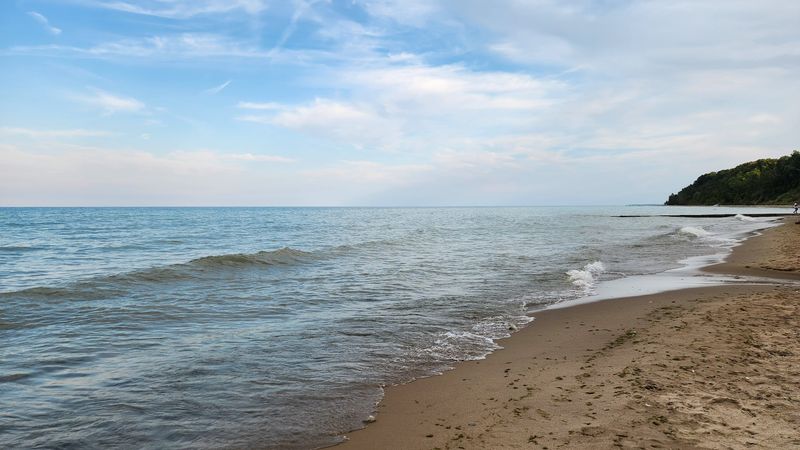
Following the trail’s full route eventually brings you out of the wooded ravine and down to the Lake Michigan beach that forms Grant Park’s eastern boundary. This connection between forest and shoreline adds an extra dimension to the walk that few inland trails can match.
The transition happens gradually as the trees thin out and you begin to hear waves instead of rustling leaves and bird calls.
Once you reach the beach, the landscape opens up completely, with miles of water stretching to the horizon and sandy shore extending in both directions. Many visitors time their walk to end at the lake, where they can rest, have a picnic, or explore the beach before heading back.
The beach area includes additional paths and access points, so you can vary your return route if desired.
During summer, the lake provides a refreshing counterpoint to the shady ravine, while in other seasons, the shoreline offers dramatic views of waves and weather rolling in across the water.
Shady Woodlands Keep The Walk Cool And Peaceful
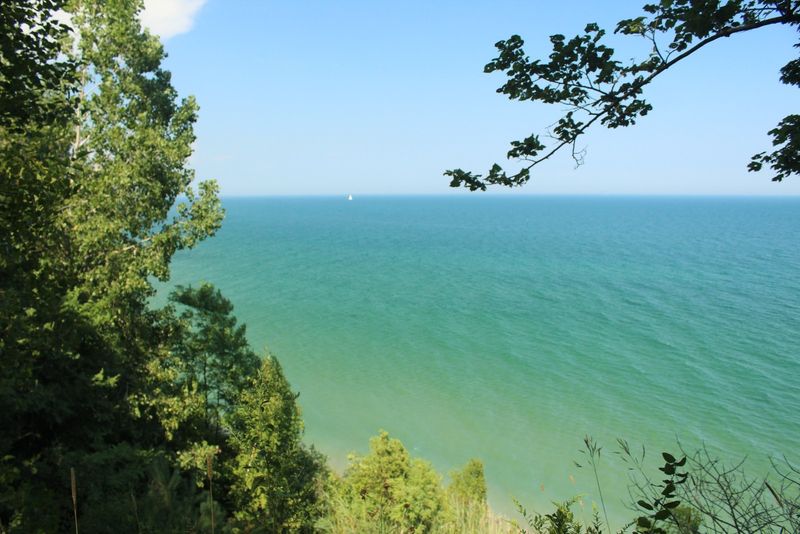
The ravine’s deep forest provides natural air conditioning that makes summer walks surprisingly comfortable even when temperatures climb into the 80s or 90s. Mature oaks, maples, and other hardwoods form a thick overhead layer that blocks most direct sunlight, keeping the ground cool and the air noticeably fresher than in open areas.
This microclimate supports plant species that prefer shade and moisture, creating a lush understory of ferns and wildflowers.
Birds thrive in this protected habitat, and their songs provide a constant soundtrack as you walk. The density of the forest also muffles sounds from the surrounding city, making it easy to forget you are still within Milwaukee’s metropolitan area.
Even on busy weekends, the trail rarely feels crowded because the winding path and thick vegetation prevent you from seeing too many other visitors at once.
This sense of seclusion and the pleasant temperature make the trail especially popular during hot weather when other outdoor activities become less appealing.
Creeks And Ravines Add Quiet Natural Beauty
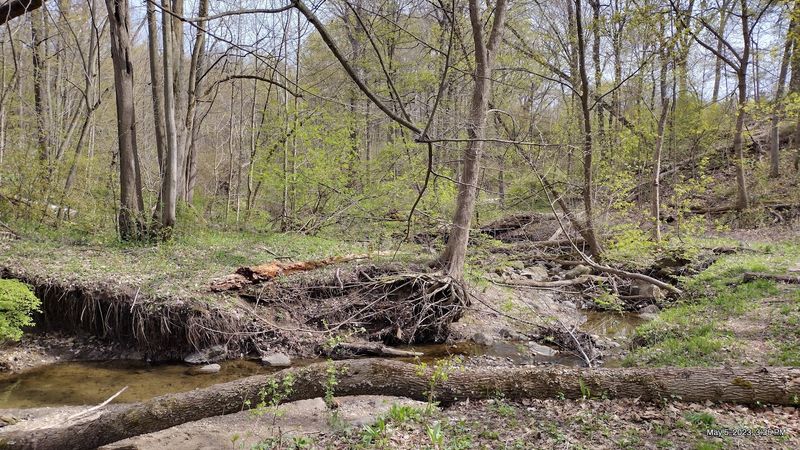
Water flows through the ravine year-round, fed by springs and surface runoff from the surrounding parkland. The main creek follows the ravine’s lowest point, sometimes running swift and full after storms, other times reduced to a gentle trickle during dry spells.
This flowing water creates peaceful background noise that enhances the meditative quality of walking the trail, and it supports a variety of aquatic and semi-aquatic wildlife.
The ravine itself formed over thousands of years as water erosion carved through the glacial deposits left behind when ice sheets retreated from this region. Today, you can see layers of soil and rock exposed in the ravine walls, providing a glimpse into the area’s geological history.
Small waterfalls occasionally appear after heavy rain, though these ephemeral features disappear once the water level drops again.
The combination of flowing water, steep terrain, and forest cover creates habitat conditions quite different from the surrounding landscape, making the ravine an ecological treasure within the larger park system.
Spring Wildflowers Bring Colour To The Forest Floor
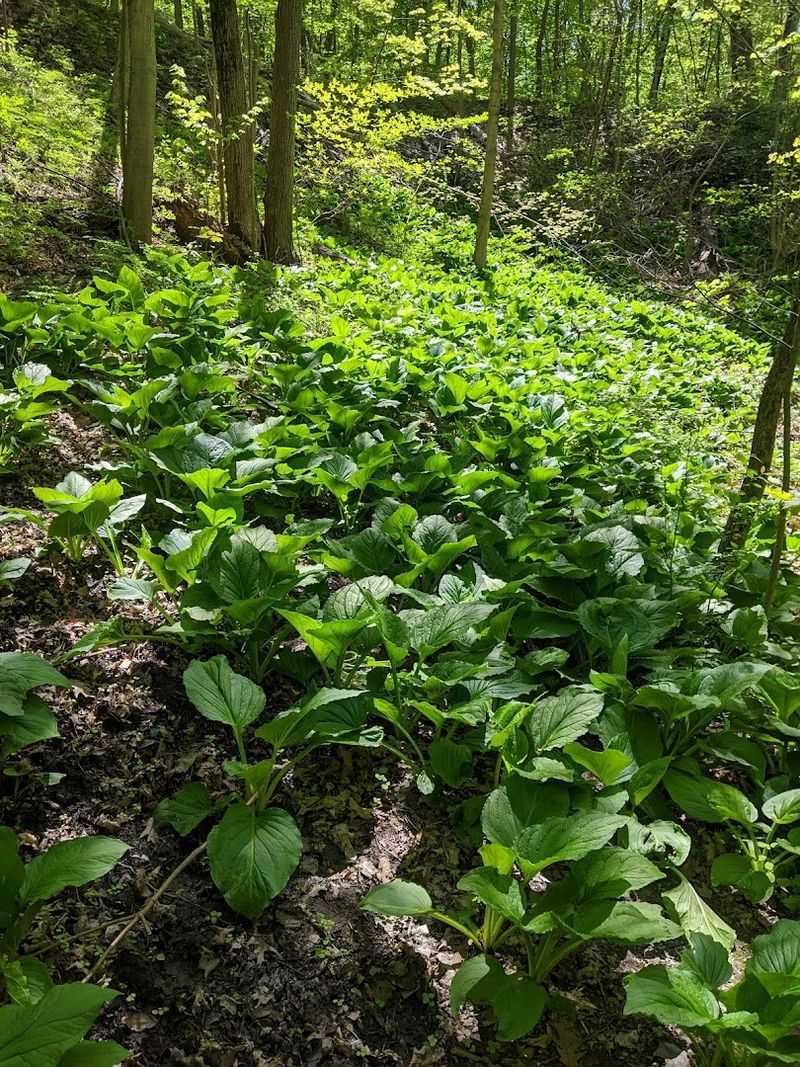
April and May transform the trail into a botanical showcase as woodland wildflowers emerge from their winter dormancy. Trilliums, bloodroot, wild ginger, and dozens of other species carpet the forest floor with white, yellow, and purple blooms.
These spring ephemerals have evolved to flower and set seed quickly, before the tree canopy fills in completely and blocks the sunlight they need for photosynthesis.
Walking the trail during peak wildflower season reveals new blooms almost daily as different species reach their flowering time in succession. The variety of plants reflects the ravine’s diverse microclimates, with moisture-loving species near the creek and those preferring drier conditions on the upper slopes.
Serious wildflower enthusiasts return multiple times each spring to catch different species at their peak.
The display typically begins in early April and continues through late May, though exact timing varies with weather conditions each year. This seasonal show adds another compelling reason to visit the trail beyond its year-round scenic appeal.
Fall Foliage Makes The Trail Especially Beautiful
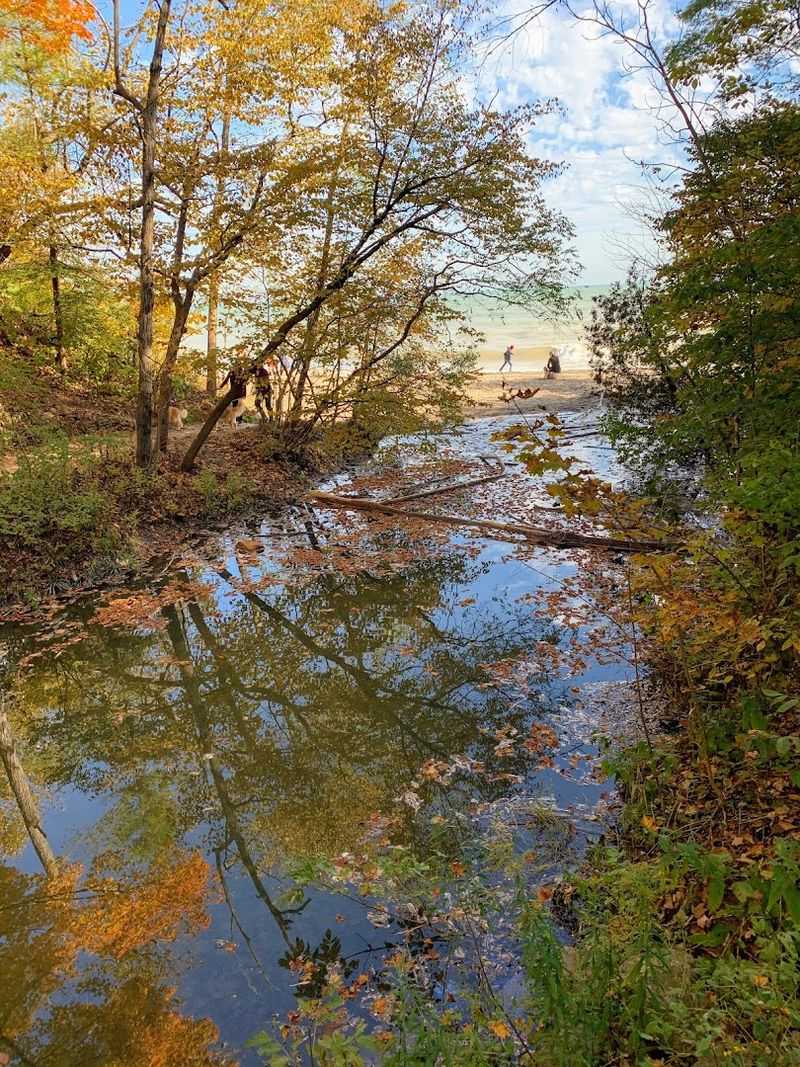
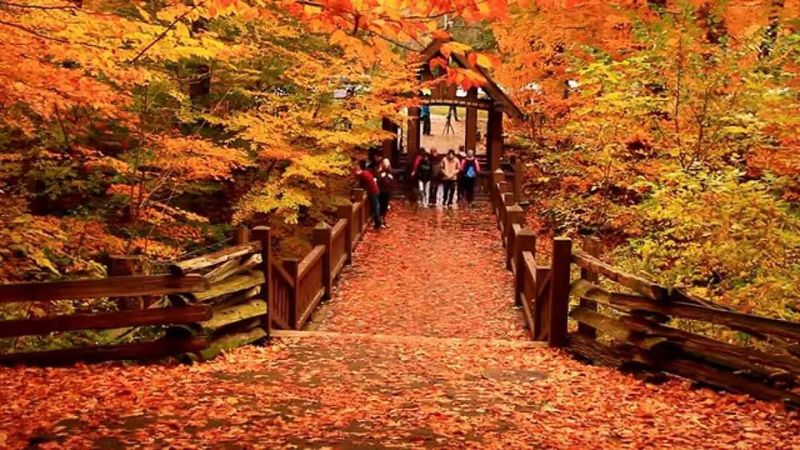
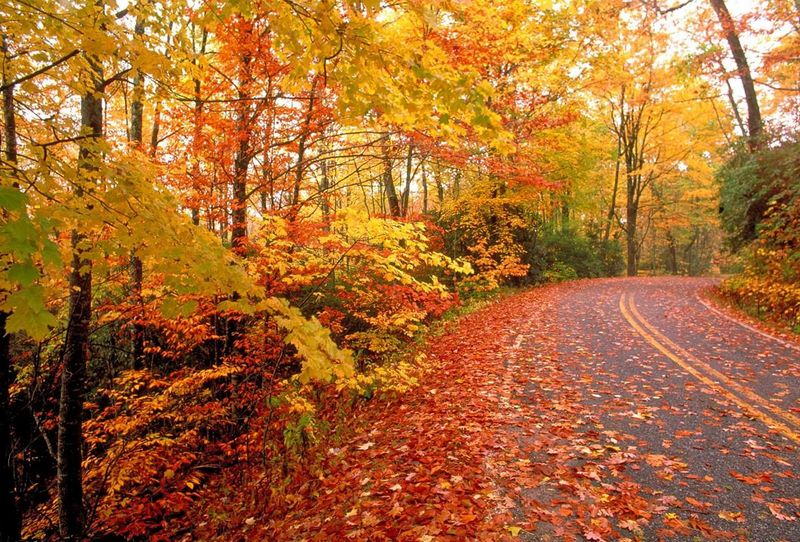
October brings another dramatic seasonal transformation as the hardwood forest erupts in autumn color. Maples turn brilliant shades of red and orange, oaks shift to deep burgundy and brown, and the understory plants add their own yellows and purples to the mix.
The ravine’s sheltered location seems to intensify these colors, and the way sunlight filters down through the changing leaves creates an almost magical atmosphere.
Peak color typically arrives in mid-October, though this timing shifts slightly earlier or later depending on temperature and rainfall patterns leading up to fall. The trail becomes particularly popular during this brief window when the colors reach their most intense, so expect to share the path with more visitors than usual.
Fallen leaves eventually cover the trail surface, creating a satisfying crunch underfoot and releasing the distinctive earthy smell of autumn.
Photographers consider this the best time to capture the trail’s beauty, and many locals make an annual tradition of walking here during peak foliage season.
The Trail Has A Historic WPA-Era Connection
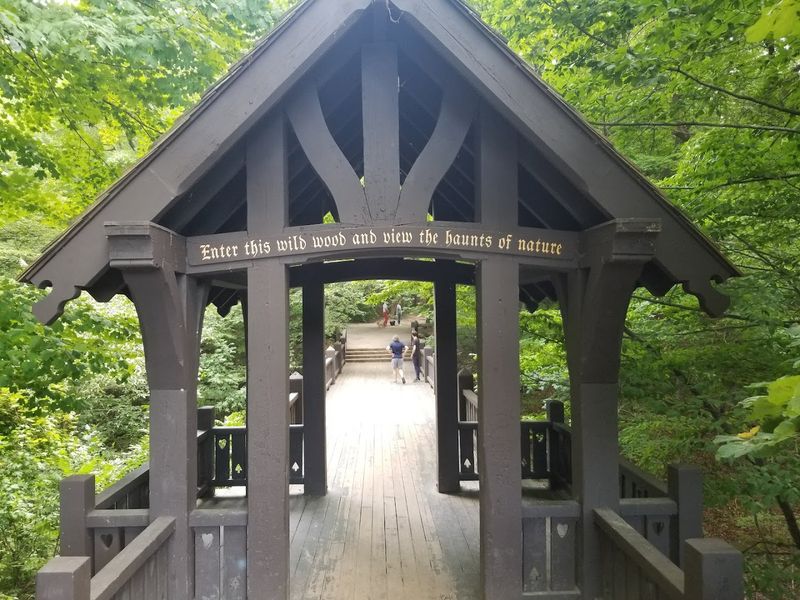
Construction of Seven Bridges Trail took place during the Great Depression as part of the Works Progress Administration’s effort to create jobs while improving public infrastructure. Unemployed workers received wages to build the stone bridges, staircases, and paths that still serve park visitors today.
This history connects the trail to a significant chapter in American history when government programs helped millions of people through economic hardship while creating lasting public benefits.
The quality of the WPA stonework remains impressive nearly 90 years later, demonstrating the skill of the craftspeople who built these structures and the value of investing in durable materials and proper construction techniques. Similar WPA projects exist throughout Wisconsin and the United States, but few have aged as gracefully as the work done in Grant Park.
Plaques near the trail provide some historical context, though many visitors remain unaware of this Depression-era heritage.
Understanding this background adds depth to the walking experience and reminds us that public spaces require both vision and investment to create.
Grant Park Is One Of Milwaukee County’s Oldest Parks
Grant Park joined the Milwaukee County park system in 1895, making it one of the oldest public recreation areas in the region. The land was acquired specifically to preserve the dramatic ravine landscape and provide lake access for city residents.
Over the decades, the park has grown to include not just Seven Bridges Trail but also picnic areas, playgrounds, sports facilities, and several miles of additional walking paths.
The park’s age means that many of its trees have reached impressive size, contributing to the mature forest character that makes the ravine so appealing. Several generations of Milwaukee-area families have visited Grant Park, creating memories and traditions that span more than a century.
The park has evolved with changing recreational preferences while maintaining its core identity as a place where people can experience nature without traveling far from urban areas.
This long history of public use demonstrates the enduring value of setting aside natural areas within metropolitan regions, a decision that continues paying dividends more than 125 years after Grant Park’s establishment.