
This 56-Acre Historical Park In Wisconsin Is Quietly One Of The Midwest’s Most Fascinating Stops
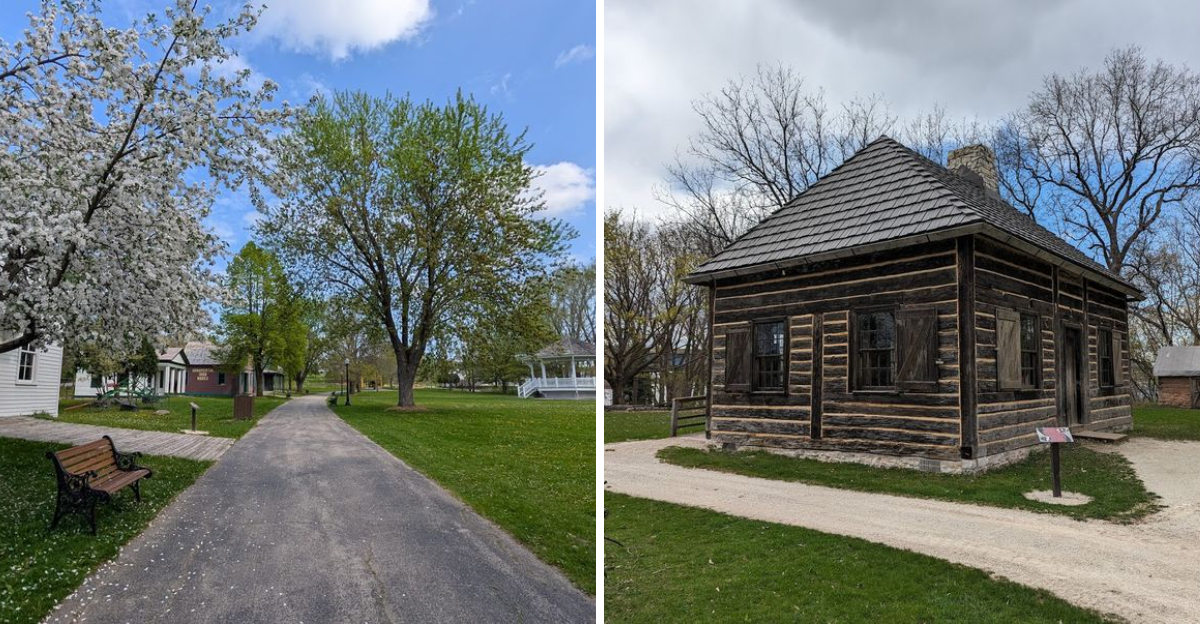
Green Bay may be best known for roaring stadium crowds, but not every memorable stop in the city comes with noise, jerseys, and game-day traffic. A quieter place nearby offers a completely different kind of experience, spread across 56 acres of historic buildings, riverfront scenery, and stories tied to Wisconsin’s past.
Instead of glass cases and distant facts, this attraction lets visitors move through preserved spaces that make history feel surprisingly close. It is peaceful, thoughtful, and easy to explore at your own pace, which is exactly why it deserves more attention.
A 56-Acre Park That Feels More Like A Walk Through Wisconsin’s Past
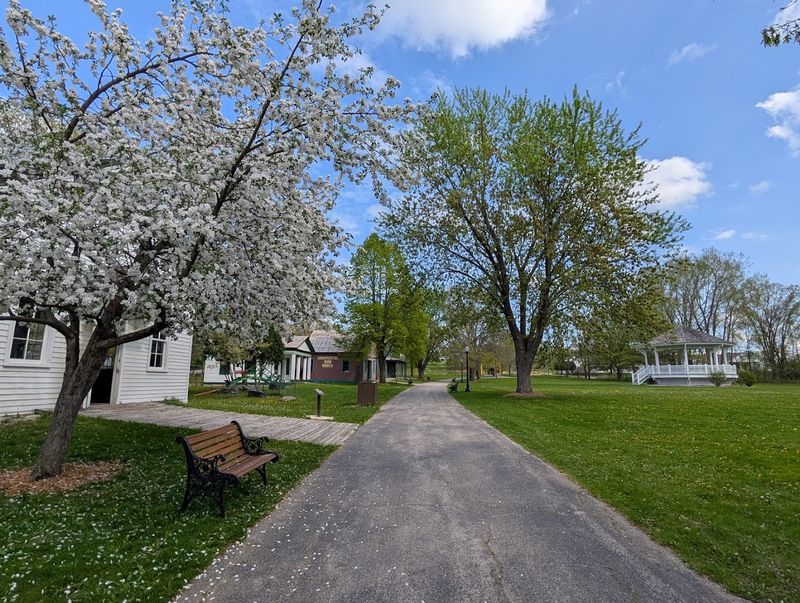
Most historical sites offer a glimpse into one era or one story. Heritage Hill takes a different approach by gathering structures from across northeastern Wisconsin and arranging them chronologically across rolling terrain at 2640 S Webster Ave.
Walking the paved paths feels less like touring a museum and more like stepping through time itself. The layout encourages exploration at your own pace, with buildings positioned to reflect the progression of settlement and development in the region.
Benches appear at regular intervals, and the grounds remain open to leashed dogs, making this a park in the truest sense. The scale surprises first-time visitors who expect something smaller, but the space allows each structure to breathe and maintain its own character.
Families spread picnic blankets near the playground while others wander quietly between buildings, each finding their own rhythm within the landscape.
The Park Opened To The Public In 1977
Before Heritage Hill became what it is today, the idea of preserving northeastern Wisconsin’s architectural heritage was just beginning to take shape. Local historians and preservationists recognized that many significant buildings faced demolition or decay, and they worked to save what they could.
The park officially welcomed its first visitors in 1977, though the work of relocating and restoring buildings had begun years earlier. That opening marked a commitment to education through immersion rather than displays behind glass.
Four decades later, the park continues to evolve while maintaining its founding mission. New research informs interpretation, restoration work proceeds carefully, and programming adapts to engage contemporary audiences without sacrificing historical accuracy.
The anniversary years bring special events, but every season carries the same dedication to showing rather than simply telling Wisconsin’s story.
Twenty-Six Buildings Help Tell The Story Of Northeastern Wisconsin
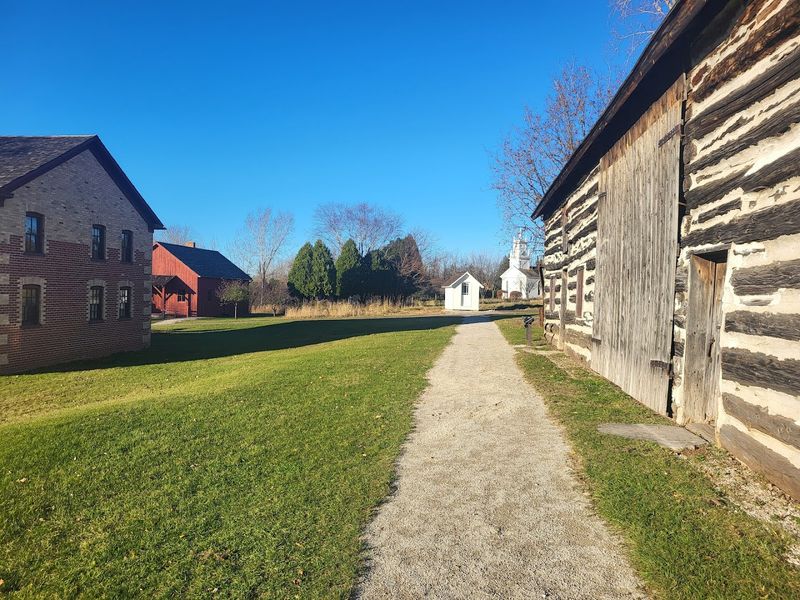
Some buildings arrived at Heritage Hill on flatbed trucks, carefully dismantled and reconstructed beam by beam. Others are faithful reproductions built using period techniques and materials.
The collection spans architectural styles and purposes, from humble cabins to more substantial homes, from working structures to places of worship. Each building represents a different thread in the region’s development, and together they form a surprisingly complete picture.
Original structures carry special weight, their worn floors and hand-hewn timbers bearing witness to actual lives lived within their walls. The reproductions serve equally important roles, filling gaps in the historical narrative where original buildings could not be saved.
Visitors move between a blacksmith shop, a one-room schoolhouse, and various domestic spaces, experiencing the variety of daily life across generations. The buildings are not simply preserved but actively used for interpretation and programming throughout the year.
The Park Covers Wisconsin History From The 1600s To The Present
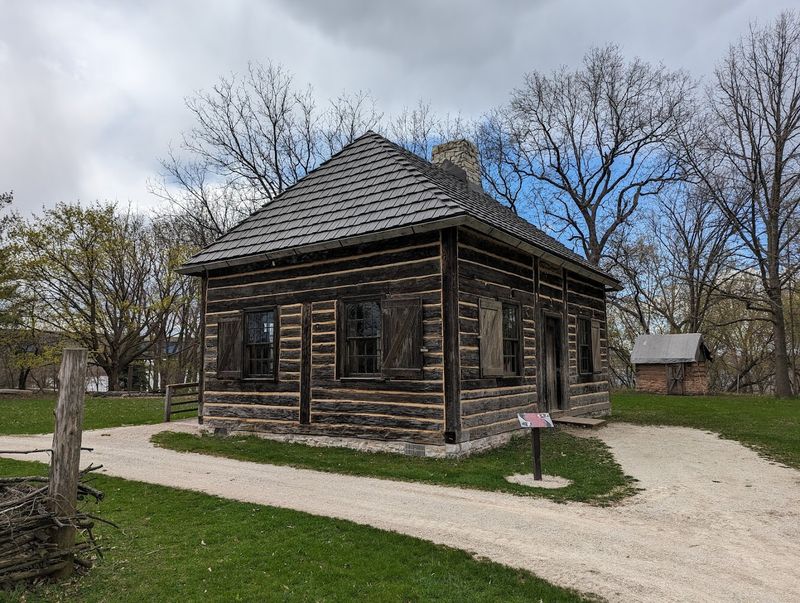
Few historical sites attempt to span such a broad timeline, but Heritage Hill commits to showing how the region transformed over centuries. The journey begins with the fur trade period when French voyageurs and Native Americans established trading relationships along the Fox River.
From there, the story moves through military settlement, agricultural development, and industrial growth. Each era gets physical representation through buildings and artifacts that help visitors understand daily realities rather than just major events.
The progression is not presented as inevitable progress but as a series of changes that affected different groups in different ways. Interpretation acknowledges complexity without overwhelming visitors with academic detail.
Standing in a 17th-century fur trader’s cabin and then walking to a 20th-century farmhouse makes the passage of time tangible in a way that textbooks rarely achieve. The park continues to add context and nuance to its presentation as historical understanding deepens.
It Brings Green Bay’s Fur Trade Era Into View
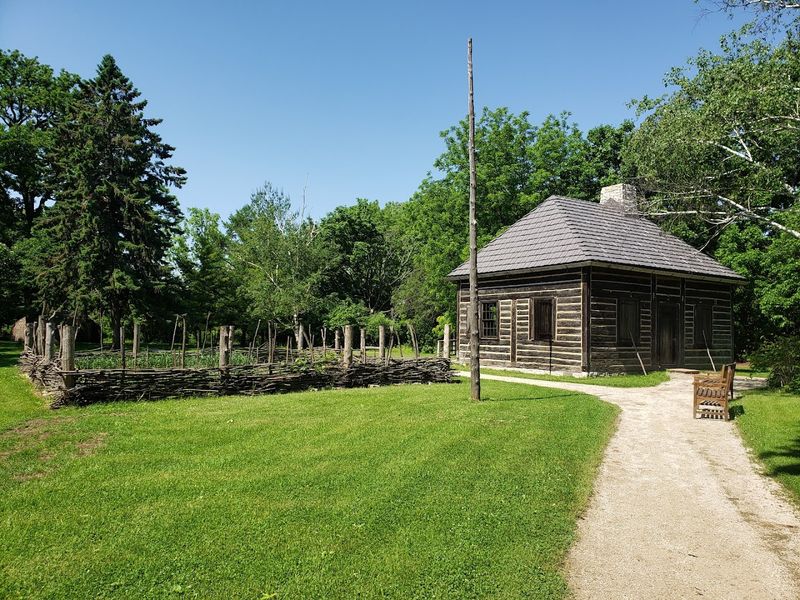
Long before Green Bay became synonymous with football, it served as a crucial hub in the North American fur trade. French voyageurs traveled the waterways, and the park recreates the world they inhabited with careful attention to material culture.
The fur trade area includes structures that show both the commercial and domestic aspects of this era. Visitors can see where pelts were processed and traded, where goods were stored, and how people lived in this frontier economy.
On certain days, interpreters demonstrate period skills and explain the complex relationships between European traders and Native communities. The smell of tobacco drying and the sight of trade goods arranged on rough wooden shelves create sensory connections to the past.
Special events bring this area to life with immersive programming, including evening gatherings that recreate 18th-century tavern nights. The fur trade section remains a favorite among repeat visitors who appreciate its detailed interpretation.
Fort Howard Adds A Military History Angle To The Visit
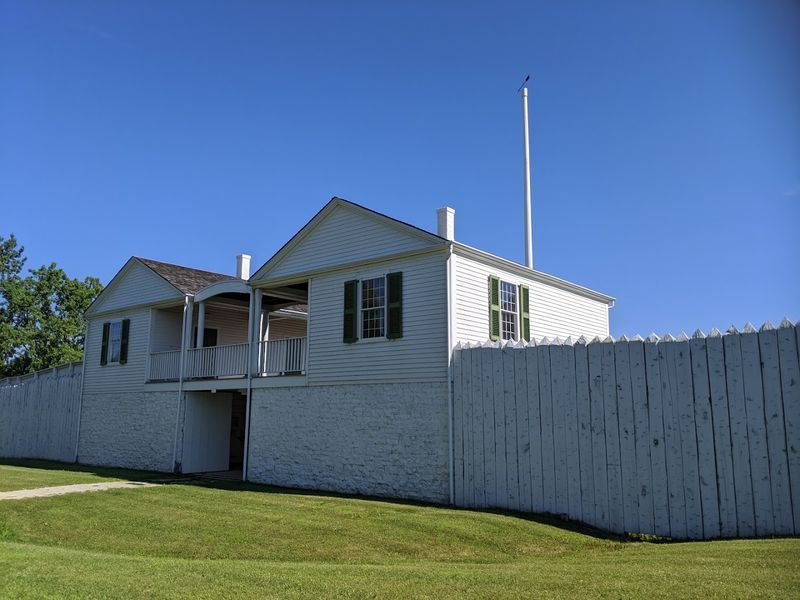
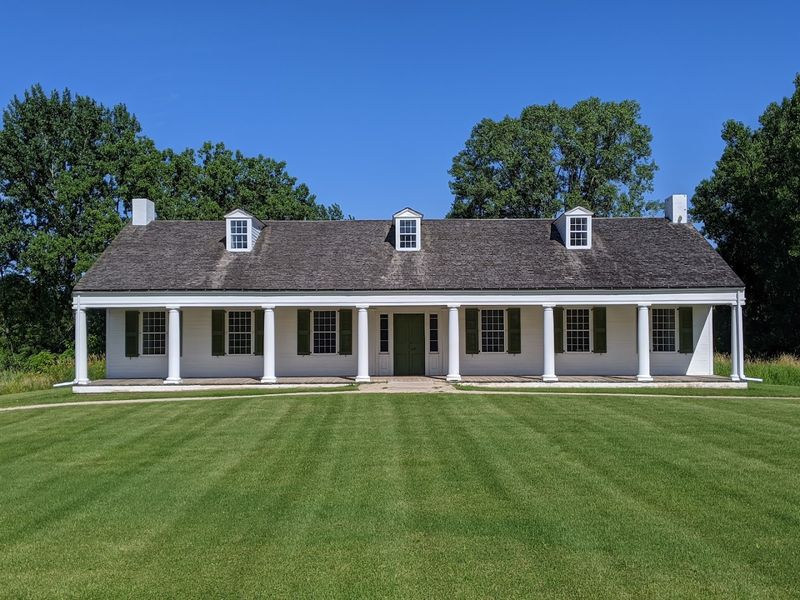
Fort Howard was established in 1816 to maintain American military presence in the region following the War of 1812. Several original buildings from the fort now stand at Heritage Hill, including a hospital that holds the distinction of being the oldest standing military medical facility in the country.
The fort area includes a guardhouse with a small display room that provides context about military life on the frontier. Walking through these structures reveals the austere conditions soldiers endured and the strategic importance of this location.
Information signs explain the fort’s role in the broader history of American expansion and its relationships with local communities. The buildings themselves speak to the permanence the military sought to establish, built with an eye toward durability rather than temporary occupation.
Compared to the more theatrical fur trade area, Fort Howard offers a sobering look at institutional power and the daily routines of military service far from major population centers.
The Belgian Farmstead Shows A Different Side Of Wisconsin Heritage
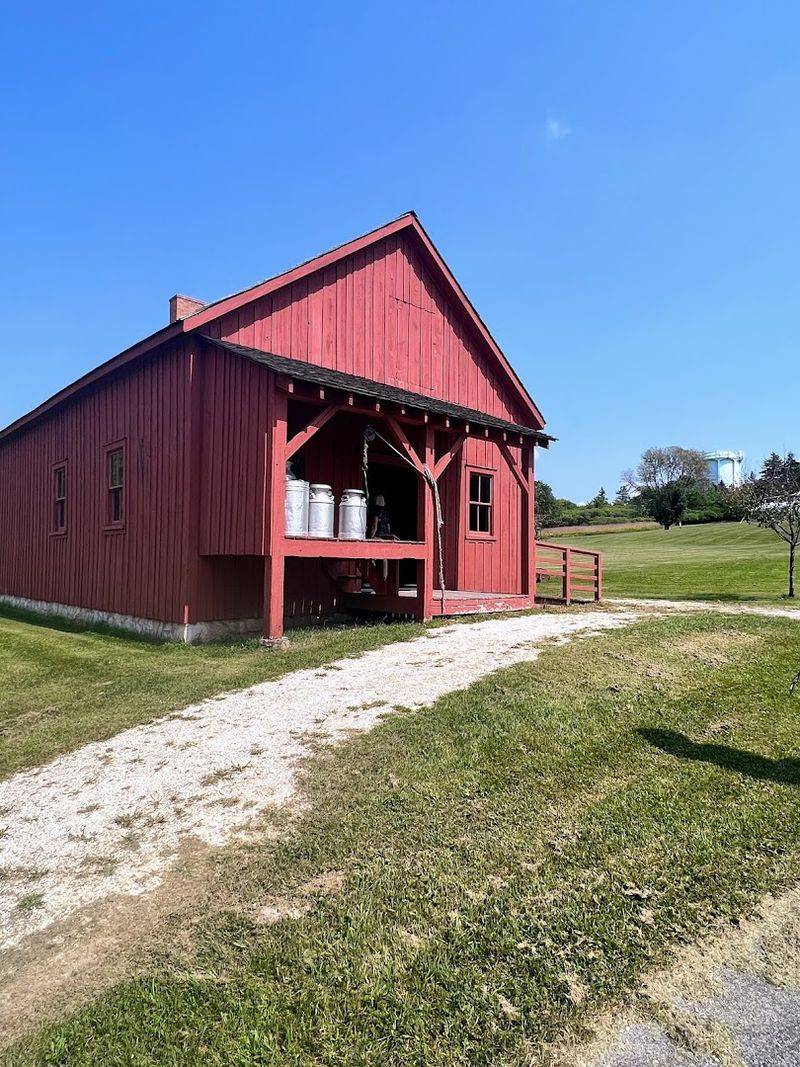
Wisconsin’s immigrant heritage extends far beyond the well-known German and Scandinavian communities. Belgian settlers established farming communities in northeastern Wisconsin, and Heritage Hill preserves examples of their distinctive architectural traditions and agricultural practices.
The farmstead includes buildings that reflect Belgian building techniques and spatial organization, different from other European traditions represented elsewhere in the park. Details in construction methods and layout reveal how cultural background influenced practical choices.
Farm animals often occupy the area during operating season, adding movement and sound to the scene. The barnyard atmosphere helps visitors understand the rhythms of agricultural life and the amount of labor required to maintain a working farm.
Interpreters explain crop cycles, animal husbandry, and the challenges immigrant families faced establishing themselves in unfamiliar territory. The Belgian farmstead rounds out the park’s narrative by showing that Wisconsin’s development involved many cultural streams rather than a single dominant tradition.
Costumed Interpreters Help Make The Park Feel Alive
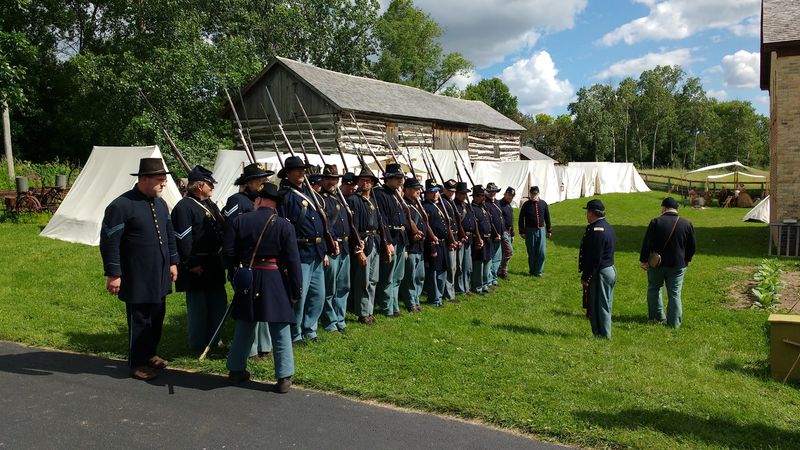
Buildings alone can only tell part of the story. Heritage Hill employs and trains interpreters who wear period clothing and demonstrate historical skills, transforming static displays into dynamic educational experiences.
These interpreters do more than dress the part. They research their roles thoroughly and can answer questions about everything from cooking techniques to social customs, from construction methods to economic systems.
On busy weekends during the main season, interpreters populate several buildings, each focusing on different aspects of daily life in their assigned time period. Visitors might watch bread baking in a wood-fired oven, see blacksmithing demonstrations, or hear explanations of textile production.
The interpreters strike a balance between staying in character and providing clear educational content. Their presence particularly benefits younger visitors who respond more readily to conversation than to reading informational signs.
The park depends partly on volunteers to maintain this level of programming throughout the season.
Guided Tours And Tram Service Make The Large Park Easier To Explore
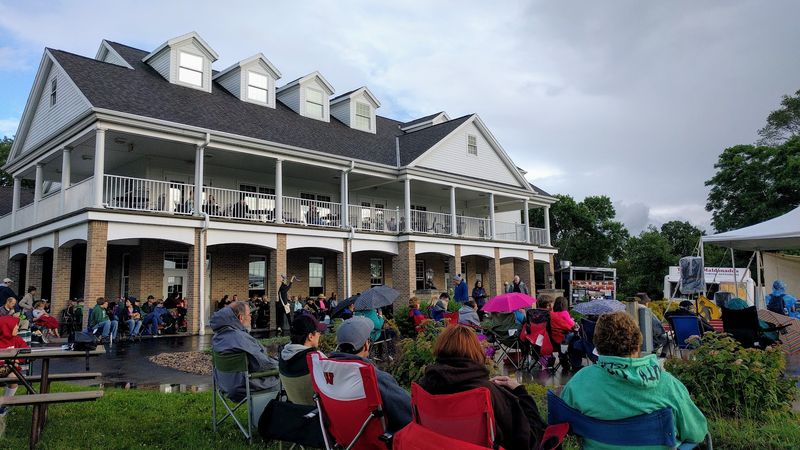
Fifty-six acres may not sound overwhelming until you start walking them on a warm afternoon. Heritage Hill addresses this challenge by offering tram service on select days, allowing visitors to cover ground more efficiently while still seeing the major areas.
The tram proves especially valuable for elderly visitors or those with mobility limitations who might otherwise struggle with the distances involved. It also appeals to families with young children who tire quickly or need breaks from walking.
Guided tours provide another option for those who want structured interpretation rather than self-directed exploration. Knowledgeable guides lead groups through the park, offering context and stories that signs alone cannot convey.
During special events, the tram sometimes becomes part of the program itself, decorated seasonally and incorporating music or narration. Even without these extras, the service makes the park more accessible and helps visitors make the most of their time on the grounds.
It Is Open Year-Round, But The Main Programming Season Brings Extra Energy
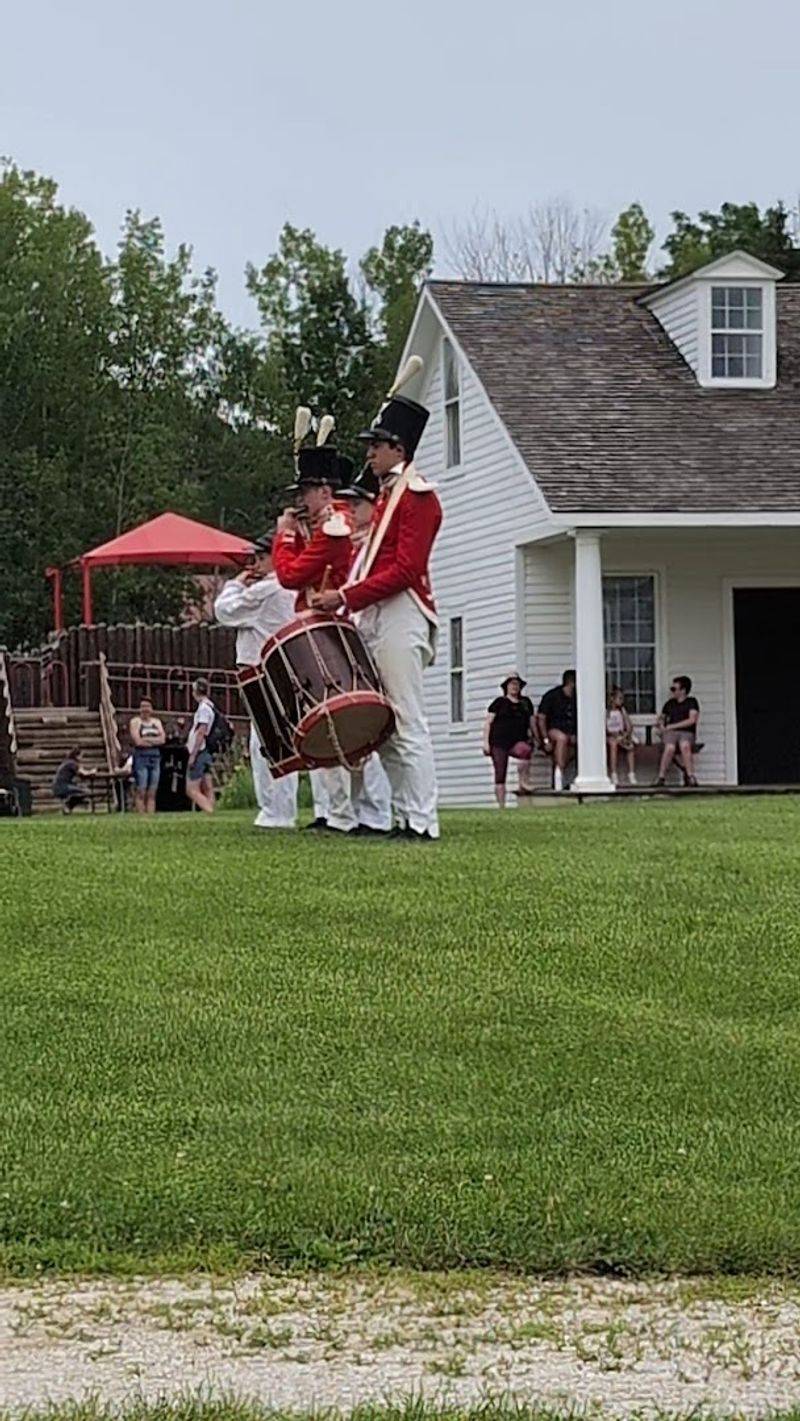
Heritage Hill operates Tuesday through Sunday for most of the year, closing only on Mondays. Hours run from 9 AM to 4 PM on weekdays and Saturdays, with Sunday hours starting at noon.
The park remains accessible during winter months, though building interiors may be closed and interpretation limited. Those willing to brave cold weather can still walk the grounds and view exteriors, experiencing the landscape in its quiet season.
Summer and early fall bring the fullest programming schedule, with costumed interpreters present most days, special events scheduled regularly, and all buildings open for exploration. This is when the park truly comes alive with activity and educational opportunities.
Admission costs six dollars per person regardless of season, and a Wisconsin state park sticker does not cover entry since Heritage Hill operates as a separate entity. The park also hosts private events including weddings, taking advantage of its scenic grounds and historic atmosphere.