
The Crystal-Clear Lake Waiting Inside This Tennessee State Park Will Take Your Breath Away
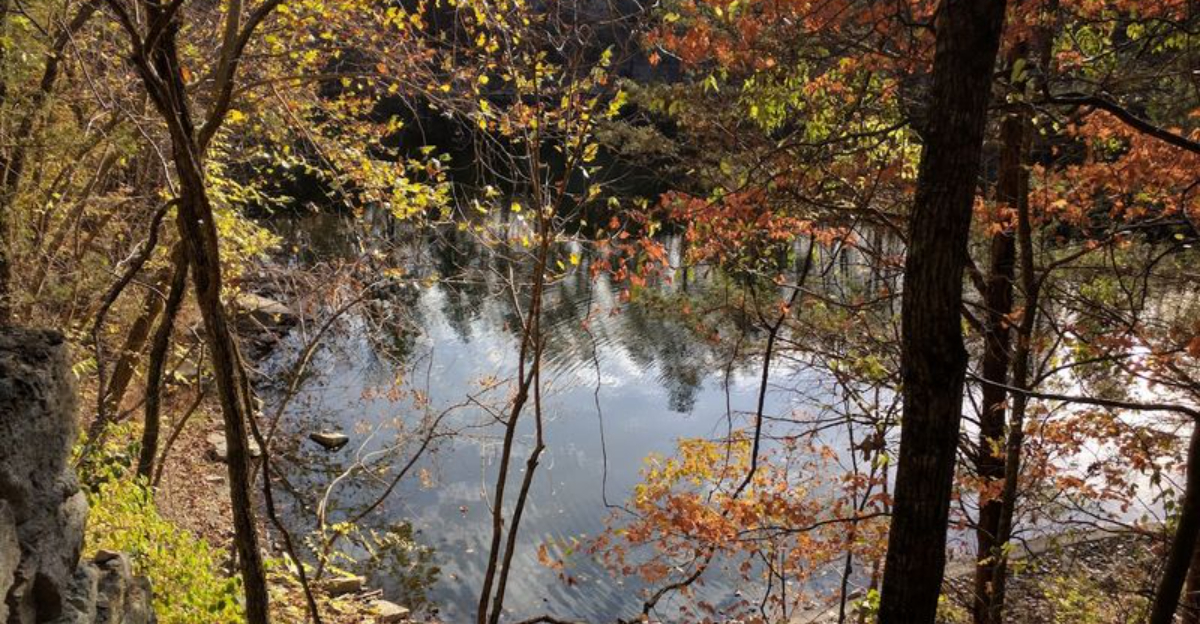
A lake does not need waves, boats, or big crowds to feel unforgettable.
One quiet corner of Tennessee proves that a state park visit does not need to be complicated to feel special. A gentle walk, a peaceful setting, and strikingly clear water are enough to make the whole outing memorable.
The view feels calm at first, then more captivating the longer you look. Sunlight moves across the surface.
Trees frame the water. Everything seems to slow down.
There is no need for a packed itinerary or a difficult trail here. The appeal is simple, scenic, and easy to enjoy.
Bring comfortable shoes, give yourself time to wander, and let the setting do the rest. For a relaxed day outside in Tennessee, this quiet lake offers the kind of peaceful beauty that stays with you long after you leave.
The Surprising Origin Story Of A Flooded Quarry
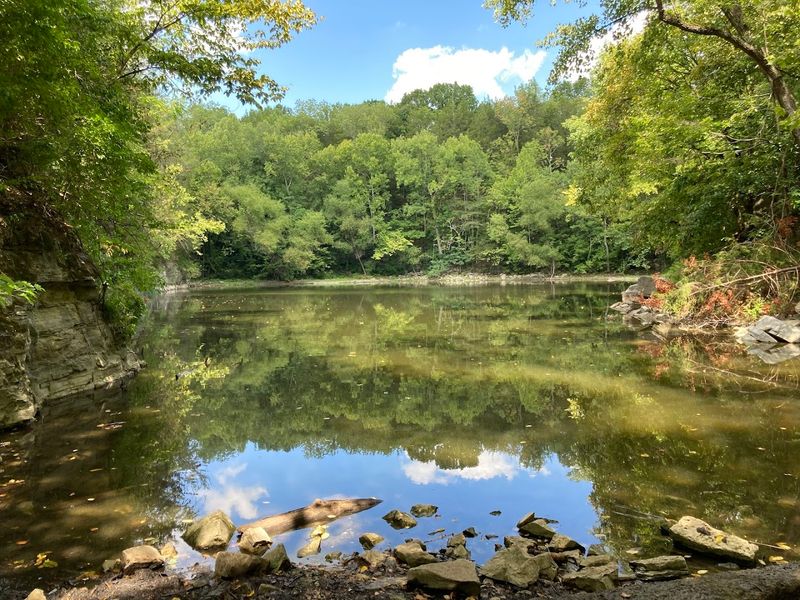
Before it became one of Middle Tennessee’s most talked-about natural spots, this lake was nothing more than a working limestone quarry. Operations ran from the early 1900s until around 1913, when the quarry was abandoned and groundwater began filling the carved-out pit.
What followed is the kind of transformation that seems almost too good to be true. By June 1931, the property had been reimagined as a full resort destination. It was completed with a lodge, a dance floor, diving boards, a water slide, and a white sand beach.
Promoters advertised it as a glorified swimming pool where visitors could swim in drinking water.
The quarry floor was asphalted before the water was introduced, which explains the unusual clarity that still surprises first-time visitors today. That industrial past gave the lake a clean, contained structure that natural lakes rarely have.
Standing at the edge and peering down through the water, it is easy to forget that human hands shaped this basin more than a century ago. The geological honesty of the place is part of what makes it so quietly compelling.
What The Old Terrazzo Dance Floor Tells You About The 1930s
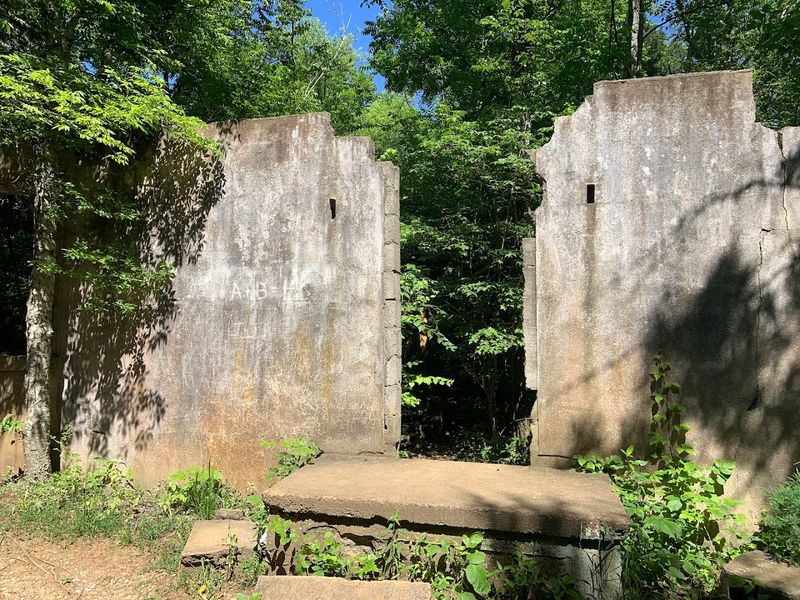
There is something genuinely strange about finding a dance floor in the middle of a forest trail, and yet that is exactly what awaits visitors along the Hidden Lake route. The terrazzo floor, now cracked and partially reclaimed by vegetation, dates back to the resort era of the early 1930s.
Terrazzo was a fashionable flooring choice during that period, made from chips of marble or granite set into cement and polished smooth. The fact that resort developers installed it outdoors speaks to the ambition of the project and the optimism of that era.
People drove out from Nashville dressed for a night of dancing, not a nature hike.
Today, the floor sits quietly between the trees as one of the most unexpected historical details in any Tennessee state park. It is not roped off or dramatically lit.
It simply appears along the trail, moss creeping in at the edges, reminding you that this landscape has hosted human joy in forms you would never have anticipated. Visitors often stop and stand on it for a moment, almost as if listening for music that stopped playing decades ago.
The Hidden Lake Trail And Why Its Short Length Is Deceiving
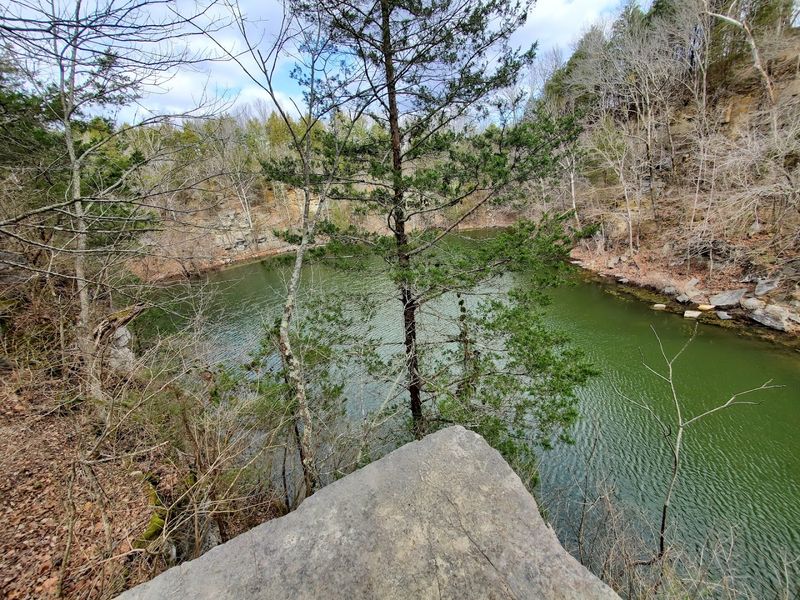
At just 0.25 miles out and back, the Hidden Lake Trail sounds like a brief warm-up walk. Most people assume they will be done in ten minutes and back at the car before lunch.
That assumption tends to evaporate the moment the lake comes into view between the bluffs.
The trail itself begins through an open wildflower field, which shifts the mood immediately from roadside parking lot to genuine countryside. Seasonal blooms change the character of this opening stretch depending on when you visit, with spring bringing the most vivid display.
The path then narrows and descends slightly before the lake reveals itself, sitting below eye level and surrounded by limestone walls on multiple sides.
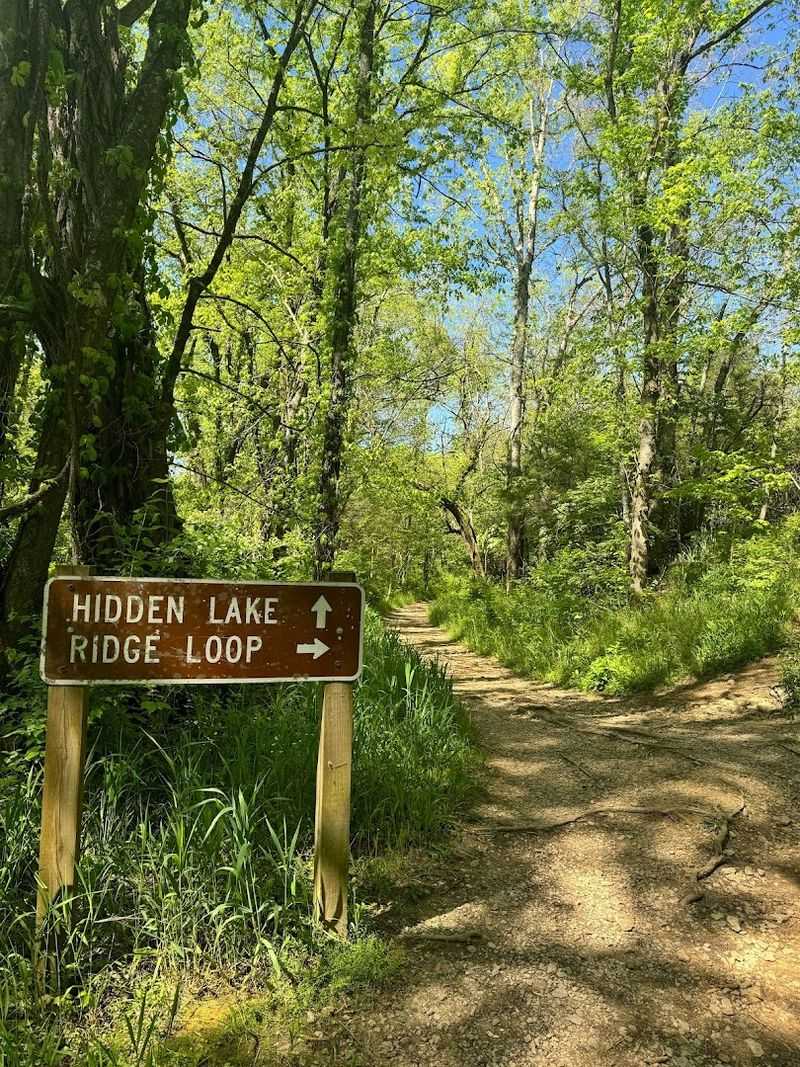
The Ridge Loop Trail, a 1.15-mile circuit, extends the experience considerably and offers elevated views looking down onto the lake from above. Some sections involve steep drop-offs and uneven footing, so appropriate footwear matters more than it might seem on a trail this short.
The location is at 7851 McCrory Ln in Nashville, roughly 30 minutes west of downtown off the McCrory Lane exit on I-40. Arriving early on weekday mornings almost guarantees a peaceful experience with minimal crowds.
Fishing At Hidden Lake And The Rules Worth Knowing Before You Go
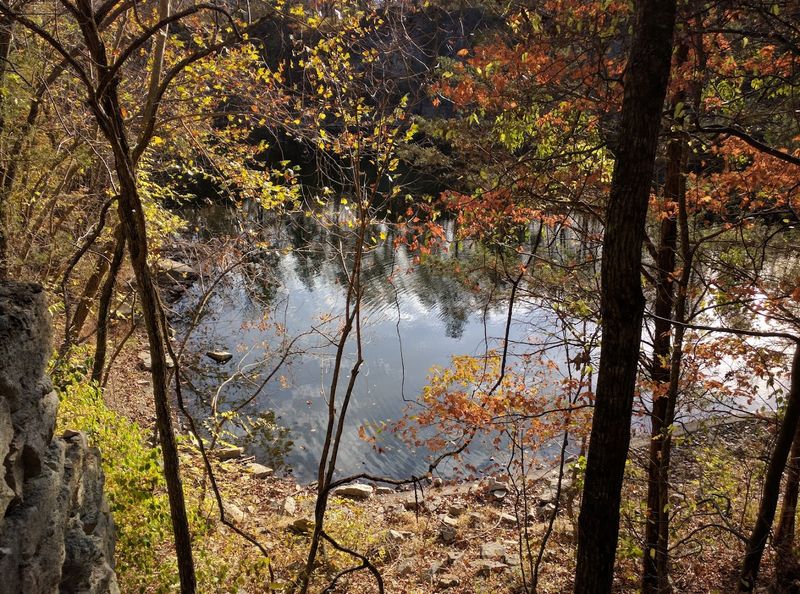
Fishing is permitted at Hidden Lake. The calm nature of the water makes it an appealing spot if you’re looking for a setting that feels removed from the usual recreational crowds.
The lake sits low between the bluffs, which buffers wind and keeps the surface remarkably still on most days.
Swimming, on the other hand, is strictly prohibited. This catches some first-time visitors off guard, particularly in warmer months when the water looks inviting.
The prohibition is in place for safety and environmental reasons, and park signage makes it clear. A few reviewers have also advised keeping dogs out of the water, which is worth factoring into your planning if you are bringing a pet along.
The Harpeth River, which runs nearby and connects the various sections of the larger state park, offers additional water access for kayaking and paddleboarding. A put-in point near the McCrory Lane location makes it straightforward to launch a kayak and explore the river corridor at your own pace.
The combination of lake fishing and river paddling gives the area a range that most single-use parks simply cannot match.
Kayaking And Paddleboarding On The Harpeth River Near Hidden Lake
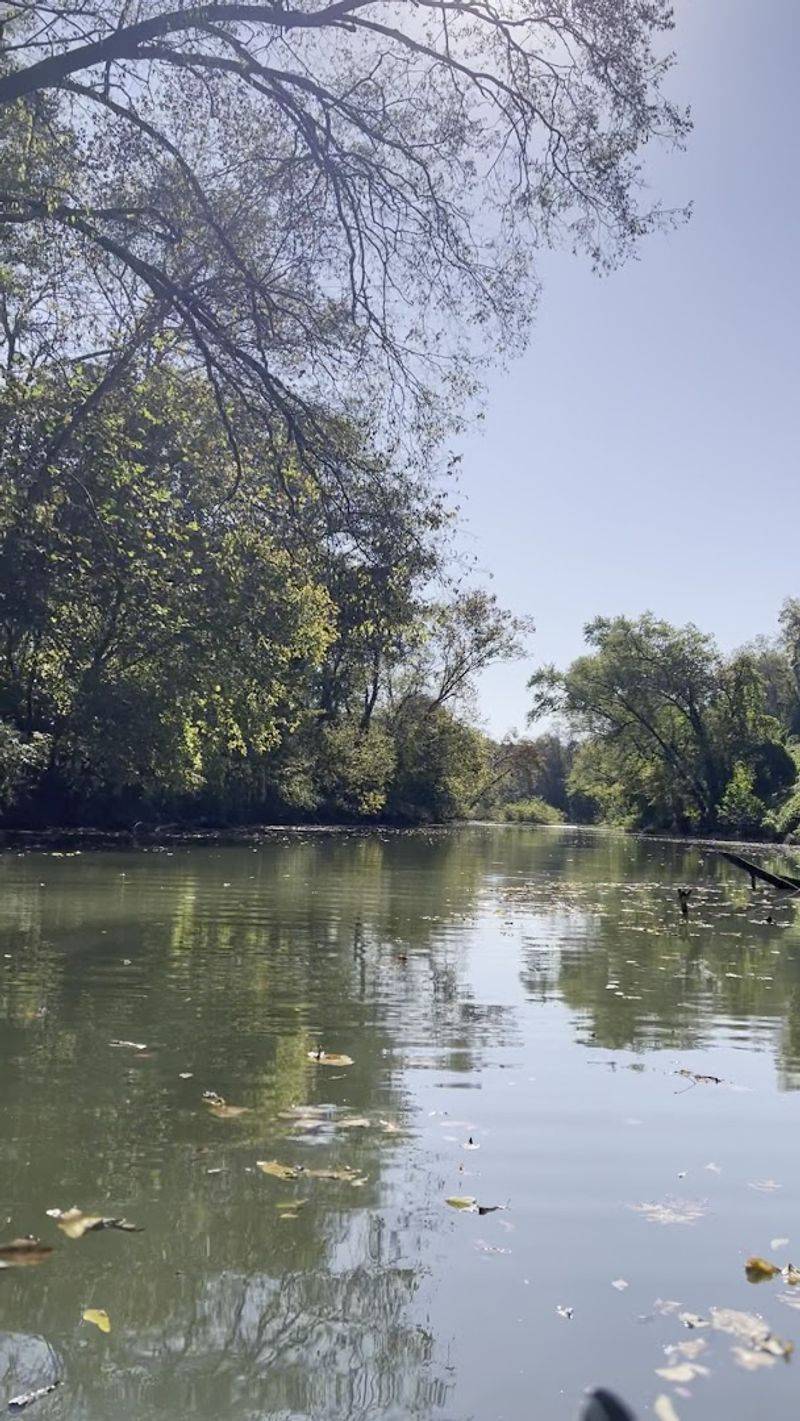
The Harpeth River has long been one of Middle Tennessee’s most accessible waterways for recreational paddling. The McCrory Lane section near Hidden Lake is among the most convenient entry points in the entire state park system.
A dedicated put-in spot sits close to the parking area, making loading and launching relatively uncomplicated.
Paddlers describe the river as predominantly calm, with occasional shallow sections that require maneuvering and a few faster-moving stretches that add a mild degree of challenge. For families with children aged seven and up, the river offers a manageable introduction to paddling without the anxiety of rougher water.
Sunshine Adventures is one local outfitter that operates in this area and is frequently mentioned by visitors, which is useful information if you arrive without your own equipment.
Summer weekends tend to draw significant numbers of paddlers and river outfitters, so the parking lot can fill quickly.
A weekday visit or an early Saturday morning arrival gives you the best chance of finding space and enjoying the river.
Wildlife Sightings That Make Every Visit Feel Different
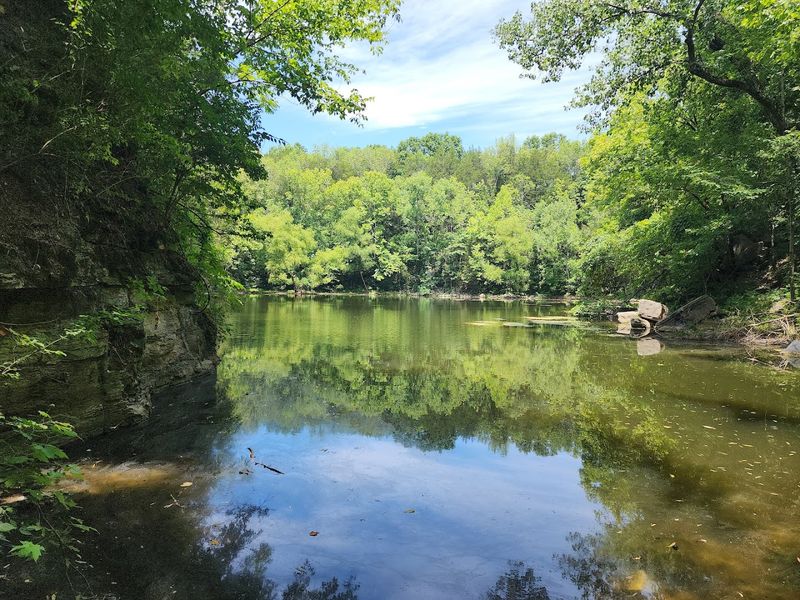
One of the more reliable pleasures of visiting Hidden Lake is the wildlife. The park sits within a stretch of Middle Tennessee woodland that supports a genuinely diverse range of species.
Visitors frequently report sightings that turn an ordinary afternoon hike into something considerably more memorable.
Turtles are among the most commonly spotted residents. Eastern box turtles and three-toed turtles have both been observed near the lake’s edge, along with tadpoles in the shallower water.
Deer have been seen grazing near the trails. The wildflower fields that border the path attract an impressive variety of butterflies throughout the warmer months.
One visitor, who came to the park specifically hoping to find butterflies in memory of a recently passed friend, described being moved by the abundance of them. That kind of experience is not manufactured or curated.
It simply happens here with enough regularity that it feels like a feature of the place rather than a lucky coincidence. Birdsong is a near-constant presence along the trails, adding a layer of atmosphere that no amount of landscaping could replicate.
The Limestone Bluffs And What They Look Like From Above
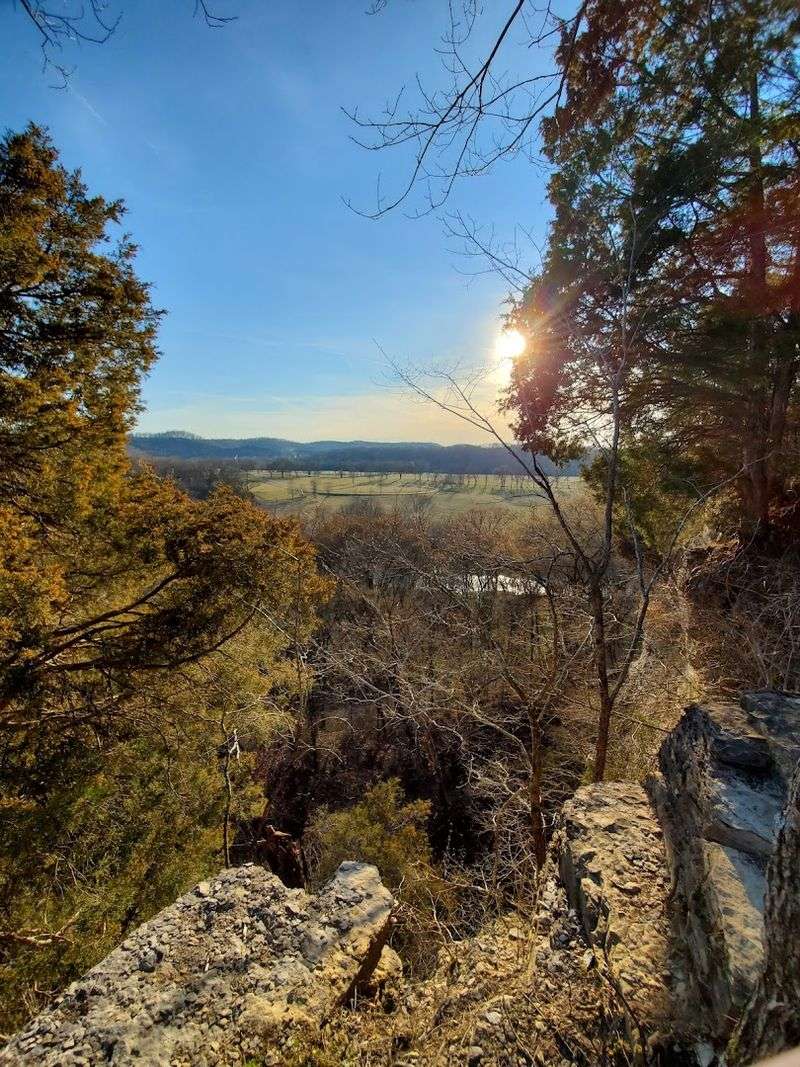
Standing on the ridge above Hidden Lake is one of those moments that recalibrates your sense of how close natural beauty can be to an American city. The bluffs rise sharply on either side of the lake, formed from the same limestone that made this location valuable to quarry operators more than a century ago.
From the elevated sections of the Ridge Loop Trail, the lake appears as a contained, almost geometric body of water sitting between the rock walls. The contrast between the rugged stone faces and the calm water below creates a visual composition that surprises people.
The overlooks also provide views toward the nearby veterans cemetery, a detail that gives the landscape an unexpected layer of solemnity. The trails leading to these heights involve some uphill effort and require attention to footing.
Caution signs are posted at sections with steep drop-offs, and those warnings are not merely precautionary. The elevation is real, and so is the reward.
How The Storybook Trail Makes This Park Perfect For Young Children
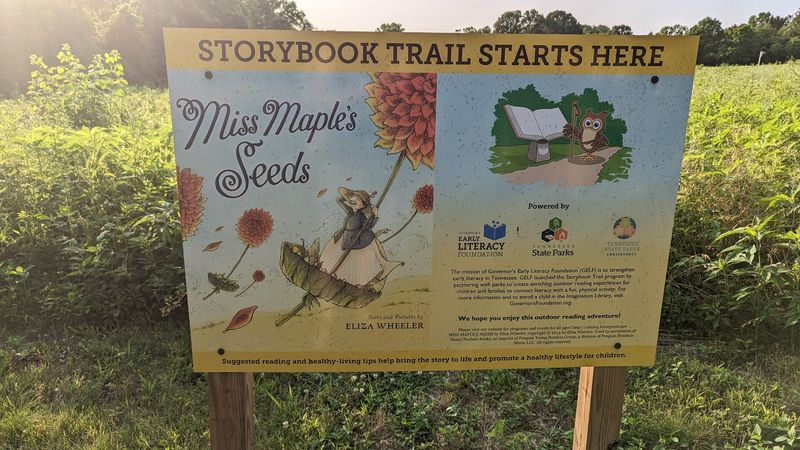
Not every state park manages to engage children meaningfully, but the Hidden Lake section of Harpeth River State Park has made a genuine effort. A storybook trail runs through part of the grounds, with illustrated narrative signs posted at intervals along an easy, flat path.
The concept is straightforward and effective. Children follow the story from sign to sign, which keeps them moving forward and curious rather than restless and distracted.
Parents describe the experience as one of the more successful outdoor outings they have managed close to Nashville. The combination of story engagement and mild physical activity works particularly well for kids who are just learning to walk on uneven terrain.
Informational tree signs are also placed along the route, offering a secondary layer of educational content for older children or adults with an interest in local ecology.
The park rates consistently at 4.7 stars across nearly 500 reviews, and the family-friendly atmosphere is cited repeatedly as a key reason for return visits.
There is a port-a-potty near the trailhead parking area, which is worth knowing in advance, especially if you are visiting with small children.
The Abandoned Concrete Structures And A Buried Train Car On The Trail
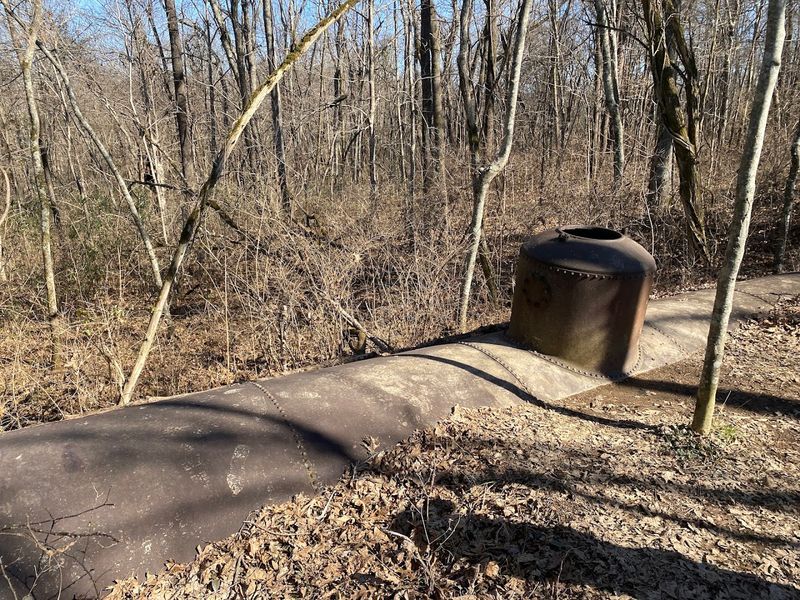
Beyond the terrazzo dance floor, the trails around Hidden Lake pass several other remnants of the property’s industrial and resort past. Crumbling concrete buildings stand at various points, their original purposes now open to interpretation, their surfaces colonized by moss and vine.
Perhaps the most curious detail is what appears to be a buried train car or tanker car visible along one of the trail routes.
Its exact origin and purpose have not been officially documented in widely available park materials, which gives it an air of quiet mystery that seasoned hikers tend to appreciate.
It sits partially submerged in the ground, more suggested than fully revealed. These structural remnants are not dramatized or turned into formal exhibits.
They exist alongside the trail as found objects, contextually explained by informational pavilions near the trailhead but otherwise left to speak for themselves.
That restraint is actually part of what makes exploring the area feel rewarding. You are not being guided through a rehearsed experience.
The ruins are simply what remains when a place outlasts the ambitions that shaped it.
Practical Tips For Planning Your First Visit To Hidden Lake
Getting to Hidden Lake requires no special equipment, no park admission fee, and no advance reservation. The park is free to enter, which makes it an unusually accessible outing for Nashville residents and visitors alike.
The easiest approach is via the McCrory Lane exit off I-40 heading west from downtown.
A gravel parking lot sits at the trailhead alongside informational pavilions that orient first-time visitors to the trail network and historical context. The park operates daily from 7:00 AM to 7:00 PM.
Vehicles left after closing are subject to ticketing or towing, so timing your departure is genuinely important, not just a suggestion on a sign.
Summer weekends draw the largest crowds, with river outfitters adding to the traffic near the kayak put-in point. Weekday mornings offer considerably more solitude.
Trails range from flat and easy to moderately steep with loose rock and exposed roots, so comfortable closed-toe shoes serve most visitors better than sandals. The park can be reached by phone at +1 888-867-2757.