
This Gorgeous Wisconsin Bike Trail Winds Past Crystal-Clear Lakes And Northwoods Scenery
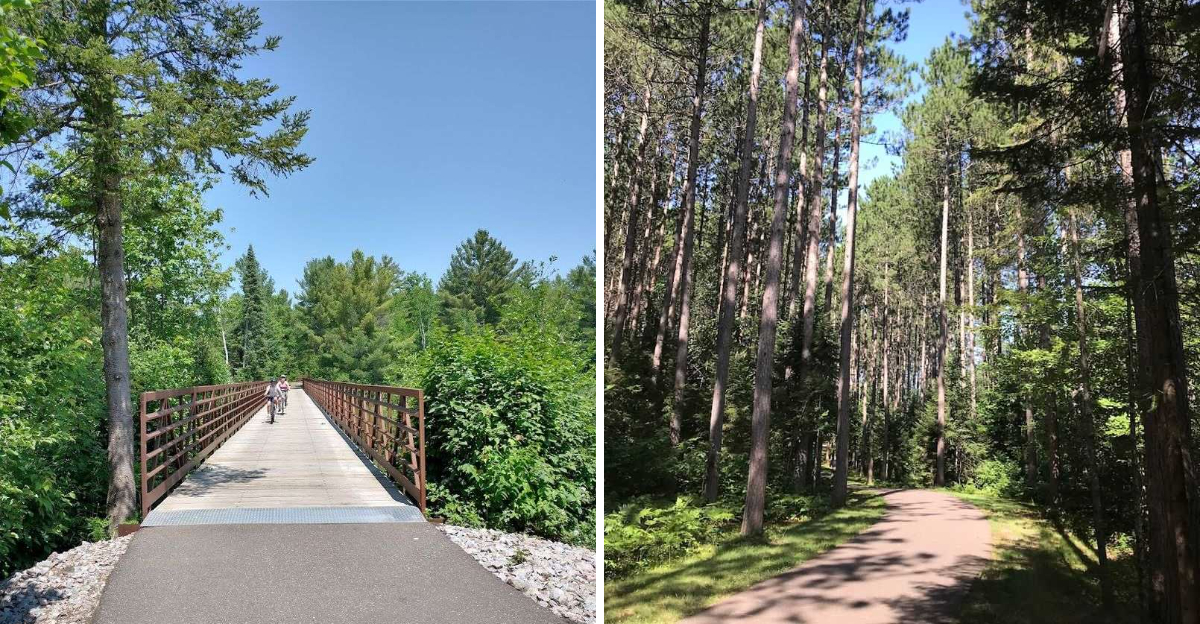
Some bike rides feel more like a full Northwoods escape than a workout, and this Wisconsin route has that feeling right away. It rolls through forested stretches, quiet small towns, and lake country scenery, giving cyclists plenty to enjoy without needing a complicated plan.
The paved path makes it approachable, while the surrounding woods and glacial lakes keep the ride feeling scenic mile after mile. It is the kind of trail that works for a relaxed afternoon spin, a longer cycling day, or a weekend built around fresh air and small-town stops.
For anyone who loves smooth pavement, peaceful views, and that classic northern Wisconsin atmosphere, this ride is an easy one to remember.
A Paved Northwoods Trail Made For Scenic Riding
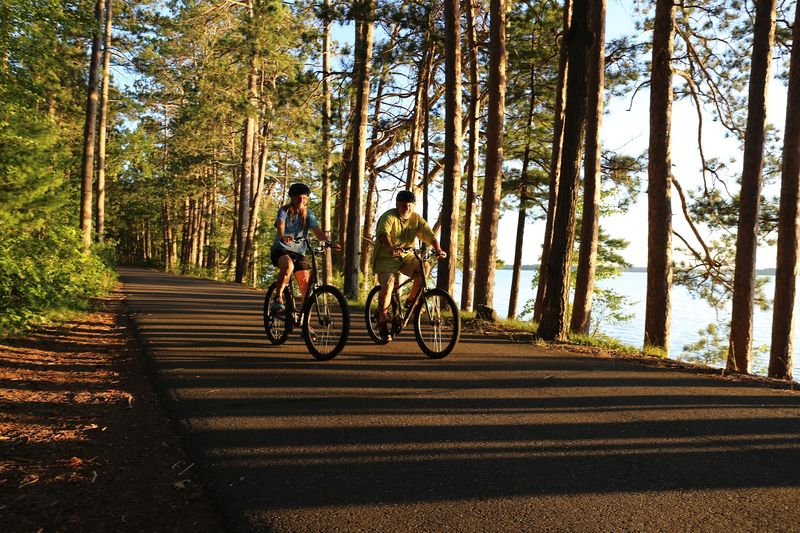
Smooth blacktop cuts through some of Wisconsin’s most captivating wilderness, giving cyclists a comfortable surface that lets them focus on the scenery rather than dodging ruts and gravel. The pavement quality surprises first-time visitors who expect rougher conditions in such remote territory.
Fresh asphalt sections alternate with well-maintained older stretches, creating a riding experience that feels professional without losing its backcountry character.
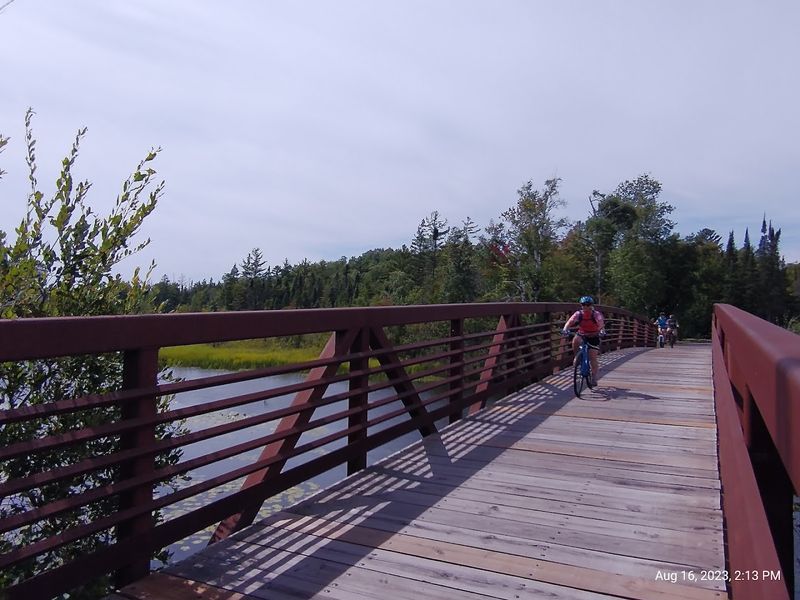
The width accommodates two-way traffic comfortably, though you’ll find yourself sharing the path with families, serious cyclists, and the occasional runner. Bridges carry you over streams and wetlands with sturdy construction that handles everything from road bikes to fat-tire cruisers.
The surface stays rideable even after light rain, a practical advantage when afternoon showers roll through the region.
Mile markers appear regularly, helping riders track distance and plan rest stops in the small towns ahead. Tool stations dot the route at strategic intervals, offering basic repair equipment for mechanical troubles that might otherwise end your day early.
More Than 52 Miles Of Connected Wisconsin Bike Paths
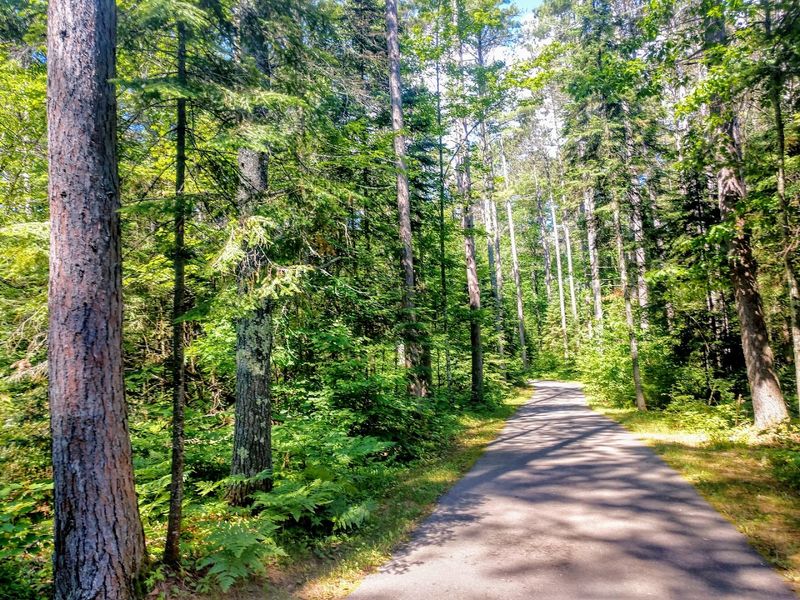
The full network spans 52 miles of interconnected trails, creating options for everything from quick afternoon rides to full-day adventures. Different segments offer distinct experiences, though the quality remains consistent throughout the system.
Riders can string together custom routes or tackle the entire distance over multiple days, using the small towns as natural rest points and turnaround spots.
Each section connects smoothly to the next, with clear signage at intersections that prevents wrong turns into residential areas or dead ends. The eastern portions between Boulder Junction and St. Germain introduce more elevation changes, while western segments toward Manitowish Waters roll through gentler terrain.
This variety keeps the riding interesting without creating sections that feel impossibly difficult for recreational cyclists.
Some riders complete the full distance in a single push, though most break it into manageable chunks that allow time for meals and exploring the communities along the way. The mileage adds up quickly on this system, making it easy to log serious distance without retracing the same scenery.
Boulder Junction Sits Right In The Heart Of The Route
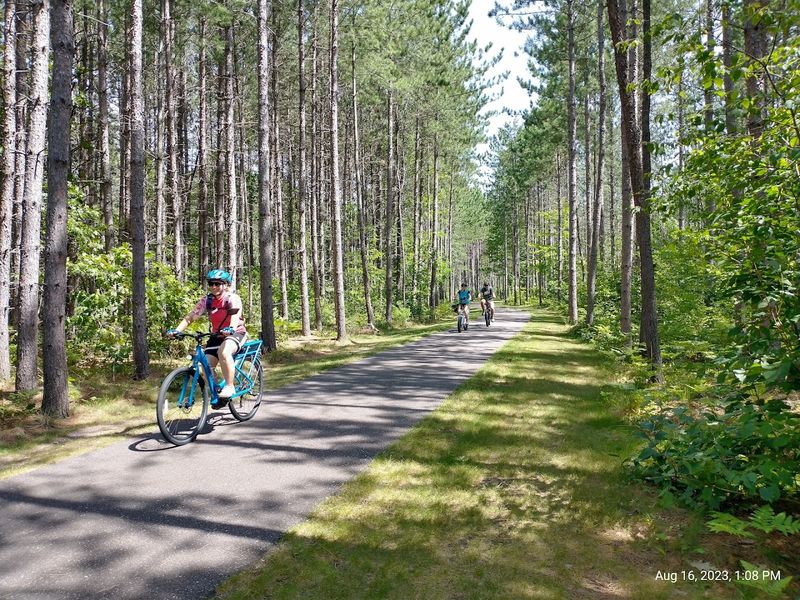
Boulder Junction functions as the natural hub for trail exploration, positioned centrally where multiple segments converge. The town itself embraces its cycling identity, with bike racks outside restaurants and shops that understand riders need quick service and hearty portions.
Local businesses have adapted to the seasonal influx of trail users, creating a welcoming atmosphere that feels genuine rather than tourist-focused.
Starting from the Park Street trailhead gives you equal access to rides in either direction, making it simple to sample different sections without extensive driving between starting points. The town offers restrooms, water, and food options that work well for mid-ride breaks or post-ride recovery.
Several lodging options cater specifically to cyclists, with secure bike storage and repair stands available.
The community center provides maps and trail condition updates, useful information when planning your route for the day. Boulder Junction’s compact size means you can park once and handle all your pre-ride preparations on foot, then roll directly onto the trail without navigating busy roads or confusing access points.
The Trail Links Some Of Vilas County’s Best Small Towns
Sayner, Manitowish Waters, St. Germain, and Mercer each add their own character to the riding experience, giving you legitimate destinations rather than just turnaround points. These communities developed long before the trail system existed, so they maintain authentic small-town atmospheres instead of feeling like manufactured attractions.
Local restaurants serve the kind of substantial food that cyclists appreciate after burning through thousands of calories on the trail.
Each town sits far enough from the next to make the ride between them feel like an accomplishment, yet close enough that you won’t find yourself stranded in empty forest with no services in sight. The stops work perfectly for breaking up longer rides into digestible segments, letting you explore different areas without committing to marathon distances.
Manitowish Waters offers particularly good options for lunch breaks, with several establishments positioned right along the trail.
The towns also provide practical amenities like restrooms, water refills, and emergency phone access if mechanical problems or weather turn serious. This network of communities transforms the trail from a simple recreational path into a genuine touring route.
Crystal-Clear Lakes And Rivers Shape The Ride
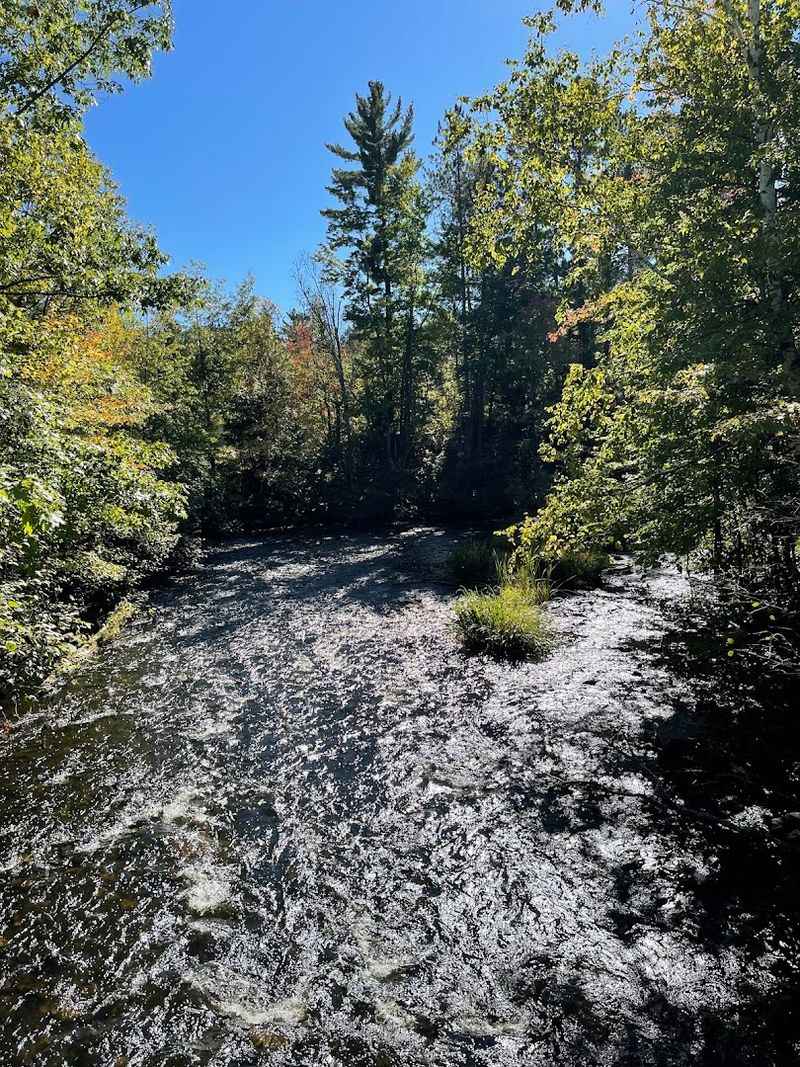
Glacial lakes appear frequently along the route, their water so transparent you can see bottom features from the trail. These aren’t muddy reservoirs or algae-choked ponds, but genuine northern lakes with the kind of clarity that makes you want to stop and stare.
The trail often runs close enough to the shoreline that you catch glimpses through the trees, with occasional clearings offering full panoramic views.
Rivers and streams cross under the trail on sturdy bridges, providing brief moments where the forest opens up and water rushes beneath your wheels. Some sections follow waterways for extended stretches, keeping moving water in constant view as you pedal through the landscape.
The sound of current adds an audio element to rides that pure forest segments lack.
These water features do more than look pretty; they create microclimates that keep summer temperatures slightly cooler and attract wildlife to the trail corridor. Early morning rides often reveal mist rising from lake surfaces, creating atmospheric conditions that photographers chase but cyclists stumble into by accident.
The presence of so much clean water gives the entire region a freshness that you notice immediately.
The Route Winds Through The Northern Highland-American Legion State Forest
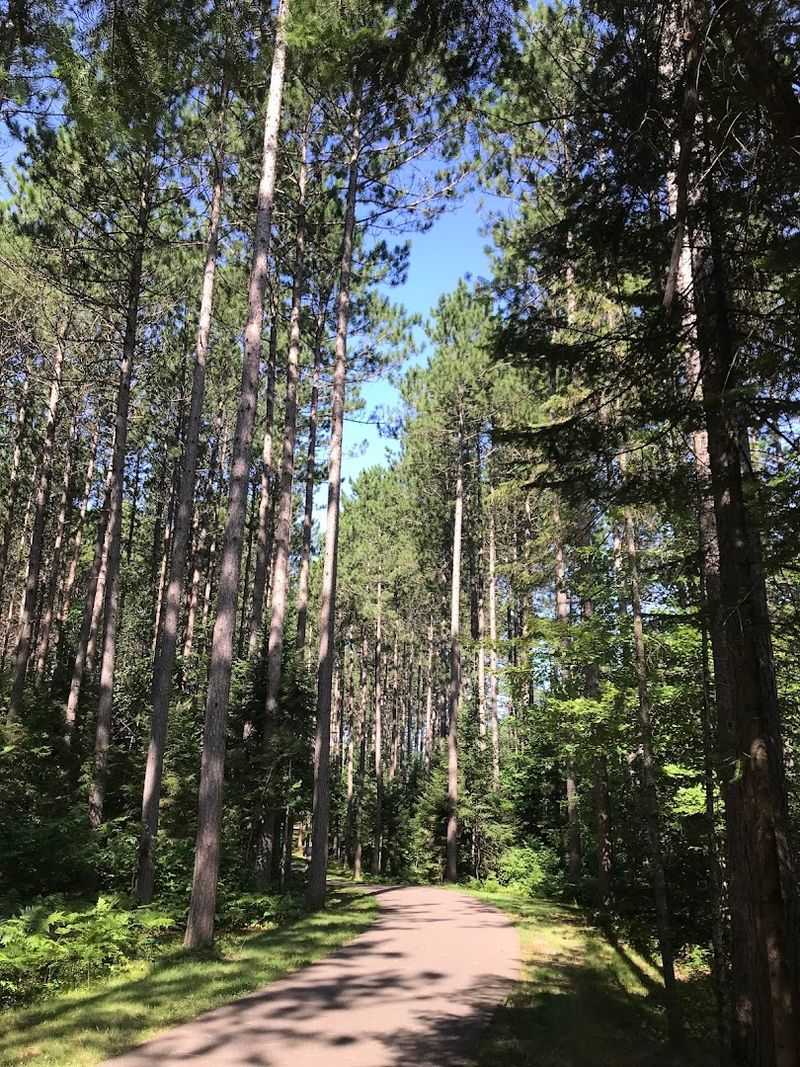
The state forest encompasses a massive protected area, and the bike trail takes full advantage of this preserved wilderness. Riding through forest land means you encounter minimal development, with natural conditions dominating the landscape rather than competing with human infrastructure.
The trees create a canopy effect in many sections, providing shade during summer heat and shelter from light precipitation.
Wildlife sightings happen regularly within the forest boundaries, though most animals retreat before cyclists arrive. Deer, various bird species, and smaller mammals use the same corridors that the trail occupies, creating occasional encounters that remind you this is genuine habitat rather than decorative parkland.
The forest management practices maintain healthy ecosystems while accommodating recreational use, a balance that works well for everyone involved.
Forest sections provide the psychological benefits of true immersion in nature, with long stretches where you see nothing but trees, trail, and sky. The scale of the protected area means you can ride for miles without crossing back into developed zones, creating a sense of remoteness that’s increasingly rare in accessible recreational spaces.
This protected status also ensures the trail environment will remain consistent for future visits.
Forests, Wetlands, Prairies, And Glacial Lakes Keep The Scenery Changing
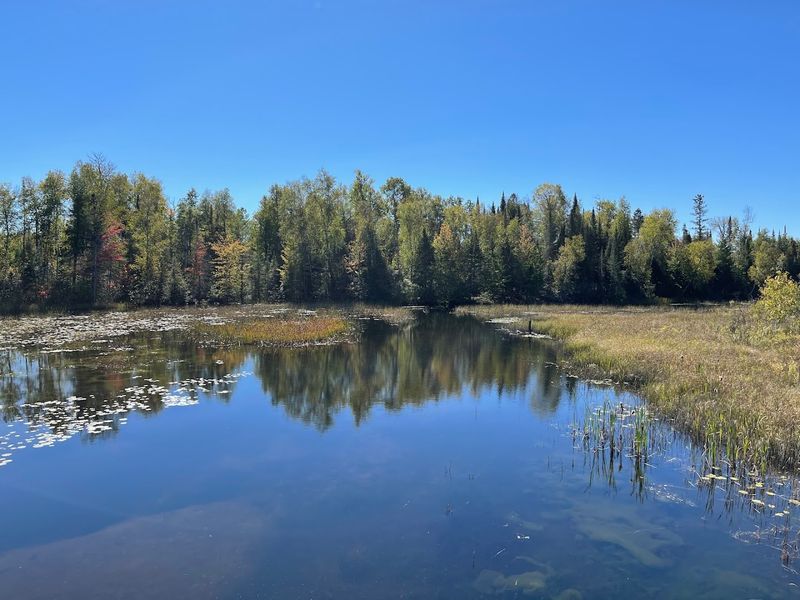
Ecological diversity defines the riding experience, with habitat types shifting every few miles as the trail crosses different terrain. Dense pine stands give way to hardwood groves, which open into wetland areas before climbing into drier prairie zones.
This constant transition prevents the visual monotony that plagues some rail trails, where identical scenery stretches for dozens of miles without variation.
Glacial geology shaped these landscapes thousands of years ago, creating the mix of features you encounter today. The trail crosses ancient moraines, skirts kettle lakes, and traverses outwash plains, though you don’t need a geology degree to appreciate how the land changes character.
Wetlands host different bird species than forested sections, while prairie areas bloom with wildflowers during summer months.
Each ecosystem brings its own seasonal changes, multiplying the visual variety throughout the year. Spring wetlands explode with new growth, summer prairies reach peak bloom, autumn forests burn with color, and winter transforms everything under snow.
Riders who return across different seasons experience what feels like completely different trails, all following the same physical path through varied natural communities.
The Paved Surface Makes It Friendly For Many Skill Levels
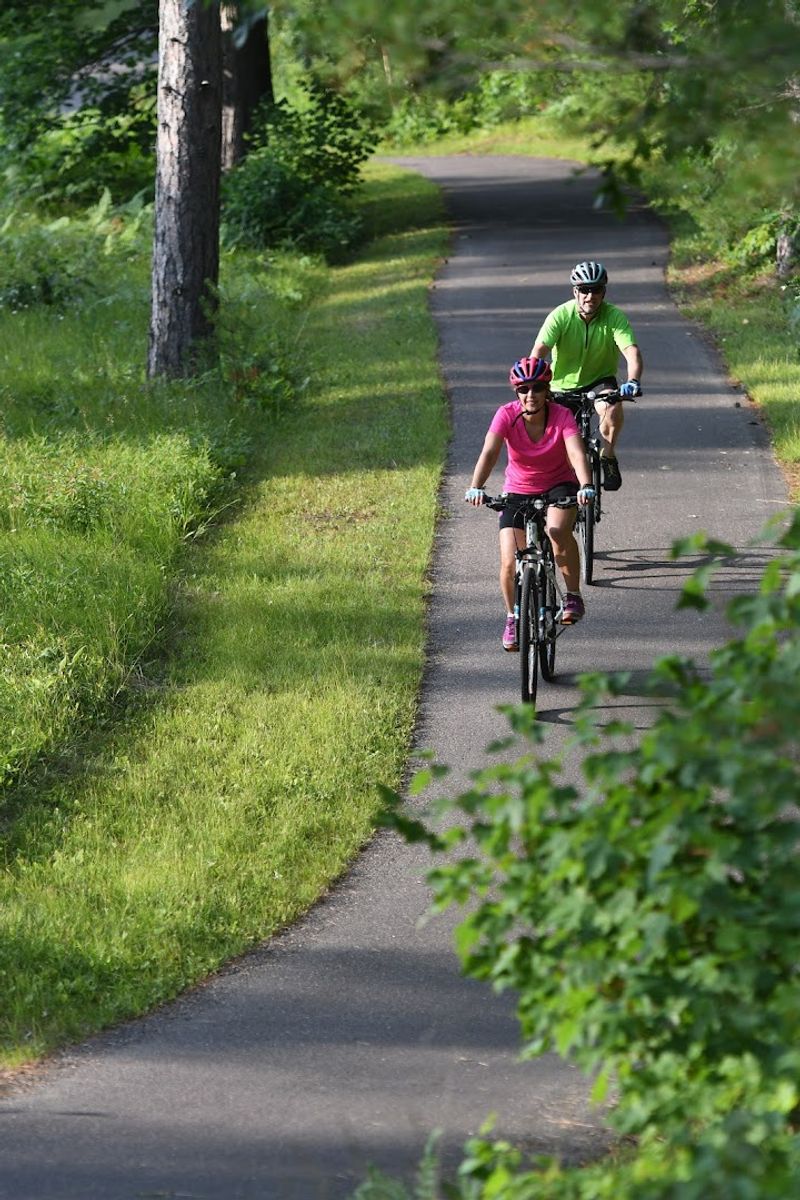
Beginners find the trail approachable because the pavement eliminates technical challenges that gravel or dirt surfaces create. You don’t need mountain biking skills or specialized equipment to handle this route; any functional bicycle works fine.
The smooth surface also accommodates road bikes with narrow tires, recumbent cycles, and even inline skaters who occasionally use the trail.
Families with young children manage the trail successfully, though parents should note that some sections include moderate hills that might challenge small legs. The width allows slower riders to stay right while faster cyclists pass safely on the left, reducing conflicts between different speed groups.
Rest areas appear frequently enough that beginners can break rides into short segments without feeling trapped between distant facilities.
Advanced riders appreciate the trail as well, using it for training rides where they can maintain steady speeds without traffic interruptions. The surface quality supports serious pace work, while the distance options allow for substantial mileage accumulation.
This range of accessibility makes the trail useful for everyone from casual tourists to dedicated cyclists preparing for competitive events, all sharing the same infrastructure without crowding or conflict.
Several Trailheads Make It Easy To Choose A Shorter Ride
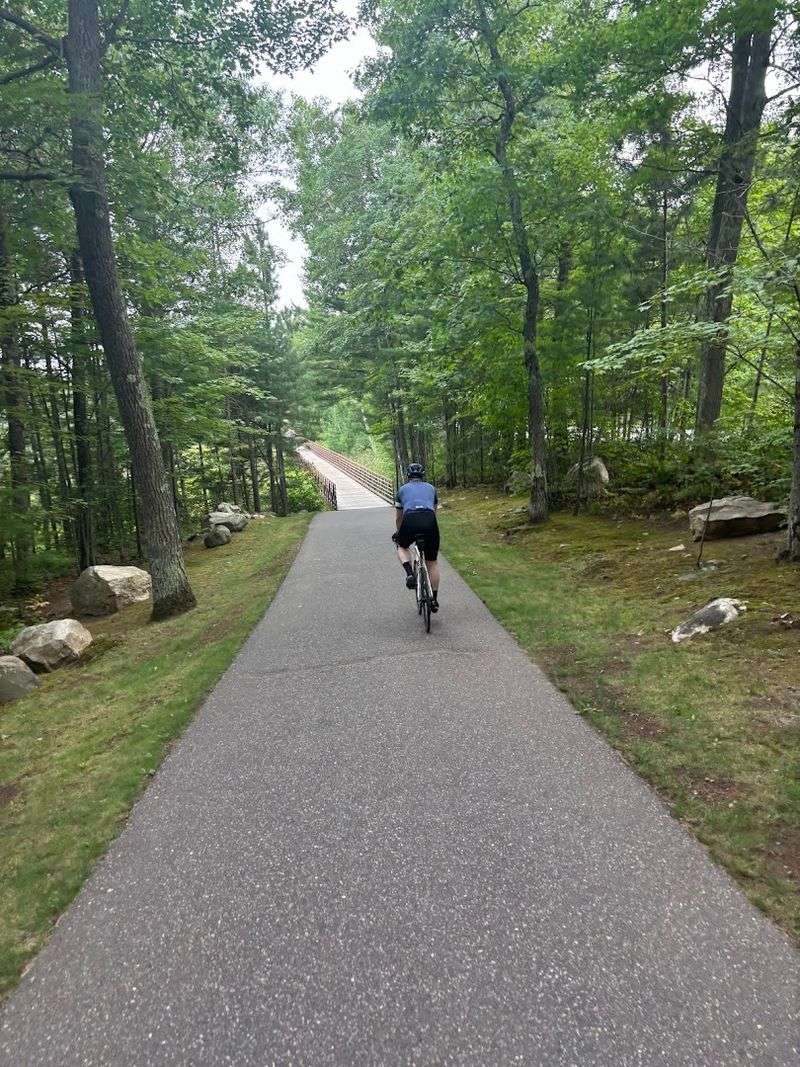
Multiple access points let you customize ride length based on available time, fitness level, or weather conditions. Each trailhead includes parking, basic facilities, and clear maps showing distances to the next town or connection point.
This flexibility means you can tackle the trail in manageable pieces rather than committing to the full 52-mile system in one session.
The Manitowish Waters community center serves as a popular starting point, with excellent facilities and easy access to the northern sections. Boulder Junction’s Park Street trailhead provides central positioning for exploring in either direction.
Smaller access points in Sayner, St. Germain, and other towns offer additional options for breaking the trail into specific segments that match your goals.
Knowing you can start and finish at different locations opens up one-way ride possibilities, though this requires either shuttle vehicles or cooperative friends willing to handle logistics. Most riders choose out-and-back routes from a single trailhead, selecting their turnaround point based on how they feel that particular day.
The multiple access points also provide bailout options if weather deteriorates or mechanical problems cut a ride short.
No Trail Pass Is Required For The Heart Of Vilas Trail
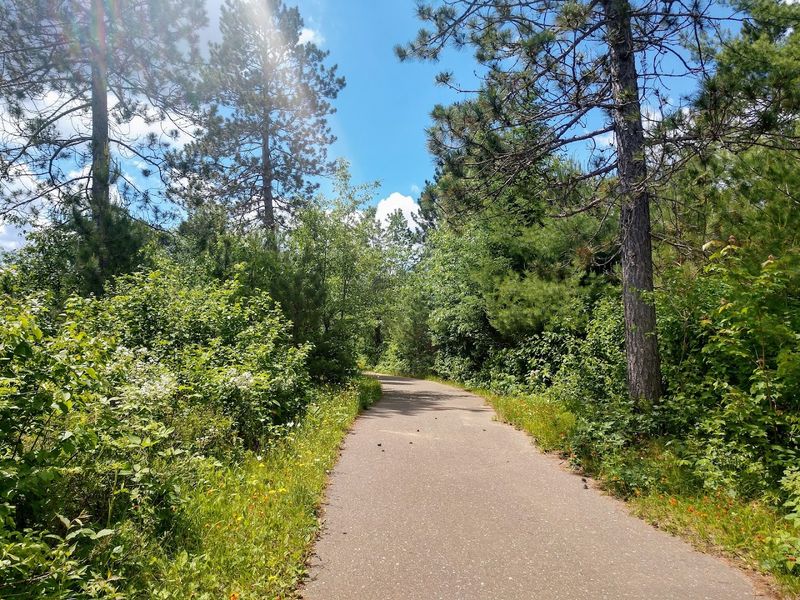
Free access removes a common barrier to trail use, eliminating the need to purchase daily passes or annual memberships before riding. You simply park at any trailhead and start pedaling, without dealing with payment kiosks or fee envelopes.
This policy makes spontaneous rides possible and reduces hassle for visitors unfamiliar with local trail systems.
The absence of fees doesn’t mean the trail lacks maintenance or amenities; local funding and volunteer efforts keep everything in excellent condition. Some riders voluntarily donate to trail organizations that support upkeep, but contributions remain optional rather than required.
This approach increases accessibility for families and budget-conscious travelers who might skip fee-based trails.
The free access policy also simplifies group rides and events, since organizers don’t need to collect pass fees from participants. You can ride as often as you want without calculating whether annual passes make financial sense, removing the mental math that sometimes discourages repeat visits.
This open-access model has helped build the trail’s popularity and reputation, creating a resource that feels genuinely public rather than commercially managed.
Bike Repair Stations Add Extra Peace Of Mind
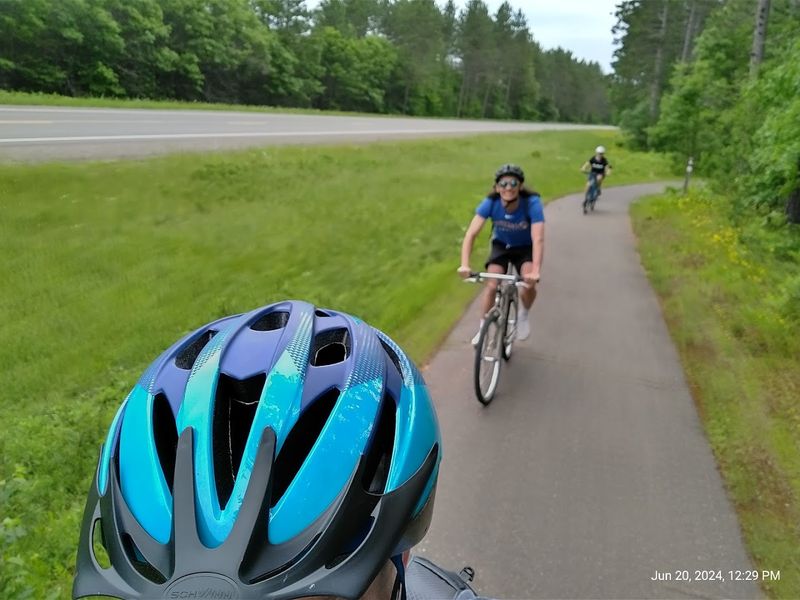
Strategically placed repair stations provide basic tools and air pumps at intervals along the route, offering solutions for common mechanical problems that might otherwise end your ride. These stations include standard tools for adjusting brakes, tightening bolts, and making minor repairs that keep bikes functional.
The air pumps handle both presta and schrader valves, accommodating different tube types without requiring adapters.
Finding a repair station when you need one feels like discovering an oasis, particularly if you’re miles from the nearest town with a bike shop. The stations can’t solve every problem, but they handle the majority of issues that arise during recreational rides.
Flat tires, loose components, and minor adjustments all become manageable instead of ride-ending catastrophes.
The presence of these facilities also encourages riders to attempt slightly longer distances than they might otherwise risk, knowing that help exists if something goes wrong. Experienced cyclists often carry their own tools, but even they appreciate the backup options when their personal kit proves insufficient.
This infrastructure detail demonstrates thoughtful planning that elevates the trail from basic path to well-supported cycling system.
The Route Connects Boulder Junction With Manitowish Waters
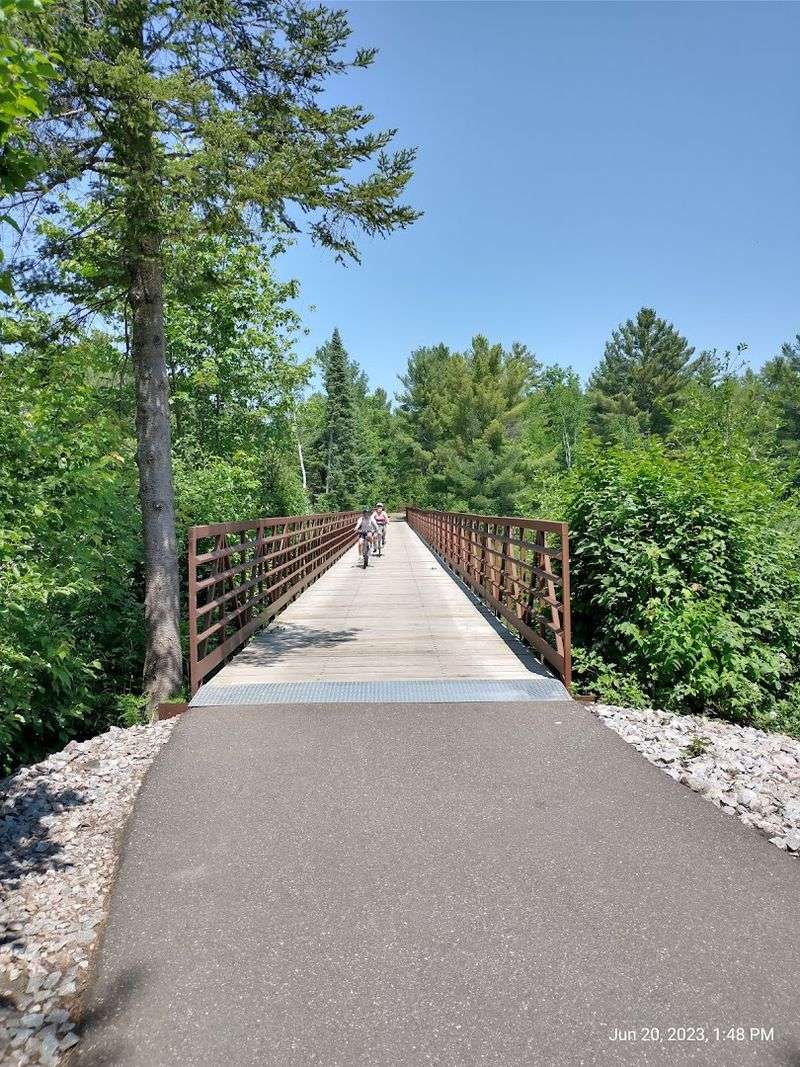
The segment between these two towns ranks as a favorite among regular trail users, offering particularly scenic riding with excellent lake views and forest canopy. This 13-mile stretch provides enough distance for a satisfying ride without requiring marathon endurance, making it perfect for half-day adventures.
The pavement quality shines on this section, with smooth blacktop that feels freshly maintained.
Riders heading north from Boulder Junction gradually climb into slightly higher terrain before descending toward Manitowish Waters, creating elevation variety without brutal climbs. The route passes several named lakes with occasional glimpses through the trees, rewarding riders who pause at scenic overlooks.
Small bridges cross streams and wetland areas, adding structural interest to the natural landscape.
Manitowish Waters offers multiple dining options for riders who time their trip around lunch, with establishments like the Pea Patch Saloon providing substantial meals right along the trail. The return ride to Boulder Junction reverses the elevation profile, giving you different perspectives on the same scenery.
Many cyclists consider this segment the highlight of the entire trail system, combining the best elements of pavement quality, scenery, and convenient services into one memorable stretch.