
This Easy 2.7-Mile Nevada Hike Packs In Desert Views That Feel Bigger Than The Miles
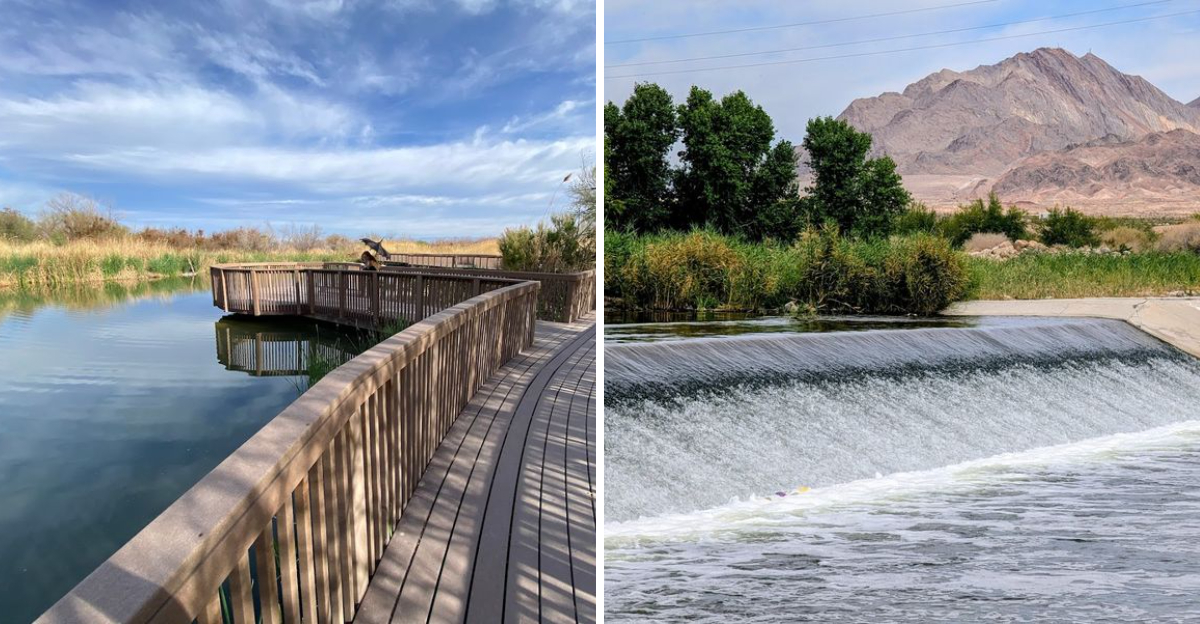
A short hike near Las Vegas can still feel like a full-on escape when the scenery keeps changing every few minutes. One moment, you are walking through classic desert terrain, and the next, ponds, cottonwoods, and wildlife habitats start to appear like a surprise you did not see coming.
That mix is what makes this easy 2.7-mile route so rewarding. It is peaceful, approachable, and scenic without demanding an entire day or a pair of expert hiking boots.
Even better, the paved paths make the experience feel relaxed from start to finish. Ready for a trail that proves big views do not always need big miles?
This spring stroll might be exactly your kind of Nevada adventure.
The Trail Sits Inside A 210-Acre Nature Preserve
Clark County Wetlands Park stretches across 210 acres of carefully restored habitat that stands in remarkable contrast to the surrounding desert. The preserve occupies a unique position along the Las Vegas Wash, transforming what was once degraded land into a thriving ecosystem.
Visitors entering through the main access point at 7050 Wetlands Park Lane discover an environment that seems impossibly green and alive for a region known primarily for arid conditions.
The park operates daily from 5 AM to 8:30 PM, giving early risers and evening walkers ample opportunity to explore. Free parking and admission remove financial barriers, making this an accessible destination for locals and tourists alike.
The 45,000-square-foot nature center serves as an excellent starting point, offering interactive exhibits, clean restrooms, and water refill stations.
Multiple trail options wind through the preserve, though the most popular route covers approximately 2.7 miles and provides a comprehensive tour of the park’s diverse environments.
The Route Mixes Desert Views With Wetland Scenery
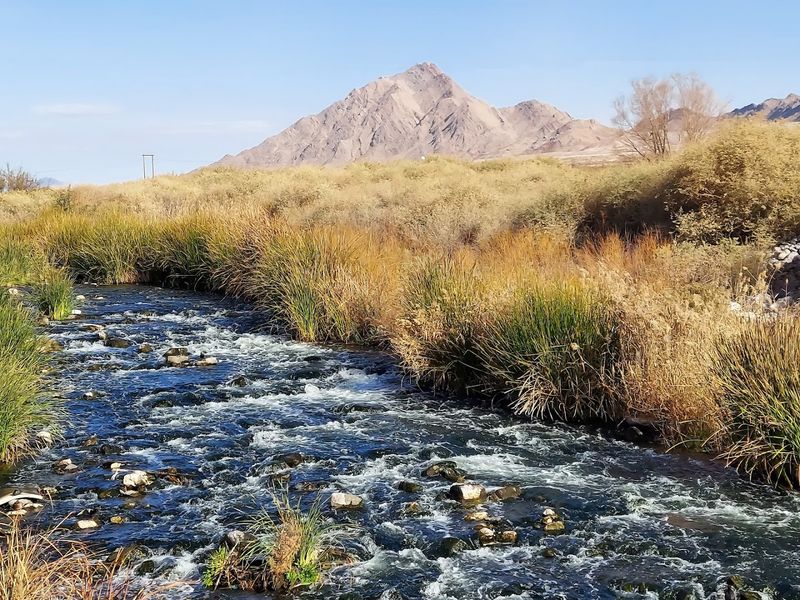
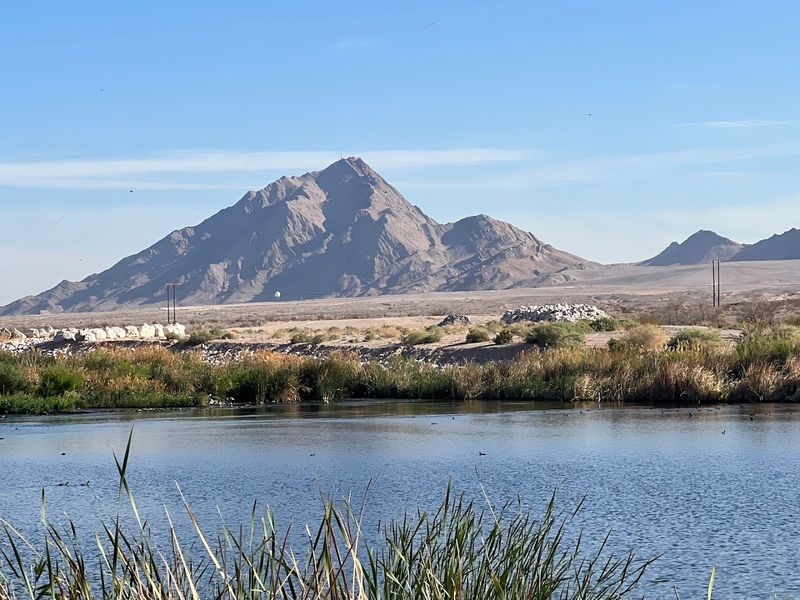
Walking the main trail at Wetlands Park feels like crossing between two distinct worlds. The route alternates between classic Mojave Desert terrain and lush wetland environments, creating visual variety that keeps the experience engaging throughout the entire 2.7 miles.
Open stretches reveal distant mountain ranges and expansive sky, while other sections tunnel through riparian corridors thick with vegetation.
This ecological diversity exists because the Las Vegas Wash carries treated water from the city’s wastewater reclamation facilities through the park. The water supports plants and animals that could not otherwise survive in this arid climate.
Desert scrub transitions abruptly to cattails and willows, with the path providing front-row access to both ecosystems.
Photographers appreciate the contrasting backdrops available within a single walk. Morning light illuminates the wetland areas beautifully, while late afternoon sun casts long shadows across the drier sections.
The changing scenery makes the miles pass quickly, as each turn presents something visually different from what came before.
Ponds Add A Scenic Surprise To The Short Walk
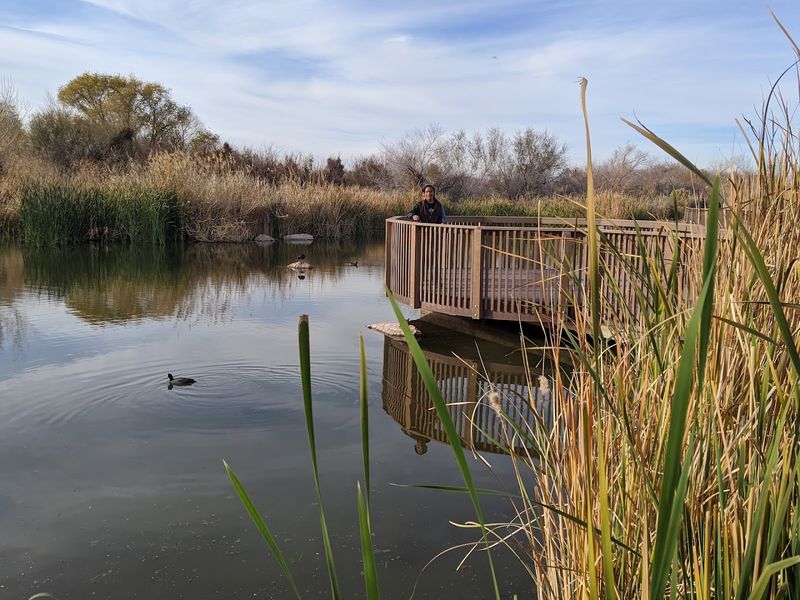
Several ponds punctuate the trail system, appearing almost unexpectedly as the path winds through the preserve. These water bodies range from small pools to larger open areas, each supporting its own community of aquatic life and waterfowl.
The ponds reflect the sky and surrounding vegetation, doubling the visual impact and providing natural mirrors that change appearance throughout the day.
Benches positioned near pond edges invite visitors to pause and observe. Coots paddle across the surface while herons stand motionless in the shallows, demonstrating the patience required for successful hunting.
Dragonflies skim the water during warmer months, their iridescent bodies catching sunlight as they patrol their territories.
The ponds also serve practical ecological functions beyond their aesthetic appeal. They filter water moving through the system and provide critical habitat for amphibians and invertebrates.
Viewing platforms and overlooks offer elevated perspectives, allowing visitors to scan the water for turtles, fish, and other aquatic residents that might otherwise go unnoticed from ground level.
It Feels Surprisingly Quiet For A Place Near Las Vegas
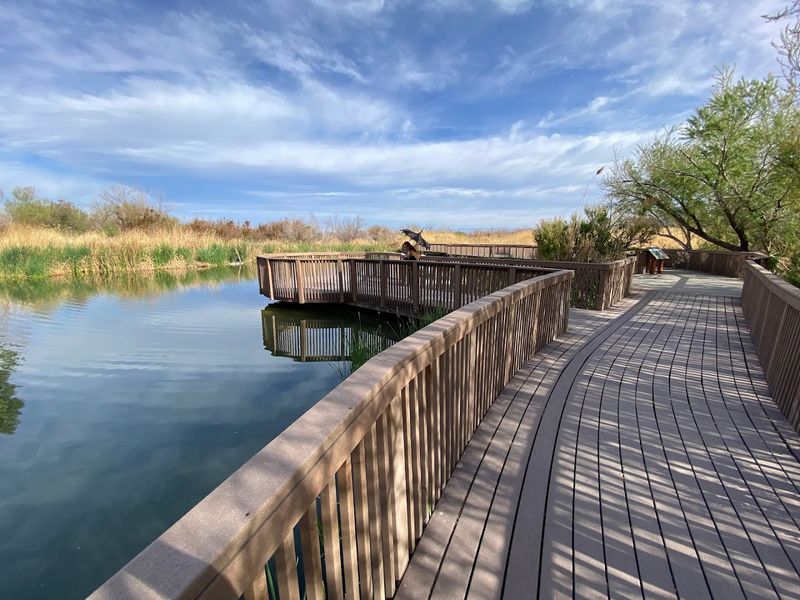
The silence at Wetlands Park catches first-time visitors off guard. Despite sitting just miles from the constant hum of Las Vegas Boulevard, the preserve creates an acoustic buffer that muffles urban noise remarkably well.
Cottonwood groves and dense vegetation absorb sound, while the gentle movement of water through channels and ponds adds a soothing natural soundtrack that replaces the city’s mechanical din.
Many visitors report feeling transported to a completely different environment within minutes of leaving their vehicles. The psychological shift happens quickly as the trail leads away from parking areas and deeper into the wetland sections.
Birds provide most of the ambient sound, their calls and songs creating a living audio landscape that changes with the seasons.
Early morning walks offer the most profound quiet, particularly on weekdays when foot traffic remains light. The park never feels crowded, even during peak visiting hours, as the trail system disperses people effectively throughout the 210-acre space.
Wildlife Watching Is One Of The Biggest Payoffs
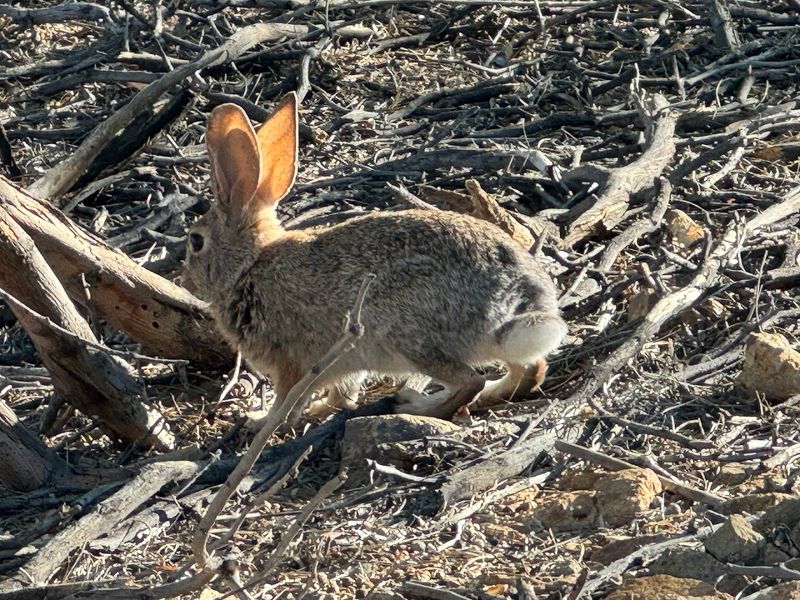
Animal encounters happen frequently at Wetlands Park, making each visit unpredictable and exciting. Cottontail rabbits bound across the trail with surprising regularity, while roadrunners patrol the paths with their distinctive gait and curious demeanor.
These charismatic ground birds often approach within feet of walkers, seemingly unbothered by human presence as they hunt for lizards and insects.
The nature center provides pamphlets identifying local species and their tracks, turning casual walks into educational scavenger hunts. Families enjoy matching what they observe to the illustrated guides, creating engagement that holds children’s attention throughout the hike.
Raccoon tracks appear in soft soil near water features, while bird footprints crisscross sandy sections.
Quiet observers who move slowly and pause often see the most wildlife. The park’s policy prohibiting dogs protects sensitive species and allows animals to behave more naturally.
Squirrels chatter from cottonwood branches, and careful watchers might spot bats emerging from roosting sites during evening hours near closing time.
More Than 300 Bird Species Have Been Recorded In The Park
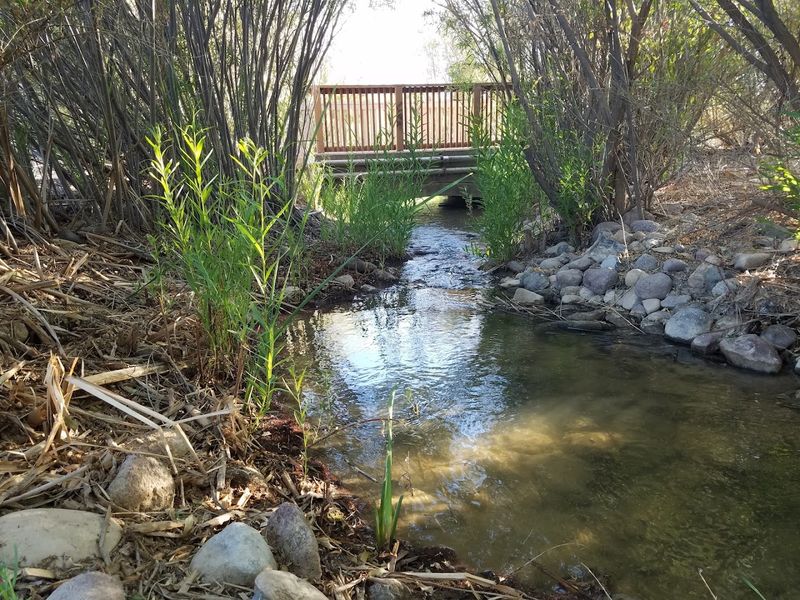
Birders consider Wetlands Park among the finest locations in southern Nevada for observing avian diversity. The species count exceeds 300, representing migrants, seasonal residents, and year-round inhabitants that exploit the wetland habitat.
This remarkable variety stems from the park’s position along the Pacific Flyway and its role as a rare water source in an otherwise dry landscape.
Waterfowl dominate the ponds, with ducks, coots, and occasional pelicans making regular appearances. Herons stalk the shallows with mechanical precision, while smaller wading birds probe mud for invertebrates.
The cottonwood groves host songbirds and woodpeckers, their presence revealed more often by sound than sight as they move through dense foliage.
Serious birders arrive during spring and fall migration periods when transient species pause to rest and refuel. The park maintains a bird checklist available at the nature center, and local Audubon groups conduct regular surveys.
Even casual observers without ornithological training enjoy the constant activity and variety.
Paved Paths Make The Walk Easy To Enjoy
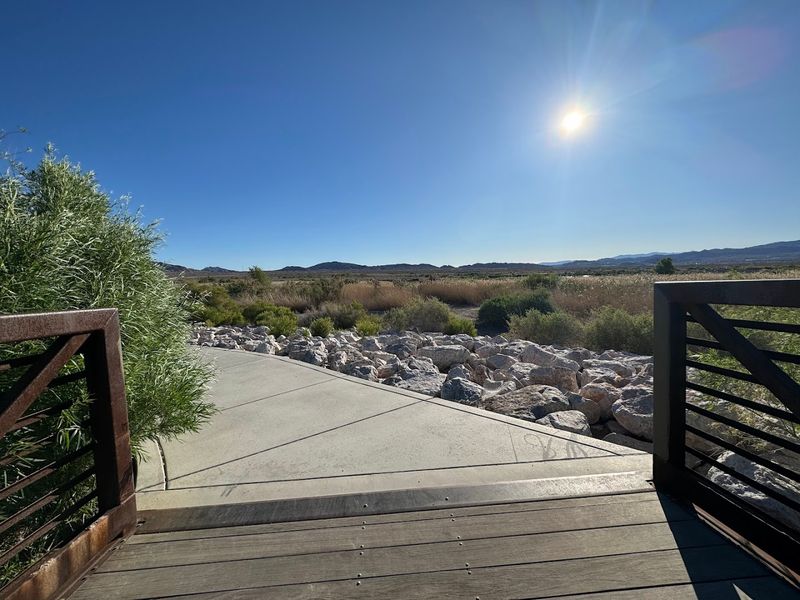
The main trail system features smooth pavement throughout most of its length, removing obstacles that might deter less mobile visitors. Wheelchairs, strollers, and walkers with balance concerns navigate the route without difficulty, making this an inclusive destination that welcomes people across the fitness spectrum.
The surface remains in excellent condition, maintained by Clark County Parks and Recreation staff who address cracks and wear promptly.
Side paths branch off the main paved route, offering more rustic experiences for those seeking unpaved ground. These alternatives remain well-marked and safe, providing options for visitors who prefer a less manicured walking surface.
Clear signage indicates which paths are paved and which are natural surface, preventing accidental detours for those requiring accessible routes.
The pavement also makes the trail suitable for early morning or evening walks when lighting conditions diminish visibility. Tripping hazards essentially disappear, allowing walkers to focus on their surroundings rather than watching their footing constantly.
This infrastructure investment has clearly paid dividends in visitor satisfaction and accessibility.
Shady Lanes Break Up The Desert Heat
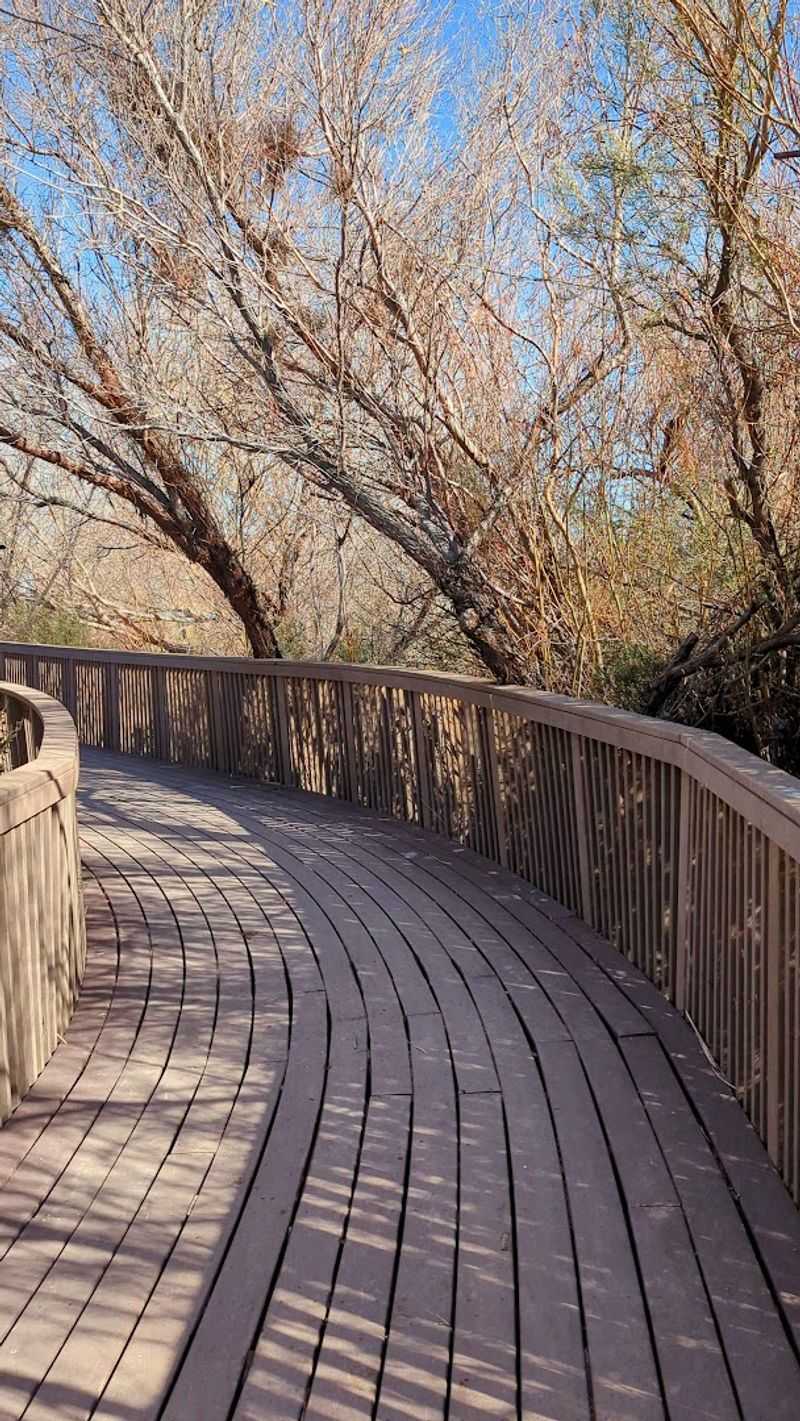
Cottonwood groves create natural canopies along significant portions of the trail, offering relief from the intense Nevada sun. These shaded corridors drop temperatures noticeably, providing psychological and physical comfort during warmer months.
The trees rustle constantly in even slight breezes, creating movement and sound that enhances the cooling effect beyond the actual temperature reduction they provide.
Strategic placement of these groves means walkers rarely face extended exposed sections during the hottest parts of the day. The park’s design alternates between open and covered areas, allowing visitors to regulate their sun exposure naturally.
Benches positioned in shaded spots give overheated hikers places to rest and recover before continuing.
Summer visitors particularly appreciate these shaded sections, which make midday walks feasible when they might be unbearable on fully exposed desert trails. The cottonwoods also support wildlife that seeks the same relief, creating concentrated observation opportunities.
Morning and evening walks still offer the most comfortable conditions, but the shade extends the viable walking window considerably throughout the year.
The Las Vegas Wash Gives The Park Its Wild Side
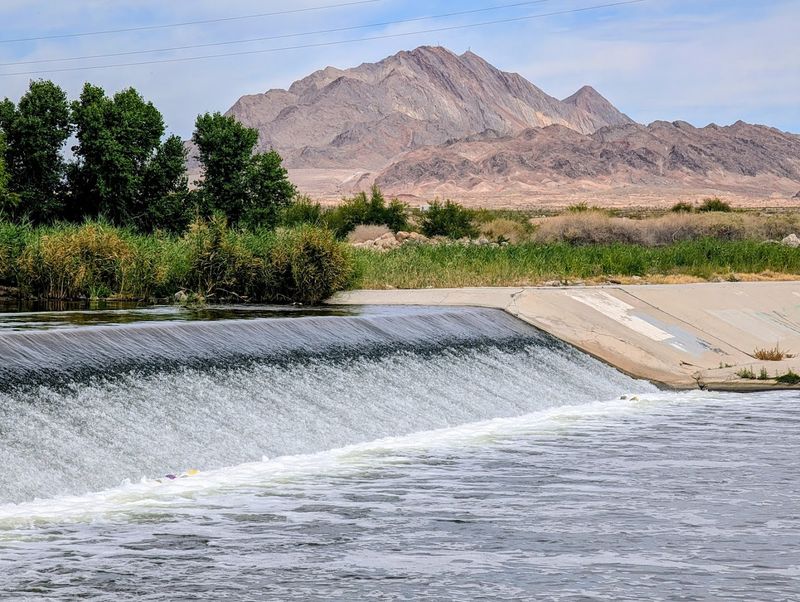
The Las Vegas Wash forms the ecological backbone of the entire preserve, carrying treated water from urban areas through the park and eventually into Lake Mead. This waterway creates the conditions that support all the wetland habitats visitors enjoy, functioning as both a reclamation system and a wildlife corridor.
The Weir Bridge crosses the wash approximately seven-tenths of a mile from the nature center, providing spectacular views of rushing water and the surrounding riparian zone.
Standing on the bridge reveals more water than most people expect to find in the desert. The volume fluctuates seasonally but maintains year-round flow, supporting fish populations and the predators that hunt them.
Unfortunately, urban runoff means trash and debris accumulate along the banks, a visible reminder of the wash’s connection to developed areas upstream.
Restoration efforts over the past decades have stabilized the wash and improved water quality significantly. The park represents a successful example of ecological rehabilitation, transforming a degraded drainage into functional habitat.
Scenic Overlooks Make The Miles Feel Bigger
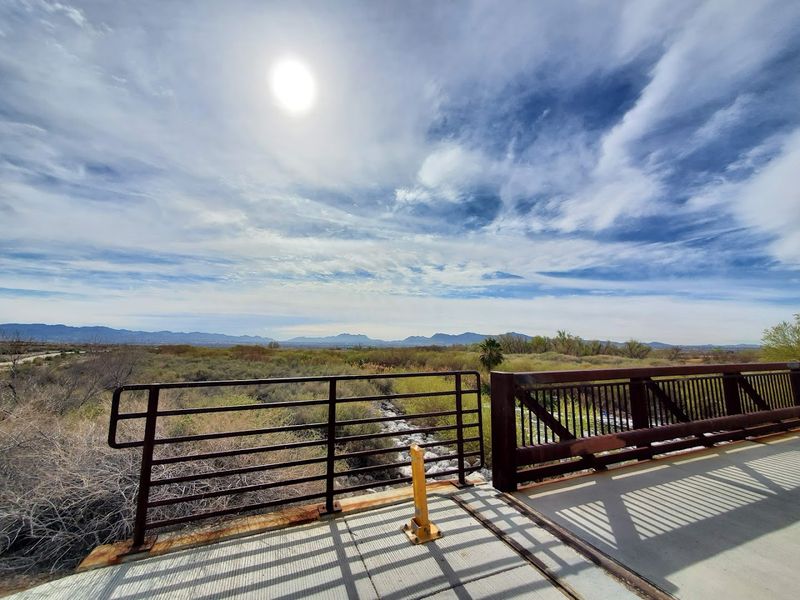
Several elevated viewing platforms and overlooks punctuate the trail, providing perspectives that expand the perceived scale of the preserve. These vantage points reveal the full extent of the wetland system and the surrounding desert landscape, creating vistas that seem disproportionately grand for such a compact area.
The overlooks also serve as natural stopping points that break the walk into manageable segments.
From these elevated positions, visitors gain appreciation for the park’s design and ecological complexity. Pond systems reveal their interconnections, and the sinuous path of the Las Vegas Wash becomes apparent.
Distant mountain ranges frame the view, providing depth and context that ground-level walking cannot fully convey.
Photographers and casual visitors alike linger at these spots, using them as rest areas and observation points. The overlooks amplify the sense of having traveled farther than the actual mileage suggests, a perceptual trick enhanced by the environmental diversity encountered along the way.
This psychological expansion of distance contributes significantly to visitor satisfaction.