
This Wisconsin Vintage Store Has The Kind Of Treasures You’ll Want To Dig Through Slowly
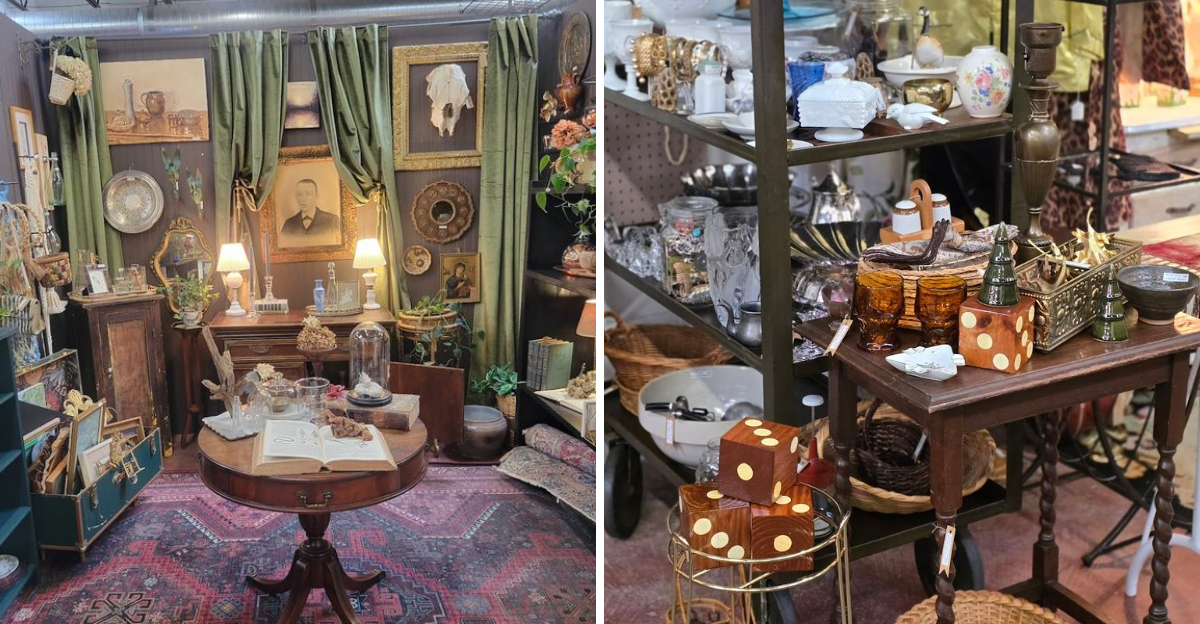
A vintage shop in Wisconsin can feel less like a quick errand and more like a full browsing adventure. Set inside a former auto body space in Milwaukee’s Walker’s Point neighbourhood, this stop brings together more than 50 vendors under one industrial roof.
Every corner has something different waiting, from retro clothing and midcentury furniture to handmade pottery, vinyl records, and clever repurposed décor. It feels a little like wandering through a stylish museum, except the best part is that you can actually take the treasures home.
Slow shoppers will have the most fun here, because the magic is in the details, the odd finds, and the thrill of spotting something wonderfully unexpected with each turn.
The Shop Blends Vintage, Handmade, And Repurposed Finds
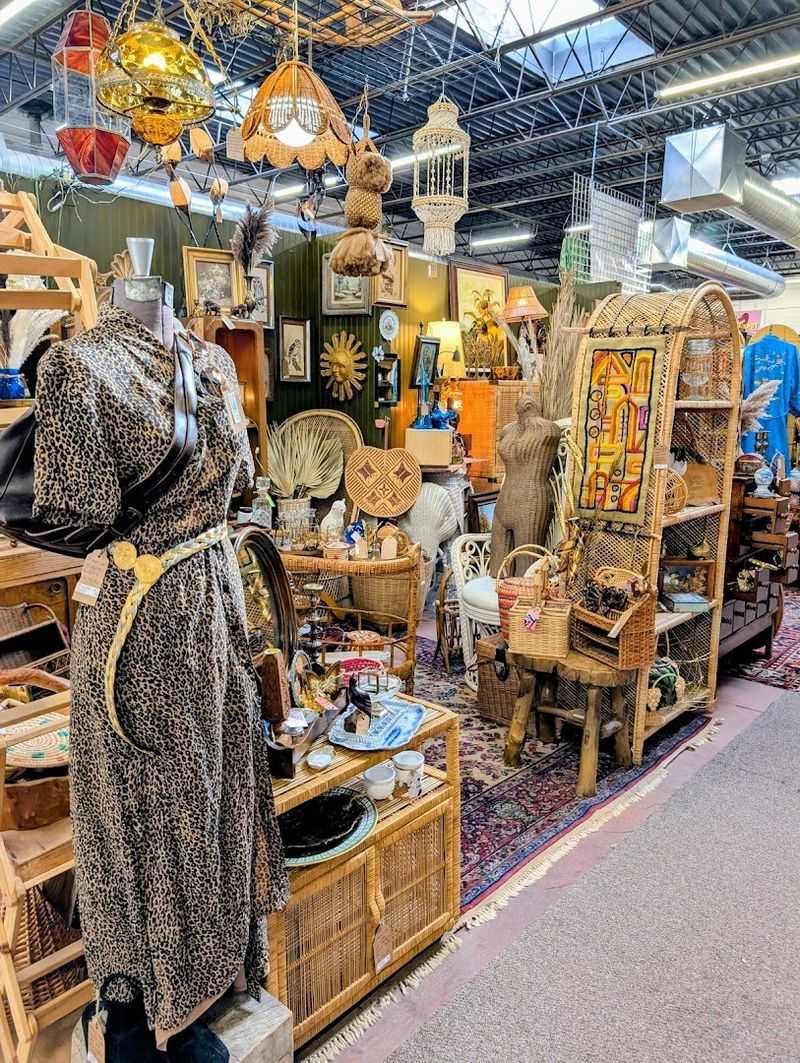
The beauty of On & On lies in its refusal to commit to a single category. Vendors occupy individual booths that showcase everything from Depression-era glassware to contemporary ceramics fired last month.
This mixture creates visual interest that keeps your attention moving from one display to the next.
Handmade bath products sit near oil paintings that have survived decades in attics. Vintage denim hangs alongside brass fixtures that once decorated homes built when Milwaukee was booming.
The store manages to make these disparate elements feel connected rather than chaotic.
Shopping here means accepting that you might arrive looking for a lamp and leave with a leather purse and homemade soap. The unpredictability becomes part of the appeal, and the vendors seem to understand that variety draws people back repeatedly.
More Than 50 Vendors Fill The Walker’s Point Marketplace
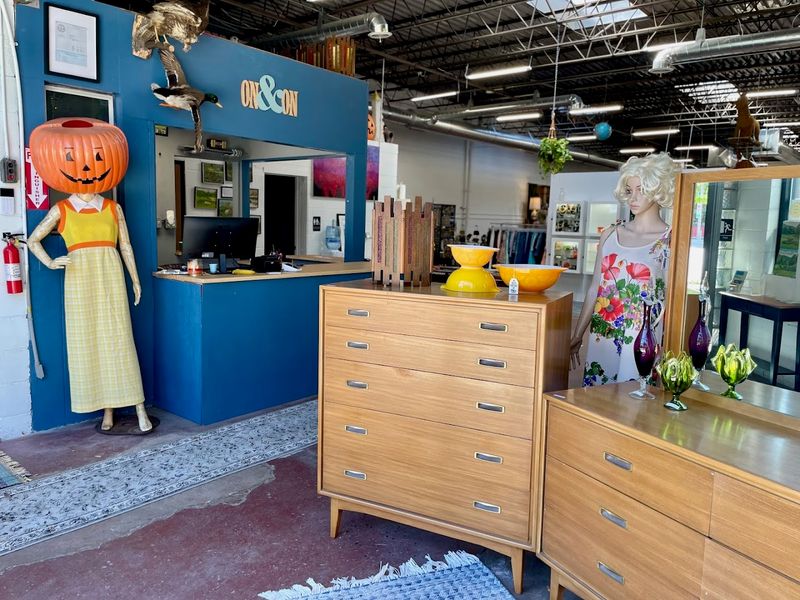
Fifty vendors means fifty different approaches to curation and pricing. Some booths lean heavily toward clothing, others focus on furniture that requires a truck to transport home.
A few specialize in small collectibles that fit in your pocket, while others offer statement pieces that dominate entire walls.
The variety among vendors prevents the monotony that plagues some antique malls where everything starts looking identical after the third aisle. Each booth reflects individual taste, which means you encounter genuine surprises as you move through the space.
One vendor might price aggressively to move inventory, while another holds firm on rare items.
This vendor model also means inventory changes constantly. Items sell, new pieces arrive, and booths shift their focus based on what the vendor discovers at estate sales and auctions across Wisconsin.
The Store Is Set Inside A Former Auto Body Shop
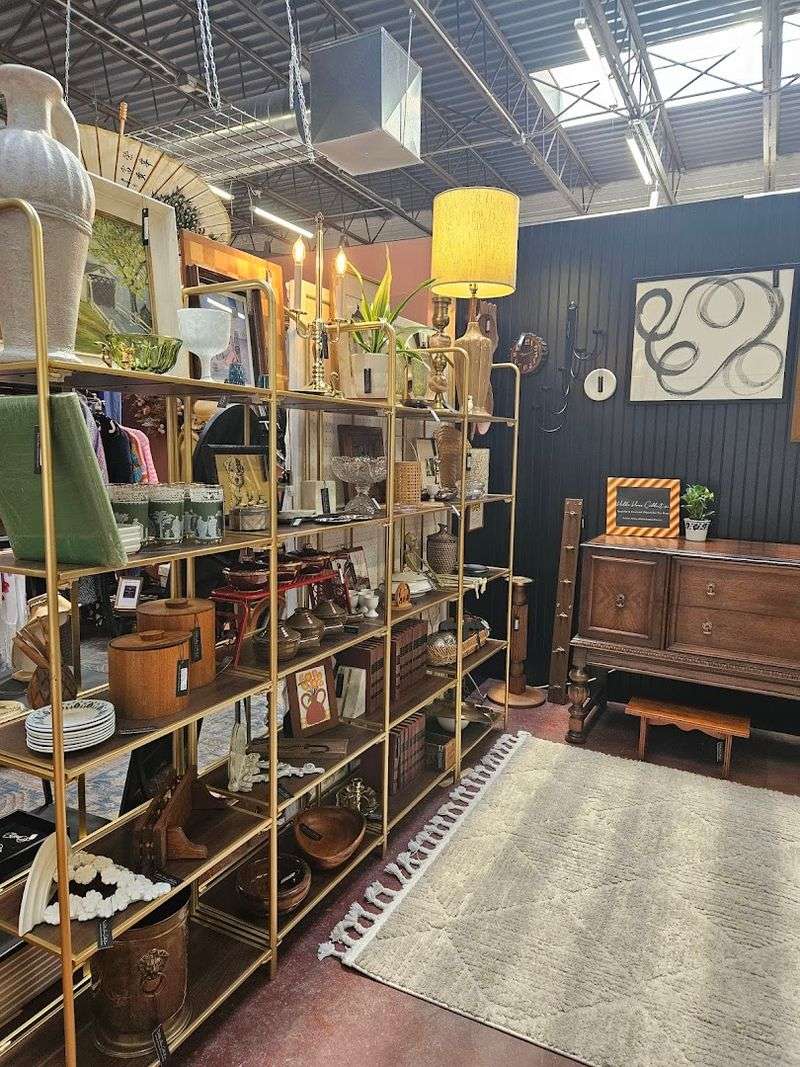
The building at 1031 S 5th St spent years fixing cars before it started selling antiques. High ceilings and open floor plans that once accommodated vehicles now provide room for furniture displays and clothing racks.
Industrial bones give the space character that purpose-built retail locations struggle to match.
Original elements remain visible throughout the store, creating contrast between the building’s mechanical past and its current role as a marketplace for decorative objects. Concrete floors handle foot traffic without complaint, and the large windows that once illuminated repair work now draw natural light across vendor booths.
The conversion feels appropriate for Walker’s Point, a neighborhood where adaptive reuse has become standard practice. The building found a second life that suits both the space and the surrounding area.
Midcentury Furniture Gives The Space A Retro Home-Design Feel
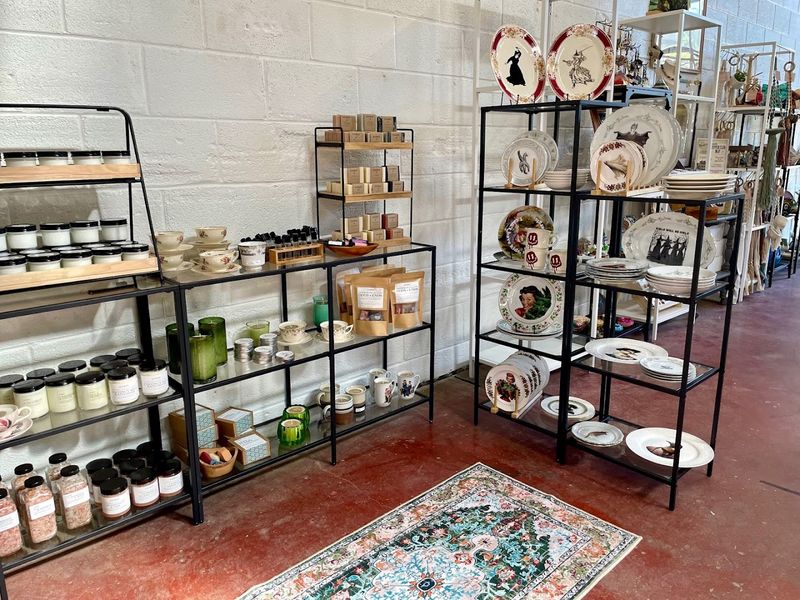
Midcentury pieces anchor several vendor booths, offering clean lines and warm wood tones that photograph well and fit contemporary homes. Teak credenzas, atomic-era chairs, and table lamps with geometric shades appear regularly in the inventory.
Prices vary based on condition and designer recognition, but options exist for different budgets.
The furniture creates visual cohesion throughout the store even as individual booths maintain distinct personalities. These pieces also attract buyers who might not consider themselves antique shoppers but appreciate design from the postwar decades.
Functionality matters with midcentury items since most pieces were built for daily use rather than display.
Finding quality examples requires inspection of joints, veneer condition, and hardware functionality. Vendors generally price items fairly based on current market rates, though occasional undervalued pieces reward careful examination and quick decisions.
Record Town Makes It A Fun Stop For Vinyl Lovers
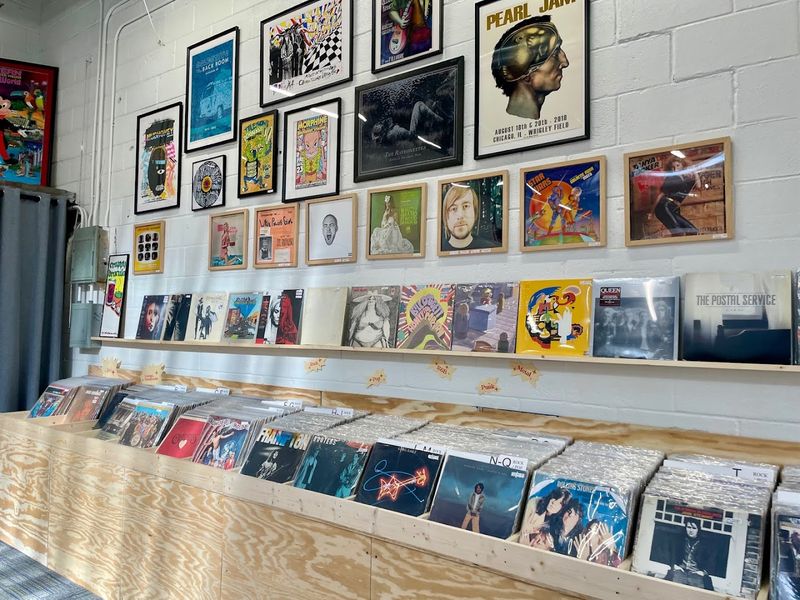
Record Town occupies booth space dedicated entirely to vinyl, offering a focused shopping experience for music collectors. Bins organize albums by genre, and the selection spans decades of recording history.
Condition varies from pristine original pressings to well-loved copies with surface noise and sleeve wear.
Prices reflect current vinyl market realities, where common albums remain affordable but desirable pressings command premium rates. The booth provides a reason for music enthusiasts to visit even if they have no interest in furniture or clothing.
Flipping through records creates a meditative shopping rhythm that contrasts with the visual browsing required in other sections.
The presence of a dedicated vinyl vendor also attracts a specific customer demographic that overlaps with but differs from typical antique shoppers. Record collectors tend to visit frequently, checking for new arrivals.
Vintage Clothing Adds Plenty Of Dig-Through-The-Racks Appeal
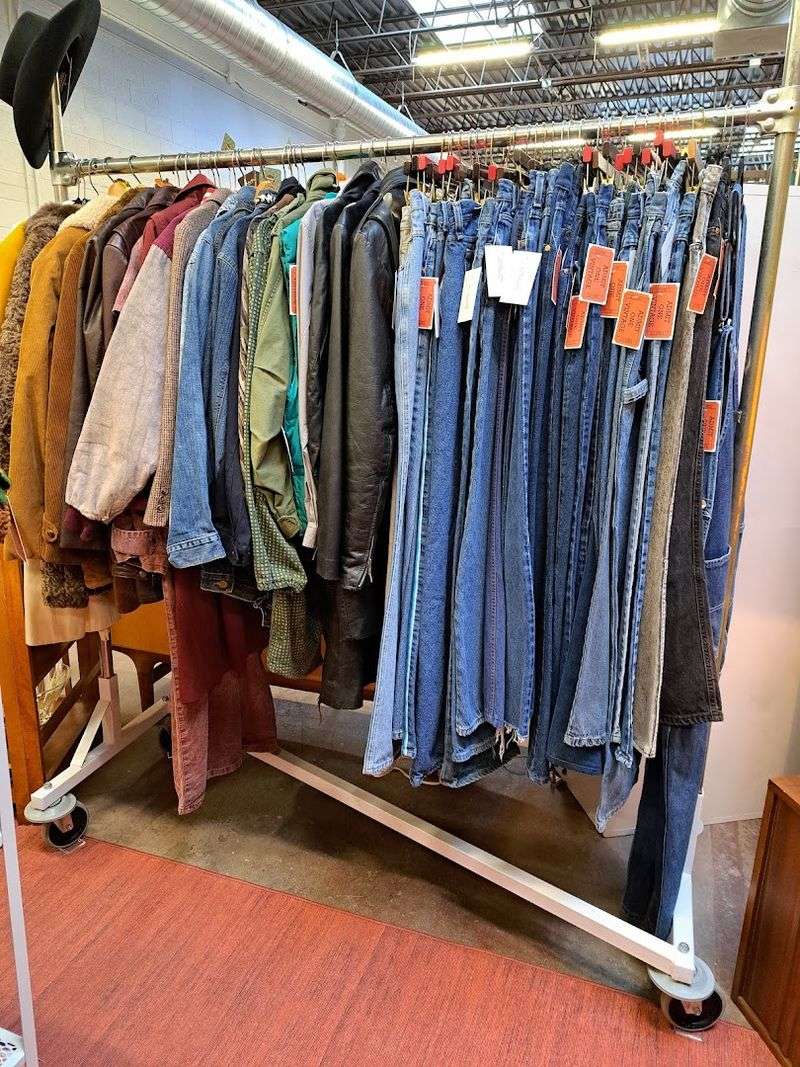
Clothing racks throughout On & On hold garments from multiple decades, creating treasure-hunt conditions for fashion-focused shoppers. Denim appears in abundance, from high-waisted jeans to oversized jackets with authentic wear patterns.
Leather purses, belts, and outerwear occupy separate displays, often priced based on brand recognition and condition.
The thrill of vintage clothing shopping lies in finding pieces that fit both your body and your aesthetic preferences. Sizes run unpredictably since vintage sizing standards differ from contemporary measurements.
Success requires patience and willingness to try items on rather than relying on tag information.
Several shoppers report finding favorite wardrobe pieces at On & On, suggesting the clothing selection offers genuine quality rather than picked-over leftovers. The store attracts people specifically hunting vintage fashion, and inventory turns over as items sell.
Handmade Art, Jewellery, And Pottery Bring In Local Maker Energy
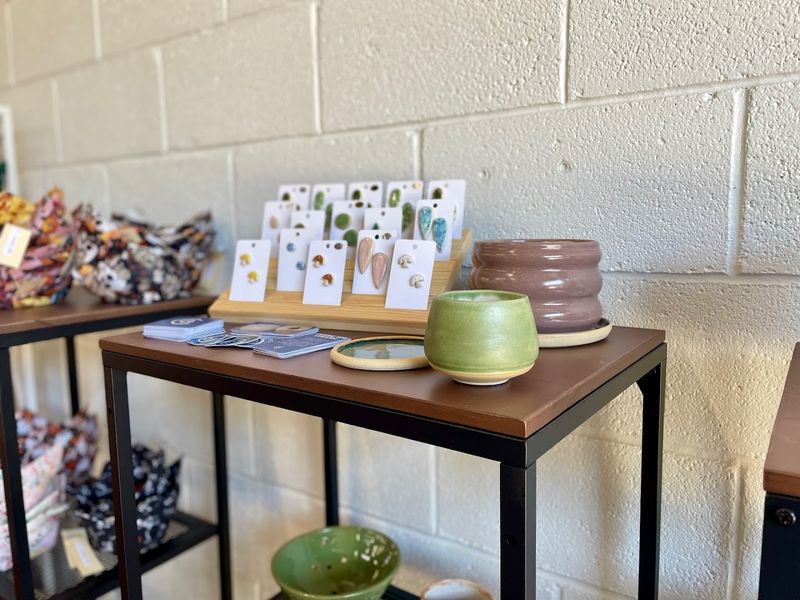
Local makers occupy booths alongside vintage vendors, offering contemporary handmade items that balance the store’s historical focus. Pottery ranges from functional mugs and bowls to decorative pieces that serve as sculpture.
Jewelry displays feature work in various price ranges, from affordable silver pieces to investment-level designs.
The handmade component gives shoppers gift options that feel personal and support working artists. Quality varies based on maker skill, but the selection process ensures competent craftsmanship as a baseline.
These booths also provide the only opportunity to purchase new items in a store otherwise dedicated to secondhand goods.
Artisan products attract customers who might feel overwhelmed by pure vintage shopping. The mixture of old and new creates a more accessible environment than strictly antique-focused stores, broadening the potential customer base considerably.
Repurposed Pieces Give Old Items A Fresh Second Life
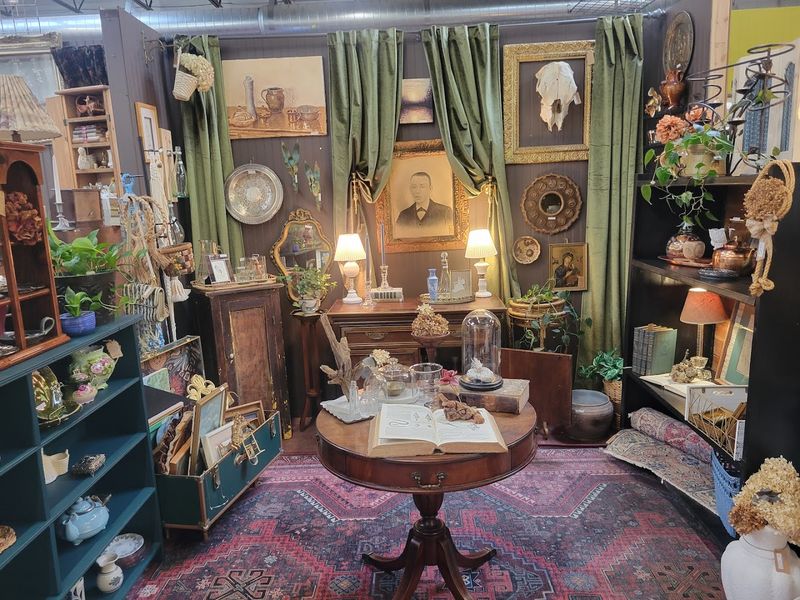
Repurposing transforms objects past their original usefulness into functional items for contemporary homes. Old windows become picture frames, vintage suitcases convert to storage solutions, and industrial salvage finds new purpose as lighting fixtures.
These pieces appeal to shoppers seeking character without committing to pure antiques.
The creative reuse movement aligns with broader sustainability concerns while offering unique home decor options. Repurposed items often cost less than comparable antiques since they lack historical purity that collectors demand.
Functionality matters more than provenance with these pieces.
Vendors who specialize in repurposed goods demonstrate varying levels of skill and creativity. The best examples respect the original object while adding genuine utility.
Poorly executed repurposing can diminish rather than enhance value, so evaluation requires critical assessment of workmanship and design choices.
Home Goods Make The Store Feel Like A Treasure Hunt
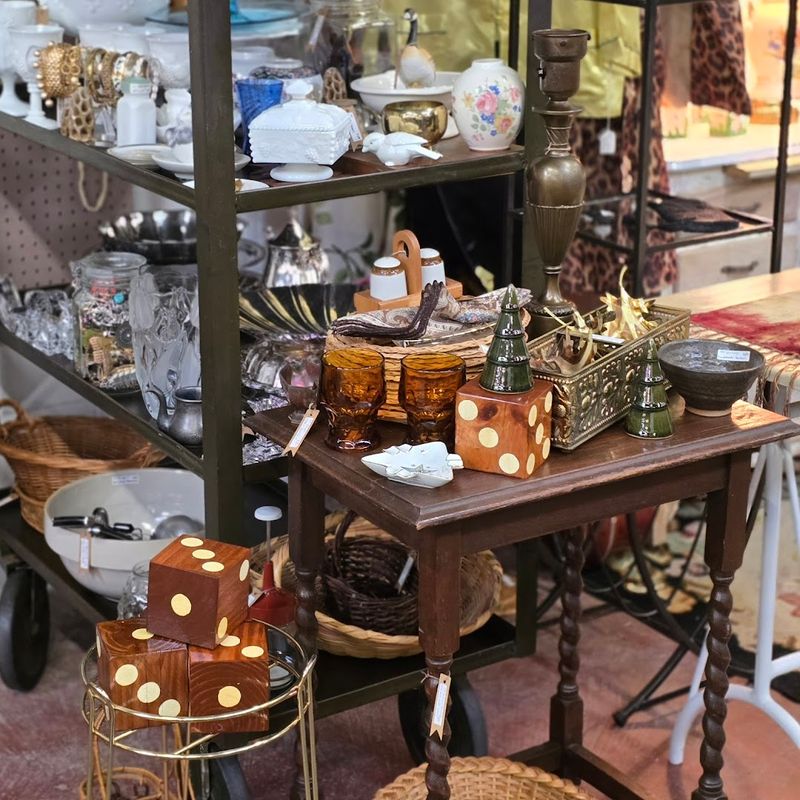
Home goods categories sprawl across multiple vendor booths, encompassing everything from Depression glass to brass candlesticks. Glassware appears in quantity, offering options for collectors seeking specific patterns and casual shoppers wanting attractive serving pieces.
Kitchen items mix with decorative objects, creating displays that suggest possible uses rather than museum-style arrangements.
The treasure hunt aspect emerges from the sheer variety and unpredictable placement of items throughout the store. A valuable piece might sit next to common objects, rewarding shoppers with knowledge and sharp eyes.
This discovery element keeps people browsing longer than they initially planned.
Home goods also offer entry-level pricing for new vintage shoppers hesitant to invest heavily. Small purchases build confidence and knowledge that lead to larger acquisitions over time as taste develops and budgets expand.
Its Walker’s Point Location Makes It Easy To Pair With A Milwaukee Day Out
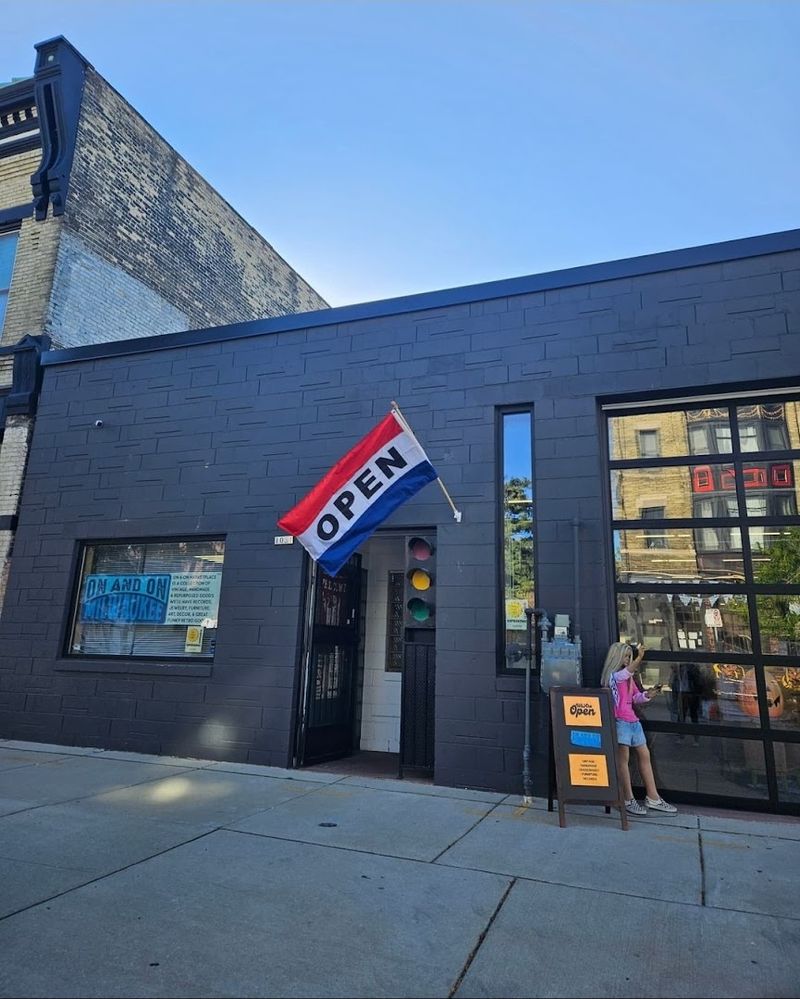
Walker’s Point positions On & On within a neighborhood that supports extended visits to Milwaukee. Restaurants, breweries, and other shops occupy nearby buildings, creating opportunities to build a full day around a store visit.
The area attracts both locals and tourists, maintaining active foot traffic that benefits all businesses.
Parking availability varies but generally proves manageable compared to downtown locations. The neighborhood character adds to the shopping experience, with industrial architecture and creative reuse projects visible throughout the district.
Walker’s Point has evolved into a destination rather than a pass-through area.
The store operates Wednesday through Monday with varying hours, closing only on Tuesdays. This schedule accommodates both weekend crowds and weekday shoppers seeking quieter browsing conditions.
Location and hours combine to make On & On accessible for different visitor schedules and preferences.