
The Historic Small Town In Wisconsin Made For A Slow Weekend Escape
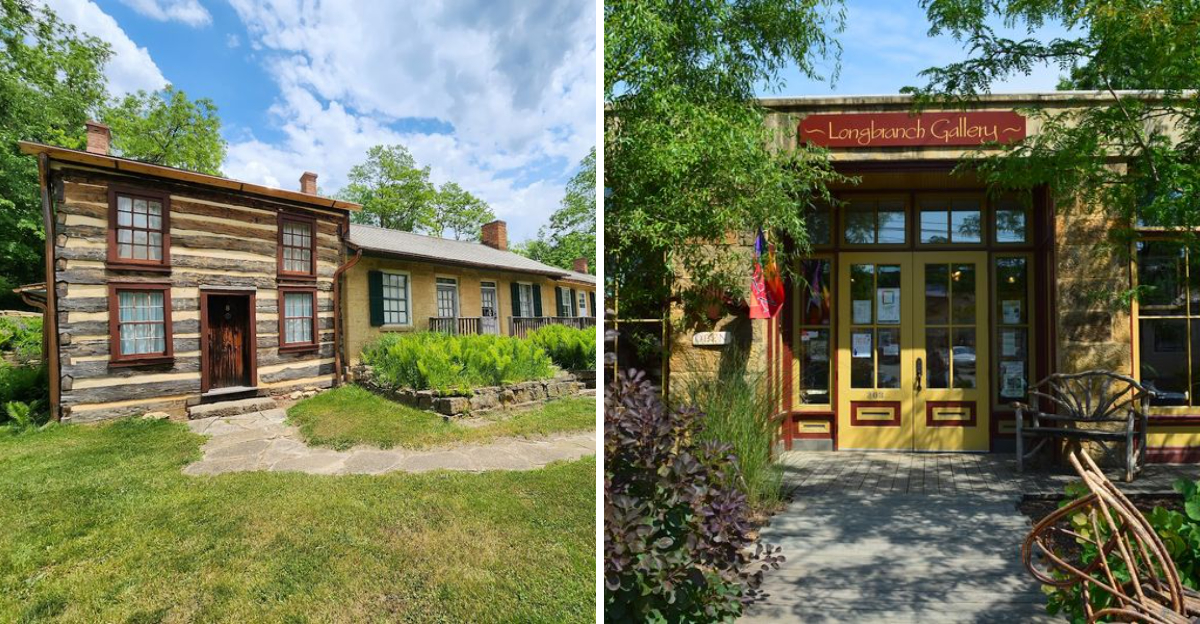
Southwestern Wisconsin has a small city where the pace slows down and the buildings seem ready to tell you their life story. Stone storefronts, quiet streets, and rolling countryside give it the feel of a weekend escape with real character.
Its roots go back to the lead mining rush of the 1820s, when Cornish immigrants helped shape the community’s look, flavour, and traditions. That history still shows up in the architecture, local heritage sites, and old-world details that make wandering here so enjoyable.
Add in art galleries, cosy shops, scenic backroads, and a calm atmosphere, and you have a place that feels perfect for anyone craving a slower, more interesting Wisconsin getaway.
It Is One Of Wisconsin’s Oldest Communities
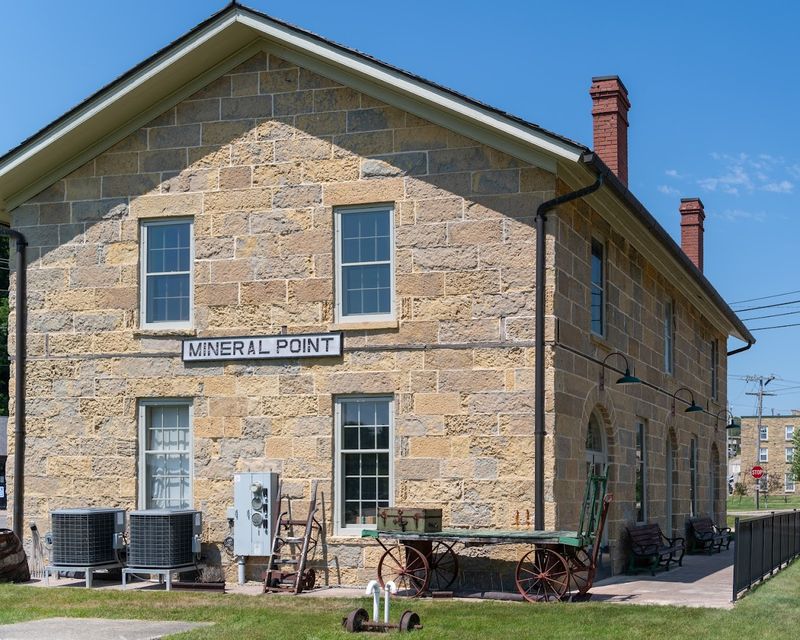
Mineral Point earned its place in Wisconsin history long before statehood arrived. Lead deposits drew prospectors and miners to this corner of Iowa County in the 1820s, making it one of the first European settlements in what would become Wisconsin.
By the time most of the state remained wilderness, Mineral Point already had commerce, housing, and a growing population.
The town developed quickly during the mining boom, attracting immigrants from Cornwall, England, who brought specialized knowledge of underground extraction. Streets took shape around the mines, and stone structures began replacing temporary shelters.
That early prosperity left a lasting imprint on the town’s layout and character.
Walking through Mineral Point today means encountering buildings that predate the Civil War. The sense of age runs deeper here than in many Wisconsin towns, visible in every weathered limestone block and hand-hewn doorway that survived generations of use and weather.
Cornish Miners Helped Shape The Town’s Early Story
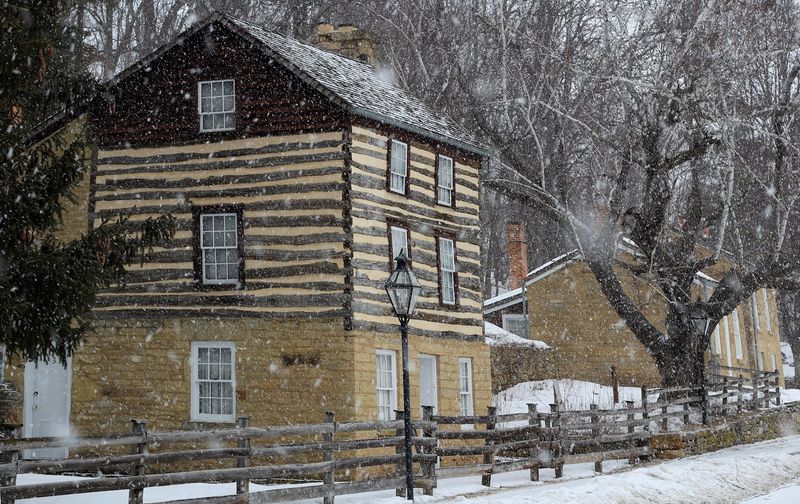
Immigrants from Cornwall arrived in Mineral Point during the 1830s, bringing skills honed in the tin and copper mines of southwestern England. They recognized the value of the local lead deposits and knew how to extract ore efficiently from underground veins.
Their expertise transformed Mineral Point from a rough frontier camp into a productive mining center.
These Cornish families built homes from the same limestone they encountered while digging shafts and tunnels. They constructed low cottages with thick walls, small windows, and steep roofs, designs suited to the climate and materials at hand.
Their neighborhoods formed tight clusters on hillsides near the mines.
The Cornish influence extended beyond architecture into food, language, and community traditions that persisted long after the mines closed. Mineral Point remains one of the few places in America where Cornish heritage shaped a town so thoroughly, leaving traces visitors can still recognize and explore.
Pendarvis Preserves Mineral Point’s Mining Past
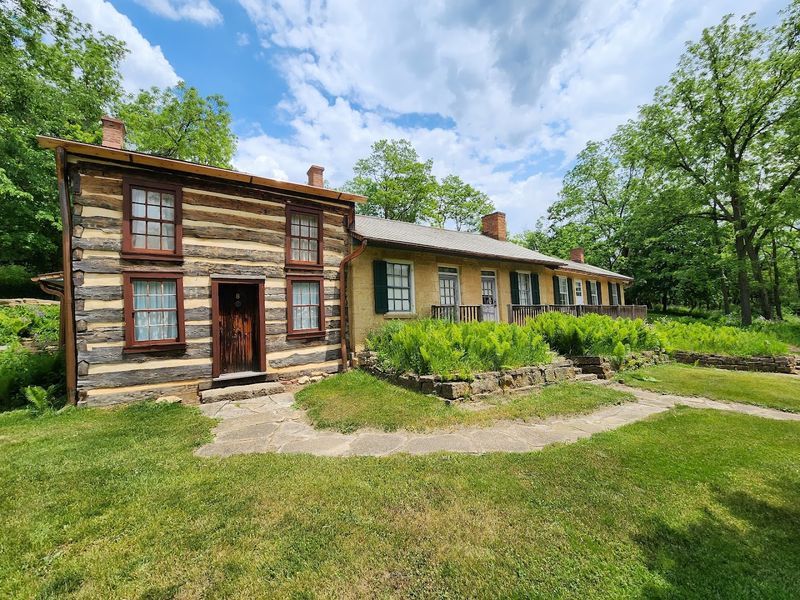
Pendarvis stands as the most complete representation of Cornish mining life in Mineral Point. This collection of restored stone cottages clings to a hillside on Shake Rag Street, each structure built by hand during the 1840s using local limestone.
The Wisconsin Historical Society maintains the site, keeping the interiors furnished as they would have appeared when miners and their families occupied these rooms.
Visitors can walk through the low doorways and cramped spaces where entire families lived, cooked, and slept after long shifts underground. The thick walls and small windows made sense in an era before central heating, helping to hold warmth during bitter winters.
Period objects and tools fill the rooms, offering tangible connections to daily routines from nearly two centuries ago.
The site takes its name from a Cornish estate, reflecting the nostalgia immigrants felt for their homeland. Guided tours provide context about mining techniques, family structures, and the challenges of frontier life in early Wisconsin.
Historic Stone Buildings Give The Town Its Signature Look
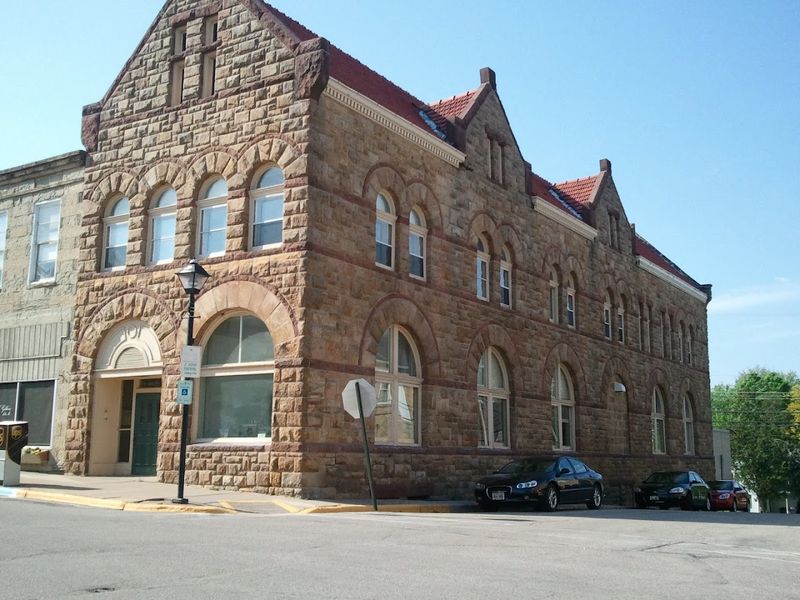
Limestone defines the visual character of Mineral Point more than any other material. Miners extracted it while digging for lead, then used the surplus stone to construct homes, shops, and public buildings that still stand throughout the downtown.
The golden-gray color of these structures creates a cohesive streetscape unlike most Wisconsin towns built with wood or brick.
Many buildings date from the 1840s through the 1860s, displaying Greek Revival and Italianate details adapted to frontier conditions. Thick walls, deep-set windows, and simple proportions give the structures a solid, unpretentious appearance.
Time has softened edges and weathered surfaces, adding texture without diminishing structural integrity.
The concentration of original stone architecture earned Mineral Point recognition as a historic district. Walking any street in the center reveals how thoroughly the building material shaped the town’s identity, creating an atmosphere that feels transported from another century while remaining fully functional in the present.
Shake Rag Alley Adds An Artsy Side To The Weekend
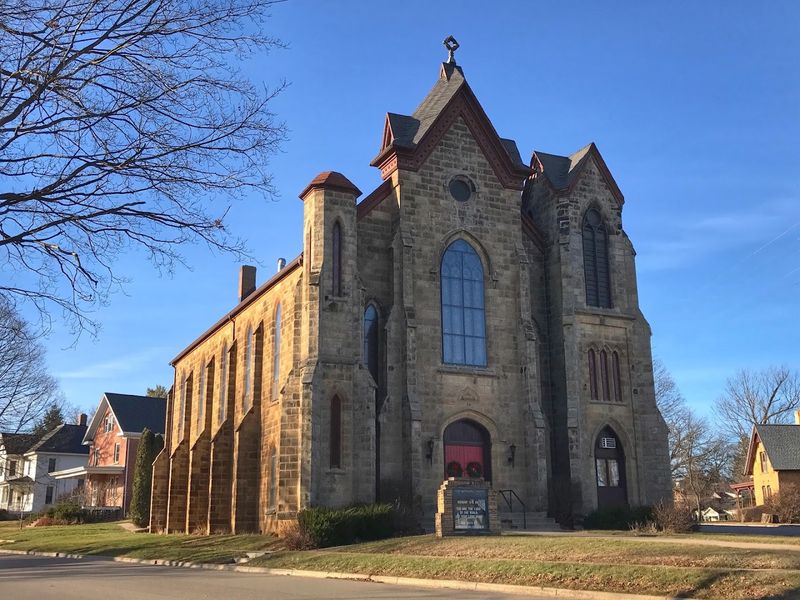
Shake Rag Alley occupies a cluster of 19th-century stone buildings that once housed miners and their families. The name comes from a local legend about wives waving dish towels to call their husbands home for meals.
Today these same structures hold artist studios, galleries, and workshops where visitors can watch craftspeople work in pottery, fiber arts, painting, and metalwork.
The transformation from working-class neighborhood to arts district happened gradually over several decades. Artists recognized the appeal of the stone buildings and affordable spaces, moving in to establish studios that honored the structures while adapting them for creative work.
The result feels organic rather than manufactured, avoiding the slick presentation of purpose-built arts centers.
Visitors can browse finished pieces, talk with artists about their processes, and sometimes participate in hands-on workshops. The setting adds dimension to the experience, connecting contemporary creativity with the manual labor that originally filled these rooms and yards.
The Downtown Is Made For Slow Wandering
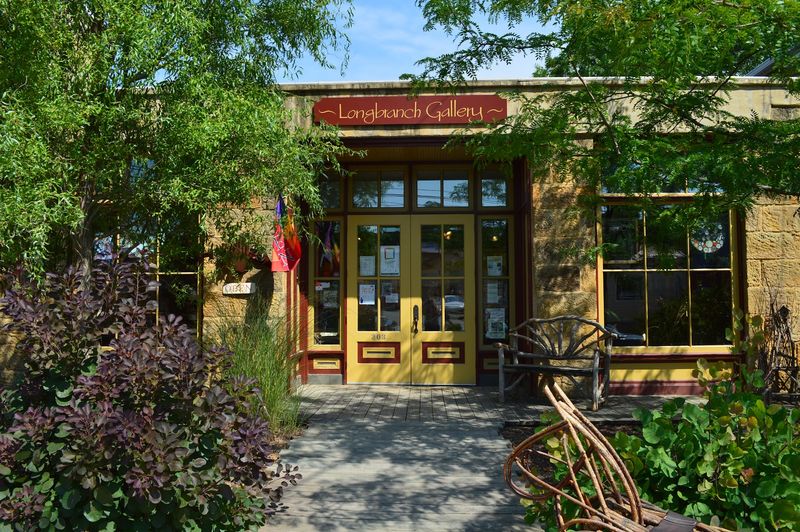
Mineral Point’s downtown covers just a few blocks, small enough to explore on foot without feeling rushed or overwhelmed. High Street and Commerce Street form the commercial heart, lined with antique shops, cafes, specialty stores, and service businesses housed in original stone and brick buildings.
Traffic moves slowly, parking appears readily, and sidewalks remain uncrowded even on pleasant weekends.
The scale encourages pausing to examine window displays, read historical markers, and notice architectural details that might go unnoticed in a busier environment. Shop owners often stand outside their doors, ready to chat about inventory or local history.
The rhythm feels unhurried, matching the weekend escape pace the town naturally supports.
Benches appear at intervals along the sidewalks, placed where afternoon sun warms the stone facades. Small parks and green spaces break up the blocks, providing spots to rest between stops.
The downtown rewards slow movement and attention, revealing layers of character that quick visits would miss entirely.
Local Galleries Give The Town A Creative Spark
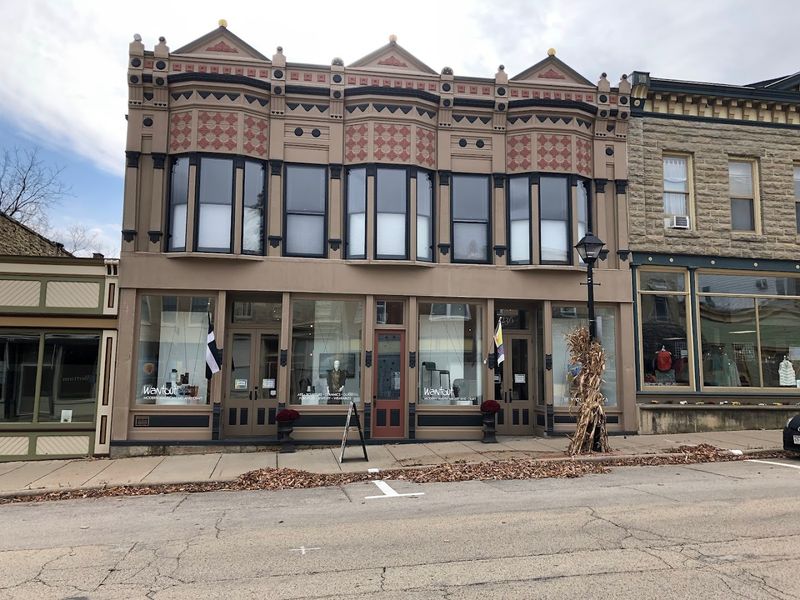
Mineral Point supports a surprising number of galleries for a town of fewer than 3,000 residents. These spaces occupy storefronts and converted buildings throughout the downtown, displaying work by regional and national artists in various media.
Paintings, sculpture, ceramics, jewelry, and mixed-media pieces fill the rooms, offering quality that extends beyond typical tourist-town offerings.
Several galleries focus on Wisconsin artists, providing exposure for talented makers who might otherwise struggle to find exhibition space outside Milwaukee or Madison. Others bring in work from farther away, creating variety that keeps regular visitors returning to see new shows.
The intimate scale of most galleries allows for close viewing and conversation with staff who know the artists and their work.
Gallery owners often live in Mineral Point, drawn by affordable space and the established arts community. Their presence adds intellectual energy to the town, attracting visitors who value art and supporting a cultural scene that punches above the town’s small population.
Cornish Pasties Add A Taste Of The Town’s Heritage
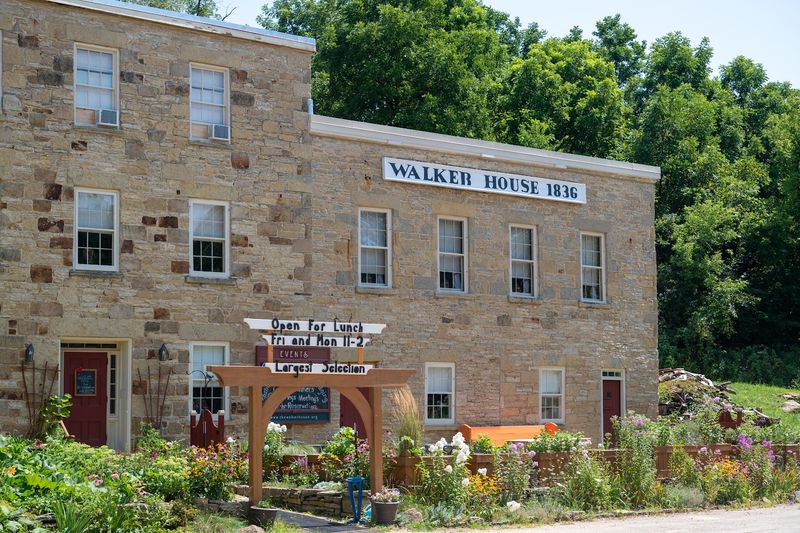
Cornish pasties remain the signature food of Mineral Point, a direct inheritance from the mining families who made them daily. These hand pies consist of meat, potatoes, and vegetables enclosed in a sturdy pastry crust crimped along one edge.
Miners carried them underground for lunch, holding the crimped edge with dirty hands and eating the rest, then discarding the handled portion.
Several restaurants in Mineral Point serve pasties made according to traditional recipes, though modern versions use the entire crust. The filling varies slightly between establishments, but most include beef, potato, rutabaga, and onion seasoned simply with salt and pepper.
The result tastes hearty and satisfying, designed for manual labor but equally suited to a weekend lunch.
Red Lion Pub and Brewery occupies a historic building and specializes in Cornish food alongside locally brewed beer. Eating a pasty in Mineral Point connects visitors to the town’s history through taste, making heritage tangible in a way that tours and museums cannot quite match.
The Driftless Area Gives Mineral Point Its Scenic Setting
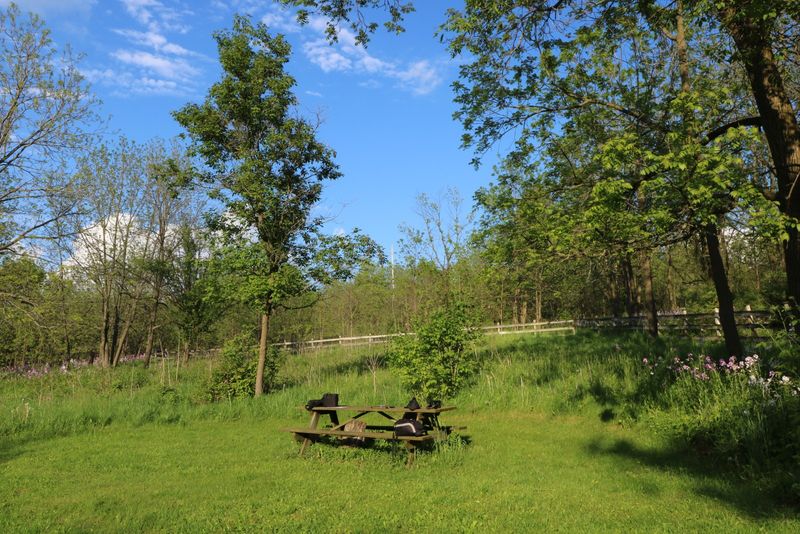
Mineral Point sits within the Driftless Area, a region of southwestern Wisconsin that glaciers bypassed during the last ice age. Without the flattening and smoothing effects of glacial movement, the landscape retained its original topography of steep hills, deep valleys, limestone bluffs, and winding streams.
The result looks dramatically different from the flat agricultural plains that cover much of the state.
Driving any direction out of Mineral Point reveals this distinctive terrain. Roads curve along ridgelines and drop into hollows, passing through wooded slopes and open farmland that follows the contours of the land.
The views shift constantly, offering long vistas from hilltops and enclosed intimacy in the valleys.
The Driftless Area supports diverse plant and animal communities, with microclimates created by the varied topography. Visitors interested in hiking, photography, or simply scenic drives find the landscape around Mineral Point endlessly engaging, providing natural beauty that complements the town’s built heritage.
Historic Lodging Makes The Weekend Feel More Memorable
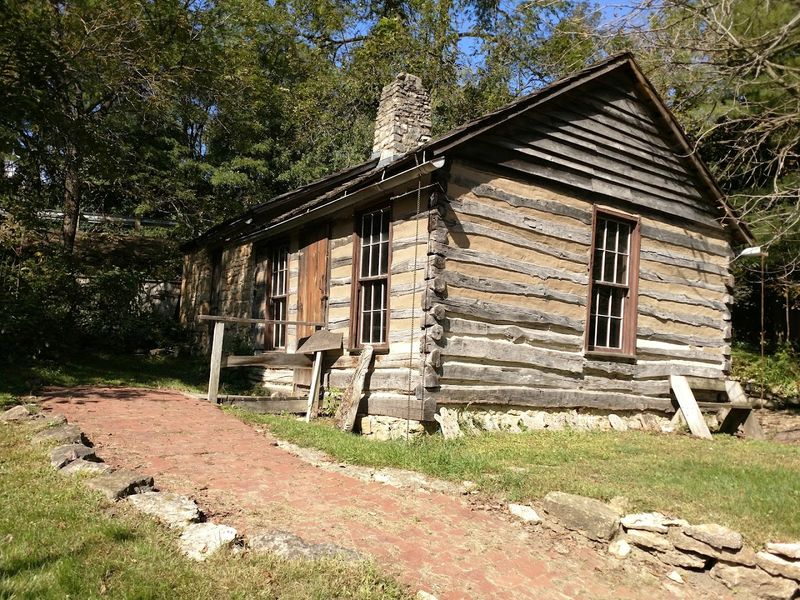
Several bed and breakfasts in Mineral Point operate from restored historic buildings, allowing visitors to sleep in structures that date back to the mining era. These accommodations range from stone cottages to larger Victorian homes, each furnished with period pieces and modern comforts balanced to respect the architecture.
Staying in these places deepens the sense of connection to the town’s past.
Proprietors often share stories about their buildings during breakfast or evening conversations, adding personal context to the experience. Rooms feature thick walls, original woodwork, and windows that frame views of the surrounding historic district.
The scale feels intimate and human, far removed from standardized hotel rooms.
Booking historic lodging turns a weekend visit into something more immersive than typical tourism. Waking in a stone cottage on a quiet Mineral Point morning, with sunlight warming old walls and birds calling from nearby trees, creates memories that outlast the stay itself and encourages return visits.