
You’ll Never Forget Your First Visit To This Magical Botanical Garden In Tennessee
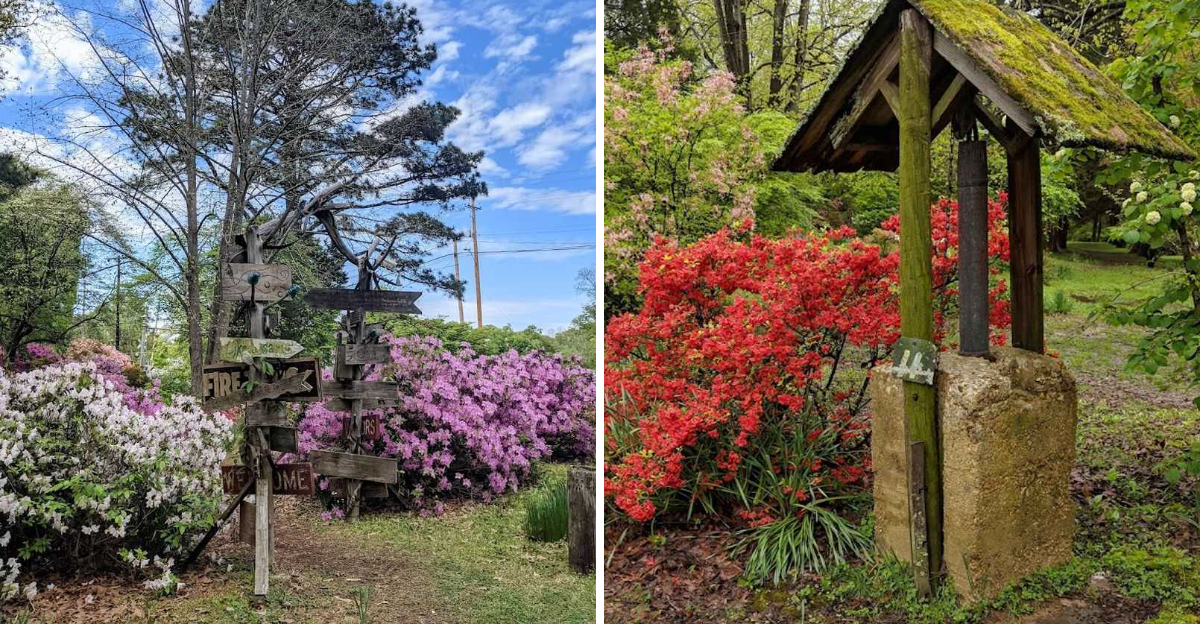
Some places just stay with you. Long after you leave, long after the drive home, long after you think you have moved on.
Tennessee is full of surprises, but this one hits differently.
A botanical garden so beautiful, so alive, so completely overwhelming in the best way that first visit feels less like a trip and more like a memory you will carry forever.
The colors stop you cold. The paths pull you deeper.
And before you know it, an hour has passed and you have not checked your phone once. That almost never happens anymore.
Families come and leave speechless. Solo visitors come and leave emotional. First timers always say the same thing – why did I wait so long? You will say it too.
Plan the visit. Just go.
A Historic Home That Has Stood Since 1854
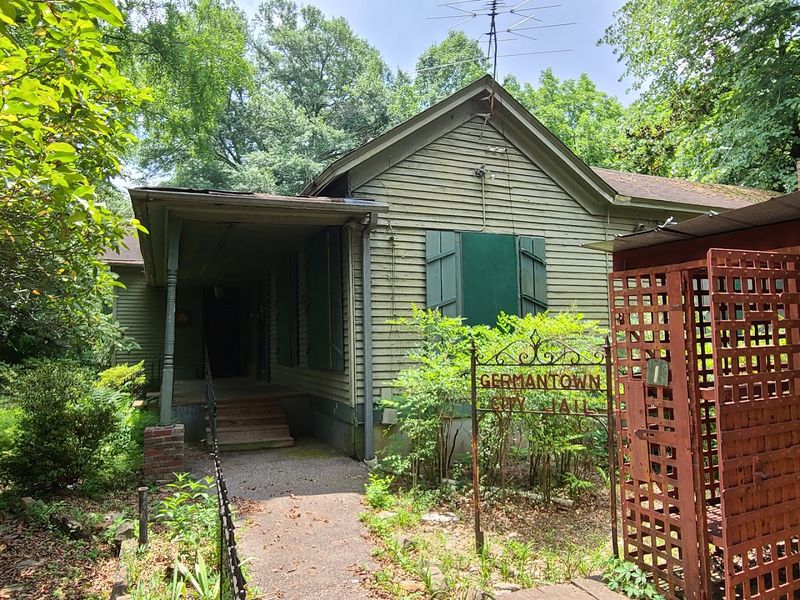
Long before Germantown became a modern suburb, a man named William Carter built a home on this land in 1854. That house still stands today, and walking past it feels less like visiting a park and more like seeing a chapter of local history that most people never get to read.
The structure has a quiet dignity about it. Its age shows not in decay but in character, the kind that only comes from surviving generations of change.
When Fritz Hussy and Mamie Cloyes purchased the property in 1918, they gave it the name it carries to this day.
Visitors often walk right past the house without realizing how significant it is. Taking a moment to stop and look at it changes the entire experience of the garden.
The building was listed on the National Register of Historic Places in 2018, a recognition that confirms what any curious visitor can sense on arrival. History here is not behind glass.
It is right in front of you, open to the sky, and completely free to explore.
Over 300 Varieties Of Daffodils Worth Seeing
Mamie Cloyes started planting daffodils in 1924, and what began as a personal passion eventually grew into something extraordinary.
Today, the garden holds over 300 varieties of daffodils spread across approximately two acres, making it one of the most impressive daffodil collections in the entire region.
Seeing them in peak bloom is the kind of experience that stays with you.
The range of colors, shapes, and sizes across those acres creates a visual rhythm that changes as you move through the space.
Some varieties are familiar and cheerful. Others are unusual enough to make you pause and look twice.
Spring is the obvious time to visit for the daffodils, and many regular visitors plan their trips around the bloom schedule. The flowers tend to arrive in waves, so there is rarely just one single day when everything is at its best.
Returning more than once during the season rewards the patient visitor with entirely different views. For anyone who appreciates horticulture, or simply enjoys the sight of a field full of flowers on a clear morning, this part of the garden alone justifies the trip to Oaklawn Garden.
Tennessee’s First Level Three Arboretum In Germantown
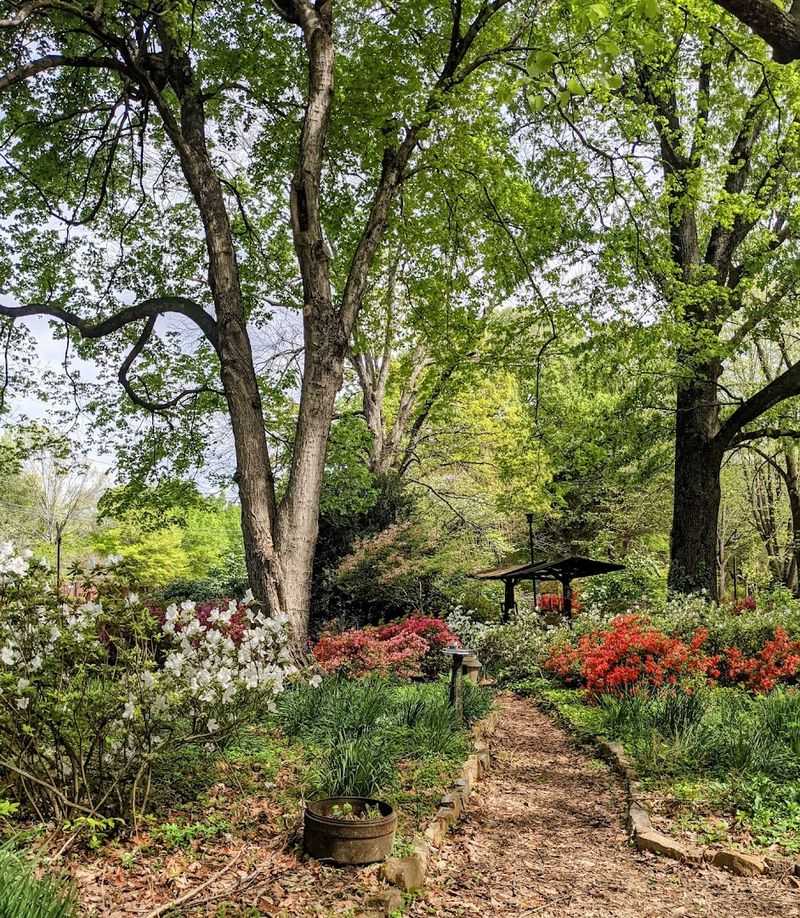
Most people visit Oaklawn Garden for the flowers, but the trees deserve equal attention.
The property is Germantown’s first Level Three arboretum, housing more than 90 species of trees across its 20 acres.
That is a remarkable concentration of botanical diversity for a public park that many locals still do not know exists.
Indigenous trees and shrubs throughout the grounds include boxwood, oak, and birch, among many others. What makes this particularly useful for visitors is that many of the trees carry identification markers, turning a casual walk into an informal education.
You do not need to be a botanist to appreciate the variety. You just need to slow down and read the signs.
The arboretum designation is not just a title. It reflects a commitment to preservation and documentation that gives the garden a more serious and lasting purpose.
Families with children find this aspect especially engaging, since kids tend to respond well to the idea of identifying real trees by name. Adults often find it equally absorbing.
Few urban parks in Tennessee offer this level of botanical depth alongside the kind of relaxed, unpressured atmosphere that Oaklawn Garden consistently delivers.
Azaleas That Transform The Garden Every April
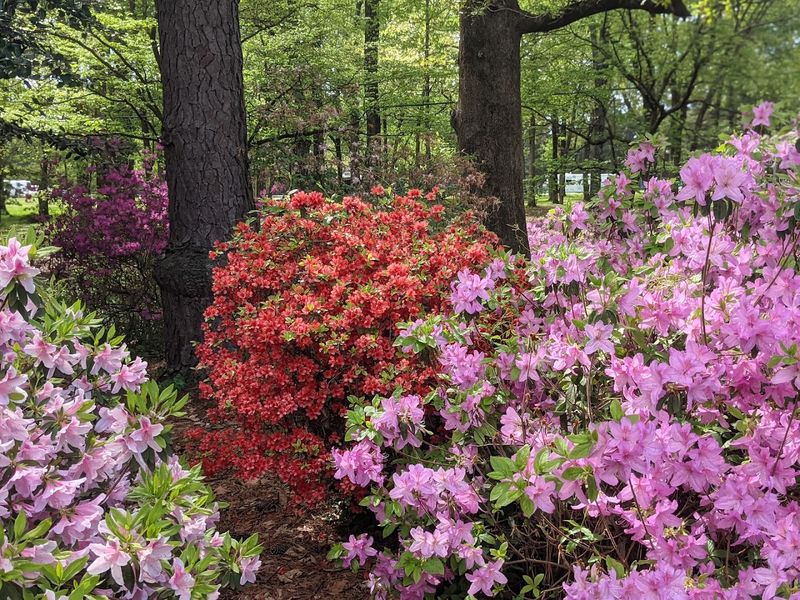
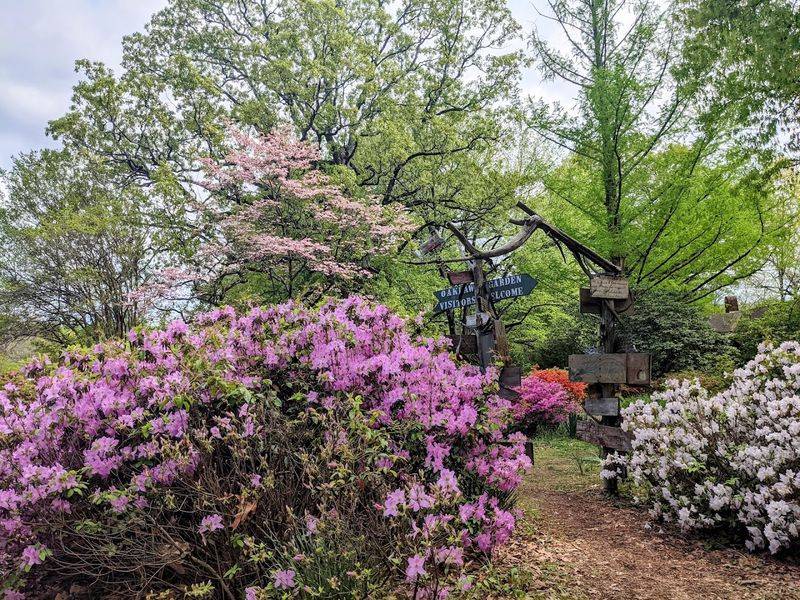
Ask any longtime visitor when to come to at 7831 Poplar Pike, and the answer is almost always the same: the first two weeks of April. That is when the azaleas bloom, and the transformation they bring to the garden is dramatic enough to feel almost theatrical.
The color shifts from the muted greens of early spring to something far more vivid and alive.
Azaleas have a way of making a place look curated even when the rest of the grounds retain their natural, unhurried appearance.
At Oaklawn Garden, the contrast between the wild informality of the landscape and the concentrated bursts of azalea color is part of what makes the experience so visually satisfying.
Photographers tend to arrive early in the morning when the light is soft and the crowds are thin.
Reviews from regular visitors consistently mention the azaleas as the highlight of any spring visit. One long-time guest described the sight as truly outstanding beauty.
That is high praise, but it is hard to argue with once you have seen the garden at its April peak. Plan accordingly, bring a camera, and give yourself enough time to walk the full grounds rather than rushing through for a quick look.
Outdoor Museum Artifacts That Bring Local History To Life
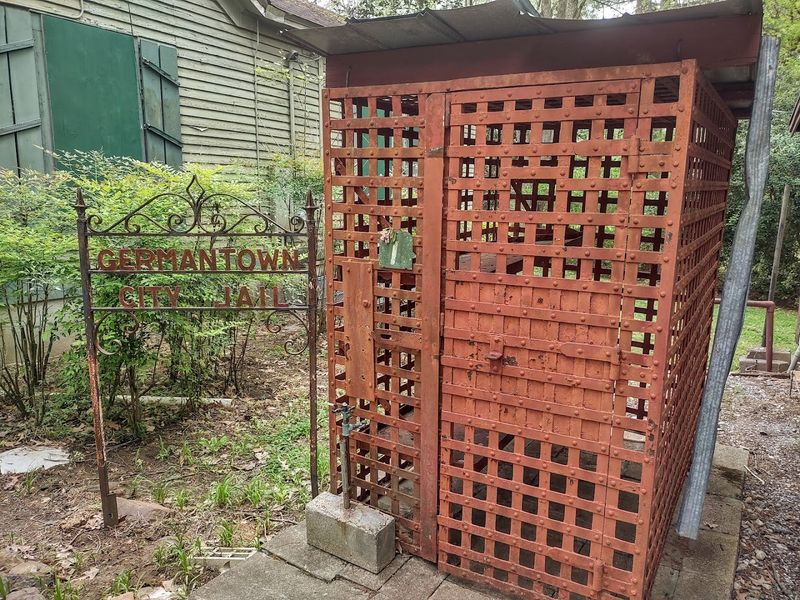
Sometime around 1975, Oaklawn Garden began collecting historic objects relevant to the cultural and commercial life of Germantown and the surrounding area.
What started as a modest outdoor display has grown into a genuinely fascinating collection of artifacts that rewards careful exploration on foot.
Among the items on display are historic pumps, old farm equipment, vintage street lights, and Germantown’s original jail cell. Each piece carries its own story, and together they form a picture of daily life in a Tennessee community that looked very different a century ago.
The collection is spread across the grounds rather than concentrated in one spot, which encourages wandering rather than a linear tour.
For families, the outdoor museum works particularly well because it gives children something concrete to look at and ask questions about. For adults with an interest in local history, it provides context that the natural beauty of the garden alone cannot offer.
Picking up a self-guided tour brochure on arrival helps visitors connect names and dates to the objects they encounter.
The combination of botanical garden and outdoor history museum is unusual enough to set Oaklawn Garden apart from every other public green space in the Memphis metropolitan area.
A 1944 Norfolk And Western Caboose On The Grounds
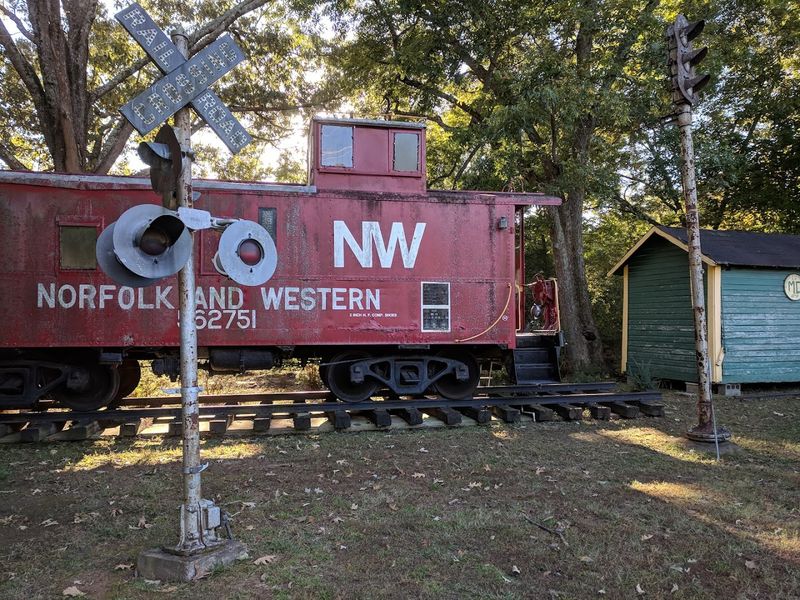
Standing near the railroad artifacts at Oaklawn Garden, it is easy to forget that you are in the middle of a botanical garden.
The 1944 Norfolk and Western caboose is one of the most visually striking objects on the property, and it draws attention from visitors the moment they spot it through the trees.
Railroad history is deeply woven into the story of Germantown, and the caboose serves as a physical reminder of that connection.
Alongside it sits a Southern Railway boxcar dating to either 1889 or 1891, making the railroad section one of the oldest and most historically significant parts of the entire exhibit.
Both pieces are weathered in the way that genuine antiques tend to be, which only adds to their appeal.
Children are predictably fascinated by the train cars, and parents often find themselves equally absorbed once they start reading the surrounding information. Rail enthusiasts visiting the Memphis area sometimes make a specific trip to Oaklawn Garden just to see this collection.
The fact that it sits within a working botanical garden, free and open to the public every day from 6 AM to 7 PM, makes it one of the better-kept surprises in the region.
Peaceful Pathways Perfect For Quiet Morning Walks
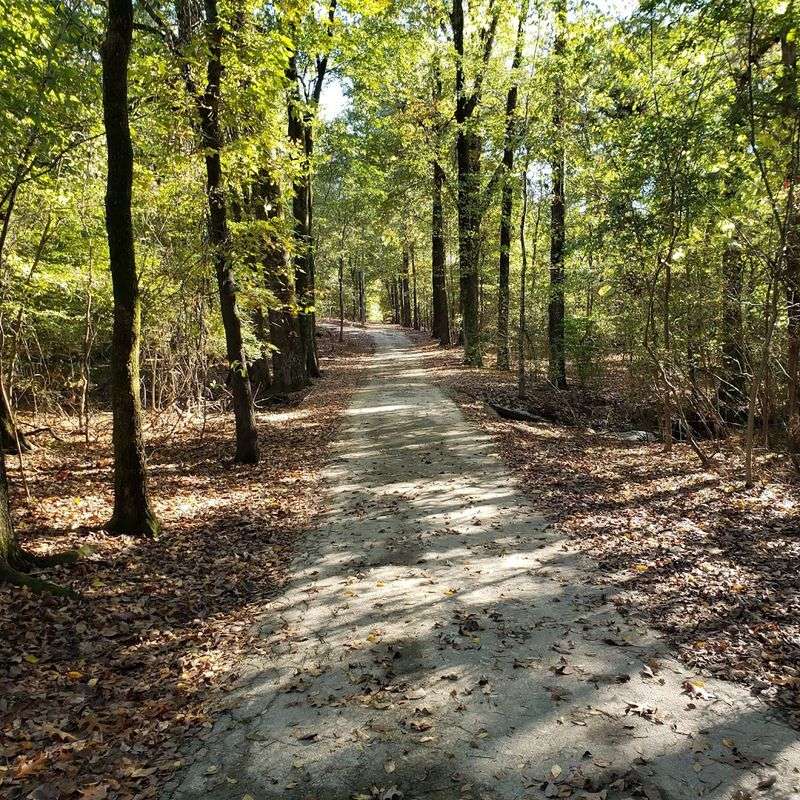
There are no paved walkways at Oaklawn Garden, and that is not an oversight. The unpaved paths give the property the feel of a private estate garden rather than a managed municipal park.
Walking through the grounds at an easy pace, with trees overhead and the sound of birds in the background, produces a kind of calm that is increasingly hard to find near a city.
The garden opens at 6 AM every day of the week, which means early risers can have the grounds almost entirely to themselves. Morning light filters through the canopy in a way that changes the appearance of the garden considerably compared to midday visits.
Regular visitors often describe the experience as meditative, and several reviewers have mentioned returning for walks on a weekly basis.
One practical note worth passing along: the unpaved paths are lovely but not easily navigable with strollers or wheelchairs. Visitors with mobility considerations may find some sections of the grounds more accessible than others.
That said, even a partial walk through the property delivers enough visual interest and atmospheric calm to make the effort worthwhile. The garden rewards those who arrive without a rigid agenda and are content to let the path take them wherever it leads.
An Indoor Museum Housed In A 1957 Florist Shop
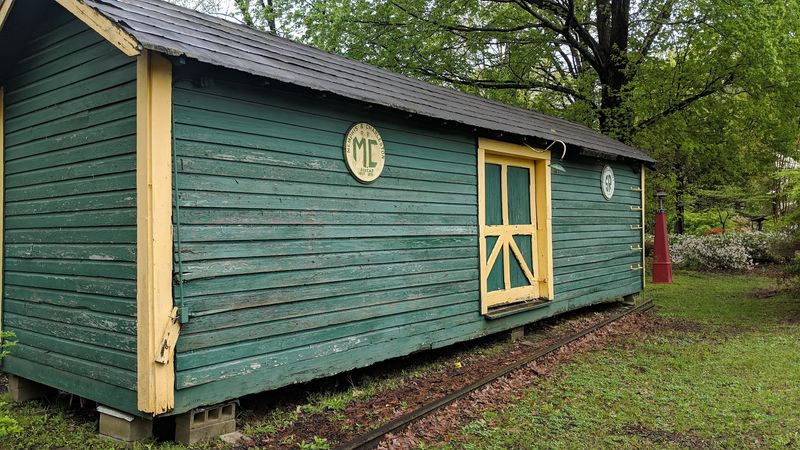
The indoor exhibit at Oaklawn Garden occupies a former florist shop built in 1957.
The building itself carries a particular mid-century charm that complements the historical nature of the collection inside. The exhibit was established around 1987 and focuses on items connected to the cultural and civic life of Germantown over the decades.
Visitors should be aware that the indoor museum has not always been consistently accessible, as some reviews note it has been closed during certain visits.
Calling ahead at +1 901-757-7375 or checking with the Germantown Parks and Recreation Department before visiting is a reasonable step.
When the indoor museum is open, it offers a more sheltered and detailed look at the community history that the outdoor collection introduces. The contrast between the open-air artifacts and the more curated indoor displays gives the overall museum experience a satisfying range.
The building itself, with its 1957 origins and florist shop history, is worth a look even from the outside. It represents yet another layer of Oaklawn Garden’s unusual identity as a place where botany, community history, and architectural preservation share the same 20-acre footprint.
Free Public Access Donated By The Cloyes Family
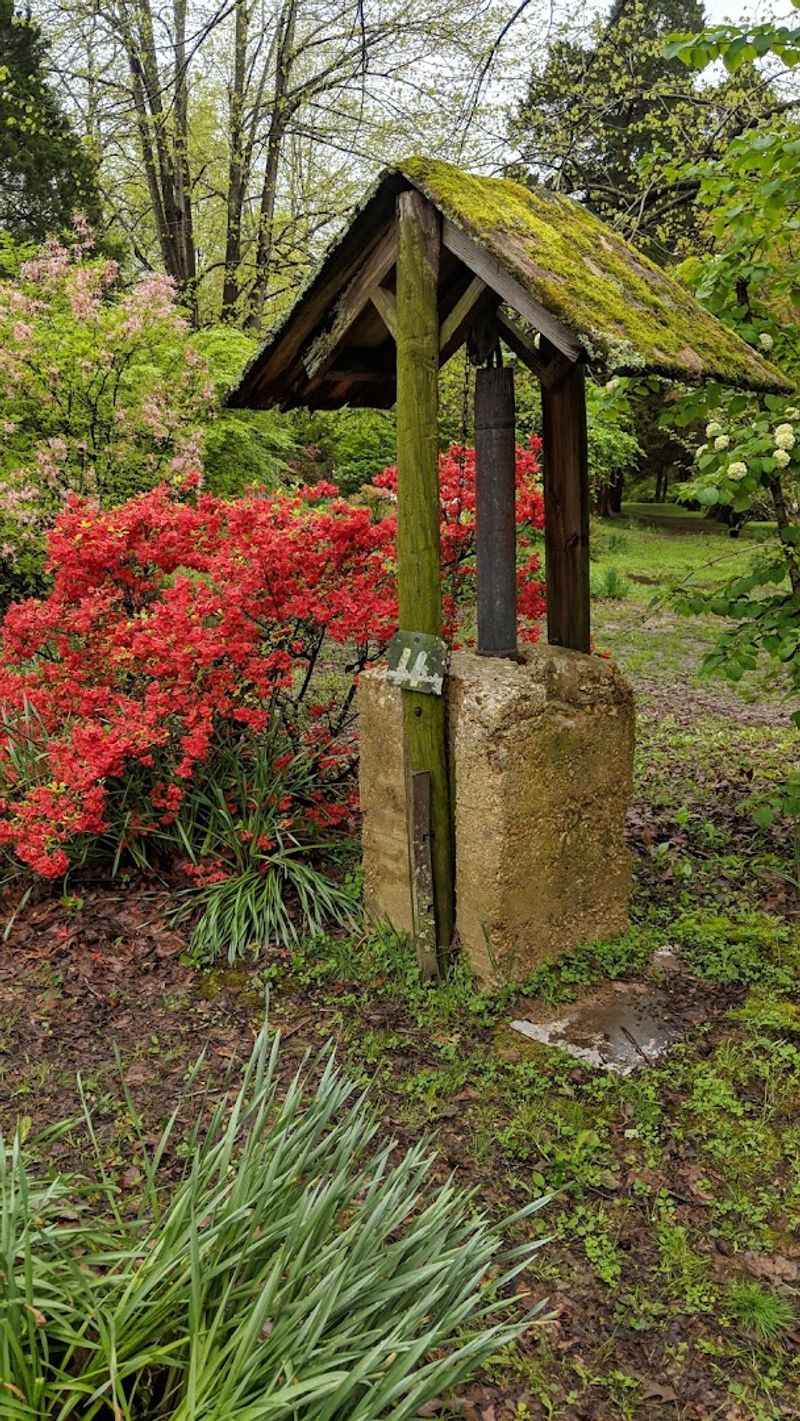
The story of how Oaklawn Garden became a public space is one worth knowing before you visit. Harry and Becky Cloyes, heirs to the property that Mamie Cloyes had so lovingly cultivated over decades, made the decision to donate the land to the City of Germantown.
Their intention was clear: they wanted it preserved as a public park, garden, and history museum for the community to enjoy freely.
That generosity is visible in every corner of the property. There is no admission fee, no ticket booth, and no commercial overlay to distract from the experience.
Donations are welcome and genuinely appreciated by the Germantown Parks and Recreation Department, which now oversees the grounds.
The garden is open seven days a week from 6 AM to 7 PM, and its accessibility makes it an easy destination for spontaneous visits as well as planned outings.
Knowing that a family chose to give this place away rather than develop or sell it adds a layer of meaning to any visit. The 20 acres exist in their current form because of a specific act of civic generosity.
That context makes the garden feel less like a municipal amenity and more like a gift, which in every meaningful sense, it is.
Wildlife Sightings And Natural Surprises Along The Way
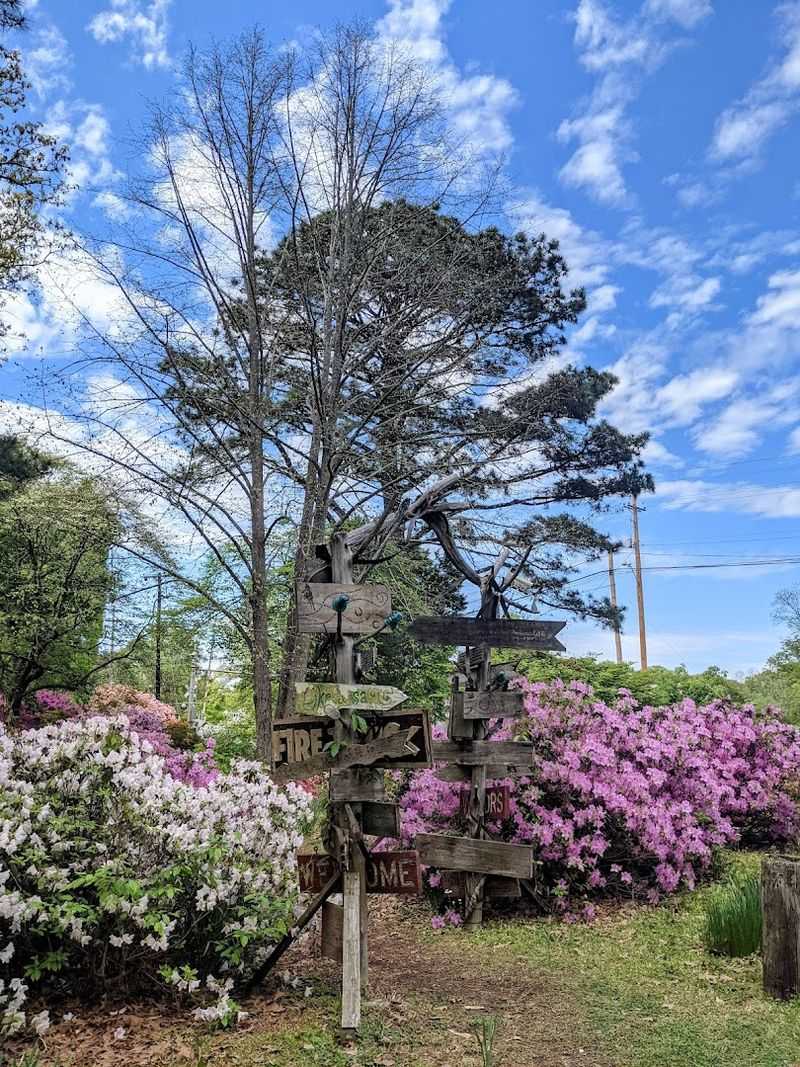
Not every surprise at Oaklawn Garden comes with a label or a historical date. Some of them move on four legs.
Visitors have reported encountering deer on the grounds, an experience that feels genuinely unexpected in a suburban garden setting.
The natural character of the landscape, with its unpaved paths, native plantings, and relatively undisturbed wooded sections, creates the kind of habitat that draws wildlife. Birds are a constant presence throughout the grounds.
The variety of indigenous trees and shrubs supports a broader ecosystem than a more manicured park would allow. The garden feels less managed and more organic than most public green spaces, which is precisely what gives it this quality.
For families visiting with children, the possibility of a wildlife encounter adds an element of genuine adventure to what might otherwise be a straightforward garden walk. There are no guarantees, of course, but that is part of the appeal.
The garden does not promise spectacle.
It offers space, quiet, and the kind of unhurried discovery that reminds you why some places are worth returning to again and again, across every season of the year.