
9 Beautiful Wisconsin Farms That Feel Perfect For A Spring Day Trip
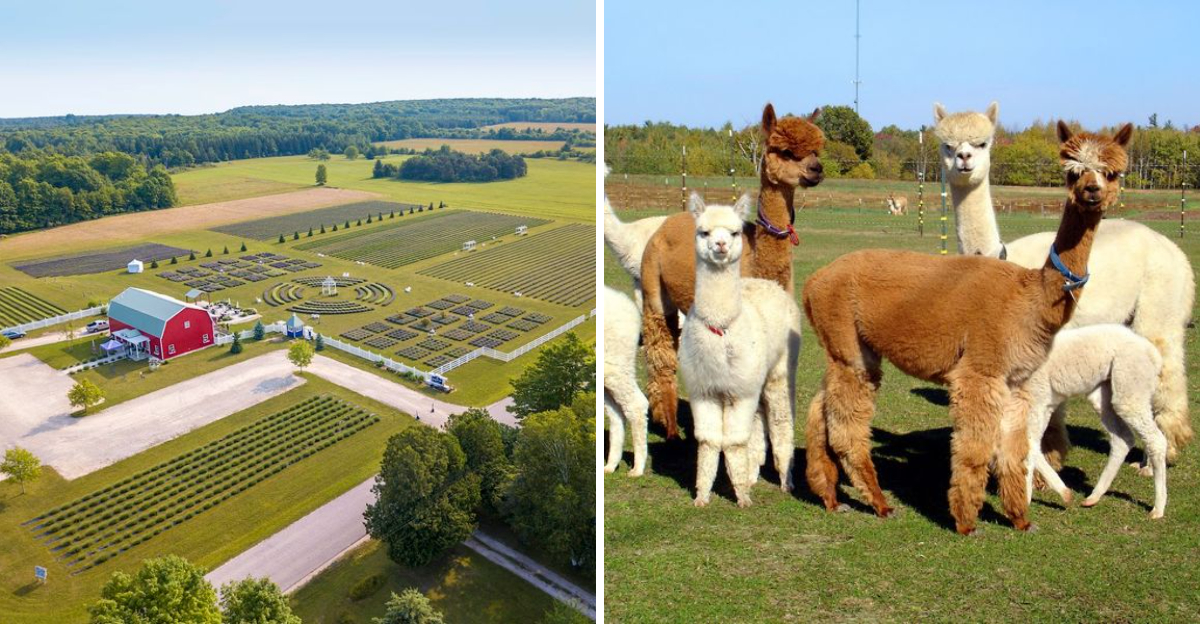
Spring has a way of making country roads feel extra inviting, especially in Wisconsin. The air softens, flowers start showing off, and farm animals add the kind of cheerful chaos that makes a day trip feel instantly lighter.
Across the state, working farms and rural attractions welcome visitors who want fresh air, pretty views, and something more memorable than another routine weekend. You might wander past lavender, meet alpacas, browse farm shops, or learn how local agriculture shapes everyday life.
The appeal is simple: slow down, breathe deeper, and enjoy places where the scenery does half the entertaining for you. Ready for a spring outing that feels wholesome without being boring These Wisconsin farms make the countryside feel fun again.
1. New Life Lavender & Cherry Farm, Baraboo
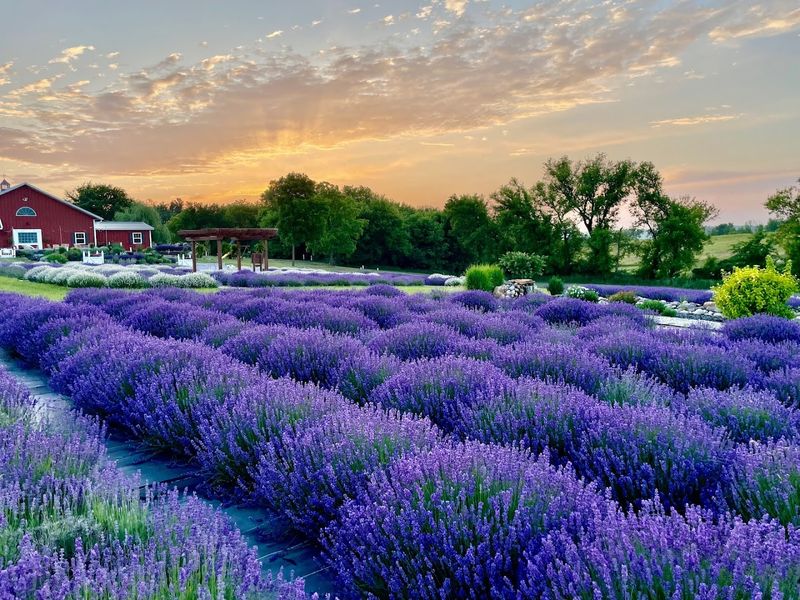
Purple waves of lavender stretch across the hills near Baraboo, creating one of the most photogenic farm experiences in southern Wisconsin. New Life Lavender & Cherry Farm invites you to wander through fragrant fields where the scent alone makes the drive worthwhile.
Spring marks the beginning of growing season, and watching the plants come to life after winter feels like witnessing a small miracle.
The farm grows multiple lavender varieties alongside cherry trees, creating a unique combination you won’t find at typical Wisconsin farms. You can pick your own cherries when they ripen later in the season, but spring visits focus on the lavender fields and farm store.
The owners share their knowledge about lavender cultivation and its many uses, from cooking to crafts.
Inside the farm store, you’ll find lavender-infused products including soaps, lotions, and culinary items made right on the property. The peaceful atmosphere makes this spot ideal for a quiet afternoon away from crowds.
Bring your camera because the landscape shots practically take themselves.
Located just minutes from Devil’s Lake State Park, you can easily combine your farm visit with hiking or picnicking. The combination of natural beauty and agricultural charm creates a spring day trip that satisfies multiple interests at once.
2. Hinchley’s Dairy Farm Tours, Cambridge
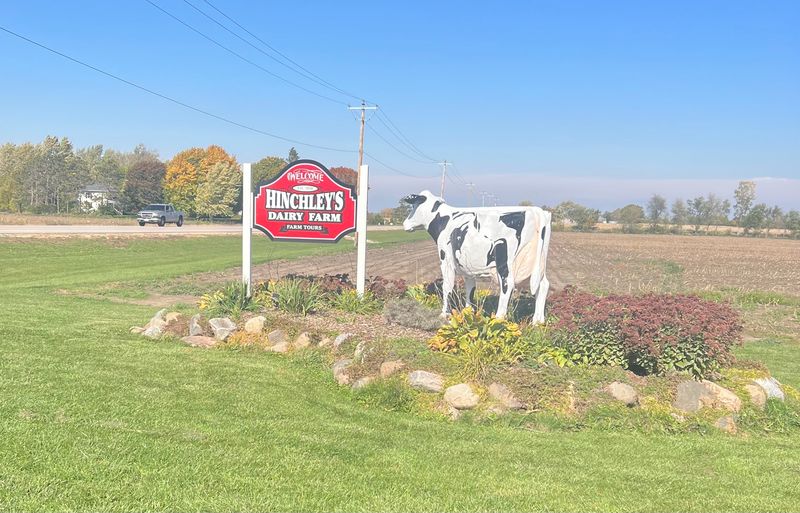
Real working dairy farms rarely open their operations to the public, which makes Hinchley’s Dairy Farm Tours something special. Located near Cambridge, this family-run operation lets you see exactly where milk comes from and how modern dairy farming works.
Spring brings baby calves, which steal the show and make every visitor smile.
The guided tours take you through the entire milking process, from the barn to the milk tank. You’ll meet the cows, learn their individual personalities, and discover how much care goes into producing quality milk.
The farmers answer questions honestly and share both the joys and challenges of dairy life.
Kids especially love seeing newborn calves stumbling on wobbly legs and drinking from bottles. The hands-on experience teaches lessons about food sources and agriculture that no classroom can match.
Adults appreciate the transparency and dedication the family brings to their work.
Tours run by appointment, so call ahead to schedule your visit. Wear boots or shoes you don’t mind getting dirty since you’ll be walking through working farm areas.
The authentic experience might inspire you to think differently about where your food comes from.
Cambridge sits close to Madison, making this an easy day trip from the capital city. Combine your farm visit with lunch at a local restaurant to support the rural community.
3. Fragrant Isle Lavender Farm, Washington Island
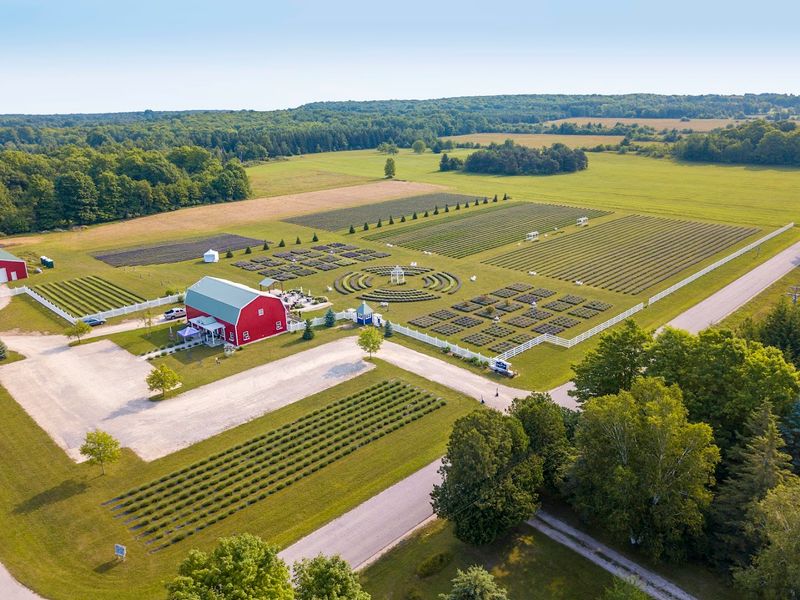
Getting to Washington Island requires a ferry ride, which immediately transforms your farm visit into an adventure. Fragrant Isle Lavender Farm sits on this remote island surrounded by Lake Michigan, offering a destination that feels worlds away from mainland Wisconsin.
The journey across the water sets the tone for a day focused on slowing down and enjoying simple pleasures.
Spring arrives later on the island than on the mainland, but that timing works perfectly for visitors seeking fresh blooms when other areas have moved past peak season. The farm features lavender fields alongside other herbs and flowers that thrive in the island’s unique microclimate.
Walking through the rows, you’ll understand why the owners chose this location for their growing operation.
The farm shop showcases island-made lavender products including essential oils, sachets, and baked goods that incorporate the aromatic herb. Many visitors combine their farm stop with other island attractions like beaches, art galleries, and historic sites.
The small-town atmosphere and friendly locals make every visitor feel welcomed.
Plan extra time for your visit since ferry schedules limit your flexibility. Pack a picnic to enjoy on the farm grounds or at one of the island’s scenic spots.
The isolation and beauty create memories that last long after you return to the mainland.
4. The Farm In Door County, Sturgeon Bay
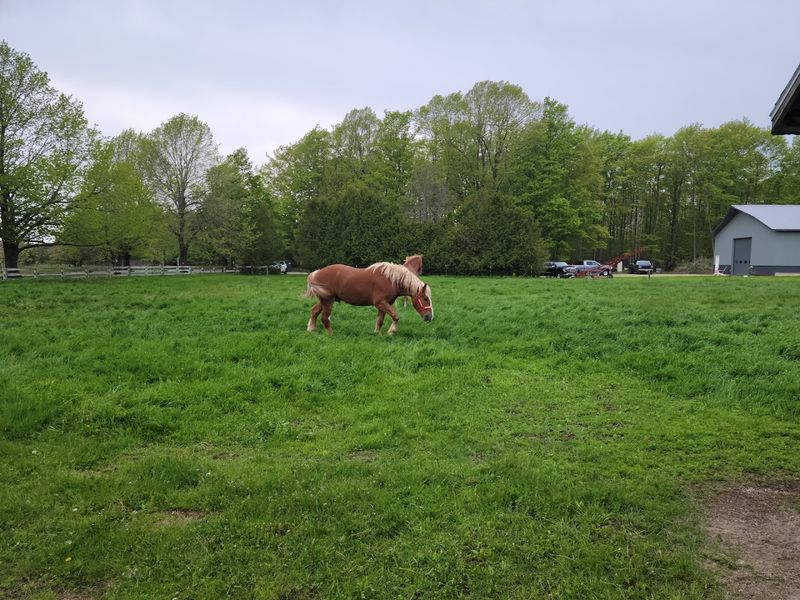
Door County draws summer tourists by the thousands, but spring offers a quieter time to explore this popular peninsula. The Farm in Sturgeon Bay combines a working farm with a market, cafe, and event space that celebrates local agriculture.
Arriving in spring means watching the gardens wake up and the greenhouse overflow with seedlings.
The property includes vegetable gardens, flower beds, and farm animals that roam the grounds. You can browse the market for fresh produce, artisan foods, and handmade crafts from local makers.
The cafe serves farm-fresh meals using ingredients grown right outside, giving new meaning to farm-to-table dining.
Spring workshops teach skills like seed starting, composting, and garden planning for home gardeners. The relaxed atmosphere encourages lingering over coffee while watching chickens peck around the yard.
Children enjoy the open spaces and animal encounters that make farming feel accessible and fun.
The Farm hosts seasonal events including plant sales where you can buy starts for your own garden. The owners’ passion for sustainable agriculture and community building shows in every detail.
Their commitment to education makes this more than just a pretty place to visit.
Sturgeon Bay’s downtown sits minutes away, offering galleries, shops, and waterfront views. A spring day trip combining The Farm with downtown exploration showcases Door County beyond its summer crowds.
5. Eagle Eye Farm, River Falls
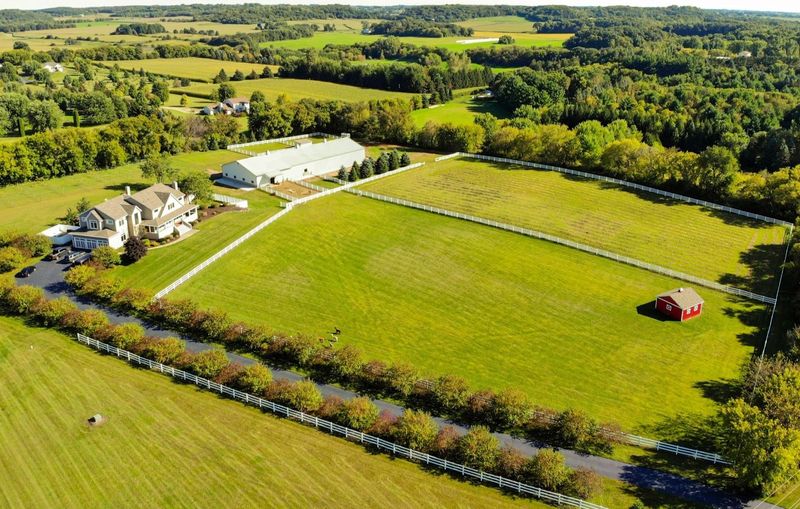
Western Wisconsin’s rolling terrain provides the backdrop for Eagle Eye Farm, an organic operation near River Falls. This certified organic farm grows vegetables, herbs, and flowers using sustainable practices that protect the land for future generations.
Spring visits reveal the intense preparation that goes into a successful growing season.
The farmers welcome visitors who want to understand organic agriculture beyond grocery store labels. You’ll see compost piles, cover crops, and beneficial insect habitats that replace chemical inputs.
The dedication to soil health and biodiversity creates a farm ecosystem that functions naturally.
Community Supported Agriculture members pick up weekly produce shares throughout the growing season, but spring visits focus on learning rather than harvesting. The farm occasionally offers work-share opportunities where volunteers help with planting in exchange for produce or farm knowledge.
Getting your hands dirty connects you to food production in ways that shopping never can.
River Falls, home to a University of Wisconsin campus, offers college-town amenities including coffee shops and breweries. The Kinnickinnic River runs through town, providing scenic walking paths and fishing spots.
Combining farm and town visits creates a well-rounded day trip.
Spring weather in western Wisconsin can be unpredictable, so dress in layers and prepare for muddy conditions. The farm’s commitment to environmental stewardship might inspire changes in your own gardening or shopping habits.
6. Sabamba Alpaca Ranch, De Pere
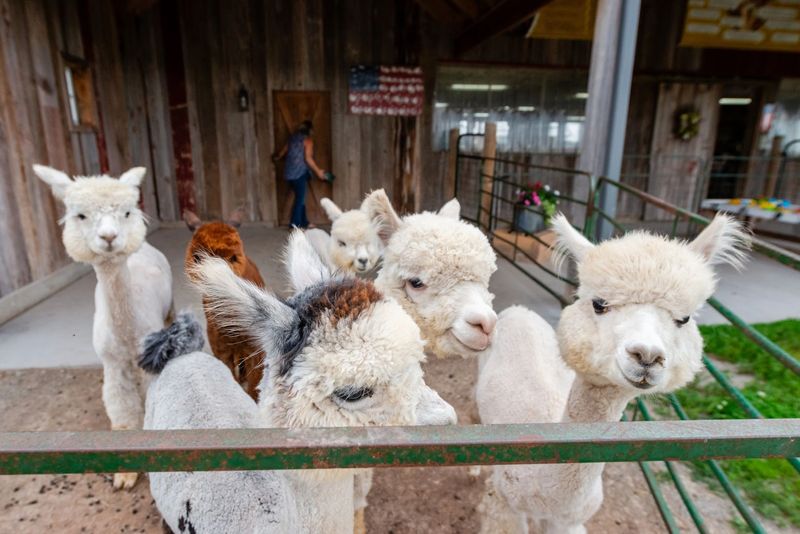
Alpacas possess an undeniable charm that makes them Instagram favorites and visitor magnets. Sabamba Alpaca Ranch near De Pere raises these South American camelids for their luxurious fiber and friendly dispositions.
Spring brings baby alpacas called crias, and their adorable antics provide entertainment for hours.
The ranch offers farm tours where you can meet the herd, learn about alpaca care, and understand fiber production from shearing to finished products. These animals have distinct personalities, and the owners know each one by name.
Watching alpacas interact with each other reveals their social nature and quirky behaviors.
The ranch store sells alpaca fiber products including yarn, socks, scarves, and blankets that showcase the fiber’s softness and warmth. Many items are made from fiber produced by the ranch’s own animals, creating a direct connection between the alpacas you meet and the products you can purchase.
The quality surpasses mass-produced alternatives.
De Pere sits just south of Green Bay, making the ranch accessible for day trippers from northeastern Wisconsin. The area offers additional attractions including historic downtown De Pere and the Fox River Trail.
Spring weather makes outdoor exploring comfortable without summer’s heat and humidity.
Call ahead to confirm tour availability and times. The hands-on experience with these curious creatures creates memories that last far longer than typical shopping trips or restaurant visits.
7. LondonDairy Alpaca Ranch, Two Rivers
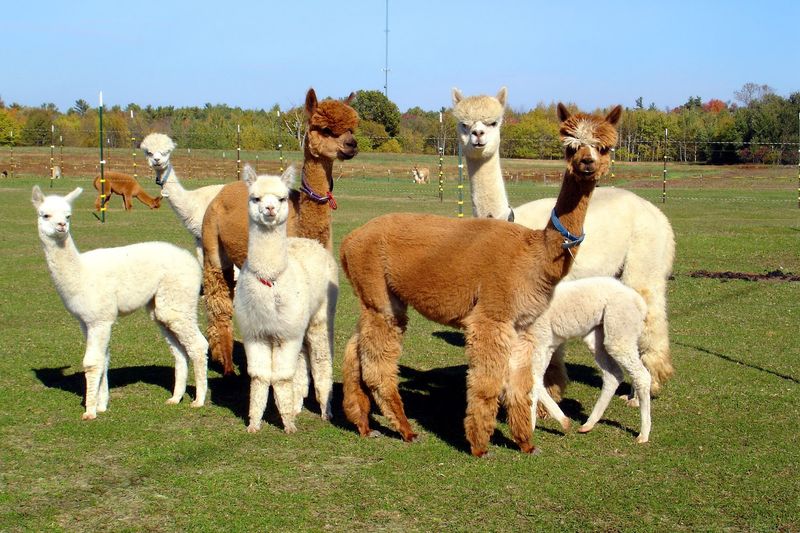
Two Rivers sits along Lake Michigan’s shore, and LondonDairy Alpaca Ranch brings a taste of South America to this coastal community. The ranch raises alpacas for fiber production while welcoming visitors who want to experience these fascinating animals up close.
Spring visits coincide with shearing season, offering a chance to see the entire fiber harvest process.
The ranch tour introduces you to alpacas of different colors and ages, from curious youngsters to dignified elders. You’ll learn how alpaca fiber differs from sheep’s wool and why it’s prized for its softness, warmth, and hypoallergenic properties.
The owners explain the daily care routines and the patience required to work with these intelligent animals.
Watching professional shearers work reveals the skill involved in removing a year’s worth of fleece without stressing the animals. The freshly shorn alpacas look surprisingly different, and their relief at losing their heavy coats is obvious.
The ranch processes much of its fiber into finished products available in the farm store.
Two Rivers offers Lake Michigan beaches, the Wisconsin Maritime Museum, and local restaurants serving fresh lake fish. The combination of farm visit and lakeside exploration makes for a diverse day trip.
Spring temperatures near the lake can be cooler than inland, so bring an extra layer.
The ranch appreciates visitors who respect the animals and follow tour guidelines. Your visit supports small-scale agriculture and fiber arts in Wisconsin.
8. Wegmueller Farm, Monroe
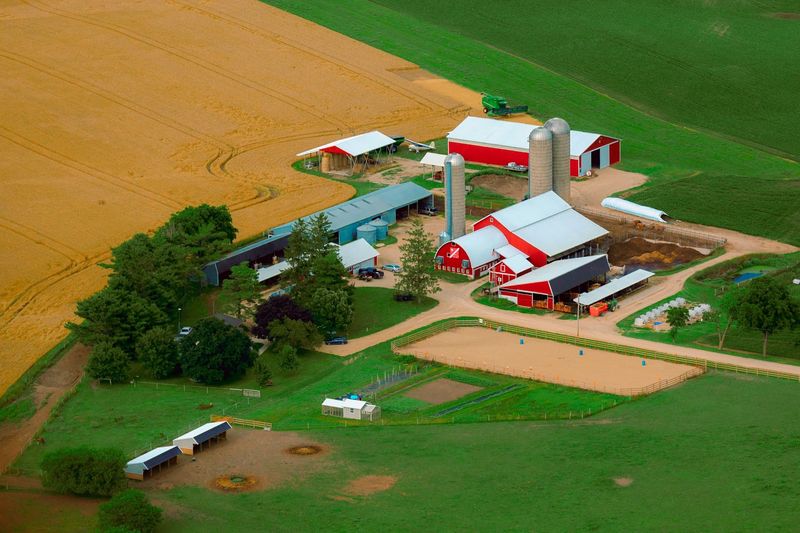
Monroe calls itself the Swiss cheese capital of America, and dairy farming heritage runs deep in this southern Wisconsin community. Wegmueller Farm represents generations of family farming, maintaining traditions while adapting to modern agricultural realities.
Spring pasture turnout, when cows leave winter barns for green grass, creates one of farming’s most joyful sights.
The farm welcomes visitors interested in seeing dairy operations and understanding the connection between local farms and the cheese industry that defines Monroe. You’ll see cows grazing on fresh spring grass, which improves milk quality and animal welfare.
The farmers explain how their milk becomes cheese at local factories that have operated for over a century.
Monroe’s downtown features the National Historic Cheesemaking Center, where you can learn about cheese production and sample local varieties. The combination of farm visit and cheese education creates a comprehensive picture of dairy agriculture.
Spring festivals celebrating cheese and farming heritage often coincide with prime visiting season.
The area’s Swiss heritage shows in architecture, festivals, and food traditions that set Monroe apart from other Wisconsin towns. Local restaurants serve cheese-focused menus that showcase regional products.
The farm-to-factory-to-table connection feels tangible in this agricultural community.
Contact the farm in advance to arrange visits since working farms can’t always accommodate drop-in guests. Your interest and respect for their operation means more than you might realize to families keeping farming traditions alive.
9. Farm Wisconsin Discovery Center, Manitowoc
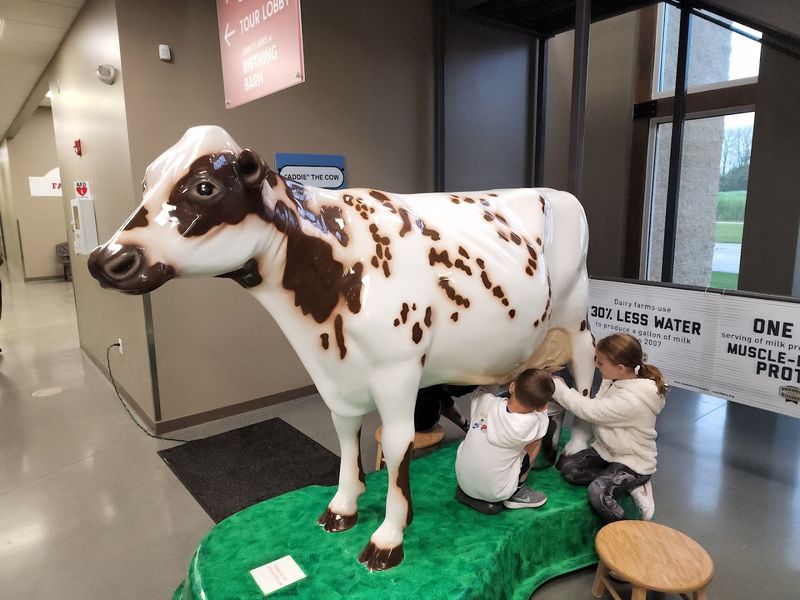
Understanding where food comes from requires more than just visiting farms. Farm Wisconsin Discovery Center in Manitowoc provides an educational experience that explains Wisconsin agriculture through interactive exhibits and displays.
Spring brings school groups and families looking for activities that combine learning with fun.
The center features exhibits about dairy farming, crop production, and agricultural technology that shapes modern farming. Interactive displays let kids milk a mechanical cow, plant virtual crops, and explore farm equipment up close.
The hands-on approach makes abstract concepts concrete and memorable.
Real farmers share their stories through video presentations and occasional in-person appearances. You’ll gain appreciation for the work, knowledge, and dedication required to feed communities.
The center addresses both traditional farming methods and modern innovations that improve efficiency and sustainability.
Manitowoc’s location on Lake Michigan adds waterfront attractions to your day trip possibilities. The city’s maritime history, downtown shops, and lakefront parks provide additional activities before or after your center visit.
Spring weather makes walking around downtown pleasant and uncrowded.
The center charges admission, but the educational value justifies the cost for families with curious kids. Plan at least two hours to explore all the exhibits thoroughly.
The experience might change how you think about the food on your table and the people who produce it.
Check the center’s website for special events and programs that align with your visit dates.