
This Quiet Northern Arizona City Is The Scenic Railroad Gateway To The Grand Canyon
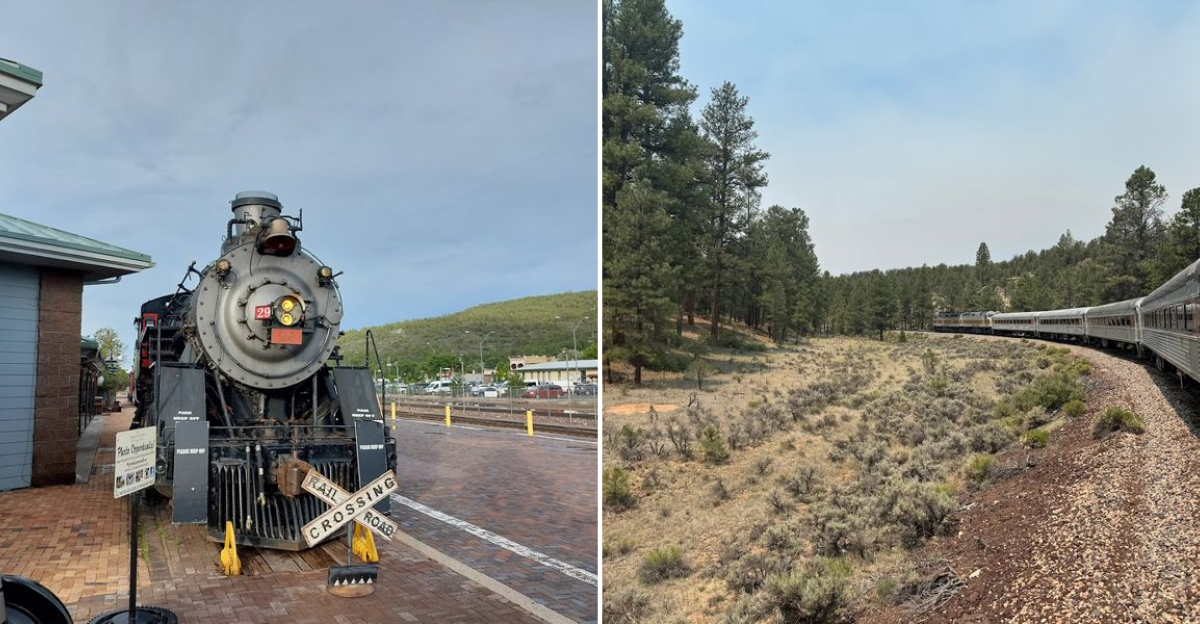
The Grand Canyon gets all the postcards. But the little city that’s been sending people there since 1901 has a story worth telling first.
Nestled in northern Arizona, this small mountain town is the kind of place most travelers blow past on their way to something bigger. That is a mistake.
Sitting at 6,700 feet and surrounded by ponderosa pine forests, it somehow manages to feel like three different eras of American history at once. Route 66 nostalgia lines the main street.
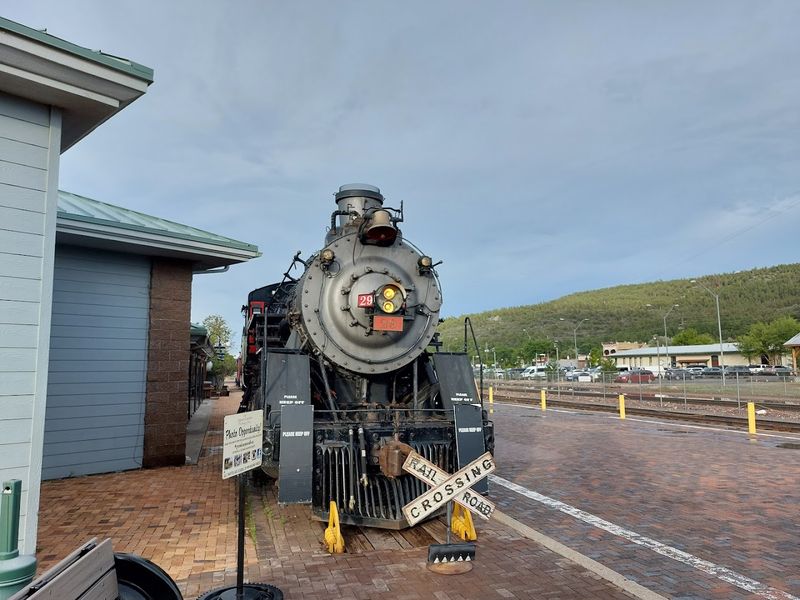
A genuine steam locomotive still pulls out of the depot every morning. And the Grand Canyon waits just 65 miles up the track.
This is not a stopover. It is not a consolation prize for people who ran out of time.
It is the rare place where the journey and the destination are equally worth your attention. Most people just never slow down long enough to notice.
History Of Scenic Railroad In The Region
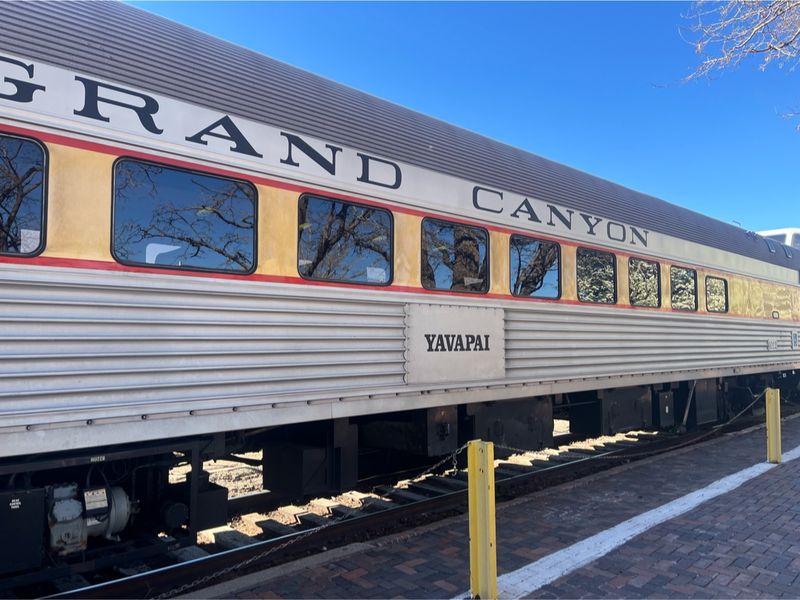
Back in 1901, a railroad changed everything for northern Arizona. The Atchison, Topeka, and Santa Fe Railway completed the Grand Canyon Railway on September 17, 1901.
That single track turned a remote canyon into a world-famous destination.
Before the railroad, reaching the Grand Canyon meant a rough, dusty stagecoach ride. The train made the journey comfortable and accessible.
Tourism at the canyon exploded almost immediately after service began.
Passenger service eventually stopped in 1968. Cars and highways had taken over, and the old railroad seemed finished.
But in 1989, the line was restored, and trains started rolling again.
Today, the Grand Canyon Railway departs daily from the historic Williams Depot, built in 1908. The depot itself is a landmark worth seeing.
It anchors the southern end of a 64-mile journey to the canyon’s South Rim.
The northern terminus, Grand Canyon Depot, was built between 1909 and 1910. Both depots are beautifully preserved.
Walking through them feels like stepping into a genuine piece of American railroad history.
Williams, Arizona 86046 USA, is where this whole adventure begins. The city has embraced its railroad identity with pride.
You can feel that history the moment you arrive at the depot platform.
Unique Wildlife Along The Railroad Route
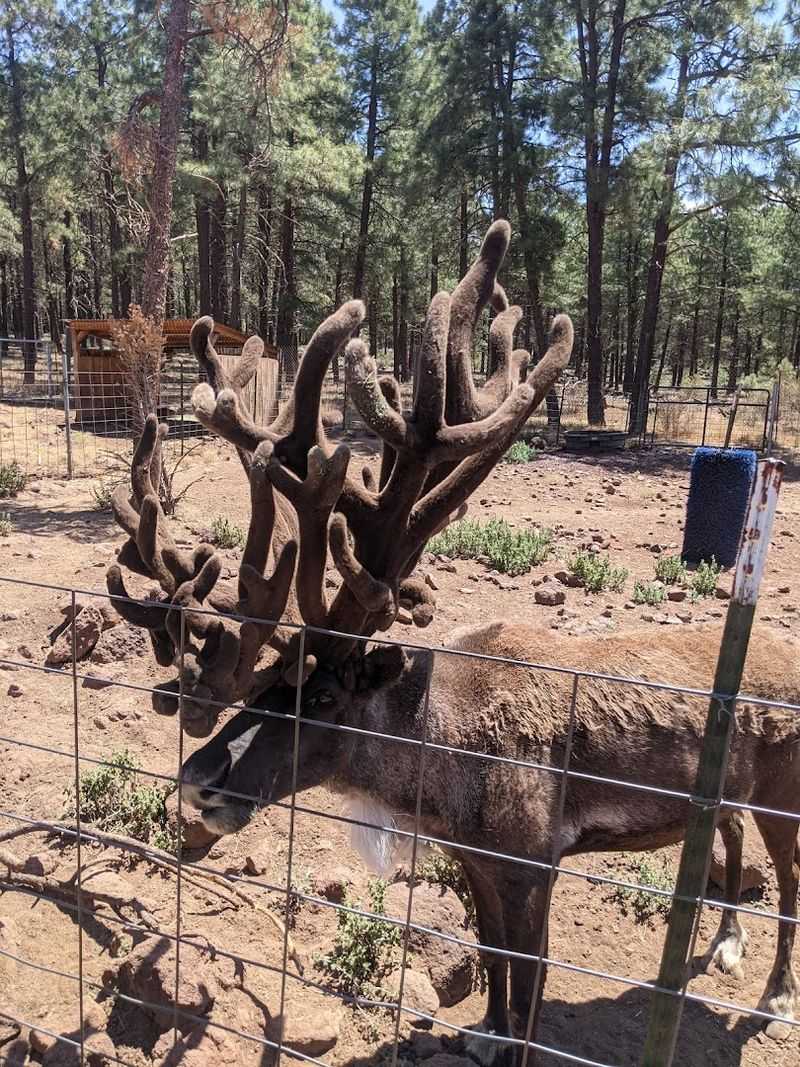
Spotting wildlife from a moving train is genuinely exciting. The Grand Canyon Railway route passes through open prairies and pine forests.
Both habitats attract animals that most visitors never expect to see.
Elk are probably the biggest crowd-pleasers along the route. Large herds roam the high desert meadows between Williams and the South Rim.
Seeing a bull elk up close from your train window is unforgettable.
Mule deer are also common sightings along the tracks. They tend to graze near the tree lines in the early morning and late afternoon.
Passengers on the return trip often catch them feeding at dusk.
Bald eagles have been spotted soaring above the canyon corridors. Pronghorn antelope sometimes sprint alongside the train on the open stretches.
Both sightings make passengers scramble for their cameras fast.
Bearizona Wildlife Park sits just east of Williams on Route 66. It features bears, mountain goats, bison, and birds of prey.
It is a great stop if you want a longer wildlife encounter off the train.
The railroad route essentially doubles as a wildlife corridor. Animals move freely across this landscape year-round.
Riding the train means you get a front-row seat to northern Arizona’s natural world without disturbing it.
Seasonal Changes Impacting Scenic Views
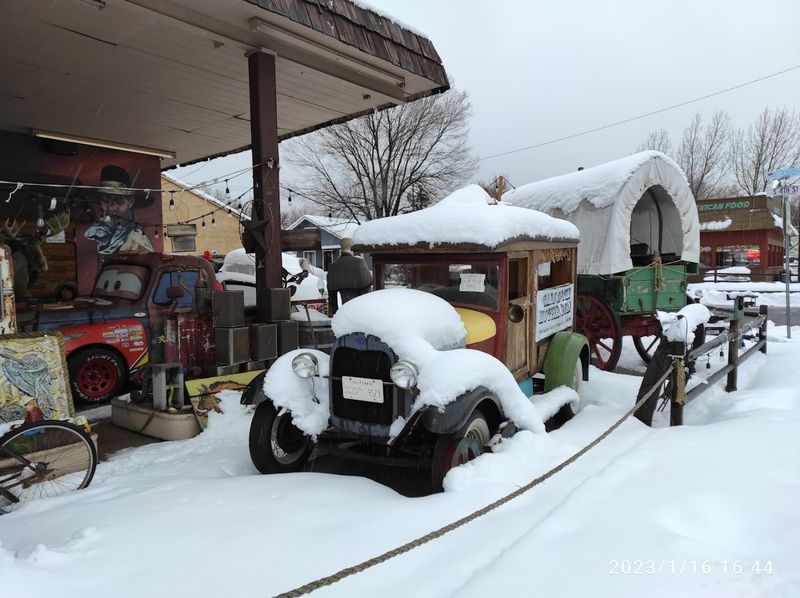
Every season in Williams delivers a completely different visual experience. Summer brings bright blue skies and lush green ponderosa pine forests.
The contrast between the forest and the red canyon walls is stunning.
Fall is when things get especially dramatic. Aspens and oaks along the route turn gold and orange.
The colors frame the train perfectly and make every photo look professionally composed.
Winter transforms Williams into something quieter and more magical. Snow blankets the pine forests and dusts the canyon rim.
The Grand Canyon Railway runs year-round, so winter riders get a rare, peaceful version of the journey.
Spring brings wildflowers and fresh green growth across the prairies. The air smells clean, and the light is soft.
Wildlife tends to be more active in spring, so sightings increase noticeably.
Williams sits at over 6,700 feet in elevation, which means real seasons. Temperatures are cooler here than in Phoenix, sometimes dramatically so.
That elevation keeps the town feeling fresh even in July.
Each season changes the mood of the entire trip. There is no single best time to visit.
Honestly, coming back in a different season feels like riding an entirely different railroad through an entirely different landscape.
Local Flora Surrounding The Railroad Tracks
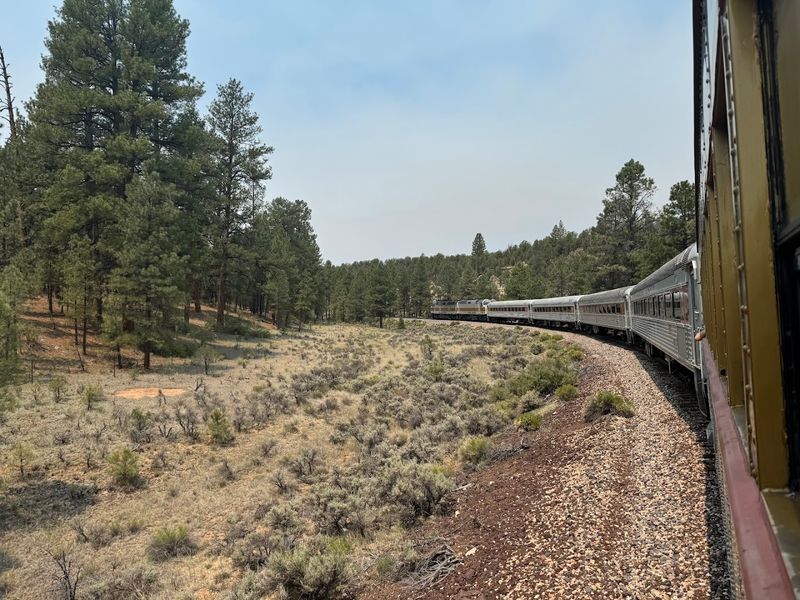
The plant life along the Grand Canyon Railway route is more varied than most people expect. Ponderosa pine forests dominate the landscape between Williams and the canyon.
These tall, reddish-barked trees create a cathedral-like atmosphere along the tracks.
Gambel oak grows beneath the pines and turns brilliant colors in autumn. Cliffrose and Apache plume bloom along the rocky stretches.
Both plants produce small white flowers that attract pollinators by the thousands.
Grasslands open up in the middle sections of the route. Grama grass and blue bunch wheatgrass cover wide stretches of open prairie.
These grasses sway in the wind and give the landscape a painterly, rolling quality.
Sagebrush appears where the elevation drops slightly and the soil dries out. Its silver-green color stands out beautifully against the red earth.
The scent of sagebrush after rain is one of Arizona’s most iconic sensory experiences.
Wildflowers appear along the tracks from late spring through summer. Indian paintbrush, lupine, and scarlet gilia add bursts of red, purple, and orange.
The color combinations look almost too vivid to be real.
The Kaibab National Forest surrounds Williams and protects much of this plant diversity. That forest coverage is what keeps Williams green, cool, and visually rich throughout most of the year.
Passenger Experience Onboard Scenic Trains
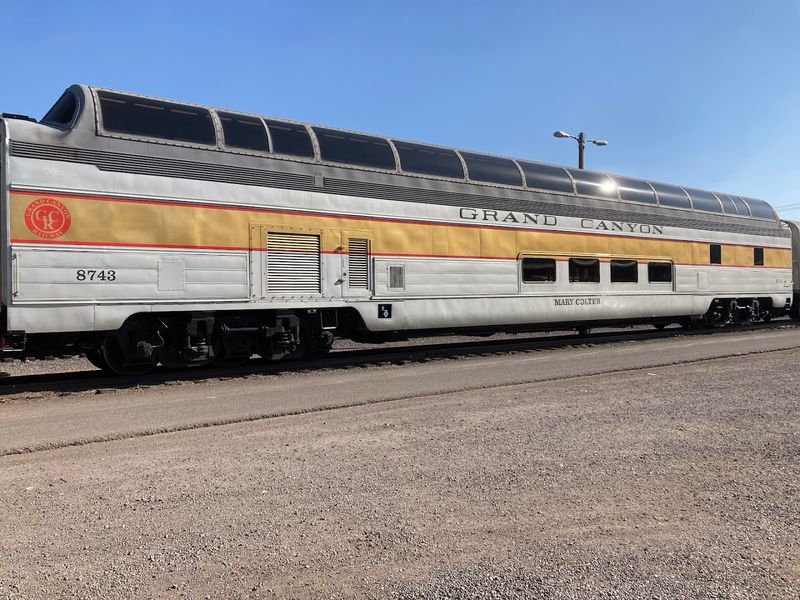
Riding the Grand Canyon Railway is not just transportation. It is an event.
The train departs Williams Depot at 9:30 a.m. and returns around 5:45 p.m., making it a full-day experience worth planning around.
The journey covers 64 miles each way through northern Arizona’s high desert. The ride takes about two hours and fifteen minutes in each direction.
That gives passengers plenty of time to relax and take in the views.
Live entertainment runs throughout the trip. Western musicians play in the passenger cars, and cowboy characters roam the aisles.
On the return trip, a mock train robbery adds a theatrical and genuinely fun twist.
Several classes of service are available to match different budgets. Coach cars offer an affordable, classic experience.
First-class and observation dome cars provide elevated comfort, panoramic views, and complimentary snacks.
The observation dome cars are the real showstoppers. Curved glass ceilings let passengers watch the landscape scroll by above them.
The views from those cars during sunrise or golden hour are extraordinary.
Families, couples, and solo travelers all find something to love on this train. Kids go wild for the cowboy entertainment.
Adults appreciate the scenery and the nostalgic rhythm of traveling by rail through open Arizona country.
Nearby Hiking Trails Offering Alternative Views
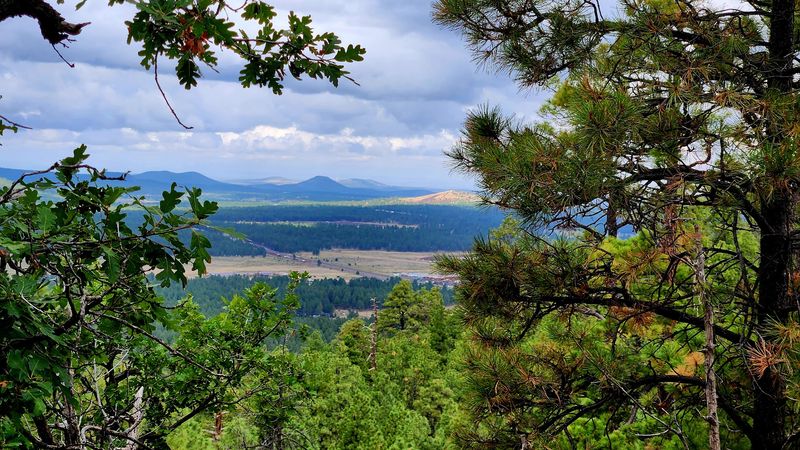
Williams is surrounded by the Kaibab National Forest, and that means hiking options are everywhere. You do not need to ride the train to find incredible scenery around here.
The trails start practically at the edge of town.
Sycamore Canyon Wilderness sits southwest of Williams and offers rugged, remote hiking. The canyon walls drop dramatically, and the views rival anything in the region.
It is less crowded than the Grand Canyon and just as visually impressive.
Bill Williams Mountain Trail climbs to 9,256 feet above sea level. The summit offers panoramic views of northern Arizona that stretch for miles.
On a clear day, you can see the San Francisco Peaks near Flagstaff.
Keyhole Sink Trail is a short, easy walk through ponderosa pines to a basalt rock wall. Ancient petroglyphs cover the rock face there.
It is one of those trails that feels significant well beyond its modest length.
White Horse Lake Loop circles a quiet forest lake east of Williams. The trail is flat and family-friendly.
Wildlife sightings around the lake are common, especially early in the morning.
Most trails around Williams are accessible year-round, though snow can close some routes in winter. The elevation keeps things cool in summer.
Hikers looking for uncrowded Arizona wilderness consistently find what they want here.
Photography Tips For Capturing Scenic Landscapes
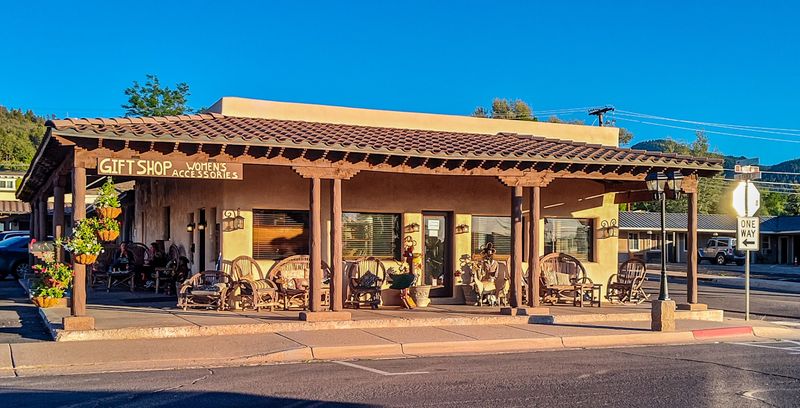
Williams and the Grand Canyon Railway offer serious photographic potential. The light here at elevation is crisp and clean in a way that lower-desert Arizona simply cannot match.
Golden hour hits differently when pine forests are your foreground.
For train shots, position yourself along the tracks before the 9:30 a.m. departure. Morning light comes from the east and bathes the train in warm tones.
The Williams Depot platform itself makes a strong compositional anchor.
Shooting from inside the observation dome car requires a few adjustments. Use a fast shutter speed to freeze the moving landscape.
Polarizing filters help cut glare from the curved glass and deepen sky colors dramatically.
Wildlife photography along the route rewards patience. Elk and deer are most active at dawn and dusk.
A telephoto lens in the 200-400mm range gives you room to work without disturbing the animals.
For landscape shots, the open prairie sections between Williams and the canyon offer wide-angle opportunities. Use the tracks as a leading line to draw the eye toward the horizon.
Including a human figure adds scale and depth.
Winter photography around Williams is underrated. Snow on ponderosa pines creates a stark, beautiful contrast.
The cold air also tends to produce exceptionally clear skies, which makes for clean, high-contrast images throughout the day.
Conservation Efforts Preserving Natural Beauty
Keeping this landscape beautiful takes real, ongoing effort. The Kaibab National Forest surrounding Williams is actively managed to protect native ecosystems.
Forest rangers work year-round to maintain the health of the ponderosa pine woodland.
Controlled burns are a key conservation tool used in this region. They reduce dangerous fuel loads and mimic the natural fire cycles that the forest depends on.
Without them, catastrophic wildfires become a serious risk.
The Grand Canyon Railway itself has adopted environmentally conscious practices over the years. The company has worked to reduce emissions from its locomotives.
Biodiesel blends and cleaner fuel options have been part of that ongoing effort.
Wildlife corridor preservation is another active priority in the Williams area. Land managers work to keep migration routes open for elk, deer, and other species.
Fencing and road crossings are designed with animal movement in mind.
Native plant restoration projects operate along sections of the railroad corridor. Invasive species are removed and replaced with native grasses and shrubs.
These projects directly improve habitat quality for the wildlife passengers see from the train.
Local conservation groups in Williams also engage residents and visitors in stewardship. Volunteer trail maintenance days happen regularly in the Kaibab Forest.
Participation is open to anyone who wants to give back to this remarkable northern Arizona landscape.