
The Alabama Diner In The Middle Of Nowhere Serving Gumbo That Draws Crowds From Across The State
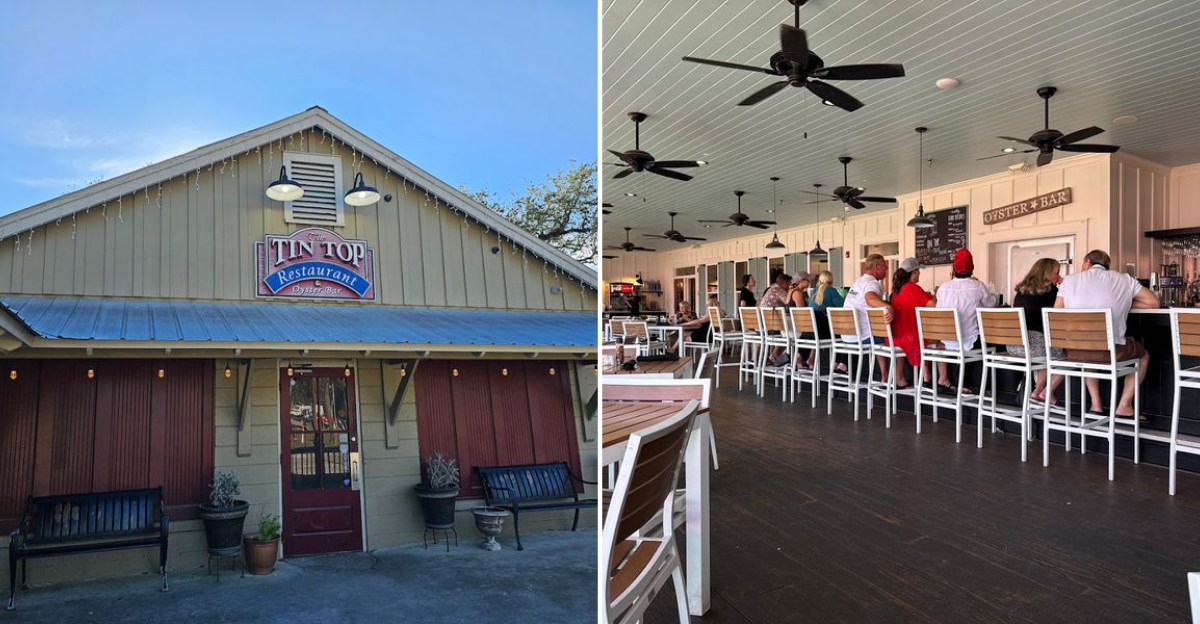
A gumbo worth driving across a state for does not announce itself. It sits in a pot in a diner in the middle of nowhere and lets the people who found it do the talking.
Alabama has exactly that diner. And people have been talking for years.
The location should work against it. No highway visibility, no cluster of restaurants nearby to draw passing traffic, no reason to end up there unless someone pointed you in the right direction.
The parking lot on a Friday tells a different story. License plates from counties far enough away that the drive was clearly a decision, not an accident.
Great gumbo carries the specific weight of wherever it was made. The roux, the seasoning, the particular combination of things that took years to get right and cannot be replicated by following a recipe someone wrote down.
This diner has that kind of gumbo. The kind that makes the return trip feel inevitable before you have finished the first bowl.
Alabama keeps its best food in places that require intention to reach. This one is worth every mile of that intention.
History Of Gumbo In Alabama Cuisine
Gumbo did not just appear on Alabama menus overnight. It traveled a long road through history before landing in places like Bon Secour.
The dish carries roots from West African, French, and Native American cooking traditions, all blended into one pot.
Alabama sits right along the Gulf Coast, which makes it a natural home for gumbo. Coastal communities had easy access to fresh shrimp, crab, and fish.
Those ingredients shaped a regional version of gumbo that feels distinctly Southern and salty in the best possible way.
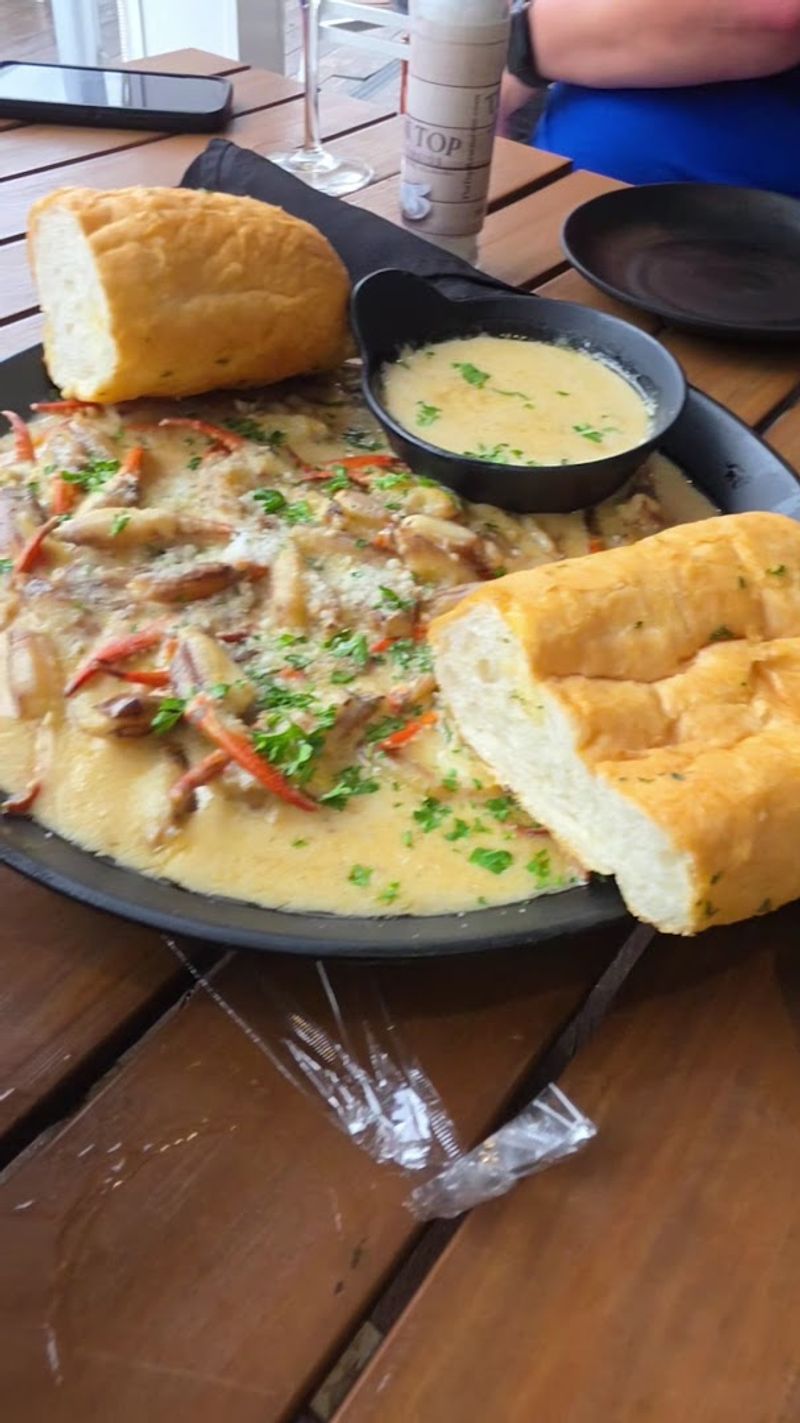
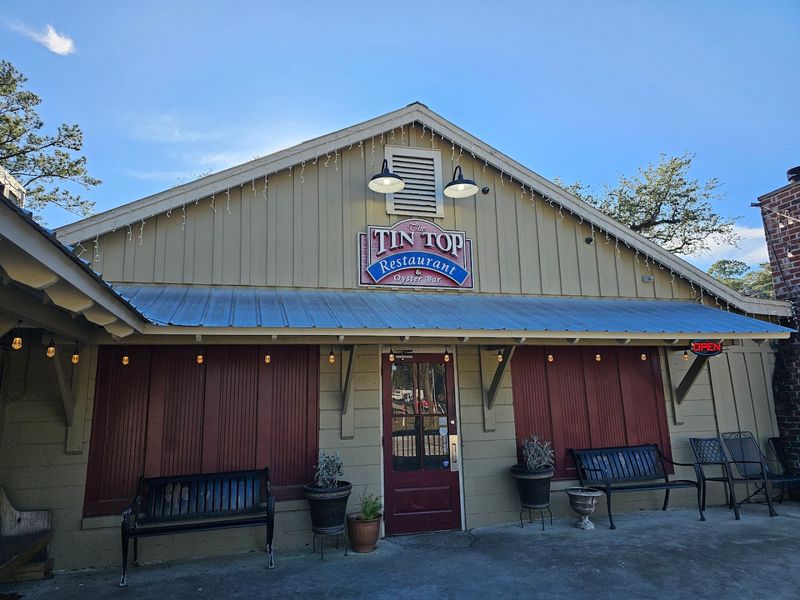
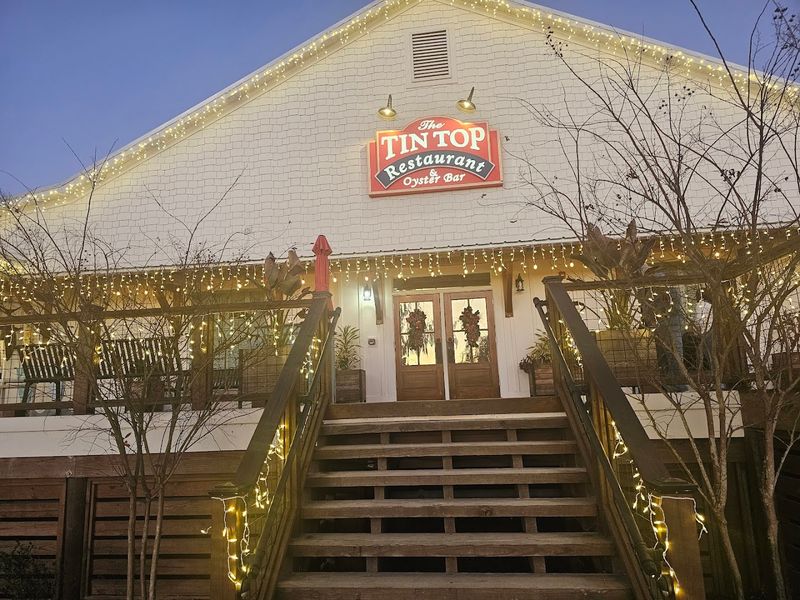
Bon Secour itself is a fishing village, so the food here has always been tied to the water. Restaurants like The Tin Top Restaurant and Oyster Bar carry that tradition forward proudly.
You can find them at 17451 County Rd 49 S, Bon Secour, AL 36511, United States, right where the good stuff happens.
Over decades, Alabama gumbo evolved into something locals defend with great pride. Every cook has a slightly different method, a slightly different ratio.
That variation is part of what makes Alabama gumbo culture so rich and worth exploring.
Key Ingredients That Define Traditional Gumbo
A proper bowl of gumbo starts with the holy trinity of Southern cooking. That means onion, celery, and bell pepper chopped fine and cooked low.
Without that base, you are just making soup and missing the whole point.
The roux is equally important and probably the most discussed part. A dark roux takes patience and constant stirring over steady heat.
It gives gumbo that deep, nutty flavor that lighter versions simply cannot replicate.
Okra is another classic addition that thickens the broth naturally. Some cooks skip it and use file powder instead, which comes from dried sassafras leaves.
Both methods work, but okra gives the dish a texture that feels genuinely Gulf Coast.
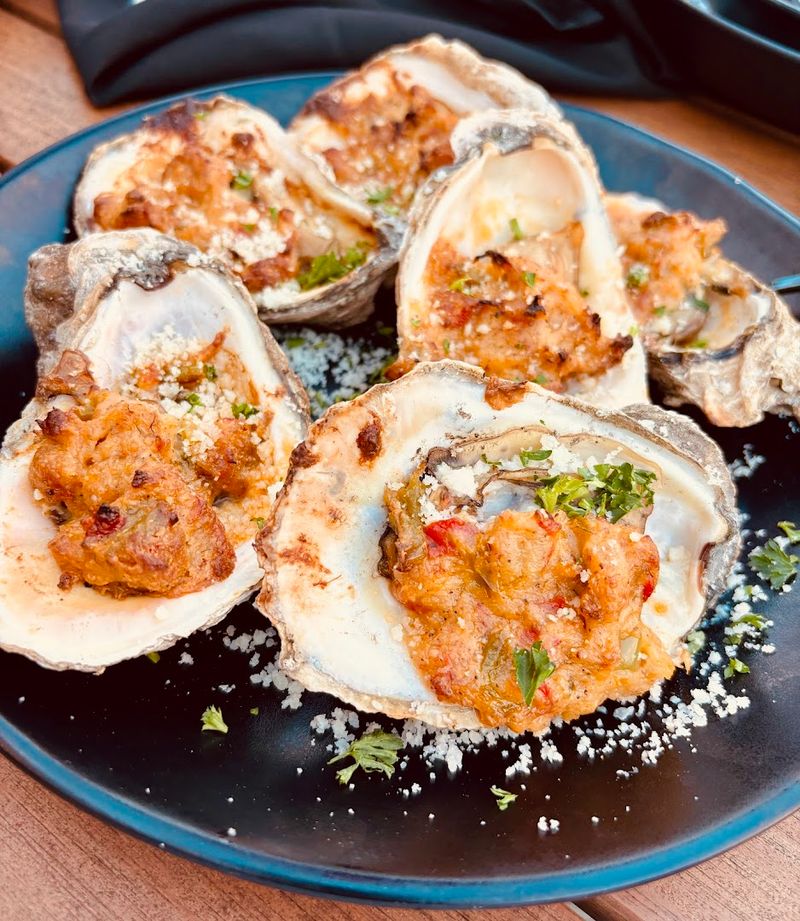
Seafood is the star ingredient in coastal Alabama gumbo. Fresh shrimp, blue crab, and oysters pulled from nearby Gulf waters make a noticeable difference.
The Tin Top Restaurant and Oyster Bar sits near Bon Secour Bay, so access to quality seafood is part of the daily routine there.
Andouille sausage often joins the mix for a smoky contrast to the seafood. That combination of land and sea in one bowl is part of gumbo’s enduring appeal.
Every spoonful tells a small story about Southern coastal life.
Techniques For Preparing Authentic Southern Gumbo
Making a great gumbo is more about technique than any secret ingredient. The process demands attention from the very first step.
Rush it, and the whole pot suffers the consequences.
Building the roux correctly is where most beginners stumble. You combine equal parts flour and fat, then stir constantly over medium heat.
The goal is a color somewhere between peanut butter and dark chocolate, depending on your preference.
Once the roux reaches the right color, the holy trinity goes in immediately. That sizzle and steam is part of the process.
The vegetables cook down in the roux and absorb all that deep, roasted flavor before any liquid is added.
Stock matters more than most people admit. A homemade shrimp or crab stock carries flavors that store-bought broth simply cannot match.
Coastal Alabama kitchens often simmer their own stock from the same seafood going into the gumbo.
Timing the seafood addition is critical. Shrimp and oysters cook fast, so they go in last.
Overcooking them turns a beautiful dish into something rubbery and disappointing. Alabama gumbo done right is a slow, deliberate process that rewards patience with every bite.
Local Sourcing Of Fresh Ingredients For Gumbo
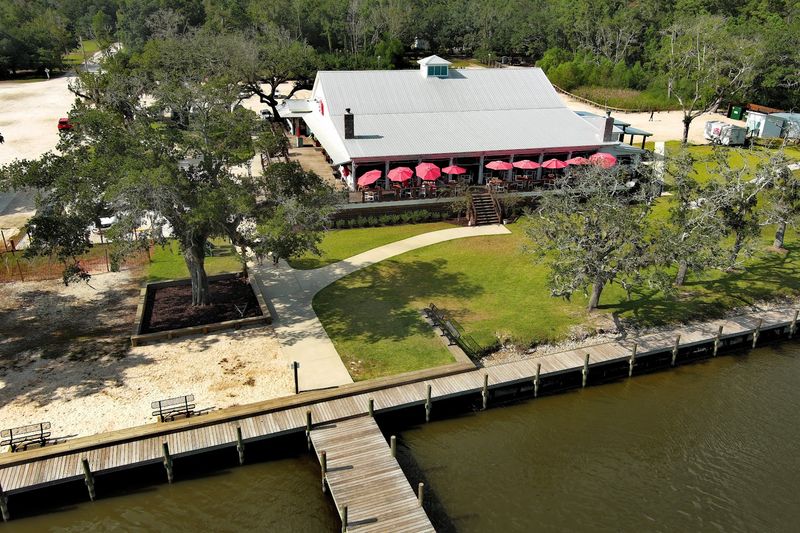
Bon Secour has been a commercial fishing hub for well over a century. The name itself means safe harbor in French, which tells you everything about the town’s relationship with the water.
Shrimpers and oystermen have worked these waters for generations.
Restaurants in this area have a clear advantage when it comes to sourcing. Fresh Gulf shrimp caught nearby tastes entirely different from frozen imported product.
That gap in quality shows up immediately in dishes like gumbo where the seafood carries the entire flavor profile.
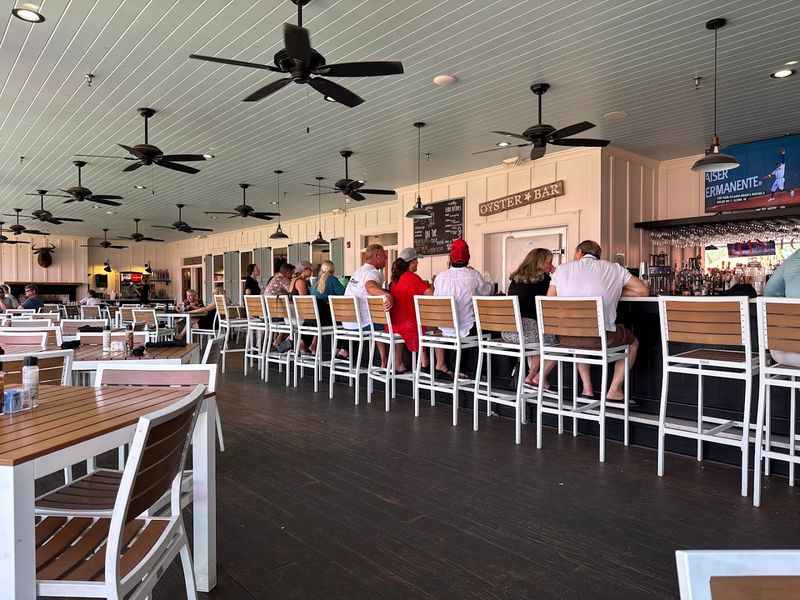
The Tin Top Restaurant and Oyster Bar benefits directly from this local ecosystem. Being positioned along the Bon Secour River puts fresh ingredients practically at the back door.
That proximity to the source is one reason the food here consistently stands out.
Baldwin County farmers also supply local greens, okra, and peppers that round out the menu. Supporting nearby growers keeps the food seasonal and honest.
Diners can taste the difference even if they cannot always explain why.
Local sourcing is not just a marketing phrase here. It is a practical reality shaped by geography and tradition.
When the shrimp comes from boats you can see from the deck, freshness is not a selling point but simply a given.
The Role Of Spices In Enhancing Gumbo Flavors
Spices in gumbo are not about heat alone. They work together as a layered system that builds complexity from the bottom of the pot upward.
Get the balance right, and every spoonful has something happening at every level of flavor.
Cayenne brings the warmth that most people associate with Southern cooking. But it works best when paired with smoked paprika, which adds depth without adding more fire.
Together, they create a bold flavor without being aggressive.
Thyme and bay leaves are the quiet workers in any gumbo pot. They do not announce themselves loudly, but their absence is immediately obvious.
These herbs give the broth a savory backbone that ties everything else together.
Garlic is non-negotiable in Alabama coastal cooking. It goes in early with the holy trinity and mellows beautifully as the pot simmers.
A gumbo without garlic is a polite dish, and polite is not what anyone comes to Bon Secour for.
File powder added at the end provides both thickening and a subtle earthy note. It is a finishing touch rooted in Native American cooking tradition.
At The Tin Top Restaurant and Oyster Bar, that kind of layered seasoning is what keeps people planning return visits before they even finish the current bowl.
Community Impact Of A Popular Alabama Diner
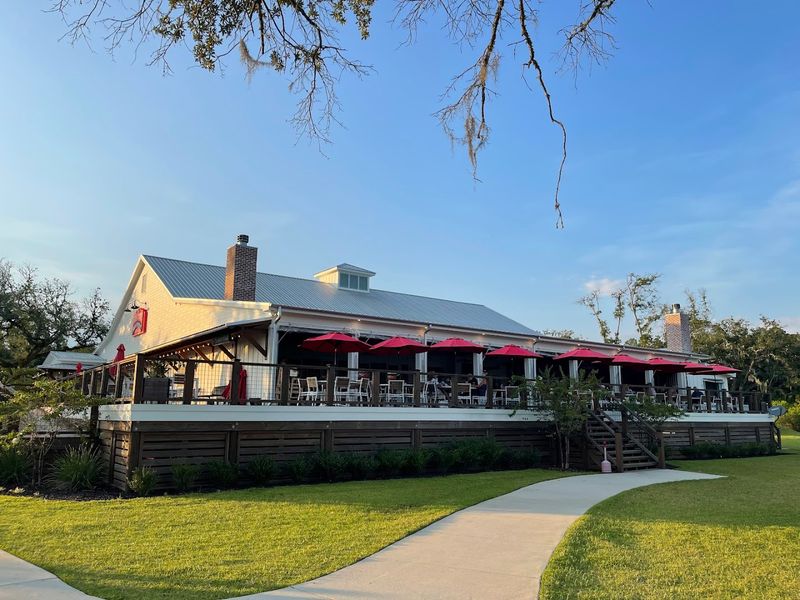
A restaurant that draws crowds from across the state does more than fill tables. It puts a small town on the map in ways that chamber of commerce brochures rarely manage.
Bon Secour is a better-known name today largely because of what The Tin Top Restaurant and Oyster Bar built here.
Local fishermen and farmers benefit when a popular restaurant commits to buying locally. More demand for Gulf shrimp and fresh produce means more income staying in Baldwin County.
That economic loop is quiet, but it runs deep in a community this size.
The restaurant itself moved to a larger space along the Bon Secour River in August 2024. The new location holds up to 250 people and brought more jobs to the area.
Growth like that ripples outward into the whole community over time.
Tourism dollars follow great food. Visitors who come specifically for a meal often stay longer, explore the area, and return with friends.
That pattern turns a single restaurant into an anchor for the broader local economy.
Bob and Patty Hallmark built this place on the belief that good food would bring people out, no matter how far off the main road it sat. That bet paid off for the restaurant and for Bon Secour as a whole.
Seasonal Variations That Influence Gumbo Recipes
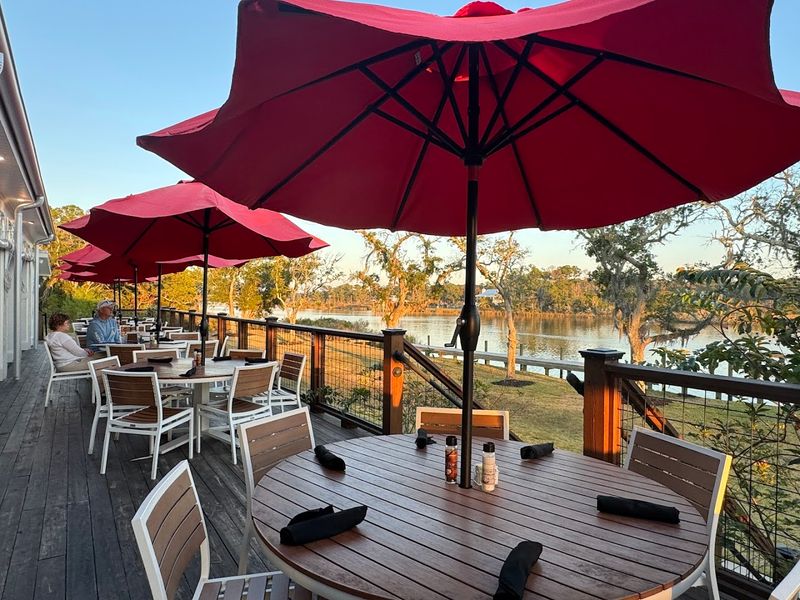
Gumbo recipes shift with the seasons because the best ingredients shift with the seasons. What goes into the pot in June looks different from what goes in during November.
That flexibility is actually one of gumbo’s greatest strengths as a dish.
Summer along the Gulf Coast means peak shrimp season. Brown and white shrimp come in abundance from local boats, making shrimp gumbo the natural choice for warm months.
The flavors are bright, briny, and unmistakably coastal.
Fall brings the blue crab into prominence along Alabama waterways. Crab gumbo has a sweeter, richer flavor compared to shrimp versions.
Many cooks consider a fall crab gumbo the most satisfying bowl of the year, and it is hard to argue.
Winter is oyster season along the Gulf, which means oyster gumbo moves to the front of the menu. The Tin Top Restaurant and Oyster Bar serves oysters as a signature item, so winter gumbo here carries particular authority.
Cold weather and a hot oyster gumbo are a combination that makes long drives feel entirely reasonable.
Spring brings transitional ingredients and creative combinations. Cooks blend whatever is freshest from the water and the farm.
That seasonal honesty keeps the menu feeling alive rather than static throughout the entire year.
Cultural Significance Of Gumbo In Southern Food Traditions
Gumbo is not just a dish in the South. It is a cultural document written in broth and seasoning.
Every regional variation reflects the history, migration patterns, and available resources of the people who made it.
In Alabama, gumbo sits at the intersection of multiple food traditions. African, French Creole, Native American, and Gulf Coast fishing cultures all contributed something essential.
The result is a dish that cannot be claimed by any single group because it belongs to all of them equally.
Food historians often point to gumbo as one of the clearest examples of American culinary fusion. Long before fusion became a trendy restaurant concept, coastal Southern cooks were already practicing it every time they lit the stove.
That history lives in every bowl served today.
Sharing gumbo has always carried social meaning in Southern communities. It shows up at funerals, festivals, family reunions, and Friday night gatherings.
The act of making a big pot and feeding a crowd is itself a form of cultural expression.
Places like The Tin Top Restaurant and Oyster Bar keep that tradition active and accessible. They serve gumbo to locals and visitors alike, passing the story forward one bowl at a time.
That continuity matters more than any award or accolade ever could.