
This Lake Beach With Caribbean-Blue Water In Nevada Feels Like A Tropical Escape
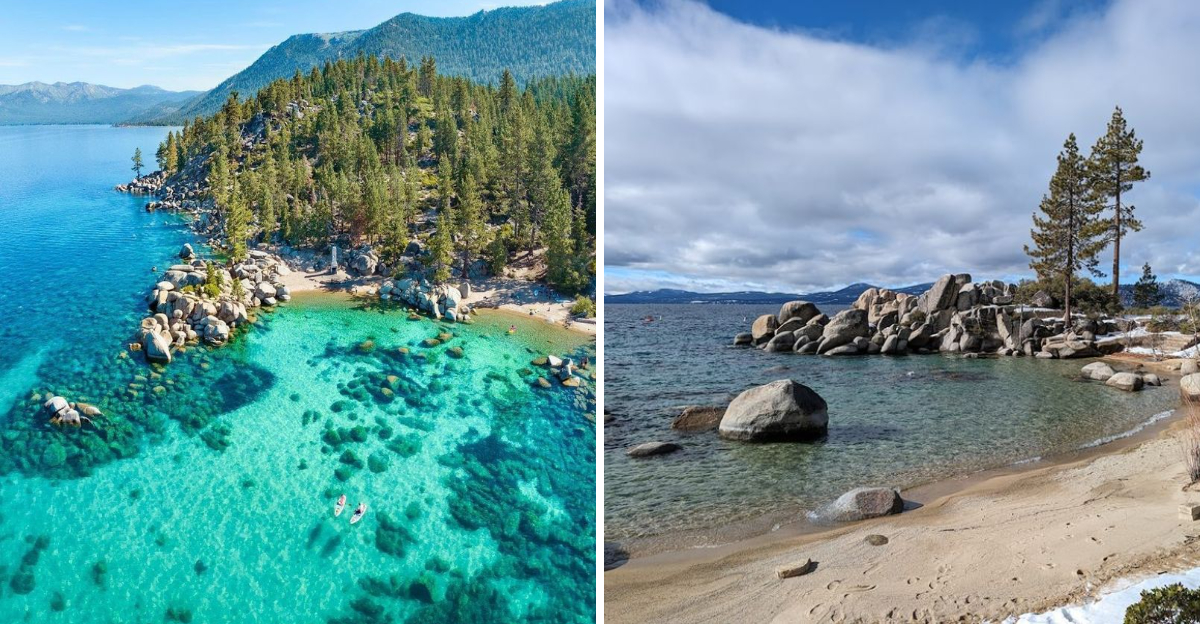
Some places make you check your camera roll because the colours look edited before you even take the photo. This Nevada shoreline does exactly that.
One minute, you are thinking about pine trees, mountain air, and rocky alpine scenery. The next, you are staring at water so blue it feels like it belongs beside palm trees instead of granite cliffs.
Soft sand, smooth boulders, and glassy shallows create the kind of beach scene that feels almost unreal at high elevation. It is bright, clear, and wildly photogenic without trying too hard.
The real surprise is how easily it changes your idea of a mountain lake. Suddenly, Nevada feels a little more tropical than expected on a summer day here, somehow.
Sand Harbor Is The Star Of Lake Tahoe Nevada State Park
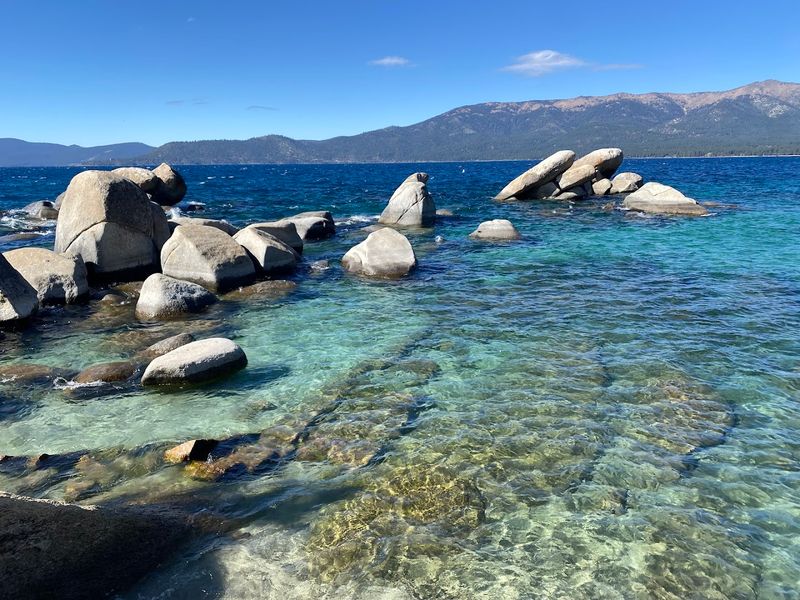
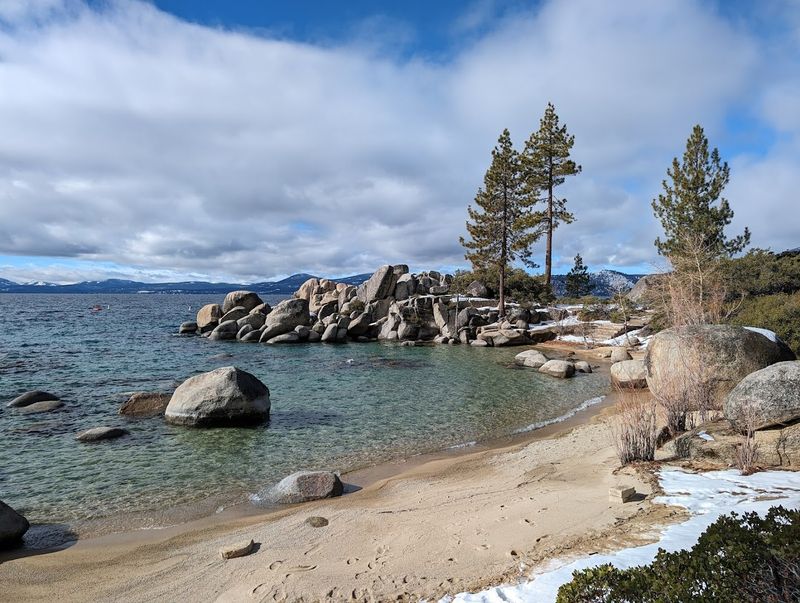
Sand Harbor anchors the park as its most visited and photographed location, sitting along NV-28 near Incline Village. The beach curves in a gentle crescent, framed by towering pines and those signature granite formations that give the shore its character.
Facilities include restrooms, picnic areas, and a boat launch that handles steady traffic during warmer months.
Parking fills quickly on summer weekends, often before mid-morning, so planning arrival for early hours makes a practical difference. The park charges a day-use fee that varies by residency status.
Once inside, visitors find multiple access points to the water and shaded spots under trees that offer relief from midday sun.
Sand Harbor also hosts an annual Shakespeare festival in summer, with performances staged against the lake as backdrop. The combination of natural beauty and recreation options explains why this single beach draws such consistent attention within the larger state park system.
The Beach Has Soft Sand And Clear Shallow Water
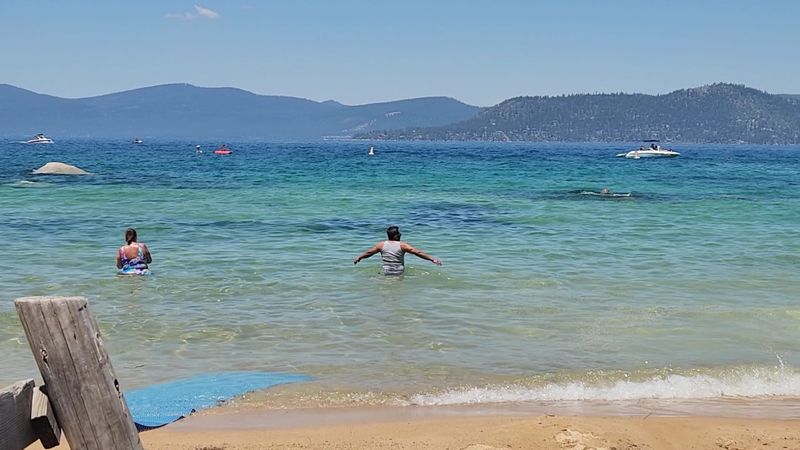
The sand at Sand Harbor feels different from typical lakeside gravel or rocky shorelines common in mountain regions. It offers a genuine beach experience, soft enough for bare feet and suitable for spreading out towels without discomfort.
Children build castles near the waterline while adults wade into shallows that extend gradually outward.
Water depth increases slowly, allowing swimmers of all abilities to find their comfort zone. The clarity means you can see every step ahead, watching the sand ripple beneath your feet as small waves lap the shore.
Temperatures remain brisk even in July and August, a reminder that this is snowmelt from high peaks.
Families appreciate the gentle entry and visible bottom, which reduces anxiety about what lies beneath. The combination of soft sand and transparent water creates conditions more associated with ocean resorts than alpine lakes, reinforcing the tropical comparisons that bring people here in the first place.
Huge Granite Boulders Make It Look Even More Tropical
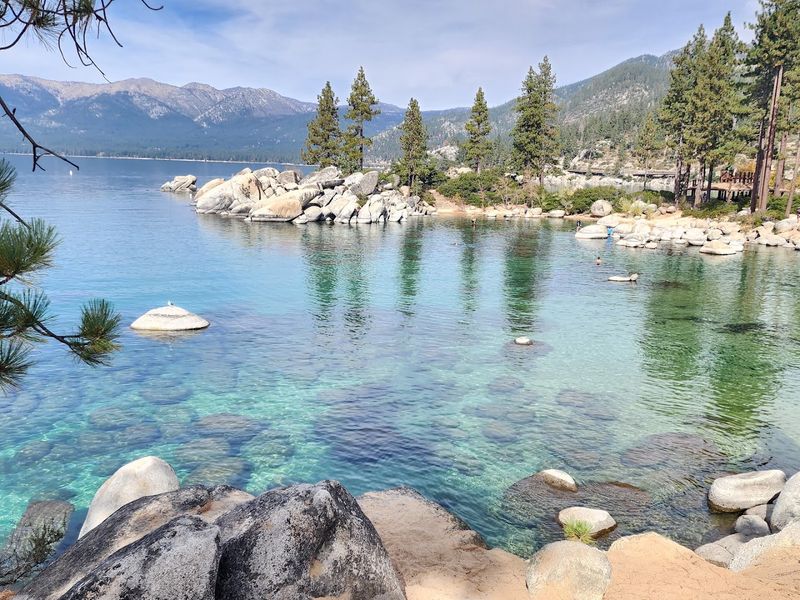
Granite formations punctuate the shoreline at Sand Harbor, some rising twenty feet or more from the water like ancient sculptures. These rounded boulders, smoothed by centuries of wave action and weather, create visual drama that photographers chase throughout the day.
Sunlight plays across their surfaces, casting shadows that shift with the hours.
The rocks serve practical purposes beyond aesthetics. They provide platforms for sunbathing, jumping points for swimmers, and natural dividers that create semi-private coves along the beach.
Climbers scramble up the larger formations for views across the lake toward the peaks beyond.
What makes these boulders particularly striking is their contrast with the water color. Gray stone against turquoise creates a palette found on Caribbean islands, not Nevada mountainsides.
The combination feels improbable, almost designed, though it resulted from volcanic activity and glacial movement over millions of years. The effect remains startling no matter how many times you visit.
It Is One Of Nevada’s Best Spots For Swimming
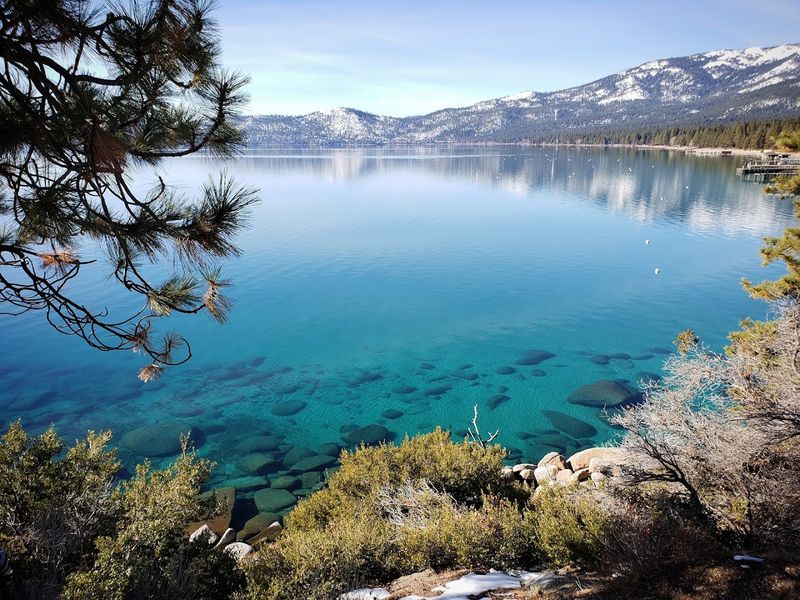
Lake Tahoe Nevada State Park consistently ranks among the state’s top swimming destinations, and Sand Harbor leads that list. The protected cove offers calmer conditions than more exposed shorelines, with waves rarely reaching troublesome heights.
Lifeguards are not stationed here, so swimmers take responsibility for their own safety and that of their children.
Water temperature hovers in the sixties during peak summer, cold enough to take your breath initially but tolerable once you acclimate. Many swimmers wear wetsuits for extended time in the water.
The clarity and depth make it popular with snorkelers who explore the rocky areas where fish gather.
Mornings provide the best swimming conditions before afternoon winds develop across the lake. Those breezes can stir up chop that makes swimming less pleasant and pushes many people back to shore.
Early arrivals enjoy glassy surfaces and quieter beaches, maximizing the experience before crowds and wind change the atmosphere.
The Water Really Is That Blue
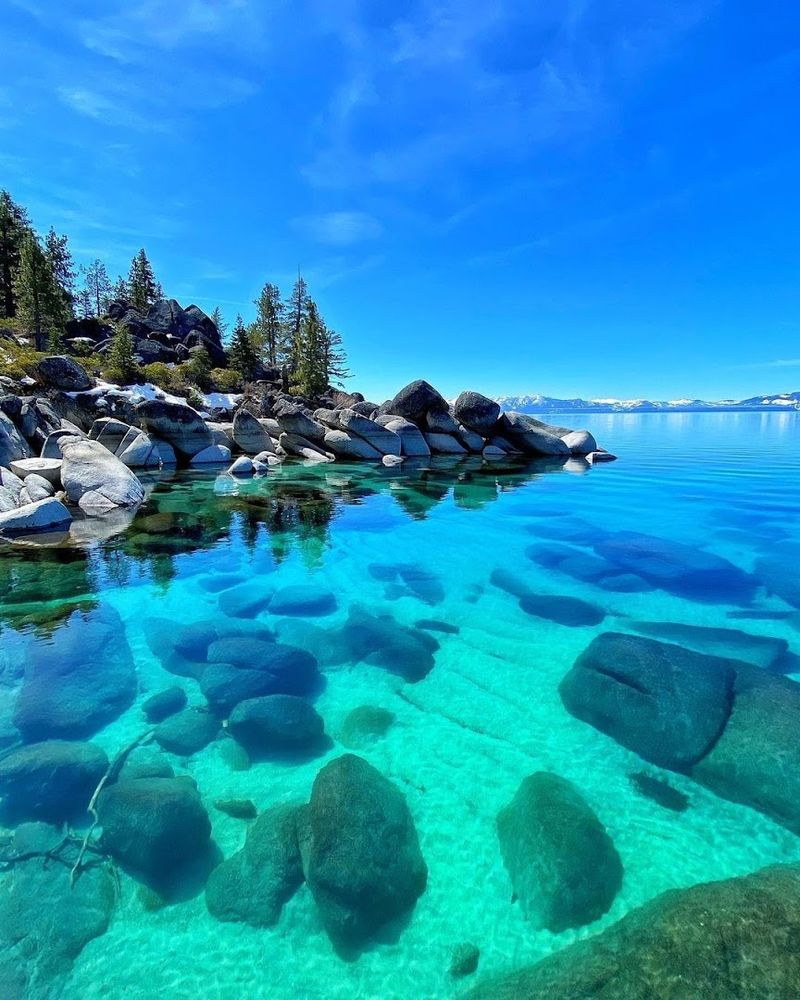
Lake Tahoe holds some of the clearest water on the planet, and the Nevada shoreline offers proof with every glance. The color shifts from pale aquamarine near the beach to deep cobalt farther out, creating gradients that rival any tropical postcard.
Sunlight penetrates dozens of feet down, revealing rocks and sand below as though viewed through air.
This clarity comes from the lake’s depth and the lack of nutrient pollution that clouds other bodies of water. Cold temperatures and minimal algae growth keep visibility sharp year-round.
Standing at the edge, you can watch fish move across the bottom in water well over your head.
The blue is not a trick of the light or a seasonal fluke. It persists through summer heat and winter snow, a constant that draws photographers and skeptics alike.
Seeing it in person settles any doubt about the comparisons to Caribbean seas.
Kayaking Here Feels Like Floating Over Glass
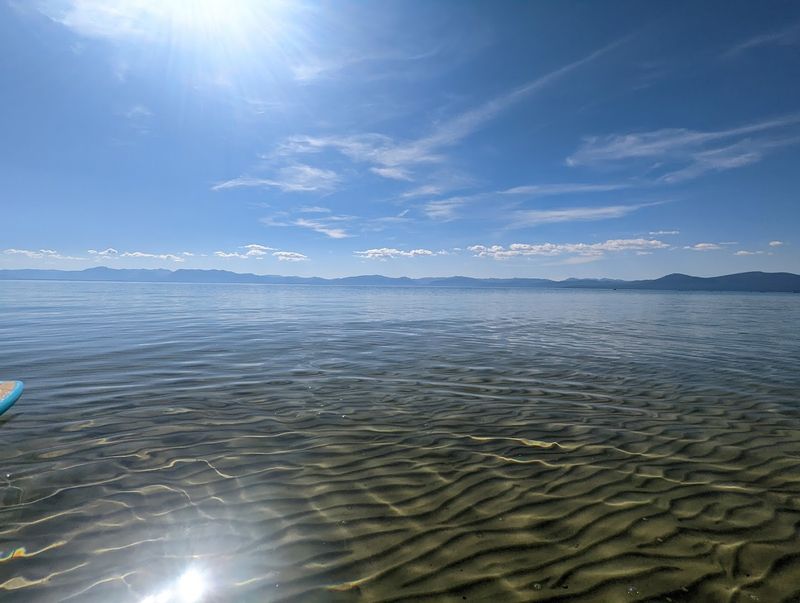
Kayakers launch from Sand Harbor into water so transparent that the lake bottom remains visible far from shore. Paddling feels like gliding over glass on calm mornings, with every stroke revealing rocks, logs, and occasional fish below.
Rental operations nearby provide equipment and brief orientation for those without their own gear.
The coves and boulder fields around Sand Harbor create natural exploration routes that keep paddlers engaged for hours. Tucking into narrow channels between rocks offers perspective impossible from shore.
The water’s color intensifies when viewed from a kayak, with depth changes visible as shifts from pale blue to darker navy.
Wind conditions matter significantly for kayaking safety and enjoyment. Morning hours before ten o’clock typically offer the calmest water, while afternoon breezes can create challenging conditions for inexperienced paddlers.
Checking weather forecasts and observing surface conditions before launching prevents difficult situations. The experience on a still morning ranks among the finest paddling available in the Sierra Nevada.
The Views Are Pure Sierra Nevada Magic
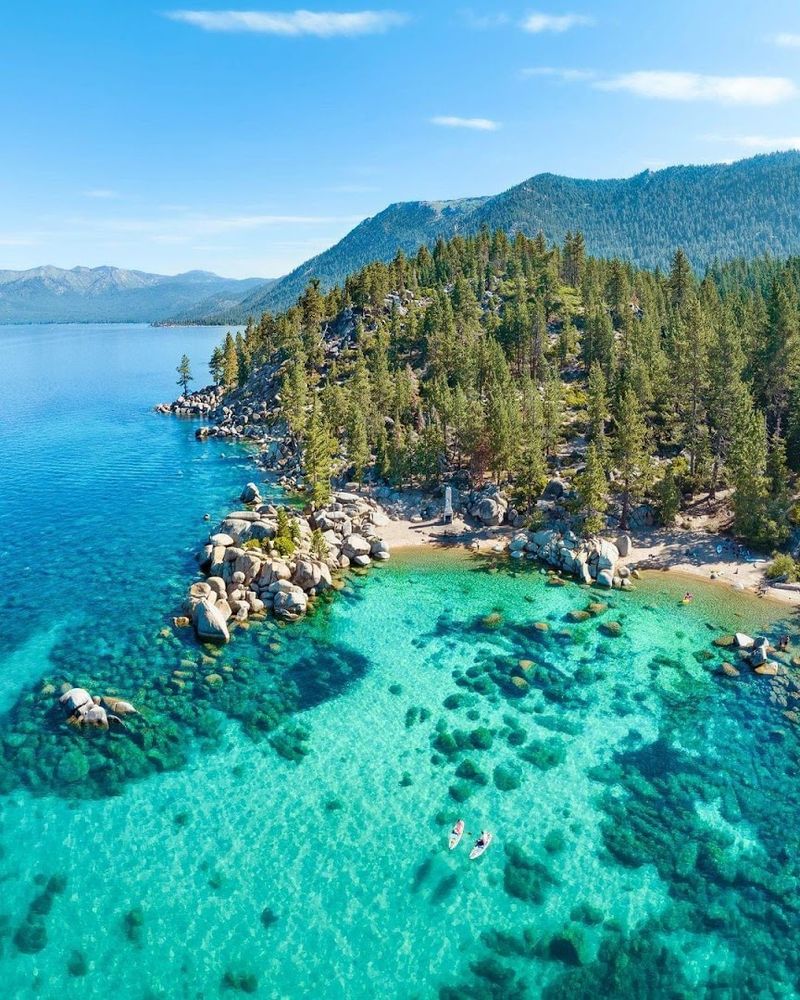
Standing at Sand Harbor, the view extends across miles of open water toward peaks that hold snow into early summer. The Sierra Nevada forms a dramatic backdrop, with ridgelines cutting sharp profiles against the sky.
On clear days, the contrast between blue water and white summits creates scenes that cameras struggle to capture accurately.
The eastern shore perspective offers different light than the California side, with morning sun illuminating the western mountains and afternoon rays highlighting the Nevada shoreline. Photographers time visits around these shifts, seeking specific conditions for their compositions.
Sunset brings alpenglow to the peaks while the lake surface reflects fading light.
What distinguishes these views is the combination of elements rarely found together: tropical water color, alpine peaks, granite formations, and dense conifer forests. Each component alone would merit attention, but their convergence at this elevation and latitude creates something genuinely unusual.
The magic comes from this improbable assembly of features that should not coexist but somehow do.
It Gets Busy, So Timing Matters
Summer weekends at Sand Harbor can mean parking lots filled by nine in the morning and entry gates closed to new arrivals by mid-morning. The park limits capacity to preserve the experience and protect resources, but this means disappointed visitors who arrive late.
Planning around these patterns makes the difference between enjoying the beach and being turned away.
Weekdays offer notably lighter crowds, particularly before school breaks end in June and after Labor Day in September. Early morning arrival on any day improves odds of securing parking and finding preferred spots on the beach.
The park opens at eight, and serious visitors arrive before then to queue at the entrance.
Shoulder seasons bring their own rewards, with September and October offering warm afternoons, fewer people, and water still comfortable enough for swimming. Winter transforms the park into a quiet, frozen landscape that attracts a different type of visitor.
Timing your visit around crowd patterns and seasons shapes the entire experience at this popular destination.
The Park Is More Than Just One Beach
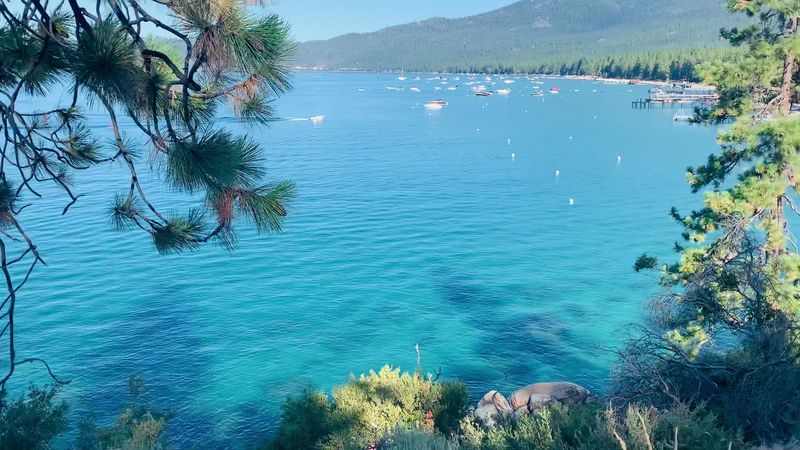
Lake Tahoe Nevada State Park stretches along miles of shoreline beyond Sand Harbor, encompassing additional beaches, trails, and natural areas. Many visitors never explore past the main attraction, missing quieter coves and different perspectives on the lake.
The park manages multiple access points, each with distinct characteristics and appeal.
Hidden Beach and Secret Cove lie north of Sand Harbor, reached by short trails from roadside parking. These spots attract fewer families and more adventurous visitors seeking solitude.
The names prove somewhat ironic given their popularity among locals, but they still offer relief from Sand Harbor’s peak-season crowds.
Trails wind through pine forests and along rocky shoreline, providing hiking options for those who want more than beach time. Cave Rock and Spooner Lake represent the park’s southern sections, adding geological interest and alpine lake scenery to the offerings.
Exploring the full park reveals variety that a single beach visit cannot capture, rewarding those who invest time beyond the famous spots.
Cave Rock Adds Another Beautiful Shoreline Stop
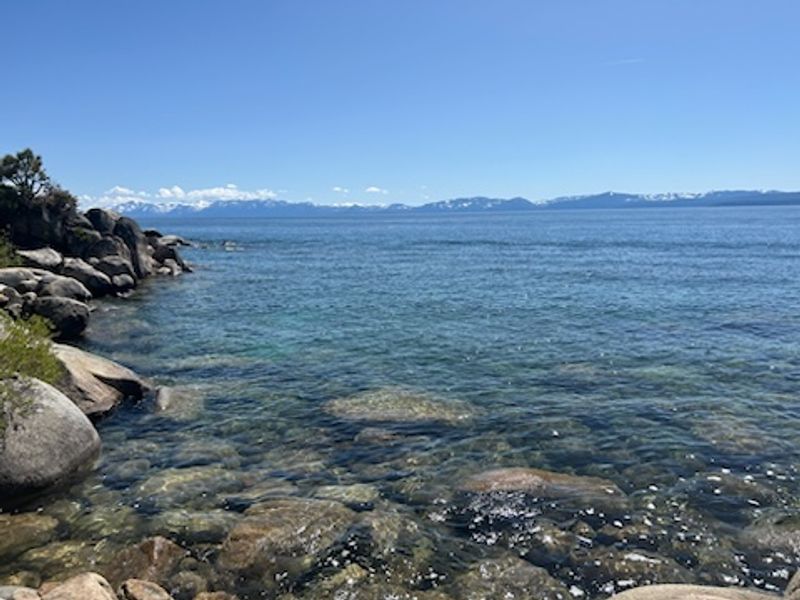
Cave Rock rises as a prominent volcanic formation along the southeastern shore, visible for miles and serving as a landmark for lake navigation. The rock features a tunnel carved through its base, allowing NV-28 to pass directly underneath.
A boat launch and small beach occupy the area around its base, offering access distinct from Sand Harbor’s sandy stretches.
The site holds cultural significance for the Washoe Tribe, who consider it sacred ground. Climbing was once popular here but has been restricted out of respect for tribal traditions and concerns.
Visitors now appreciate the formation from below and from the water, where its scale and unique geology become more apparent.
The shoreline at Cave Rock tends toward rockier terrain, with deeper water close to shore compared to Sand Harbor. This makes it popular with boaters and those seeking quick access to deeper sections of the lake.
The views from this southern vantage point showcase different mountain profiles and water colors, proving that variety exists even within a single state park.
Spooner Lake Brings Hiking And Quieter Scenery
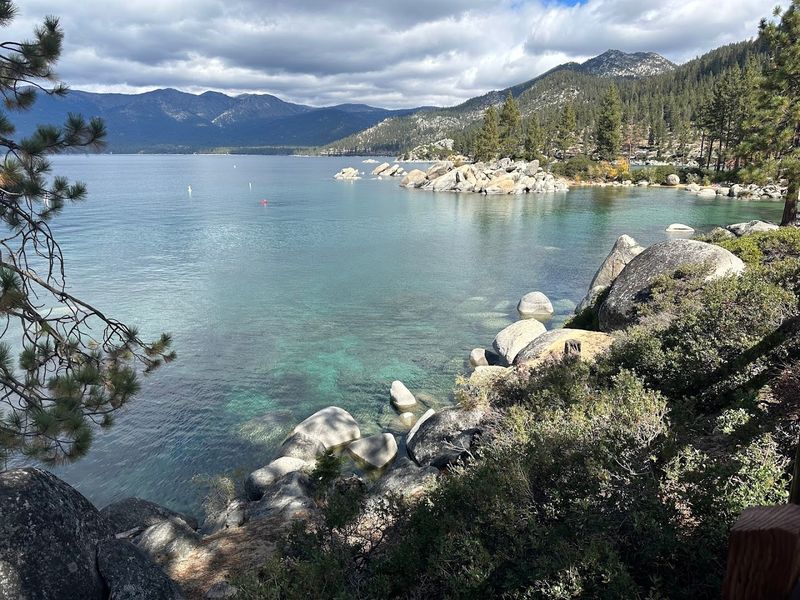
Spooner Lake sits at the junction of NV-28 and US-50, offering a completely different experience from the main lake shoreline. This smaller alpine lake occupies a meadow surrounded by forest, with trails circling its perimeter and extending into the backcountry beyond.
The setting feels more remote despite its roadside location.
Hikers and mountain bikers use Spooner as a starting point for longer adventures into the surrounding wilderness. The five-mile loop around the lake provides an easy option for families or those seeking gentle terrain.
Wildlife sightings are common here, with birds, deer, and smaller mammals active throughout the day.
The lake itself prohibits motorized boats, keeping the atmosphere peaceful and the water calm. Fishing attracts anglers seeking trout in a setting less dramatic but more intimate than the main lake.
Spooner represents the park’s quieter side, appealing to visitors who prefer trails and forest to beaches and crowds, proving that Lake Tahoe Nevada State Park serves multiple interests within its boundaries.
The Water Looks Tropical, But The Setting Is Alpine
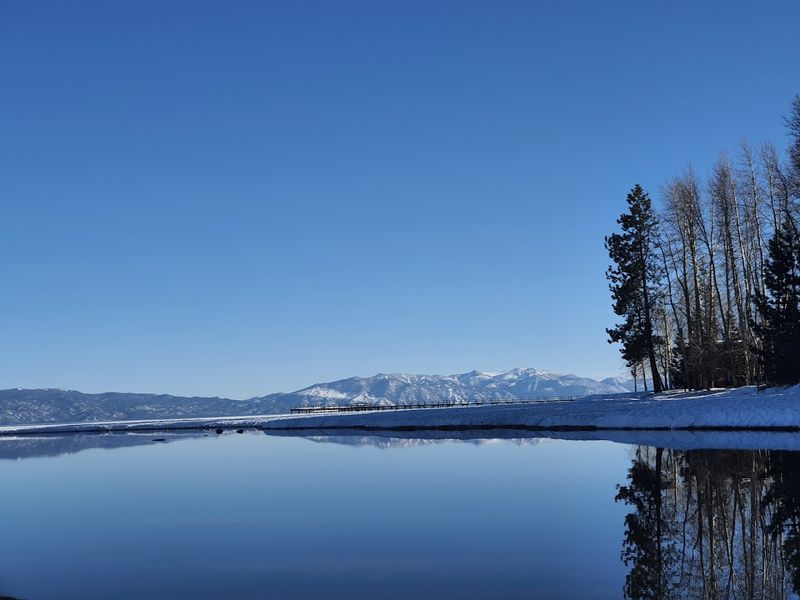
The fundamental appeal of Lake Tahoe Nevada State Park rests in this contradiction: water that belongs in the Caribbean lapping against a shoreline defined by granite, pine, and mountain peaks. The color comes from depth and purity, not coral reefs or warm temperatures.
The setting remains firmly alpine despite visual cues suggesting otherwise.
Elevation at 6,225 feet means thinner air and intense sun that burns skin faster than expected. Temperatures swing dramatically between day and night, even in summer.
Snow covers the surrounding peaks well into June most years, visible from beaches where people swim in water that never truly warms.
This juxtaposition creates the park’s unique character and explains why visitors react with surprise upon first seeing it. Expectations formed by the water color clash with the reality of the mountain environment, creating cognitive dissonance that resolves into appreciation for something genuinely unusual.
The tropical appearance proves real, but the alpine setting provides the context that makes it remarkable rather than ordinary.