
This Massive Wisconsin Bird Sanctuary Draws Photographers From Around The World During Nesting Season
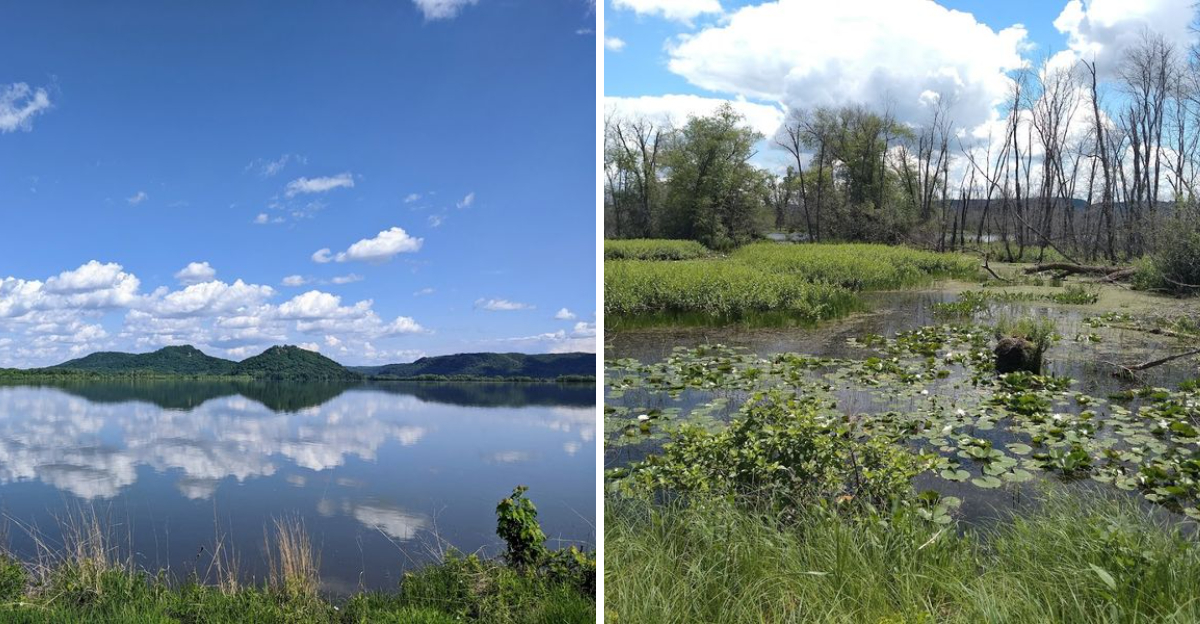
Spring migration can turn a quiet Wisconsin wetland into a full-on wildlife show. One moment, the water sits calm and glassy.
Next, the sky fills with wings, calls, and the kind of movement that makes even casual visitors stop mid-sentence. Bird lovers come for the spectacle, but you do not need binoculars in hand to feel the magic.
Wide marshes, open prairie, forest edges, and river views create a scene that feels alive in every direction. Tundra swans may glide across the water, while bald eagles circle overhead and songbirds flash through the trees.
It is peaceful, dramatic, and surprisingly easy to enjoy if you love nature with a little extra wow.
The Refuge Covers 6,808 Acres
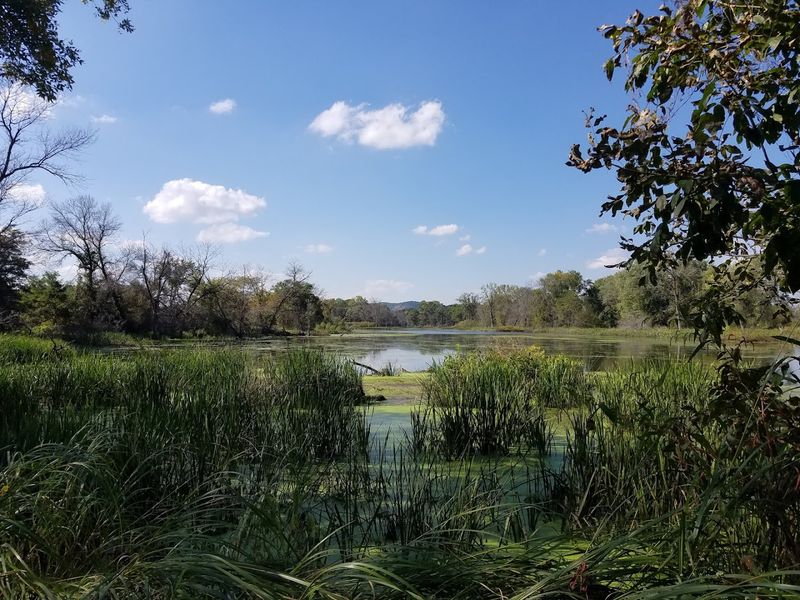
Spanning 6,808 acres along the Mississippi River, Trempealeau National Wildlife Refuge offers an impressive expanse of protected habitat. The sheer size creates opportunities for wildlife to thrive without constant human interference.
Visitors can spend an entire day exploring different corners of the property and still discover new vistas.
The acreage includes a remarkable variety of terrain types that support different species throughout the year. From dense woodlands to open water expanses, each acre serves a purpose in the larger ecosystem.
This scale allows migratory birds to find exactly what they need during their long journeys north and south.
Located at W28488 Refuge Rd in Trempealeau, the property feels vast yet accessible. Multiple entry points and well-maintained roads make it possible to experience the refuge’s grandeur without hiking for miles.
The size alone makes this one of the region’s most significant conservation areas.
It Sits Along The Mississippi River
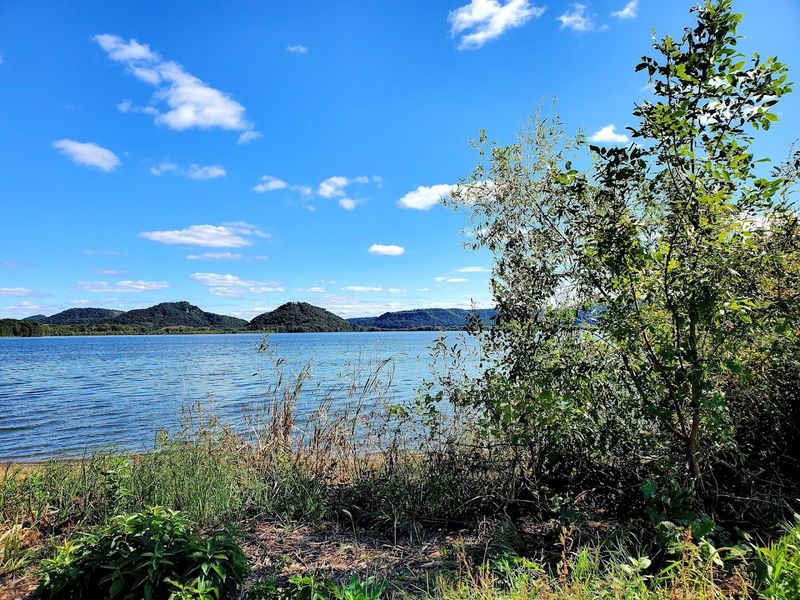
The Mississippi River forms the western boundary of this refuge, creating a dynamic interface between flowing water and protected wetlands. River backwaters provide critical feeding grounds for waterfowl and wading birds.
The connection to this mighty waterway explains why so many species choose this location during migration.
Seasonal water level changes reshape the landscape throughout the year, creating new opportunities for different species. When spring floods recede, mudflats emerge that attract shorebirds by the hundreds.
The river’s influence extends far beyond its banks, shaping everything from soil composition to plant communities.
Boaters can access certain areas via a public boat ramp, offering a different perspective on the refuge. From the water, you gain appreciation for how the river and refuge work together as one interconnected system.
The Mississippi’s presence makes this location unique among Wisconsin’s protected areas.
Wetlands, Prairies, Forests, And Open Water Shape The Landscape
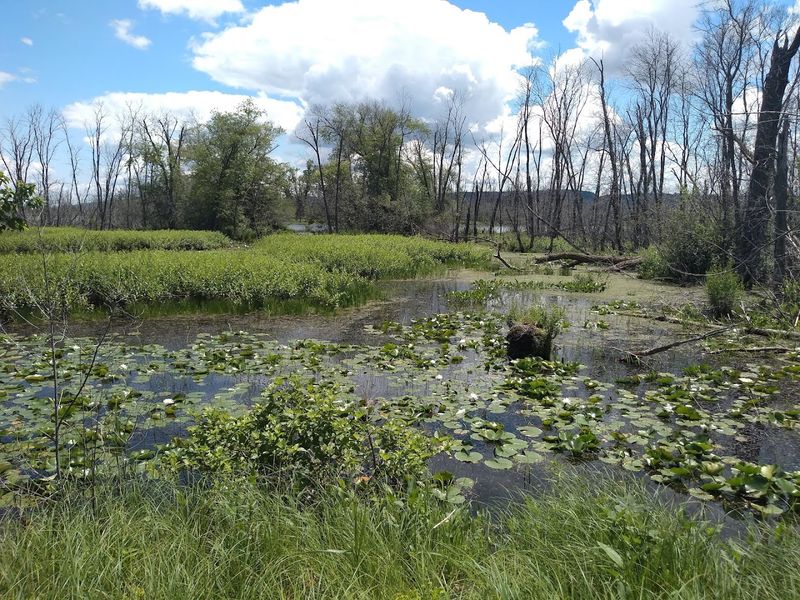
Four distinct habitat types converge at Trempealeau, creating a biological crossroads that supports extraordinary diversity. Wetlands dominate much of the refuge, their shallow waters perfect for dabbling ducks and herons.
Prairie remnants bloom with native wildflowers that once covered vast stretches of the Midwest.
Forests provide shelter and nesting sites for woodland species, from tiny warblers to powerful owls. Open water areas serve as resting spots for migrating waterfowl that need safe places to feed and recover.
This habitat diversity explains why bird lists from the refuge regularly exceed 200 species.
The transitions between these habitat types create edge environments where wildlife activity intensifies. You might spot a white-tailed deer stepping from forest shadow into prairie sunlight.
Each ecosystem supports the others, forming a web of interdependence that makes the whole refuge greater than the sum of its parts.
It Was Established In 1936
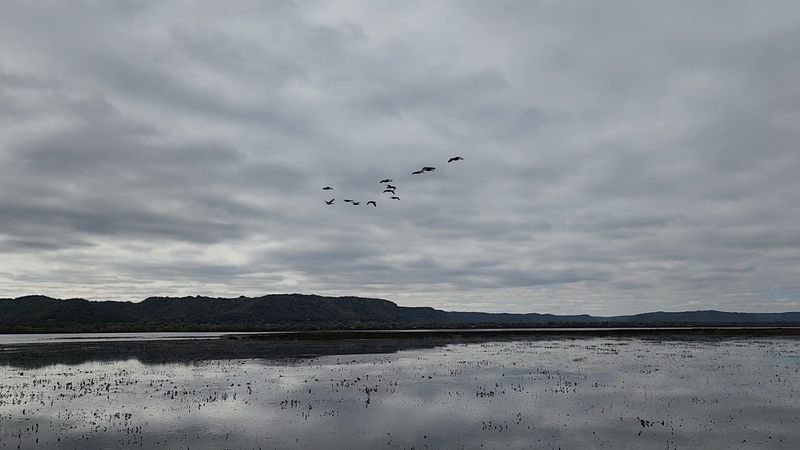
Trempealeau National Wildlife Refuge came into existence in 1936, during an era when conservation thinking was still finding its footing in America. The establishment followed decades of unregulated hunting and habitat loss that had decimated waterfowl populations.
Forward-thinking leaders recognized that protecting key areas along migration routes would be essential for species recovery.
The refuge represents one of the earlier efforts to safeguard Mississippi River ecosystems. Its creation came just two years after the federal Duck Stamp program began funding wetland conservation.
The timing proved crucial, as many similar habitats disappeared in subsequent decades to agriculture and development.
Nearly nine decades later, the refuge stands as proof that protected areas deliver lasting benefits. Species that were rare in the 1930s now thrive here each spring and fall.
The foresight of those early conservationists continues to pay dividends for both wildlife and the people who come to observe it.
It Was Created As A Refuge And Breeding Ground For Migratory Birds
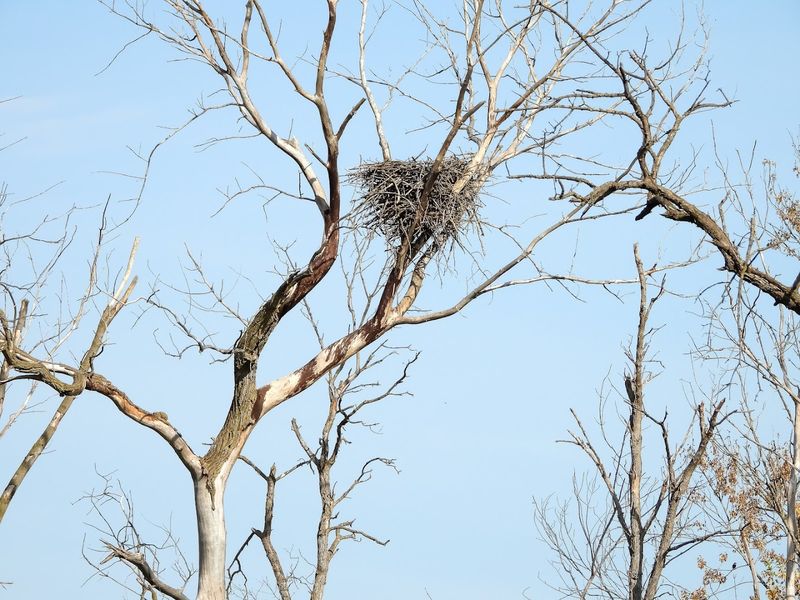
The primary purpose behind creating this refuge was to provide safe habitat for migratory birds traveling the Mississippi Flyway. Millions of birds use this corridor twice yearly, moving between breeding grounds in Canada and wintering areas in the southern United States.
Without protected stopover sites, many would lack the resources to complete these grueling journeys.
Breeding habitat within the refuge supports species that nest in wetlands and adjacent uplands. Wood ducks raise their young in tree cavities near the water’s edge.
Marsh wrens weave intricate nests among cattails, their bubbling songs filling the air throughout summer.
The refuge functions as both a waystation and a destination, serving different species in different seasons. Some birds merely pause here for a few days to refuel before continuing their travels.
Others stay for months, raising the next generation in relative safety before the cycle begins again.
The Observation Deck Offers Big Views Over The Main Pool
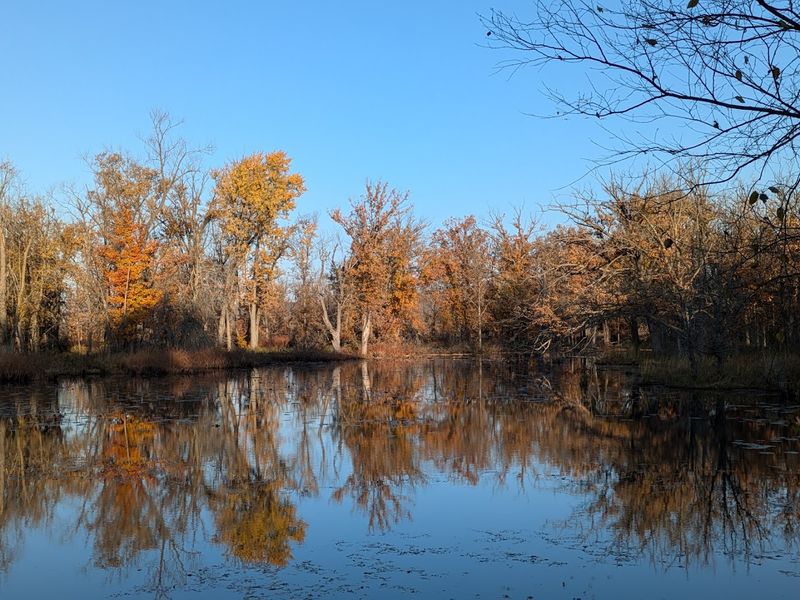
An elevated observation deck serves as the refuge’s premier viewing location, offering sweeping vistas across the main pool. The structure rises high enough to see over vegetation that would otherwise block ground-level views.
Spotting scopes mounted on the deck allow visitors to study distant birds in remarkable detail.
On busy migration days, the scene from this vantage point can be breathtaking. Hundreds of waterfowl might dot the water’s surface while raptors circle overhead.
Volunteers often staff the deck during peak season, helping visitors identify species and sharing insights about bird behavior.
The deck provides accessibility for people who cannot walk the trails but still want meaningful wildlife encounters. You can spend an hour here without moving and witness an ever-changing parade of activity.
Interpretive signs explain what you’re seeing, turning observation into education and making the experience richer for first-time visitors.
Bald Eagles, Tundra Swans, Geese, And Ducks Are Common Highlights
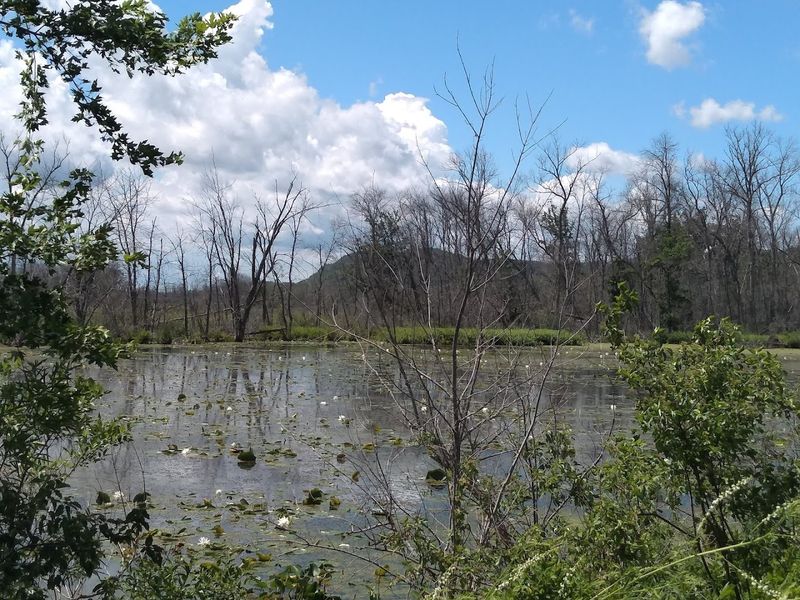
Bald eagles command attention whenever they appear, their white heads visible from remarkable distances. The refuge supports both nesting pairs and migrating individuals, with numbers peaking during fish runs when easy meals attract birds from surrounding areas.
Watching an eagle pluck a fish from the water never loses its impact.
Tundra swans arrive in massive flocks during spring migration, their white plumage glowing against dark water. Their musical calls carry across the marsh, announcing their presence before you even see them.
These arctic breeders stop here to rest and feed before continuing to northern Canada.
Canada geese and various duck species fill nearly every water body within the refuge. Mallards, wood ducks, blue-winged teal, and northern pintails represent just a fraction of the waterfowl diversity.
Each species has its own feeding strategy and habitat preference, creating opportunities to observe fascinating behaviors throughout your visit.
Spring Migration Brings Some Of The Best Birdwatching
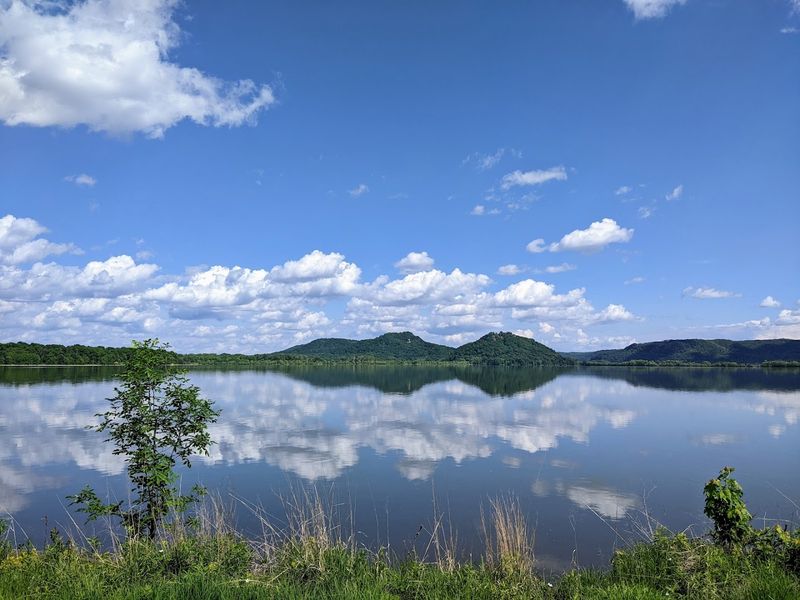
Spring migration transforms Trempealeau into a bird magnet, with peak activity typically occurring from late March through May. Warming temperatures trigger northward movements of countless species eager to reach breeding territories.
The refuge becomes a staging area where birds concentrate in numbers rarely seen during other seasons.
Photographers arrive from across North America and beyond to document this annual phenomenon. The combination of abundant subjects and varied backdrops creates ideal conditions for wildlife photography.
Early mornings offer the best light and most active bird behavior, though opportunities continue throughout the day.
The diversity during spring migration can be staggering, with dozens of species present simultaneously. Warblers flit through budding trees while shorebirds probe mudflats and raptors patrol the skies.
Each visit during this period reveals something different as waves of migrants pass through on their own schedules, making spring the season that draws the most dedicated birdwatchers.
The Prairie’s Edge Tour Loop Makes Wildlife Viewing Easy
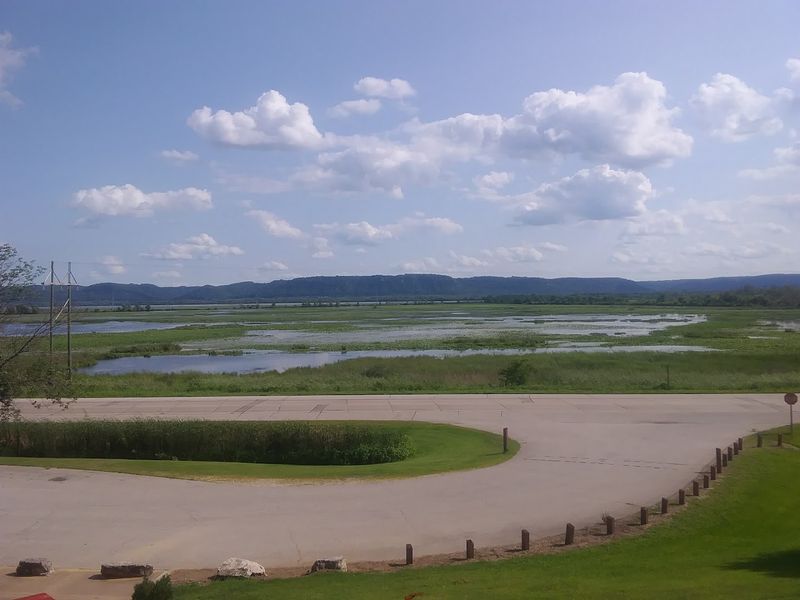
The Prairie’s Edge Tour Loop provides a driving route through multiple habitat types without requiring extensive hiking. This gravel road system allows visitors to cover significant ground while remaining in their vehicles.
The design particularly benefits those with mobility limitations or families with young children who might struggle with longer walks.
Strategic pullouts along the loop offer places to stop and scan for wildlife without blocking other vehicles. Many visitors drive slowly, pausing frequently to watch birds feeding in adjacent fields or wetlands.
The loop format means you eventually return to your starting point, making navigation simple even for first-time visitors.
Different sections of the loop reveal different species depending on habitat preferences. Open areas attract grassland birds while wooded sections host forest dwellers.
The convenience of vehicle-based viewing doesn’t diminish the quality of wildlife encounters, and many photographers work successfully from their cars, using them as mobile blinds.
Photographers Can Find Beautiful Marsh And River Backdrops
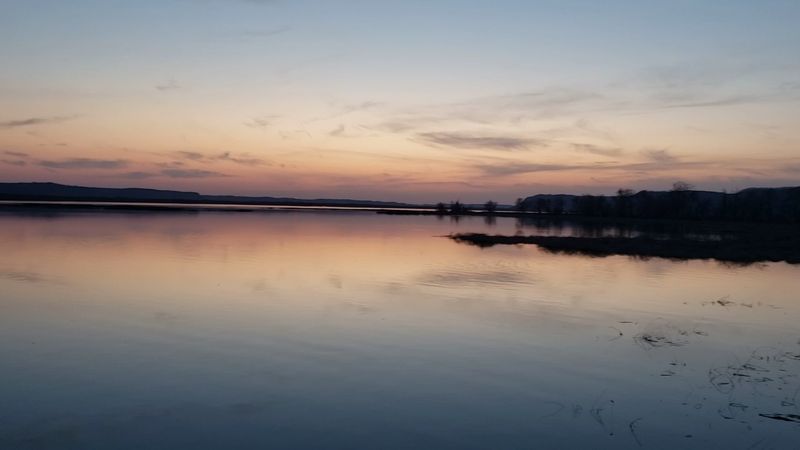
The photographic potential at Trempealeau extends beyond bird portraits to include stunning landscape compositions. Marsh scenes with reflected clouds create mirror images that add depth and beauty to wildlife shots.
The interplay of water, vegetation, and sky provides constantly changing conditions that challenge and inspire photographers.
River backdrops add drama to images, especially when morning mist rises off the water or golden hour light paints everything warm. The variety of settings means photographers can shoot different subjects against distinct backgrounds all within the same refuge.
A wood duck on a quiet backwater creates an entirely different mood than a bald eagle against open sky.
Open from 5 AM to 10 PM daily, the refuge accommodates photographers seeking optimal light conditions at dawn and dusk. The long hours also permit unhurried sessions where you can wait for the perfect moment rather than rushing through.
This combination of access and scenery explains why serious wildlife photographers return repeatedly.