
This Hidden Montana Hot Spring Offers An Unforgettable Trek Through Stunning Wilderness
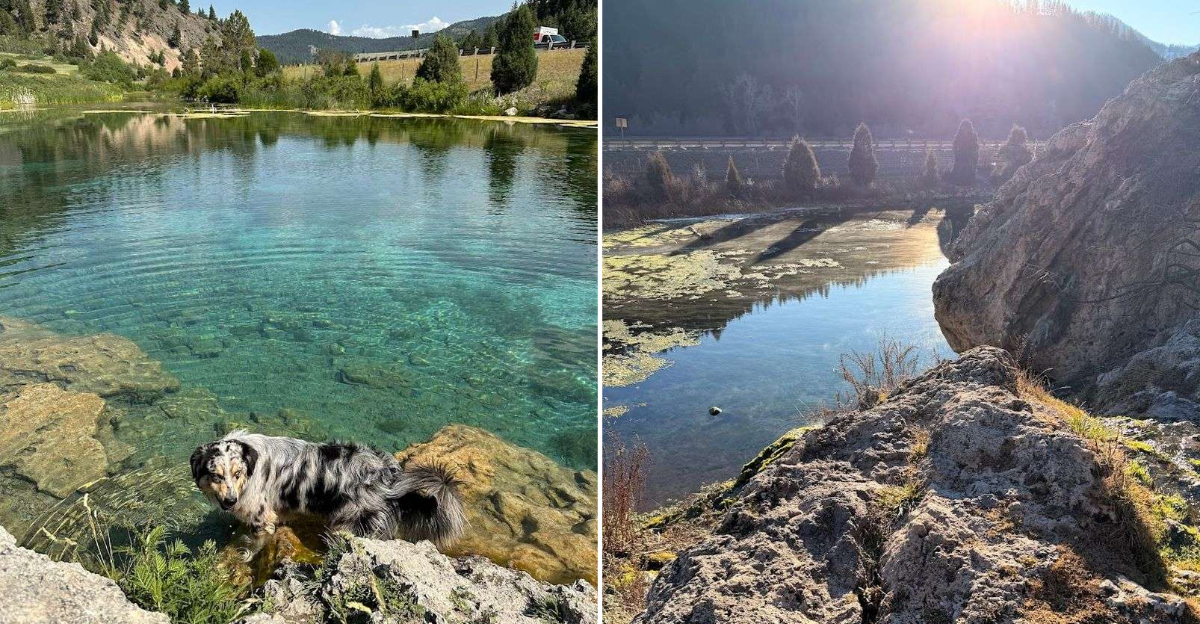
Most people drive straight past the turnoff without a second glance. A natural hot spring sitting deep inside Montana wilderness is rewarding the curious travelers bold enough to actually look for it.
The trek itself becomes part of the experience long before you ever reach the water. Towering pines line the trail, the air carries that clean bite of elevation, and the silence hits differently out here than anywhere else.
This is not a roadside attraction with a parking lot and a gift shop. You earn this one with your boots.
Visitors who make the journey consistently describe it as one of the most memorable outdoor experiences Montana has ever handed them.
Natural Thermal Features And Their Benefits
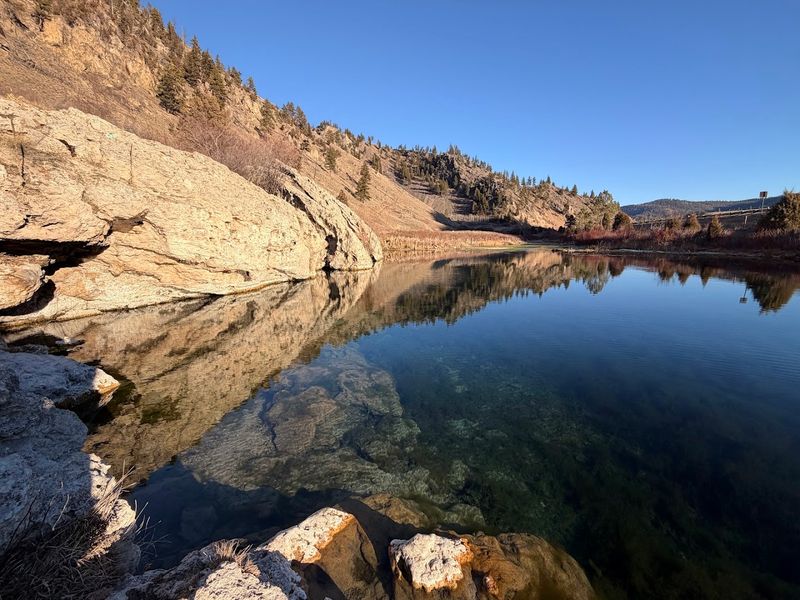
The spring water here is warm and clear in summer and feels refreshing on hot days. The pool sits in a rocky bowl with small waterfalls feeding it and crystal clarity that invites you to wade in slowly.
The mineral content is subtle and mostly pleasant, with a faint sulfur trace that does not overpower the senses. You can float or swim and feel the chill of mountain air mixing with mild warmth, which sharpens the senses and calms the mind.
The pool also offers simple physical benefits like gentle buoyancy and tension relief after a long drive. Time in the water is restorative, and the solitude helps dissolve weekday noise from the head.
Surrounding vegetation provides shade during hot afternoons, creating a cooler, peaceful atmosphere with birdsong. Birdsong and the steady sound of moving water replace the usual background hum of daily life.
The rocky edges provide natural seating where you can rest between swims and take in the view without any hurry. Most visitors stay longer than they originally planned, which is a reliable sign that a place is doing something right.
Getting there requires a short walk from the nearest parking area, and that brief effort keeps the crowds thin. You arrive already slowing down, and the water does the rest.
Few natural spots deliver this kind of quiet reward so consistently. Nimrod Hot Springs is located in Montana, and it’s free to visit.
Scenic Hiking Routes To Explore Nearby Wilderness
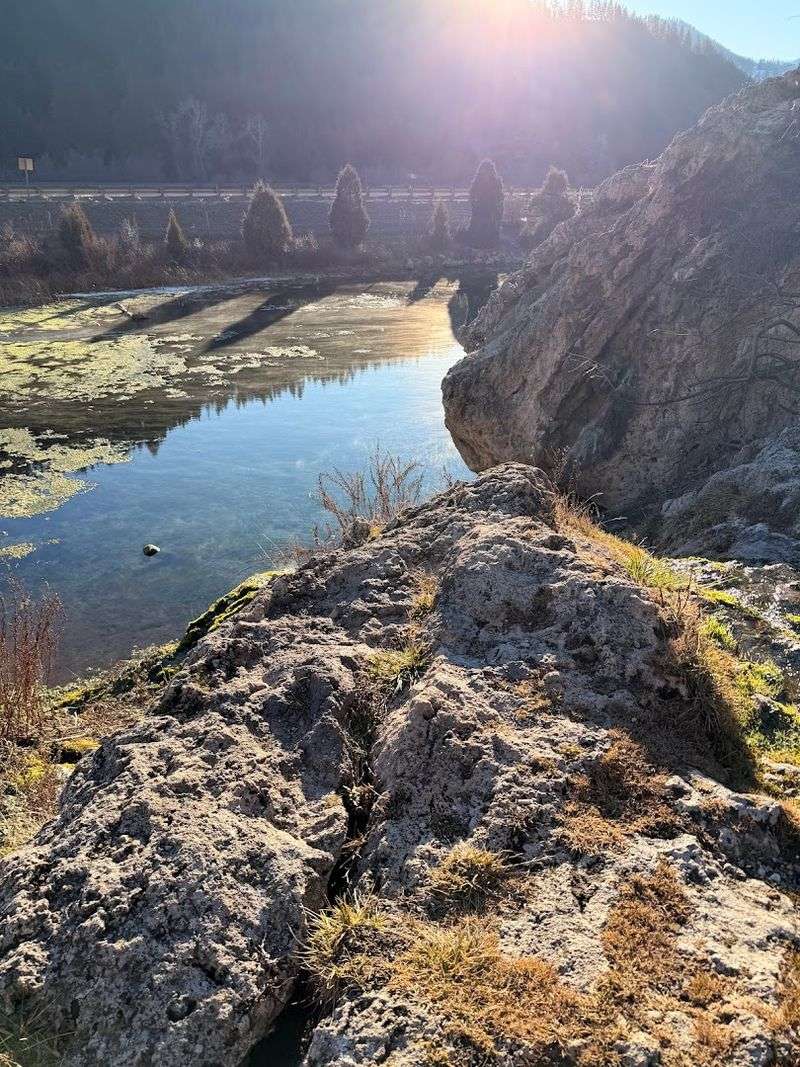
The trail from the parking berm is short and easy to follow and feels like a mini adventure. It winds over packed gravel and low grasses and drops you near the pool after a half mile or so.
The route offers mountain glimpses and cliff edges that reward quick pauses and small photo stops. Keep shoes on and watch for uneven ground, which keeps the walk honest and quiet.
The hike never pretends to be technical, yet the scenery reads like a postcard in motion. Hiking here is about rhythm, slow steps, a few breaths, and then the bright blue water appears.
Signage along the path is straightforward enough that first-time visitors rarely second-guess their direction. The trail narrows in a few spots where the cliff edges draw closer, and those moments add a touch of character without ever feeling dangerous.
Wildflowers bloom along the lower stretch in warmer months, adding color to the grey-green landscape. Small lizards and birds occasionally cross the path, giving the walk an unhurried, living quality.
Children manage the route comfortably, and older visitors move through it at their own pace without issue. The incline stays gentle throughout, so the body arrives at the water already relaxed rather than worn out.
That ease of arrival makes the first step into the pool feel genuinely earned.
Wildlife Encounters Along The Trekking Paths
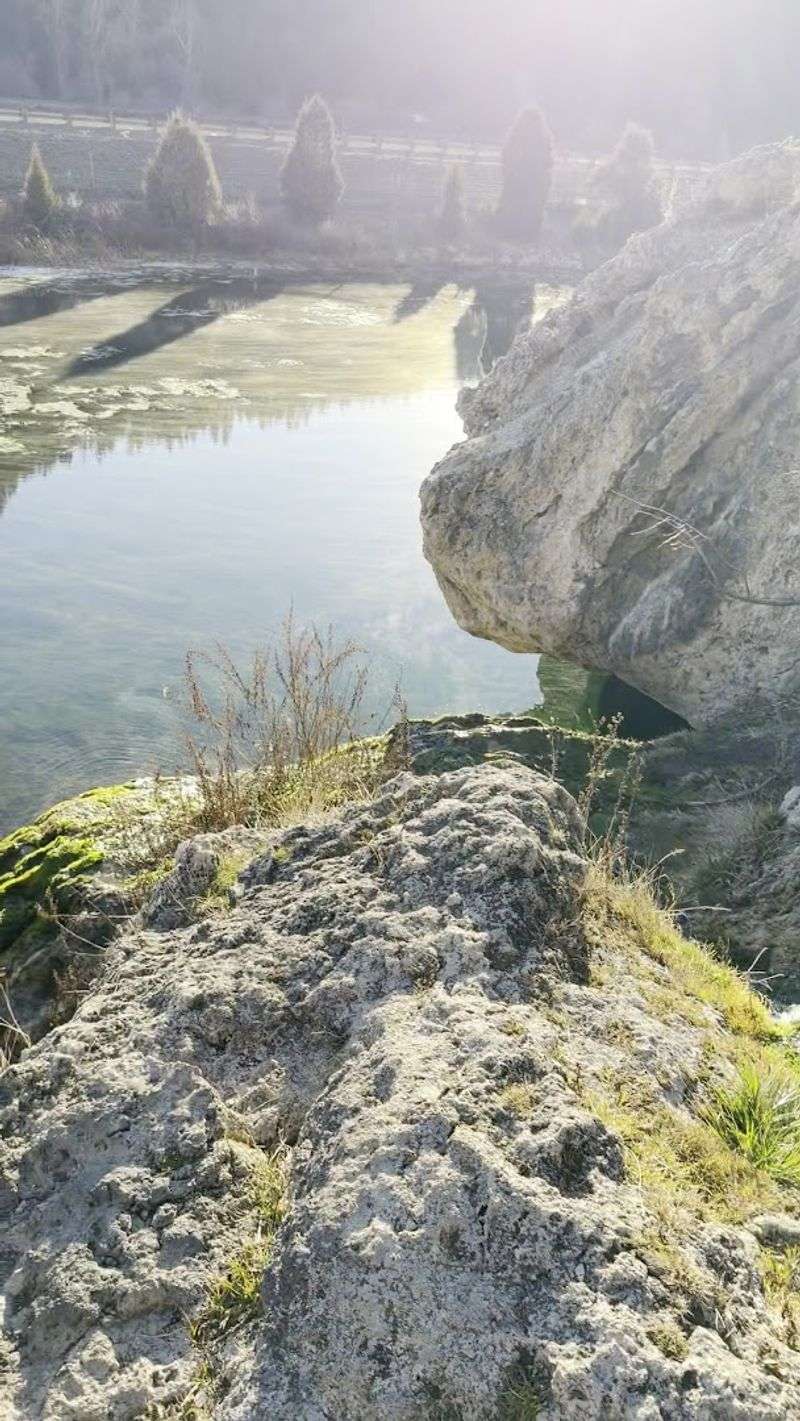
Common Montana critters and the occasional deer watching from afar are regular companions along this route. You might hear birds and frogs, and an elk could pass at a respectful distance if you are lucky and still.
Bears are part of the region and deserve respect and caution on any hike. Carry bear spray, make noise when visibility drops, and secure food in your vehicle or pack to reduce surprises.
Wildlife encounters here are mostly peaceful and often curious if you keep your distance. These moments add a pulse to the trek and remind you that this landscape has a life beyond human hours.
Raptors often circle overhead on warm afternoons, gliding on thermal currents. Ground squirrels dart between rocks near the lower trail sections, and their quick movements often catch the eye before anything else does.
Early morning visits tend to reward the most patient observers. Animals move freely before the first hikers arrive, and catching that window requires nothing more than an earlier alarm and a willingness to move quietly.
Dusk offers a similar opportunity for those who time their return well.
Respecting distance matters not just for personal safety but for the animals themselves. Feeding wildlife, however well-intentioned, disrupts natural behavior and creates problems for future visitors.
Watching without interfering is both the safer and more respectful way to share the space.
Best Times Of Year For Visiting Remote
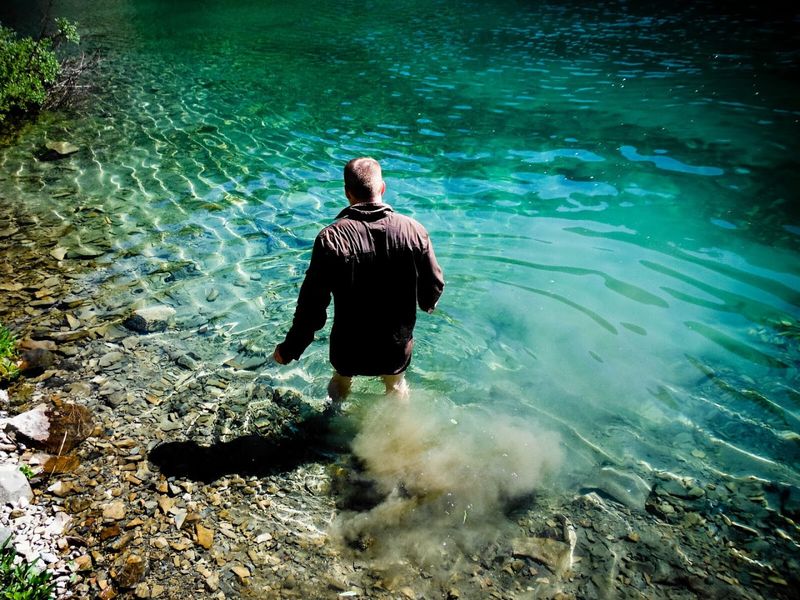
Summer through early fall is the best window for visiting the spring comfortably. The water feels pleasantly cool in the heat, and the trail stays dry and easy to navigate.
Late spring can be lovely with higher water flow and vivid greens, though the path may be soggier in places. Winter visits are possible but challenging and chilly, given the spring’s mild warmth.
Ideal visits combine warm daytime temperatures and long daylight hours so you can hike and soak comfortably. Plan for summer afternoons and early evenings for the full experience.
August tends to be the sweet spot, when crowds are present but manageable, and the surrounding landscape sits at its most saturated and alive. Wildflowers have peaked, grasses have filled in, and the mountains hold their color well into the evening light.
September brings a noticeable shift in atmosphere as temperatures soften and the first hints of autumn color appear on higher slopes. Visitor numbers drop alongside the mercury, which rewards those willing to pack an extra layer with quieter trails and easier parking.
October nears the end of the comfortable season but still brings occasional crisp, golden days worth the effort. Checking local forecasts a few days ahead becomes more important as the season turns, since conditions can shift quickly at elevation.
Arriving prepared for variable weather during the shoulder months ensures the experience stays enjoyable rather than uncomfortable.
Safety Tips For Remote Water Exploration
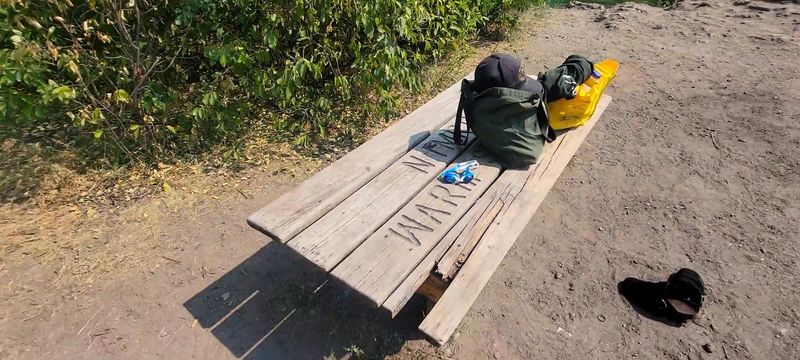
Safety starts with thoughtful packing and plain common sense for a primitive site like Nimrod Hot Springs. Bring water, footwear for rocky banks, and a small first aid kit for unexpected scrapes or slips.
Parking rules matter because shoulder parking on the interstate can be risky and illegal in spots. Use the Bearmouth exit and approved parking where possible to reduce danger and respect local rules.
Carry bear spray and make noise on approach in lower visibility areas to avoid startling wildlife. Tell someone your plans and estimated return time before you walk the short trail.
Cell service here is unreliable, so downloading an offline map beforehand is recommended. Knowing the route in advance also means less time staring at a screen and more time paying attention to the surroundings.
Sun protection is easy to overlook when the air feels cool, but elevation and open stretches of trail can lead to a burn faster than expected. A hat, sunscreen, and sunglasses round out a basic kit without adding meaningful weight to a pack.
Afternoon thunderstorms are common during summer months in Montana and can develop quickly over mountain terrain. Watching the western sky and heading back earlier than planned is a smarter call than waiting for rain to decide the schedule.
Leaving the site as you found it protects the experience for everyone who follows. Packing out all waste, avoiding damage to rocky edges around the pool, and staying on established paths keeps this spot accessible and worth returning to.
Eco Friendly Practices When Visiting Natural
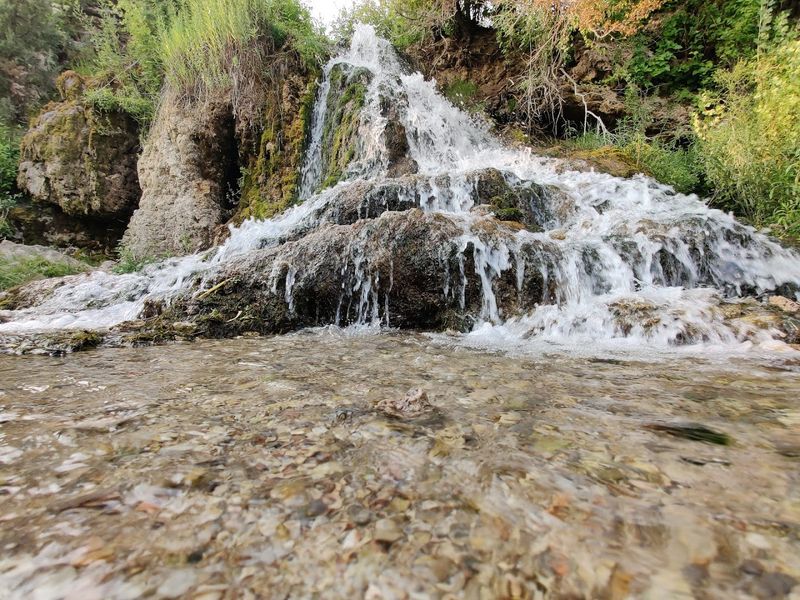
Pack out every scrap you carry in and leave the spot as you found it or cleaner. Bring a small trash bag and double-bag any wet or smelly items to avoid wildlife attraction.
Use established paths and avoid trampling vegetation or creating new trails around the pool. Human waste should be packed out when possible and buried away from water if necessary and allowed by local rules.
Respect water access laws and private property boundaries when parking and walking from the road. Simple care helps the spring stay welcoming for future visitors and protects the local habitat.
Fires are strongly discouraged in this area, given the dry conditions that persist through summer and early fall. Carrying a small portable stove for any cooking needs is a safer and more responsible alternative.
What you carry in sets the tone for how you leave. Treating the site with the same consideration you would want others to show keeps the experience intact for the next person who makes the trip.
Photography Ideas To Capture Stunning Landscapes
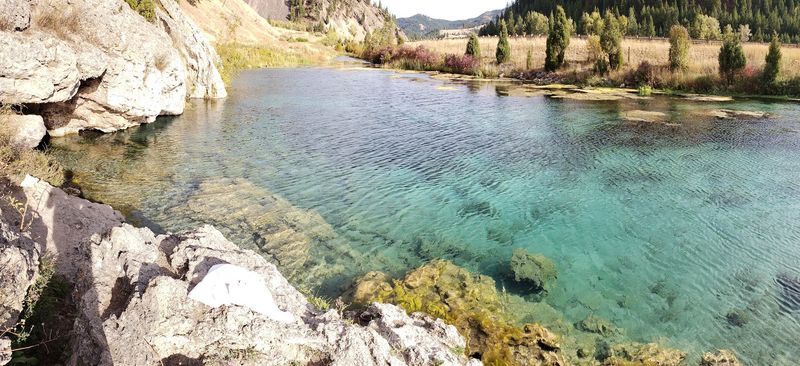
Shoot at golden hour to catch warm light on cool blue water and soft shadows at Nimrod Hot Springs. Early morning and late afternoon give the best contrast and less harsh reflections on the pool surface.
Bring a polarizer to tame glare and deepen the blue tones of the water and sky. Low angles near the waterline yield immersive shots that emphasize clarity and texture.
Include a human scale in a few frames to show the pool’s size, but keep people minimal to preserve the sense of solitude. Scout a few vantage points along the short trail for varied compositions.
Rocky edges and small cascading waterfalls make strong foreground elements that draw the eye naturally toward the water. A slow shutter speed softens the falls into a silky texture that contrasts well against the stillness of the pool.
Overcast days are underrated here since diffused light removes harsh highlights and brings out subtle color in the surrounding vegetation and stone.
Soothing Effects Of Mineral Rich Waters
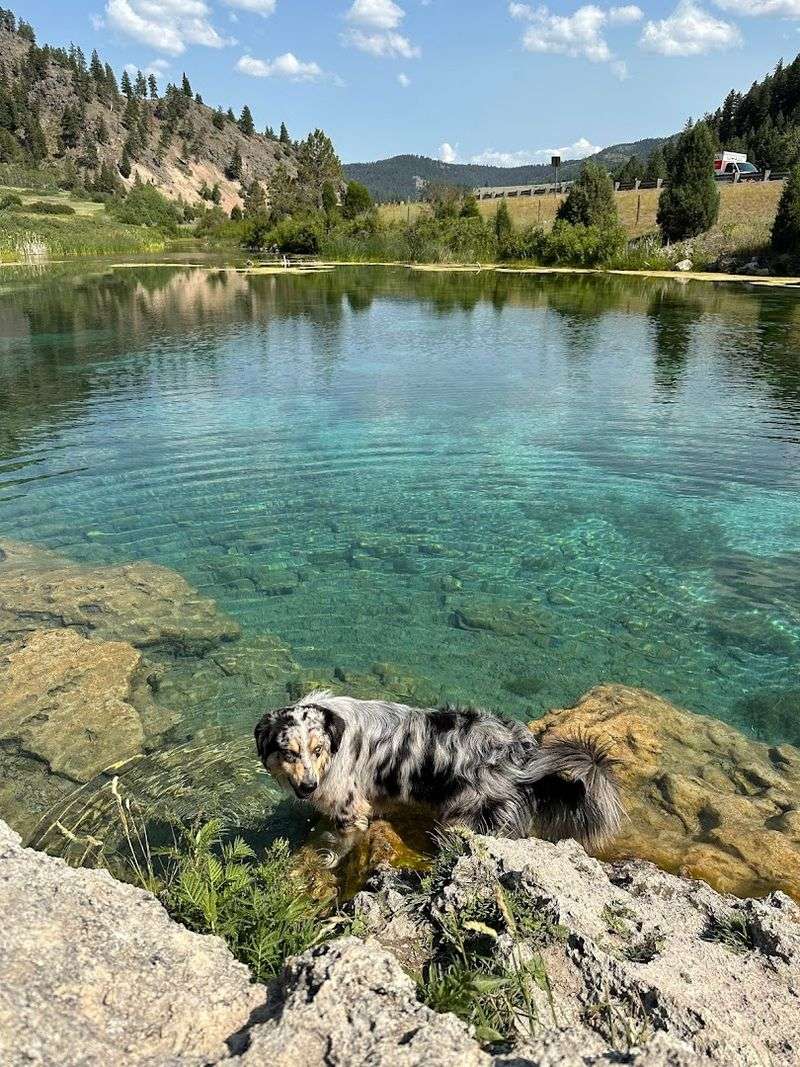
The mineral-rich water at Nimrod Hot Springs feels calming without being scalding hot and suits summer soaks well. The mild warmth and slight buoyancy help ease muscle tension after hiking and driving.
The subtle sulfur note is present but not offensive, and it adds a rustic authenticity to the experience. Floating quietly while watching the sky or nearby cliffs feels restorative and surprisingly simple.
The spring’s effect is more about quiet recovery than dramatic heat therapy, so plan accordingly. Pack a light towel and dry layers for comfort after your soak.
Mountain air cools quickly once you step out of the water, so having dry clothing within reach makes the transition far more comfortable. A change of shoes also helps since wet feet on a gravel trail back to the car is an easy discomfort to avoid.
The experience rewards those who slow down and stay a while rather than treating it as a quick stop.