
This Peaceful Vermont Town Delivers More Charm And Character Than Almost Anywhere Else
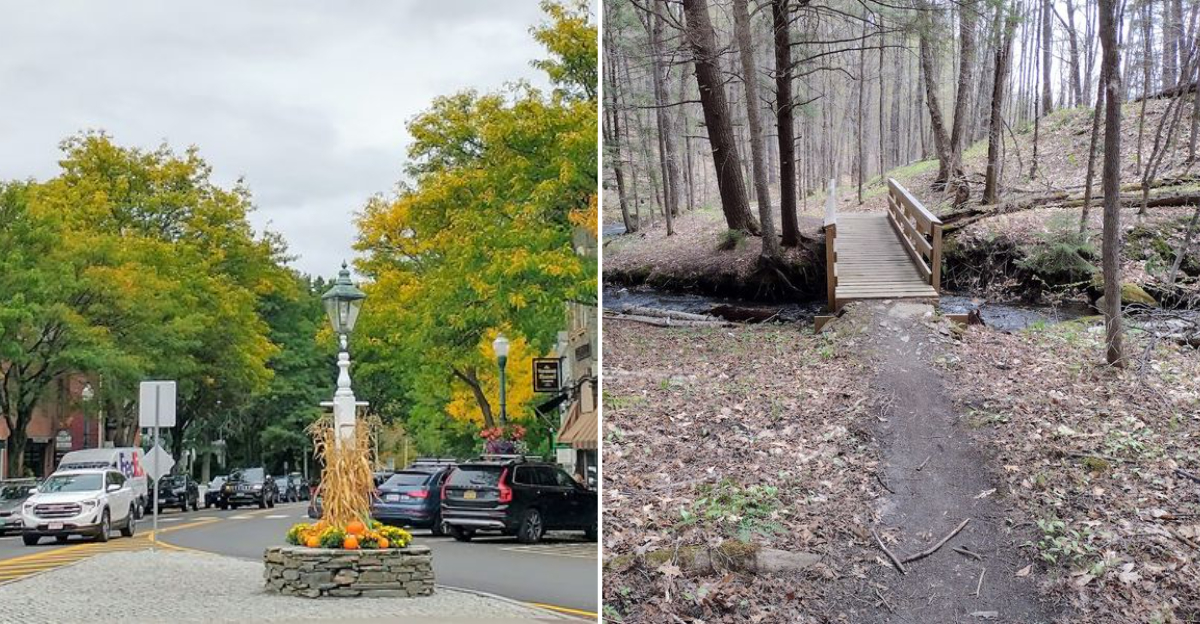
Vermont has plenty of towns that look good on a postcard, but this one actually feels different the moment you step out of the car. The streets move more slowly here, the locals wave back, and the architecture looks like nobody ever told it to modernize.
Independent bookshops sit next to family bakeries that have been running for decades. Farm stands appear on nearly every corner once the season shifts.
There is a particular kind of quiet here that bigger destinations spend millions trying to manufacture and still never quite get right. Vermont delivers charm in layers, and this town carries more of it per square block than almost anywhere else in the state.
Visitors who stumble across it once tend to come back with a longer list of people they want to bring along next time.
Historic Architecture Reflecting New England Heritage
Woodstock does not fake its history; it actually lived it. The buildings here date back centuries, and they are still standing strong today.
Federal homes line the streets with their symmetrical windows and classic brick faces. Georgian, Greek-Revival, and Queen Anne styles all share the same blocks without competing.
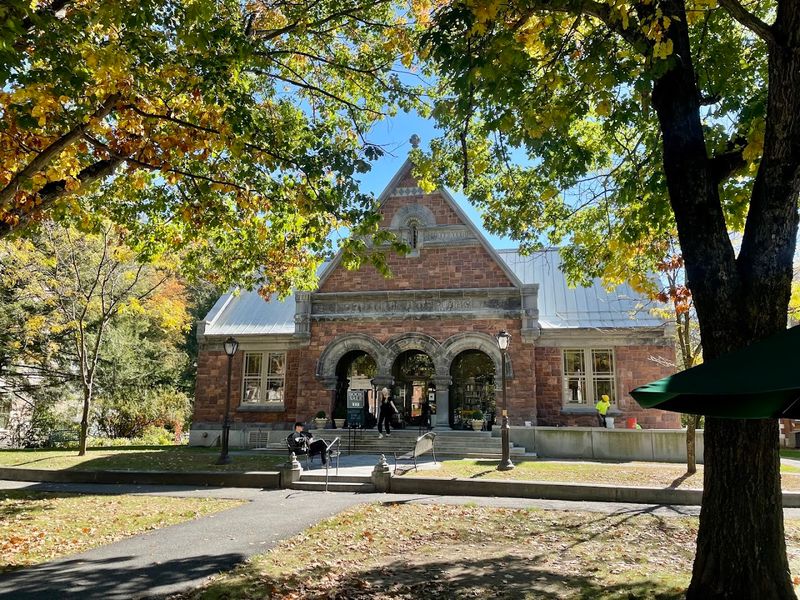
The Norman Williams Public Library is built from pink sandstone and looks like it belongs in a storybook. It was constructed in the 1880s and still serves the community today.
Walking past it feels like flipping through a very well-preserved history book.
Influential figures like Frederick Billings and the Rockefeller family played real roles in keeping this town intact. They did not just admire it; they actively funded its preservation.
Because of their efforts, chain stores and modern sprawl never took over.
Every corner of the town green tells a story. The building frames it like a painting that has never needed a restoration touch-up.
Woodstock sits at the heart of New England heritage in a way few towns can honestly claim.
You will not find a single neon sign competing with these facades. That is not an accident.
It is a deliberate, community-wide commitment to keeping things real and rooted.
Seasonal Festivals Celebrating Local Traditions
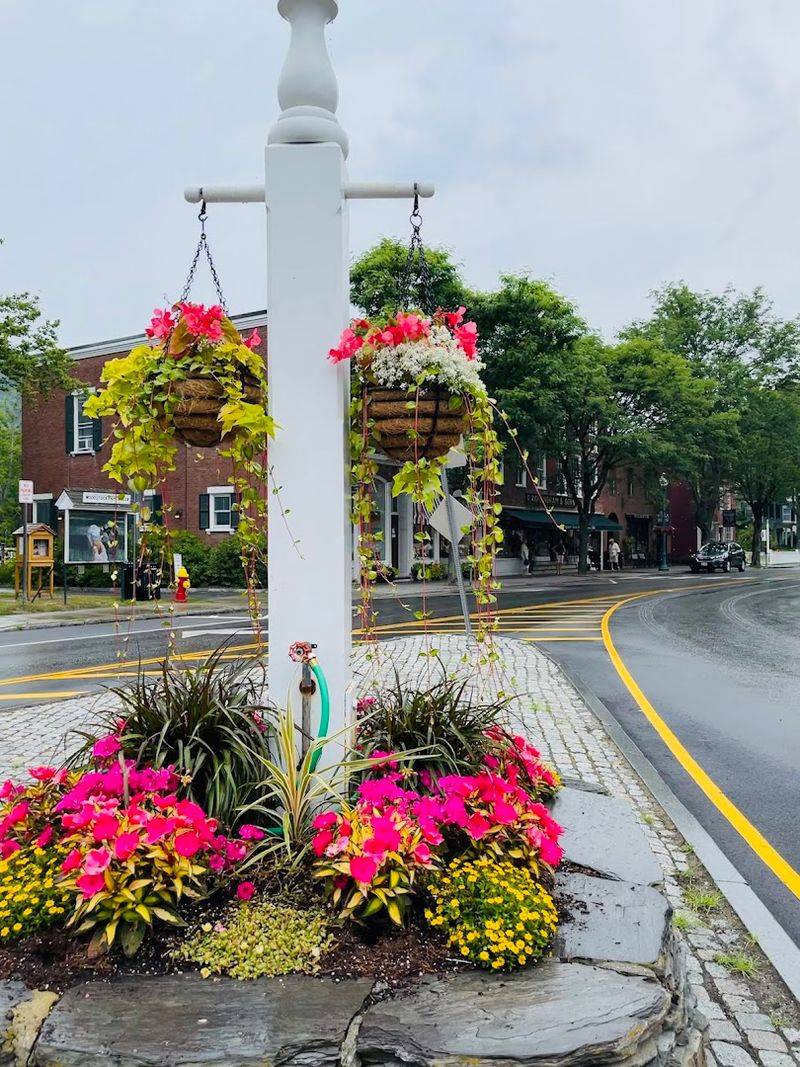
Woodstock knows how to celebrate every season without overdoing it. The festivals here feel rooted in real local traditions rather than tourist bait.
Each season brings something worth showing up for, and the town delivers consistently.
Fall is the obvious showstopper. The foliage alone draws visitors from across the country every October.
But the harvest festivals and farm events layered on top make autumn here feel genuinely special and community-driven.
Winter brings its own energy to the town green. The Wassail Weekend parade is a long-standing tradition that fills the streets with horses, carolers, and festive energy.
It is old-fashioned in the best possible way.
Spring maple sugaring celebrations connect visitors directly to Vermont’s most iconic product. Farms open their doors and explain the whole process from tree to table.
Kids and adults both find it surprisingly fascinating.
Summer festivals highlight local music, art, and agriculture in equal measure. The town green becomes a gathering space where everyone, from longtime residents to first-time visitors, feels welcome.
There is no VIP section, just good people enjoying good things.
These events are not produced by outside event companies. They are planned and run by the community itself.
That difference shows up in every detail, from the handmade signs to the genuinely warm welcome you get at the gate.
Artisan Shops Featuring Handmade Vermont Crafts
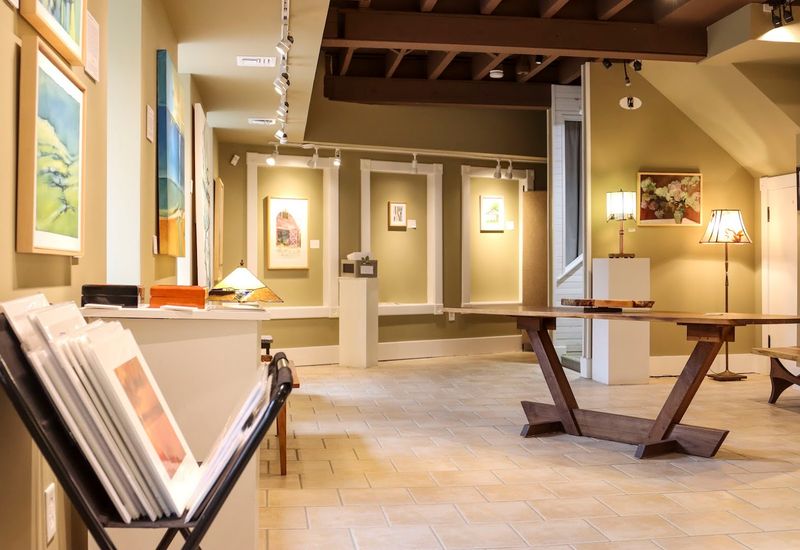
Forget the mass-produced souvenir shops you find in most tourist towns. Woodstock operates on a completely different level when it comes to local shopping.
The artisan shops here carry things that were actually made by someone nearby, by hand, with real skill.
You will find hand-thrown pottery, locally woven textiles, carved woodwork, and hand-painted art. Each piece has a story attached to it.
The person who made it often lives just a few miles away from where it is being sold.
The town has made a firm commitment to keeping chain stores out. That policy has created space for small, independent makers to thrive here.
Walking through these shops feels more like visiting a gallery than running a retail errand.
Maple syrup products show up everywhere, and rightfully so. Vermont maple is the real deal, and Woodstock shops carry everything from syrup to maple butter to maple candy.
Sugarbush Farm even lets you try before you buy on a self-guided tour.
Handmade quilts, locally sourced beeswax candles, and Vermont cheese boards are common finds. These are not trinkets; they are genuinely useful, beautiful objects.
You will probably spend more than you planned, and you will not regret a single purchase.
Shopping here supports real people doing real craft work. That connection between buyer and maker is something big-box retail can never replicate, no matter how hard it tries.
Local Cuisine Highlighting Farm To Table Flavors
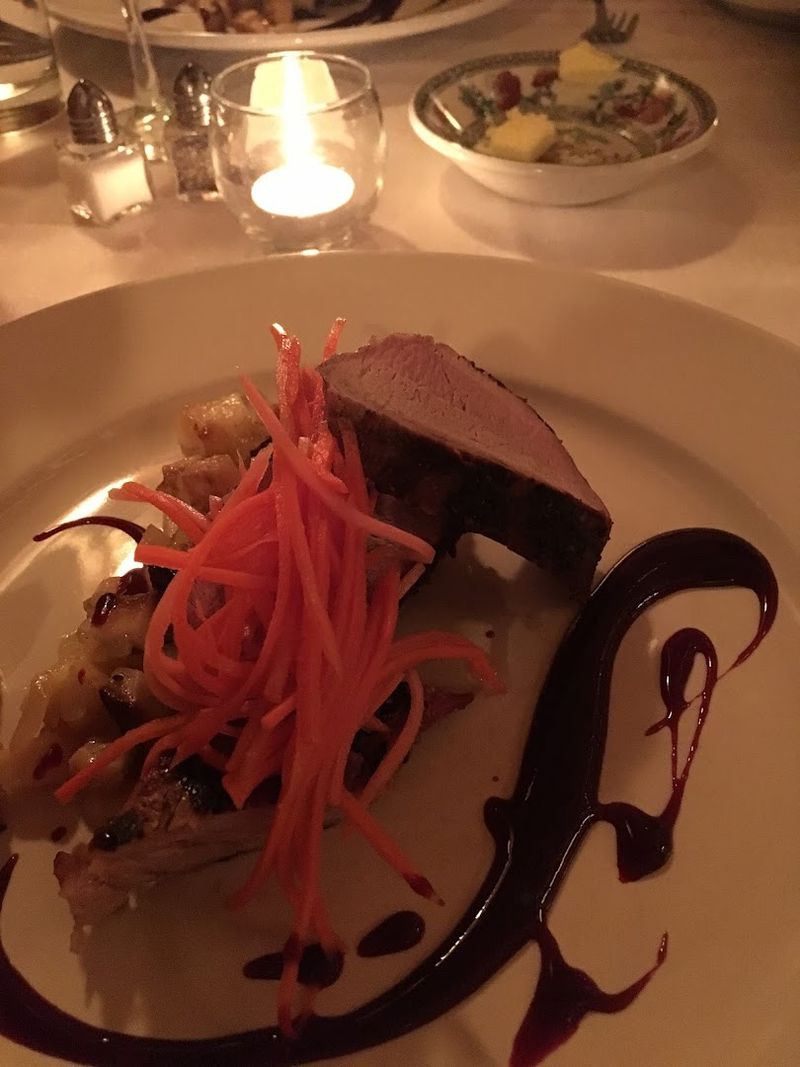
Eating in Woodstock is a genuine highlight of any visit. The food scene here is built on close-proximity farms, ingredients are fresh, and the chefs actually care about where things come from.
That combination produces meals worth remembering.
Vermont dairy is the backbone of many dishes served here. Local cheese, fresh cream, and farm butter show up on menus in creative and satisfying ways.
Even a simple breakfast feels elevated when the ingredients are this good.
Billings Farm and Museum plays a role beyond just history. It is a working dairy farm that supplies quality products to the local food community.
Visiting it gives you a real appreciation for what ends up on your plate later.
Maple syrup is not just a topping, here it is a serious ingredient. Local chefs use it in sauces, glazes, dressings, and even savory dishes.
It adds a Vermont-specific flavor profile that you genuinely cannot replicate elsewhere.
Seasonal menus are the norm rather than the exception. Restaurants change their offerings based on what is growing and available nearby.
That means every visit to Woodstock can produce a slightly different dining experience depending on the time of year.
The overall food culture here is unpretentious but genuinely excellent. You are not paying for atmosphere or a famous name.
You are paying for quality ingredients handled with care, and that is a trade worth making every single time.
Outdoor Activities In Picturesque Surroundings
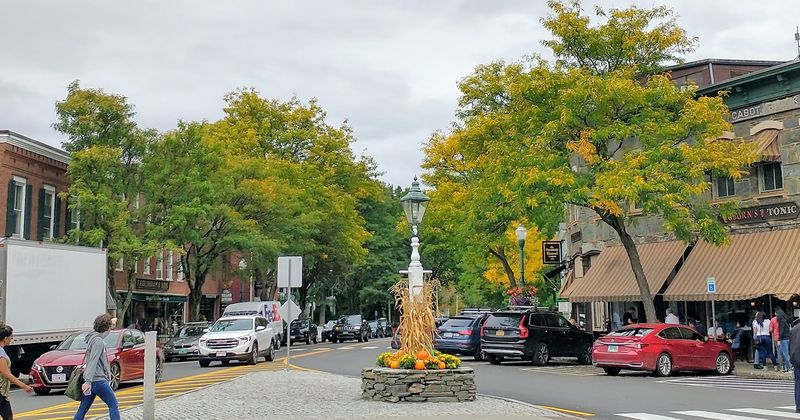
Woodstock sits inside some of the most beautiful landscapes in the entire northeastern United States. The Green Mountains frame it from every direction.
The Ottauquechee River winds right through the middle of town like a natural welcome mat.
Marsh-Billings-Rockefeller National Historical Park is Vermont’s only national park, and it sits right here. The trails lace through forests, past stone walls, and up to panoramic ridgelines.
It is a serious outdoor destination hiding inside a charming small town.
Mount Tom Forest offers hiking trails that reward you with sweeping views of the valley below. The climb is accessible for most fitness levels.
Even a short walk up delivers scenery that makes you stop and just look for a while.
Faulkner Park provides a quieter, more meditative outdoor experience. The trails there wind through meadows and wooded paths at a gentler pace.
It is the kind of place where you actually decompress rather than just exercise.
Winter opens up a whole different set of options. Cross-country skiing and snowshoeing transform the same trails into a white, hushed version of themselves.
The town does not shut down when it gets cold; it just changes gear.
The Ottauquechee River is perfect for kayaking and tubing when temperatures rise. Summer afternoons on the water move at a pace that matches the town perfectly.
Slow, scenic, and completely free of the usual tourist rush.
Community Events Bringing Residents Together
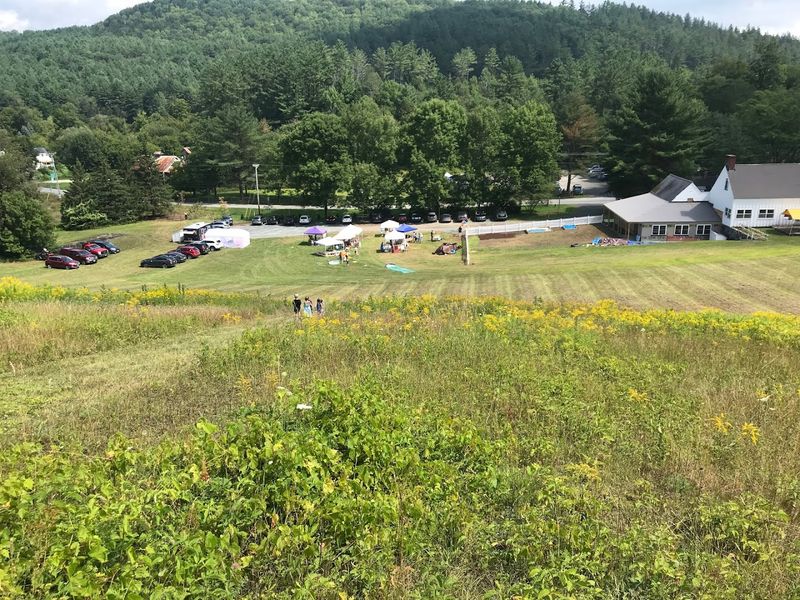
Woodstock has a community culture that feels genuinely active rather than performative. Residents here do not just wave at each other from driveways; they actually show up for things together.
The town green functions as the social center of this whole operation.
Farmers’ markets run regularly and draw both locals and visitors into the same friendly crowd. Local growers, bakers, and makers set up stalls, and conversations happen naturally.
It is one of those rare public spaces where strangers actually talk to each other.
The town hosts regular community gatherings tied to the rhythms of the agricultural calendar. Planting season, harvest time, and sugaring season each bring their own events.
These are not invented occasions; they reflect how this community has always lived.
Local organizations run volunteer programs, conservation efforts, and neighborhood improvement projects year-round. People here take ownership of their town in a very literal sense.
That pride shows up in the cleanliness of the streets and the care of the public spaces.
Youth programs connect younger generations to the history and land of Woodstock. Schools partner with farms and parks to create hands-on learning experiences.
Kids grow up here with a genuine understanding of where their food comes from.
The result is a town where community is not a buzzword. It is an actual daily practice.
Visiting Woodstock, you can feel that cohesion in the air, which makes the whole place feel warmer and more welcoming than almost anywhere else.
Scenic Walking Trails Showcasing Natural Beauty
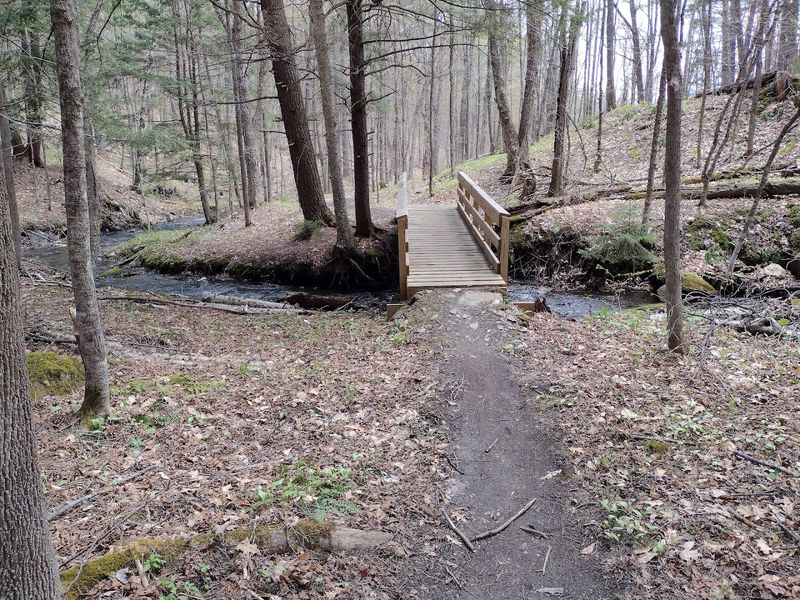
Entering this place is its own category of enjoyment. The trails here are not just exercise routes; they are moving experiences through genuinely beautiful landscapes.
Every season dresses them differently, and every season is worth seeing.
The Faulkner Trail is one of the most accessible and rewarding walks in the area. It spirals up through meadows and forest to a summit with wide-open views.
The switchback design makes the climb manageable without removing the satisfaction of reaching the top.
Stone walls line many of the trails throughout the region. These walls were built by hand generations ago to mark farm boundaries.
Now they serve as quiet reminders that people have been living carefully on this land for a very long time.
The path along the Ottauquechee River is flat, scenic, and calming in equal measure. Water moves alongside you as you walk through a corridor of trees and open sky.
It is the kind of trail that clears your head without demanding much from your legs.
Fall foliage transforms every trail into something almost unreasonably beautiful. The maples turn first, then the birches and oaks follow in waves of orange and gold.
Woodstock during peak foliage is one of those sights that photographs can never fully capture.
Winter trails offer a completely different but equally compelling atmosphere. Snow muffles sound and sharpens the contrast between white ground and dark tree trunks.
Snowshoeing through these woods is a genuinely meditative experience that feels miles away from daily noise.
Preservation Efforts Maintaining Small Town Charm
Woodstock did not stay beautiful by accident. The preservation efforts here have been intentional, funded, and community-supported for well over a century.
That level of sustained commitment is genuinely rare in American small towns.
Frederick Billings was one of the earliest advocates for conservation in Woodstock. He reforested Mount Tom and modeled sustainable land management long before it was a mainstream concept.
His work laid the foundation for everything that followed.
The Rockefeller family continued that legacy in a major way. Laurence and Mary Rockefeller eventually donated their estate to the National Park Service, creating Marsh-Billings-Rockefeller National Historical Park.
That gift ensured the land would remain protected and publicly accessible forever.
The town itself enforces strict guidelines around new construction and signage. Chain stores are effectively kept out through local ordinances and community pressure.
That policy has preserved the architectural and cultural character of the downtown area with remarkable success.
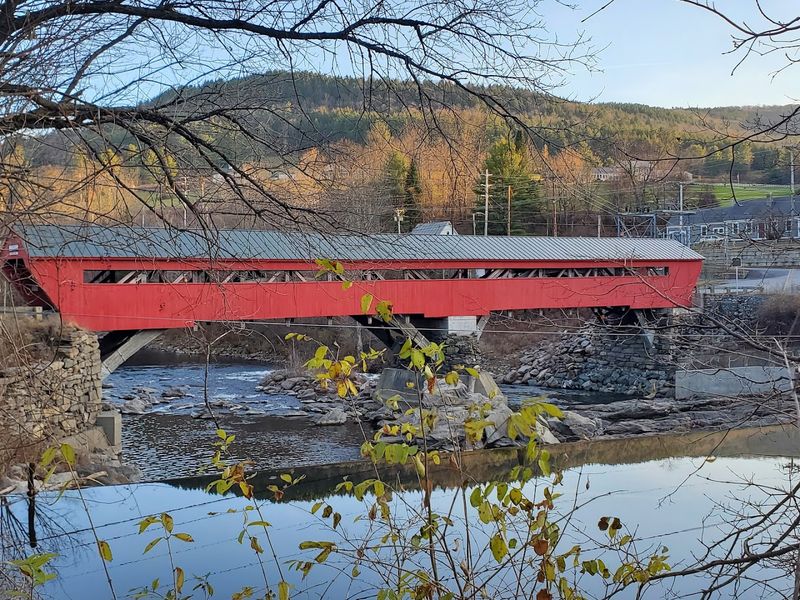
The three historic covered bridges, Lincoln, Middle, and Taftsville, are maintained as functional landmarks rather than decorative relics. The Middle Covered Bridge is one of the most photographed spots in all of Vermont.
These bridges are not just charming; they are a direct link to how this region was built.
Preservation in Woodstock is not nostalgia for its own sake. It is a practical, forward-thinking strategy.
Keeping the town authentic and intact is what makes it worth visiting, worth living in, and worth protecting for every generation that comes next.