
This Small Mexican Restaurant in Texas Has Been Serving Authentic Flavors to Locals for Over 30 Years
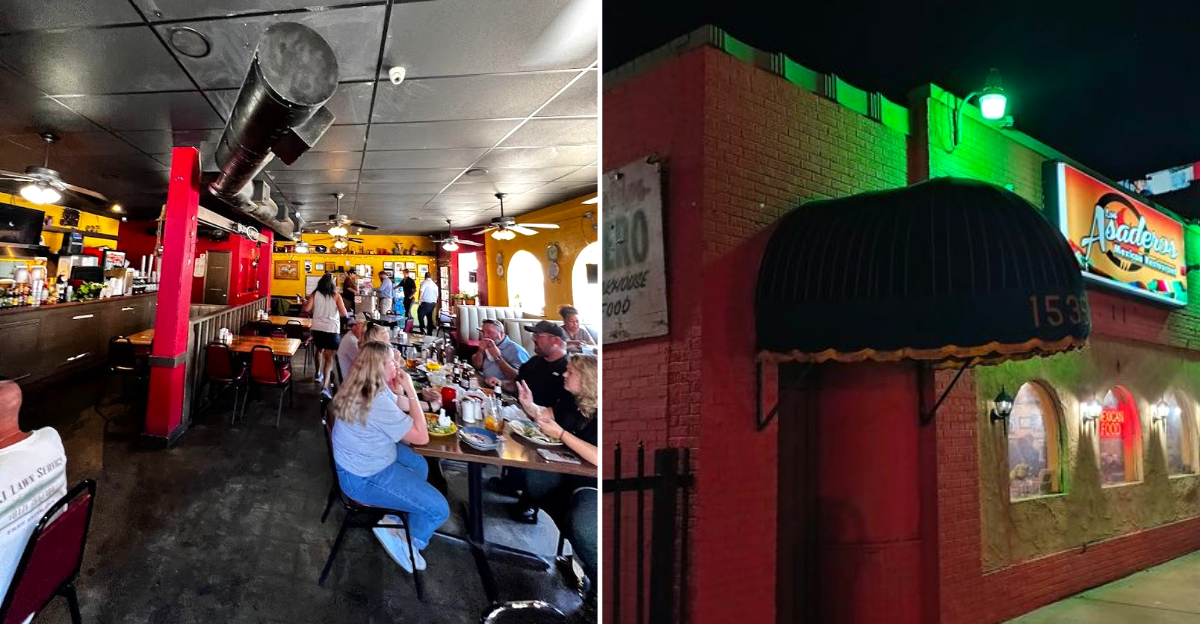
Thirty years in the restaurant business is rare. Thirty years with the same loyal crowd filling every table is something else entirely.
This small Mexican restaurant in Texas has built that kind of following without a single billboard or social media campaign. The recipes have not changed, the portions have not shrunk, and the kitchen still treats every plate like the first one it ever sent out.
Regulars bring their kids, who eventually bring their own kids, and the cycle keeps repeating itself decade after decade. Texas takes its food seriously, and this restaurant has spent three decades proving it belongs in that conversation.
The flavors here are rooted in tradition, built on technique, and delivered with the kind of consistency that turns first-time visitors into lifelong regulars.
Traditional Mexican Ingredients And Their Uses
This place has been using real, traditional Mexican ingredients since it first opened its doors in the 1980s. The kitchen does not cut corners.
Dried chiles, fresh tomatillos, and hand-ground spices are all part of the daily routine. These are not shortcuts or substitutes.
Corn masa forms the base of many dishes on the menu. It is used for tortillas, tamales, and more.
The difference between fresh masa and a store-bought product is enormous. You can taste that difference in every bite at Los Asaderos.
Cumin, garlic, and Mexican oregano show up across the menu in bold, confident amounts. These ingredients have been used in Mexican kitchens for centuries.
They bring warmth and depth to every dish. Nothing here tastes flat or one-dimensional.
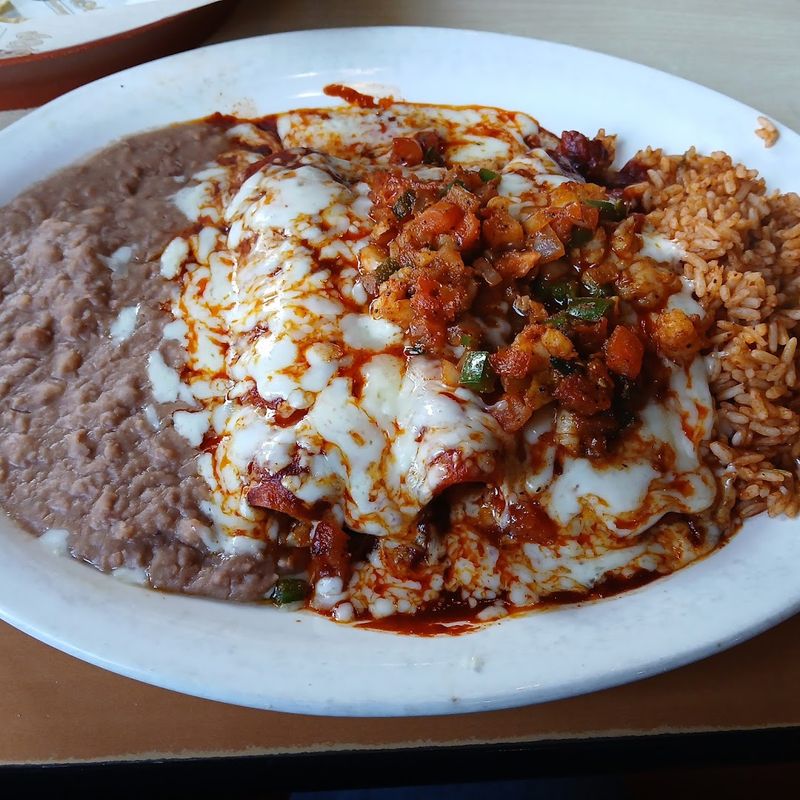
Tomatillos play a starring role in the enchiladas verdes, one of the restaurant’s most loved dishes. Their natural tartness balances the richness of the cheese and filling.
Locals have been ordering this dish for decades. You can find Los Asaderos at 1535 N Main St, Fort Worth, TX 76164.
Cooking Techniques That Define Authenticity
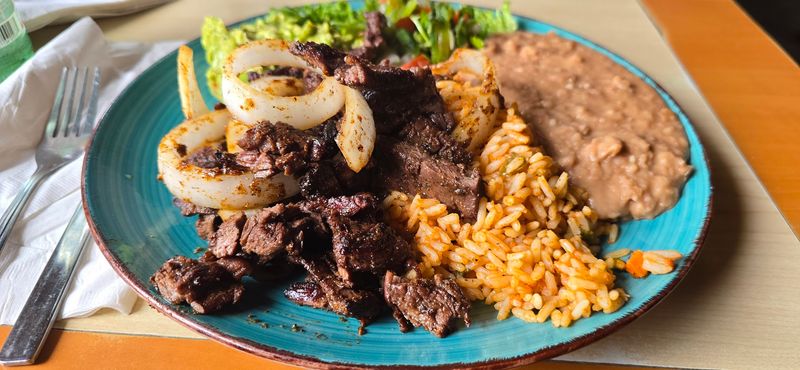
Grilling over an open flame is one of the techniques that makes Los Asaderos stand out. The beef fajitas come off the grill with a spiced crust and smoky aroma.
That kind of result only happens when the cook knows exactly what they are doing. It is not accidental.
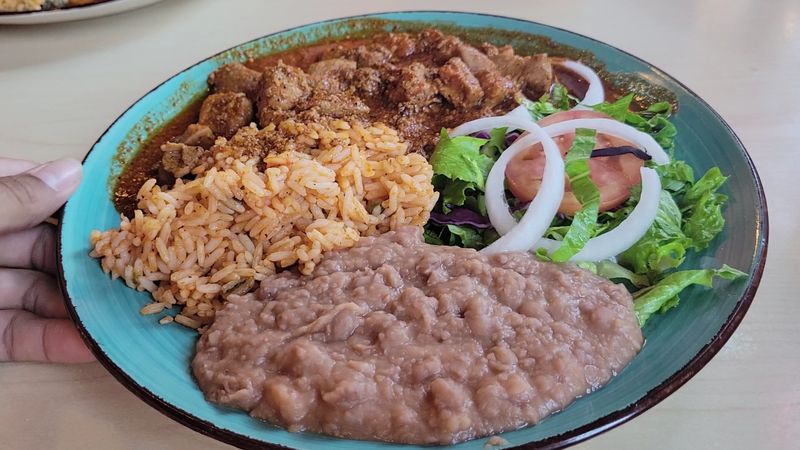
Slow braising is another method the kitchen relies on heavily. The guisado de res, a slow-cooked beef stew, is a fan favorite for a reason.
The meat becomes incredibly tender over time. Rushing that process would ruin the whole dish.
Sauces are built from scratch using toasted chiles and roasted tomatoes. Toasting activates oils inside the chile skin.
That step alone changes the flavor profile completely. Most fast-casual spots skip this entirely.
Hand-pressing tortillas is still part of the process here. Machine-made tortillas have a different texture.
Fresh ones puff slightly when they hit the hot griddle. That puff is a small but meaningful sign of authenticity.
Los Asaderos has kept these methods alive for over three decades, and the results speak clearly on every plate served.
Signature Dishes And Their Regional Origins
Enchiladas verdes are probably the most talked-about dish at Los Asaderos. The green sauce is tangy, bright, and made from tomatillos with a noticeable kick.
This dish has roots in central Mexico, where green salsas have been a kitchen staple for generations. Locals here have made it their own comfort food.
Beef fajitas trace their origins to the ranchlands of South Texas and northern Mexico. Cowboys and ranch workers cooked tougher cuts of beef over open fires.
Los Asaderos grills its beef fajitas with a distinctive spice blend. The result is smoky, bold, and satisfying.
Enchiladas mole come from the Oaxacan and Poblano traditions of southern Mexico. Mole is one of the most complex sauces in all of Mexican cooking.
It can include over twenty ingredients. The version at Los Asaderos has earned loyal fans over many years.
Guisado de res is a hearty beef stew rooted in home-style Mexican cooking. It shows up in kitchens across Mexico, from Jalisco to Chihuahua.
At Los Asaderos, the medium spice level hits just right. The tender meat and rich broth make it a standout on the menu every single time.
Flavor Profiles Unique To Mexican Cuisine
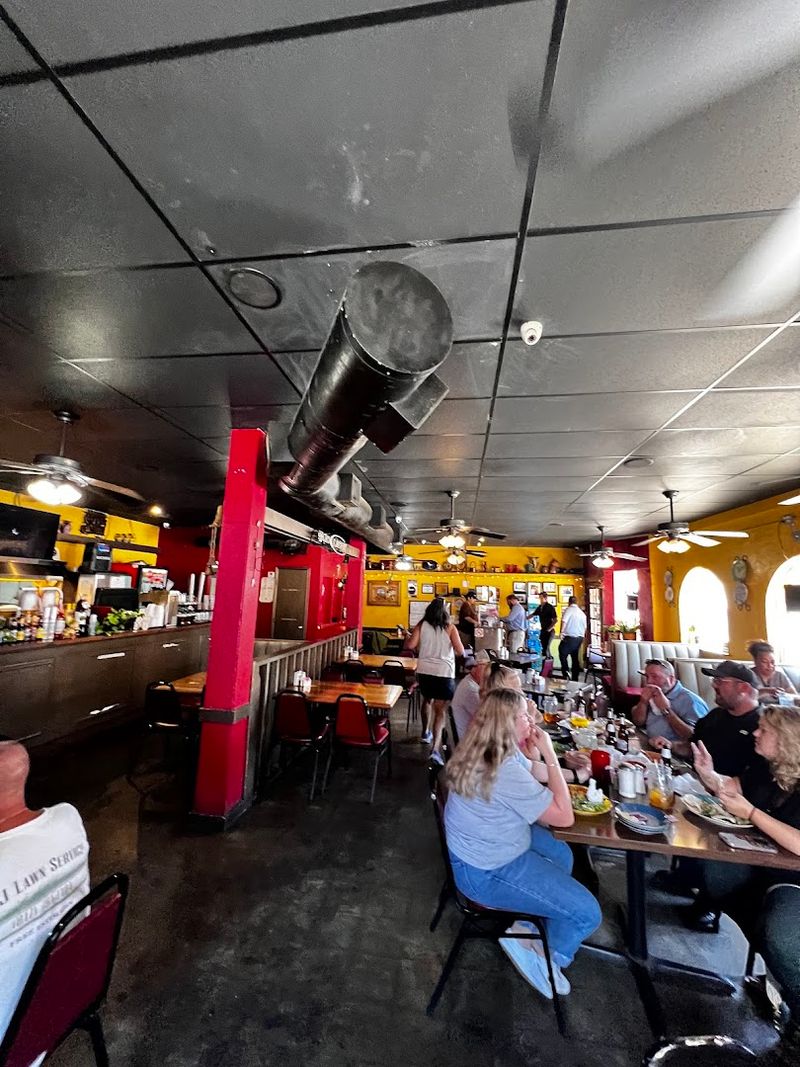
Mexican cuisine is built on a layered approach to flavor. At Los Asaderos, that layering shows up in nearly every dish.
You get heat, acidity, smokiness, and earthiness all at once. No single flavor dominates without the others holding it in check.
The salsa at Los Asaderos has developed a reputation in Fort Worth. Some regulars call it the best in town.
It carries real heat without being one-note. The balance of chiles, tomatoes, and spices creates something worth coming back for repeatedly.
Smokiness comes from the grilling process and the use of dried chiles like ancho and pasilla. These chiles add a deep, roasted quality to sauces and marinades.
They are not just for heat. They bring complexity that fresh chiles alone cannot deliver.
Acidity plays a big role, too. Tomatillos, lime, and pickled elements cut through the richness of meat and cheese.
That contrast keeps every bite from feeling heavy. Mexican cuisine is famous for this kind of balance.
Los Asaderos nails it consistently, which explains why people keep returning after all these years without needing much convincing at all.
The Role Of Fresh Herbs In Mexican Recipes
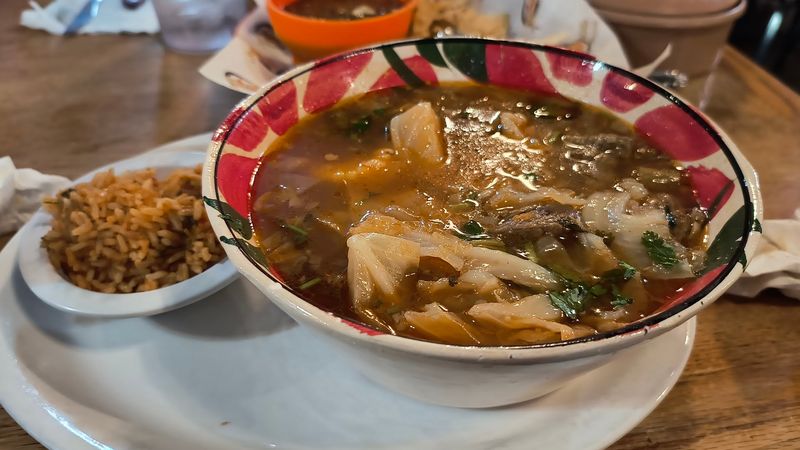
Fresh herbs are not decoration at Los Asaderos. They are functional, flavor-building ingredients used throughout the cooking process.
Cilantro alone shows up in salsas, garnishes, and marinades. It brightens everything it touches.
Mexican oregano is different from Italian oregano. It has a slightly citrusy, more pungent character.
It pairs beautifully with beef dishes and red chile sauces. Los Asaderos uses it in ways that make the food taste distinctly Mexican rather than generic.
Epazote is an herb that does not get enough credit outside of traditional Mexican kitchens. It has a strong, almost medicinal aroma when raw.
But cooked into black beans or soups, it adds an earthy depth that is hard to replicate. Few restaurants in Fort Worth bother with it at all.
Green onions make a regular appearance as both a cooking ingredient and a finishing touch. They add mild sharpness without overwhelming other flavors.
Combined with cilantro and a squeeze of lime, they create a fresh contrast to heavier dishes. These herb choices reflect a kitchen that understands Mexican cooking at a foundational level.
That kind of knowledge takes years to develop and even longer to maintain consistently.
How Slow Cooking Enhances Taste
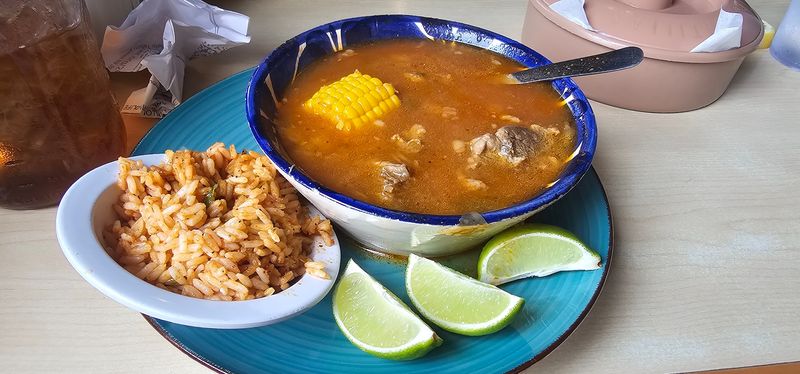
Slow cooking is one of the oldest tricks in the Mexican culinary playbook. At Los Asaderos, the guisado de res is the best example of this on the menu.
The beef simmers low and slow until it breaks down into something deeply tender. You cannot rush that result.
When meat cooks slowly in a seasoned broth, the flavors meld together over time. The spices sink into the protein.
The liquid reduces and concentrates. What starts as separate ingredients becomes a unified, rich dish that tastes like it has been cooking all day, because it probably has.
Slow cooking also softens the natural sharpness of chiles. Raw chile heat can be aggressive.
But after hours in a braise, that heat mellows and integrates. It becomes warmth rather than a punch.
That is a very different eating experience.
Collagen from tougher cuts of beef converts to gelatin during the slow cooking process. That gelatin gives the broth a silky coating quality.
It makes the stew feel hearty without being heavy. Regulars at Los Asaderos who order the guisado de res understand this on a gut level.
They keep ordering it because it delivers that comfort every single time without fail.
Complementary Side Dishes That Elevate Meals
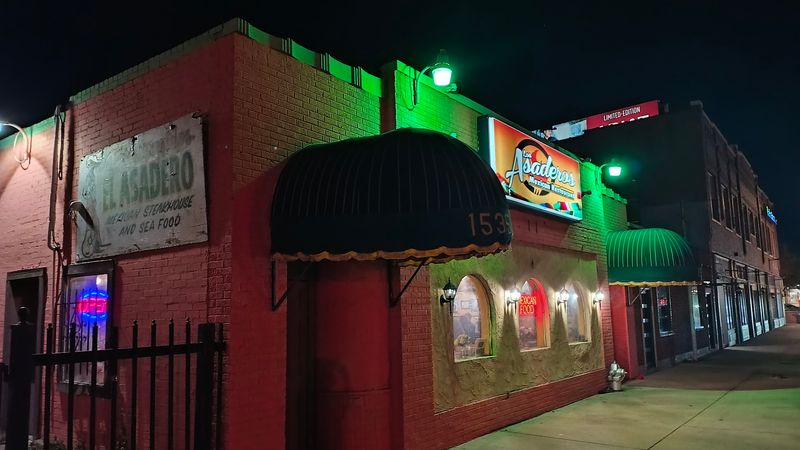
Rice and beans are the backbone of any serious Mexican meal. At Los Asaderos, these sides are not afterthoughts.
The portions are solid, and they complement the main dishes without competing. They round out the plate in a way that feels complete.
Mexican rice at its best is lightly tomato-flavored with a fluffy texture. When done right, each grain is separate and seasoned through.
Paired with enchiladas verdes or beef fajitas, it soaks up the extra sauce without turning mushy. That is the goal, and it matters more than people realize.
Refried beans bring creaminess and earthiness to the plate. They balance the acidity of green sauces and the smokiness of grilled meats.
A good scoop of beans on a warm tortilla is one of the simplest pleasures in Mexican dining. Los Asaderos understands that this simplicity is worth protecting.
Fresh tortillas served alongside the main course act as a vehicle for everything else on the plate. You can wrap, scoop, or tear them as needed.
They are warm, soft, and made to work with the food. Side dishes like these seem simple on the surface.
But they reveal how much a kitchen cares about the full dining experience, not just the star of the show.
Salsa Varieties And Their Culinary Importance
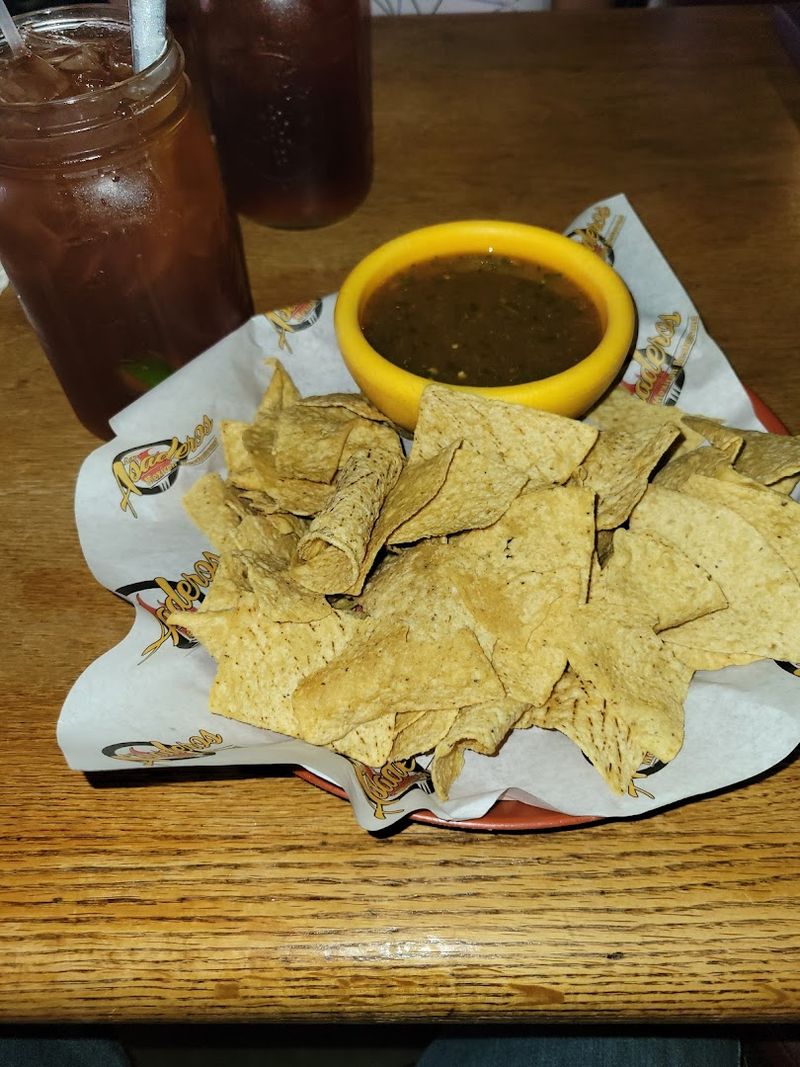
Salsa at Los Asaderos is not a formality. It has its own reputation in Fort Worth.
The house salsa is known for carrying real heat, and the extra hot sauce takes that even further. These are not mild, crowd-pleasing versions watered down for comfort.
They are built for people who want flavor with fire.
Red salsa typically starts with roasted tomatoes and dried red chiles. The roasting step caramelizes natural sugars and adds smokiness.
Combined with garlic and onion, the result is a sauce that is rich, complex, and deeply savory. It works as a dip, a topping, and a cooking base all at once.
Green salsa, or salsa verde, uses tomatillos as its foundation. The natural tartness of tomatillos creates brightness.
That acidity cuts through fatty or rich dishes instantly. The enchiladas verdes at Los Asaderos are built entirely around this principle.
Salsa is also culturally important in Mexican cuisine. It is one of the oldest condiments in the Americas, predating Spanish colonization by centuries.
Every region of Mexico has its own version. At Los Asaderos, the salsa reflects a northern Mexican and Tex-Mex sensibility that fits Fort Worth perfectly.
It is bold, unapologetic, and completely at home on North Main Street after more than thirty years of serving the community.