
This Wisconsin State Park Protects An Ancient Village Site With A Mysterious Past
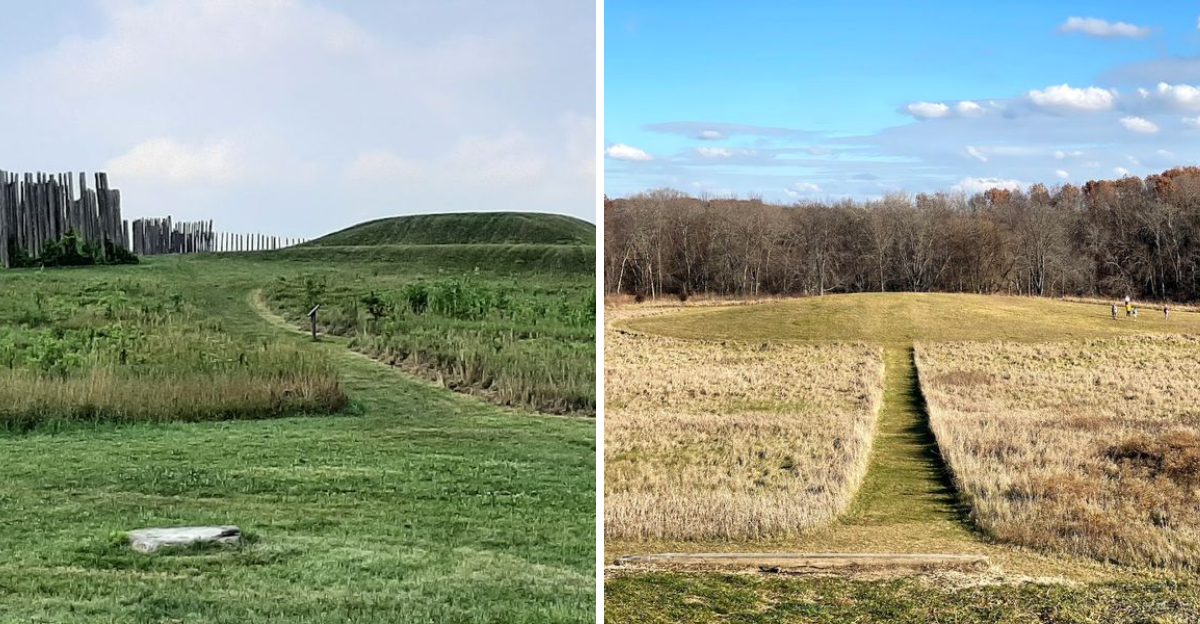
Ancient history is not something most people expect to find on a quiet Wisconsin park visit. Yet this peaceful place comes with earthen mounds, reconstructed wooden walls, and a story that reaches back more than 700 years.
Near the Crawfish River, a once-thriving community shaped the land in ways visitors can still see today. Every path feels connected to something older, stranger, and more fascinating than a typical outdoor stop.
Instead of just offering scenery, the site reveals Wisconsin’s link to the wider Mississippian world. Mounds, open grass, and timber structures turn a simple walk into a glimpse of a much deeper past.
It is calm, curious, and quietly unforgettable.
It Protects An Ancient Middle-Mississippian Village Site
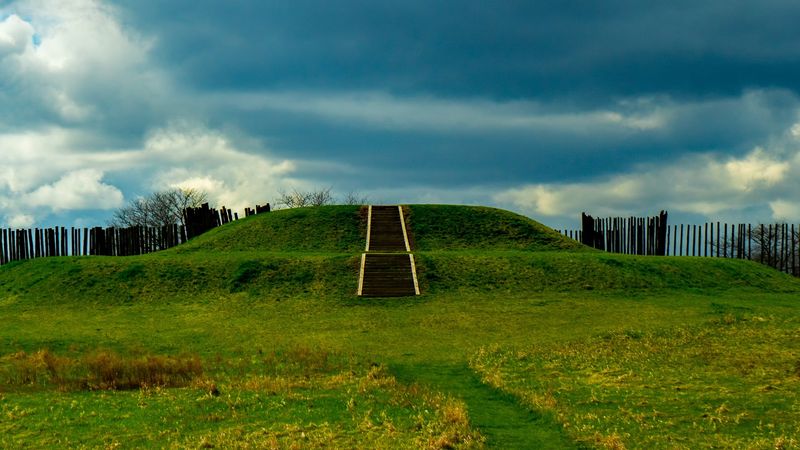
Aztalan State Park serves as guardian to one of the northernmost outposts of the Mississippian culture, a civilization that once dominated much of the central and southeastern United States. The village here represented a remarkable extension of influence from Cahokia, the great metropolis located near modern St. Louis.
Archaeologists believe the people who settled at Aztalan brought their architectural traditions, religious practices, and social structures with them as they moved north.
The site covers 172 acres along the Crawfish River, where you can still see evidence of sophisticated urban planning. Original earthworks remain visible across the landscape, showing how carefully these builders organized their community.
The park’s location at N6200 County Rd Q in Jefferson provides easy access to this window into pre-Columbian America, allowing modern visitors to walk the same ground where ancient ceremonies and daily activities unfolded.
The Village Thrived Between A.D. 1000 And 1300
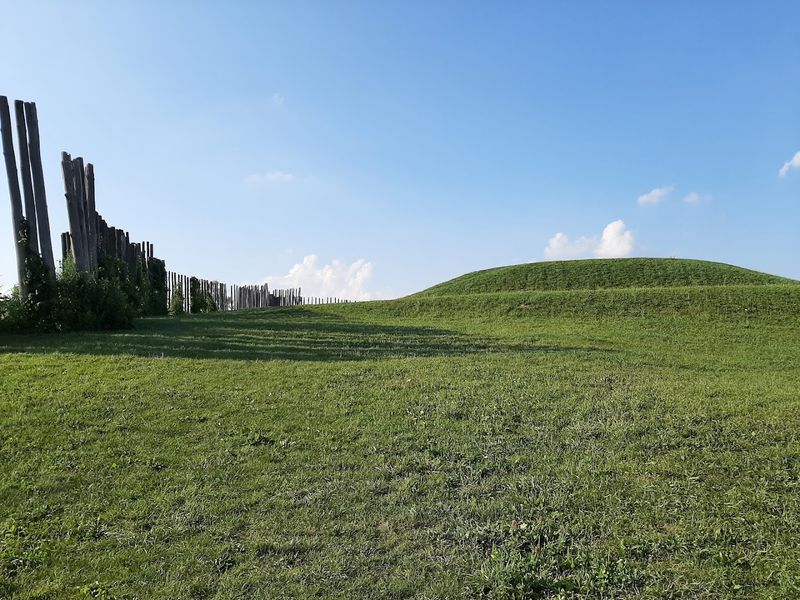
For roughly three centuries, Aztalan functioned as a bustling settlement during what Europeans call the Middle Ages. The community reached its peak population sometime in the 12th century, when families lived in rectangular houses arranged in orderly patterns around central plazas.
Daily life revolved around agriculture, with corn serving as the primary crop that sustained the population through Wisconsin’s harsh winters.
The timeline of occupation matches perfectly with Cahokia’s golden age, suggesting ongoing communication and trade between the two settlements. Artifacts recovered from the site include pottery, tools, and ornaments that demonstrate both local craftsmanship and connections to distant regions.
By 1300, the village had been abandoned, though the reasons remain debated among scholars who study the Mississippian decline.
Understanding this timeframe helps visitors appreciate the remarkable achievements of people who built permanent structures and complex societies centuries before European contact.
Large Flat-Topped Mounds Still Shape The Landscape
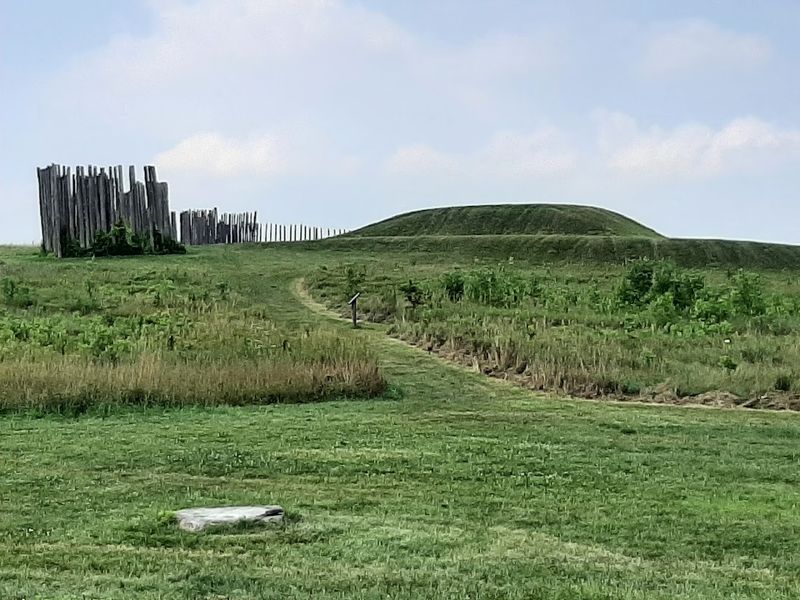
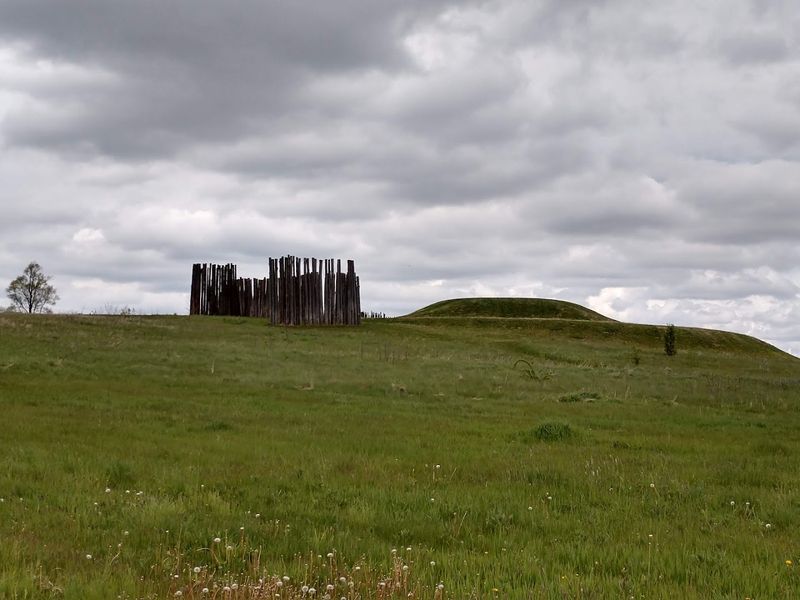
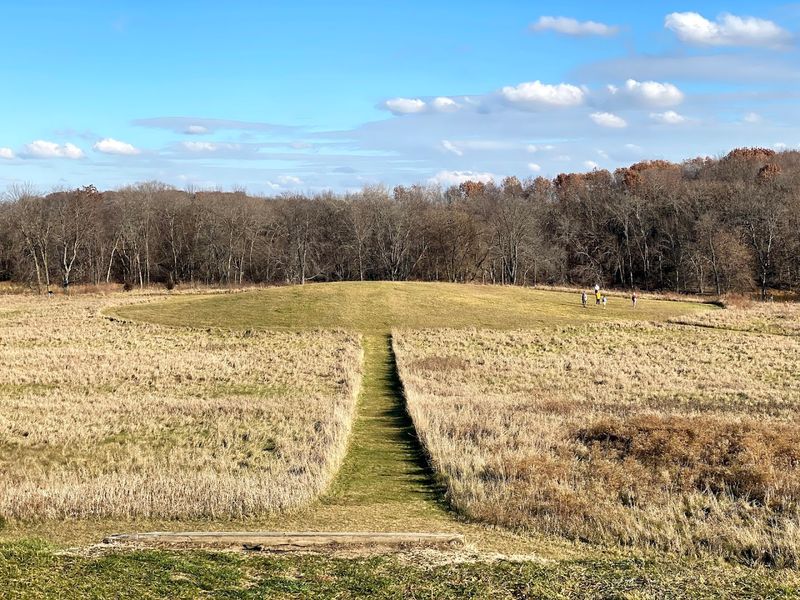
Platform mounds rise dramatically from the prairie, their flat summits once supporting important buildings and ceremonial structures. The largest mound stands as a testament to the enormous labor investment required for its construction, with workers carrying countless baskets of earth to create these elevated platforms.
Each mound served specific purposes within the community’s religious and political framework, providing stages for rituals and residences for elite members of society.
Walking around these earthworks today, you can appreciate their impressive engineering. The mounds have survived centuries of weathering, plowing, and natural erosion, though some restoration work has helped preserve their original profiles.
Interpretive signs explain how archaeologists determined the mounds’ functions and construction methods through careful excavation.
The spatial arrangement of these structures reveals a planned community layout that mirrors patterns found at Cahokia and other Mississippian centers throughout the river valleys of the Midwest.
Parts Of The Wooden Stockade Have Been Reconstructed
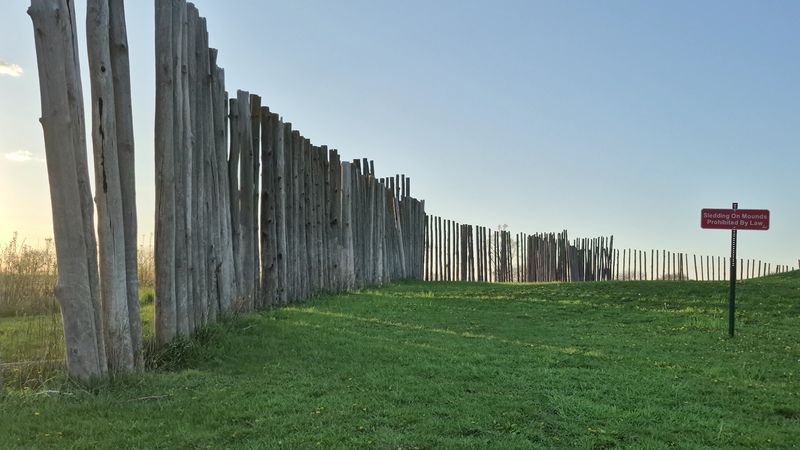
A reconstructed section of wooden palisade gives visitors a tangible sense of how the village appeared during its occupied period. The original stockade completely encircled the settlement, consisting of thousands of upright logs placed side by side to create a defensive barrier.
Bastions projected outward at regular intervals, allowing defenders to monitor approaches and protect vulnerable sections of wall.
The reconstruction demonstrates the considerable woodworking skills possessed by Aztalan’s inhabitants, who shaped and positioned massive timbers without metal tools. Post molds discovered during archaeological excavations revealed the exact placement and diameter of original posts, allowing for accurate rebuilding.
This fortification suggests either real threats from hostile groups or symbolic boundaries separating sacred space from the surrounding world.
Standing beside these towering posts helps you imagine the enclosed community within, where hundreds of people lived their lives protected by this impressive barrier of wood and determination.
It Is One Of Wisconsin’s Most Important Archaeological Sites
Professional archaeologists have studied Aztalan since the 1800s, making it one of the longest-researched prehistoric sites in the upper Midwest. Early investigators recognized the site’s significance almost immediately, noting its connections to mound-building cultures described in emerging anthropological literature.
Systematic excavations beginning in the 20th century uncovered thousands of artifacts, human remains, and architectural features that transformed understanding of Wisconsin’s ancient past.
The site continues to yield new information as modern techniques allow researchers to examine previously excavated materials with fresh perspectives. Ground-penetrating radar and other non-invasive methods have revealed additional structures without disturbing the earth.
Universities regularly bring students to Aztalan for field training, ensuring new generations of archaeologists learn proper excavation and interpretation methods.
This ongoing research keeps Aztalan at the forefront of Mississippian studies, contributing vital data about how these cultures adapted to northern environments far from their heartland.
The Site Is A National Historic Landmark
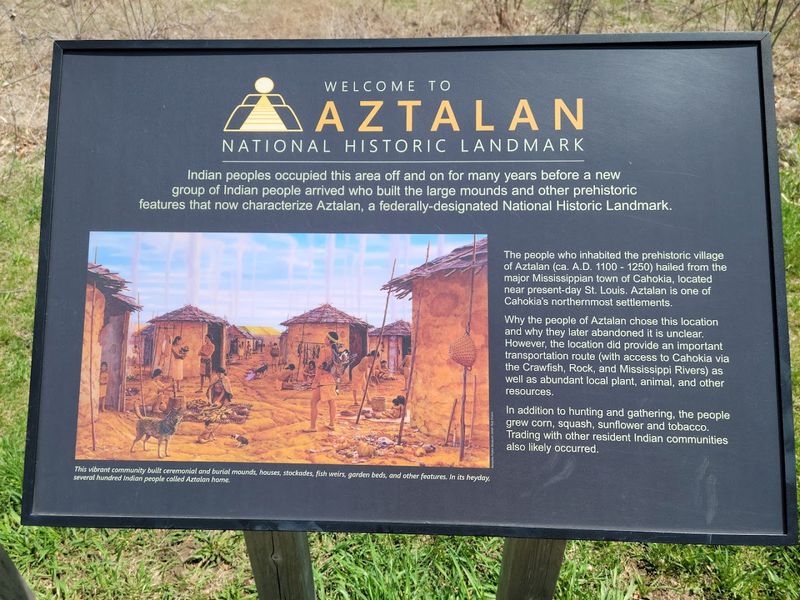
Federal recognition as a National Historic Landmark places Aztalan among the most significant cultural resources in the United States. This designation, awarded in 1964, acknowledges the site’s exceptional value in illustrating American history and prehistory.
The honor brings both prestige and responsibility, requiring careful management to preserve the site for future generations while allowing public access and education.
Landmark status also facilitates research funding and conservation efforts that might otherwise prove difficult to secure. Strict guidelines govern any activities that might impact the archaeological deposits, ensuring that development or alteration proceeds only after thorough review.
The Wisconsin Department of Natural Resources manages the park with these federal standards in mind, balancing recreational use with preservation mandates.
Visitors can take pride in experiencing a place deemed nationally important, knowing their park admission fees support ongoing protection of this irreplaceable cultural heritage that predates European settlement by hundreds of years.
The Mounds Were Used For Ceremonial And Community Purposes
Religious ceremonies and community gatherings brought Aztalan’s residents to the mound summits throughout the year. Archaeological evidence suggests buildings topped the platforms, perhaps serving as temples, council houses, or residences for religious leaders.
These elevated structures placed important activities literally above the common level, reinforcing social hierarchies and spiritual connections between earth and sky.
Seasonal festivals likely drew participants from surrounding farmsteads to witness rituals performed on these sacred stages. Fire ceremonies, agricultural celebrations, and leadership installations may have occurred here, binding the community through shared religious experiences.
The mounds also functioned as landmarks visible from considerable distances, announcing the settlement’s presence to travelers and traders moving through the region.
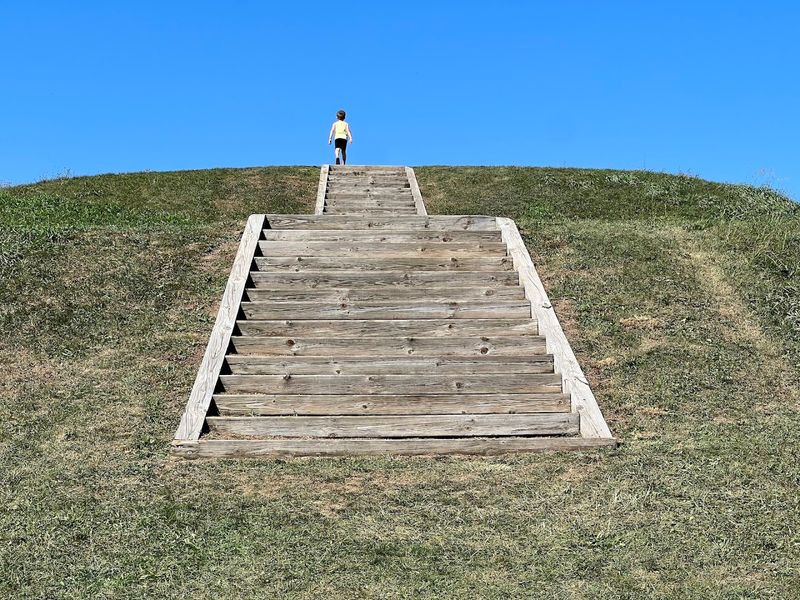
Modern visitors climbing the mound stairs can imagine the drumming, chanting, and dancing that once animated these earthen platforms, connecting present observation to ancient practice through the enduring landscape itself.
The Crawfish River Helped Support Daily Life Here
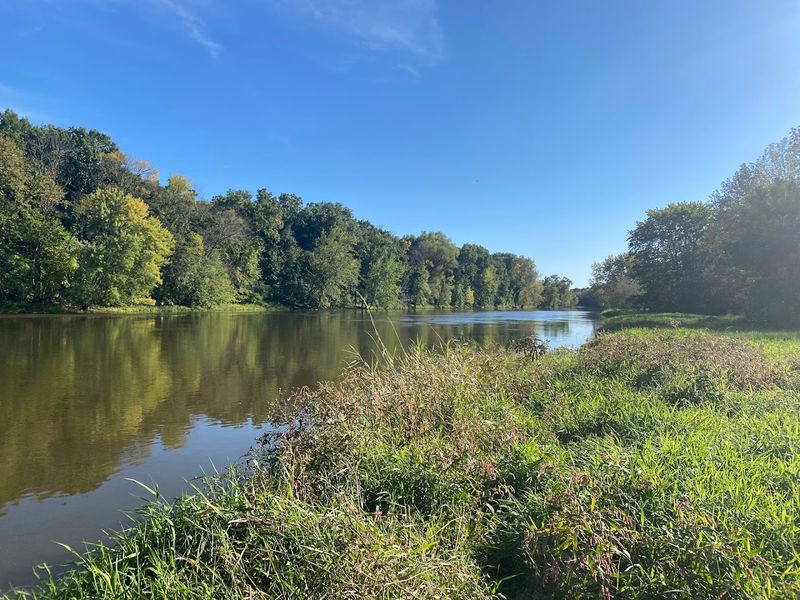
The Crawfish River provided essential resources that made permanent settlement possible at this location. Fish, freshwater mussels, and waterfowl supplemented the agricultural diet, offering protein and variety throughout the seasons.
The river also served as a transportation corridor, connecting Aztalan to other settlements upstream and downstream through a network of waterways that eventually reached the Mississippi River system.
Canoe travel allowed trade goods and information to flow between communities, maintaining cultural connections across vast distances. The fertile bottomlands along the river supported corn, beans, and squash cultivation, while the water itself sustained daily drinking, cooking, and cleaning needs.
During summer droughts, the reliable flow ensured survival when smaller streams might dry completely.
Walking the trails near the riverbank today, you can appreciate how the landscape shaped human choices, drawing people to this particular bend where water, fertile soil, and defensible terrain converged in rare combination.
Its History Connects Wisconsin To The Wider Mississippian World
Aztalan represents far more than an isolated village; it demonstrates how Mississippian influence extended hundreds of miles from the culture’s heartland. The settlement functioned as part of a vast network that stretched from the Gulf Coast to the Great Lakes, united by shared architectural styles, religious beliefs, and social organization.
Trade goods found at Aztalan include marine shells from distant oceans, copper from Lake Superior, and exotic stones from far-off quarries.
These connections reveal a sophisticated world of long-distance exchange and cultural transmission that rivals contemporary European societies. Ideas traveled along with goods, spreading agricultural techniques, ceremonial practices, and artistic traditions across the landscape.
Aztalan’s builders brought Cahokian knowledge northward, adapting southern traditions to Wisconsin’s colder climate and different resources.
Understanding these connections transforms a local park visit into an encounter with continental-scale history, showing how ancient Americans created complex, interconnected societies long before Columbus sailed.
The Park Blends Quiet Trails With Ancient Mystery
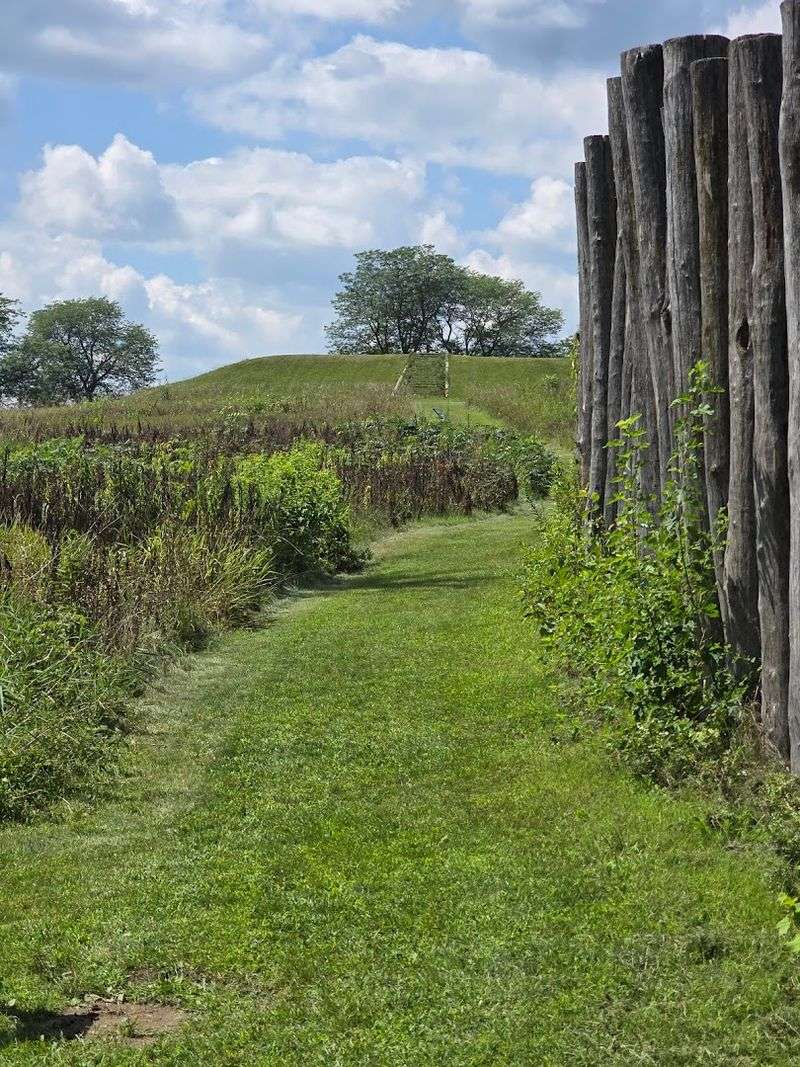
Modern trails wind through woodlands and prairies, offering peaceful walks that pass directly by archaeological features. The park opens at 6 AM and remains accessible until 11 PM, giving visitors flexibility to explore during preferred hours.
Well-maintained paths accommodate various fitness levels, from short loops around the main mound group to longer hikes exploring the entire property and adjacent prairie restoration areas.
Interpretive signs positioned along the routes provide historical context without overwhelming the contemplative atmosphere. Many visitors report feeling a special connection to the past while standing atop mounds or beside the reconstructed stockade.
The combination of natural beauty and human history creates an experience quite different from typical recreational parks.
Phone ahead at 608-873-9695 for current conditions, or visit the Wisconsin DNR website for additional planning information. The park charges standard state park admission, with payment available through mobile devices at the entrance for convenient access to this remarkable landscape.