
This Wisconsin Boardwalk Trail Leads Through One Of The State’s Most Unusual Landscapes
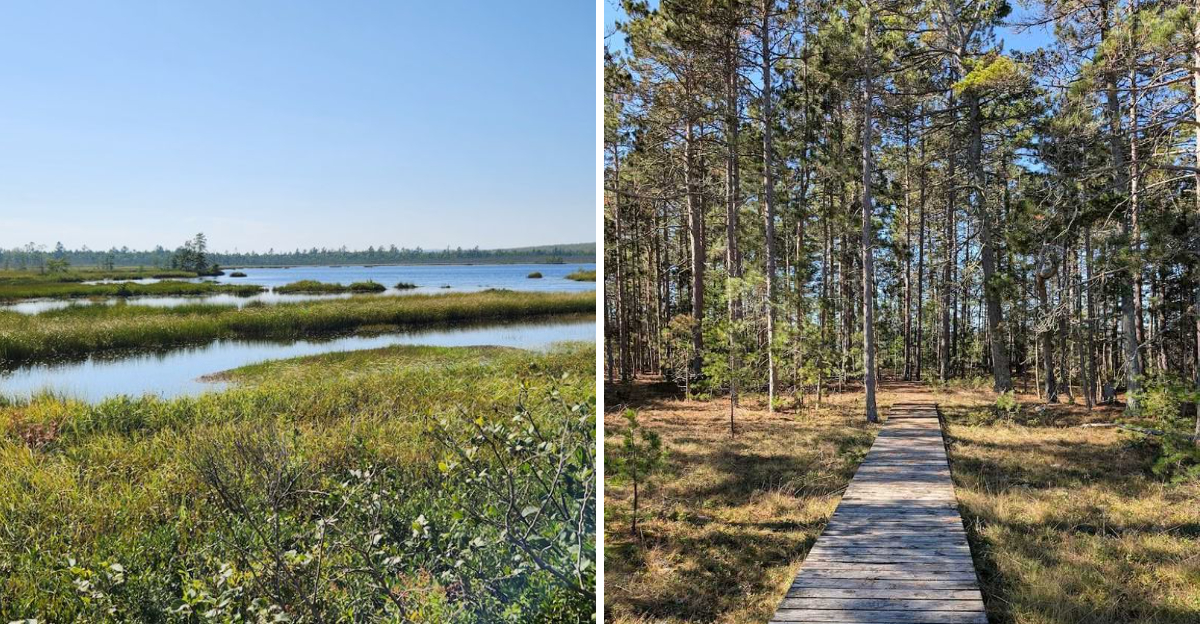
What if a Wisconsin walk could feel like a beach trip, a forest wander, and a bog adventure all at once? On Madeline Island, one boardwalk trail leads through a landscape that feels unusual from the very first steps.
Floating mats of sphagnum moss sit beneath the path, quiet trees crowd the edges, and Lake Superior waits nearby with its cool blue drama. It is peaceful, a little mysterious, and far more surprising than a typical shoreline stroll.
Rare plants, shifting wetland textures, and wild northern scenery give the route an almost otherworldly feel. For anyone craving a short walk with a big sense of discovery, this spot delivers a fresh look at Wisconsin’s wilder side.
The Boardwalk Leads Through A Rare Bog Landscape
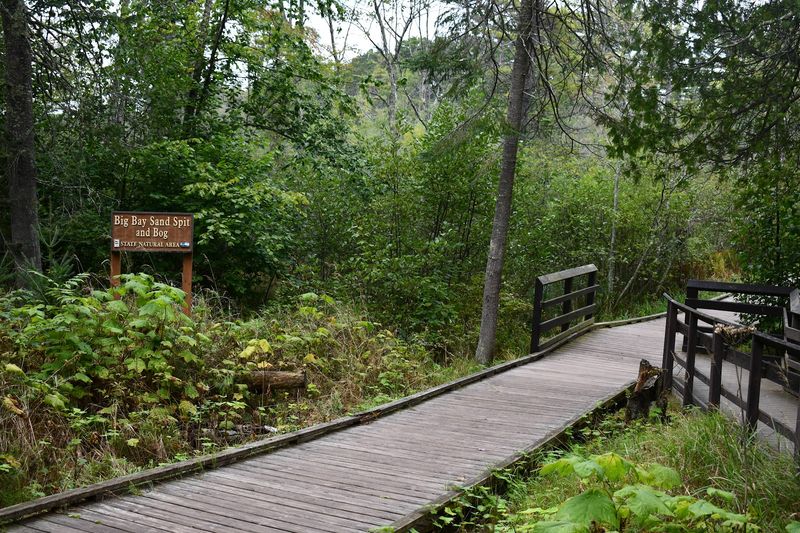
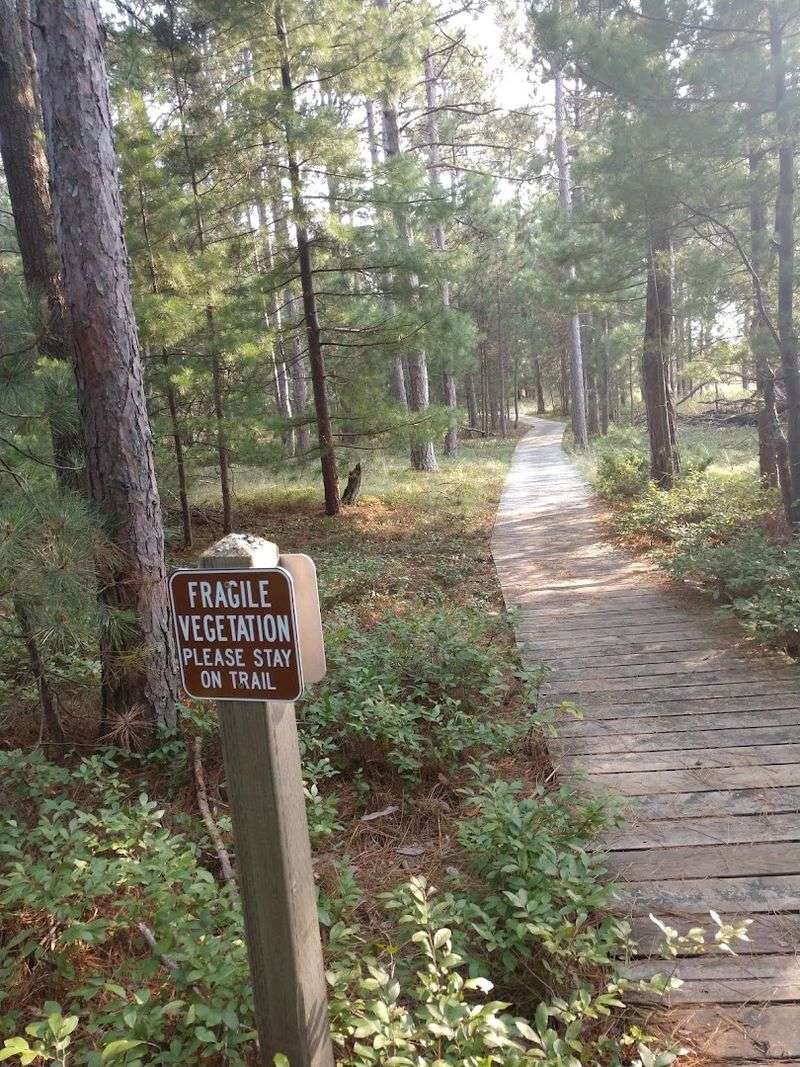
Visitors walk above a genuine boreal bog, a type of wetland more common in Canada than in Wisconsin. The boardwalk keeps feet dry while protecting the fragile plants below.
Sphagnum moss carpets the ground in shades of green and rust, creating a soft, spongy surface that shifts underfoot if you step off the path.
This bog formed over thousands of years as glaciers retreated and left behind shallow basins. Cold water and slow decomposition created acidic conditions that only certain plants can tolerate.
Carnivorous sundews and pitcher plants thrive here, catching insects to supplement nutrients missing from the soil.
The wooden planks stretch for a considerable distance, allowing people to observe the bog ecosystem without damaging it. Interpretive signs along the route explain the unique features and ecological importance of this rare habitat within the state.
It Sits Along The Shore Of Lake Superior
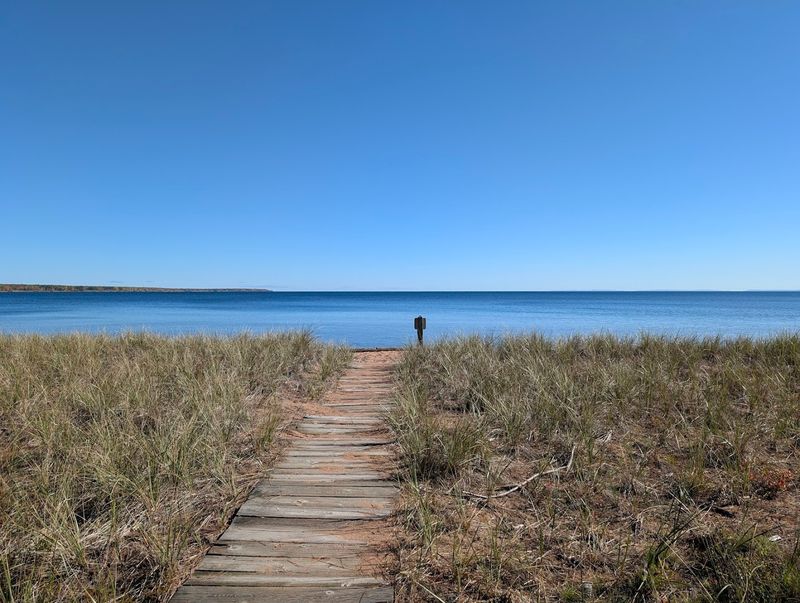
Lake Superior provides a dramatic backdrop to this natural area, with cold, clear water stretching to the horizon. The largest freshwater lake in the world by surface area creates its own weather patterns and influences every aspect of the local environment.
Winds off the water can be brisk even on warm summer days, carrying the scent of pine and moisture.
The proximity to Lake Superior explains much about the bog’s existence and character. The lake moderates temperatures, creating cooler conditions that slow plant decay and allow bog formation.
It also contributes to the area’s humidity and fog, which sustain moisture-loving plants throughout the growing season.
Beaches along the shore offer a stark contrast to the inland wetlands. Sand meets water in gentle curves, and driftwood piles up after storms, bleached silver by sun and waves over many seasons of exposure.
The Sand Spit Creates One Of The Area’s Most Unusual Features
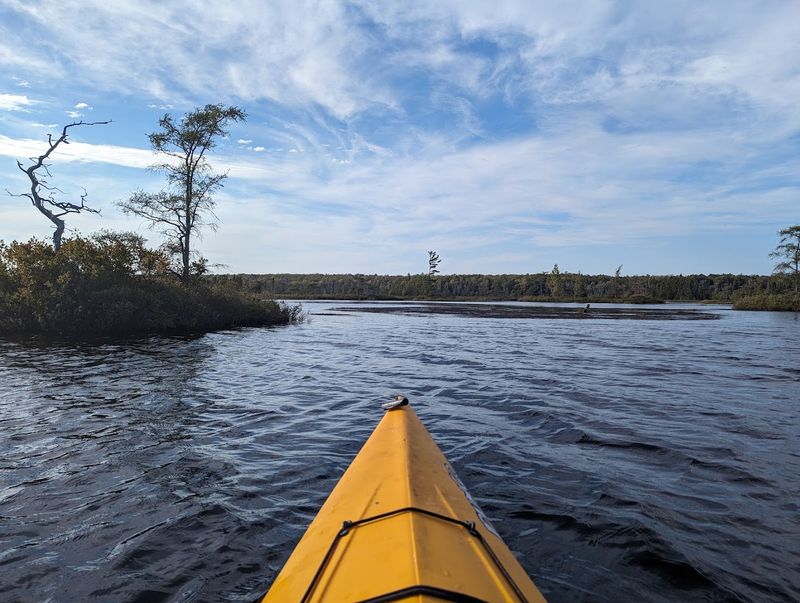
A long, narrow finger of sand extends into Lake Superior, creating a barrier between the open lake and the protected lagoon behind it. This sand spit formed through centuries of wave action depositing sediment along the shore.
Currents carried sand parallel to the coast until it accumulated in this distinctive shape, visible from elevated viewpoints nearby.
The spit shelters the wetlands from Lake Superior’s powerful waves and creates calmer conditions for bog development. Without this natural barrier, the bog could not exist in its current form.
The protected water behind the spit warms more quickly than the open lake, supporting different plant and animal communities.
Walking along the sand spit offers panoramic views in both directions. On one side, Lake Superior’s endless blue expands toward the horizon.
On the other, quiet lagoon water reflects the sky and surrounding forest in mirror-like stillness.
Floating Sphagnum Mats Help Shape The Wetland
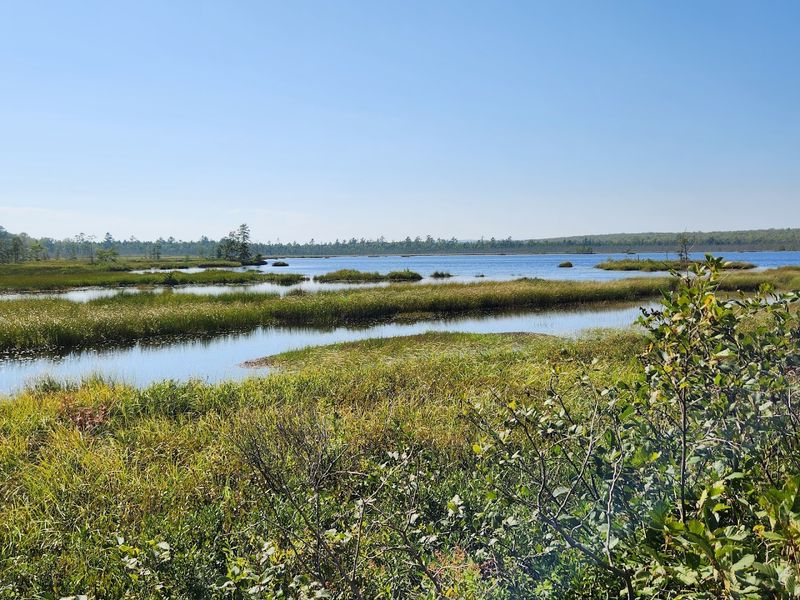
Thick layers of sphagnum moss float on the water’s surface, creating a living carpet that bounces slightly when you walk on the boardwalk nearby. These floating mats can be several feet thick and support other plants that root into the moss itself.
The moss holds water like a sponge, staying saturated even during dry periods and maintaining the bog’s characteristic moisture.
Sphagnum moss grows continuously at the top while the lower layers slowly decay in the acidic, oxygen-poor water below. This process creates peat, which accumulates over centuries and records environmental history in its layers.
Scientists study peat cores to understand past climates and vegetation patterns in the region.
The mats shift and undulate with wind and water movement, giving the landscape an almost otherworldly quality. Standing on the boardwalk, you can sometimes feel the entire structure move slightly, reminding you that solid ground is actually floating on water.
The Trail Connects Quiet Forest, Bog, And Beach Scenery
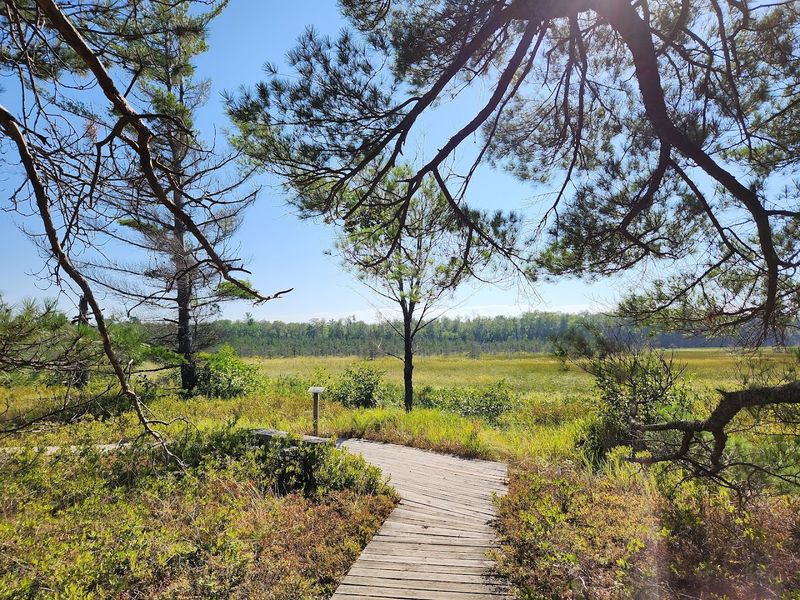
A single walk encompasses three distinct environments, each with its own character and appeal. The trail begins in shaded forest where birch and spruce trees filter sunlight into dappled patterns on the path.
Bird calls echo through the canopy, and the air smells of pine needles and damp earth beneath your feet.
The route then opens onto the bog, where the landscape flattens and sky dominates the view. Low shrubs and sedges replace tall trees, and the horizon seems to expand.
Sunlight reflects off standing water, creating bright spots that contrast with the darker moss and vegetation surrounding them.
Finally, the trail reaches Lake Superior’s shore, where waves lap against sand and stones. The transition from forest to wetland to beach happens within a relatively short distance, allowing visitors to experience the full range of habitats that make this natural area so ecologically valuable and visually compelling.
It Is Part Of Big Bay State Park On Madeline Island
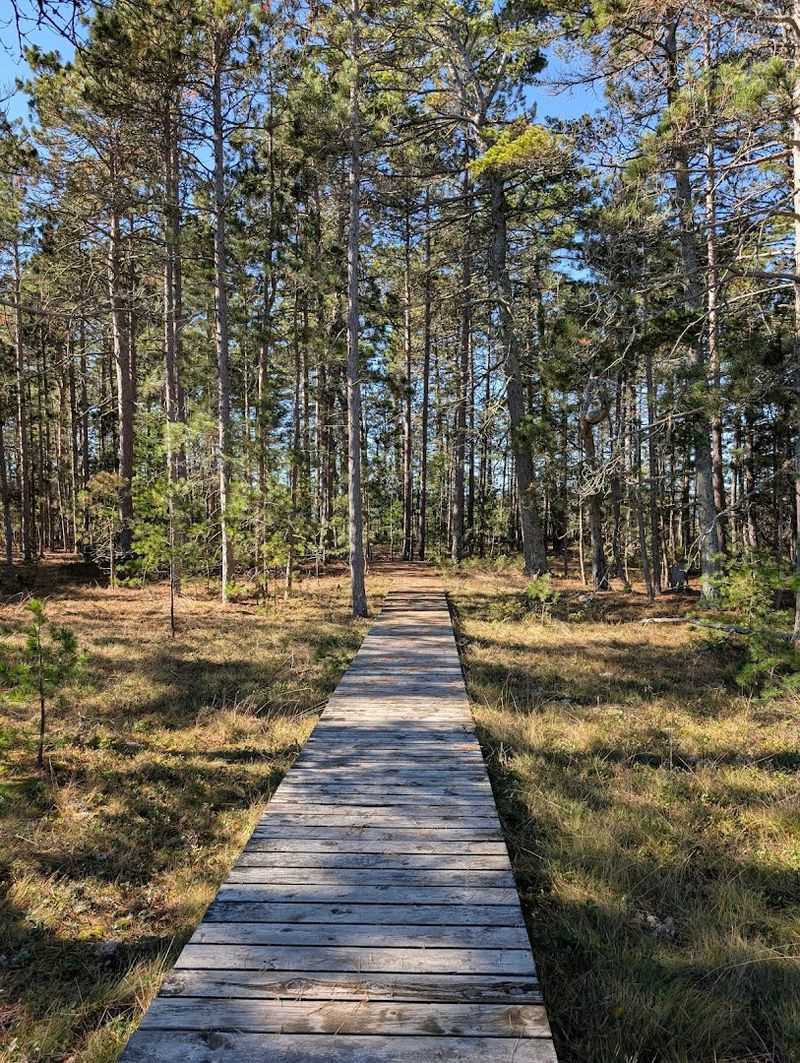
Big Bay State Park encompasses the natural area and provides facilities that make visiting easier and more comfortable. Campsites nestle in the forest near the beach, and picnic areas offer tables and fire rings for day visitors.
The park maintains the boardwalk and trail system, ensuring safe passage through sensitive habitats while minimizing human impact.
Madeline Island itself requires a ferry ride from Bayfield, adding to the sense of journey and destination. The island is the only one in the Apostle Islands with year-round residents and contains the historic town of La Pointe.
Big Bay sits on the island’s south shore, about six miles from the ferry landing.
Park staff offer programs during summer months, teaching visitors about the area’s natural and cultural history. The park office, located near the campground, provides maps and information about current conditions on the trails and in the natural area throughout the visitor season.
The Area Protects Sensitive Plants And Wetland Habitat
State Natural Area designation provides the highest level of protection for Wisconsin’s most ecologically significant lands. This status prohibits development and restricts activities that could damage the bog’s delicate balance.
Scientists monitor plant populations and water quality to ensure the ecosystem remains healthy and functions as it has for thousands of years.
Rare plant species find refuge here, including several that are uncommon or threatened elsewhere in Wisconsin. The acidic, nutrient-poor conditions exclude many common plants, allowing specialized species to thrive without competition.
Carnivorous plants like pitcher plants and sundews supplement their nutrition by trapping insects, a remarkable adaptation to the challenging environment.
The wetland also serves important ecological functions beyond plant habitat. It filters water, stores carbon in peat deposits, and provides breeding grounds for amphibians.
Protecting this area ensures that these ecosystem services continue to benefit the broader landscape and Lake Superior itself.
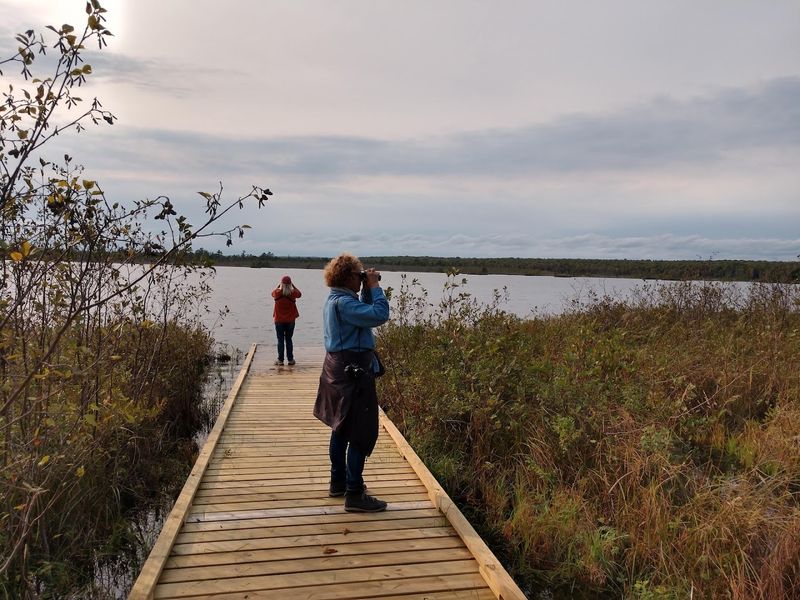
Birdwatchers Can Find A Peaceful Stop Here
The diverse habitats attract numerous bird species throughout the year, making this a rewarding destination for people who enjoy observing avian life. Warblers flit through the forest canopy during spring migration, their bright colors flashing among green leaves.
Rails and bitterns hide in the wetland vegetation, occasionally revealing themselves to patient observers who scan the marsh edges carefully.
Lake Superior’s shore brings in waterfowl, gulls, and occasional shorebirds, especially during migration periods. The combination of forest, wetland, and beach within a small area concentrates birds and increases the variety visitors might encounter on a single outing.
Early morning offers the best opportunities when birds are most active and vocal.
The boardwalk provides stable viewing platforms where people can set up spotting scopes or simply watch with binoculars. The quiet setting and limited human traffic mean birds often approach closer than they would in more developed areas, allowing for excellent observation opportunities.
The Lake Superior Setting Makes The Walk Feel Wild And Remote
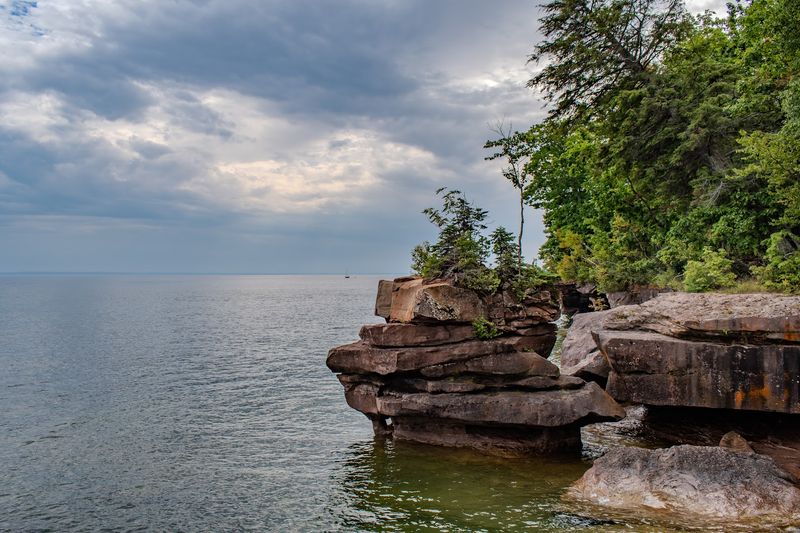
Despite being accessible by maintained trails, the natural area retains a sense of isolation and untouched wilderness. Lake Superior’s vastness dominates the eastern view, reminding visitors of nature’s scale and power.
The bog itself appears primordial, unchanged by human activity and operating according to ancient rhythms established long before people arrived in the region.
Limited development on Madeline Island means that nights here are dark and quiet, with stars visible in numbers rarely seen near populated areas. The sound of waves replaces traffic noise, and wildlife moves through the landscape without the constant pressure of human presence.
This quality of remoteness is increasingly rare and valuable.
Even during summer when the park receives its most visitors, the natural area absorbs people into its expanse without feeling crowded. The boardwalk leads individuals into the landscape rather than dominating it, allowing the bog and beach to remain the focus of attention and experience.
It Offers A Different Side Of Wisconsin’s Apostle Islands Region
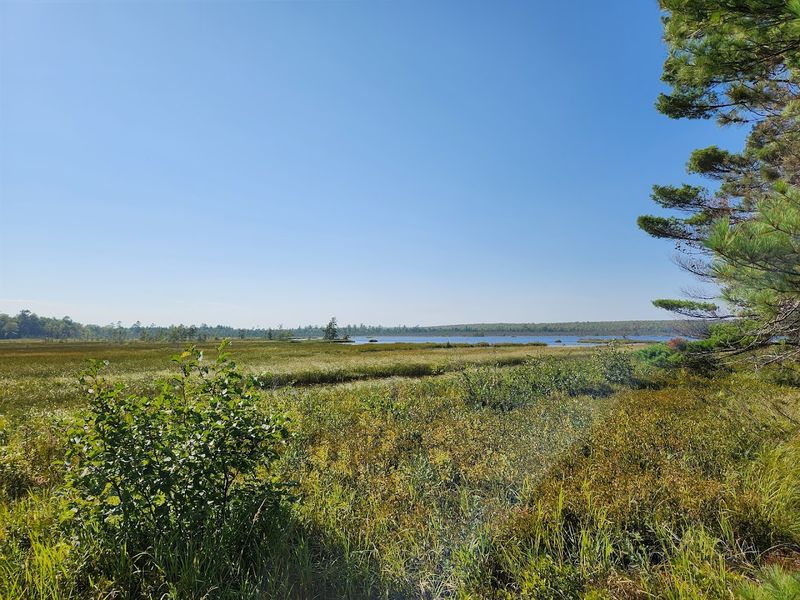
Most visitors to the Apostle Islands focus on sea caves, lighthouses, and rocky shorelines that characterize the archipelago’s outer islands. Big Bay Sand Spit & Bog State Natural Area presents something entirely different, showcasing wetland ecology and rare habitat types not found elsewhere in the island chain.
This diversity makes the region more ecologically complete and interesting to explore.
The natural area demonstrates how varied landscapes can exist in close proximity when geology, water, and climate interact in particular ways. Understanding this place deepens appreciation for the entire Apostle Islands region and the complex natural history that shaped it.
The bog tells a story of glaciers, lake formation, and slow ecological succession spanning millennia.
Visitors who take time to explore both the typical island attractions and this less-known natural area gain a fuller picture of what makes the region special. The bog may lack the dramatic visual impact of sea caves, but it offers subtlety, ecological richness, and quiet beauty that reward careful observation.