
This Hidden Georgia Hiking Trail Leads To A Magical Forest And A Secret Coastal Escape
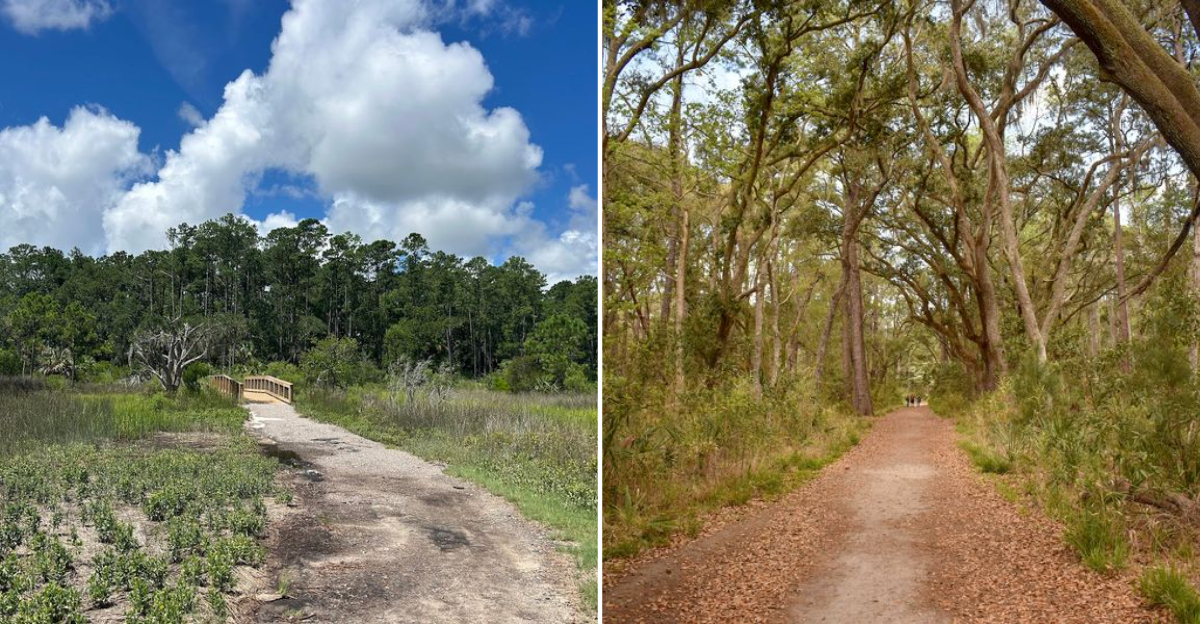
Georgia keeps some of its best outdoor experiences well off the main path. This trail is a perfect example of exactly that.
The forest closes in early and stays dense, creating a canopy that filters light into something closer to atmosphere than shade. Ancient trees, soft ground cover, and a trail that narrows just enough to make the walk feel genuinely personal.
The coastal reveal at the end catches hikers completely off guard. Nothing about the forest section prepares you for what opens up beyond it.
This state has trails that deliver scenery, but few manage to offer two completely different environments within a single hike. The transition from deep woodland to open coastal escape is the kind of contrast that earns a trail its reputation.
Hikers who complete it once tend to come back with someone new, just to watch the reaction at that final turn.
Unique Wildlife And Plant Life Of Coastal Georgia
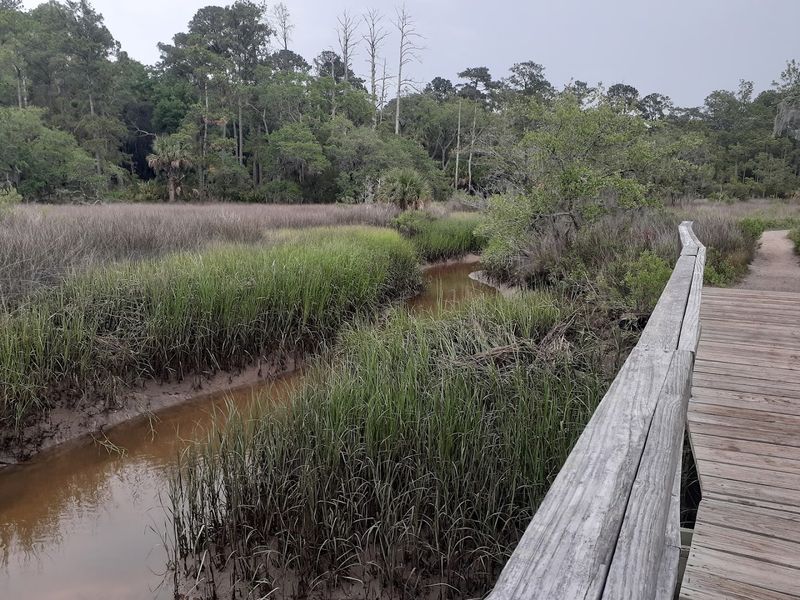
A state park like this is basically a wildlife highlight reel. Deer wander the trails without much concern for hikers.
Raccoons, fiddler crabs, egrets, and osprey all share this coastal landscape.
The Painted Bunting is one of the park’s rarest visitors. This small, brilliantly colored bird migrates through Georgia and occasionally stops here.
Spotting one feels like finding a hidden treasure.
Salt flats line parts of the trail system. During high tide, these flat expanses flood and leave behind salt crystals as the water pulls back.
Fiddler crabs make their homes in these salty patches, waving their oversized claws like tiny traffic directors.
Spanish moss hangs from nearly every live oak in the park. It gives the forest a moody, almost cinematic look.
The maritime forest feels ancient and alive at the same time.
A freshwater pond along the Connector Trail sometimes holds alligators. They tend to rest near the water’s edge, blending into the surroundings surprisingly well.
Dolphins have also been spotted from trail viewpoints near the Intracoastal Waterway.
The plant life is just as compelling as the animals. Salt marshes, tidal creeks, and dense coastal forests all exist within a short walk of each other.
The park is located at 52 Diamond Causeway, Savannah, GA 31411, making it an accessible natural escape near the city.
Trail Difficulty And Accessibility Overview
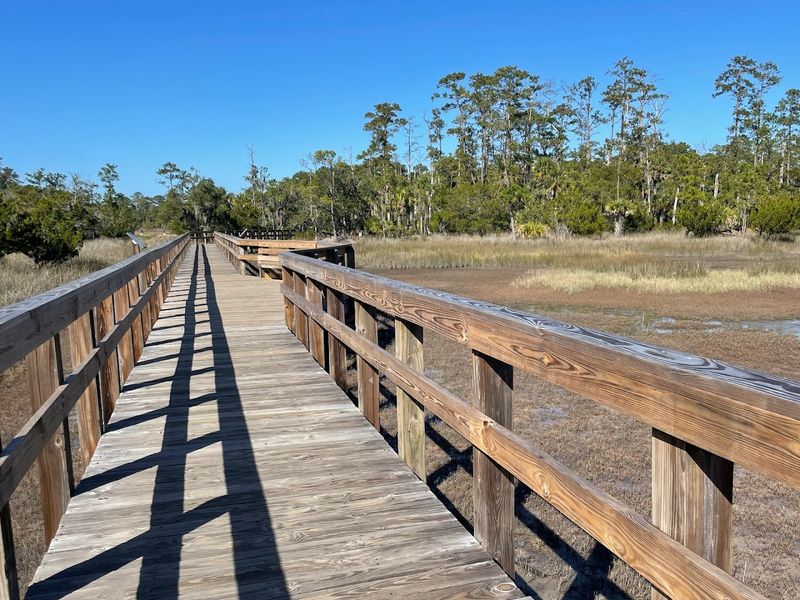
Most trails at Skidaway Island State Park are flat and manageable. The terrain does not demand serious fitness or technical skill.
That makes this park a solid choice for families, beginners, and older hikers alike.
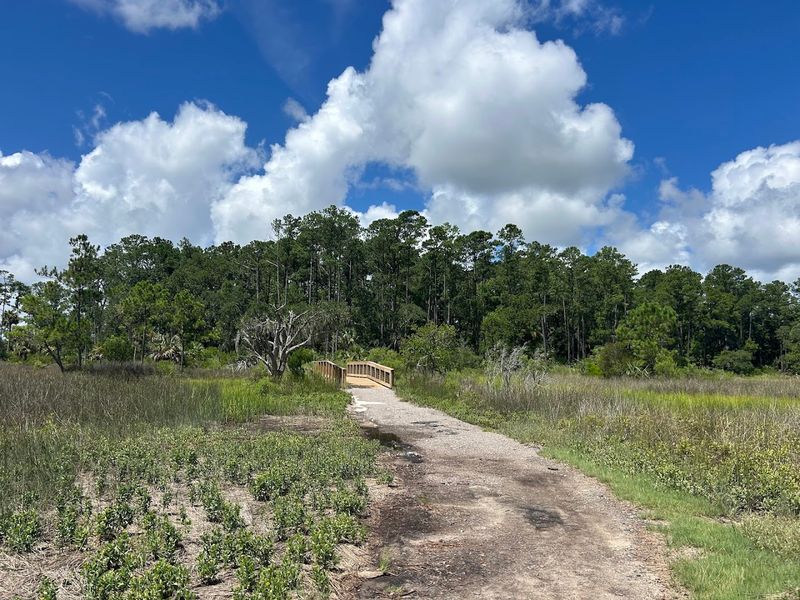
The Sandpiper Trail and Avian Loop together cover about two miles. They pass through sandy paths, wooden boardwalks, and bridges over wetland areas.
The combination gives hikers a real taste of the coastal environment without overworking anyone.
Boardwalks are a major feature throughout the trail system. They keep your feet dry when crossing marshy sections.
They also give you elevated views of tidal creeks and marsh grasses that you would miss at ground level.
The Big Ferry Trail runs as a two-mile loop. Extend it slightly, and you get close to three miles by adding the earthworks loop.
That loop passes remnants of Civil War earthworks, which adds a history lesson to the hike.
Observation towers are positioned along the trails for marsh viewing. These towers offer wide, open sightlines across the Skidaway Narrows.
On a clear day, the views are genuinely worth the climb.
Note that the Avian Trail and its observation tower are currently closed due to bridge damage. It is worth checking the park website before visiting.
The park is open daily from 7 AM to 10 PM, and parking requires a small fee.
Seasonal Changes Affecting The Hiking Experience
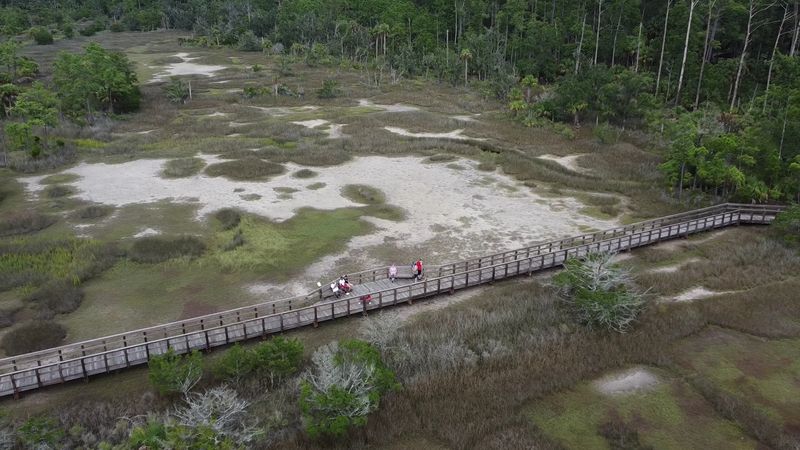
Every season brings a completely different mood to Skidaway Island State Park. Summer is warm, humid, and green.
The forest canopy provides shade, but you will still want water and bug spray on hand.
Fall is arguably the best time to visit. Temperatures drop to comfortable levels.
Migrating birds, including the rare Painted Bunting, pass through during the autumn months, making wildlife sightings more frequent and exciting.
Winter visits are surprisingly pleasant here. Coastal Georgia stays mild compared to most of the country.
The lack of foliage on some trees actually opens up views through the forest that summer hides completely.
Spring brings blooming plants and active wildlife. Baby animals start appearing near the trails.
The salt marshes turn vivid shades of green as new growth pushes through after winter.
Tidal patterns also shift the experience depending on the season. High tides flood the salt flats and change the landscape noticeably.
Visiting during low tide gives you more access to the flat, crusty salt areas where fiddler crabs roam.
Rain can make some dirt trails muddy and slippery. Boardwalk sections handle wet conditions better than the sandy paths.
Checking the forecast before heading out helps you plan the right footwear and clothing for whatever Georgia decides to throw at you that day.
Tips For Preparing For Coastal Forest Adventures
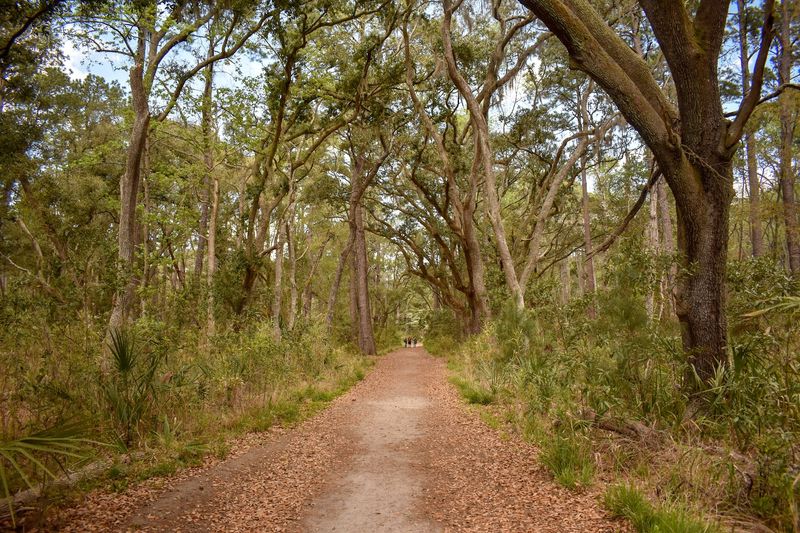
Preparation makes the difference between a great hike and a rough one. Coastal forest environments have specific challenges that standard trail prep does not always cover.
Knowing what to expect at Skidaway Island State Park sets you up for a much better visit.
Bring more water than you think you need. Humidity along the Georgia coast can be intense, especially between May and September.
Dehydration sneaks up on people faster in humid environments than in dry heat.
Bug repellent is non-negotiable. Ticks are present in the park, and the vegetation is dense enough to create plenty of hiding spots for them.
Apply repellent before you start walking and check yourself thoroughly after the hike.
Sunscreen matters even under the forest canopy. Boardwalk sections and open marsh areas expose you to direct sunlight.
A wide-brimmed hat adds extra protection on those stretches.
Download a trail map before arriving. Cell service can be inconsistent in parts of the park.
Having an offline map on your phone prevents any confusion at trail intersections.
The park charges a parking fee, so bring cash or a card. Annual passes are available if you plan to return.
Leashed pets are welcome on the trails, so feel free to bring your dog along for the adventure. Just keep them close to the freshwater pond where alligators occasionally rest.
Nearby Wildlife Observations And Safety
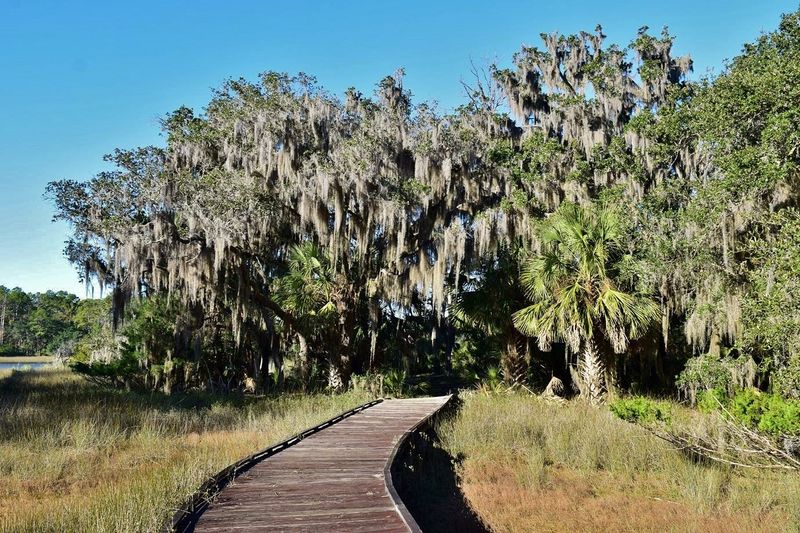
Wildlife at Skidaway Island State Park is genuinely wild. That is part of the appeal, but it also calls for some common sense on the trail.
Keeping a safe distance from animals protects both you and them.
Alligators are the most attention-grabbing residents. They are found near the freshwater slough along the Connector Trail.
They are not typically aggressive, but they deserve plenty of space and respect.
Deer are common and often unafraid of hikers. They graze near the trail edges and sometimes stand still long enough for a decent photo.
Do not approach or feed them, though.
Dolphins appear near the Intracoastal Waterway, visible from certain trail viewpoints. Osprey circle overhead regularly, scanning the water for fish.
These aerial shows happen without any warning, which makes them extra exciting.
Shore birds, egrets, and raccoons round out the regular cast. Raccoons are especially active around dusk.
If you are hiking in the late afternoon, keep food secured and do not leave snacks unattended on picnic tables.
Tick awareness is important throughout the entire park. Stay on marked trails as much as possible.
After your hike, do a full-body check before getting in your car. Wearing long socks and light-colored clothing makes spotting ticks significantly easier.
Being observant and cautious lets you enjoy all the wildlife without any unwanted surprises.
Photography Opportunities Along The Trail
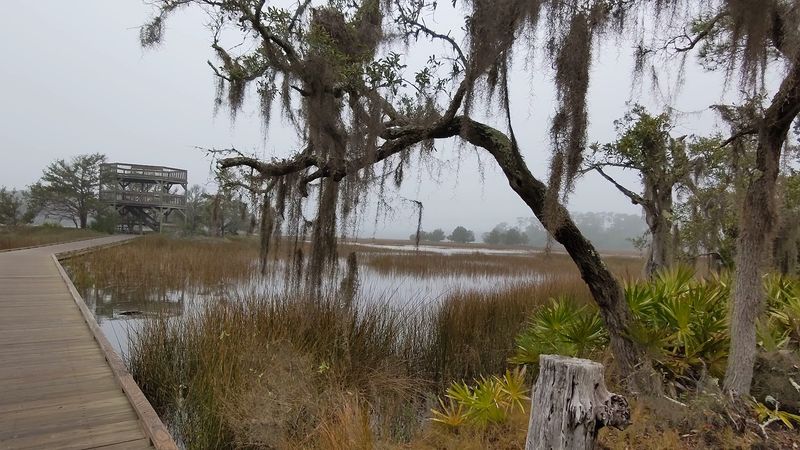
Skidaway Island State Park is a photographer’s natural playground. Every turn on the trail offers a new composition.
The mix of forest, marsh, and water creates constantly changing light and texture throughout the day.
Golden hour is spectacular here. Morning light filters through the live oaks and Spanish moss in long, soft beams.
That combination of light and shadow makes even a basic smartphone camera produce stunning results.
The boardwalks are ideal shooting platforms. They put you directly above the marsh at eye level with the water and grasses.
Reflections of the sky and trees appear in the still tidal creek water below.
Observation towers give you elevated perspectives. From the top, you can frame wide shots of the Skidaway Narrows with the salt marsh in the foreground.
These high-angle views feel completely different from anything you get at ground level.
Wildlife photography requires patience but pays off big. Egrets stand perfectly still near the water for long stretches.
Fiddler crabs move in fascinating patterns across the salt flats if you crouch down and wait quietly.
Shell middens and Civil War earthwork remnants along the Big Ferry Trail add historical texture to nature shots. Pairing ancient history with coastal forest in a single frame tells a layered story.
Bring a fully charged battery and extra storage because you will absolutely fill up your camera roll at this park.
Environmental Importance Of Coastal Ecosystems
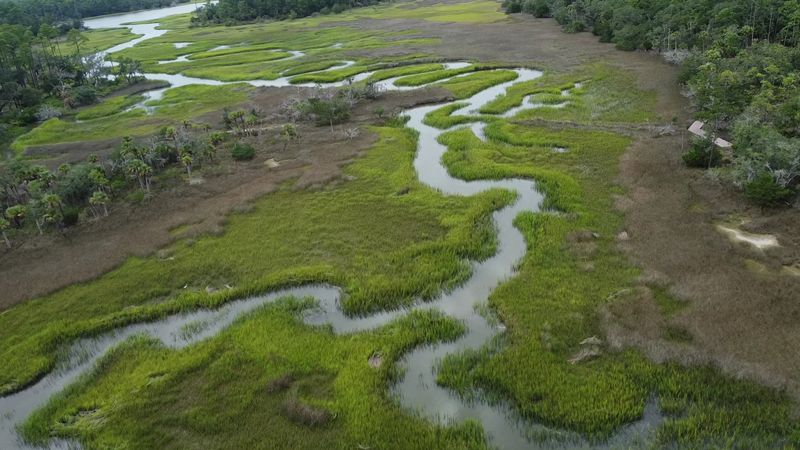
Salt marshes are among the most productive ecosystems on the planet. Skidaway Island State Park sits right in the middle of one of Georgia’s finest examples.
The park borders the Skidaway Narrows, which connects to the Intracoastal Waterway.
These marshes act as natural water filters. They trap sediment and absorb excess nutrients before they reach open water.
That filtering process keeps the surrounding coastal waters cleaner and healthier for marine life.
Salt marshes also serve as nurseries for fish and shellfish. Juvenile marine species use the shallow tidal creeks as protected feeding grounds.
Without healthy marshes, those fish populations would decline significantly.
The maritime forest at Skidaway plays its own role. Live oaks and other coastal trees stabilize the soil along the shoreline.
Their root systems reduce erosion caused by tidal movement and storm surges.
Carbon storage is another key function of coastal ecosystems. Salt marshes store carbon at rates much higher than most land-based forests.
Protecting these areas directly contributes to slowing the effects of climate change.
Visiting Skidaway Island State Park gives you a front-row seat to all of this natural work happening in real time. The tidal rhythms, the wildlife movement, and the plant growth are all part of a larger system that supports the entire Georgia coast.
Understanding that connection makes the hike feel like more than just a walk in the woods.
Recommended Gear For Forest And Beach Hiking
The right gear turns a good hike into a great one. Skidaway Island State Park blends forest and coastal terrain, which means your gear needs to handle both environments.
A little planning before you pack goes a long way.
Trail shoes with a solid grip are essential. The sandy paths can shift underfoot, and boardwalk sections get slippery when wet.
A shoe with decent traction handles both surfaces without any drama.
A lightweight daypack keeps your hands free. Load it with water, snacks, sunscreen, and bug repellent.
Two water bottles per person is a reasonable starting point for a two to three-mile hike in coastal Georgia heat.
A wide-brimmed hat protects your face and neck on open marsh sections. Sunglasses with UV protection reduce glare off the water.
Both items are easy to pack and make a real difference in comfort.
Quick-dry clothing is smart for humid coastal environments. Cotton holds moisture and gets uncomfortable fast.
Synthetic or moisture-wicking fabrics keep you cooler and dry out much faster if you sweat or get splashed.
Binoculars are worth throwing in if you have a pair. Osprey, dolphins, and migrating birds show up at distances where the naked eye misses the detail.
A small first aid kit rounds out the essentials. Blister pads, antiseptic wipes, and a tick removal tool cover the most common trail issues you are likely to encounter at this park.