
10 New Jersey Communities That Are Feeling The Impact Of Increasing Property Tax Rates
Property taxes have always been part of the conversation in New Jersey. Lately, that conversation has grown harder to ignore.
Residents across the state are opening annual bills and doing the math in ways that no longer add up the way they once did.
These communities in particular are feeling that pressure more acutely than most, and the effects are showing up beyond just the numbers.
Long-term homeowners are weighing options they never expected to consider. Younger families are questioning whether the investment still makes sense.
New Jersey offers a lot in return for its tax burden, good schools, strong infrastructure, and access to major metro areas.
But there is a threshold where the return stops justifying the cost, and several communities here are getting uncomfortably close to that line.
The stories behind these numbers are worth understanding before the next assessment arrives.
1. Millburn
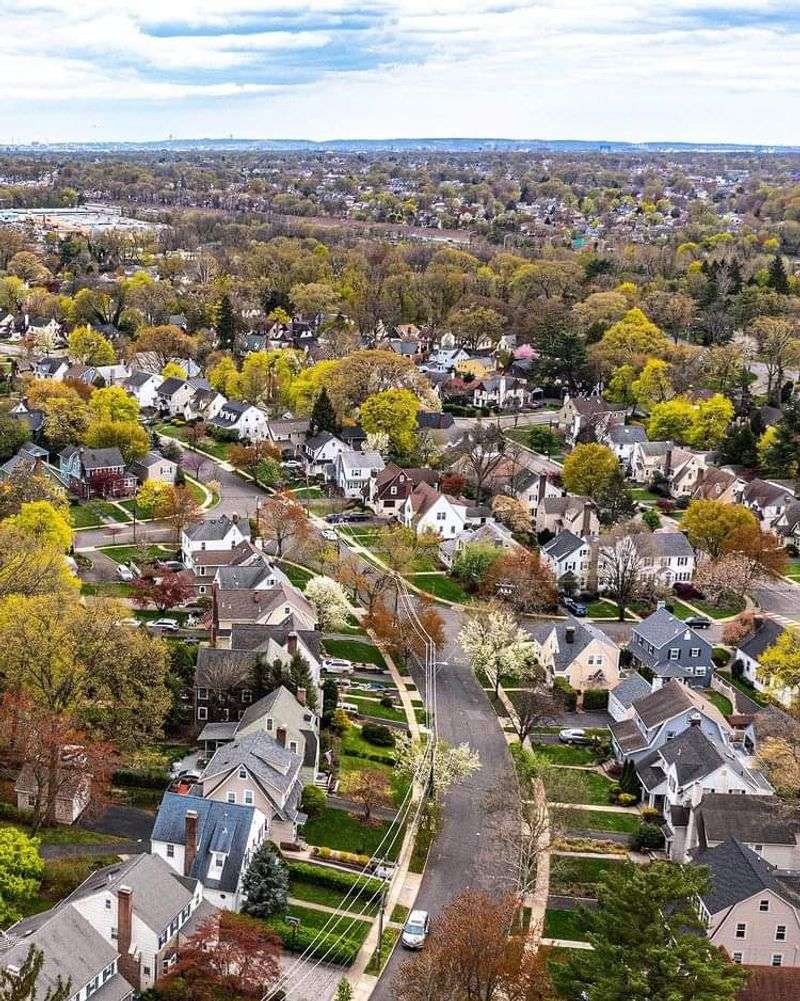
This spot has long been one of New Jersey’s most desirable addresses. The schools are top-tier, the downtown is walkable, and the homes are beautiful.
But all that prestige comes with a serious price tag on your tax bill.
Property taxes in Millburn have been climbing steadily. Homeowners here are paying some of the highest average bills in Essex County.
Many residents are starting to ask whether the value still matches the cost.
The town sits in a tricky spot. It cannot easily cut services because residents expect excellent schools and infrastructure.
So the taxes keep rising to meet those expectations.
Local officials have been juggling rising salary costs and health insurance premiums for public employees. Those costs get passed right along to homeowners.
It is a cycle that is hard to break.
Some longtime residents are choosing to downsize rather than keep absorbing the increases. Younger buyers are pausing before committing.
The financial math is getting harder to ignore in this otherwise gorgeous town.
Millburn is still a wonderful place to live. The Paper Mill Playhouse alone makes it worth the visit.
But the tax reality is becoming a bigger part of every real estate conversation happening here. Millburn is located in Essex County, along Millburn Avenue and surrounding neighborhoods near Short Hills.
2. Montclair
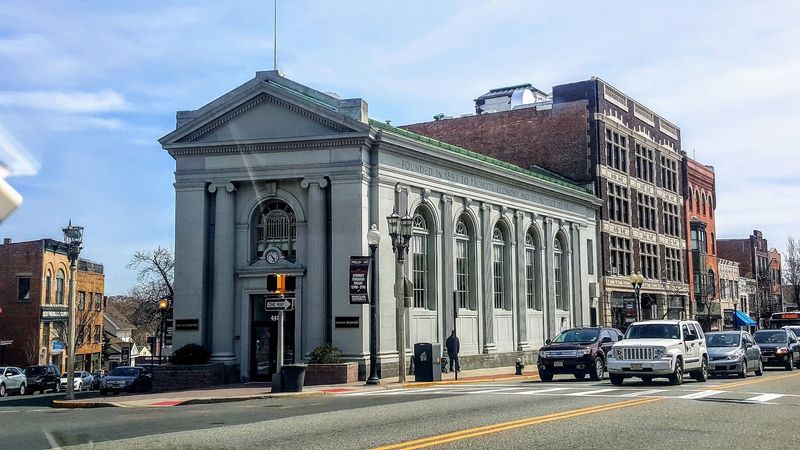
Montclair has an energy that is hard to describe without sounding like a real estate brochure. It is artsy, diverse, and full of personality.
The restaurant scene is genuinely great, and the community vibe is strong.
But property taxes here have been a hot topic for years. In 2025, that conversation got even louder.
Average bills have pushed well above the state average, making some homeowners do a double-take.
The town relies heavily on local property taxes to fund its excellent school system. That means any gap in state aid gets filled by residents.
And lately, those gaps have been growing.
Rising health insurance costs for public workers have added serious pressure to the municipal budget. Officials are trying to manage it, but options are limited.
Residents end up absorbing much of the increase.
Interestingly, Montclair attracts buyers who value culture and community above all else. Many stay despite the taxes because the lifestyle is genuinely worth it to them.
But affordability is becoming a real barrier for newcomers.
Long-term owners who bought decades ago are now sitting on homes worth far more than they paid. That increased market value means higher assessments.
Higher assessments mean bigger tax bills. It is a pattern playing out across Montclair right now.
3. Glen Ridge
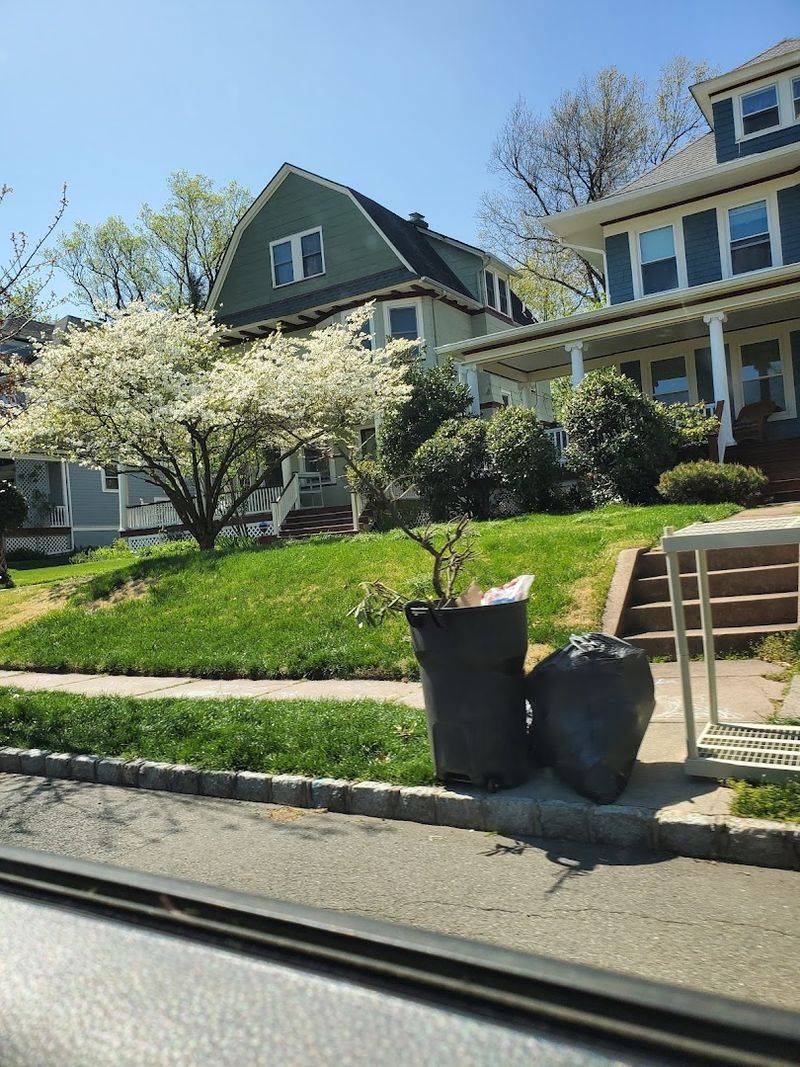
Glen Ridge is one of those towns that feels like it exists outside of time. The homes are historic, the streets are quiet, and the community is tight-knit.
It is small in size but massive in character.
What makes Glen Ridge unusual is just how tiny it is. The borough covers less than one and a half square miles.
With such a small tax base, every budget decision hits residents harder than in larger towns.
Property tax rates here are among the highest in Essex County. Homeowners regularly receive bills that feel disproportionate to the square footage of their homes.
The charm does not cancel out the sticker shock.
The school system is well-regarded, which keeps demand for housing high. High demand means rising property values.
Rising values eventually mean higher assessments and bigger tax bills.
Municipal costs have also risen sharply due to public employee salary increases and insurance premiums. Glen Ridge cannot spread those costs across a large population.
So each household carries a heavier share.
Despite all this, people love living here. The commuter access to New York City is excellent.
The neighborhood feel is genuinely special. But financial planners will tell you to run the numbers carefully before buying here.
4. Tenafly
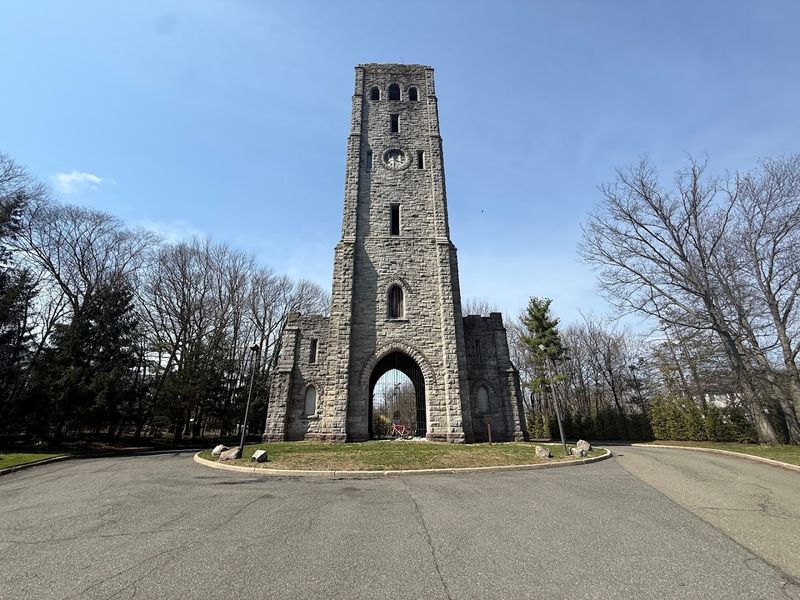
This place sits in Bergen County and has built a reputation as one of the most desirable communities in northern New Jersey. The schools are consistently ranked among the best in the state.
That reputation drives serious housing demand.
But with great schools comes great tax responsibility. Property taxes in Tenafly have been rising at a pace that concerns even longtime residents.
The average bill here runs well above the statewide average, which is already among the highest in the country.
Bergen County as a whole tends to have high property taxes. Tenafly fits right into that pattern.
The combination of high home values and elevated tax rates creates a significant financial burden for homeowners.
State school aid adjustments have played a role in the increases. When Trenton pulls back funding, local property taxes fill the gap.
Tenafly has felt that shift in a real way over the past few years.
The town also has a large commuter population that values proximity to New York City. That demand keeps real estate values elevated.
Elevated values mean higher assessments during revaluation cycles.
Revaluations are especially jarring for residents who have owned their homes for a long time. Their bills can jump significantly in a single year after a reassessment.
That is a financial shock that many are not fully prepared for.
5. Ridgewood
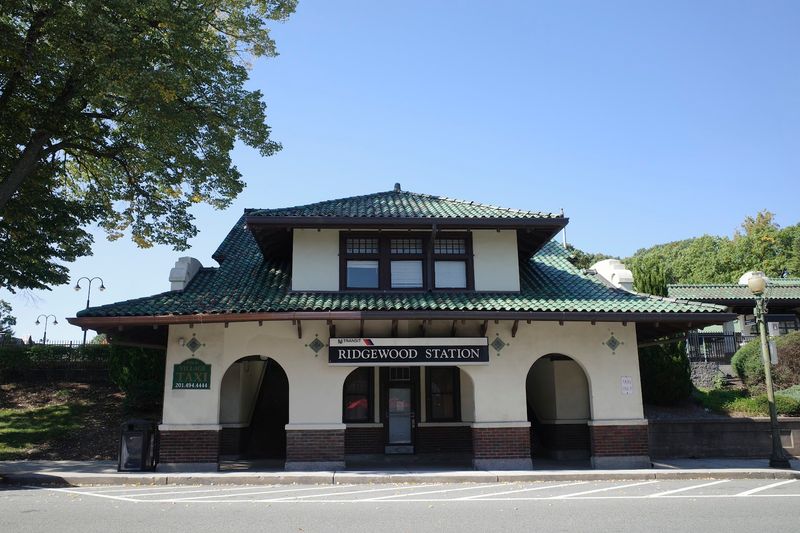
Ridgewood has one of the most charming downtown areas in all of New Jersey. The village center is walkable, the restaurants are solid, and the train station makes commuting easy.
It is the kind of place people move to and never want to leave.
That popularity, though, comes with a financial reality check. Property taxes in Ridgewood have been climbing consistently.
The average homeowner here is paying a bill that would make plenty of people in other states gasp.
The school district is a big driver of those costs. Ridgewood schools are highly rated, and maintaining that quality is expensive.
Teacher salaries, benefits, and facility costs all feed into the tax levy.
Public employee health insurance has become one of the fastest-growing budget line items. It is not unique to Ridgewood, but the town is not immune to it either.
Those costs flow directly into what homeowners pay each year.
The cap on annual property tax increases has offered some protection. But towns that lose state aid can raise bills significantly without voter approval.
Ridgewood has navigated some of those scenarios in recent years.
Buyers moving to Ridgewood are usually well aware of the tax situation. They factor it in and commit anyway because the lifestyle is genuinely excellent.
But the increases keep coming, and the math keeps getting tighter.
6. Westfield
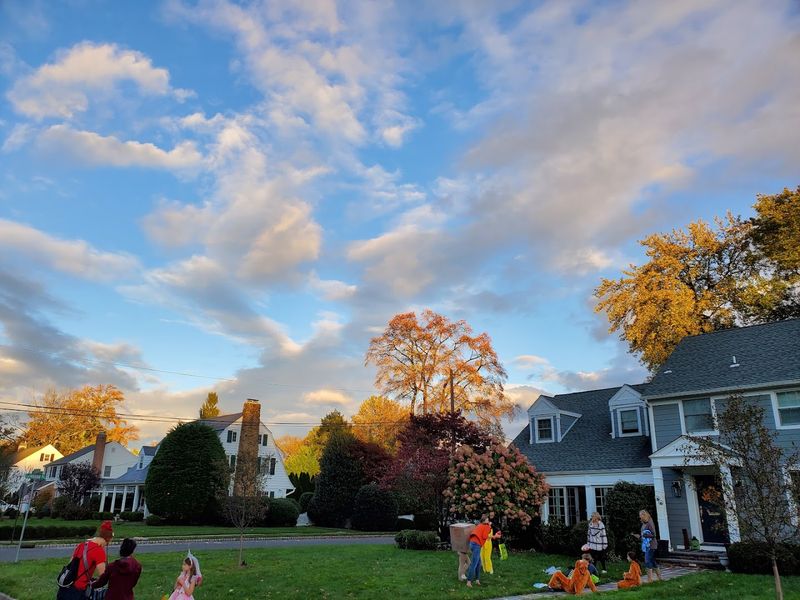
Westfield is the kind of New Jersey town that gets mentioned in the same breath as the American dream. Wide streets, beautiful homes, a bustling downtown, and schools that parents rave about.
It checks almost every box.
But the property tax situation here is no joke. Union County has some of the highest tax rates in the state.
Westfield sits comfortably, or uncomfortably, near the top of that list.
The town has been dealing with rising municipal costs just like everyone else. Salary increases for public workers and surging health insurance premiums have put real pressure on the budget.
That pressure lands on homeowners.
Westfield’s excellent school system is a major selling point for families. Maintaining it requires consistent funding.
When state aid does not keep pace with expenses, local taxes make up the difference.
Property revaluations have also been a source of anxiety for some residents. When market values rise quickly, assessments follow.
A revaluation can result in a noticeably higher bill even if the tax rate itself stays flat.
Still, Westfield remains incredibly popular. The downtown shopping district is genuinely thriving.
The community events are well-organized and well-attended. People clearly love living here, even while grumbling about the bills.
That mix of pride and financial frustration is very much a Westfield thing.
7. Summit
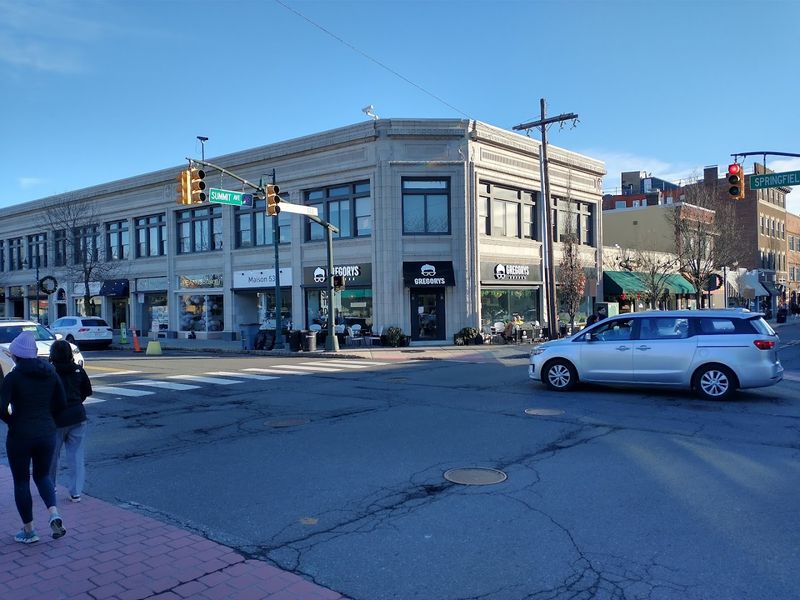
A place like this sits on a hill in Union County and has the kind of self-assured confidence that comes from decades of being considered one of New Jersey’s finest cities. The train service to Manhattan is excellent.
The downtown is upscale and well-maintained.
Property taxes here are high, and they have been getting higher. The average bill in Summit consistently exceeds the statewide average by a wide margin.
Homeowners here are accustomed to it, but that does not mean they are happy about it.
The city’s school system is one of the main reasons families choose Summit. Keeping those schools at a high level requires significant ongoing investment.
That investment shows up on every tax bill.
Municipal services in Summit are also well-regarded. The city runs efficiently, and residents expect it to stay that way.
Efficient services cost money, and that money comes from property taxes.
Rising costs for public employee benefits have hit Summit’s budget hard. Health insurance premiums for city workers have increased at a double-digit rate in recent years.
Budget managers have had to make tough choices to manage the impact.
Interestingly, Summit’s real estate market has stayed strong despite the tax burden. Buyers see the value and commit.
But financial advisors consistently flag the ongoing tax increases as something buyers need to plan for carefully.
8. Chatham
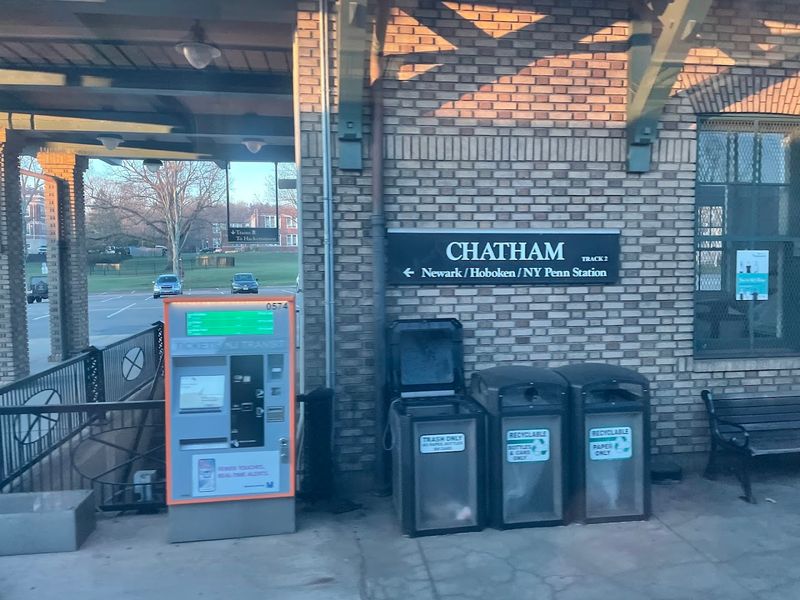
Chatham has a small-town feel that people absolutely love. The borough and township together create a community that feels cohesive and welcoming.
The schools are excellent, and the commute to New York City is manageable.
Property taxes in Chatham have been rising in a way that is hard to ignore. Morris County generally has lower taxes than Bergen or Essex, but Chatham bucks that trend a bit.
The average bill here is notably high for the region.
The school district is a consistent driver of the tax levy. Chatham parents are deeply invested in educational quality.
Maintaining that quality means the school budget stays robust, and the tax implications follow.
Municipal costs have also climbed. Public worker salaries and benefits have increased year over year.
Those costs get distributed across the local tax base, which means homeowners absorb the difference.
One thing that makes Chatham interesting is the ongoing tension between long-term residents and newer arrivals. Longtime owners sometimes feel squeezed by increases that seem to benefit newer families more directly.
It creates a lively local political conversation.
Home values in Chatham have risen substantially over the past several years. Higher market values lead to higher assessments.
Higher assessments lead to higher bills. It is a loop that shows no signs of stopping anytime soon for residents.
9. Princeton
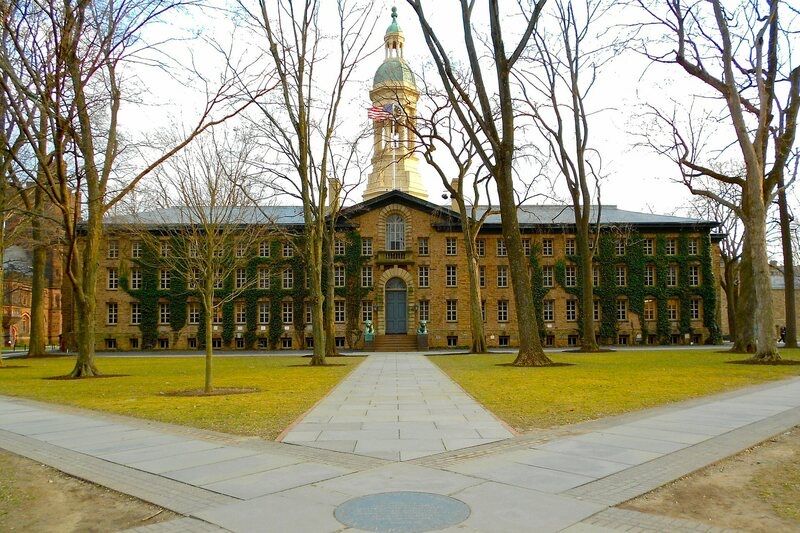
When a place like Princeton carries an unmistakable intellectual prestige, you can feel it just walking down Nassau Street. The university, the architecture, the bookstores, it all adds up to something genuinely special.
People want to live here for obvious reasons.
That desirability has pushed property values way up over the years. Higher values mean higher assessments.
And in Princeton, assessments have been climbing fast enough to make homeowners nervous at reassessment time.
The municipality merged in 2013 when Princeton Borough and Princeton Township combined. That merger was supposed to create efficiencies.
Some cost savings materialized, but property taxes have still risen significantly since then.
The school district serves a highly educated and engaged parent community. Expectations are sky-high, and meeting them is expensive.
The district’s budget is a regular source of debate and a major driver of the tax levy.
Princeton also has a large number of tax-exempt properties due to the university and nonprofits. That shrinks the taxable base considerably.
The residents who do pay taxes end up carrying a disproportionate share of the municipal burden.
State aid changes have added another layer of unpredictability. When aid drops, local taxes fill the gap.
Princeton homeowners have experienced that dynamic more than once in recent years. The town is wonderful, but the tax bill is a serious conversation every buyer needs to have.
Princeton is located in Mercer County along Nassau Street and Witherspoon Street.
10. Rumson
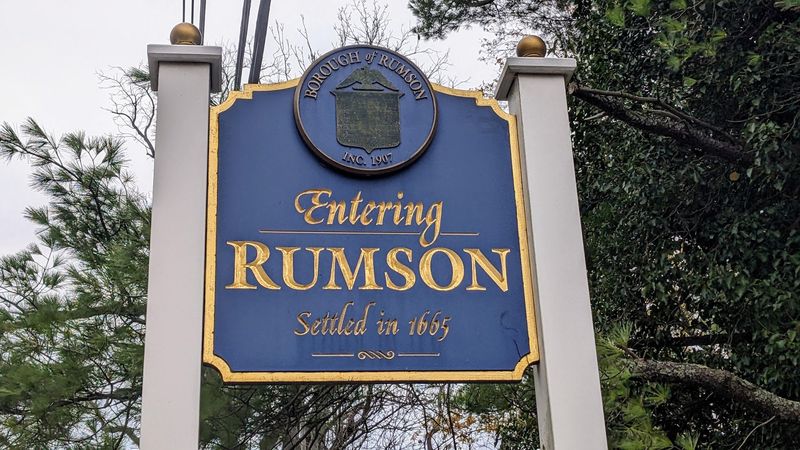
Rumson sits on a peninsula between the Navesink and Shrewsbury Rivers and has long been one of New Jersey’s most exclusive addresses. The homes are stunning.
The waterfront views are real. The lifestyle is genuinely luxurious.
But even in Rumson, the property tax conversation has gotten uncomfortable. Monmouth County has seen some of the sharpest tax increases in the entire state in 2025.
Nearby towns like Asbury Park saw a 20% jump. Rumson is not isolated from those regional pressures.
Home values in Rumson are among the highest in New Jersey. That means even modest percentage increases in the tax rate translate into very large dollar amounts on actual bills.
Wealthy does not mean immune to sticker shock.
The school system here is small and well-funded. Keeping it that way requires consistent investment.
With a limited number of properties sharing the tax burden, each household carries a significant portion of those costs.
Municipal services in Rumson are well-maintained. Roads, parks, and public safety all meet high expectations.
High expectations require high funding, and that funding flows from property taxes.
One interesting quirk is that Rumson’s exclusivity actually limits its tax base. Fewer homes mean fewer taxpayers.
Each homeowner ends up paying more to sustain the same level of service. It is an irony that comes with the territory of living somewhere truly special.
Rumson is located in Monmouth County along River Road and East River Road near the Navesink River.