
This Wisconsin Wildlife Park Most People Don’t Know About Feels Like A Mini Safari
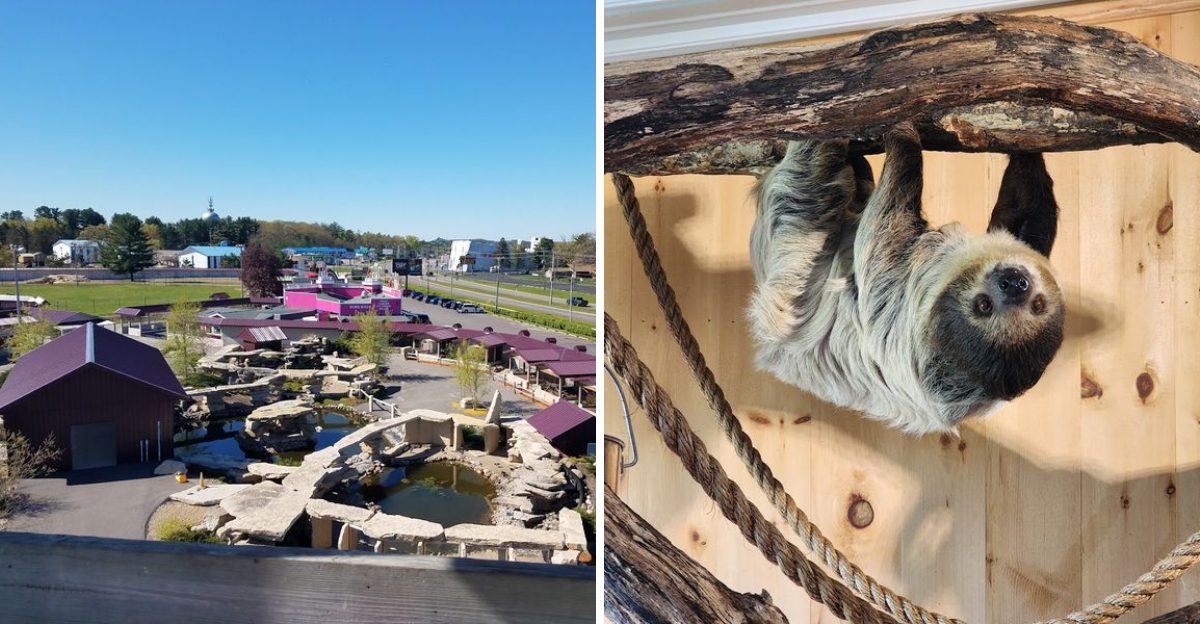
Water slides may get most of the attention, but Wisconsin Dells has another family adventure waiting beyond the usual splash-filled stops. A wildlife park here brings kids close to giraffes, rhinos, camels, and plenty of other animals without turning the day into a long-haul trip.
Safari-style fun meets a very Wisconsin kind of family outing, with animal encounters, relaxed paths, interactive exhibits, and a classic train ride adding extra excitement. Busy attractions can wait for later.
This Wisconsin stop gives families a memorable break from the main strip, especially when kids want something wilder than another pool day. Animal lovers may leave with a new favourite part of the trip.
The Safari Train Ride Gives The Park Its Mini Safari Feel
Old Fort Dells Engine Number 9 chugs through open pastures where animals roam freely, bringing visitors face to face with creatures that would normally require international travel to see. The train stops strategically along the route, allowing passengers to extend carrots and feed sticks to curious residents who have learned the schedule better than most humans.
Families pile into open-air cars that provide unobstructed views of the landscape rolling past. The gentle pace gives everyone time to spot animals in the distance and prepare cameras before the next feeding stop.
Conductors share information about the animals without overwhelming passengers with scientific jargon.
This attraction transforms a simple zoo visit into something more adventurous and memorable. The combination of movement, interaction, and variety keeps young children engaged far longer than traditional exhibits.
Most visitors report spending the entire ride leaning over the sides, hoping to be the first to spot the next animal approaching the tracks.
Guests Can Feed Giraffes From A Special Feeding Deck
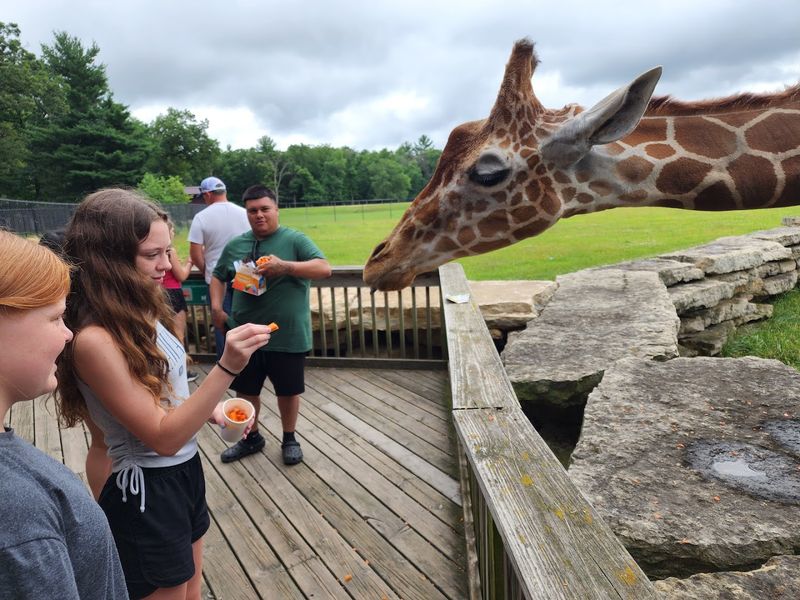
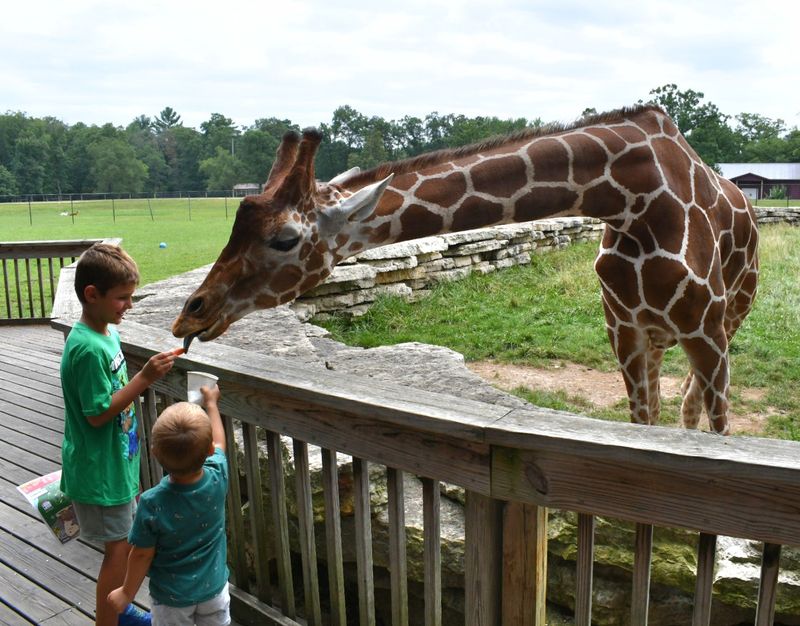
Standing eye to eye with a giraffe changes your entire perspective on these towering animals. The elevated feeding platform at Timbavati positions visitors at the perfect height to offer carrots directly to these gentle giants, whose long blue tongues wrap around the food with surprising dexterity.
Their eyelashes alone measure longer than most people expect, and their patient demeanor makes the experience accessible even for nervous first-timers.
The deck design ensures safety while maintaining intimacy with the animals. Staff members supervise without hovering, offering tips on the best feeding techniques and answering questions about giraffe biology and behavior.
Many visitors purchase multiple cups of carrots just to extend their time on the platform.
Photography opportunities abound as giraffes lean in close, creating frame-worthy moments that capture genuine delight. The experience costs just a few dollars for a cup of carrots, making it one of the most affordable exotic animal encounters available anywhere in the Midwest.
The Train Passes Through Pastures With Alpacas, Llamas, And Other Animals
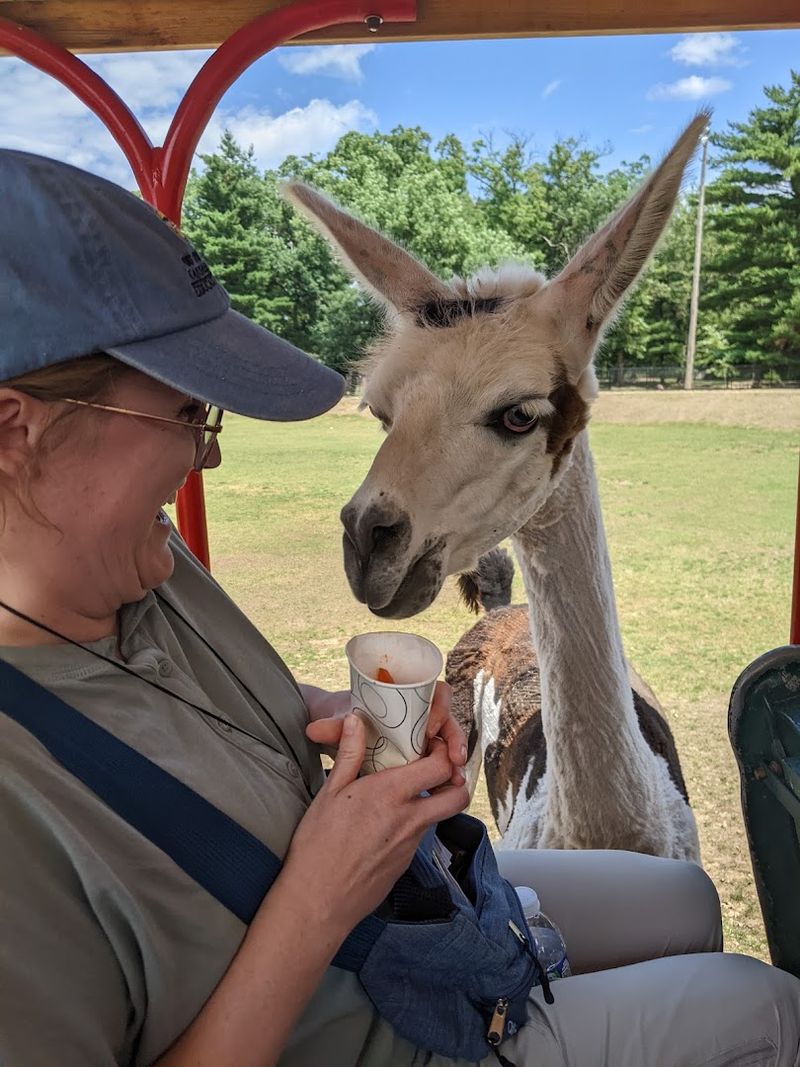
Alpacas and llamas approach the train with the confidence of seasoned performers who know exactly where the food comes from. These South American camelids display distinct personalities, with some boldly sticking their heads into the train cars while others maintain a more dignified distance.
Their soft fleece and expressive faces make them instant favorites with younger visitors.
The pasture system allows these animals to roam across several acres, mimicking their natural habitat far better than traditional zoo enclosures. Visitors observe genuine herd dynamics as the animals interact with each other between train visits.
The open space also means healthier, more active animals who display natural behaviors rather than the pacing often seen in confined spaces.
Mixed in with the camelids are other species that create a diverse ecosystem within the park boundaries. This approach to animal housing reflects modern zoo philosophy about enrichment and social structures.
Watching these animals choose to approach the train rather than being forced into proximity makes the interaction feel more authentic and respectful.
The Park Is Home To A Rhinoceros Named Naasaha
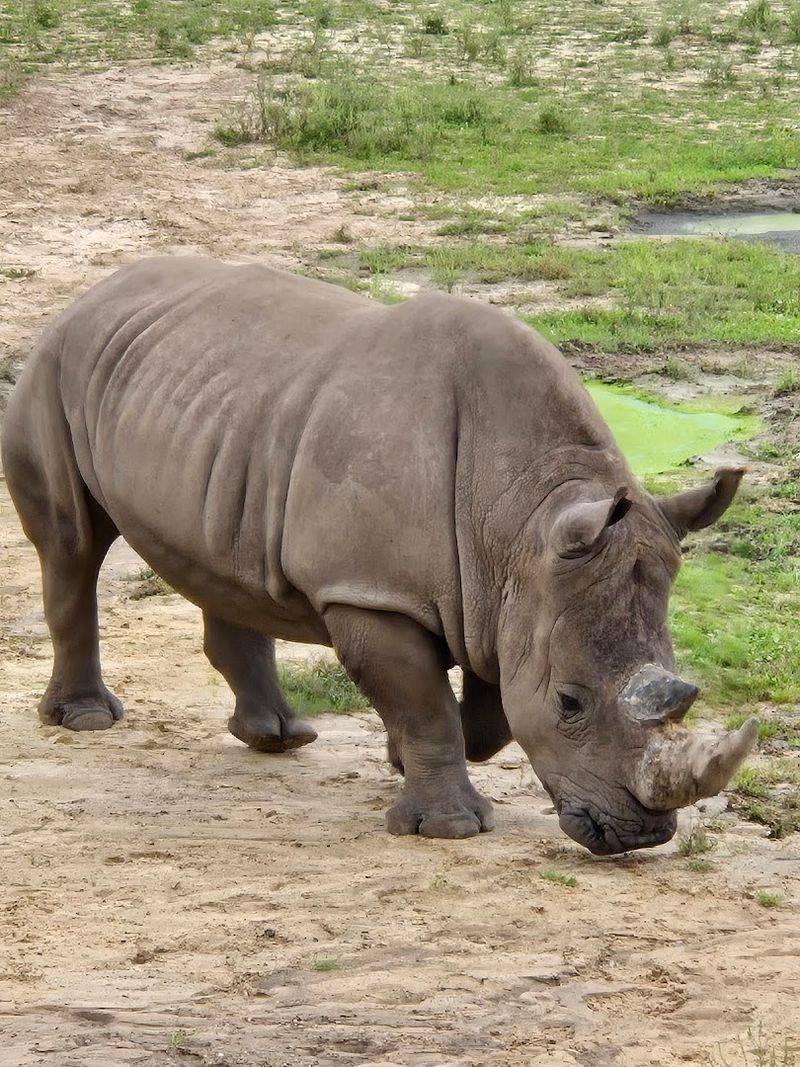
Rhinoceros sightings in the American Midwest rank somewhere between rare and impossible, which makes Naasaha one of the most remarkable residents at Timbavati. This massive animal represents a species facing critical endangerment in the wild, and seeing one up close delivers an education that no documentary can match.
The sheer size and prehistoric appearance of a rhino stops visitors in their tracks.
Naasaha has become something of a local celebrity, with regular visitors tracking her activities and moods throughout the seasons. The park provides information about rhino conservation efforts and the challenges these animals face in their native habitats.
Educational signage explains the difference between various rhino species without turning the exhibit into a lecture hall.
The train ride offers the best vantage point for rhino viewing, as it passes close enough to appreciate the animal’s features without causing stress. Many guests report that seeing Naasaha was their primary reason for visiting, having heard about the unusual resident through word of mouth and social media posts from previous visitors.
The Woodlands Area Adds Wallabies, Ostriches, Tortoises, And More
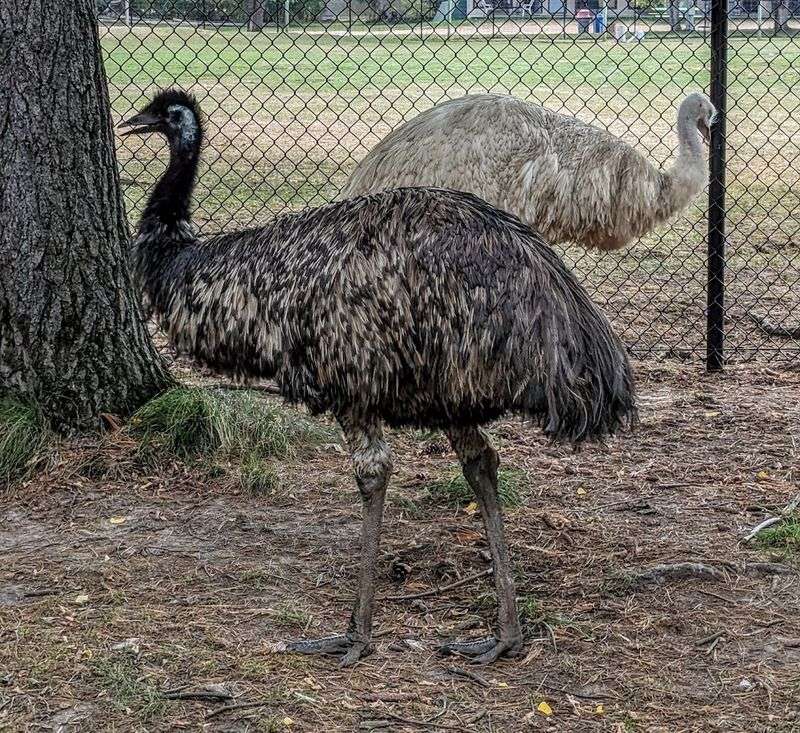
Beyond the train route lies a walking path that winds through shaded areas where smaller and more delicate species thrive. Wallabies bounce across their enclosure with the same energy as their larger kangaroo cousins, while ostriches strut with an attitude that suggests they know exactly how ridiculous they look.
Giant tortoises move at their famously leisurely pace, seemingly unbothered by the crowds gathering to photograph their ancient-looking shells.
The woodland setting provides relief from summer heat while creating distinct habitats for animals with different environmental needs. Careful landscaping separates species while maintaining sightlines that let visitors observe multiple animals from strategic viewpoints.
Benches positioned along the path offer rest stops that double as observation posts.
This section of the park demonstrates thoughtful design that considers both animal welfare and visitor experience. The variety of species prevents monotony, and the shaded paths make walking comfortable even during peak afternoon hours.
Educational placards share facts about each species without overwhelming guests with information overload.
Camel Feeding Makes The Visit Feel More Hands-On
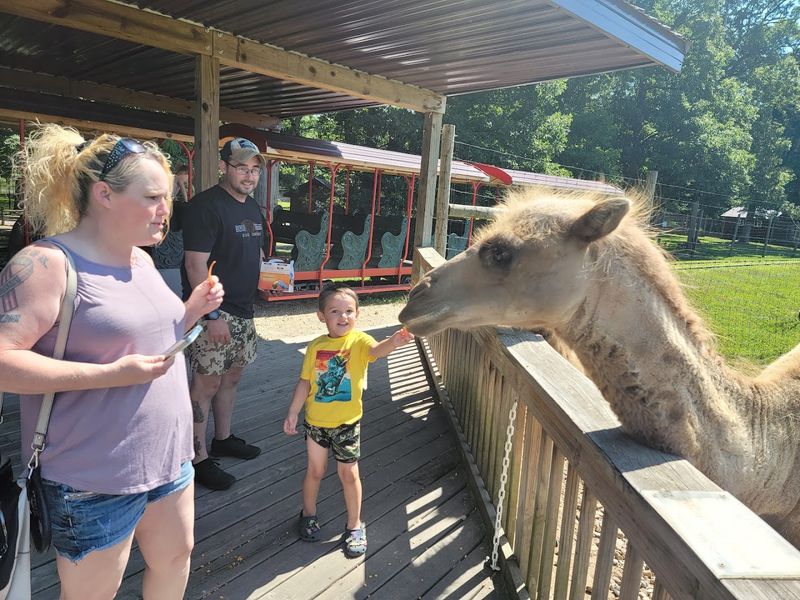
Camels possess an undeserved reputation for surliness that melts away when you meet the patient individuals at Timbavati. These Bactrian camels with their distinctive two humps accept carrots with gentle lips and surprisingly soft noses, dispelling myths about spitting and bad temperament.
Their height makes them less intimidating than giraffes while still providing that exotic animal thrill.
The feeding station positions visitors safely while allowing close enough contact to appreciate the camel’s features and personality. Many guests express surprise at how personable these animals are, often spending extra time at this exhibit after initially planning to walk past quickly.
Staff members encourage questions and share stories about individual camel preferences and quirks.
For children especially, camel feeding represents a perfect balance of adventure and safety. The animals respond well to attention without the unpredictability of some other species.
At just a few dollars for a feeding cup, the experience delivers substantial value and creates lasting memories without requiring a significant financial investment from families already managing vacation budgets.
The Park Offers Close Animal Encounters For Families
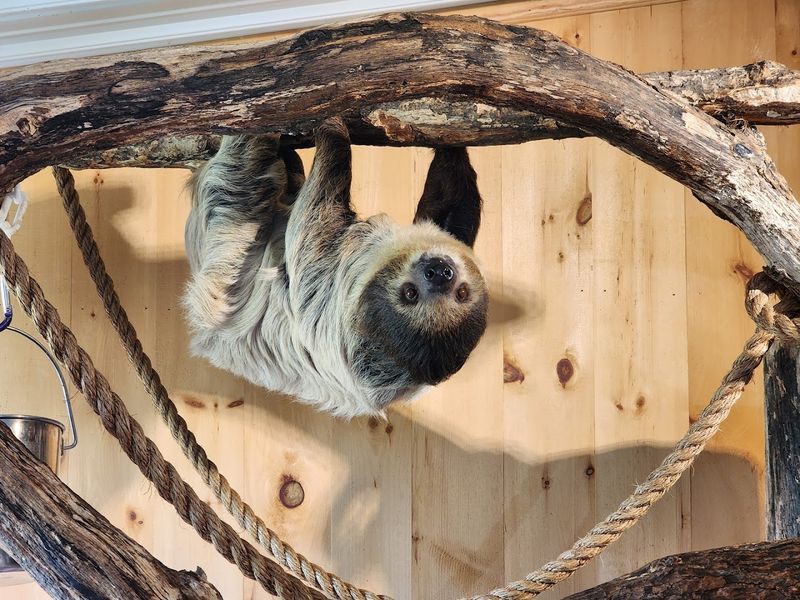
Walk-through exhibits eliminate the barriers that typically separate humans from animals, creating interactions that feel personal rather than observational. The kangaroo enclosure allows visitors to enter the space where these marsupials lounge and hop about their business, occasionally pausing to accept a gentle pat.
Parakeets land on extended arms and shoulders in their flight aviary, transforming visitors into temporary perches.
These encounters require no special tickets or advance reservations, making them accessible to every guest who walks through the main gates. The democratic approach means families on tight budgets enjoy the same experiences as those who can afford premium packages at larger facilities.
Staff members supervise these areas to ensure both human and animal safety without creating an atmosphere of constant correction.
Children develop confidence and curiosity through these hands-on experiences that passive viewing cannot provide. Parents watch their kids overcome nervousness and connect with species they previously knew only from books or screens.
The memories formed during these encounters often outlast those from more expensive attractions in the Wisconsin Dells area.
Old Fort Dells Engine Number 9 Is The Centrepiece Of The Train Ride
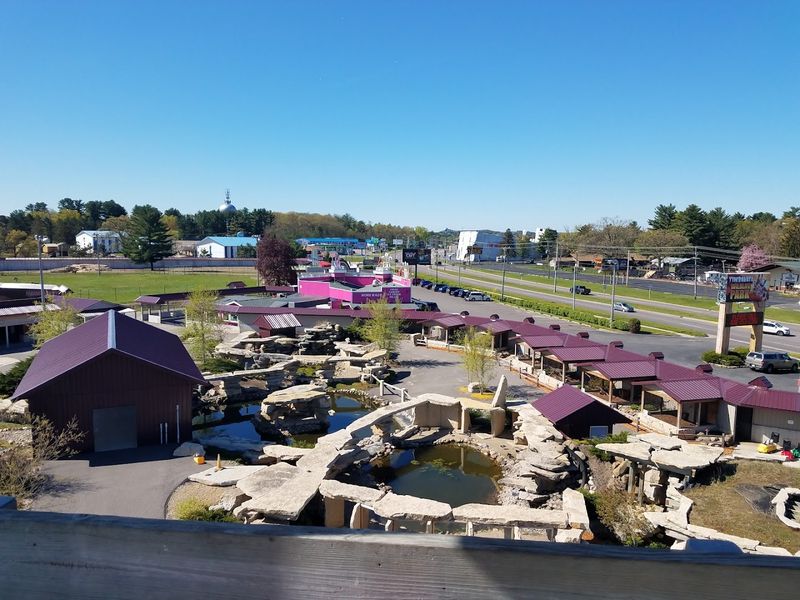
Engine Number 9 carries a history that predates the wildlife park itself, having served various roles before finding its permanent home pulling safari passengers through animal pastures. The locomotive represents a connection to Wisconsin Dells’ past as a tourist destination, when train travel brought the first waves of visitors to the area.
Its presence adds authenticity that modern replicas cannot match.
The engine’s character shows in its weathered details and the sounds it makes while navigating the track circuit. Photographers appreciate the vintage aesthetic it brings to their wildlife photos, adding an unexpected element that elevates ordinary animal snapshots into something more artistic.
The train itself becomes part of the attraction rather than merely a conveyance.
Maintenance crews keep the engine running smoothly while preserving its historical appearance. Plaques near the boarding area share information about the train’s origins and journey to Timbavati.
For railroad enthusiasts visiting the Dells, the engine alone justifies the park admission, though most discover it as a pleasant bonus to the animal encounters they came to experience.
It Is A ZAA Accredited Zoo
Zoological Association of America accreditation signals that Timbavati meets specific standards for animal care, staff training, and facility management. This designation requires regular inspections and adherence to protocols that prioritize animal welfare above entertainment value.
For visitors concerned about ethical animal tourism, the ZAA stamp provides assurance that the park operates according to established best practices.
Accreditation involves detailed record-keeping, veterinary care protocols, and enrichment programs that keep animals mentally and physically healthy. The park must demonstrate proper nutrition, habitat design, and breeding management when applicable.
These requirements cost money and effort, but they separate legitimate zoological facilities from roadside attractions that prioritize profit over animal wellbeing.
The average visitor might not notice the difference accreditation makes, but the animals certainly do. Healthier animals display more natural behaviors and interact more positively with guests.
Staff members receive ongoing training that helps them answer questions accurately and handle situations professionally. The accreditation also connects Timbavati to a larger network of facilities that share knowledge and resources for continuous improvement.
The Location Makes It An Easy Add-On To A Wisconsin Dells Trip
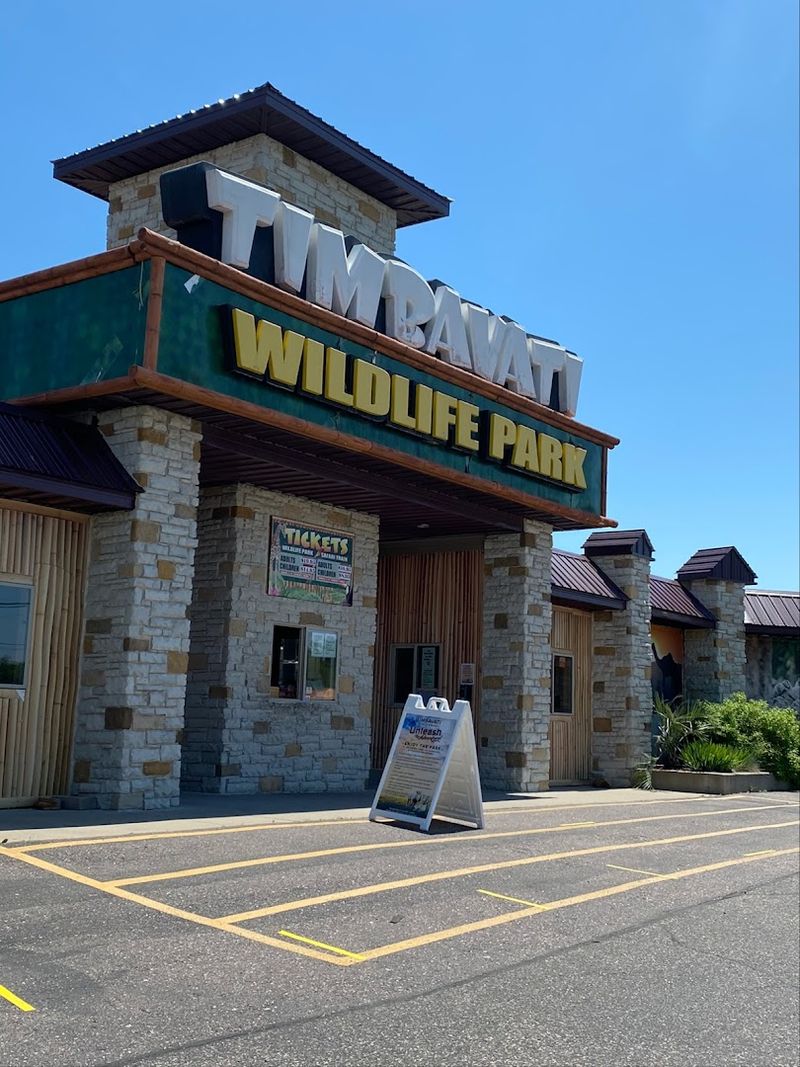
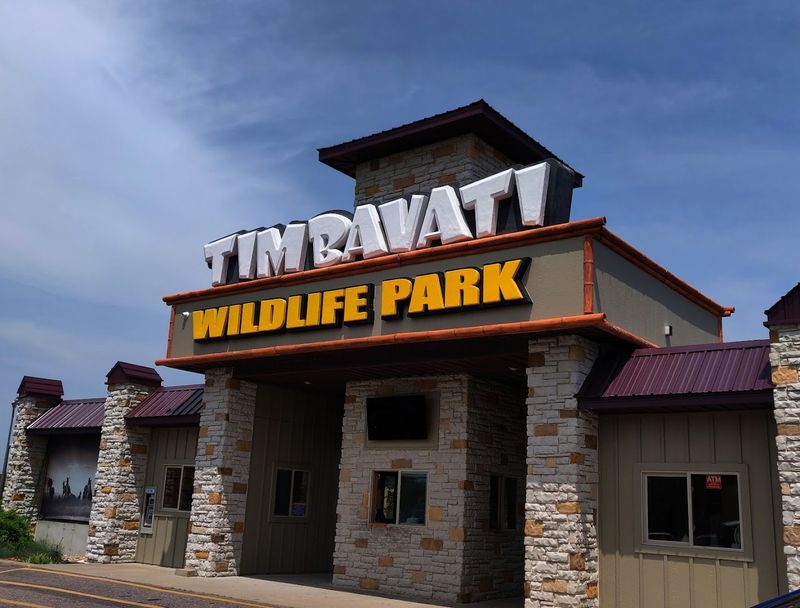
Timbavati sits directly on Wisconsin Dells Parkway, the main artery connecting the area’s major attractions and hotels. This central location means no complicated directions or long drives down unfamiliar rural roads.
Families staying anywhere in the Dells can reach the park within minutes, making it practical for morning visits before waterpark afternoons or evening stops after other activities.
The park’s proximity to restaurants and lodging allows flexible scheduling that accommodates varying energy levels and attention spans. If children tire quickly, you can leave and return to your hotel without wasting significant travel time.
The convenience factor particularly benefits families with young kids who need frequent breaks and predictable routines.
Many hotels partner with Timbavati to offer discounted or complimentary admission, adding value to accommodation packages. These partnerships make the park even more accessible to budget-conscious families who might otherwise skip it in favor of free activities.
The location also means you can spot the park while driving past, making spontaneous visits possible when weather or schedules change unexpectedly during your Dells vacation.