
11 Beginner-Friendly Wisconsin Trails To Try This Spring
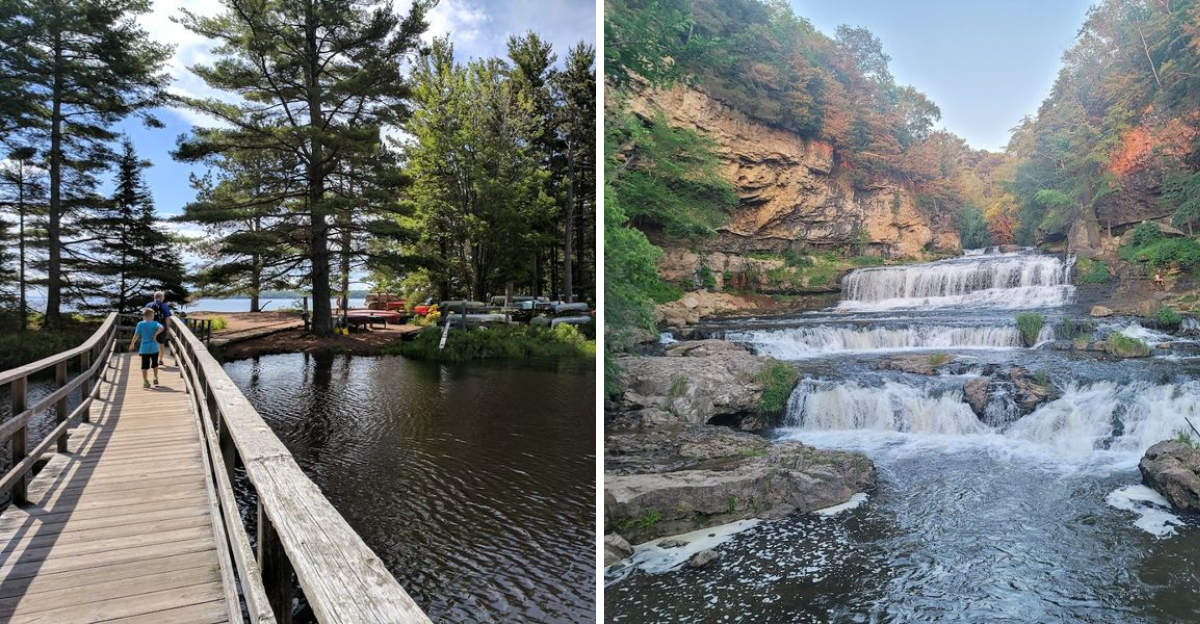
Spring makes Wisconsin feel awake again. Muddy boots come back out, jackets get lighter, and those first sunny trail days feel almost too good to waste indoors.
Luckily, Wisconsin has plenty of easy paths that let you enjoy the season without turning the outing into a full workout. Think gentle boardwalks, lake views, forest paths, wildflower pockets, and short routes that still feel rewarding.
These are the kinds of trails where beginners can relax, take photos, and actually enjoy the walk instead of counting every hill. No complicated planning needed.
Just pick a nice day, bring water, and let Wisconsin’s spring scenery do the rest. After a long winter, even a simple stroll can feel like an adventure.
1. Tumbled Rocks Trail (Baraboo)
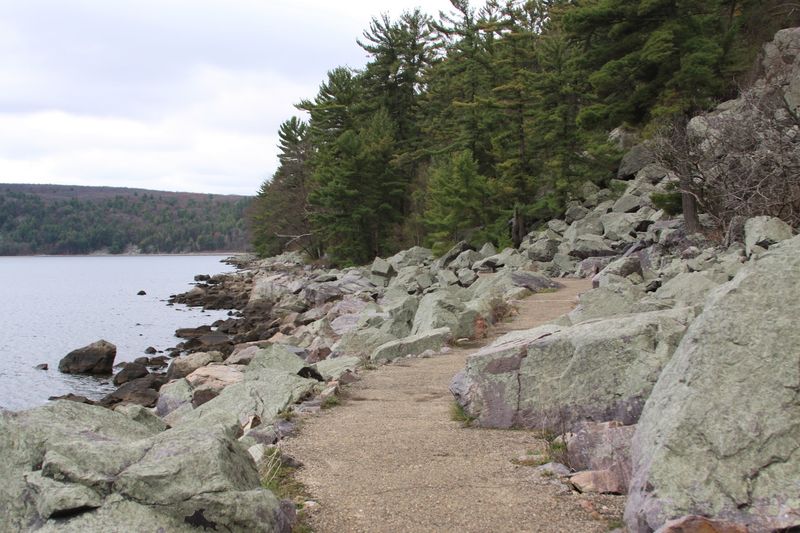
Imagine walking through a natural sculpture garden where giant rocks look like they’ve been tossed around by some playful giant. That’s exactly what you get at Tumbled Rocks Trail.
The rocks here are seriously cool, all smooth and rounded from thousands of years of glacial activity.
You’ll only need about 30 to 45 minutes to complete this half-mile loop, making it absolutely perfect for families or anyone just getting started with hiking. The trail stays pretty flat, so you won’t be huffing and puffing up steep hills.
Kids love scrambling over the smaller boulders, and there are plenty of photo opportunities if you’re into that.
Spring is an awesome time to visit because the surrounding forest comes alive with fresh green leaves and wildflowers. The trail can get a bit muddy after rain, so wear shoes with decent grip.
You’ll find the trailhead right off Highway 113 in Devil’s Lake State Park.
Pack some snacks and take your time exploring. The rocks tell an ancient story of Wisconsin’s glacial past, and you don’t need to be a geologist to appreciate their beauty.
This trail proves you don’t need extreme elevation or distance to have a memorable outdoor experience.
2. Cedar Falls Trail (Mellen)
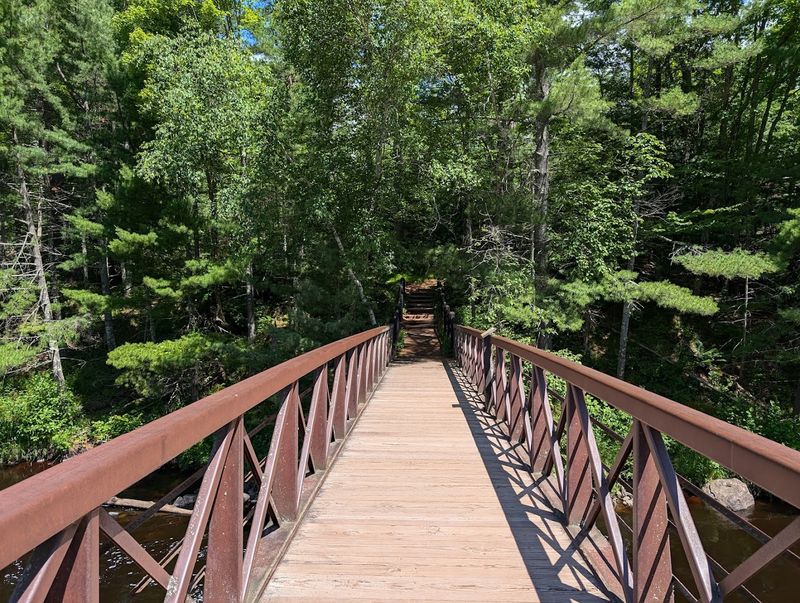
Nothing beats the sound of rushing water after winter’s thaw, and Cedar Falls delivers that experience in spades. Located in the Chequamegon-Nicolet National Forest, this trail takes you to one of northern Wisconsin’s prettiest waterfalls.
The falls drop about 40 feet, creating a misty curtain that feels absolutely refreshing.
The hike itself is just under a mile round trip, so it’s super manageable for beginners. You’ll walk through a gorgeous hemlock forest that stays cool even on warmer spring days.
The path is well-marked and relatively smooth, though you might encounter some roots and rocks along the way.
Spring runoff makes the falls especially dramatic, so timing your visit for April or May means you’ll see them at their most powerful. Bring a camera because the photo opportunities are endless.
The viewing area at the falls has a nice platform where you can safely take in the scenery without getting too close to the edge.
Parking is available right at the trailhead off Forest Road 199. The area can be buggy as things warm up, so consider bringing insect repellent for later spring visits.
This trail offers big rewards for minimal effort, making it a fantastic introduction to Wisconsin’s natural wonders.
3. Pine Cliff Nature Trail (Baraboo)
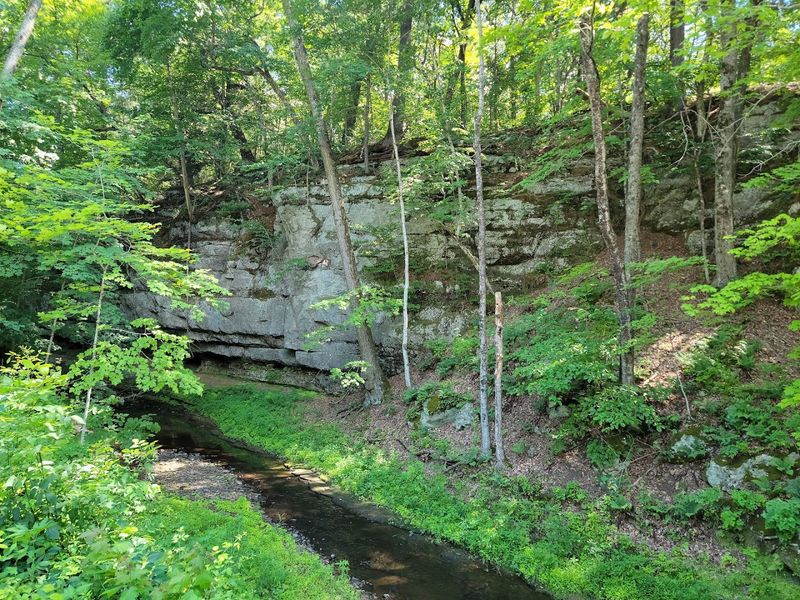
Perched above Devil’s Lake, Pine Cliff Nature Trail gives you those postcard-worthy views without requiring you to be in marathon shape. The trail stretches just over a mile and stays mostly level, winding through pine forests that smell absolutely incredible in spring.
You’ll catch glimpses of the lake through the trees, building anticipation for the main event.
The highlight comes when you reach the cliff overlooks. Suddenly you’re standing above the brilliant blue water with quartzite bluffs rising dramatically across the lake.
It’s the kind of view that makes you understand why people love Wisconsin so much. Several benches along the way let you rest and soak it all in.
Because this trail sits on the south shore of Devil’s Lake, it tends to be less crowded than some of the park’s other paths. Spring brings wildflowers and migrating birds, adding extra interest to your walk.
The trail is well-maintained with clear markers, so you won’t worry about getting lost.
Wear comfortable walking shoes since some sections have exposed roots. The trail connects to other paths if you’re feeling ambitious, but it’s perfectly satisfying on its own.
Sunrise or late afternoon visits offer the best lighting for photos and a more peaceful experience overall.
4. Horicon Marsh Boardwalk (Horicon)
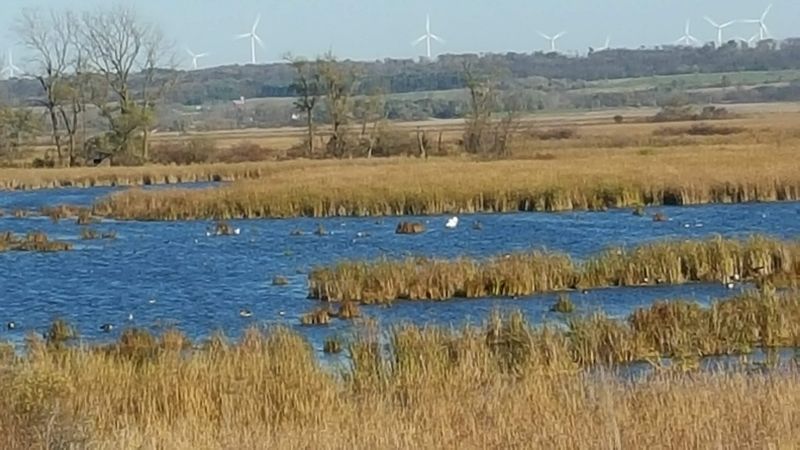
Birdwatchers go absolutely nuts over Horicon Marsh, and for good reason. This massive wetland is one of the largest freshwater marshes in the United States, and the boardwalk lets you experience it up close without getting your feet wet.
Spring migration brings thousands of birds through here, creating a spectacular natural show.
The floating boardwalk extends about a third of a mile out into the marsh, giving you a front-row seat to all the action. You might spot herons, egrets, ducks, geese, and if you’re lucky, even sandhill cranes.
The experience feels almost otherworldly as you’re surrounded by water and reeds in every direction.
This trail is completely flat and accessible, making it perfect for strollers, wheelchairs, or anyone who needs an easy surface. Interpretive signs along the way explain the marsh ecosystem and help identify what you’re seeing.
Bring binoculars if you have them, though you’ll see plenty even without optical assistance.
The marsh comes alive in spring as ice melts and birds return from their southern wintering grounds. Early morning visits are magical when mist rises off the water and birds are most active.
The nearby visitor center has restrooms and additional information about the area’s ecology and history.
5. Lake Geneva Shore Path (Lake Geneva)
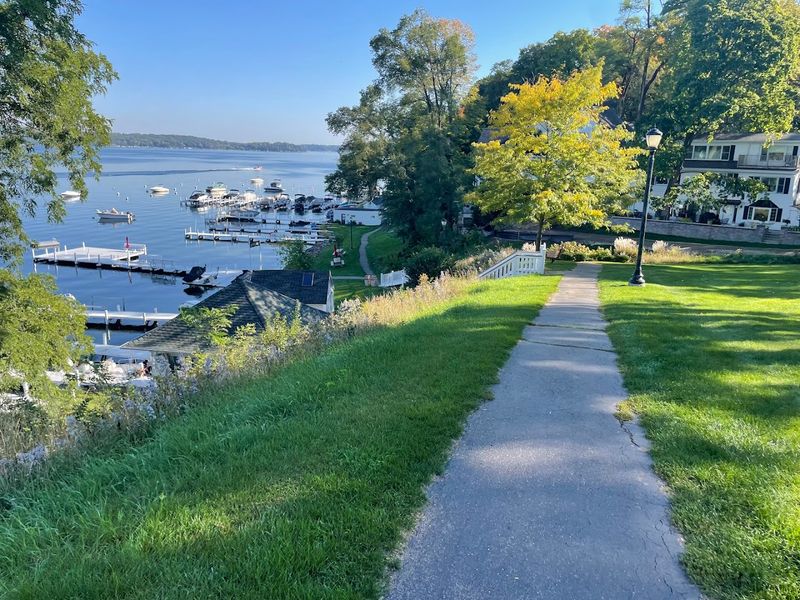
Fancy a walk past million-dollar mansions with stunning lake views? The Lake Geneva Shore Path delivers exactly that.
This unique trail runs for about 21 miles around the entire lake, but you can hop on and off wherever you like, making it perfect for beginners who want to control their distance.
What makes this path special is its history and legal status. It’s been a public right-of-way since the mid-1800s, passing directly through private properties.
You’ll walk right past elaborate estates, manicured gardens, and boathouses that look like they belong in magazines. The lake sparkles beside you the whole way, creating a constantly changing panorama.
Most people start near downtown Lake Geneva and walk a mile or two in either direction. The path is well-maintained and mostly flat, though there are some stairs in certain sections.
Spring brings blooming flowers and the excitement of boats returning to the water after winter storage.
Downtown Lake Geneva has plenty of parking, restaurants, and shops, making it easy to combine your walk with other activities. You’ll pass beaches, parks, and plenty of benches for resting.
The path sees lots of foot traffic, so you’ll never feel isolated. It’s less of a wilderness experience and more of a scenic stroll, but that’s exactly what makes it so approachable.
6. Big Bay Boardwalk Trail (Madeline Island)
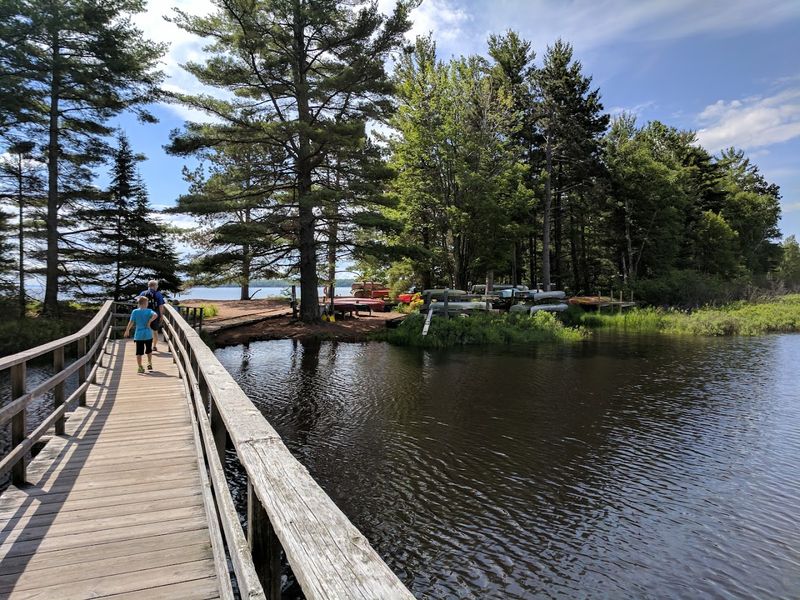
Getting to this trail requires a ferry ride, which automatically makes it an adventure. Madeline Island sits in Lake Superior, the largest of the Great Lakes, and Big Bay Boardwalk Trail showcases the island’s incredible natural beauty.
The boardwalk stretches for about 1.2 miles through diverse habitats including wetlands, forests, and shoreline.
You’ll start in a lagoon area where the boardwalk floats above the water. Turtles sun themselves on logs, and dragonflies zip around in warmer weather.
As you continue, the trail moves into a shaded forest section before emerging at Big Bay itself, where Lake Superior’s vast expanse spreads before you.
The completely flat boardwalk makes this trail accessible to almost everyone. Interpretive signs explain the ecology of the different zones you’re passing through.
Spring on the island feels like stepping back in time, with fewer tourists and a peaceful atmosphere that lets you really connect with nature.
Plan your visit around ferry schedules from Bayfield. The island has a charming small town with restaurants and shops if you want to make a full day of it.
Bring layers because Lake Superior keeps temperatures cooler than mainland Wisconsin, especially in spring. The combination of easy walking and spectacular scenery makes this trail worth the extra travel effort.
7. Parfrey’s Glen Trail (Merrimac)
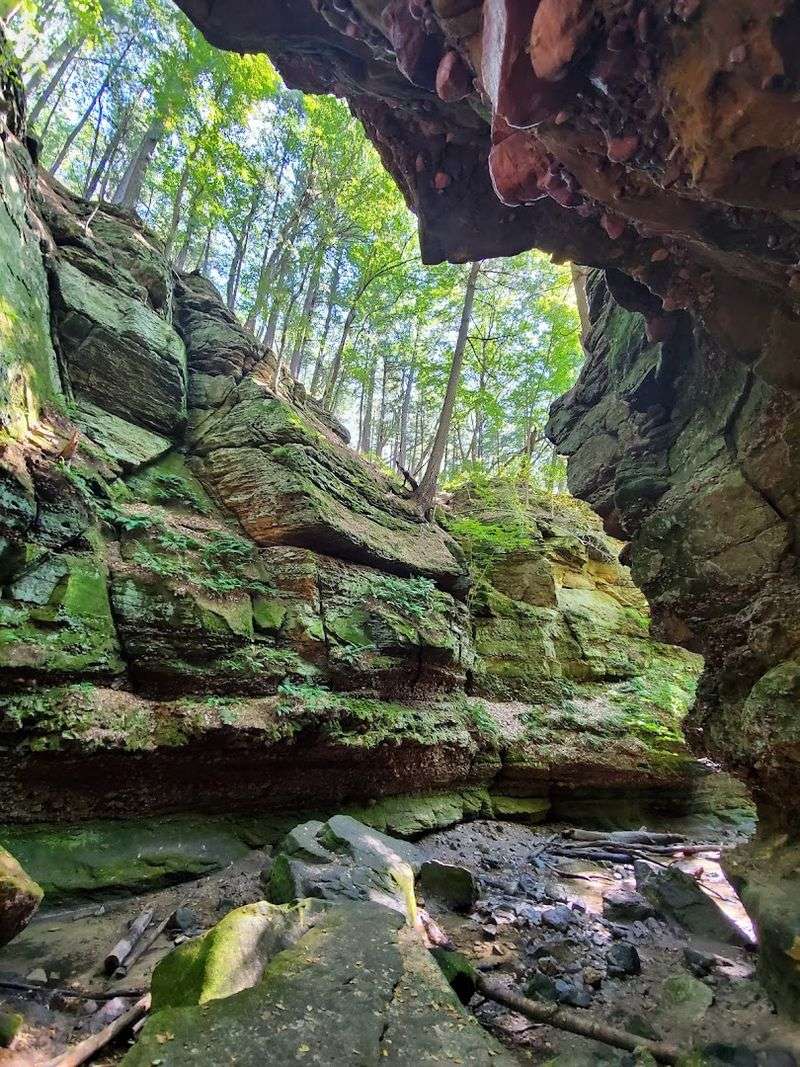
Wisconsin’s first State Natural Area happens to be one of its most enchanting. Parfrey’s Glen is a narrow gorge carved by a small stream over thousands of years, creating towering rock walls that rise up on both sides of the trail.
Walking through feels like entering a secret passage that few people know about.
The trail runs about a half-mile into the gorge, following the stream the entire way. You’ll cross the water several times on stepping stones, adding a bit of adventure to the experience.
The rock walls get progressively higher and closer together as you go deeper, creating a dramatic sense of enclosure.
Spring brings snowmelt rushing through the gorge, making the stream more impressive but also requiring careful foot placement on the rocks. The cool, moist environment supports unique plant species including ferns and mosses that cling to the rock faces.
It’s like walking through a living geology lesson.
The trail is short but can be slippery, so wear shoes with good traction. Kids love the rock-hopping aspect, though younger ones might need hand-holding.
The parking area is small and can fill up on nice weekends, so arriving early or on weekdays works best. This trail offers a completely different experience from typical forest walks, showcasing Wisconsin’s geological diversity in a compact, manageable format.
8. Ice Age Trail – Monches Segment (Monches)
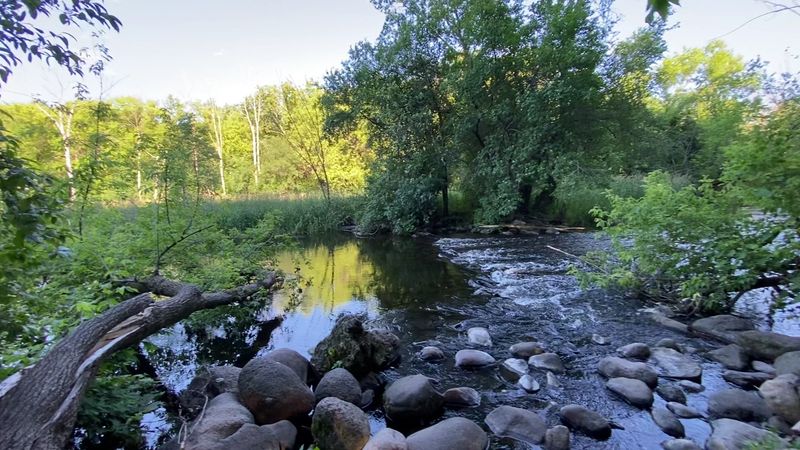
The Ice Age Trail stretches over 1,000 miles across Wisconsin, following the edge of the last glaciation. The Monches Segment offers a beginner-friendly taste of this epic trail without overwhelming you.
This 2.7-mile section takes you through classic glacial landscape features including kettles, kames, and eskers.
Don’t worry if those geological terms sound intimidating. Basically, you’ll walk through rolling terrain created when massive ice sheets melted thousands of years ago.
The trail winds through forests and open areas, providing varied scenery that keeps things interesting. Spring wildflowers dot the landscape, adding splashes of color to the green backdrop.
The path is well-marked with the Ice Age Trail’s distinctive yellow blazes. While there are some gentle hills, nothing is too steep or challenging for someone in reasonable shape.
You might encounter other hikers, but this segment doesn’t get as crowded as some closer to major cities.
Parking is available at the trailhead off Highway 67. Bring water and snacks since there are no facilities along the trail itself.
The Monches Segment gives you a real sense of accomplishment, covering enough distance to feel like a proper hike while remaining accessible. It’s a great way to experience Wisconsin’s glacial heritage and understand how ice shaped the landscape we see today.
9. Willow Falls Trail (Hudson)
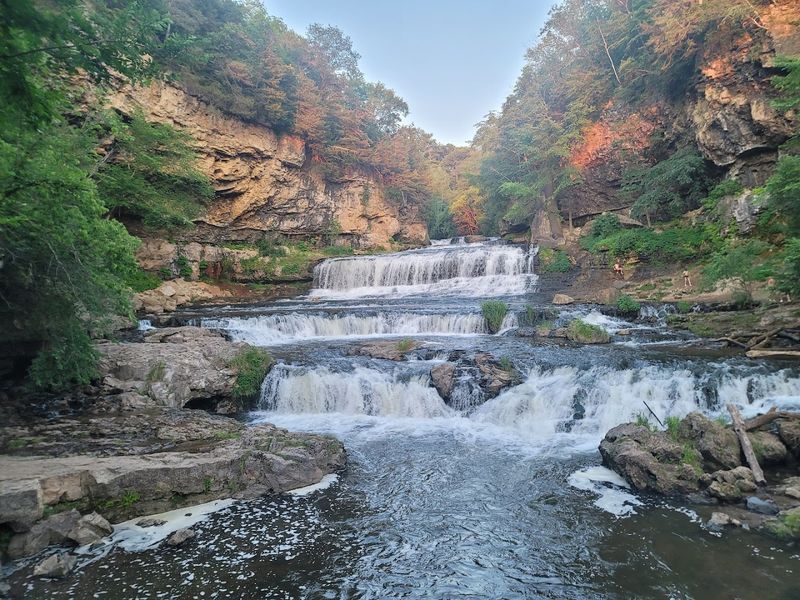
Willow Falls puts on quite a show in spring when snowmelt and rain swell the Willow River. The waterfall drops in multiple tiers, creating a cascading effect that’s mesmerizing to watch.
Located in Willow River State Park near Hudson, this trail offers an easy walk to one of western Wisconsin’s most photogenic spots.
The main trail to the falls is only about three-quarters of a mile round trip, making it perfect for families or anyone wanting a quick nature fix. You’ll walk through a pretty forest before hearing the roar of the falls ahead.
Several viewing platforms let you see the waterfall from different angles, each offering its own perspective.
The trail is well-maintained and mostly flat until you reach the falls area, where some stairs lead to the various viewpoints. Spring is absolutely the best time to visit because the water volume is at its peak, creating that powerful rushing effect.
The mist from the falls feels refreshing, and rainbows often appear in the spray on sunny days.
The park has ample parking and other amenities including picnic areas. You can extend your visit by exploring additional trails in the park if you’re feeling energetic.
Willow Falls proves that you don’t need to travel to far-flung locations to see impressive waterfalls. This accessible gem sits right near the Twin Cities metro area.
10. Rib Mountain Yellow Trail (Wausau)
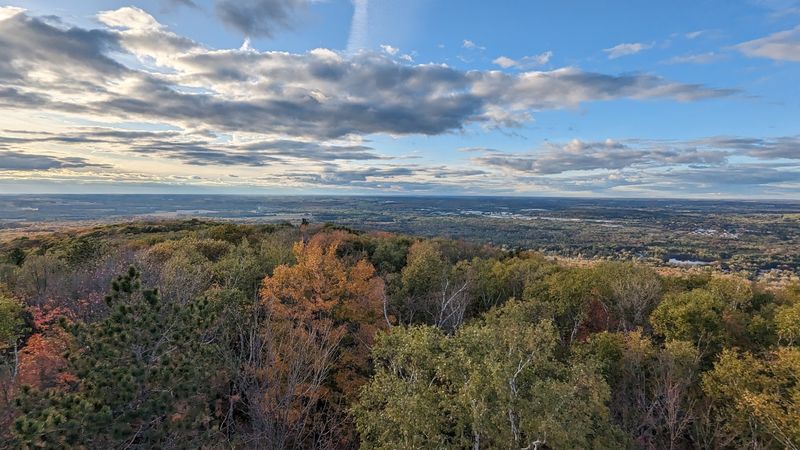
Rib Mountain rises prominently above the surrounding landscape near Wausau, and the Yellow Trail offers the easiest route to experience this ancient geological formation. At 1,940 feet above sea level, Rib Mountain is one of Wisconsin’s highest points, though the Yellow Trail keeps things manageable with gentle grades.
This 1.4-mile loop takes you through hardwood forest on well-maintained paths. You’ll gain some elevation, but the trail designers did a great job keeping slopes reasonable for beginners.
Spring brings that fresh green canopy overhead and wildflowers poking through the forest floor. The air feels crisp and clean, especially compared to valley areas.
Several overlooks along the way provide views of the Wausau area and surrounding countryside. You can see for miles on clear days, giving you a real sense of accomplishment for your climbing efforts.
The trail is clearly marked and easy to follow, with benches strategically placed for rest stops.
Rib Mountain State Park has good parking facilities and a nature center worth checking out. The mountain is actually an ancient monadnock, meaning it’s a hill of resistant rock that remained while surrounding softer rock eroded away over millions of years.
That makes it roughly 1.7 billion years old, which is pretty mind-blowing when you think about it while hiking.
11. Dells Of The Eau Claire Trail (Aniwa)
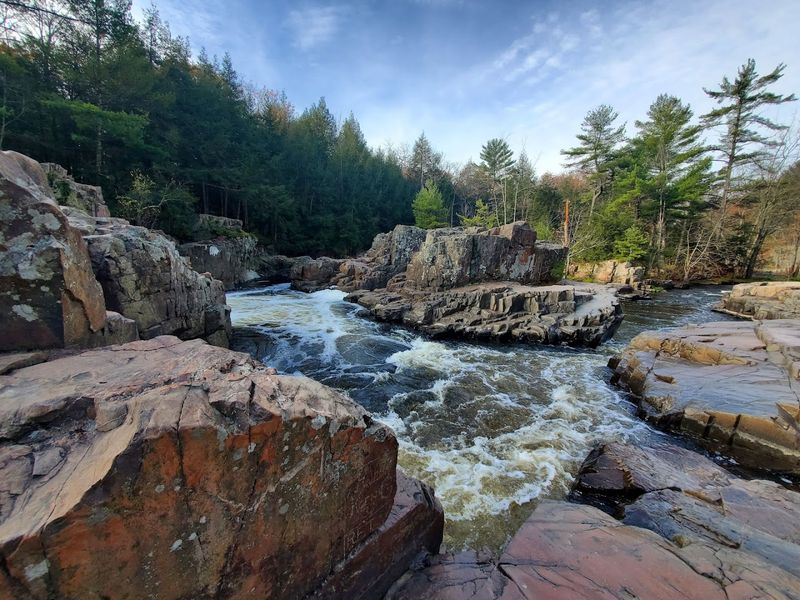
Tucked away in northern Wisconsin, Dells of the Eau Claire offers a hidden gem experience that rivals more famous destinations. The Eau Claire River has carved a stunning gorge through ancient rock, creating a landscape of cliffs, rapids, and intriguing rock formations.
The trail follows along the river, providing constant visual interest.
You can hike as little or as much as you want here, with the main trail extending about 2.5 miles one way. Most beginners stick to the first mile or so, which showcases the best features including impressive rock outcrops and river views.
The trail stays relatively flat, following the river’s course rather than climbing steep hills.
Spring brings high water levels that make the rapids more dramatic. The sound of rushing water accompanies your entire walk, creating a soothing natural soundtrack.
You’ll cross several bridges and pass interesting geological features that make you feel like an explorer discovering something special.
The area is part of a county park with basic facilities including parking and pit toilets. It’s not as developed or crowded as state parks, which adds to its wilderness feel.
Photographers love this trail for its unique rock formations and water features. The combination of easy walking and spectacular scenery makes it a perfect introduction to Wisconsin’s diverse landscape, showing that adventure doesn’t always require extreme difficulty or distance.