
This Rugged Washington Beach Is Famous For Its Massive Sea Caves And Stunning End Of The World Scenery
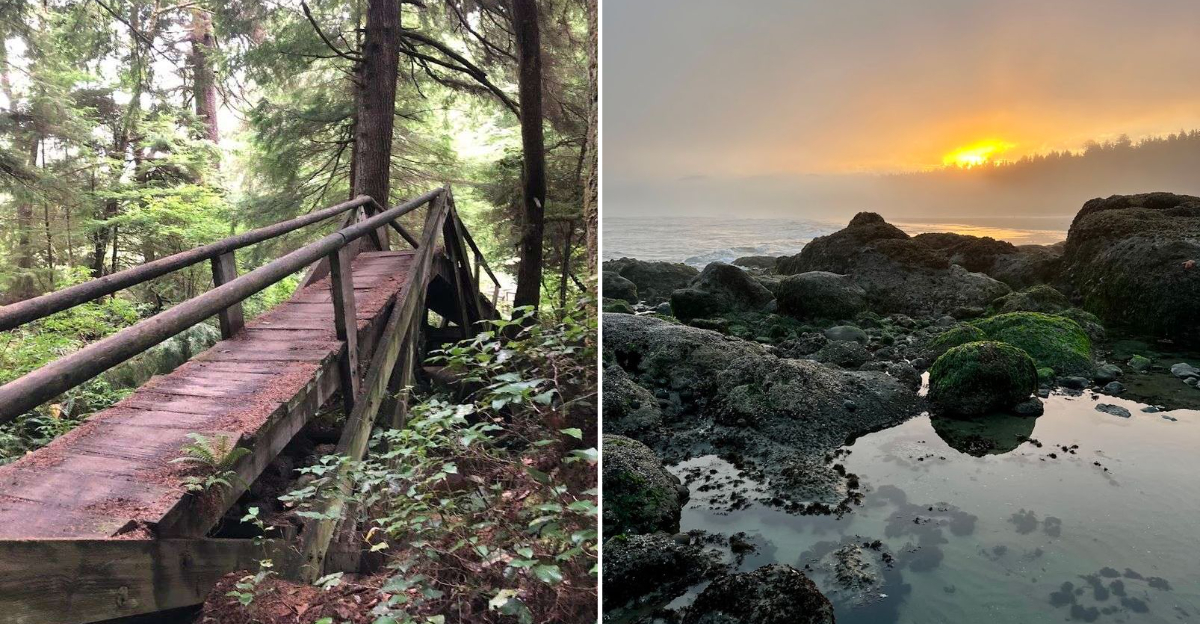
The road almost feels too quiet by the time you get there. Then the coastline appears.
Massive sea caves cut through the cliffs like scenes from an adventure film, while crashing waves echo through the rock hard enough to silence conversations.
Out on the horizon, jagged sea stacks rise from the water like the last pieces of a forgotten world. This stretch of Washington coastline does not feel polished or crowded.
It feels wild. Wind pushes through the trees, mist rolls over the sand, and trails twist toward viewpoints that look completely unreal once the sky starts turning gray and gold near sunset.
People come for the scenery, but the mood stays with them longer. Everything out here feels bigger, rougher, and beautifully unfinished in the best way.
Understanding Sea Cave Formations And Their Origins
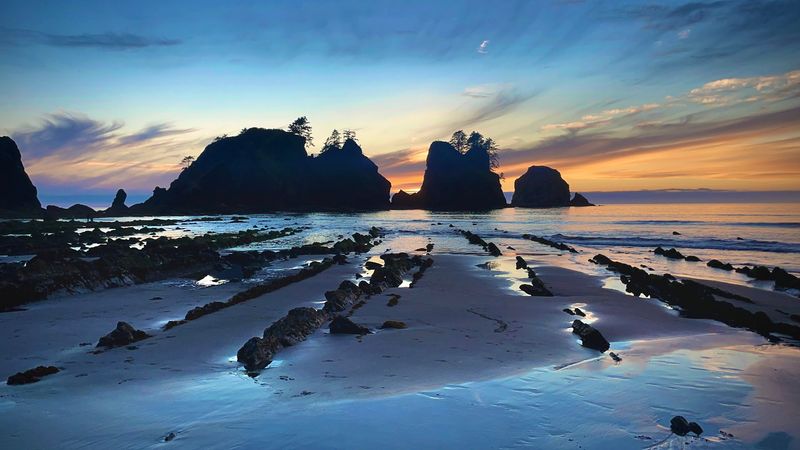
Ocean waves are patient sculptors. Over thousands of years, relentless Pacific waves have slammed into the rocky cliffs at Shi-Shi Beach.
They carve out hollow spaces called sea caves through a process called hydraulic action.
Water forces itself into tiny cracks in the rock. The pressure builds and eventually breaks the rock apart.
This happens again and again until a full cave forms.
At Shi-Shi Beach, the caves are carved into basalt and other volcanic rock. These rock types are tough but still vulnerable to constant wave erosion.
Some caves here stretch deep enough to explore at low tide on foot.
Kayakers can access larger caves during high tide. The ocean essentially floods the lower sections, creating an entirely different experience.
It feels like paddling into another world.
The sea stacks at Point of the Arches formed through this same process. Arches and tunnels appear when caves on opposite sides of a rock formation meet.
Eventually, the arch collapses, and a sea stack is left standing alone.
Shi-Shi Beach is located in Washington, within both the Makah Reservation and Olympic National Park. Seeing these formations up close makes geology feel genuinely exciting.
Nature does not need millions of years to impress you here.
Best Times For Photography Along Rugged Coastlines
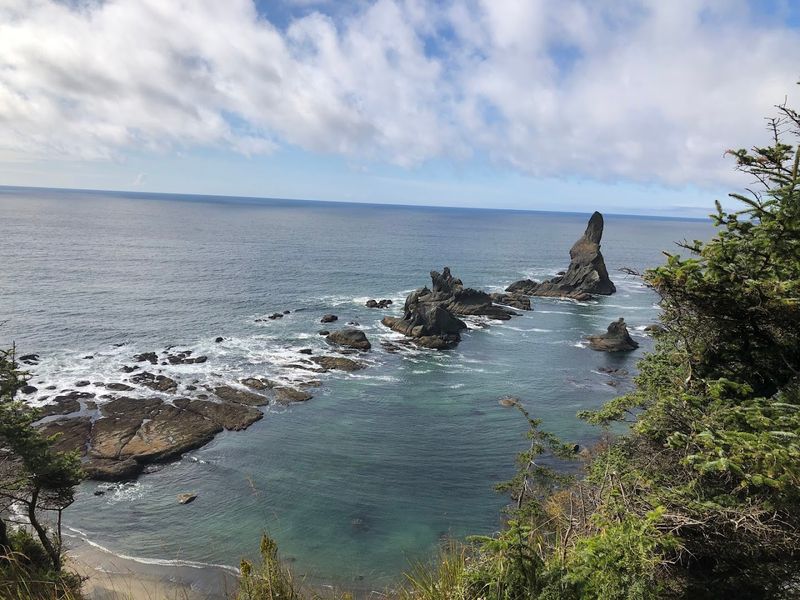
Fog is your best friend at Shi-Shi Beach. Most photographers chase golden hour sunsets, but the misty mornings here create something completely different.
The sea stacks disappear into low clouds, and the whole scene looks like a painting.
Low tide is the magic window for photography. Tide pools reflect the sky perfectly.
The wet sand between rock formations mirrors the sea stacks in ways that look almost unreal.
Early morning light hits the beach from the east before the fog rolls in fully. You get soft, diffused light that flatters every rock texture.
Bring a wide-angle lens to capture the full scale of Point of the Arches.
Overcast days are genuinely underrated here. Washington weather means cloudy skies are common.
Those flat, grey skies eliminate harsh shadows and make the dark volcanic rocks pop with detail.
Sunset shoots require planning. Check tide charts before you go.
A low tide at sunset means you can position yourself among the rock formations for dramatic foreground interest.
Tripods are essential on this beach. The wind picks up quickly near the water.
Long exposure shots of waves crashing against caves require a stable setup. Waterproof camera gear is worth the investment, too, because sea spray reaches farther than you expect.
Shi-Shi rewards photographers who plan.
Wildlife That Inhabit The Washington Coastal Environment
Bald eagles show up here like they own the place. And honestly, they kind of do.
Shi-Shi Beach is one of those rare spots where wildlife sightings feel guaranteed rather than lucky.
Great Blue Herons stand perfectly still at the water’s edge. They wait for small fish with almost supernatural patience.
Watching one hunt is oddly mesmerizing.
Peregrine falcons are spotted regularly along the cliff faces. They nest in the rocky outcroppings above the beach.
These are the fastest birds on Earth, and seeing one dive is unforgettable.
Harbor seals haul out on the exposed rocks at low tide. They are completely unbothered by hikers watching from a respectful distance.
Keep your eyes on the offshore waters, too.
Orcas and blue whales pass through these waters seasonally. Spring and early summer offer the best chances for whale sightings.
Binoculars are worth carrying in your pack.
The tide pools are their own wildlife universe. Colorful sea anemones wave their tentacles in shallow water.
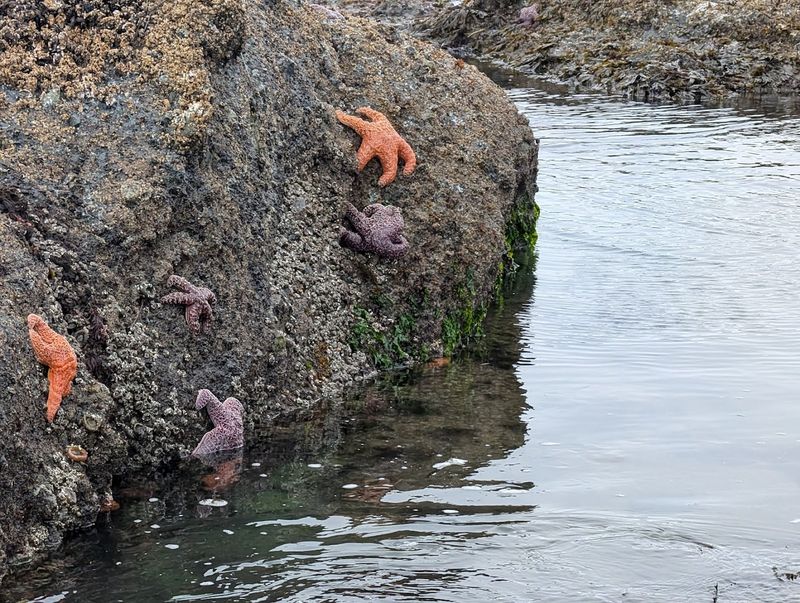
Purple and orange sea stars cling to the rocks alongside hermit crabs and snails. Deer wander onto the beach from the surrounding forest without much warning.
Ravens call from the tree line constantly. The coastal ecosystem at Shi-Shi Beach is layered, active, and endlessly interesting to observe.
Safe Hiking Practices On Rocky Beach Terrain
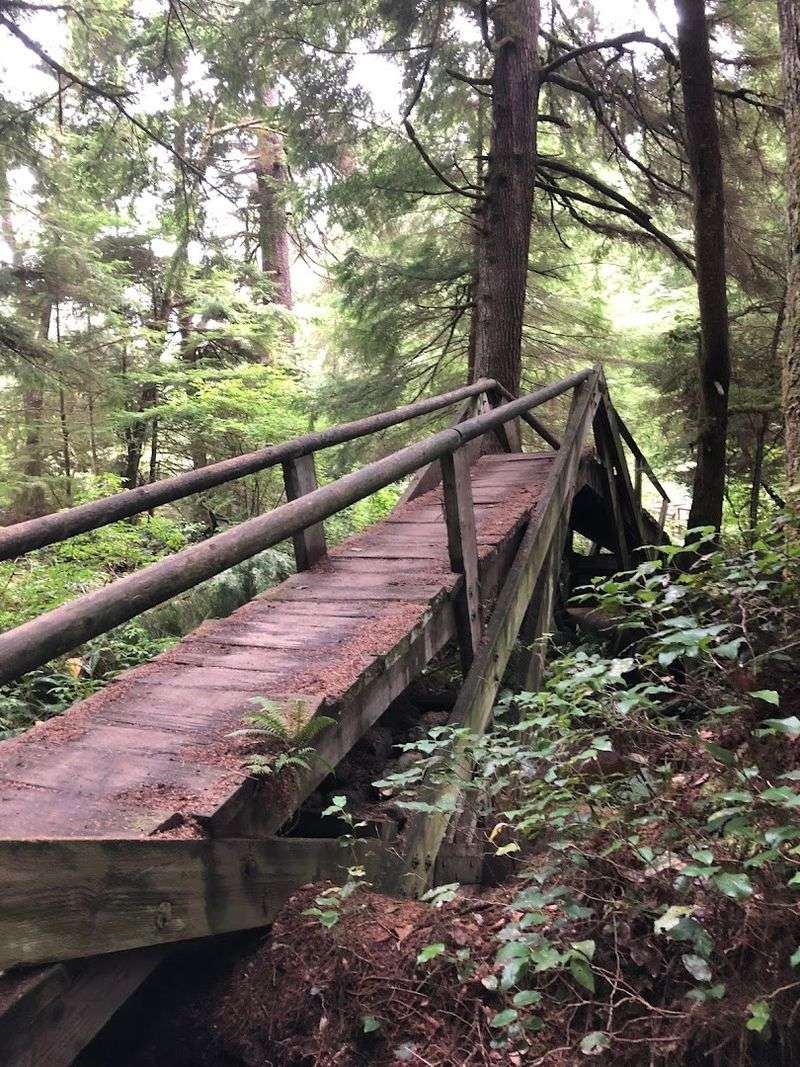
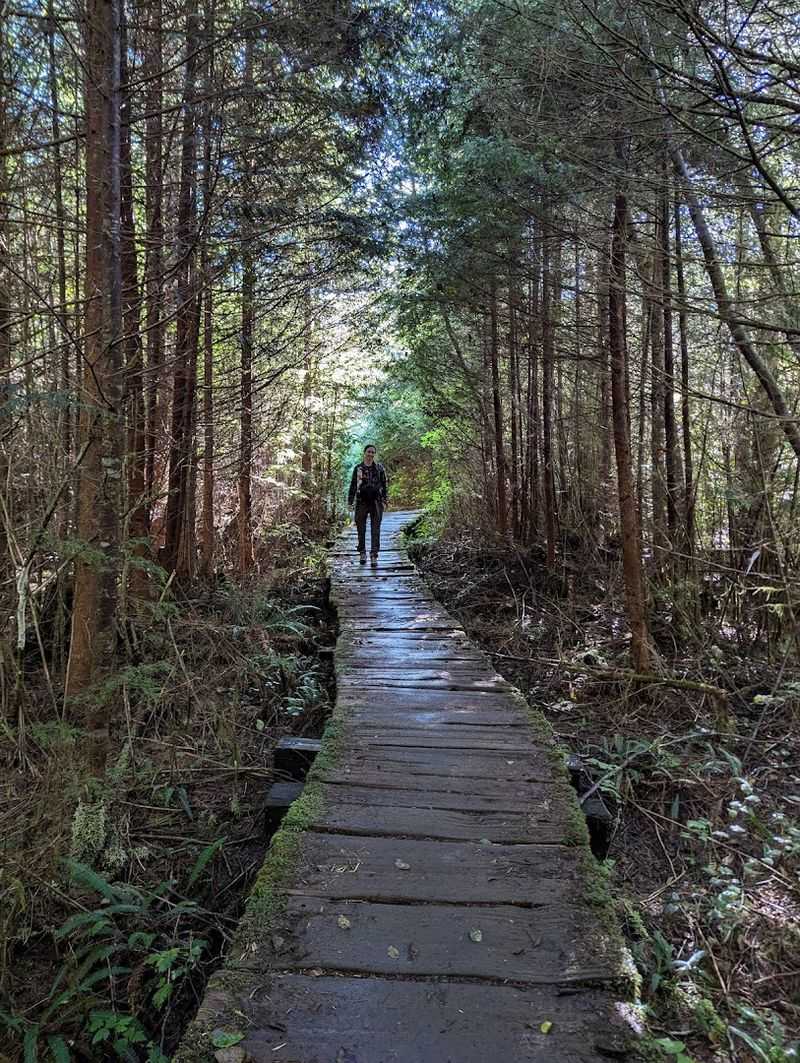
The trail to Shi-Shi Beach will test your boots immediately. Mud is not optional here.
It is a feature of the hike, and waterproof footwear is absolutely non-negotiable from the first step.
The trail runs about two miles from the trailhead to the beach. The first mile includes boardwalks and bridges that keep things manageable.
The second mile gets significantly wetter and muddier.
The descent to the beach is steep and requires careful footing. Many hikers describe it as the world’s largest stair-climber in reverse.
Your knees will feel it on the way back up.
Trekking poles make a real difference on this terrain. They help with balance on slippery roots and rocks.
They also reduce the strain on your legs during the steep climb out.
Never hike near the sea caves without checking tide charts first. Tides here can rise quickly and cut off access points.
Getting trapped against a cliff by incoming water is a danger.
Wear layers and pack rain gear regardless of the forecast. Washington coastal weather changes without warning.
A sunny morning can turn grey and wet within an hour. Bring plenty of water and snacks because the round trip takes longer than you expect.
Start early to give yourself enough daylight. The hike rewards preparation every single time.
Unique Rock Features Among Rugged Shorelines
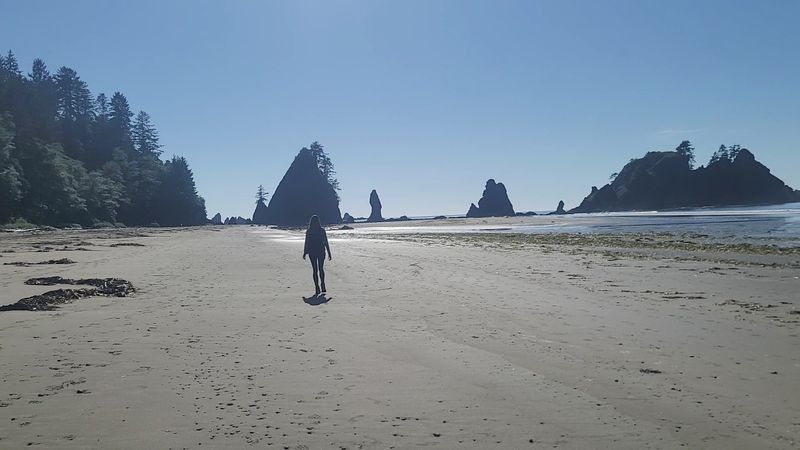
Point of the Arches is the main event at Shi-Shi Beach. It sits at the southern end of the beach and stretches for roughly a mile.
The sea stacks here are among the most dramatic on the entire Olympic Peninsula.
These formations rise directly from the sand and surf. Some tower several stories high.
Their dark volcanic surfaces are streaked with minerals and covered in barnacles at the waterline.
Natural arches form where waves eroded through softer sections of rock. Walking through one feels genuinely surreal.
The ocean frames itself perfectly inside each arch opening.
Tunnels connect some of the rock formations at low tide. You can walk through them carefully when water levels drop.
The rock walls inside are covered in mussels, sea stars, and anemones.
Giant driftwood logs pile up against the rock bases. These logs wash down from coastal rivers during storms.
They create interesting foreground elements for photos and unusual seating options.
Ancient spruce trees cling to the tops of some sea stacks. They have survived wind, salt spray, and storms for centuries.
Seeing a full-grown tree perched on a narrow rock column is genuinely surprising. The variety of rock textures, shapes, and sizes at Shi-Shi is extraordinary.
No two formations look alike. Every section of the shoreline offers something new worth stopping to examine closely.
How Tides Influence Exploration Opportunities
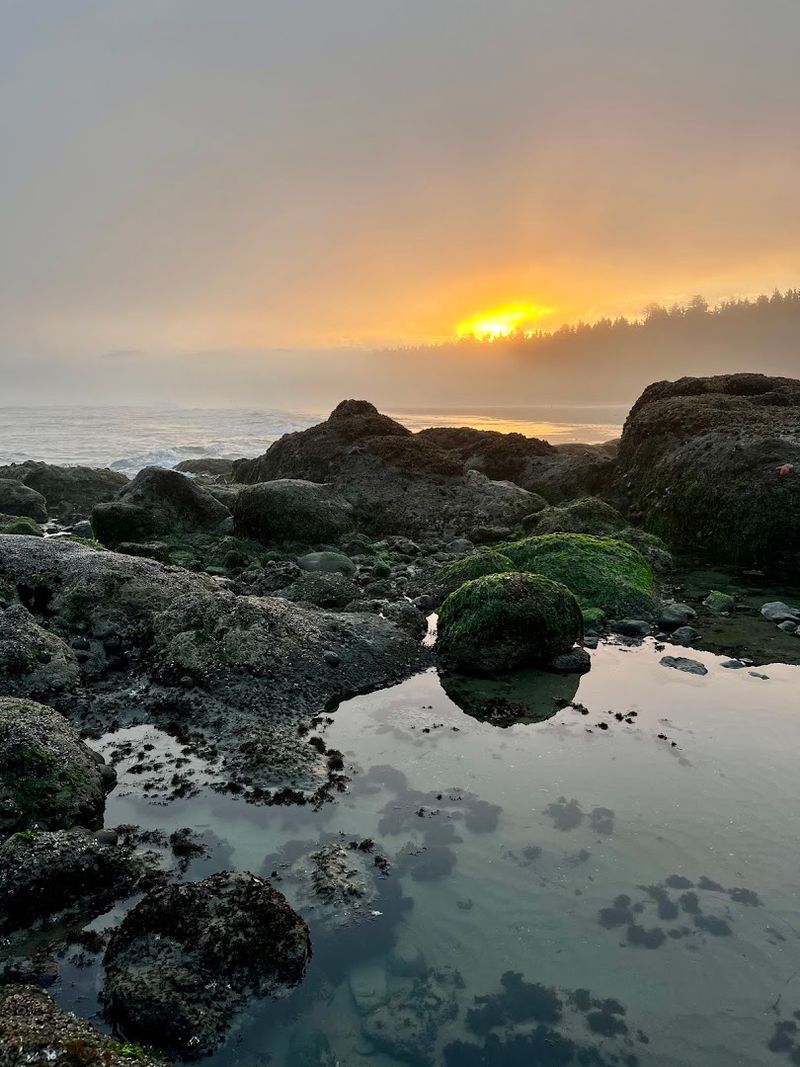
Tides run the schedule at Shi-Shi Beach. Everything you want to explore depends on where the water level sits at that exact moment.
Planning around tides is not optional here; it is the whole strategy.
Low tide reveals the tide pools at the base of the sea stacks. These shallow pools fill with sea anemones, sea stars, hermit crabs, and small fish.
The color and variety in these pools are genuinely impressive.
At minus tides, which are the lowest possible water levels, access opens up dramatically. You can walk between rock formations that are normally underwater.
Caves and tunnels become passable on foot during these windows.
High tide transforms the beach into a narrower, more dramatic space. Waves push closer to the driftwood line.
Some areas become completely inaccessible and potentially dangerous to approach.
Kayakers use high tide to their advantage. Larger sea caves become accessible by paddle when water levels rise.
The experience of floating inside a wave-carved cave is completely different from walking through one.
Download a tide chart app before you visit. Check it the night before and the morning of your hike.
The difference between a two-hour low tide window and a six-hour window changes your entire itinerary. Arriving at high tide and waiting for low tide is a real possibility.
Build flexibility into your schedule and let the ocean set the pace.
Flora Native To Rugged Beach Ecosystems
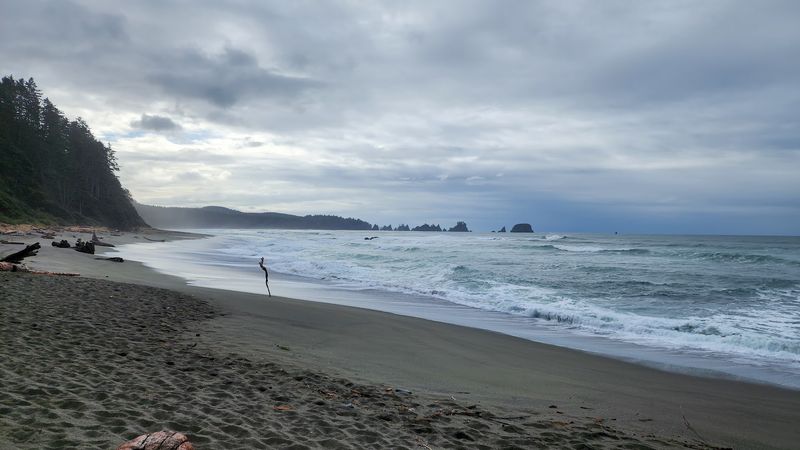
The forest trail to Shi-Shi Beach is a biology lesson in itself. Sitka spruce trees dominate the old-growth canopy overhead.
These trees are built for coastal conditions and can live for hundreds of years.
Western red cedar and western hemlock fill in the understory. Their roots grip muddy ground and stabilize the forest floor.
The constant moisture from Pacific fog keeps everything intensely green year-round.
Sword ferns carpet the ground beneath the trees. They thrive in the deep shade of the old-growth forest.
Their fronds can reach impressive sizes in this environment.
Salal is everywhere along the trail edges. This low-growing shrub produces small, dark berries.
It is one of the most common plants on the entire Olympic Peninsula coast.
Sea rocket and beach strawberry grow on the upper beach where sand meets forest. These plants tolerate salt spray and shifting sand.
They anchor dunes and create habitat for small insects and birds.
Kelp washes ashore in thick piles after storms. While not a land plant, it plays a major role in the beach ecosystem.
It feeds beach hoppers and other invertebrates that, in turn, feed shorebirds. Mosses and lichens cover every exposed rock surface on the trail.
The combination of constant moisture and filtered light creates perfect growing conditions. The plant life here is as impressive as the geology.
Planning Your Visit For Maximum Scenic Enjoyment
A Makah Recreation Pass is required before you set foot on the trail. Purchase it in Neah Bay before driving to the trailhead.
The pass is mandatory for visitors and helps support access to this special stretch of coastline.
Overnight backpackers also need a wilderness permit through Olympic National Park. The permit system is separate from the Makah Pass, so campers should plan and make sure all required permissions are handled before the trip.
The parking area at the trailhead is small. Arriving early makes the day feel much smoother and helps avoid parking stress.
Weekends can fill up fast, especially during the summer months.
Plan your arrival around low tide timing. Check tide charts for the specific date of your visit.
Getting there ahead of the lowest tide gives you more time to explore the rock formations safely and enjoy the beach at its best.
Late summer and early fall often bring more reliable weather. Fog is still common, but the chances of clearer skies can be better.
Winter visits feel dramatic and moody, but daylight hours are shorter.
Pack out everything you bring in. The beach stays pristine because visitors respect that rule.
Carry a trash bag just in case you find something that washed ashore. The round-trip hike can take several hours, especially with beach time included.
Wear waterproof boots, bring layers, and carry more water than you think you need. Shi-Shi Beach rewards every visitor who shows up prepared and ready to explore.