
Wisconsin’s Botanical Garden Is A Year-Round Burst Of Colour You’ll Want To See Twice
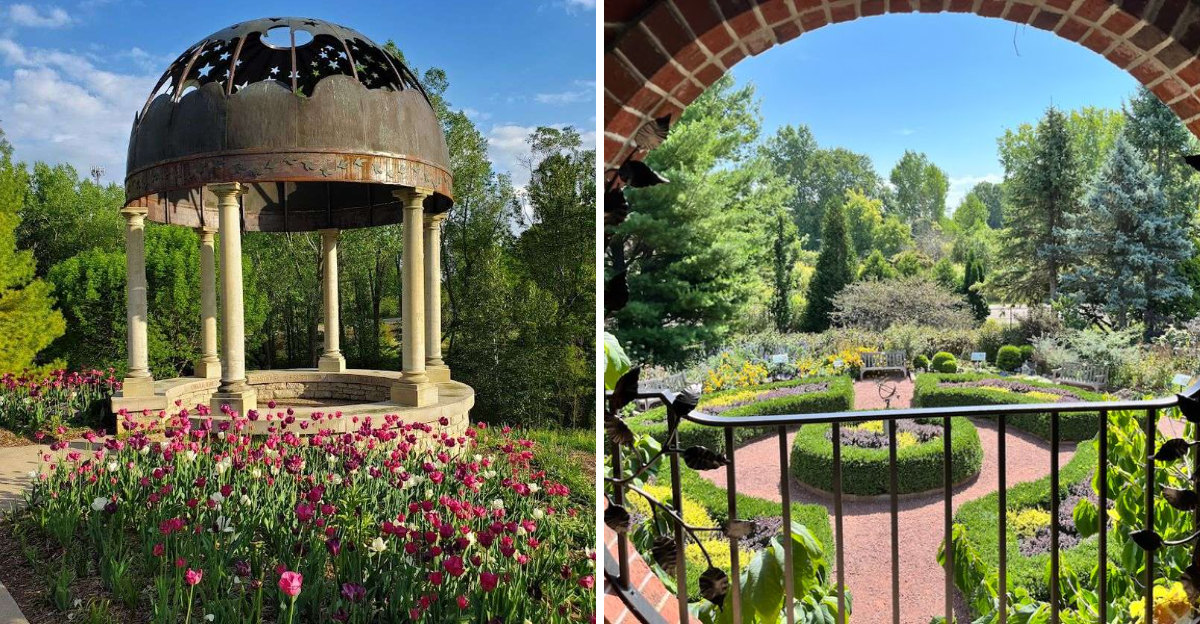
Gardens earn extra credit when they refuse to peak for only one season. This Wisconsin destination keeps changing its outfit, swapping spring blooms for summer colour, fall texture, and winter lights that make cold evenings feel worth leaving the couch.
A stroll here can feel calm, cheerful, or surprisingly playful depending on the month, which is exactly why repeat visits make sense. Flower beds, themed spaces, quiet paths, and carefully planned displays give visitors plenty to notice without turning the outing into a marathon.
Bring a camera, comfortable shoes, and maybe someone who claims they “aren’t really into gardens.” Chances are, they’ll find at least one corner that proves them wrong before the visit is over completely.
The Garden Covers 47 Colourful Acres
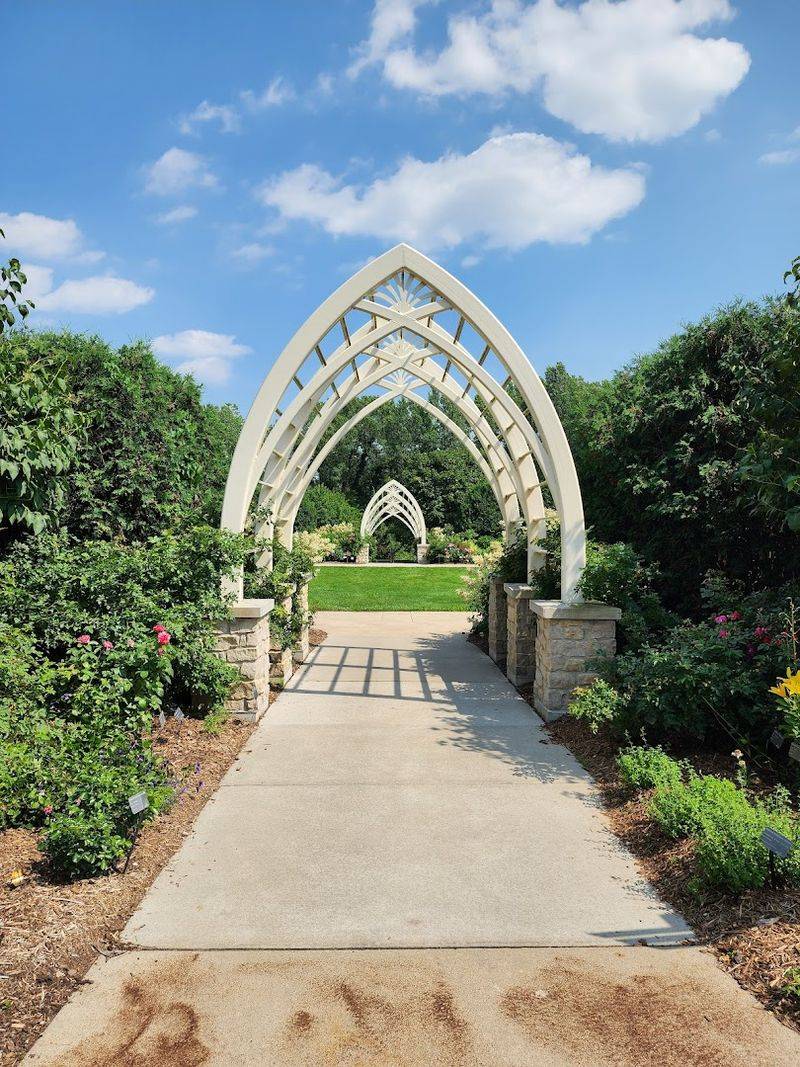
Forty-seven acres might sound abstract until you start walking the grounds. The space unfolds gradually, revealing garden rooms and themed plantings that shift in character as you move from one area to another.
You can spend an entire afternoon here without retracing your steps, discovering new perspectives and hidden corners along the way.
The acreage allows for true variety in what gets planted and displayed. Some sections feel formal and manicured, while others embrace a wilder, more natural aesthetic.
This range keeps the experience from feeling monotonous, even for repeat visitors.
Pathways meander through the property with intention, guiding you past water features, wooded areas, and open garden beds. The scale feels generous without becoming overwhelming.
Families find plenty of room to explore, and photographers appreciate the breadth of backdrops available within a single visit.
More Than 120,000 Plants Fill The Grounds
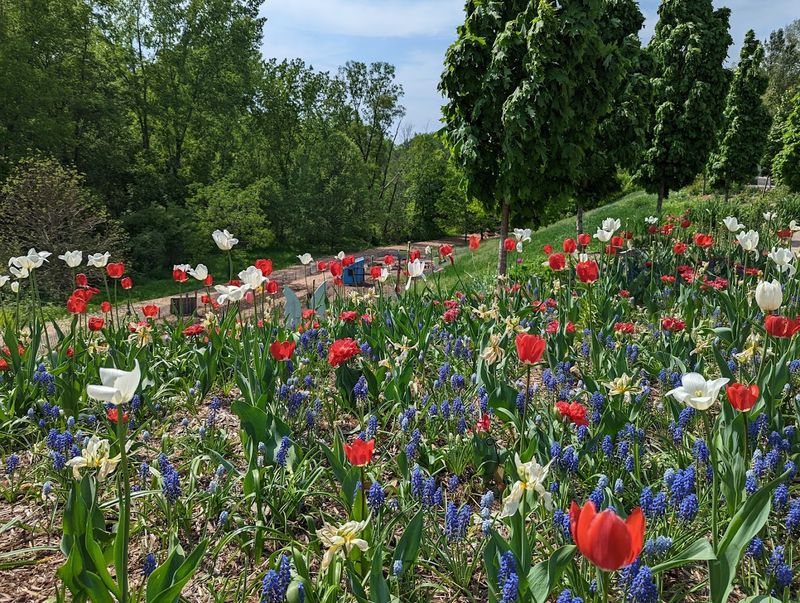
Numbers like 120,000 plants begin to make sense when you see how densely the garden beds are filled. Every square foot seems to contribute to the overall composition, with careful attention paid to color, height, and bloom time.
The sheer volume creates an immersive experience that surrounds you with living texture.
Plant selection here goes beyond simple decoration. The collection includes native Wisconsin species, ornamental varieties, and specialty groupings that highlight particular families or growing conditions.
This diversity serves both educational and aesthetic purposes, offering lessons in regional horticulture alongside visual delight.
Maintenance of such a large collection requires dedicated staff and volunteers who tend the gardens year round. Their work shows in the health and presentation of the plants, which remain vibrant and well cared for throughout the growing season.
Visitors benefit from this expertise without needing to lift a trowel themselves.
The Displays Change With Every Season
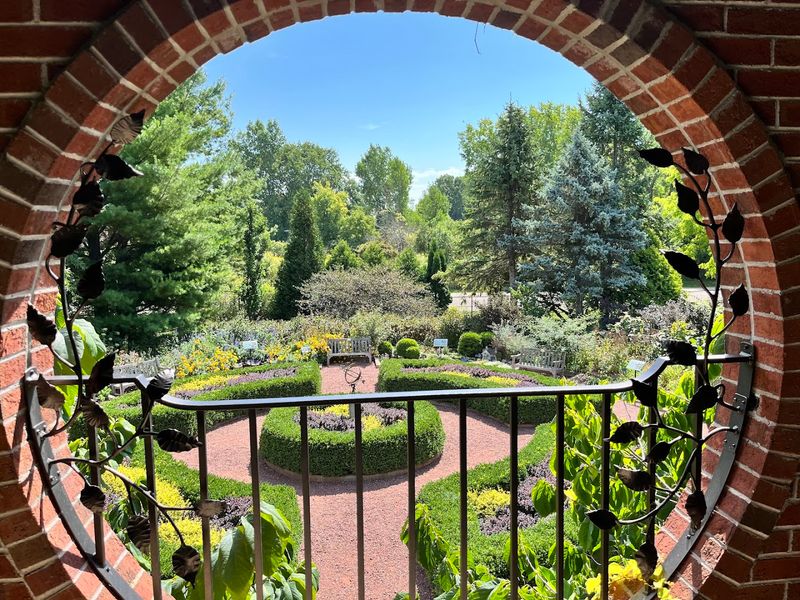
Seasonal rotation defines the garden’s character more than any single permanent feature. What you encounter in April bears little resemblance to what greets you in October, and that constant transformation rewards those who visit multiple times throughout the year.
Each season brings its own palette and mood to the same physical space.
Spring erupts with bulbs and early perennials, painting the landscape in pastels and bright yellows. Summer deepens the colors and fills out the foliage, creating lush green backdrops for bold blooms.
Fall softens everything with warmer tones and changing leaves, while winter strips the garden down to its structural bones and adds the drama of lights.
This cyclical change keeps the garden from ever feeling stale. Regular visitors develop favorite seasons, but most agree that seeing the property through multiple cycles offers the fullest appreciation of what the garden accomplishes.
Spring Brings Bright Bulbs And Fresh Blooms
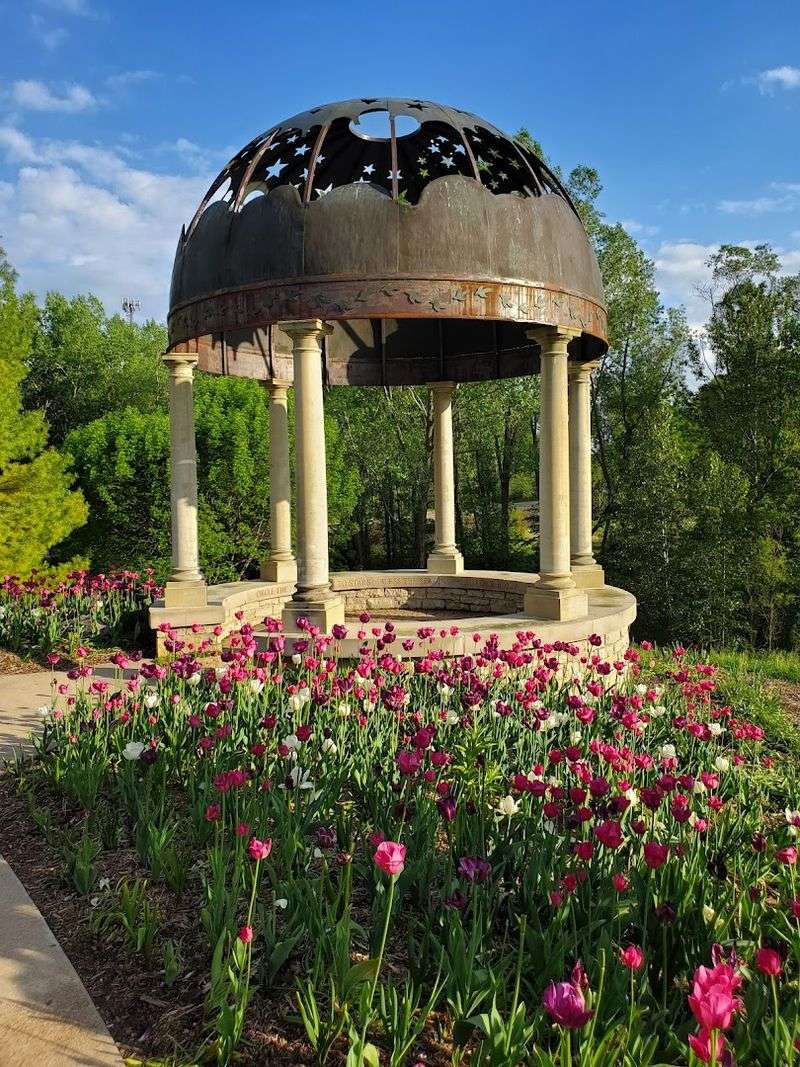
Spring at Green Bay Botanical Garden arrives with the kind of color intensity that makes winter feel like a distant memory. Tulips, daffodils, and crocuses push through the soil in organized waves, their bright petals standing out against the still-brown earth.
The contrast feels almost shocking after months of dormancy.
Early bloomers like magnolias and flowering cherries add vertical drama to the spring display. Their blossoms appear before the leaves, creating clouds of pink and white that hover above the garden beds.
The timing of these displays varies slightly each year, depending on weather patterns, but the overall progression remains reliable.
Spring also brings a sense of renewal that extends beyond the plants themselves. Visitors return to the garden after winter absences, and the energy level rises with the temperatures.
The season feels brief but potent, packing tremendous visual impact into a relatively short window of time.
Summer Adds Big Colour And Outdoor Events

Summer transforms the garden into its most exuberant version, with plants reaching peak size and bloom production. Perennial borders overflow with daylilies, coneflowers, and black-eyed Susans, while annual beds contribute uninterrupted color from June through September.
The visual abundance feels almost excessive in the best possible way.
Outdoor concerts and special programs take advantage of the pleasant weather and extended daylight hours. The garden becomes a venue for community gatherings, adding a social dimension to what might otherwise be a purely horticultural experience.
Music drifts across the grounds as visitors stroll between performances and plantings.
Heat and humidity occasionally challenge both plants and people during Wisconsin summers, but the garden provides shaded areas and water features that offer relief. The combination of full sun displays and cooler woodland sections creates microclimates that keep the experience comfortable even on warmer days.
Fall Gives The Garden A Softer Glow
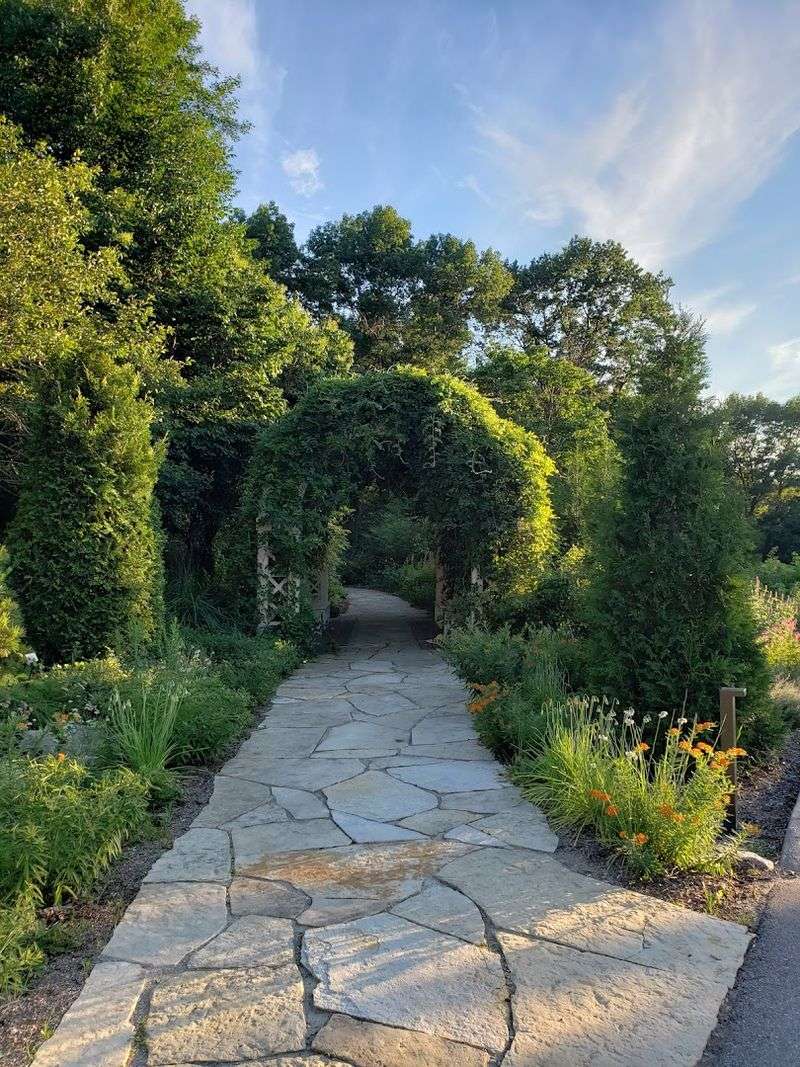
Fall brings a shift in tone rather than a decline in beauty. The aggressive brightness of summer mellows into warmer, earthier shades as leaves turn and late-season bloomers like asters and sedums take center stage.
The light changes too, slanting lower and casting longer shadows that emphasize texture and form.
Ornamental grasses become stars during fall months, their feathery plumes catching the breeze and glowing golden in afternoon sun. Trees contribute their own drama as maples and oaks transition through shades of red, orange, and yellow.
The overall effect feels contemplative rather than celebratory, inviting slower movement and closer observation.
Cooler temperatures make fall an ideal time for extended walks through the grounds. The summer crowds thin out, and the garden takes on a quieter, more introspective character.
Photographers particularly appreciate the quality of fall light and the richness of the seasonal palette.
Winter Brings The Famous Garden Of Lights

Winter could have meant closure, but Green Bay Botanical Garden chose a different path entirely. The WPS Garden of Lights transforms the property into an illuminated wonderland that draws visitors back during months when gardens typically go dormant.
This seasonal attraction has become a regional tradition, pulling families from across Wisconsin and beyond.
The light display works with the garden’s existing structure rather than fighting against it. Trees become frameworks for cascading lights, pathways glow with luminous borders, and garden features take on new personalities after dark.
Snow, when present, amplifies the effect by reflecting and diffusing the illumination.
Interactive elements and themed areas keep the experience engaging for children and adults alike. A laser show adds contemporary flair to the traditional light display, while concession areas offer warmth and refreshment midway through the walking route.
The garden proves that winter can be a season of attraction rather than retreat.
The WPS Garden Of Lights Has Over 300,000 Lights

Three hundred thousand lights create a scale of illumination that exceeds what most people imagine when they hear about a garden light display. The sheer quantity allows for elaborate scenes, dense coverage of large trees, and continuous visual interest along the entire walking route.
Nothing feels sparse or understated about this winter spectacle.
Installation requires weeks of work by staff and volunteers who climb trees, string pathways, and program synchronized displays. The technical complexity behind the scenes remains invisible to visitors, who simply experience the finished product.
That seamless presentation reflects careful planning and significant expertise in both horticulture and event production.
Different sections of the display offer distinct experiences, from traditional holiday themes to more abstract light art. Some areas feature moving elements or music synchronization, while others create immersive environments you walk through rather than simply observe.
The variety prevents the display from feeling repetitive despite its length and scope.
The Children’s Garden Adds Family-Friendly Fun
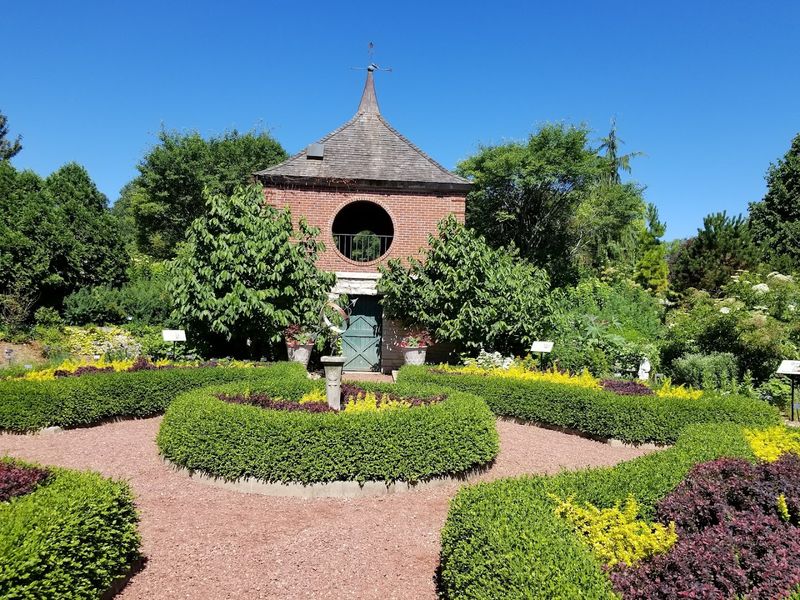
Dedicated children’s spaces within botanical gardens sometimes feel like afterthoughts, but Green Bay’s approach integrates playful elements with genuine horticultural interest. The Children’s Garden combines imaginative play structures with plantings chosen to engage young minds, creating an environment that educates while it entertains.
Kids can explore without parents worrying about fragile displays or strict behavior rules.
Water features, including a splash pad during warmer months, provide sensory experiences that go beyond visual appreciation of plants. Hands-on elements encourage interaction and discovery, turning a garden visit into active exploration rather than passive observation.
This approach recognizes that children learn through movement and touch, not just looking.
Families appreciate having a destination that works for multiple age groups simultaneously. While adults enjoy the cultivated gardens, children burn energy in spaces designed specifically for their needs.
This dual appeal extends visit duration and creates positive associations with botanical gardens from an early age.
The Garden Features Themed Spaces And Walking Paths
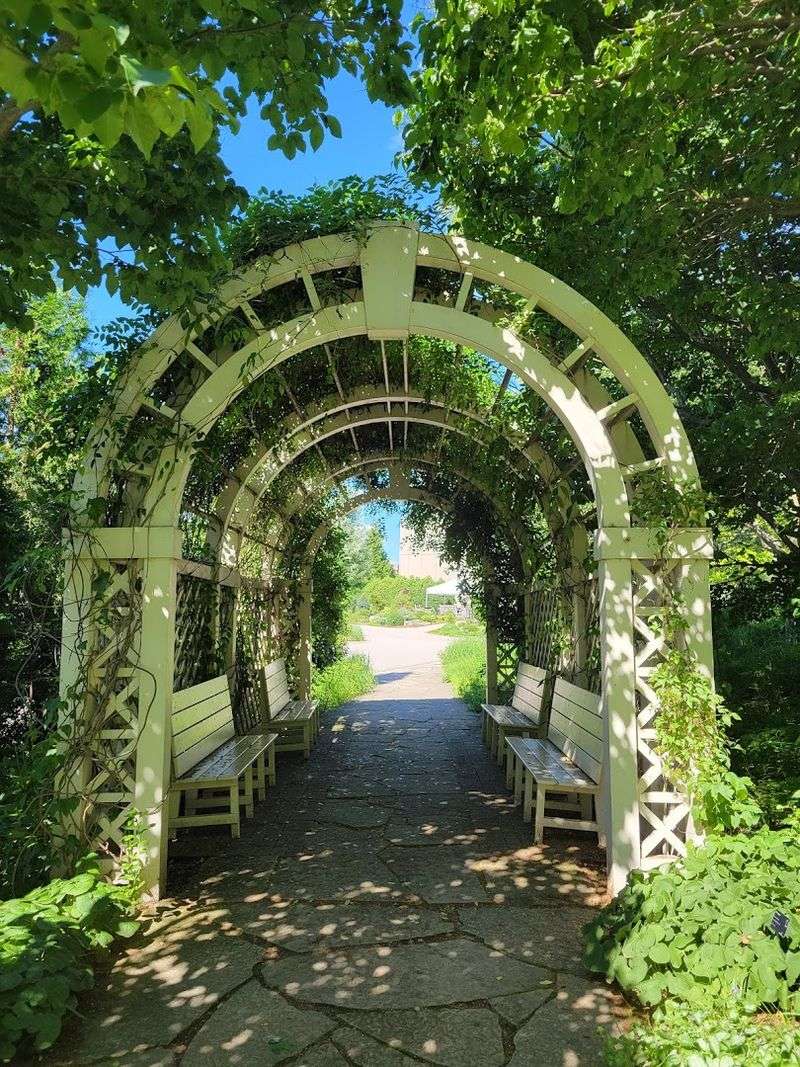
Organization by theme gives structure to what could otherwise feel like random plantings scattered across 47 acres. Rose gardens, native plant areas, woodland sections, and formal beds each occupy their own territory, connected by pathways that guide visitors through a curated sequence of experiences.
This intentional layout helps people navigate while creating distinct atmospheres in different zones.
Walking paths vary in surface and character, from paved main routes accessible to wheelchairs and strollers to narrower trails that wind through more naturalistic plantings. Benches appear at regular intervals, offering rest spots that double as viewpoints for particularly attractive garden compositions.
The infrastructure supports extended visits without causing fatigue.
Signage throughout the garden provides plant identification and educational information without overwhelming the aesthetic experience. Those interested in learning scientific names and growing details can find that information readily, while others can simply enjoy the visual display.
This layered approach accommodates different visitor interests and knowledge levels effectively.