
Nevada’s Ancient Sea Monster Fossil Park Also Hides One Of The State’s Best Ghost Towns
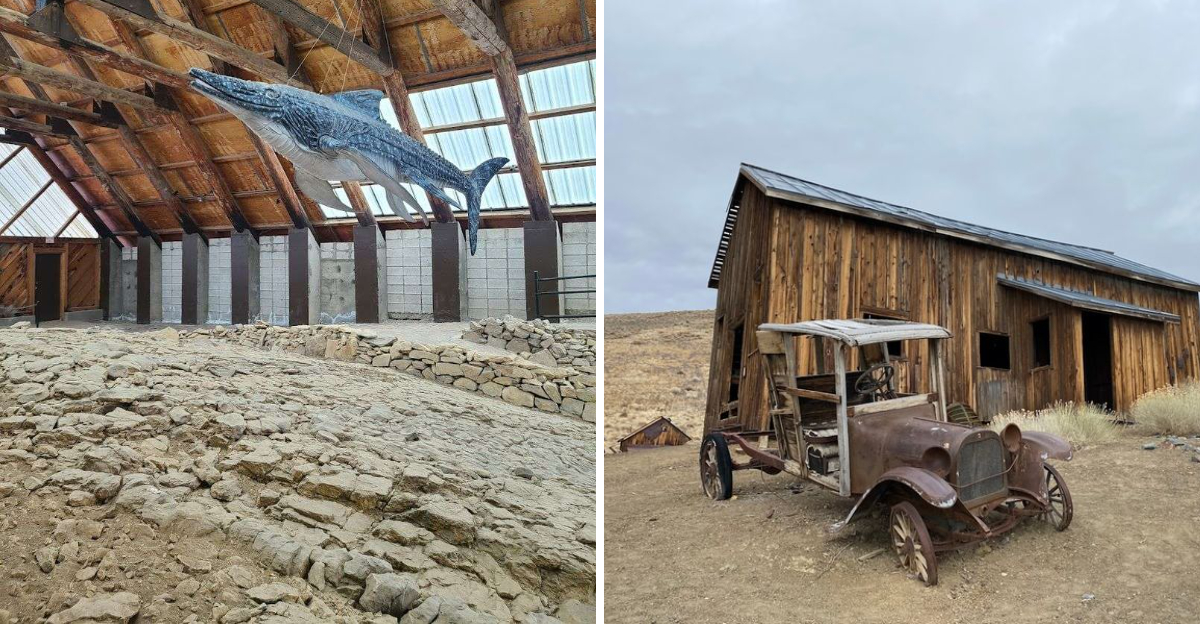
Ancient sea monsters and old mining cabins rarely share the same road trip, but Nevada has a place where both stories collide. One minute, you’re thinking about massive marine reptiles gliding through prehistoric waters.
The next, you’re picturing miners chasing silver and gold through a dusty 1890s camp. That strange mix makes this desert stop feel less like a standard park visit and more like a history puzzle with fossils, weathered buildings, and mountain air all packed into one trip.
Original structures still stand, old machinery hints at hard work, and the fossil story reaches back millions of years. It’s eerie, fascinating, and wonderfully unexpected, especially for travellers who like their Nevada adventures with a little mystery.
This Park Protects Nevada’s State Fossil
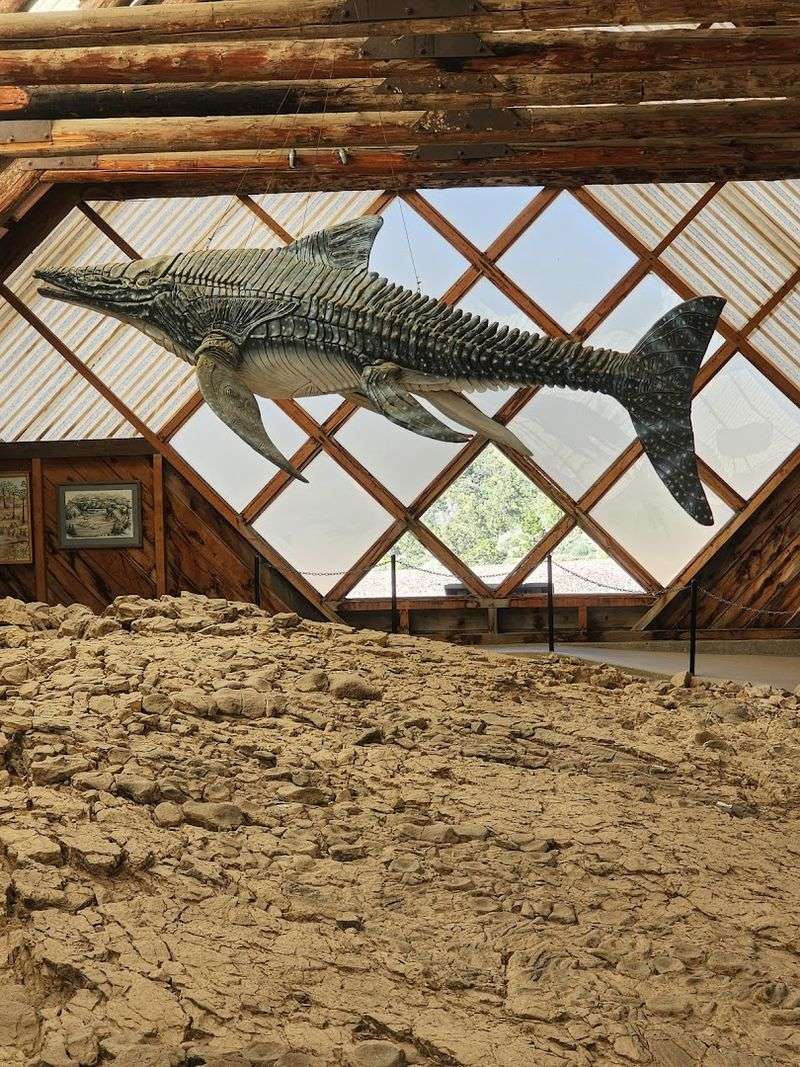
Nevada chose the ichthyosaur as its official state fossil in 1977, recognizing the significance of discoveries made within its borders. The designation honored the exceptional specimens found in what would become Berlin-Ichthyosaur State Park.
State fossils represent geological heritage and educational value. Nevada’s choice reflected the remarkable concentration of ichthyosaur remains preserved in the rocks near Berlin, a collection unmatched anywhere else in North America.
The park located along NV-844 near Austin serves as the primary guardian of these ancient treasures. Visitors can see why Nevada lawmakers selected this particular prehistoric creature to represent the state’s paleontological legacy, with fossils displayed exactly where scientists unearthed them decades ago.
Protection efforts ensure future generations can study these specimens. The state park system maintains the fossil site with care, balancing public access with scientific preservation.
The Fossils Date Back About 225 Million Years
The ichthyosaur fossils at Berlin date to the Triassic Period, roughly 225 million years before the present day. At that time, Nevada lay beneath a vast tropical sea, part of an ancient ocean called the Panthalassic.
Geological forces have transformed the landscape dramatically since then. What once served as seafloor now sits at an elevation of over 7,000 feet in the Shoshone Mountains, lifted by tectonic activity over countless millennia.
Scientists can determine the age of these fossils through radiometric dating of surrounding rock layers. The precision of modern techniques has helped paleontologists understand exactly when these creatures lived and died in Nevada’s ancient waters.
The Triassic Period marked an important chapter in Earth’s history. Marine reptiles like ichthyosaurs had only recently evolved, adapting to life in the oceans after their ancestors left the land behind.
The Ancient Sea Monsters Were Ichthyosaurs, Not Dinosaurs
Ichthyosaurs belonged to a completely different group of reptiles than dinosaurs, despite living during overlapping time periods. These marine predators evolved from land reptiles that returned to the ocean, developing streamlined bodies perfectly suited for aquatic life.
Their appearance resembled modern dolphins more than any dinosaur. Ichthyosaurs possessed flippers instead of legs, powerful tails for propulsion, and sleek bodies built for speed through water rather than movement on land.
Dinosaurs remained terrestrial creatures throughout their existence. The confusion between these groups often stems from their shared status as prehistoric reptiles, but their evolutionary paths diverged millions of years before either group became dominant.
The fossils at Berlin-Ichthyosaur State Park help visitors understand this distinction. Park rangers explain the differences during tours, clarifying that these sea monsters hunted fish and squid in deep ocean waters while dinosaurs roamed distant shorelines.
Berlin Holds One Of North America’s Richest Ichthyosaur Fossil Sites
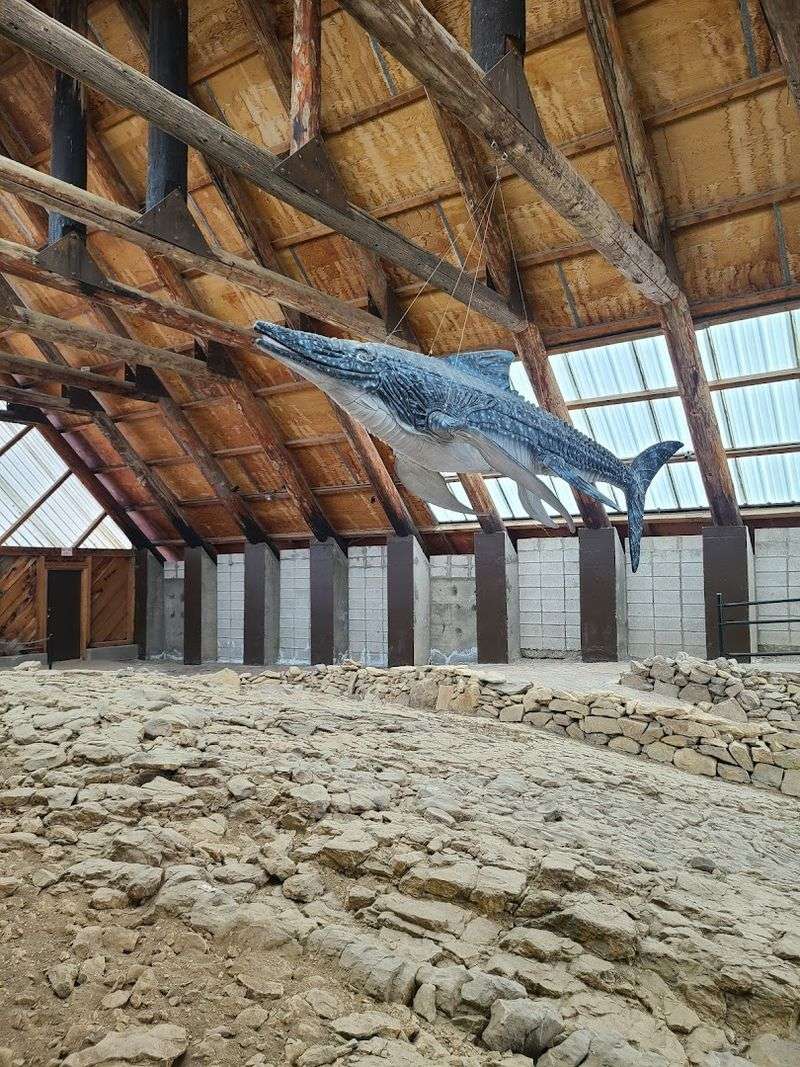
Few locations in North America can match the density and quality of ichthyosaur specimens found at Berlin. Paleontologists have identified remains from at least 40 individual animals in a relatively small area, suggesting a mass mortality event.
The concentration of fossils indicates something unusual happened here. Scientists theorize that a group of ichthyosaurs may have become stranded in a shallow lagoon or poisoned by toxic algae blooms, causing multiple deaths in close proximity.
Other fossil sites typically yield isolated specimens scattered across wide areas. Berlin’s cluster of well-preserved skeletons provides researchers with unprecedented opportunities to study variation within a single species and understand social behavior in these ancient reptiles.
The site gained scientific attention in the 1950s when discoveries revealed its exceptional nature. Continued study has only reinforced Berlin’s importance to paleontology, attracting researchers from universities and museums worldwide who seek to unlock secrets preserved in these ancient bones.
The Fossil House Lets Visitors See Bones Where They Were Found
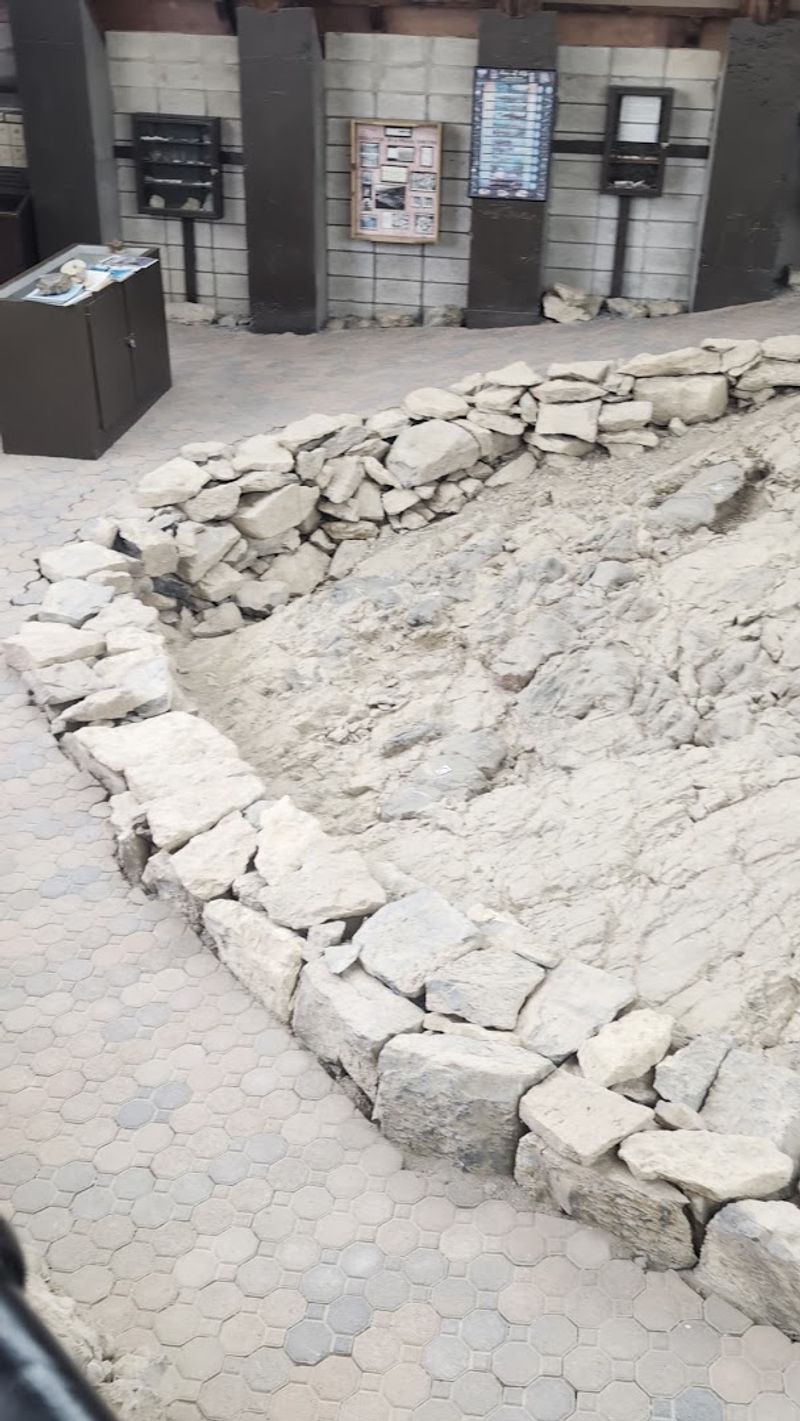
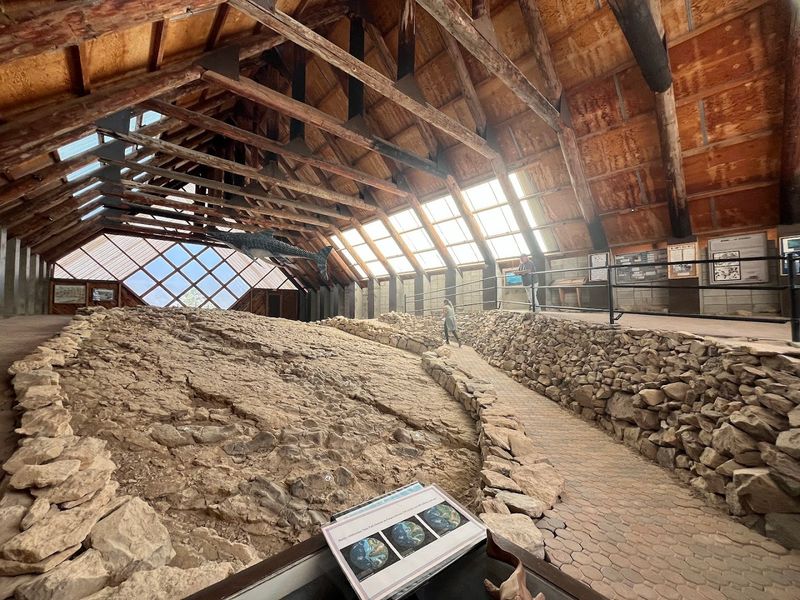
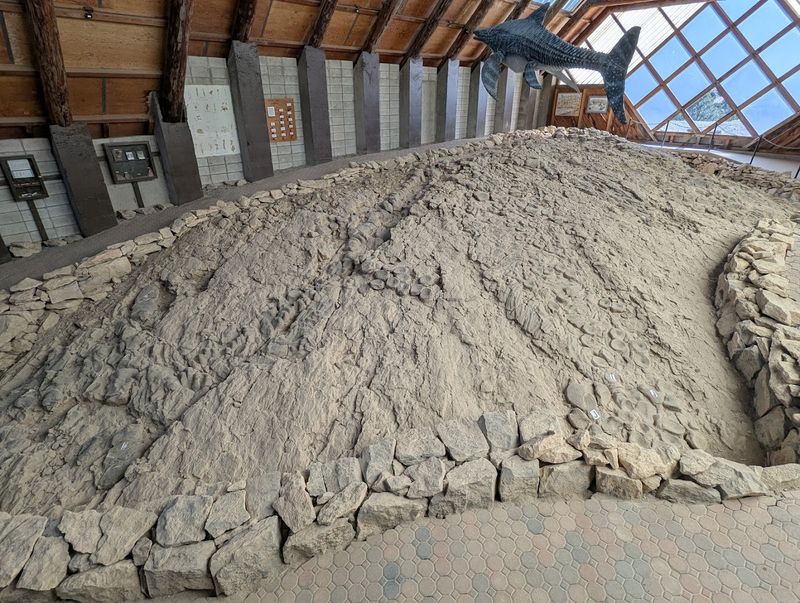
A protective structure built over the excavation site allows visitors to observe ichthyosaur fossils in their original positions. The Fossil House preserves the dig site exactly as paleontologists left it, with bones still embedded in the surrounding rock matrix.
Seeing fossils in situ provides educational value that museum displays cannot replicate. Visitors gain understanding of how paleontologists work and how geological processes preserve ancient life, observing the relationship between fossils and the rock layers that entombed them.
Park rangers lead scheduled tours through the Fossil House, typically at 10:00 AM and 2:00 PM on weekends. These guided experiences include detailed explanations of the excavation process, the creatures themselves, and the ancient environment they inhabited millions of years ago.
Large windows allow viewing even when tours are not in session. The building protects these irreplaceable specimens from weathering while maintaining public access, demonstrating how preservation and education can work together successfully.
The Park Also Preserves A Real 1890s Mining Town
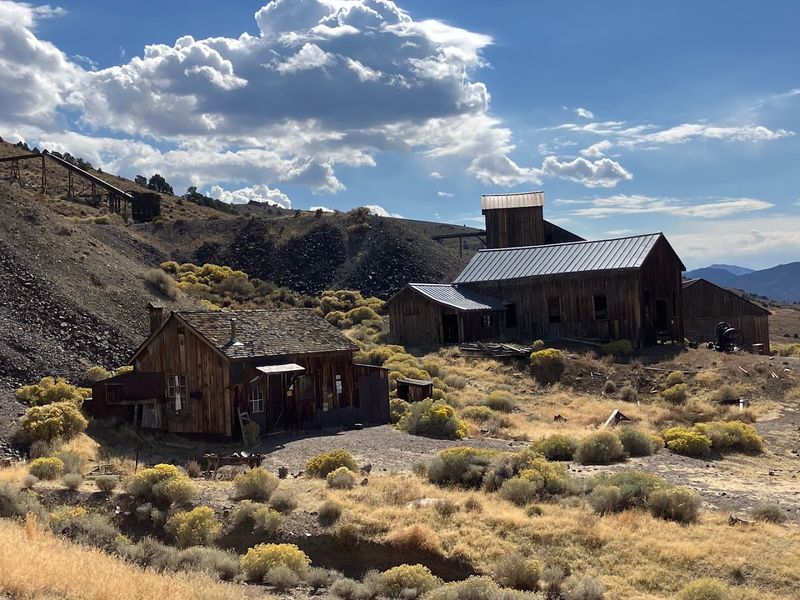
Berlin began as a mining camp in the 1890s, and the park has preserved numerous original structures from that era. Walking through the townsite feels like stepping backward in time, with buildings standing much as miners left them over a century ago.
The town’s remote location paradoxically aided its preservation. Isolated from major population centers, Berlin escaped the vandalism and scavenging that destroyed many other ghost towns, leaving an unusually complete picture of frontier mining life.
Park staff maintain the buildings carefully without excessive restoration. This approach preserves authenticity, allowing visitors to see genuine construction methods, materials, and details that reflect how people actually lived and worked in Nevada’s mining districts during the late 19th century.
Self-guided tours let visitors explore at their own pace. Interpretive signs throughout the townsite provide historical context, explaining the function of each building and sharing stories about the people who once called Berlin home during its brief but productive existence.
Berlin Was Once A Gold And Silver Mining Camp
Prospectors established Berlin after discovering gold and silver deposits in the surrounding hills during the 1890s. The camp quickly attracted miners hoping to strike it rich, though the reality of mining life proved far harder than most anticipated.
The ore extracted from Berlin’s mines contained both precious metals, making the operation economically viable for several years. Miners worked underground in difficult conditions, following veins of ore through hard rock and dealing with constant dangers from cave-ins, flooding, and equipment failures.
Processing the ore required substantial infrastructure and investment. Berlin’s founders built stamp mills, assay offices, and other facilities needed to extract metal from raw ore, creating a small industrial complex in this remote desert location.
Production levels fluctuated with ore quality and market prices. Good years brought prosperity and population growth, while lean periods saw families leave for more promising opportunities, a boom-and-bust cycle familiar throughout Nevada’s mining history.
Many Original Ghost Town Buildings Still Stand Today
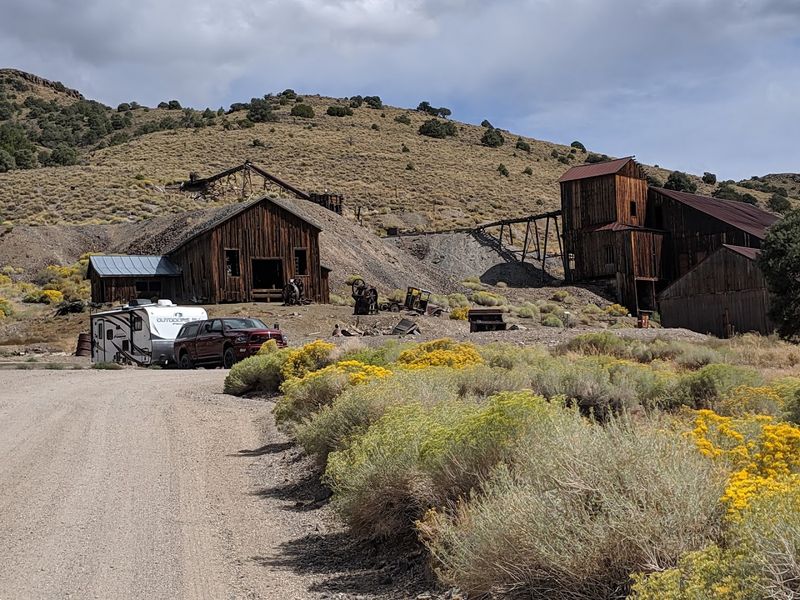
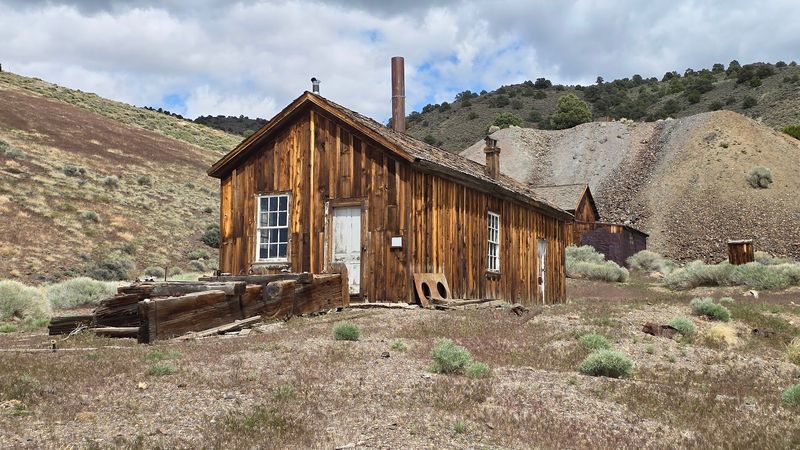
Berlin retains an impressive collection of original structures, including homes, workshops, and industrial buildings. The dry desert climate helped preserve wooden construction that would have rotted away in wetter regions, leaving buildings remarkably intact after more than a century of abandonment.
Visitors can enter some structures and peer into others through windows and doorways. The machine shop still contains tools and equipment, while residences preserve remnants of domestic life including furniture, stoves, and personal items left behind when families departed.
Each building tells part of Berlin’s story. The superintendent’s house demonstrates the relative comfort enjoyed by management, while smaller workers’ cabins reveal the modest circumstances of ordinary miners and their families who formed the backbone of the community.
Preservation requires ongoing effort and careful management. Park staff monitor structural stability, protect buildings from weather damage, and work to prevent deterioration while maintaining the authentic appearance that makes Berlin such a valuable historical resource for understanding Nevada’s mining heritage.
The Old 30-Stamp Mill Is One Of The Park’s Biggest Historic Sights
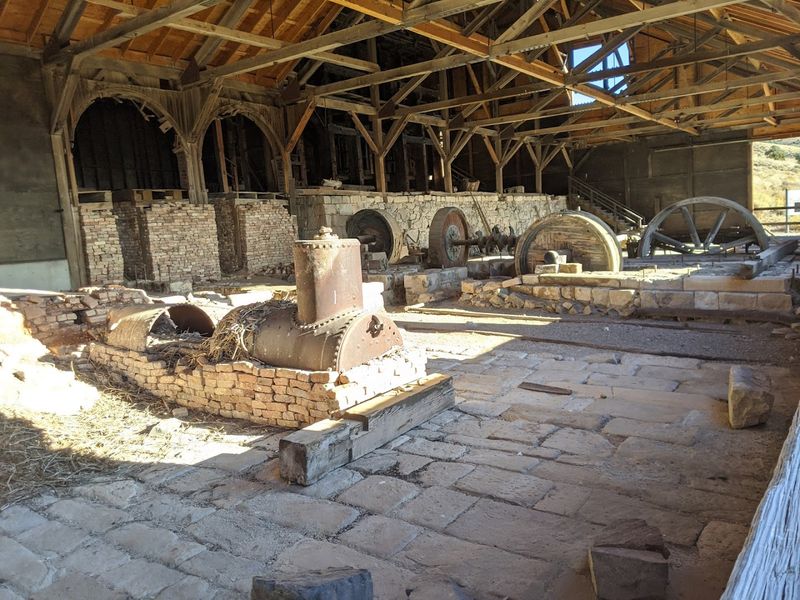
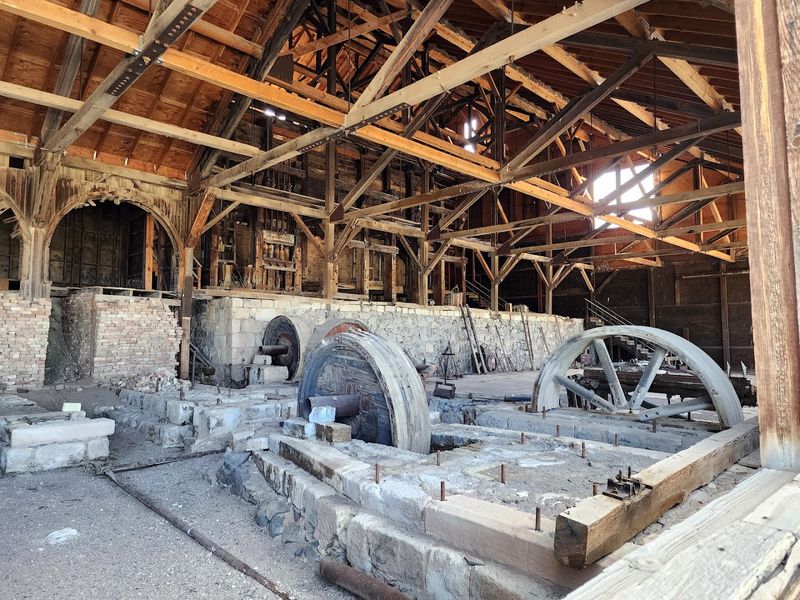
The stamp mill dominates Berlin’s industrial landscape, a massive wooden structure housing machinery that once crushed ore into powder. This 30-stamp operation represented significant capital investment, demonstrating the seriousness with which investors approached Berlin’s mining potential.
Stamp mills worked by repeatedly lifting and dropping heavy metal hammers onto ore. The thunderous pounding could be heard for miles, creating a constant din that defined daily life in mining camps throughout the West during the late 1800s.
Berlin’s mill still contains much of its original equipment. Visitors can examine the stamps, cam shafts, and other mechanical components, gaining appreciation for the engineering ingenuity required to build and operate such complex machinery in an isolated location without modern tools or transportation.
The structure itself showcases frontier construction techniques. Heavy timber framing supported the weight of stamps and machinery, while the building’s design allowed ore to flow through various processing stages by gravity, minimizing the need for additional power sources.
Some Of Berlin’s Original Residents Rest In The Town Cemetery
A small cemetery on a hillside above Berlin contains graves of miners and their family members who died during the town’s active years. The burial ground offers sobering evidence of the hardships faced by frontier communities, where medical care remained primitive and accidents claimed lives with tragic regularity.
Some headstones have weathered into illegibility, their inscriptions faded by decades of sun and wind. Others remain readable, providing names, dates, and occasionally brief epitaphs that hint at the stories of individuals who lived and died in this remote place.
Mining accidents, disease, and childbirth complications all contributed to the cemetery’s population. Life expectancy in mining camps fell well below national averages, particularly for those engaged in the dangerous work of underground excavation and ore processing.
The cemetery location offers expansive views across the desert landscape. Visitors often pause here to reflect on the human cost of Nevada’s mining heritage and the resilience of people who chose to build lives in such unforgiving environments.
The Town Was Mostly Abandoned By 1911
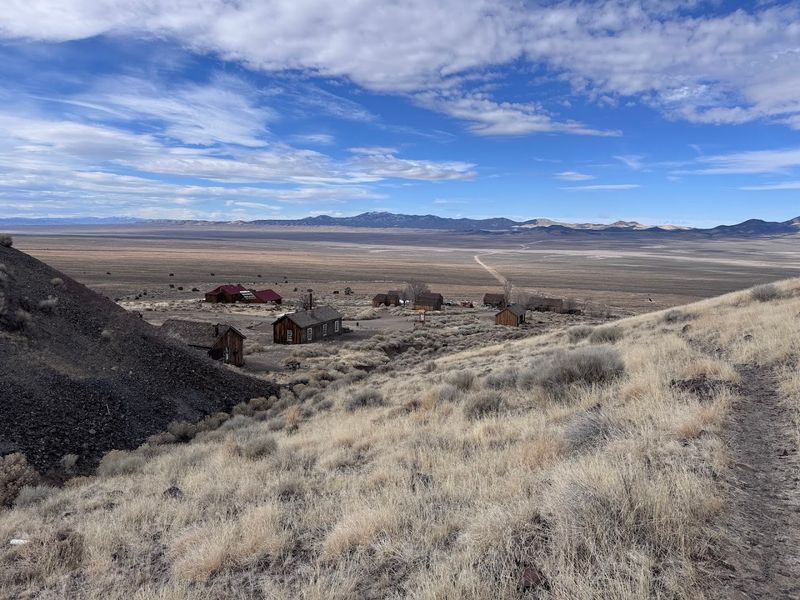
Berlin’s population declined rapidly after 1900 as ore deposits played out and mining operations became unprofitable. By 1911, most residents had departed for more promising locations, leaving buildings and equipment behind in their haste to find new opportunities.
Economic realities drove the abandonment. When mines stopped producing valuable ore in sufficient quantities, the entire reason for Berlin’s existence disappeared, and people moved on without sentiment or nostalgia for a place that had simply stopped providing livelihoods.
A few hardy souls remained for several more years, working small claims or caring for property in hopes of a revival that never came. The last permanent residents left during the 1920s, after which Berlin stood empty except for occasional prospectors and adventurers passing through.
The rapid abandonment actually benefited preservation. Buildings were left largely intact rather than being systematically dismantled for materials, and the remote location discouraged casual vandalism, allowing Berlin to survive in remarkably complete condition until the state park system assumed protection responsibilities.
Self-Guided Trails Tell The Story Of Berlin’s Mining Past
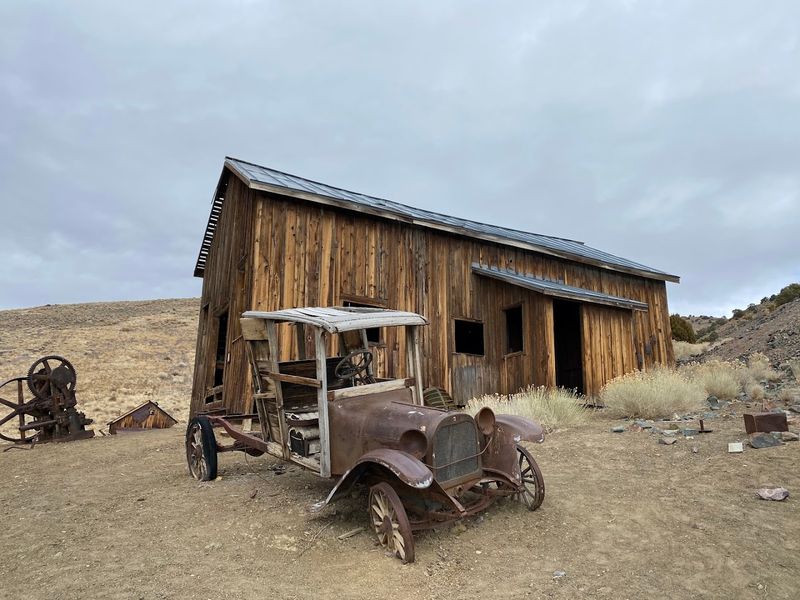
Well-marked trails wind through Berlin’s townsite, allowing visitors to explore independently while learning about the community’s history. Interpretive signs at key locations explain building functions, mining techniques, and daily life during Berlin’s productive years.
The trail system connects major points of interest including residential areas, industrial sites, and the cemetery. Walking the complete loop takes about an hour, though many visitors spend considerably longer examining buildings and reading the detailed information provided at each stop.
Trail guides available at the park entrance enhance the experience. These printed materials include historical photographs, maps, and additional details about specific structures and the people associated with them, bringing Berlin’s past into sharper focus.
The self-guided format allows flexibility that scheduled tours cannot match. Visitors can move at their own pace, spend extra time at locations that interest them most, and return to Berlin multiple times to notice new details in the buildings, artifacts, and landscape that witnessed Nevada’s mining era.