
The Secret Texas Lagoon That Offers Crystal Clear Water And Peaceful Views
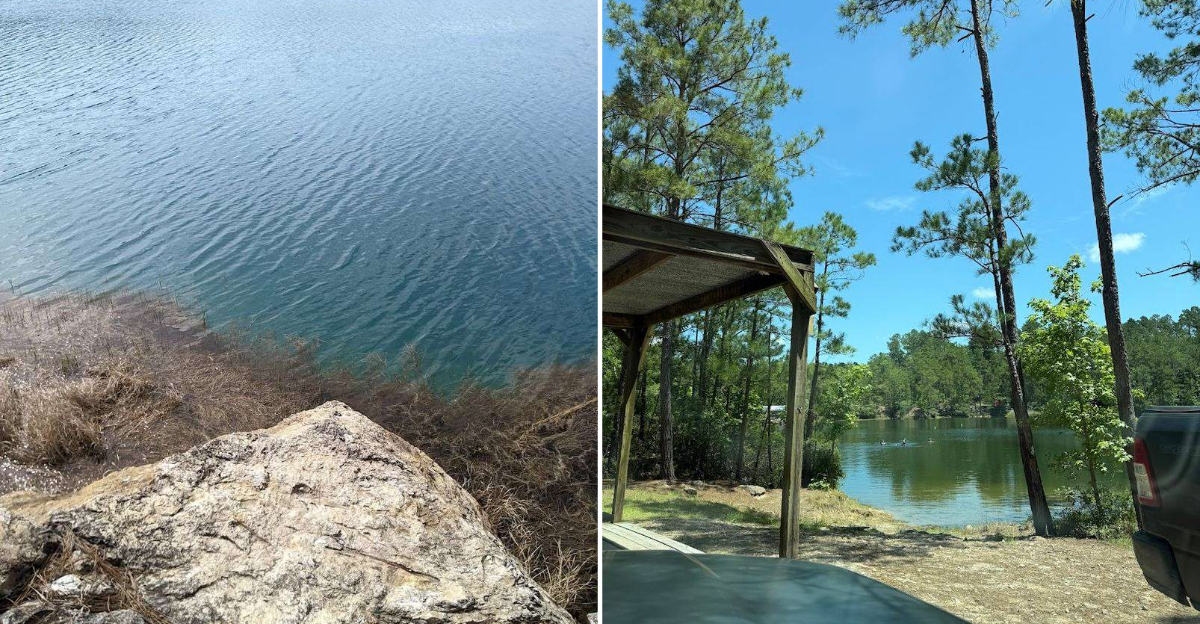
Crystal clear water in Texas is not something most people think to look for. That assumption is exactly what keeps this lagoon off the radar.
The surface sits calm through most of the day and visibility drops straight to the bottom. The surrounding landscape stays quiet in a way that feels almost unfair.
No crowds competing for the same spot, no vendors lining the banks, and no noise beyond what the water and wind produce. Getting here takes some intention.
The route filters out casual visitors automatically. Texas surprises people regularly with what it keeps out of the promotional materials.
This lagoon ranks among the better examples of that habit. Locals who know about it visit with a possessiveness that is hard to fault once you see what they have been protecting.
The water speaks for itself the moment you arrive, and leaving tends to take longer than planned.
Water Clarity And Its Unique Characteristics
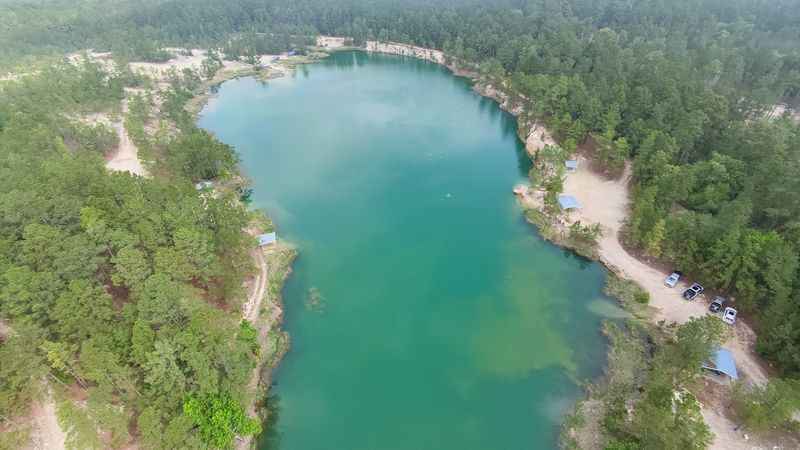
The water at The Blue Lagoon does not look real at first glance. It carries a blue-green, almost turquoise color that comes from the limestone geology beneath it.
This is a former quarry, and the rock composition directly affects how light passes through the water.
Visibility here regularly reaches 25 to 30 feet deep. That is extremely rare for Texas.
Most lakes in the state get murky fast, especially in summer. Here, you can see the bottom with almost no effort at all.
The water stays refreshingly cool throughout spring, summer, and fall. Temperatures usually stay above 70 degrees Fahrenheit.
It is spring-fed, which means the source is underground and naturally filtered.
There is very little aquatic life in the lagoon. The limestone chemistry keeps most organisms from thriving.
Dragonfly nymphs are about the only regular residents you will spot underwater.
The depth averages between 15 and 35 feet, depending on the area. Some spots go deeper, which is why divers love training here.
The combination of depth and clarity creates an almost pool-like experience in a fully natural setting.
You can find The Blue Lagoon at 649 Pinedale Rd, Huntsville, TX 77320, about five miles north of Huntsville and roughly 90 minutes from Houston.
Flora Surrounding The Lagoon And Their Roles
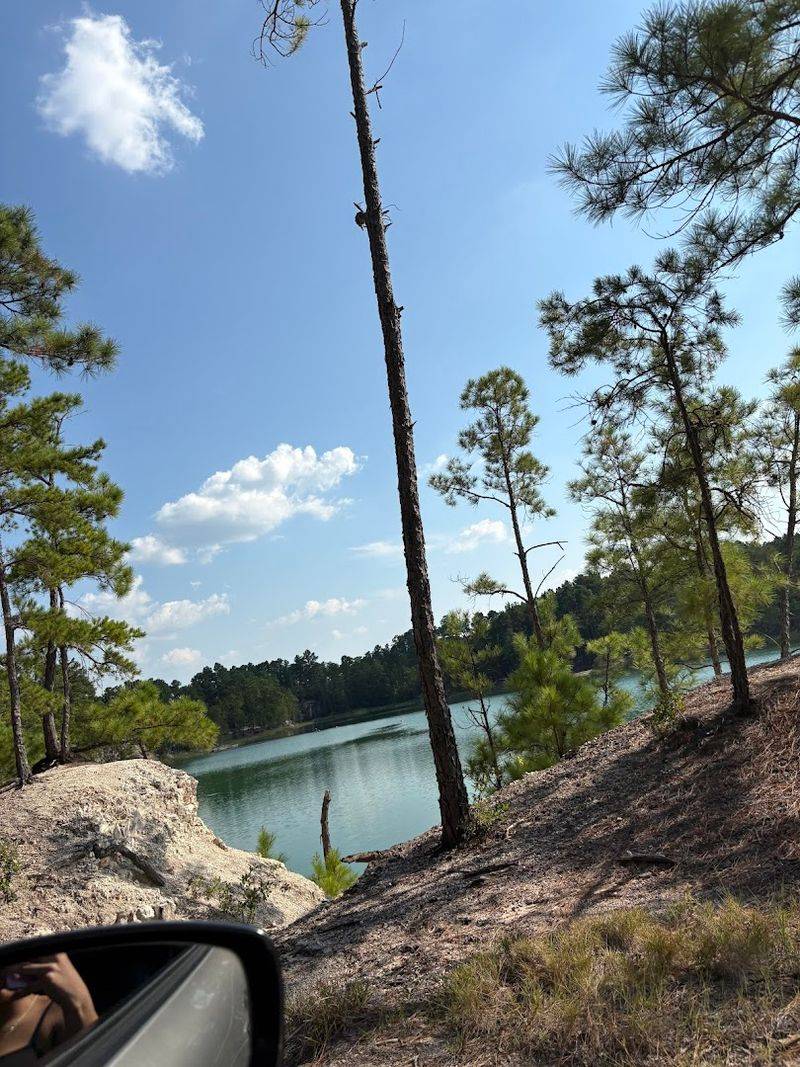
Towering pine trees line the edges of The Blue Lagoon, and they do a lot more than just look pretty. The surrounding forest acts as a natural wind barrier.
It keeps the water surface calm and smooth, especially during quieter weekday mornings.
The piney woods of East Texas are iconic, and this location sits right in the middle of that ecosystem. The tree canopy filters sunlight in a way that enhances the water color.
You get these golden light patches hitting the blue-green surface at certain times of day.
Limestone walls border parts of the lagoon, and native vegetation grows in the cracks and ledges. Mosses and ferns cling to the rock faces.
These plants help stabilize the soil and prevent erosion by washing sediment into the water.
Ground cover plants around the picnic areas also help manage runoff. When it rains, the roots absorb water before it reaches the lagoon.
This natural filtration system plays a real role in keeping the water as clear as it is.
The shade from the pines makes the shoreline comfortable even on hot Texas afternoons. You are not just baking in the open sun all day.
The tree coverage creates a cooler, more relaxed environment that makes long visits genuinely comfortable and enjoyable for the whole family.
Wildlife Commonly Found Near The Water
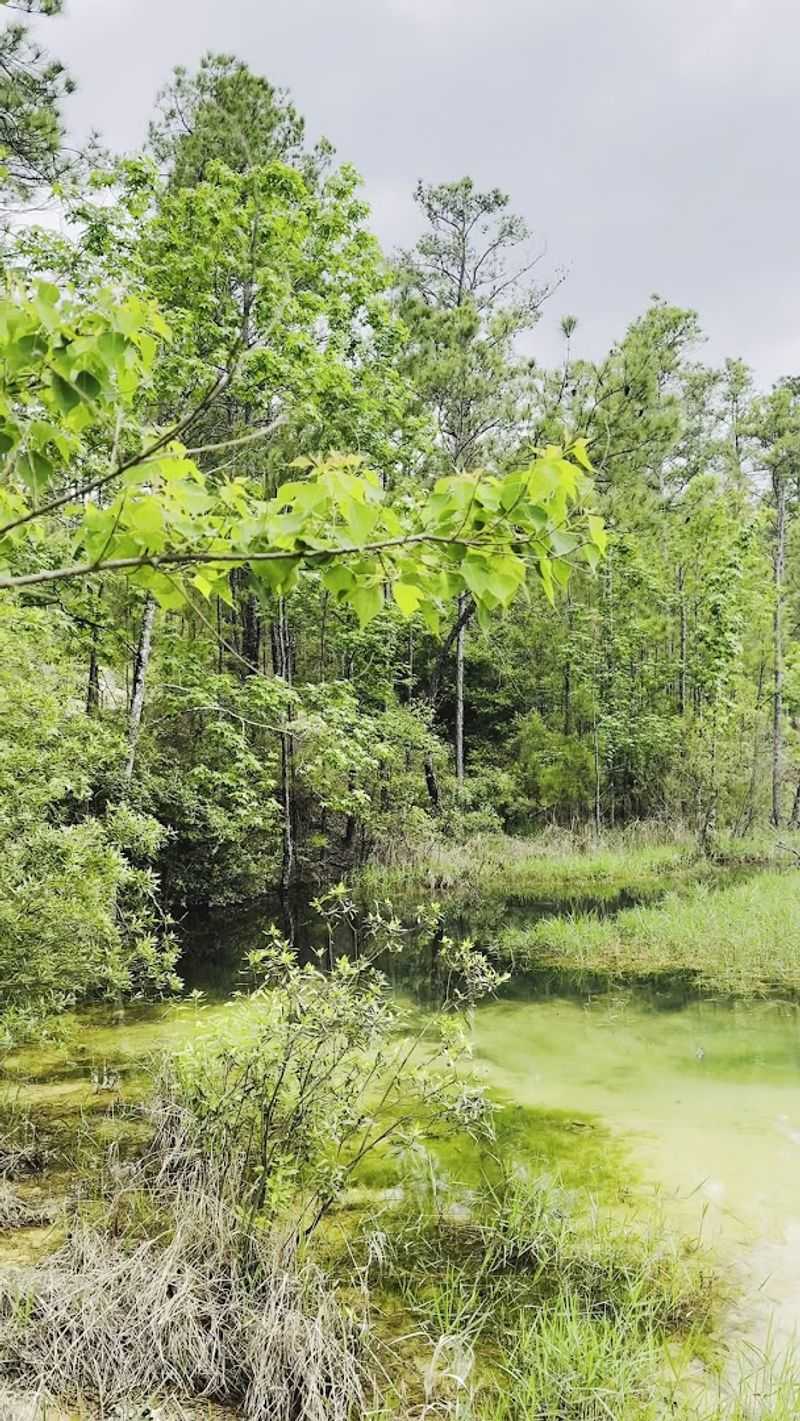
Wildlife at The Blue Lagoon is more about the surrounding environment than the water itself. The lagoon has very limited aquatic life due to its limestone chemistry.
Dragonfly nymphs are the most commonly observed creatures actually living in the water.
Above the surface, things get more interesting. Dragonflies are everywhere near the shoreline on warm days.
They hover low over the water and are actually a sign that the water quality is healthy and clean.
Birds are regular visitors to the area. The pine forest around the lagoon supports various songbirds, woodpeckers, and raptors.
You might hear them well before you ever see them, since the trees are dense and tall.
Squirrels and other small woodland mammals are common around the picnic areas. They are curious and bold, so keep your snacks secured.
Ants are also notably active around the sites, so keeping food covered is a smart move.
The surrounding East Texas ecosystem is rich with life, even if the lagoon itself stays mostly clear of fish and larger aquatic animals. That absence of fish is actually part of what keeps the water so transparent.
No churning, no feeding activity, just still and clear blue-green water with dragonflies dancing above it on a warm afternoon.
Recreational Activities Suitable For Visitors
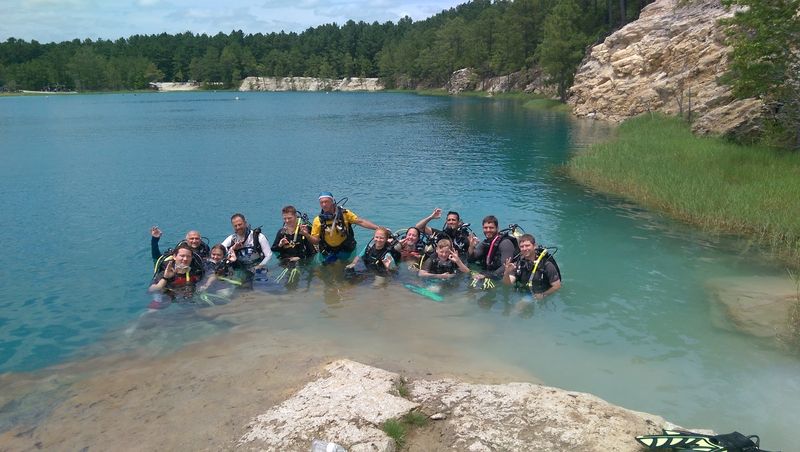
Scuba diving is the main draw at The Blue Lagoon. The site is home to Texan Scuba, a PADI 5-star dive center right on the property.
Certified divers can explore submerged features, including boats and even an airplane sitting on the bottom.
Swimming is also popular and very much allowed. The clear, cool water makes it an ideal spot for a refreshing dip on a hot Texas day.
Small personal floats are permitted, and snorkeling masks and goggles are a great idea to bring along.
Picnicking is a big part of the experience here. Each assigned spot comes with a covered picnic table and access to the water.
You can bring your own grill since the site does not provide built-in BBQ pits, but grilling is allowed.
Sunbathing along the limestone and gravel shoreline is a common activity. The scenery alone makes just sitting there worthwhile.
The views of the blue-green water against the pine trees and rock walls are genuinely calming.
Photography draws a crowd, too, especially during golden hour. The water reflections and surrounding landscape create stunning natural compositions.
Reservations are strongly recommended for divers, and non-divers should arrive early since daily visitor numbers are capped to maintain the peaceful atmosphere everyone comes here to enjoy.
Environmental Importance Of Preserving Natural Lagoons
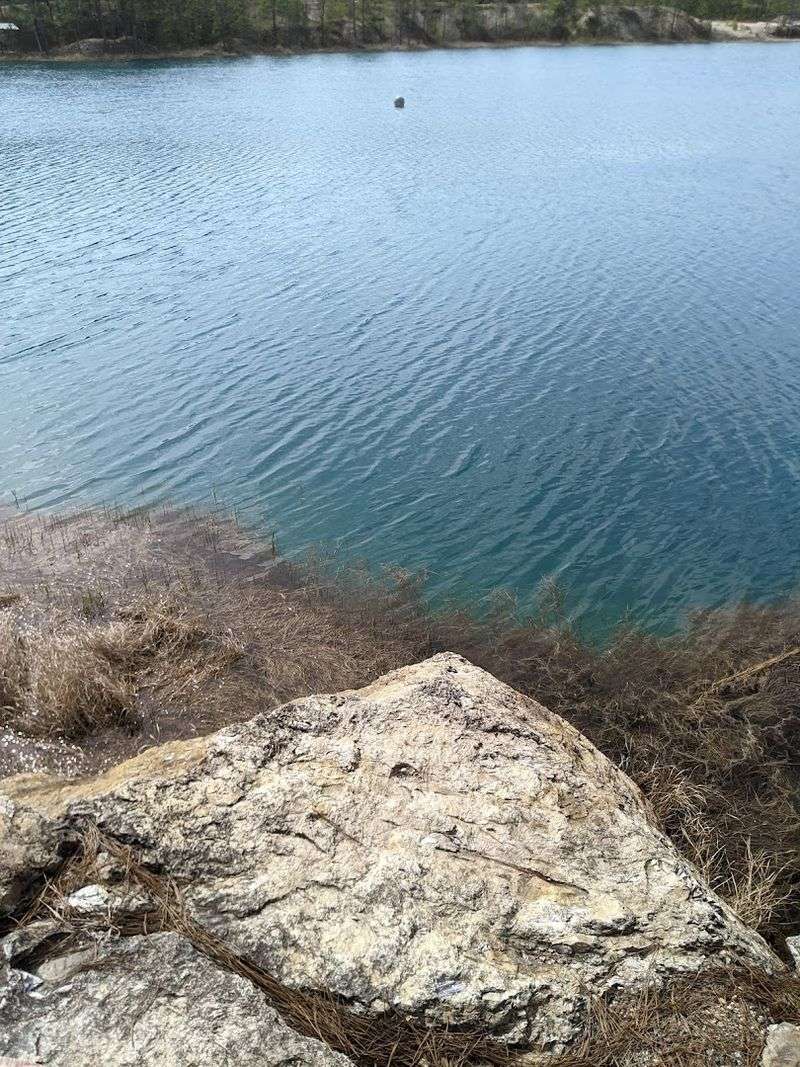
Natural lagoons like this one serve a bigger purpose than just being beautiful. They act as groundwater recharge zones, meaning water seeps through the limestone and replenishes underground aquifers.
That process supports water supplies far beyond the lagoon itself.
The limestone geology at The Blue Lagoon creates a unique chemical environment. It naturally limits the growth of algae and most aquatic organisms.
That balance is fragile, and human activity can easily tip it in the wrong direction.
Keeping this lagoon clean is not just about aesthetics. Plastics, food waste, and chemical runoff can disrupt the natural pH and chemistry of the water.
Once that balance shifts, restoring the clarity and composition is extremely difficult.
The site limits daily visitor numbers for good reason. Overcrowding causes physical erosion of the shoreline and increases the risk of pollutants entering the water.
Keeping the crowd size manageable is a practical conservation decision.
Natural quarry lagoons are rare. Most quarries get filled, developed, or left to become stagnant ponds.
The fact that this one has been preserved as a clear, spring-fed recreational site is genuinely unusual. Visitors play a direct role in its future.
Packing out trash, avoiding banned items, and following the site rules all contribute to keeping this place as pristine as the day it was first discovered.
Best Times Of Year To Experience Calm Views
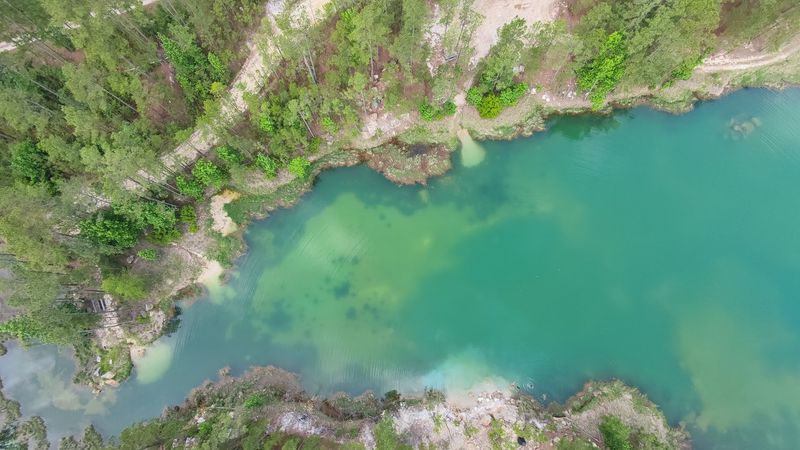
Spring is arguably the best season to visit The Blue Lagoon. The water is cool and refreshing, the trees are fully green, and the crowds are smaller than in summer.
Weekday mornings in April and May are especially calm and quiet.
Fall is a close second. September and October bring cooler air temperatures without sacrificing the water’s warmth.
The light in the fall hits the water at a lower angle, which makes the blue-green color look even more vivid and striking than usual.
Summer is peak season, and weekends get packed fast. The site caps daily visitors, so arriving early is critical.
Getting there when the gates open at 8 AM on weekends is not an exaggeration; it is genuinely necessary to secure a spot.
Midweek visits during any season offer the most peaceful experience. Fewer families and day-trippers means quieter water, less noise, and more time to actually absorb the views.
Wednesday mornings in particular tend to be notably relaxed.
Winter visits are less common, but the lagoon remains accessible on open days. The water stays relatively stable in temperature due to the spring-fed source.
If you want the most serene, mirror-like water views possible, a cool weekday morning in October or early November is hard to beat at this location.
Photography Tips For Capturing Scenic Water Reflections
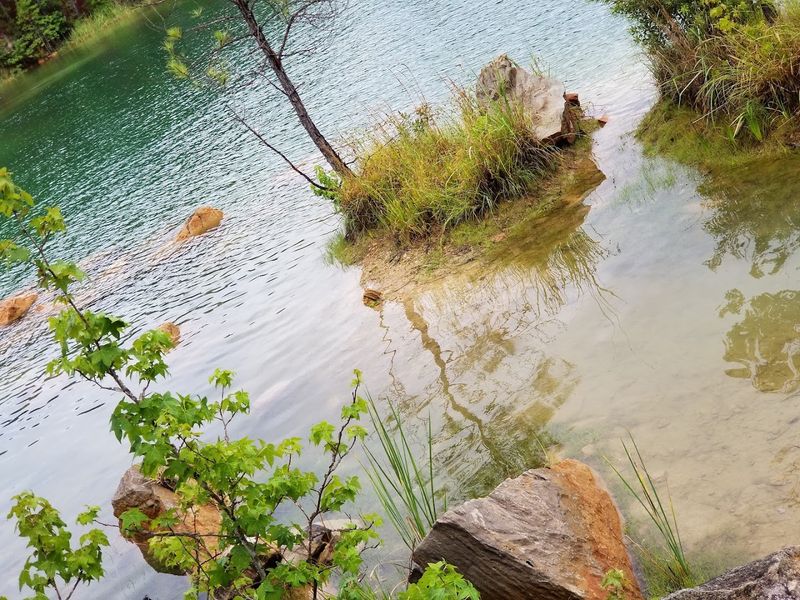
The water at The Blue Lagoon is a photographer’s dream, but timing matters more than gear. The best light hits the water in the early morning, roughly between 9 and 11 AM.
The sun angle creates a warm glow on the limestone walls and turns the water almost electric blue.
For reflections, you want the surface as still as possible. That means visiting on calm, low-wind days and shooting before too many swimmers enter the water.
Weekday mornings in spring or fall are ideal for this kind of shot.
A polarizing filter makes a massive difference here. It cuts glare from the water surface and allows the camera to capture the actual color and depth below.
Without one, bright Texas sunlight can wash out the beautiful turquoise tones completely.
Shooting from a low angle near the waterline emphasizes the reflection and creates a dramatic perspective. The limestone walls and pine trees above the water frame the composition naturally.
You barely need to do any creative work because the setting does it for you.
Wide-angle lenses capture the full scope of the lagoon and its surroundings. A telephoto lens works well for isolating specific details like dragonflies or the rock face texture.
Bring a waterproof case or dry bag to protect your equipment near the water.
Local Conservation Efforts To Protect Water Quality
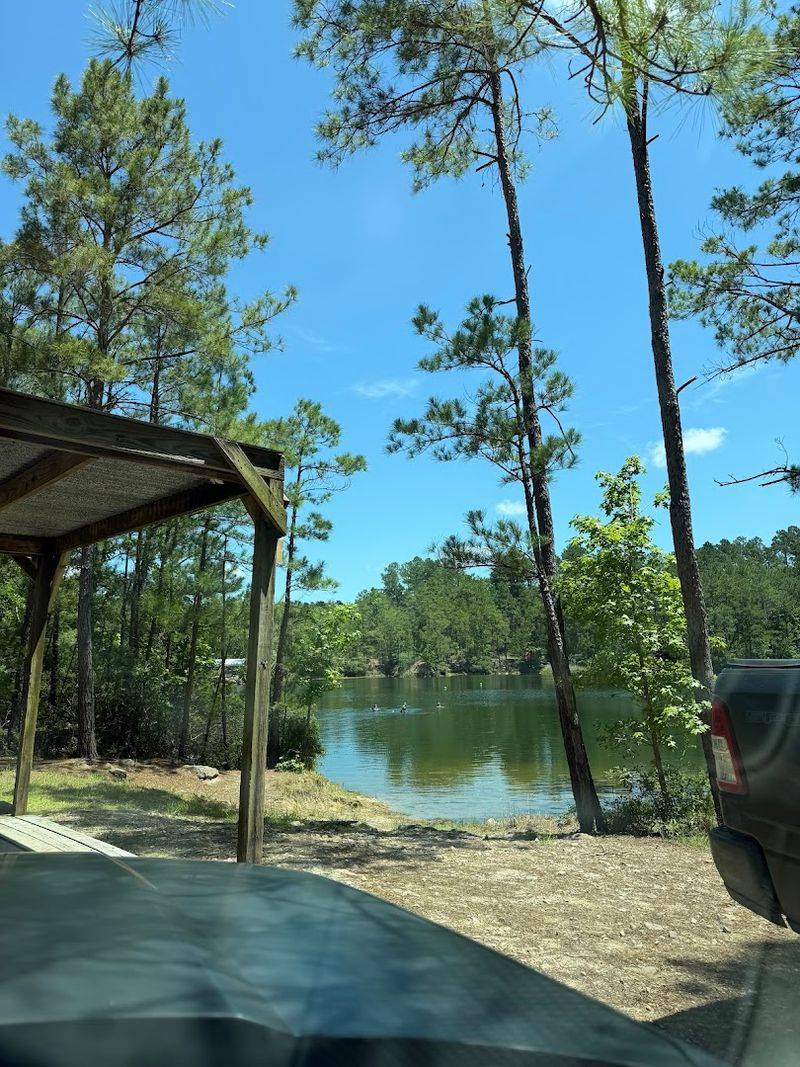
The Blue Lagoon operates with a clear set of rules designed to protect the water and the environment. Pets are not allowed on the property.
Glass containers are also prohibited. Both policies reduce the risk of contamination and physical hazards near the water.
Daily visitor limits are one of the most effective conservation tools the site uses. By capping how many people enter each day, the management reduces foot traffic erosion, litter volume, and physical disturbance to the water.
It is a straightforward approach that works.
The site requires visitors to pack out their own trash. Covered picnic areas help contain food waste, but the responsibility ultimately falls on each visitor.
Keeping food sealed also discourages wildlife from being attracted to human activity zones near the water.
No paddle boards, kayaks, or large floats are permitted on the lagoon. This limits the amount of physical disruption to the water surface and shoreline.
It also keeps the environment safe for scuba divers who are training or exploring the submerged features below.
The spring-fed water source naturally helps maintain quality, but human behavior is the biggest variable.
Simple actions like not dumping liquids near the shoreline, avoiding sunscreen-heavy swimming in sensitive zones, and following posted rules all add up.
Collective responsibility from every visitor directly determines how long this rare Texas spot stays this beautiful and clear.