
This Remote Wisconsin Lake Is The Perfect Escape For Nature Lovers Seeking Peace
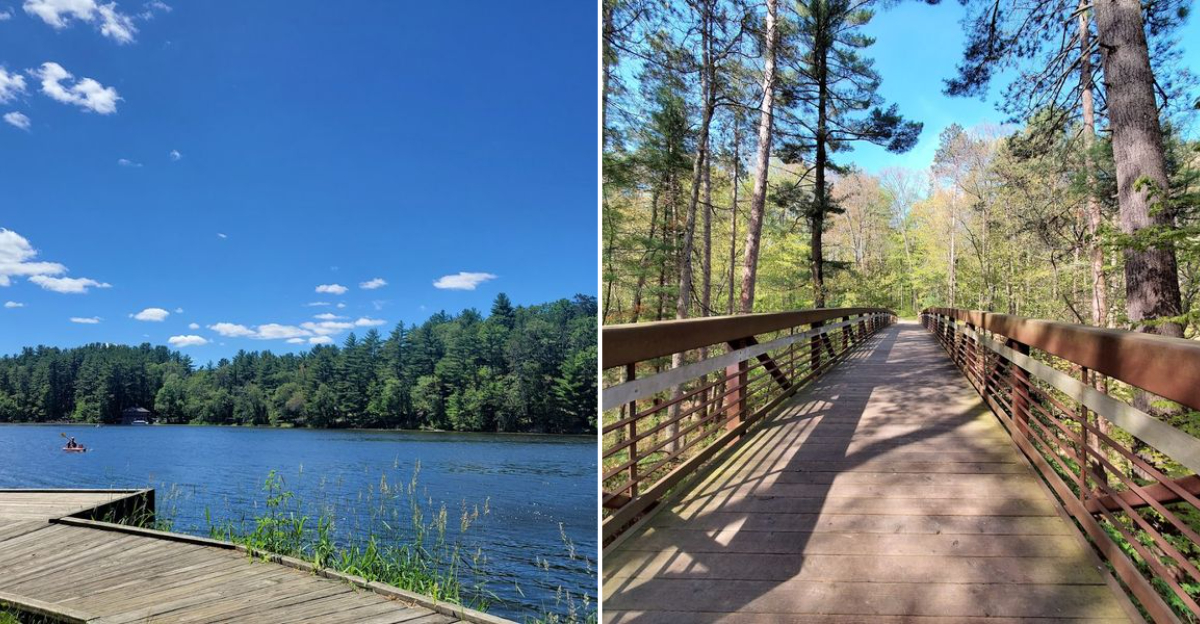
Getting here takes longer than most people expect, and every mile of that drive turns out to be completely justified. This lake in Wisconsin sits far enough from the nearest town to feel like a different world entirely once the engine goes quiet.
The surface stays calm through most mornings, the tree line runs unbroken around the shore, and the only sounds arriving consistently are the ones the lake produces itself.
Nature lovers who prioritize genuine solitude over convenient access tend to find exactly what they came for here.
Wisconsin has no shortage of lakes, but most of the well-known ones carry foot traffic that chips away at the experience over time. This one has stayed remote enough to preserve the kind of stillness that makes a weekend feel genuinely restorative.
Packing light and arriving with no particular agenda turns out to be the perfect approach every single time.
Flora And Fauna Around The Lake
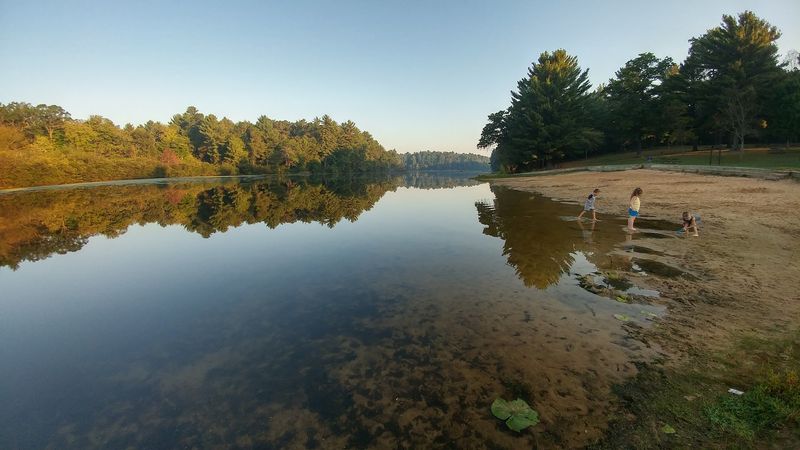
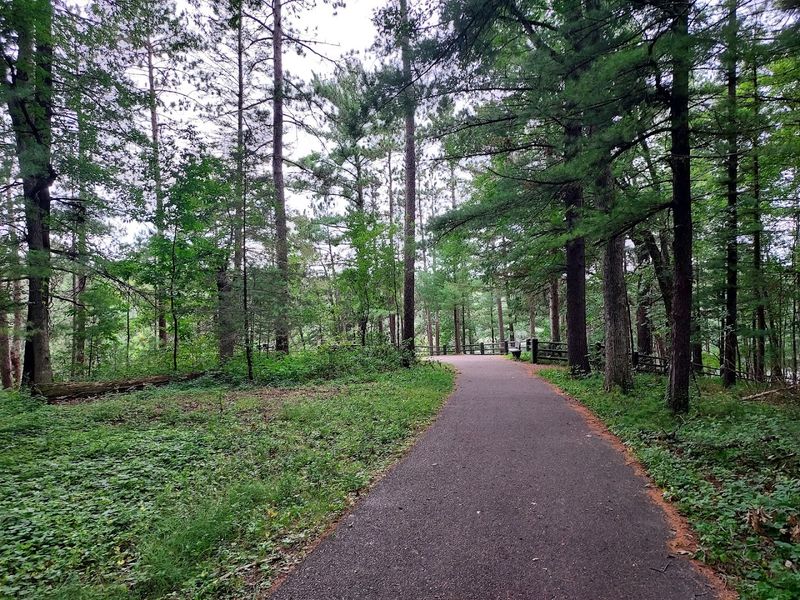
This lake and state park is basically a living nature documentary, and you get to walk through it for free. The park blends pine and oak woods, sandy prairies, shrubs, and wetland areas into one connected ecosystem.
Wildflowers pop up along the trails in spring and summer, adding color to an already stunning landscape.
The northwest corner holds the Mirror Lake Pine Oak Forest, a designated state natural area. It is one of the more ecologically significant spots in the park.
Old-growth pines tower over sandy ground, and the air smells incredible.
Deer are common visitors throughout the park. You might spot raccoons, chipmunks, squirrels, and muskrats near the water at dusk.
Beavers, mink, red foxes, cottontail rabbits, and coyotes also call this park home, though they tend to stay out of the spotlight.
The wetlands support a surprising variety of plant life, including cattails and native grasses. The shoreline vegetation helps keep the water calm and supports aquatic life below the surface.
Every season brings a fresh wave of blooms, colors, and wildlife activity that keeps the park feeling alive year-round.
You can find Mirror Lake State Park at E10320 Fern Dell Rd, Baraboo, WI 53913. The park is open daily from 6 AM to 11 PM and is well worth the drive.
Best Hiking Trails For Quiet Reflection
Mirror Lake State Park has over 28 miles of hiking trails, so you will not run out of places to wander. The trails range from flat and easy to moderately challenging, making the park accessible for most fitness levels.
Families with kids, solo hikers, and older adults all find something that works for them here.
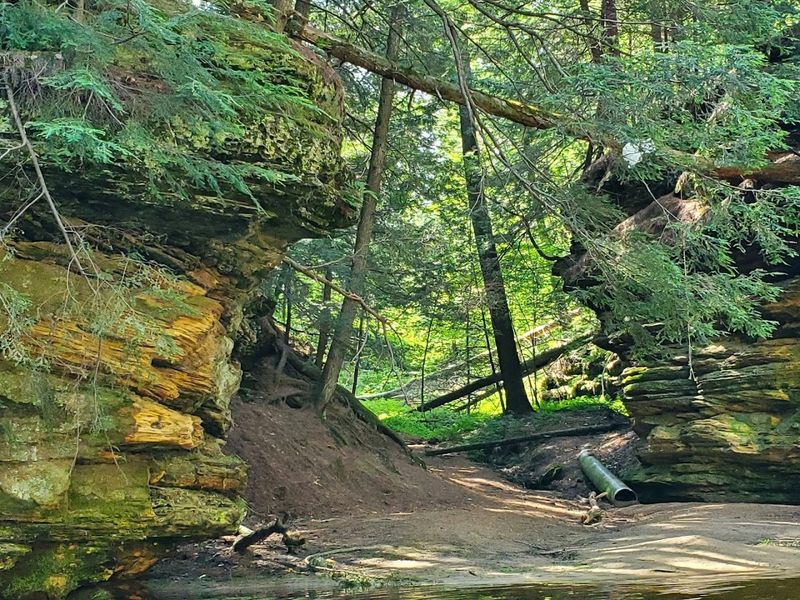
The Echo Rock Trail is one of the most popular routes. It winds past a fascinating sandstone rock formation and offers a short, satisfying loop.
Kids especially love this one because the rocks are interesting enough to spark curiosity without being dangerous.
The Ishnala Trail is a fan favorite for good reason. It moves through a mix of meadows, woodlands, and rocky terrain.
The variety keeps the walk engaging from start to finish, and the trail connects to some of the park’s most scenic viewpoints.
Newer additions include the Bluff Canyon and Lakeview Ridge Trails. Both offer elevated perspectives of the lake and the surrounding forest.
Lakeview Ridge especially delivers on its name with open views that reward every step of the climb.
Off-season hiking is genuinely underrated here. Trails are less crowded, the air is crisp, and the forest takes on a completely different character.
Good boots are a must in muddy or snowy conditions. Bring water, wear layers, and enjoy the silence that most people never get to experience at this park.
Birdwatching Opportunities Near The Water
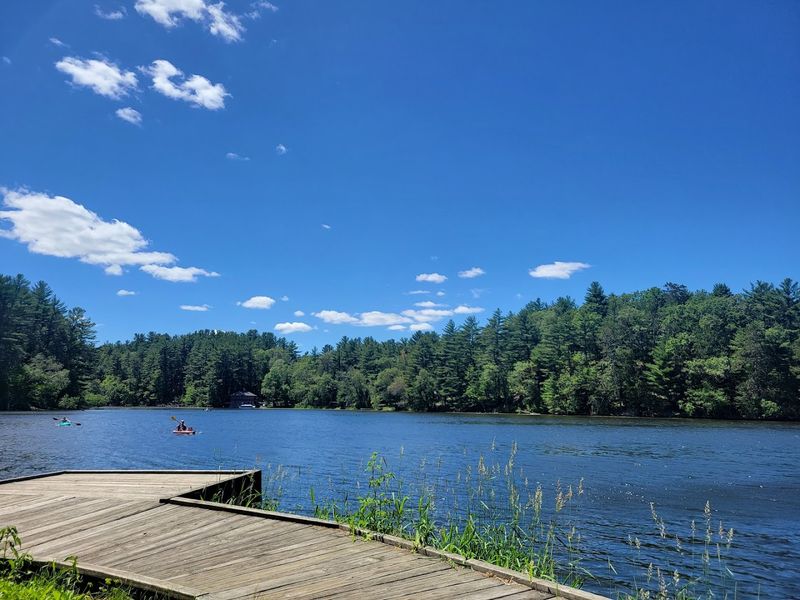
Birders, this park will not disappoint you. Mirror Lake State Park hosts a wide range of bird species across its varied habitats.
Marshes, open woodlands, lakeshore, fields, and valleys all attract different birds throughout the year.
Bald eagles have been spotted soaring over the lake. That alone is worth the trip for most wildlife enthusiasts.
Seeing one glide low over that mirror-smooth water is genuinely unforgettable. It is the kind of moment that makes you reach for your binoculars fast.
Songbirds fill the trees during spring migration. Warblers, thrushes, and sparrows move through in impressive numbers.
The park has hosted naturalist-led programs focused specifically on songbirds, which have been popular with visitors of all ages.
Waterfowl are common near the quieter coves and marshy edges of the lake. Herons stand motionless in shallow water, waiting patiently for fish.
Ducks and geese paddle along the surface in the early morning hours when the lake is at its calmest.
Early morning is the best time for birdwatching here. Bring binoculars, wear muted colors, and move quietly along the lakeshore trails.
The park’s no-wake rule keeps the lake undisturbed, which means birds are not constantly startled by boat noise. That calm environment makes Mirror Lake one of the better birdwatching destinations in the entire Baraboo Hills region.
Fishing Spots Away From The Crowds
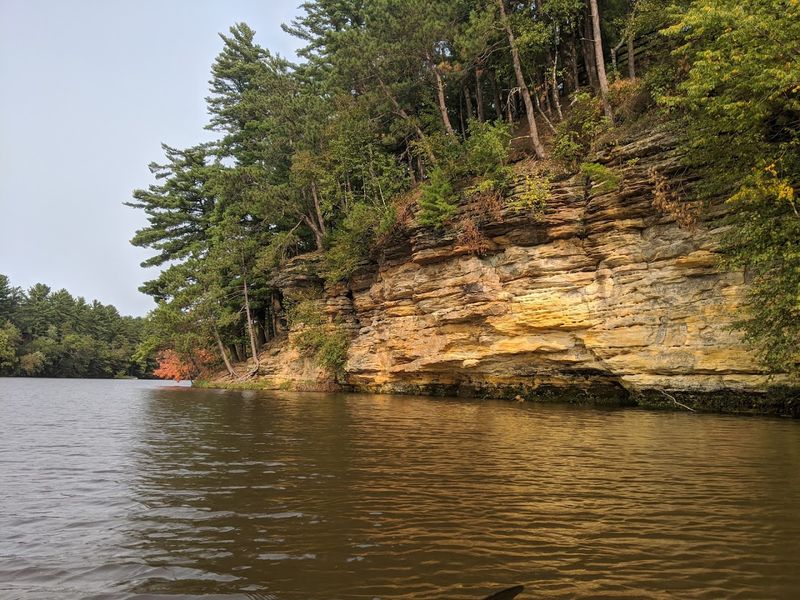
Fishing at Mirror Lake is a peaceful experience, even if the fish are not always cooperative. The lake has a trolling motors only rule, which keeps things quiet and manageable.
No roaring engines, no wake, just the sound of your line hitting the water.
The park has an accessible fishing pier that makes it easy for people of all abilities to cast a line. It is a solid spot to sit and wait, especially in the early morning when fish tend to be more active near the surface.
Bring a folding chair and some patience.
Shore fishing can be competitive since the lake sees regular pressure from local anglers. Early weekday mornings give you the best chance at finding a quiet stretch of bank to yourself.
Weekends and holidays bring more people, so plan accordingly if solitude is the goal.
Canoeing or kayaking to a less-visited cove is a smart move. The lake has several narrow fingers and quiet inlets that are harder to reach from shore.
Fishing from a kayak in one of those spots feels like having the whole park to yourself.
The park allows ice fishing in winter, which is a completely different kind of experience. The frozen lake becomes a social gathering spot for local anglers drilling holes and setting up small shelters.
It is surprisingly fun, even if you are a first-timer who has no idea what you are doing.
Camping Areas That Enhance The Natural Experience
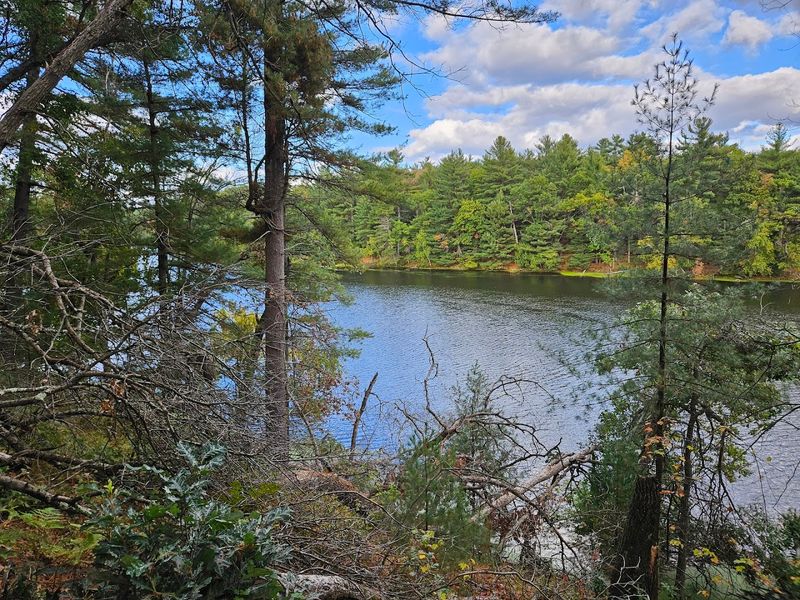
Camping at Mirror Lake State Park hits differently than most campgrounds. The park offers 151 family campsites spread across well-spaced, wooded areas.
Privacy between sites is genuinely good, especially compared to more crowded state parks in the region.
Forty-seven of the sites include electrical hookups, which makes things more comfortable for campers with trailers or those who need to charge devices. The non-electric sites are surrounded by more natural vegetation, giving them a more immersive feel.
Solar setups work well here for those who prefer off-grid camping.
Seven group campsites are also available for larger gatherings. These are great for family reunions, scout troops, or groups of friends who want to share the experience.
Reservations are required year-round, so plan ahead before you show up expecting a site.
The Seth Peterson Cottage is a unique option within the park. It was designed by Frank Lloyd Wright and is available for public rental.
Staying there is a genuinely rare opportunity to sleep inside a piece of American architectural history surrounded by Wisconsin wilderness.
Bathroom and shower facilities at the park are well-maintained and clean. Deer wandering through campsites at night is a regular occurrence and never gets old.
The campground is near a highway, so some noise is present, but most campers find it easy to tune out once the fire gets going.
Photography Tips For Capturing Pristine Scenery
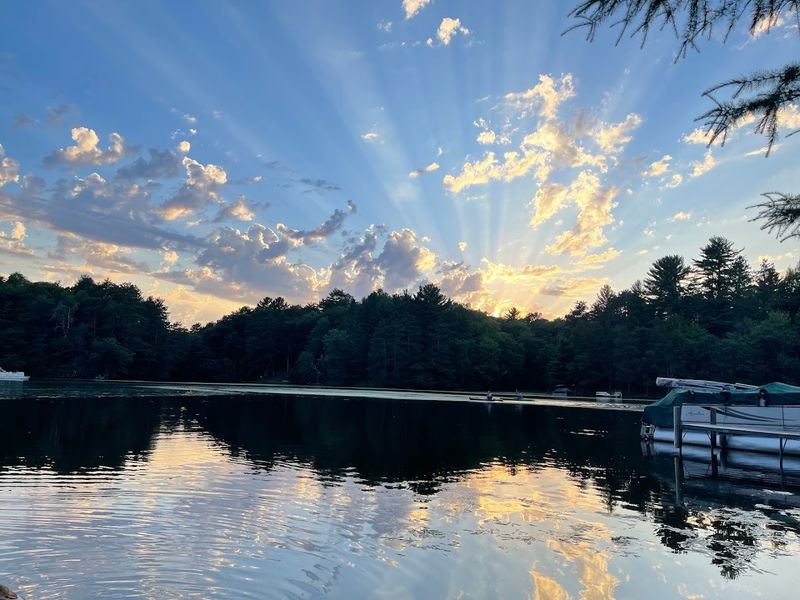
Mirror Lake earns its name every single morning. The no-wake rule keeps the surface glassy and calm, which creates perfect reflection shots of the sandstone bluffs and tree line.
Sunrise is the golden window for this kind of image, and it is absolutely worth setting an early alarm.
The sandstone bluffs rise to 50 feet along half the shoreline. They create dramatic vertical lines that contrast beautifully with the horizontal mirror of the water.
A wide-angle lens captures both the bluff and its reflection in one frame without feeling cramped.
Overcast days are underrated for photography here. Soft, diffused light reduces harsh shadows in the dense forest sections.
Colors look richer and more saturated under cloud cover, especially during fall when the foliage turns gold and amber.
Wildlife photography requires patience and stillness. Set up near the marshy edges of the lake at dawn or dusk.
Deer, herons, and muskrats are active during those windows and tend to ignore quiet observers who blend into the surroundings.
Winter photography at Mirror Lake is genuinely stunning. Snow-covered pines reflecting off icy water create a surreal, monochrome scene.
The park stays open in winter, and the lack of visitors means you often have entire viewpoints to yourself. Bring hand warmers, protect your gear from moisture, and enjoy having one of Wisconsin’s most photogenic landscapes all to yourself.
Seasonal Changes And Their Impact On The Landscape
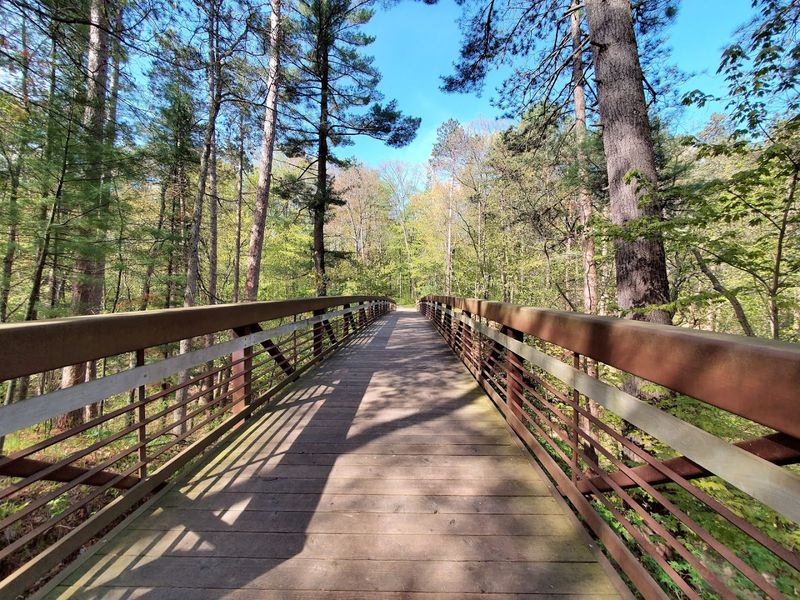
Every season, this spot brings a completely different version of the same place. Spring arrives with wildflowers along the trails and migrating birds filling the trees with sound.
The lake thaws gradually, and the shoreline vegetation comes back to life in vivid green waves.
Summer is the busiest season, and for good reason. The beach opens for swimming, kayak and canoe rentals become available, and the trails are lush and fully accessible.
Algae can appear on the lake surface during hot, humid stretches, particularly in late summer. It is worth checking conditions before planning a swim.
Fall is the season that turns casual visitors into repeat guests. The oak and maple trees surrounding the lake shift into warm oranges, reds, and yellows.
Those colors reflecting off the calm water create scenes that look almost too perfect to be real. The second week of October is particularly striking for foliage.
Winter transforms the park into a quiet, snow-covered retreat. Groomed cross-country ski trails stretch 17.4 miles through the forest.
Snowshoeing along the lake edges and ice fishing on the frozen surface keep the park active even in the coldest months.
Off-season visits are genuinely recommended for anyone who wants to avoid crowds. Fewer people mean more wildlife sightings, quieter trails, and a deeper connection to the natural rhythms of this remarkable Wisconsin landscape.
Wildlife Viewing Safety And Etiquette
Seeing a deer walk through your campsite at night is one of the best parts of visiting Mirror Lake State Park. The wildlife here is abundant and surprisingly comfortable around people.
That comfort is a privilege, not an invitation to get closer than you should.
Keep a safe distance from all wildlife, including deer, foxes, and raccoons. Feeding animals is harmful and prohibited in state parks.
Human food disrupts their natural diet and causes them to become dependent on visitors, which creates problems for both animals and future guests.
Coyotes are present in the park and are generally not a threat if left alone. Keep pets on leashes at all times and do not let small animals wander near wooded edges at dawn or dusk.
Beavers and mink near the water are fascinating to observe but do not appreciate being cornered or chased.
Move quietly on trails to increase your chances of wildlife encounters. Loud groups tend to push animals deeper into the forest before you ever see them.
Slow down, look ahead, and listen. You will notice far more when you are not broadcasting your presence.
Bats are active at dusk around the lake and are extremely beneficial to the ecosystem. Resist the urge to swat at them.
They are eating mosquitoes on your behalf, which is a service you should genuinely appreciate during a humid Wisconsin summer evening.