
This Fairytale Road Trip Takes You To 11 Of Massachusetts’s Most Magical Places
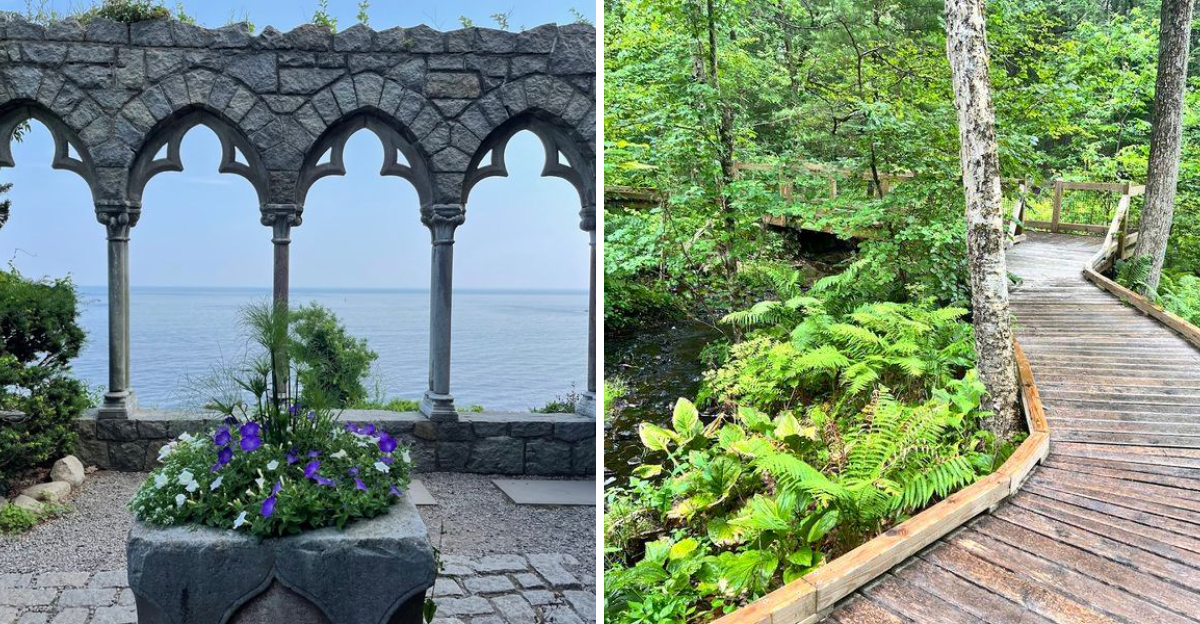
A great road trip should feel like turning the pages of a storybook, with each stop adding a new little surprise. Massachusetts has the kind of places that make that feeling easy to find.
Grand gardens, charming bridges, historic estates, coastal views, waterfalls, and colorful corners create a route that feels wonderfully different at every turn.
This journey brings together destinations that are romantic, playful, peaceful, and a little magical in their own way.
A stroll through blooming landscapes can be followed by a visit to a castle-like landmark overlooking the water. It is a fun way to see the state through a softer, dreamier lens.
Bring your sense of curiosity and enjoy a road trip filled with memorable scenery, fascinating history, and plenty of photo-worthy moments.
1. Bash Bish Falls, Mount Washington, Berkshires
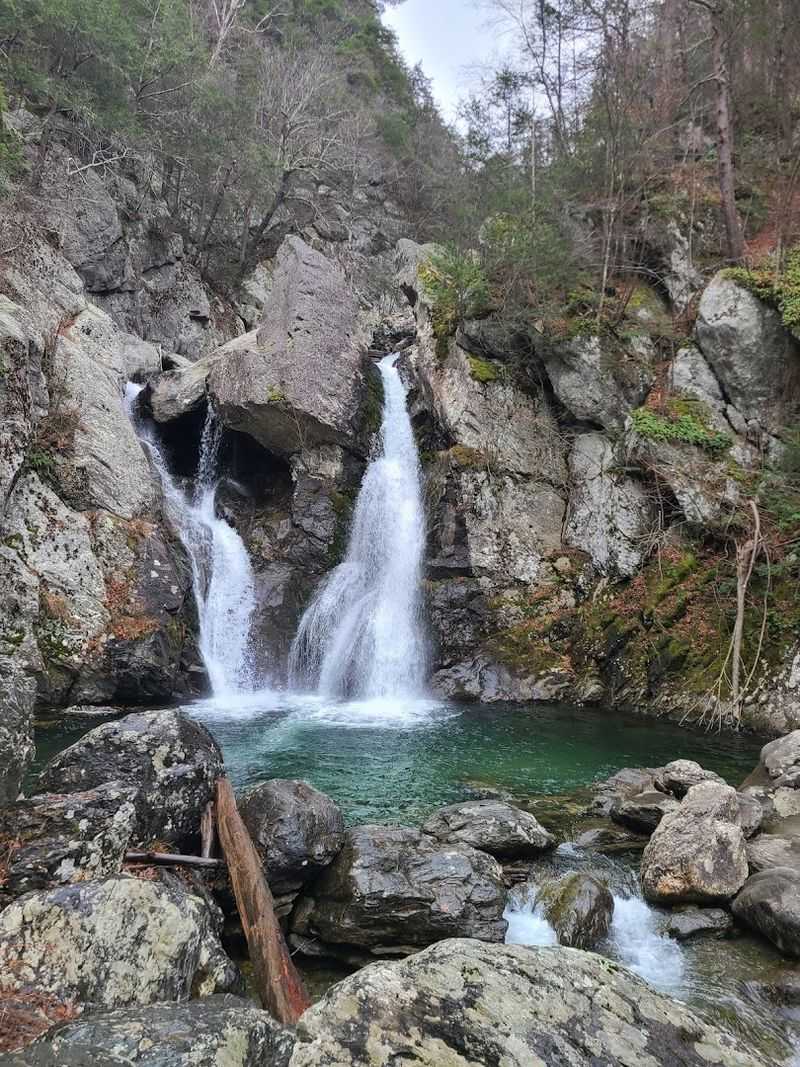
Few waterfalls in New England carry the kind of raw, mythic energy that hits you the moment you round the final bend of the trail at Bash Bish Falls.
Located in Mount Washington, deep in the Berkshires of western Massachusetts, this is the state’s highest single-drop waterfall, and it earns that title dramatically.
Twin streams split around a central boulder and plunge together into a deep, glittering pool ringed by hemlocks and granite. The gorge amplifies every sound, turning the rush of water into something almost orchestral.
A Mohican legend involving a woman named Bash Bish adds a haunting layer to the atmosphere that no guidebook can fully prepare you for. Swimming is not permitted here for safety reasons, but standing at the rocky viewing area and watching the water fall is more than enough.
The trailhead sits close to the New York border, roughly two and a half hours west of Boston, making it a worthy anchor for a Berkshires road trip.
Come in late spring when snowmelt pushes the falls to their most powerful, and the forest around them is still that electric shade of new green that only lasts a week or two.
2. Santarella, The Gingerbread House, Tyringham, Berkshires
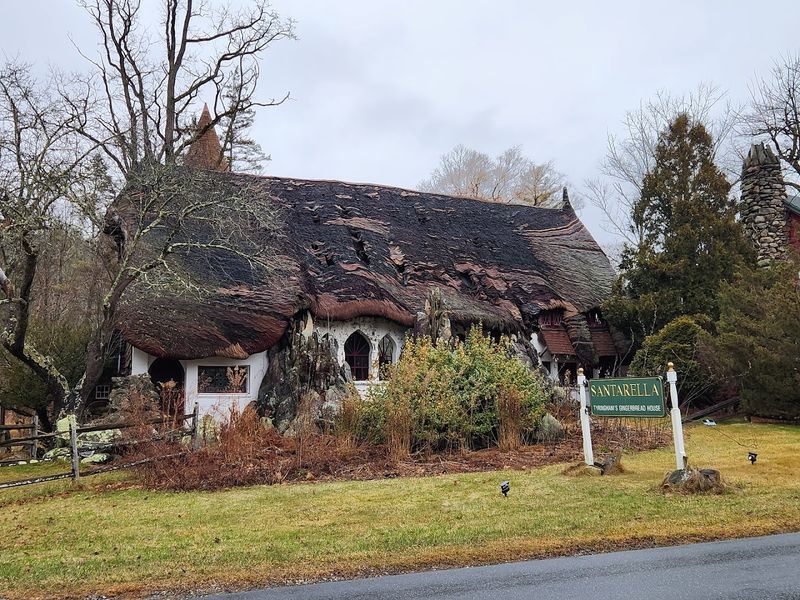
There is a building in the small Berkshire village of Tyringham that looks less like an architect designed it and more like a giant reached down and shaped it from clay on a whim.
Santarella, often called the Gingerbread House, was built in 1929 as a studio for artist Henry Hudson Kitson, and its undulating grass roof is unlike anything else standing in Massachusetts.
The roofline rolls and dips like a wave frozen mid-motion, covered in living turf and draped over walls of rough stone. Colorful stained-glass windows and intricate shingling complete the picture of a place that belongs firmly in a fairy tale.
Today, Santarella operates as a unique lodging destination, offering stays in converted studio spaces including the Silo Studio Cottage and the Grand Silo Tower.
The property also features tranquil Japanese-themed gardens with a lily pond, a babbling brook, and winding paths through the surrounding meadow.
Tyringham itself is one of the quietest, least-visited villages in the Berkshires, which makes the surprise of stumbling upon this estate even more delightful.
Visiting here feels like a reward you did not know you were working toward, and leaving feels genuinely difficult.
3. Bridge Of Flowers, Shelburne Falls, Franklin County
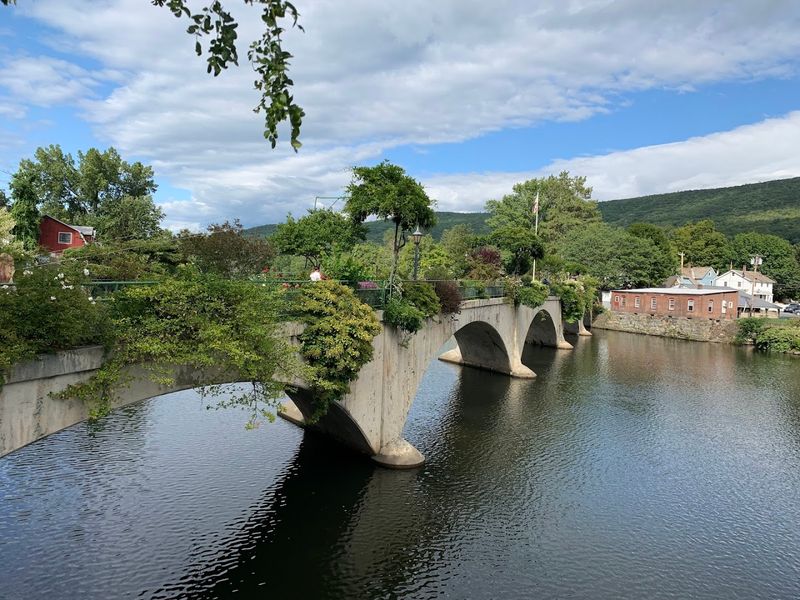
Somewhere between practical infrastructure and pure poetry sits the Bridge of Flowers in Shelburne Falls, Franklin County, and it leans hard toward the poetry side.
What began as an old trolley bridge spanning the Deerfield River was transformed in 1929 by local volunteers into a 400-foot-long walking garden, and it has been blooming ever since.
Wisteria, roses, asters, dahlias, and dozens of other species rotate through the growing season, meaning the bridge looks different every month from April through October. The whole thing is free to walk across, which somehow makes it feel even more generous.
Just downstream, the river has carved over fifty glacial potholes into the bedrock, ranging from six inches to an astonishing thirty-nine feet in diameter. These swirling stone bowls add a geological wonder to what is already a visually overwhelming stretch of riverbank.
Shelburne Falls is a small, artsy town worth at least half a day of wandering on its own.
The bridge is maintained entirely by volunteers, which gives every visit a quiet sense of community pride you can almost feel underfoot as you walk from one blooming arch to the next.
4. Quabbin Reservoir, Belchertown And Ware
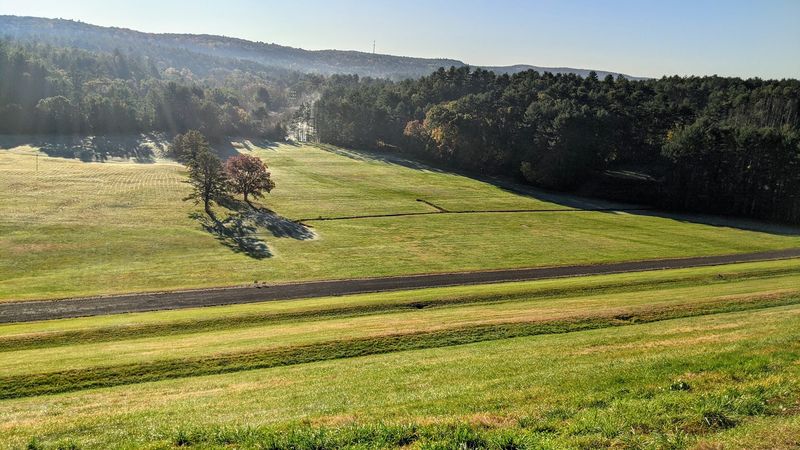
The story behind Quabbin Reservoir is one of the strangest and most haunting in all of New England. In the 1930s, four Massachusetts towns, Dana, Enfield, Greenwich, and Prescott, were deliberately flooded to create a massive water supply for Boston.
The residents were relocated, the buildings razed, and the Swift River Valley filled with water over several years.
What remains today is a 39-square-mile reservoir of almost eerie stillness, straddling the towns of Belchertown and Ware in central Massachusetts.
On misty mornings, old stone walls and cellar holes from the submerged towns occasionally surface near the water’s edge, giving the landscape a quietly ghostly quality.
Bald eagles have made Quabbin one of their primary nesting grounds in the Northeast, and spotting one riding a thermal over the water is a genuinely thrilling sight. The surrounding protected land also shelters moose, fishers, and wild turkeys.
Access points around the reservoir offer hiking trails, fishing spots, and panoramic views across the water. There are no motorboats allowed, which keeps the surface mirror-smooth and the atmosphere contemplative.
Quabbin rewards patience, and those who arrive early on a foggy morning will see a landscape that feels like it exists slightly outside of ordinary time.
5. Redemption Rock, Princeton, Worcester County
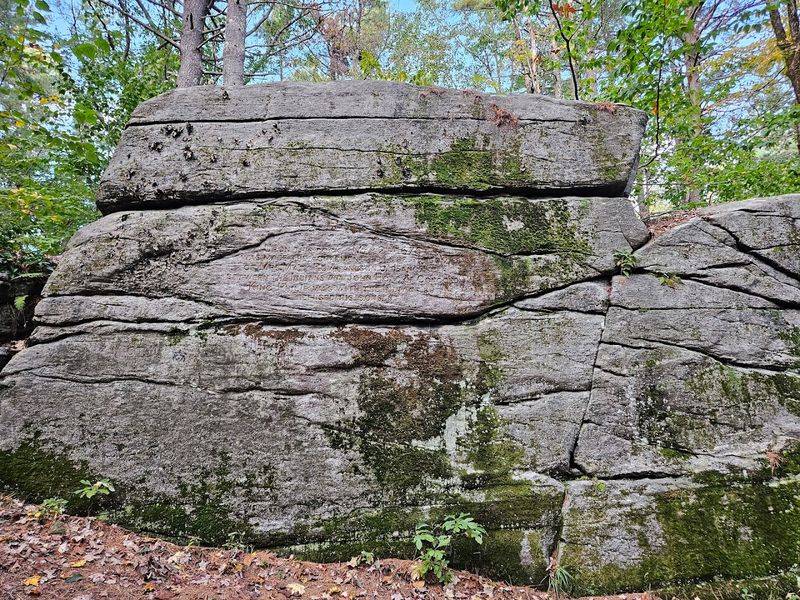
History has a way of soaking into stone, and nowhere in Massachusetts is that more palpable than at Redemption Rock in Princeton, Worcester County.
This enormous glacial boulder sitting in the forest is where colonial captive Mary Rowlandson was ransomed and freed by Wampanoag leader Metacom in 1676.
The rock itself is massive, broad-shouldered, and draped in moss, the kind of geological feature that commands attention even before you know its story. Once you know the story, it becomes almost impossible to look at it neutrally.
Rowlandson later wrote a detailed account of her captivity that became one of the first bestselling books in American colonial history. Standing at the rock, you are standing at the precise location where one of those chapters ended, and the weight of that is real.
The site is maintained as a public reservation by The Trustees of Reservations.
A short walk through the surrounding forest brings you to the rock, and there is a small interpretive sign to orient you.
Princeton itself is a quiet hilltop town with sweeping views of the surrounding Worcester County landscape, making the drive there part of the reward. Few spots in the state carry this much layered meaning in such a compact space.
6. Purgatory Chasm, Sutton, Worcester County
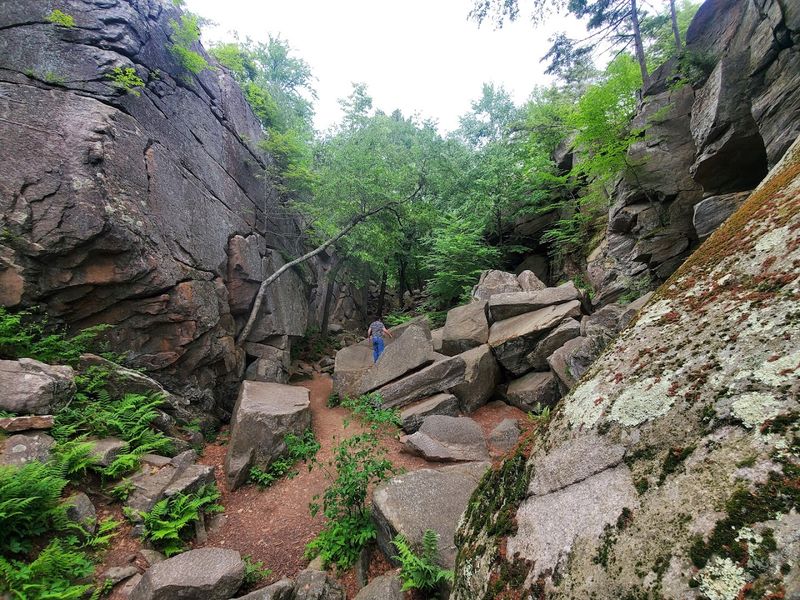
Purgatory Chasm State Reservation in Sutton is the kind of place that makes you stop mid-sentence and just stare.
A quarter-mile crack in the earth, formed when glacial meltwater tore through the bedrock roughly fourteen thousand years ago, left behind a canyon of colossal granite boulders stacked at wild angles.
The passages between them have names that perfectly capture the experience: Devil’s Coffin, Fat Man’s Misery, Lovers’ Leap.
Scrambling through these narrow slots, squeezing past boulders the size of small houses, feels less like a hike and more like a puzzle the landscape is daring you to solve.
The main chasm trail runs about a third of a mile, but the terrain makes it feel much longer and more adventurous than that distance suggests. Sturdy footwear is genuinely important here since the footing is uneven and some of the boulder climbs require using your hands.
Surrounding the chasm, quieter forest trails wind through the broader reservation for those who want a calmer experience. Purgatory Chasm is popular with families and rock-climbing enthusiasts alike, and it gets busy on summer weekends.
Arriving early on a weekday morning gives you the best chance of having the boulders mostly to yourself, which is when the place feels most dramatically, wonderfully strange.
7. Garden In The Woods, Framingham
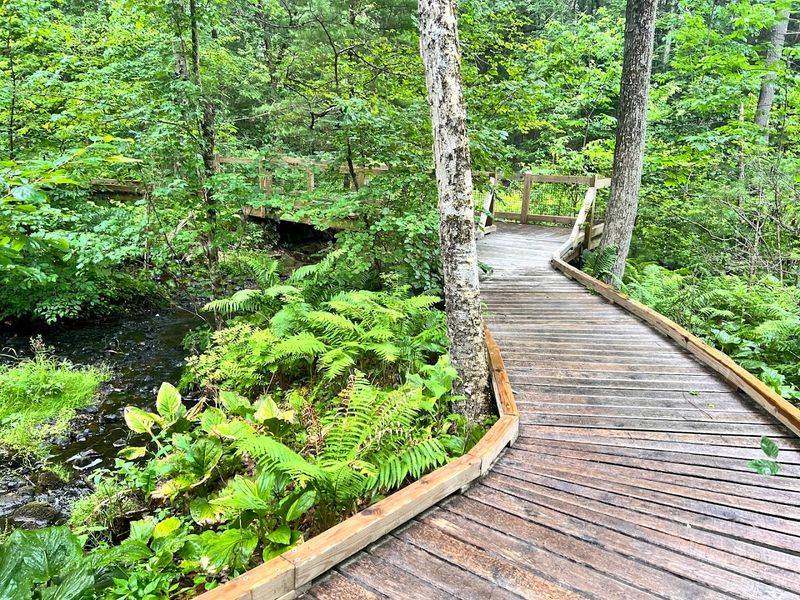
Not every magical place announces itself with a waterfall or a castle.
Sometimes magic looks like a pitcher plant bog catching the morning light while a wood thrush calls from somewhere in the canopy above.
Garden in the Woods in Framingham is a 45-acre native plant sanctuary managed by the Native Plant Trust. It is one of the most quietly extraordinary botanical gardens in the entire Northeast.
Over 1,000 native plant species grow along the winding paths here, organized into habitats that range from dry pine barrens to shaded fern glades to open wildflower meadows. The diversity is remarkable, and the planting feels intentional without ever feeling stiff or manicured.
Spring is the peak season for wildflower blooms, with trilliums, lady slippers, and bloodroot putting on a show that draws botanists and casual visitors alike. Summer shifts the display toward meadow grasses and tall native perennials that buzz with pollinators.
The garden opens seasonally, generally from mid-April through October, and admission is charged. Framingham is conveniently located about twenty miles west of Boston, making this an easy half-day trip from the city.
For anyone who thinks botanical gardens are just rows of labeled plants behind fences, Garden in the Woods will gently and thoroughly change that assumption from the first bend in the trail.
8. Dogtown Common, Gloucester, Cape Ann
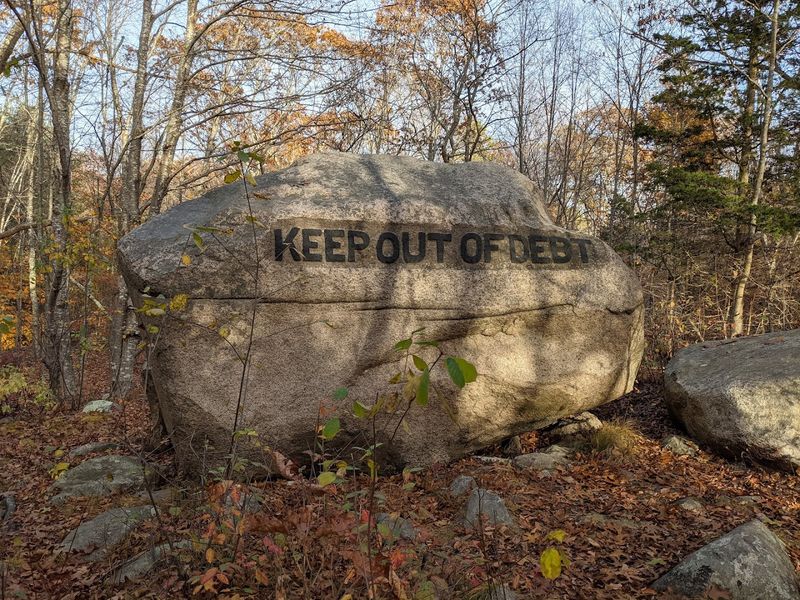
Gloucester is famous for its fishing harbor and its ocean-facing granite coastline, but the interior of Cape Ann holds a completely different kind of strangeness. Dogtown Common is a ghost town in the woods, and it earns that description without any exaggeration.
The settlement was established in the early 1700s and reached its peak during the colonial period. After the War of 1812 disrupted the local economy, residents gradually left, and by the mid-1800s, the village was fully abandoned.
What remains today are cellar holes, old stone foundations, and overgrown lanes threading through second-growth forest.
What makes Dogtown truly unforgettable, though, are the boulders.
During the Great Depression, a local businessman hired unemployed stonecutters to carve motivational words and phrases into the largest glacial erratics scattered across the common.
Words like Work, Truth, Initiative, and Be On Time now emerge from the moss on boulders the size of cars, creating a surreal open-air gallery that feels both inspiring and deeply eerie.
The trails here are unmarked in places, so a downloaded map is worth having before you set out.
Dogtown rewards explorers who do not mind a little uncertainty underfoot, and it offers a side of Gloucester that most day-trippers never see, which makes finding it feel like a genuine discovery.
9. Hammond Castle, Gloucester
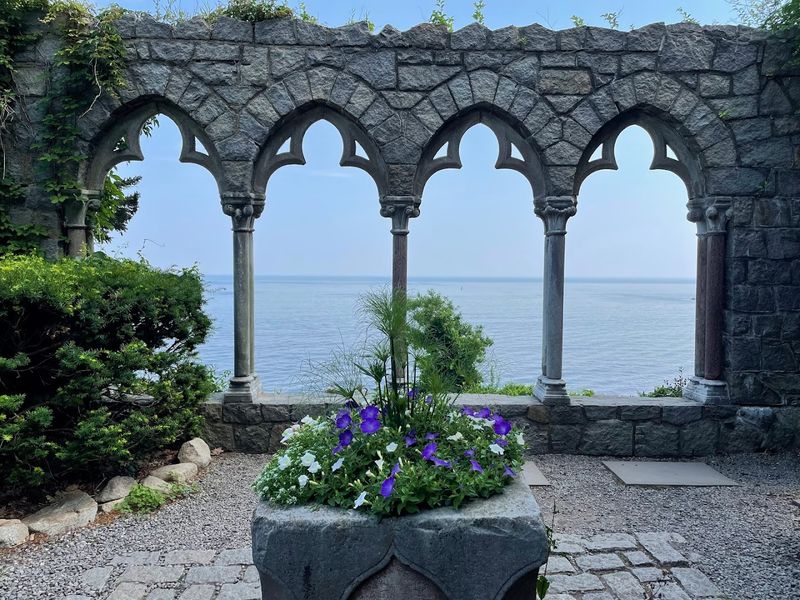
If you told someone that a fully functional medieval castle sits on the ocean cliffs of Gloucester, they would probably assume you were describing a movie set. Hammond Castle is entirely real, and it is one of the most genuinely eccentric buildings in all of New England.
Inventor John Hays Hammond Jr. built it between 1926 and 1929 as both his personal residence and a showcase for his remarkable collection of Roman, Renaissance, and Medieval artifacts.
Hammond held over 800 patents, second only to Thomas Edison at the time, and he poured that creative restlessness into every corner of the castle.
Inside, visitors can explore rooms filled with authentic European sculptures, tapestries, and architectural salvage from actual medieval structures. The centerpiece is a 10,000-pipe organ that Hammond designed himself, still one of the largest residential organs ever built.
Secret passages, a drawbridge, and an indoor courtyard with a pool add layers of drama to every visit.
Portions of the castle grounds, including arches, a lookout tower, and the drawbridge area, are free to explore. Full interior tours are available seasonally and are worth every minute.
Perched above the churning Atlantic with towers rising against the sky, Hammond Castle delivers an over-the-top spectacle that Massachusetts does not usually advertise but absolutely should.
10. Halibut Point State Park, Rockport, Cape Ann
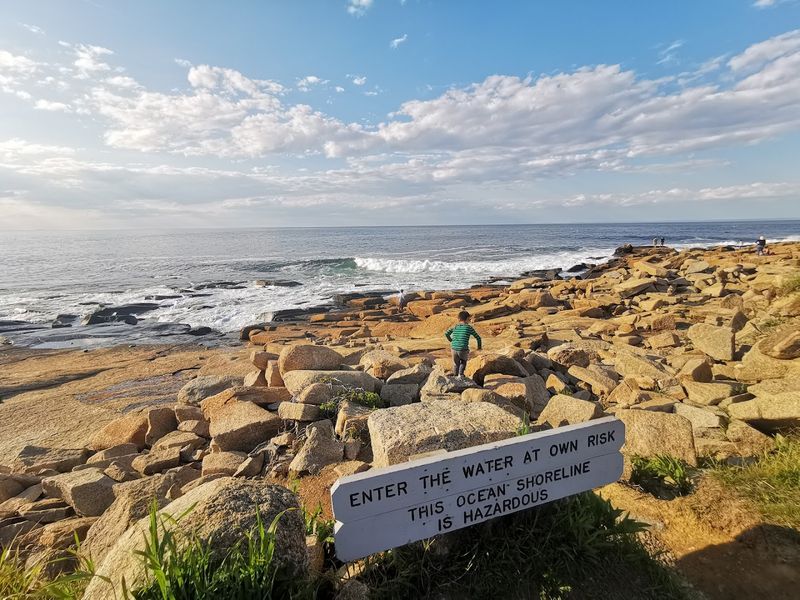
At the very tip of Cape Ann, where the land runs out of ideas and the Atlantic takes over, Halibut Point State Park in Rockport offers one of the most visually striking landscapes in Massachusetts.
The park sits on a former granite quarry that operated from the mid-1800s until 1929, and the flooded quarry pit that remains is one of the most unexpected swimming holes in the state.
Dark, still water fills the old quarry bowl, surrounded by smooth ledges of pale granite that slope into the depths. Beyond the quarry, the coastline opens onto massive tumbled boulders and tide pools that stretch to the water’s edge.
On a clear day, standing at the ocean-facing edge of the park, you can see the coastlines of New Hampshire and Maine stretching away to the north.
That view alone justifies the drive, but the park also offers a short interpretive trail through the old quarry grounds with information about the granite industry that once shaped this entire region.
The park is open year-round, and the off-season visits have their own appeal, particularly in winter when the surf crashes over the boulders with real force.
Sunrise at Halibut Point, with the quarry reflecting the first light and the ocean glittering beyond the rocks, is the kind of scene that stays with you long after the drive home.
11. Crane Beach At Dusk, Ipswich, North Shore
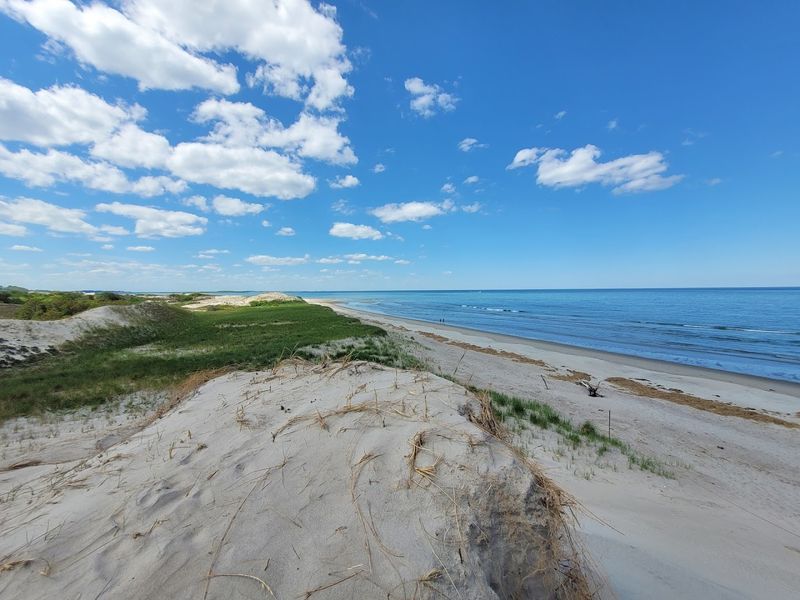
Most beaches reveal their best selves at noon with the sun overhead and the water sparkling. Crane Beach in Ipswich, on Massachusetts’s North Shore, saves its finest performance for the end of the day, when the light goes gold and the crowds thin to almost nothing.
Four miles of undeveloped Atlantic shoreline stretch along the Ipswich Bay, backed by the highest coastal dunes in New England, some rising over fifty feet above the sand.
Behind the dunes, a 1,200-acre barrier beach reservation protects one of the most ecologically intact coastal systems remaining on the entire Eastern Seaboard.
In summer, greenhead flies are notoriously aggressive here during daytime hours from mid-July through mid-August. But as the sun drops toward the horizon in the evening, they disappear almost entirely, leaving the beach to anyone patient enough to wait them out.
The reward is a stretch of wild Atlantic shoreline in golden light that feels genuinely private.
The Crane Estate, a historic mansion set on the hill above the beach, adds a layer of grandeur to the surrounding landscape that makes the whole scene feel almost theatrical. Parking fees apply during the main season, but the Trustees of Reservations manage the property with care.
Watching the last light fade over the dunes at Crane Beach is one of those experiences that resets something quiet inside you.