
This Ancient Wisconsin Forest Is Home To Some Of The State’s Oldest Trees
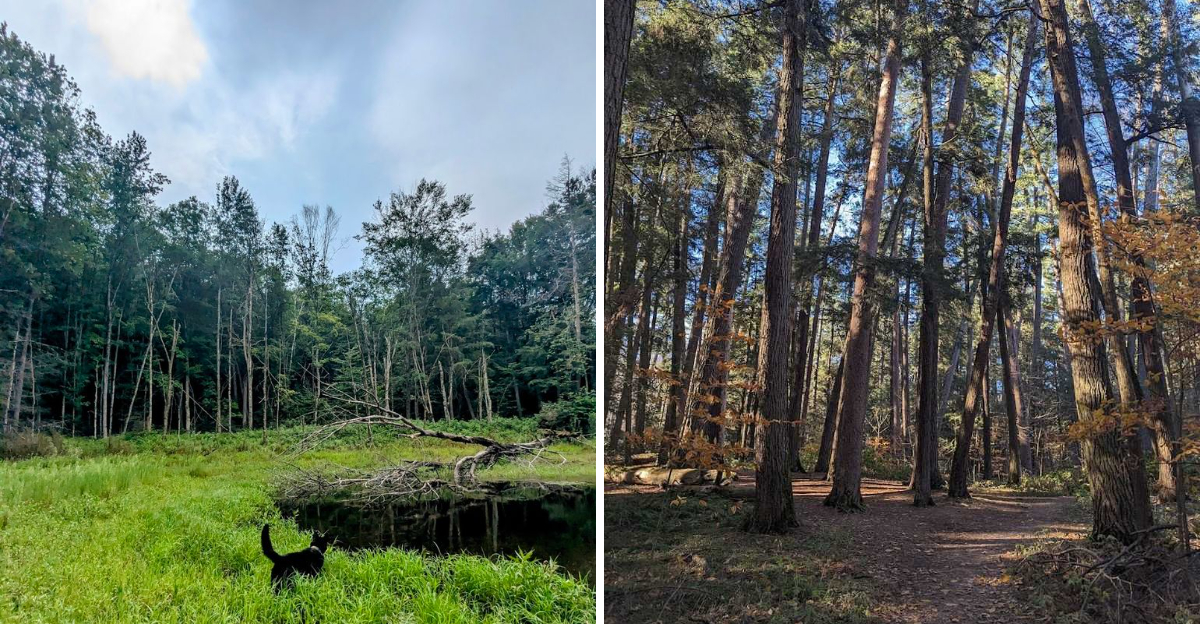
A forest can feel older than the road that brought you there. Near northern Wisconsin’s quiet lake country, towering pines rise so high they make voices drop without anyone asking.
These giants have stood through harsh winters, logging booms, and nearly three centuries of change, yet the place still feels calm and untouched. Sunlight slips through the branches in soft streaks, and the trail feels more like a slow walk through living history than a quick nature stop.
The mood is peaceful, almost reverent, with trees forming a ceiling far above your head. For anyone who loves old forests, quiet paths, and places with real presence, this Wisconsin preserve is worth slowing down for.
It Protects One Of Wisconsin’s Finest Old-Growth Pine-Hemlock Stands
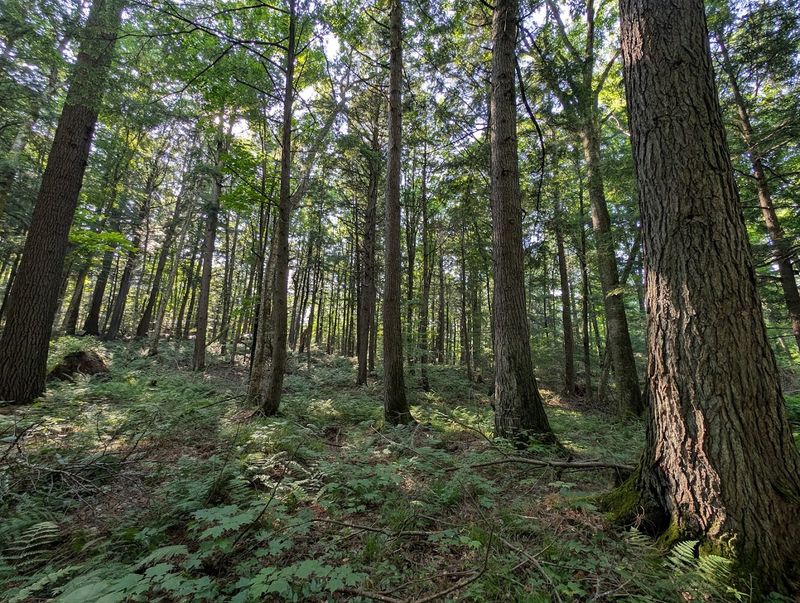
Finding an intact old-growth forest in Wisconsin requires patience and a bit of luck. Cathedral Pines preserves one of the state’s most impressive examples of what the northern landscape looked like before industrial logging transformed the region.
The combination of white pine and hemlock creates a forest structure rarely seen today.
Walking through this stand feels like stepping backward in time. The trees grow so close and tall that they form a natural ceiling overhead, blocking much of the sunlight and creating cool, dim conditions on the forest floor.
The ecological value extends beyond just the trees themselves.
Birds, mammals, and countless insects depend on the specific habitat that old-growth forests provide. Dead standing trees and fallen logs support fungi and insects that younger forests cannot sustain.
This small tract serves as a living laboratory for scientists studying forest succession and ecology in the Great Lakes region.
Some Of The White Pines Began Growing In The 1730s
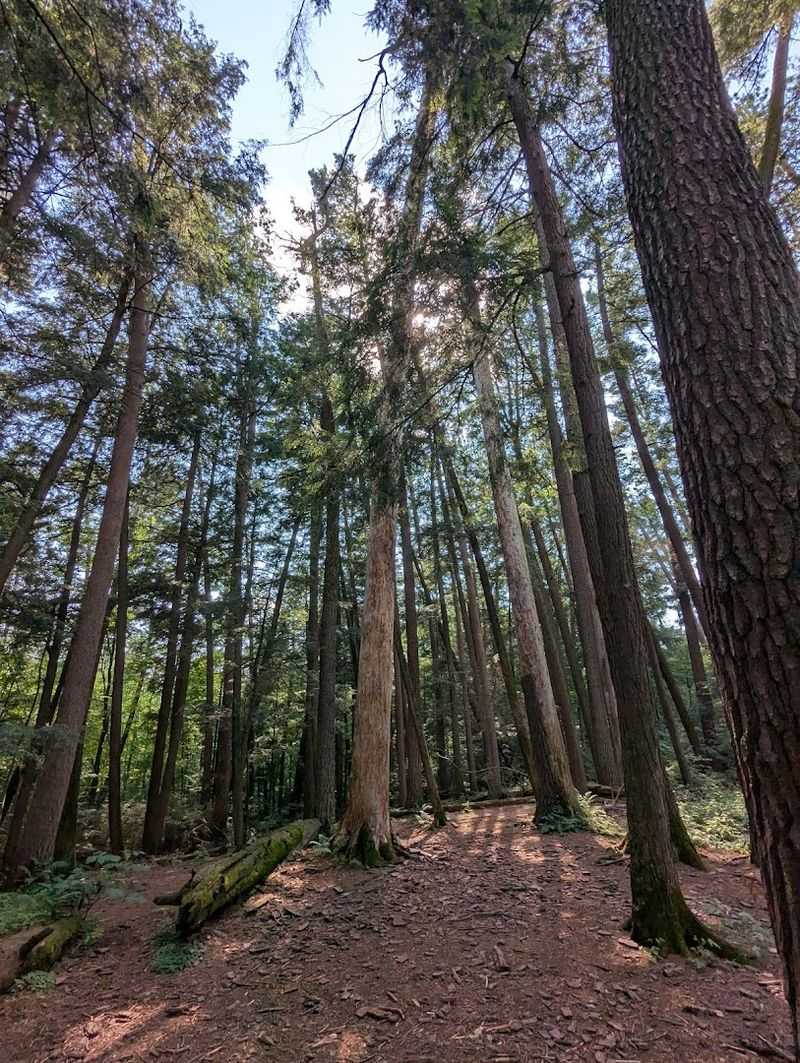
The oldest trees at Cathedral Pines started life when Wisconsin was still unmapped wilderness controlled by Native American tribes. These white pines germinated in the 1730s, decades before the American Revolution.
Standing beside one of these giants puts human history into humbling perspective.
Tree ring studies have confirmed the remarkable age of several specimens in the preserve. A tree that began growing in 1730 has survived nearly 300 years of storms, droughts, fires, and human activity.
The fact that these particular trees escaped the saw speaks to both fortunate geography and deliberate preservation.
Age brings more than just height to these pines. Their massive trunks, sometimes exceeding four feet in diameter, support ecosystems of their own.
Bark crevices shelter insects and spiders, while the upper branches provide nesting sites for birds that prefer the security of extreme height and old forest structure.
The Forest Sits Inside Chequamegon-Nicolet National Forest
Cathedral Pines occupies a small but significant spot within the much larger Chequamegon-Nicolet National Forest. This national forest spans over 1.5 million acres across northern Wisconsin, offering endless opportunities for recreation and wildlife observation.
The preserve represents just a tiny fraction of that vast landscape.
The surrounding national forest provides a protective buffer around Cathedral Pines. Without this larger conservation area, the old-growth stand would face more pressure from development and fragmentation.
The national forest designation ensures that the land around the preserve remains forested and relatively undisturbed.
Visitors can combine a trip to Cathedral Pines with exploration of the broader national forest. Hiking trails, fishing lakes, and camping areas spread throughout the region.
The forest road leading to the preserve, Cathedral Drive near Lakewood, cuts through beautiful secondary forest that shows what the landscape looks like after decades of recovery from logging.
Towering White Pines Give The Area Its Cathedral-Like Feel
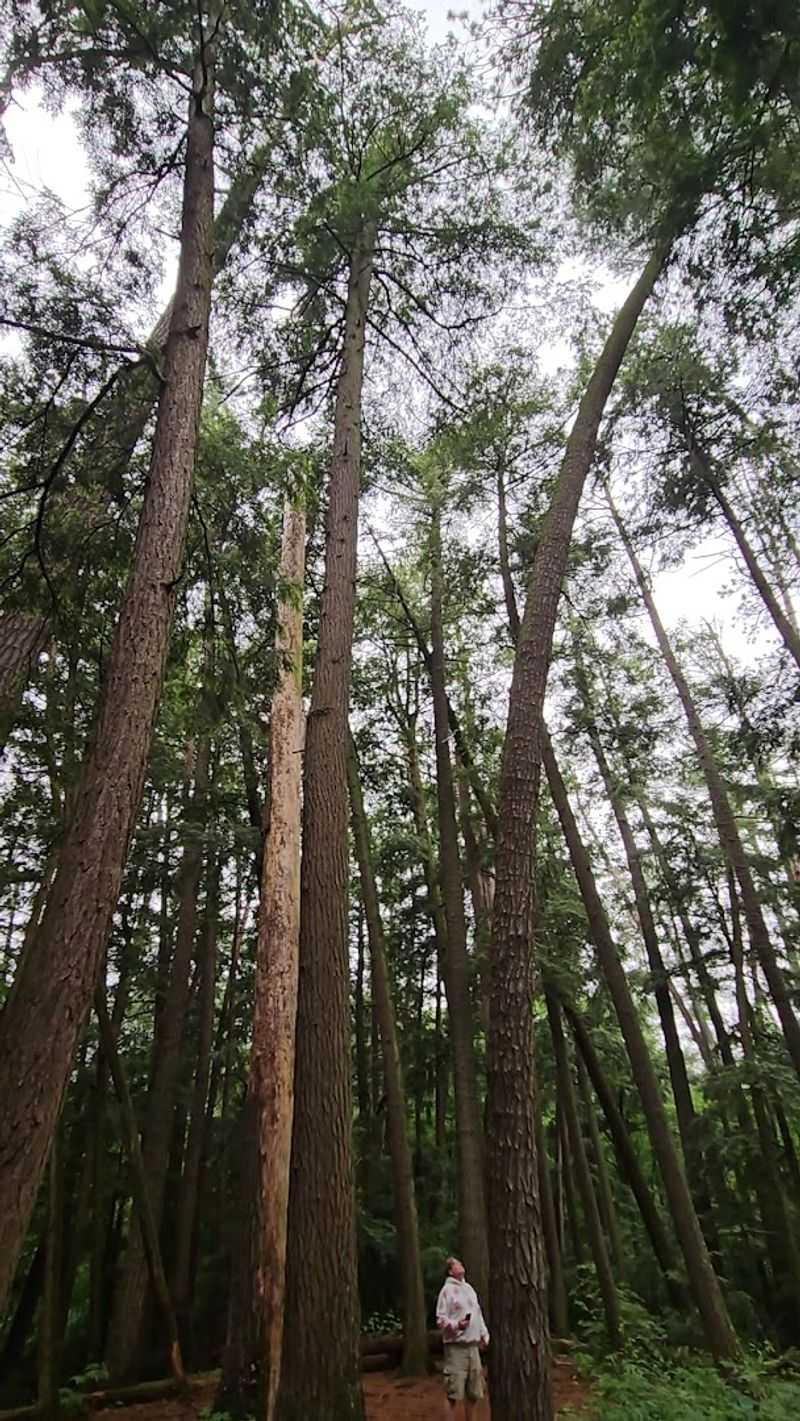
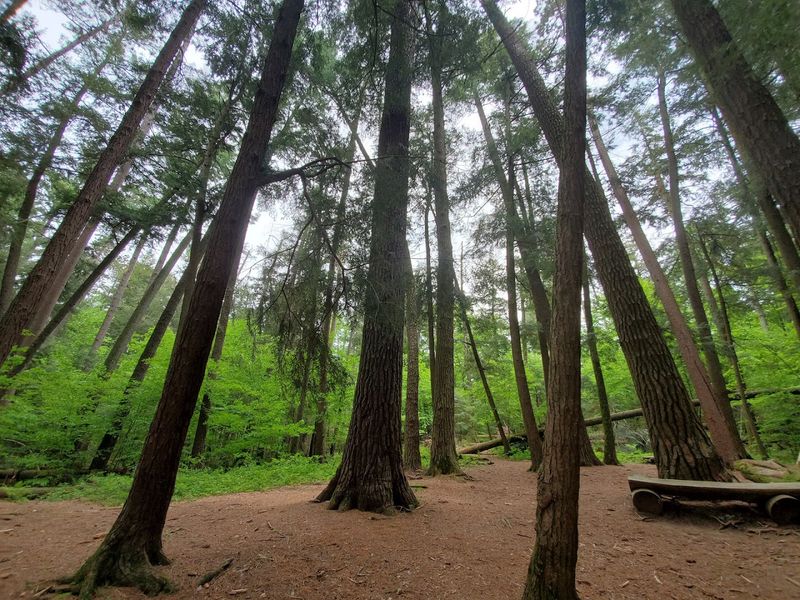
The name Cathedral Pines captures the emotional experience of walking through this forest. White pines soar upward like the columns of a Gothic cathedral, their branches forming a vaulted ceiling high overhead.
The comparison goes beyond simple aesthetics to include the sense of quiet reverence that visitors often report.
Light filters down through the canopy in soft, diffused beams that shift throughout the day. The vertical lines of the tree trunks draw the eye upward, creating a natural sense of awe.
Sound behaves differently here too, with voices and footsteps seeming hushed by the thick bark and soft forest floor.
This architectural quality comes from the way old-growth pines develop. Young pine forests look cluttered and chaotic, but mature stands self-thin over centuries.
Weaker trees die off, leaving only the strongest specimens spaced at intervals that allow each tree to reach its full potential. The result resembles intentional design rather than random growth.
The Short Trail Makes The Ancient Forest Easy To Experience
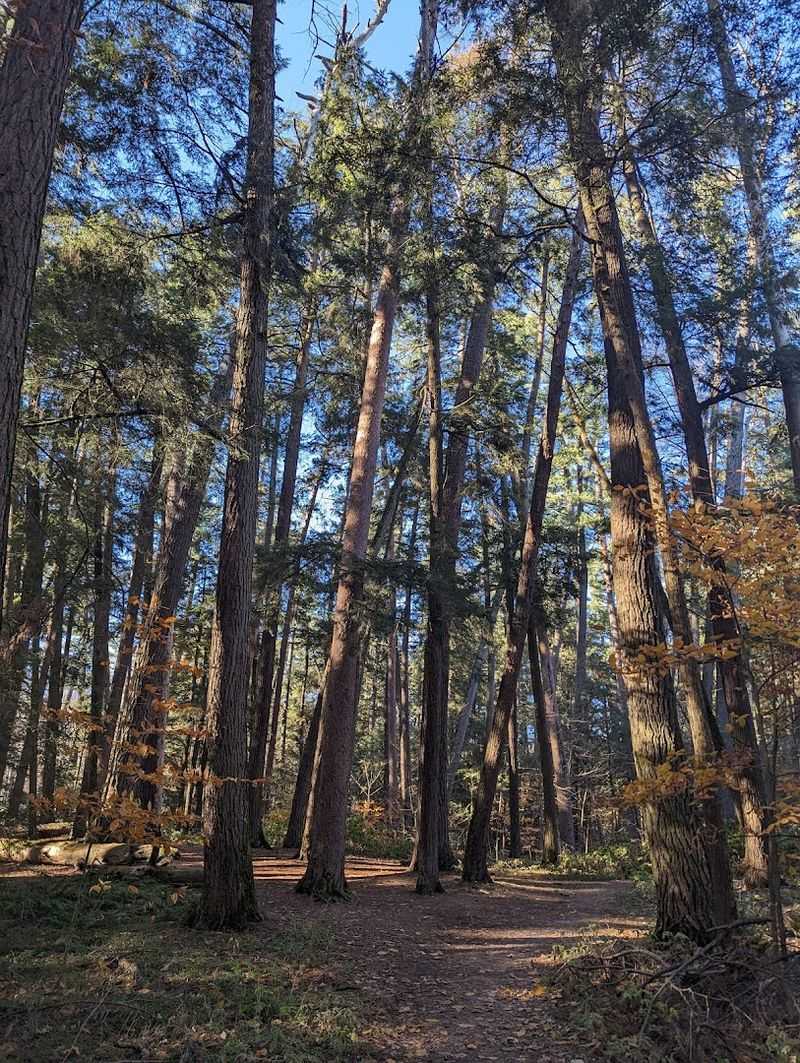
Cathedral Pines welcomes visitors with a trail that loops just three-tenths of a mile through the heart of the old-growth stand. This brief distance makes the forest accessible to almost anyone, including families with young children and older adults who might struggle with longer hikes.
You can complete the loop in fifteen minutes or linger for an hour.
The path follows a gentle grade with wood chips cushioning each step. An interpretive sign at the trailhead explains the forest’s history and the lucky circumstances that saved these trees from logging.
The trail requires no special equipment or preparation beyond comfortable walking shoes.
Some visitors express surprise at how short the trail is, but the compact nature serves the preserve well. A longer trail system might encourage more foot traffic and soil compaction, threatening the delicate ecosystem.
The brief loop provides enough exposure to appreciate the forest’s majesty without causing damage through overuse or requiring excessive maintenance.
Great Blue Herons Nest High In The Canopy
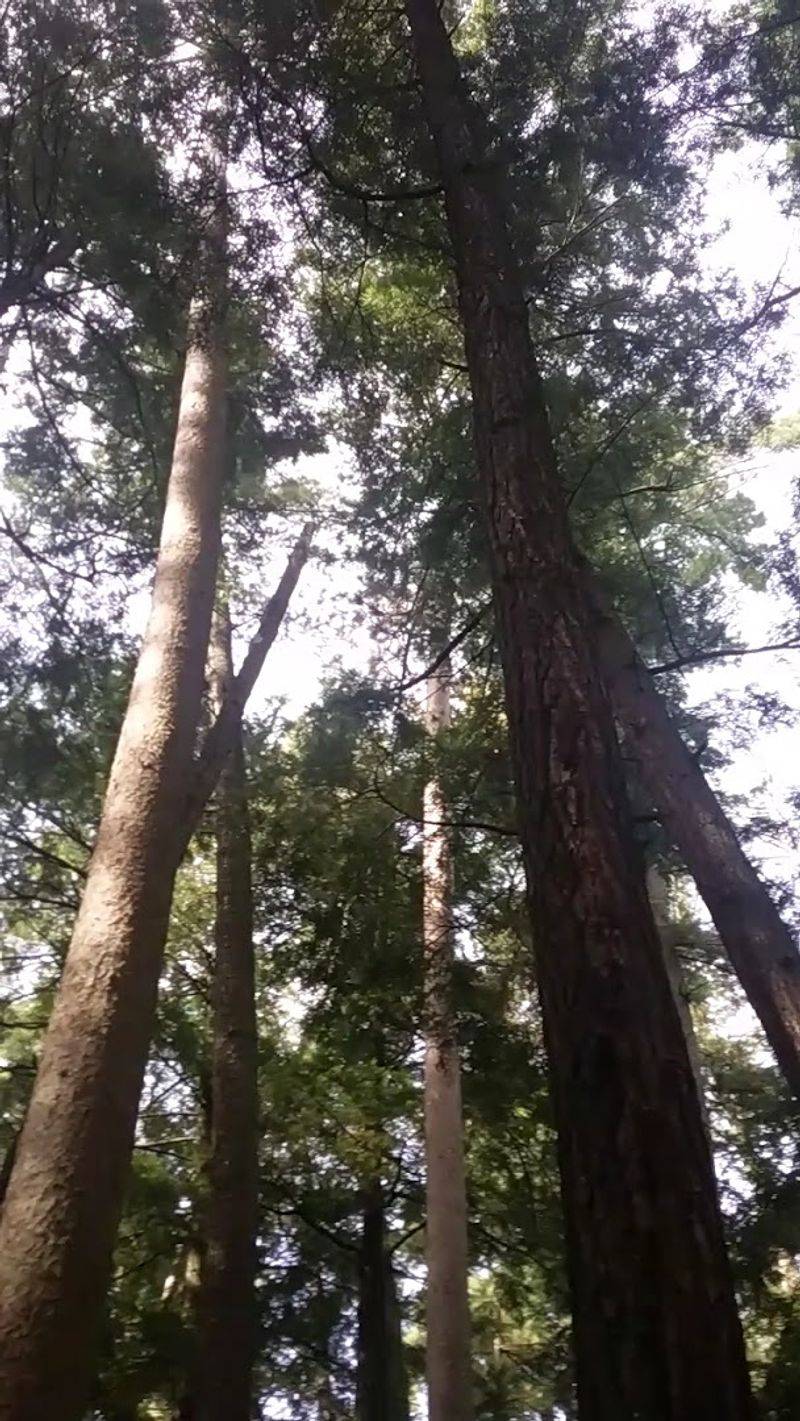
Look up while walking the Cathedral Pines trail and you might spot large stick nests perched improbably high in the pine canopy. Great blue herons, typically associated with wetlands and shorelines, have established a rookery in these ancient trees.
The choice makes sense when you consider what herons need for successful nesting.
Height provides safety from ground predators like raccoons and foxes that would happily raid eggs or chicks. The massive horizontal branches of old white pines offer stable platforms for the herons’ bulky nests.
The forest’s proximity to nearby lakes and streams gives adult herons easy access to fishing grounds.
During nesting season, the usually quiet forest fills with the harsh calls of adult herons and the hungry cries of chicks. Watching these large birds navigate through the dense canopy demonstrates their surprising aerial agility.
The rookery adds another layer of ecological importance to the preserve, showing how old-growth forests support species in unexpected ways.
The Forest Preserves A Rare Glimpse Of Wisconsin’s Past
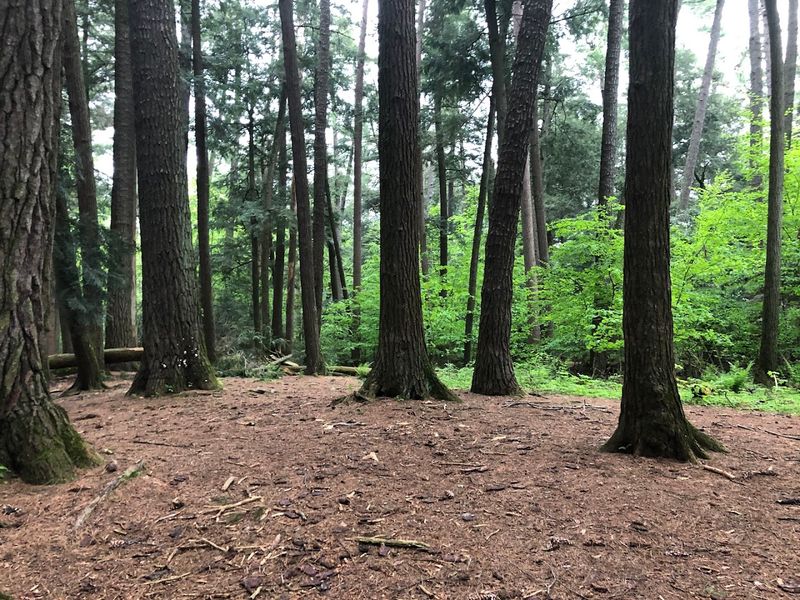
Before European settlement, Wisconsin’s northern forests stretched in an unbroken carpet of green that early explorers described as nearly impossible to traverse. Loggers changed that landscape completely between 1870 and 1920, cutting trees with such efficiency that old-growth stands became almost extinct.
Cathedral Pines survived by accident and intention combined.
The preserve allows modern visitors to see what those early explorers witnessed. The forest structure, with its mix of ages and species, represents natural succession without human interference.
Fallen logs in various stages of decay show the complete life cycle of forest giants.
This historical value extends to education and research. School groups visit to learn about pre-settlement ecology.
Scientists study the forest to understand how climate change affects old-growth systems. Photographers and artists find inspiration in the timeless quality of light and shadow.
The preserve functions as both memorial and living classroom, connecting present to past.
Hemlock, Red Pine, And White Pine Shape The Landscape
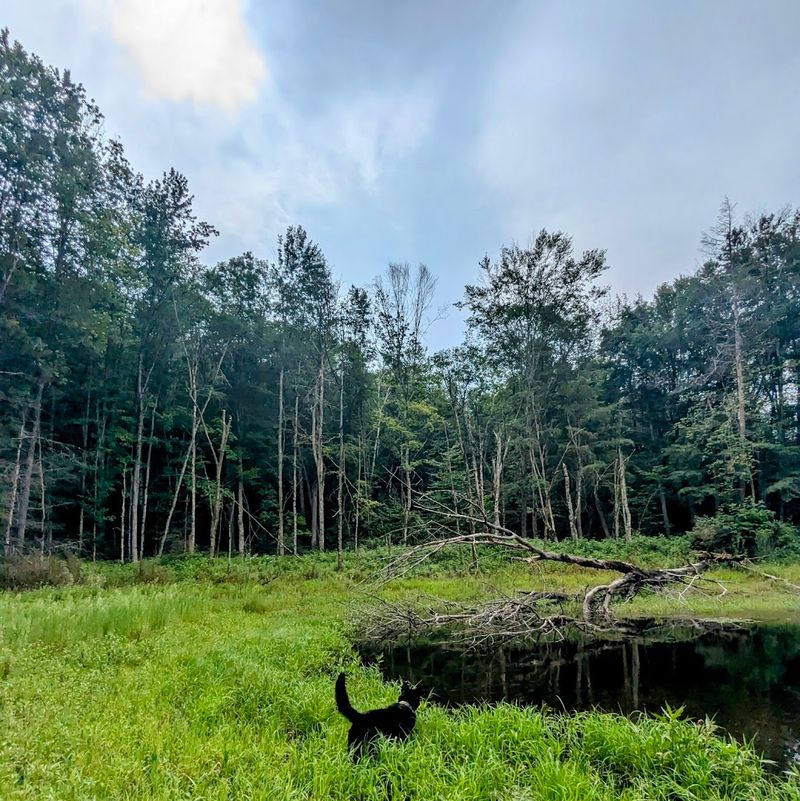
Cathedral Pines showcases three conifer species working together to create a complex forest ecosystem. White pines dominate the canopy with their towering presence, while red pines add variety with their distinctive reddish bark and clustered needles.
Eastern hemlocks fill the understory, tolerating shade that would kill most other trees.
Each species contributes something different to the forest character. White pines grow tallest and live longest, serving as the structural backbone.
Red pines prefer slightly drier conditions and often grow on elevated spots. Hemlocks create dense shade and acidify the soil with their slowly decaying needles.
This species diversity increases the forest’s resilience to disease and environmental stress. When storms topple a white pine, hemlocks and red pines remain standing.
If an insect outbreak targets one species, the others survive to maintain forest cover. The mixture creates a more stable ecosystem than any single-species plantation could achieve, demonstrating nature’s preference for diversity over monoculture.
The Trees Survived Wisconsin’s Heavy Logging Era
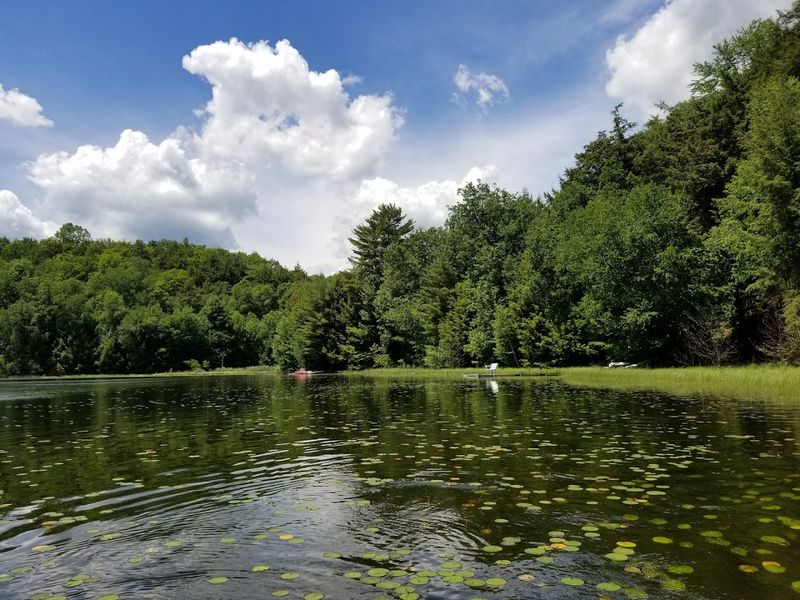
Wisconsin lost ninety-five percent of its original forest cover to logging between 1870 and 1920. Lumber companies cut with remarkable speed, sometimes harvesting entire townships in a single season.
The fact that Cathedral Pines escaped this wholesale destruction makes it almost miraculous. The story involves both geography and one woman’s determination.
The trees grew in a location that loggers found difficult to access. Swampy ground and distance from rivers made extraction challenging and expensive.
Lucy Holt, wife of a lumber baron, recognized the spiritual and aesthetic value of the grove. She convinced her husband to spare these particular trees, preserving them as a family retreat.
Later conservation efforts transformed the private holding into a state natural area, ensuring permanent protection. The preserve stands as proof that individual action can make lasting differences.
Without Lucy Holt’s intervention, these trees would have become lumber for houses and ships, their rings and stories lost forever to history.
The Quiet Setting Feels Far Removed From Busy Tourist Trails
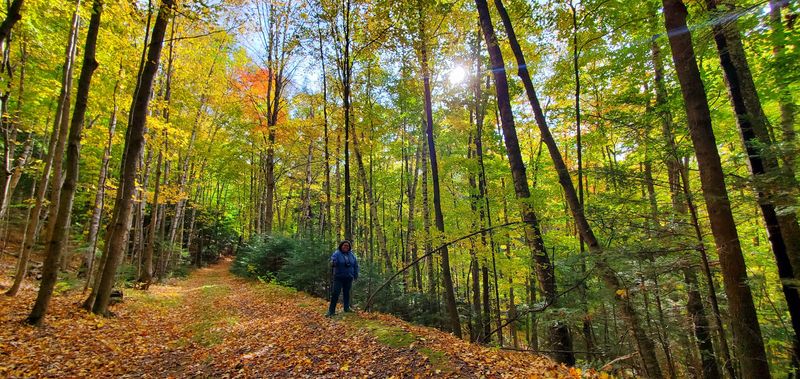
Cathedral Pines receives a fraction of the visitors that flock to more famous Wisconsin destinations. The preserve’s location on Cathedral Drive near Lakewood requires deliberate effort to reach, discouraging casual tourists.
The narrow, rutted access road further limits traffic to those truly committed to experiencing old-growth forest.
This relative obscurity creates an atmosphere of peaceful solitude rare in modern outdoor recreation. You might walk the entire loop without encountering another person.
Bird calls and wind through pine branches provide the only soundtrack. The absence of facilities, playgrounds, or picnic areas reinforces the sense of visiting a sacred natural space rather than a developed park.
The quiet suits the forest’s character perfectly. Cathedral Pines rewards contemplation and careful observation rather than energetic recreation.
Visitors who take time to sit quietly often spot wildlife that would flee from larger crowds. The preserve offers something increasingly precious in our noisy world: genuine silence broken only by natural sounds.