
This 12-Mile Trail In Mississippi Deserves A Spot On Your 2026 Bucket List
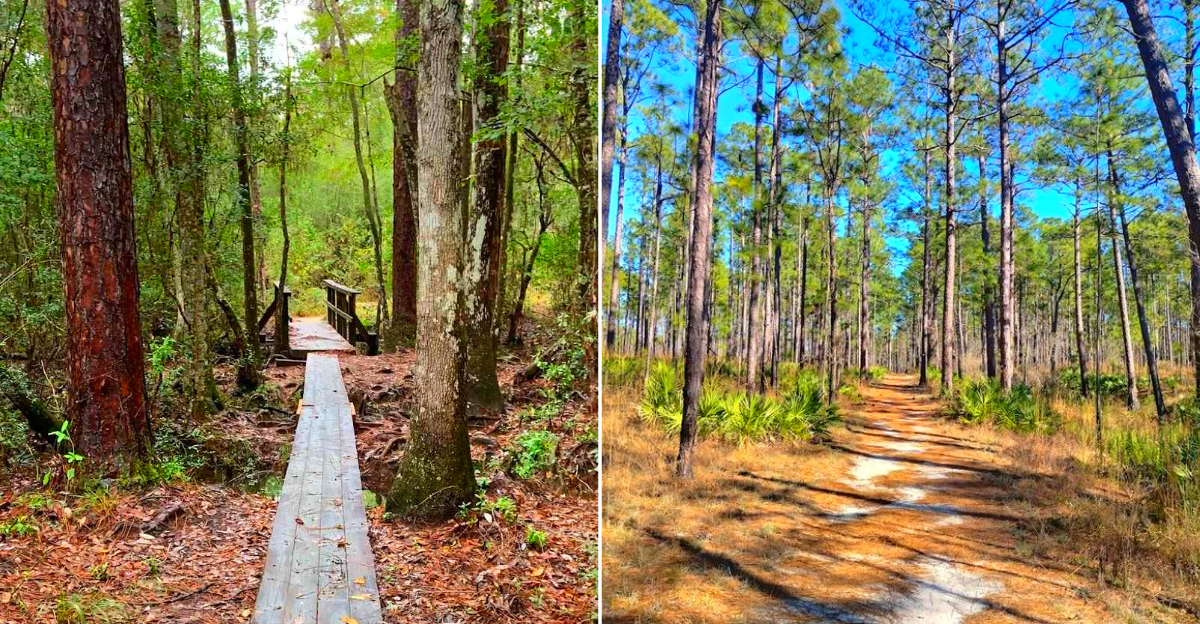
Twelve miles sounds like a commitment until you are two miles in and completely forget you were ever keeping count. That is what a great trail does.
It stops being a distance and starts being an experience that you are mildly annoyed has to end. This Mississippi trail pulls that trick off better than most and has been quietly doing it while hikers elsewhere argue about which overrated national park to visit next.
The scenery here does not wait until the halfway point to show up. It starts early and keeps going.
Water views that make you stop walking without deciding to. Tree cover thick enough to change the temperature the moment you step under it.
The kind of quiet that feels earned rather than just absent. Mississippi does not get nearly enough credit for its outdoor spaces and this twelve-mile stretch is one of the strongest arguments for changing that conversation in 2026.
Add it to the list. Then actually go.
A Forest That Feels Like A Different World
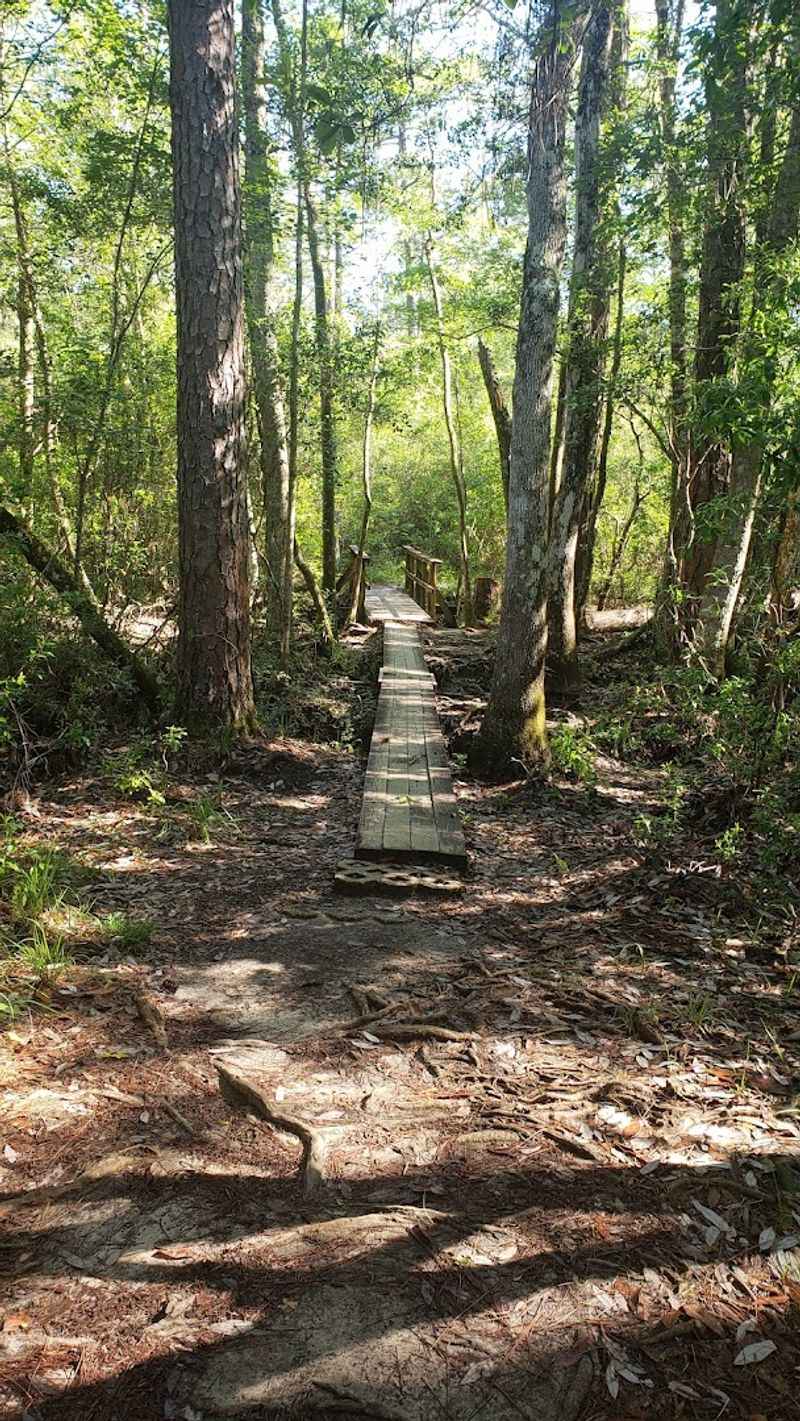
Few forests in the American South carry the kind of quiet authority you feel the moment you step onto the Tuxachanie Trail. The air shifts almost immediately.
Pine resin, damp earth, and something faintly sweet greet you before you even reach the first bend.
The landscape here is genuinely varied. Within the first mile alone, you move through longleaf pine ridges, a small beech-magnolia forest, and open savannas that catch the afternoon light in remarkable ways.
No two stretches look the same, which keeps your eyes busy and your feet moving.
Mississippi does not always get credit for its natural beauty, but this forest makes a strong argument. The canopy along the first 1.5 miles provides heavy shade, which is a real comfort during warmer months.
Elevated wooden footbridges carry you over the wetter sections without breaking your stride. The trail is wide, well-maintained, and clearly marked with mileage posts every half mile.
Even first-time visitors find it easy to navigate. Every step forward feels deliberate and rewarding, like the forest is slowly revealing itself one careful layer at a time.
Tuxachanie Trail And Why It Belongs On Your Radar
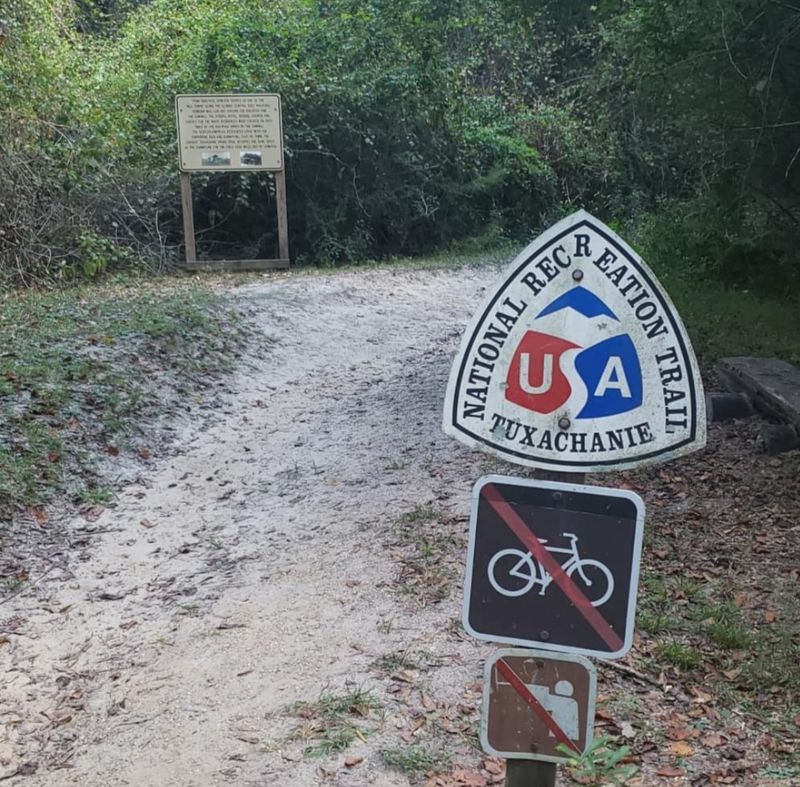
The Tuxachanie Hiking Trail sits at 26204 US-49 in Saucier, Mississippi, right off Highway 49 about 2.5 miles north of town. The trailhead is marked by rows of live oaks planted back in 1935, which gives the entrance a stately, almost ceremonial feel.
You know right away that something intentional was built here.
The full trail runs nearly 12 miles one way as a National Recreation Trail, but the first 3-mile stretch to Airey Lake Campground is where most visitors find their groove.
It is flat enough for beginners and families, yet interesting enough to hold the attention of more experienced hikers.
The campground at the 3-mile mark offers restrooms and water, making it a natural turnaround point or a base for those who want to push further.
Entry is completely free, and the trail stays open 24 hours every day of the year. There are no fees, no permits, and no crowds past the 2-mile mark.
A gas station sits directly across the highway if you need last-minute water or snacks before heading in. The accessibility and ease of arrival make it one of the most straightforward outdoor adventures in the entire state.
Wildflowers, Pitcher Plants, And Pure Eye Candy
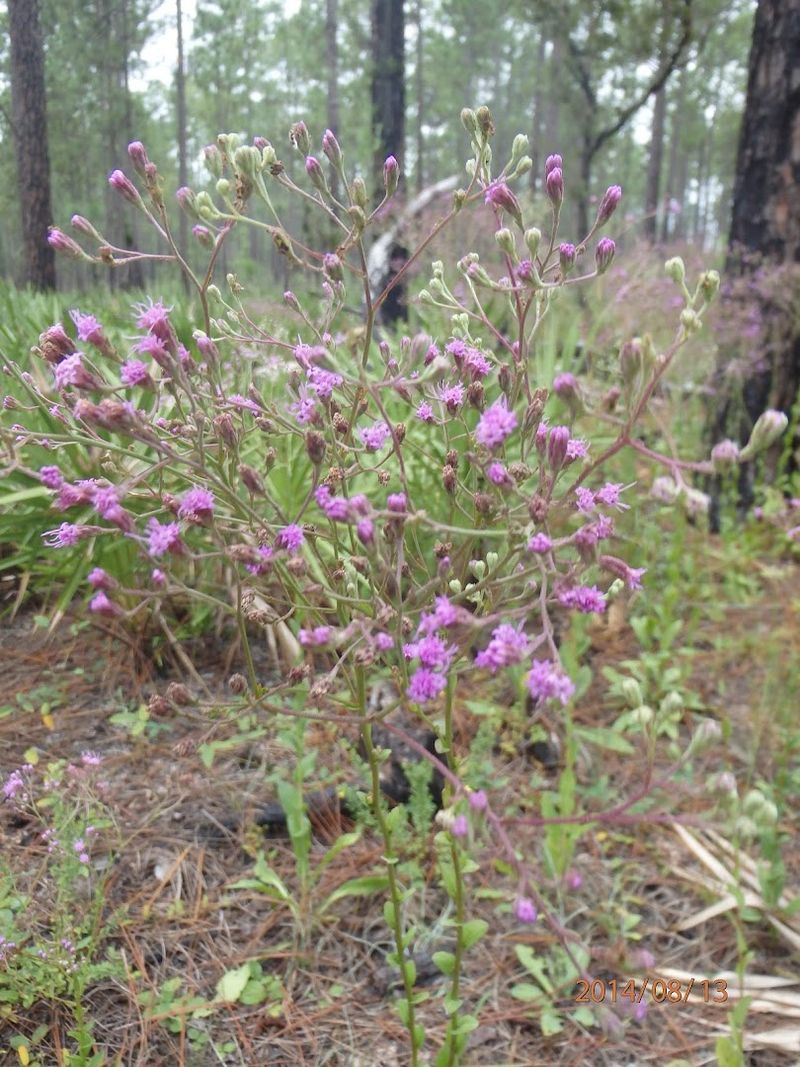
Mid to late March is when the Tuxachanie Trail transforms into something genuinely spectacular. The bogs and savannas along the route come alive with pitcher plants, wild orchids, yellow jessamine, wild azalea, and various violet species.
It is one of the most underrated wildflower displays in the entire Southeast.
Pitcher plants alone are worth the trip. These carnivorous beauties thrive in the wet, nutrient-poor soils along the trail and look almost too strange to be real.
Seeing them clustered in a sunny bog alongside palmettos and horse-sugar shrubs gives the hike a botanical garden quality that costs you absolutely nothing.
Star-anise adds a spiced, aromatic note to certain stretches, and the wild azaleas bring bursts of pink and white that pop against the dark pine trunks. Spring hikers should bring a camera with plenty of storage.
The scenery changes so frequently that you will find yourself stopping every few minutes just to take it all in.
Visiting during peak bloom turns a good hike into a genuinely memorable one, and the wildflower season here is long enough to catch on a casual weekend trip without perfect timing.
History Hiding In Plain Sight
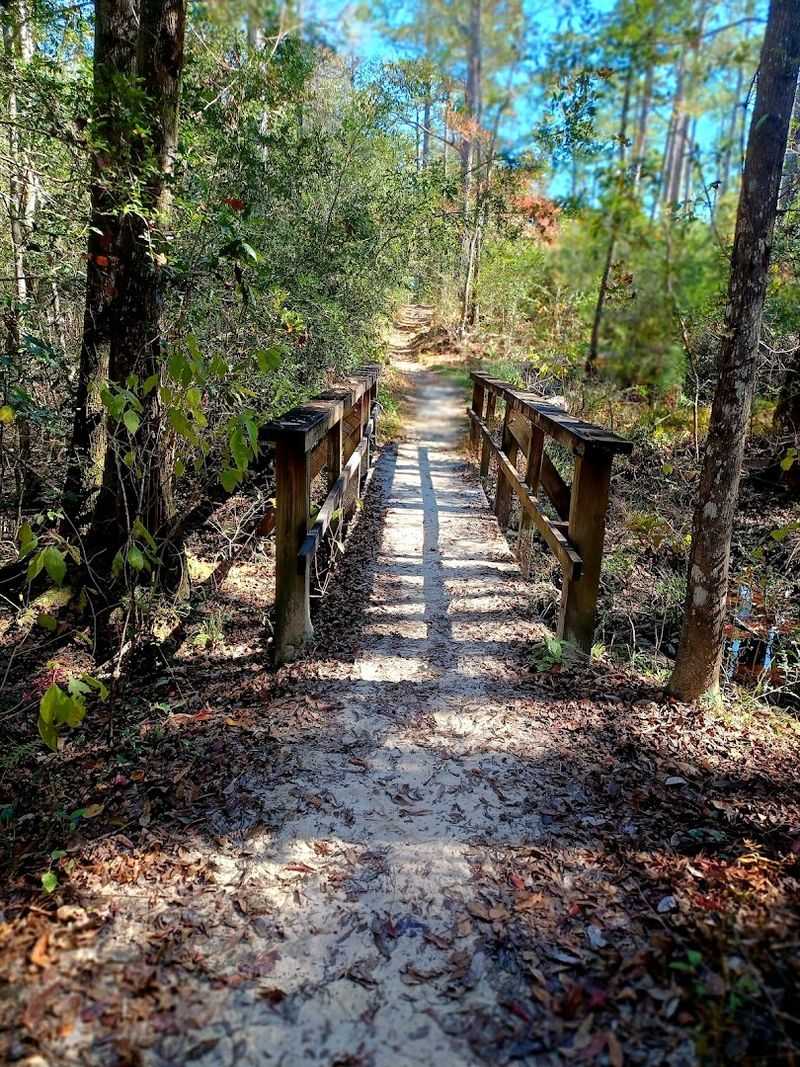
History has a funny way of showing up when you are just trying to enjoy a walk in the woods. Along the Tuxachanie Trail, sections of the path follow an old abandoned logging railroad that dates back to the early 1900s.
Immigrants built that rail line using hand tools and mule-drawn earthmovers, and the physical evidence of their work is still visible today.
Remnants of old railroad trestles remain at several creek crossings, standing as quiet monuments to the labor that once shaped this forest. You do not need a history degree to appreciate them.
Just knowing that people carved this route through dense Southern woodland over a century ago gives the trail a sense of depth that most hiking paths simply cannot offer.
Historical markers are placed along the route to provide context, and several hikers have noted how genuinely interesting the informational stops are. The trail does not just pass through the landscape.
It carries the story of the land with it. For anyone who finds meaning in connecting the present to the past, walking this particular stretch of Mississippi forest feels like reading a chapter of a book that most people never knew existed.
Wildlife That Actually Shows Up
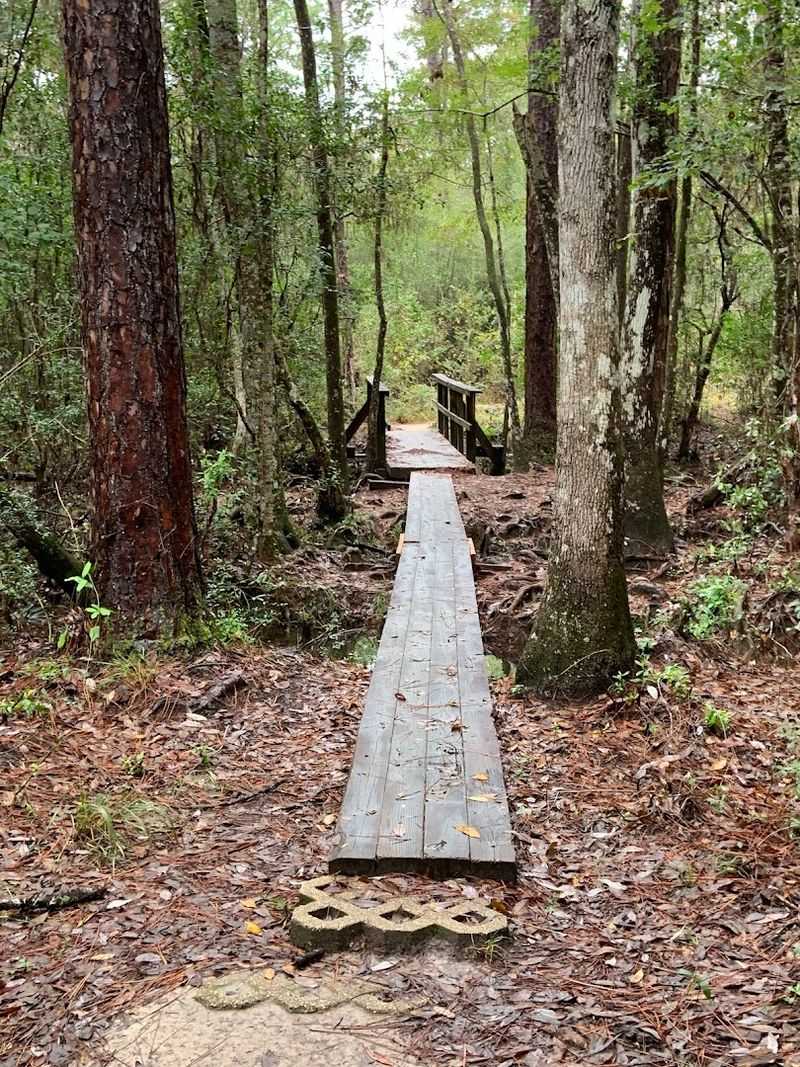
Wildlife sightings on the Tuxachanie Trail are not the kind you have to squint for. White-tailed deer move through the understory with surprising regularity, and wild turkeys are common enough that you should keep your ears open as much as your eyes.
The forest rewards patient, quiet walkers.
Overhead, red-tailed and red-shouldered hawks ride the thermals above the pine canopy. Their calls carry far, and spotting one circling above an open savanna is one of those small trail moments that sticks with you long after you get home.
Bird activity along the entire route is consistently high, and the variety keeps birding enthusiasts genuinely entertained.
Lizards dart across the path with comic speed, and snake sightings are possible, which is why proper footwear matters. Hiking boots with ankle coverage are the right call here, and long pants add a layer of practical protection as well.
The trail is fully pet-friendly, and dogs seem to love every inch of it. Bringing your four-legged hiking partner is not just allowed, it is practically encouraged.
The trail is lively in the best possible way, offering the kind of unscripted natural entertainment that no app can replicate.
Practical Tips That Actually Make A Difference
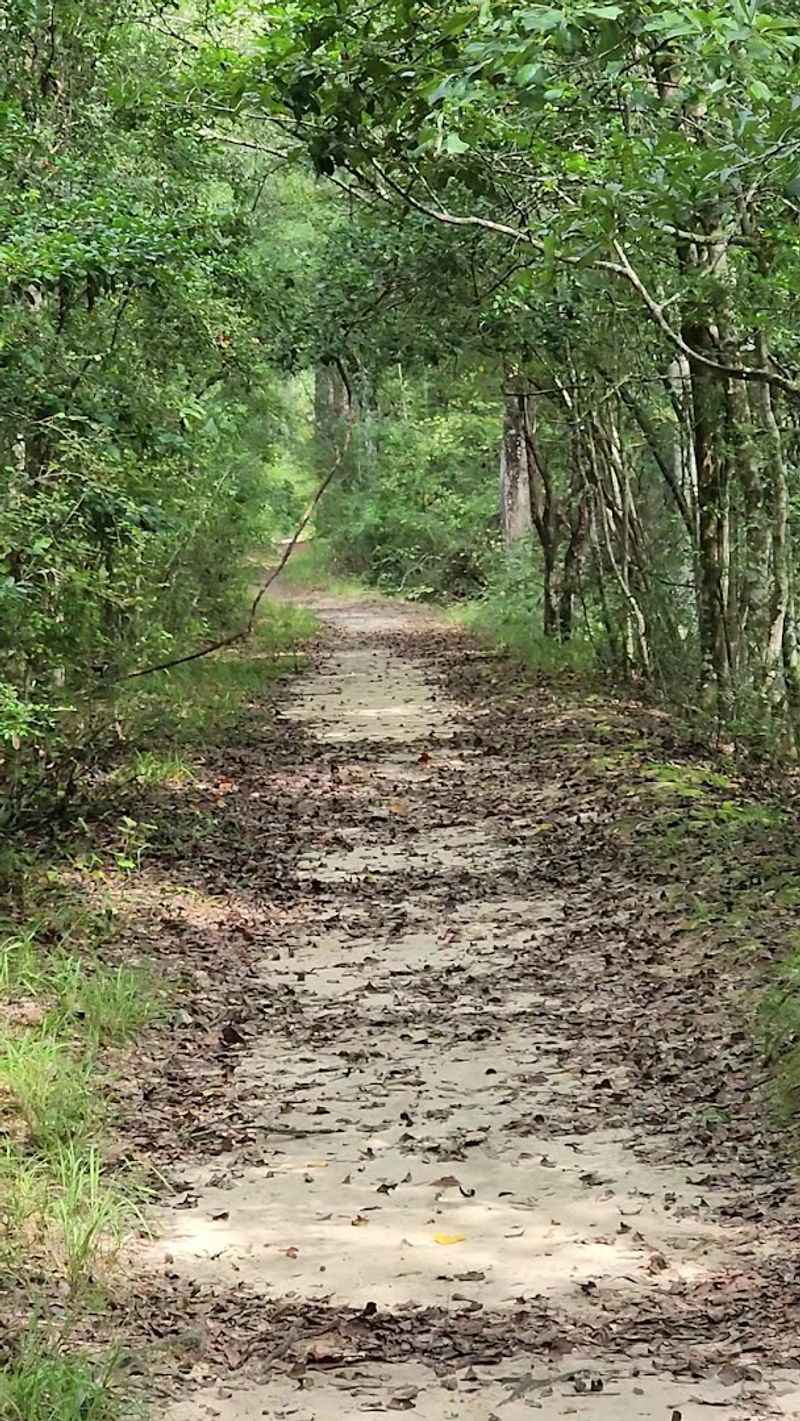
Preparation is the difference between a great hike and a miserable one, and the Tuxachanie Trail has a few specific quirks worth knowing before you arrive. Insect repellent is not optional from early spring through late fall.
Mosquitoes, ticks, and chiggers are all present, and they are enthusiastic. Treating your clothing and skin before hitting the trail saves a lot of grief.
Water is available at Airey Lake Recreation Area at the 3-mile mark, but there are no water sources on the trail itself before that point. Carrying your own supply from the start is the smart move.
A gas station directly across Highway 49 from the trailhead is a convenient backup if you forget to pack enough.
Poison ivy and poison sumac grow along sections of the trail, so long pants and long sleeves are genuinely useful rather than just cautious. After heavy rain, some sections can become muddy or temporarily flooded, so checking conditions before you go is worth the two-minute effort.
The first quarter mile from the trailhead has a hard-packed surface that offers limited accessibility for those with mobility considerations. Parking fits roughly 20 cars, so arriving early on clear weekend days is a smart habit to build.
Why 2026 Is The Right Year To Go
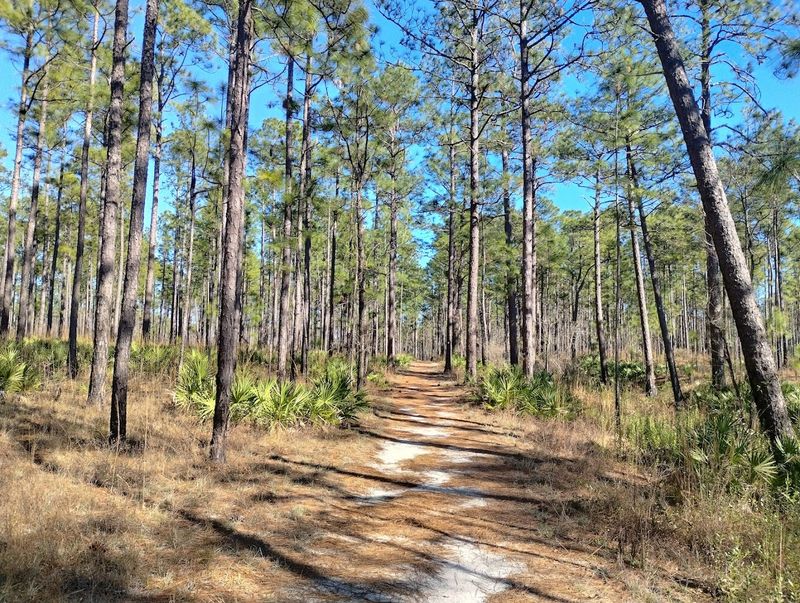
There is something about committing a trail to your calendar that changes how you experience it. Putting the Tuxachanie Trail on your 2026 list is not just about checking off a hike.
It is about giving yourself something genuinely worth looking forward to.
The trail holds a 4.5-star rating across hundreds of visits, and the feedback is consistent. People return repeatedly.
Long-time hikers describe it as a go-to trail they never get tired of, and that kind of loyalty from repeat visitors says more than any single glowing review could. The landscape shifts with the seasons, so no two trips feel identical.
Spring brings the wildflowers and bird activity. Fall cools the air and turns the hardwoods golden.
Winter strips the canopy back and opens up longer sightlines through the forest. Every season has something specific to offer, which means your first visit rarely ends up being your last.
The trail is free, open year-round, and easy to reach from the Gulf Coast. For outdoor lovers across the South, that combination is almost too good to pass up.
Mark the date, pack your boots, and let the De Soto National Forest do the rest.