
The Kansas City, Missouri Spots Most World Cup Visitors Never Find
Most World Cup visitors will leave Kansas City having seen the stadium and very little else. That’s a significant miss.
The city runs deeper than the tourist radius around the venue suggests. Missouri has a way of rewarding the people who wander past the obvious, and Kansas City does that better than almost anywhere else in the state.
The spots on this list don’t appear in the standard visitor guides. They show up in conversations between locals, in recommendations passed across a bar, in the kind of directions that start with turn where the old pharmacy used to be.
Kansas City has been keeping these places for itself for years, and the World Cup window is a narrow one.
1. The Antler Room
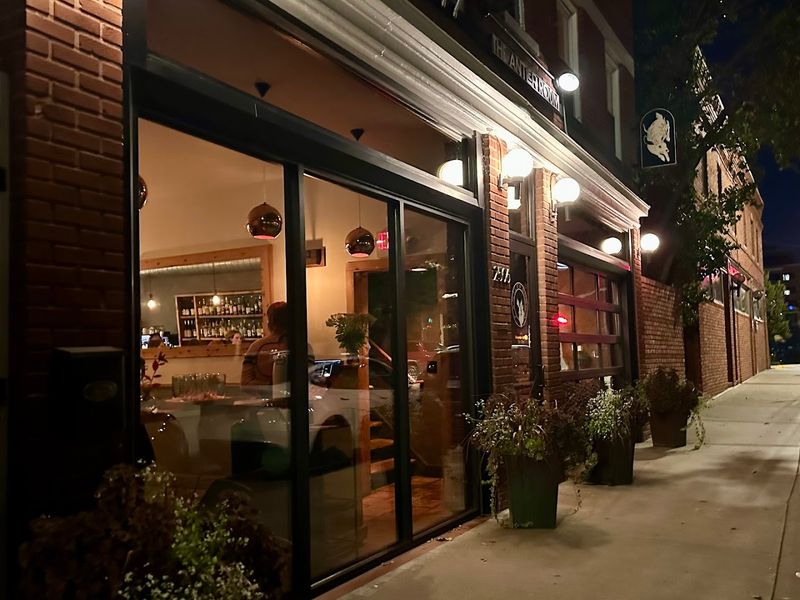
Most visitors eating around Kansas City stick to what they already know. The Antler Room is what they miss.
This is not a casual drop-in spot. The kitchen here operates with the kind of precision that requires actual attention from the person eating.
Small plates built around seasonal ingredients and technique-driven cooking make this one of the more serious dining experiences the city offers.
The menu changes based on what is available and what makes sense. That approach keeps the food honest and the experience different each time.
Regulars come back specifically because the kitchen does not repeat itself out of convenience.
The room itself is small and intentional. Nothing about the space is accidental.
It fits the food in the sense that both require you to slow down and pay attention. Loud, distracted dining is not really what this place is designed for.
Chef Nick Goellner has built a reputation in Kansas City that extends well beyond the neighborhood. Recognition from serious food publications followed because the cooking earned it rather than chased it.
That distinction matters in a city with genuine culinary pride.
Kansas City has moved well past its reputation as a one-note BBQ town. Places like The Antler Room are a large part of why that conversation has changed.
The food here reflects a city that has grown into something more layered and more ambitious.
Find this experience at 2506 Holmes St, Kansas City, MO 64108.
2. The Wise Guy
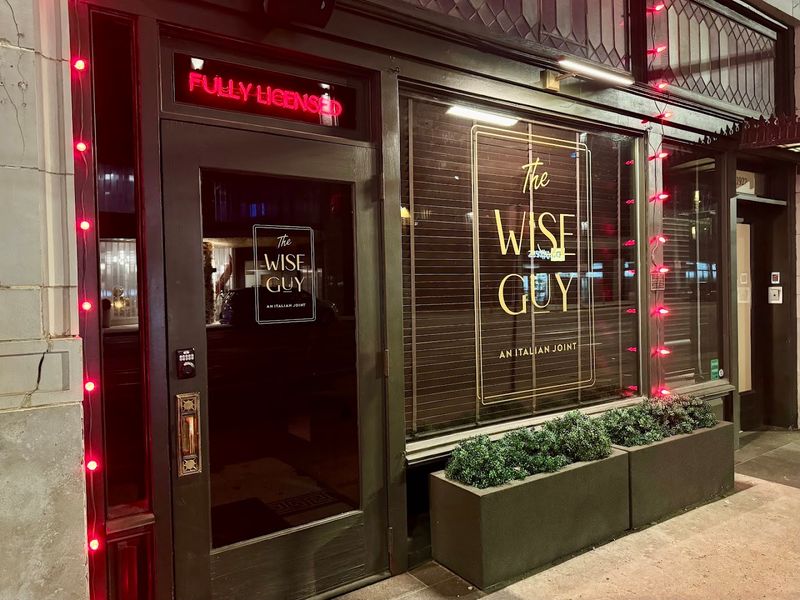
Kansas City has no shortage of pizza opinions. The Wise Guy earns its place in that conversation without needing to announce itself.
This is a neighborhood spot that understands what it is trying to do and does not overcomplicate it. The focus here is New York-style pizza executed with enough care that the simplicity becomes the point rather than a limitation.
Thin crust, quality ingredients, and a kitchen that respects the format it works within.
The slices hold up. That sounds basic, but it is actually the standard most pizza places quietly fail.
Structural integrity, proper cheese pull, and a crust that finishes with the right amount of char are details that separate serious pizza from everything else claiming the same category.
The Main Street location puts it in the middle of a stretch that has developed genuine character over the past several years.
Walking distance from a handful of other strong independent operators means The Wise Guy benefits from and contributes to a food corridor worth exploring on foot.
Lunch service draws a crowd that knows exactly what they came for. Evening visits tend to run later, and the energy shifts accordingly.
Both work depending on what kind of experience you are after.
Kansas City does not need to borrow credibility from coastal food cities anymore. Spots like The Wise Guy are part of the reason that argument holds up when you actually eat your way through the city.
Stop in at 1924 Main St, Kansas City, MO 64108.
3. The Brass Monkey Lounge
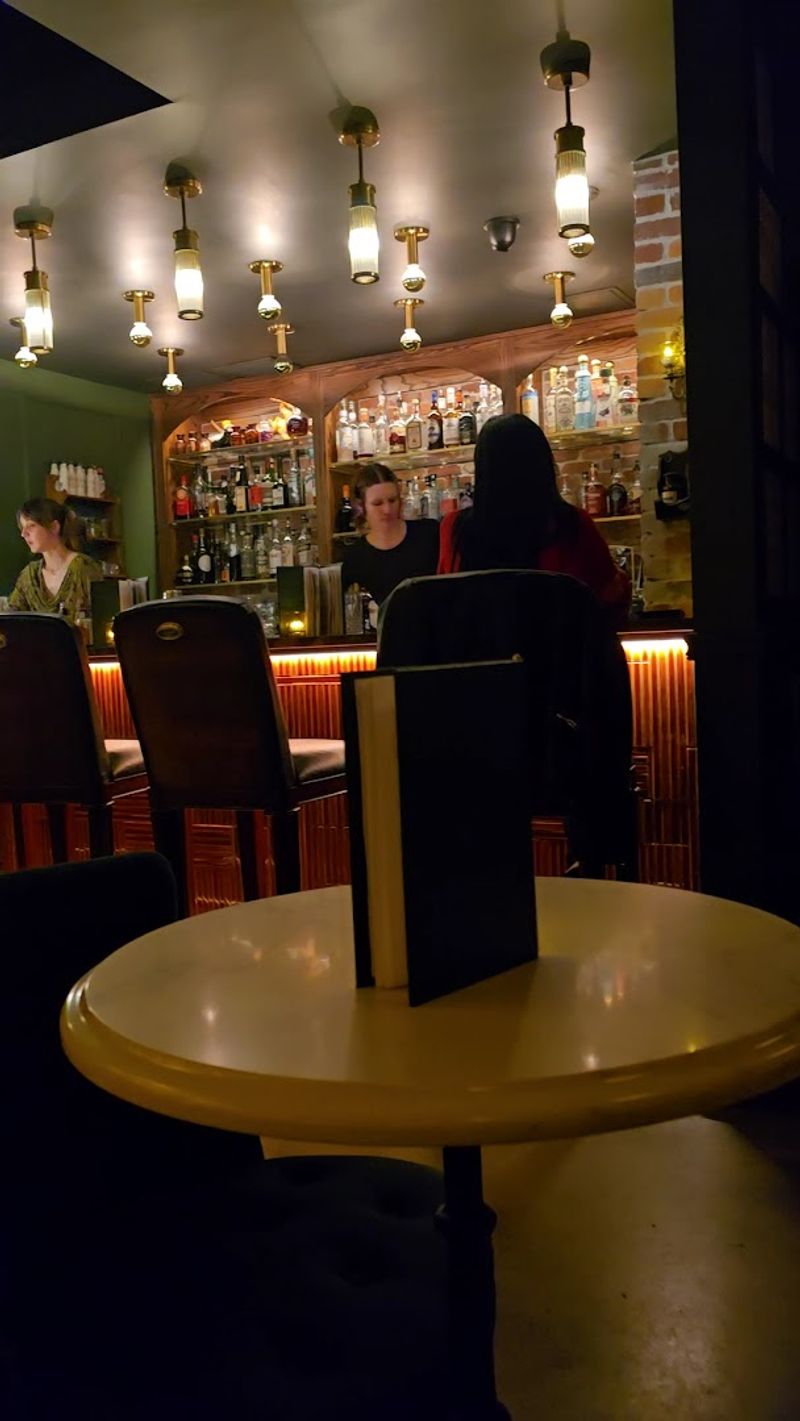
Live music venues reveal a lot about a city’s actual character. The Brass Monkey Lounge reveals something worth knowing about Kansas City.
This is not a venue that exists to fill a calendar. The programming here reflects genuine curatorial taste.
Local acts share the same stage that regional and touring artists move through, which keeps the quality bar consistent and the room worth showing up to on any given night.
The space itself does the job without pretending to be something it is not. Exposed brick, low lighting, and a layout that actually lets you hear the music properly.
Too many venues treat sound as an afterthought. This one does not make that mistake.
Admiral Boulevard puts it at the edge of a neighborhood that carries real Kansas City history. The building fits into that context without leaning on it too heavily.
It feels lived in rather than manufactured, which is a distinction that matters more than most people articulate.
Weekends draw larger crowds, but the midweek shows often deliver the more memorable experiences. Smaller audiences and artists who are fully locked in tend to produce nights that regulars talk about long after they happen.
Blues, jazz, and soul all have deep roots in this city, and venues like The Brass Monkey Lounge keep that lineage connected to what is happening right now rather than treating it as a museum piece. That connection does not happen by accident.
It requires a room that takes the music as seriously as the audience does.
Head over to 307 Admiral Blvd, Kansas City, MO 64106.
4. P.S. Speakeasy
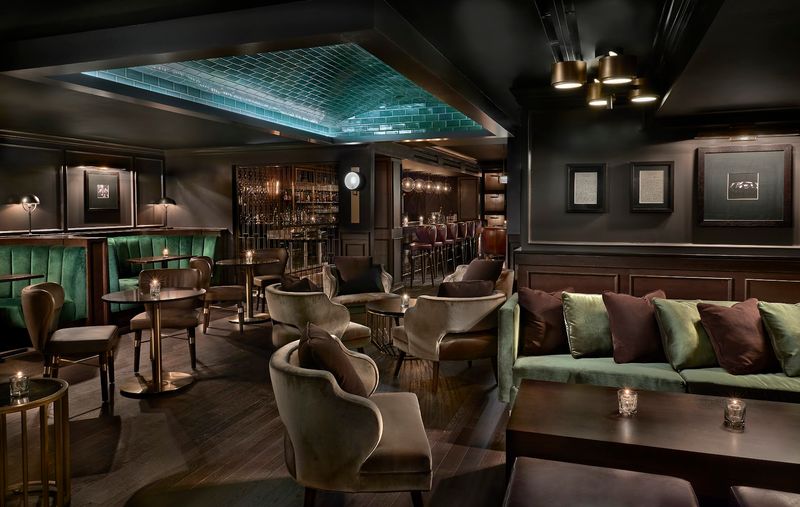
Hidden entrances and deliberate obscurity can feel like a gimmick in the wrong hands. P.S.
Speakeasy earns the concept rather than simply borrowing the aesthetic.
The format here is intentional from the moment you find the entrance. Small capacity, reservation-driven, and designed around the idea that the experience matters as much as anything being served.
That philosophy shows in the details in a way that casual execution never quite replicates.
The space pulls from the speakeasy era without turning itself into a costume. Dim lighting and intimate seating arrangements create an atmosphere that actually encourages conversation rather than competing with it.
The room is small enough that every visit feels private, even when it is full.
12th Street places it in a corridor that has quietly accumulated some of the more interesting independent operators in the city. The surrounding blocks reward exploration before or after a visit, which makes the evening feel like more than a single stop.
Reservations here are not a formality. Showing up without one is not a strategy that tends to work out.
The limited capacity is part of what makes the experience function the way it does, and that requires planning from anyone serious about getting in.
There are spots in every city that feel genuinely discovered rather than simply attended. This is one of those spots.
The people who know about it tend to keep coming back rather than broadcasting it too loudly.
Find it at 106 W 12th St, Kansas City, MO 64105.
5. Goat & Rabbit
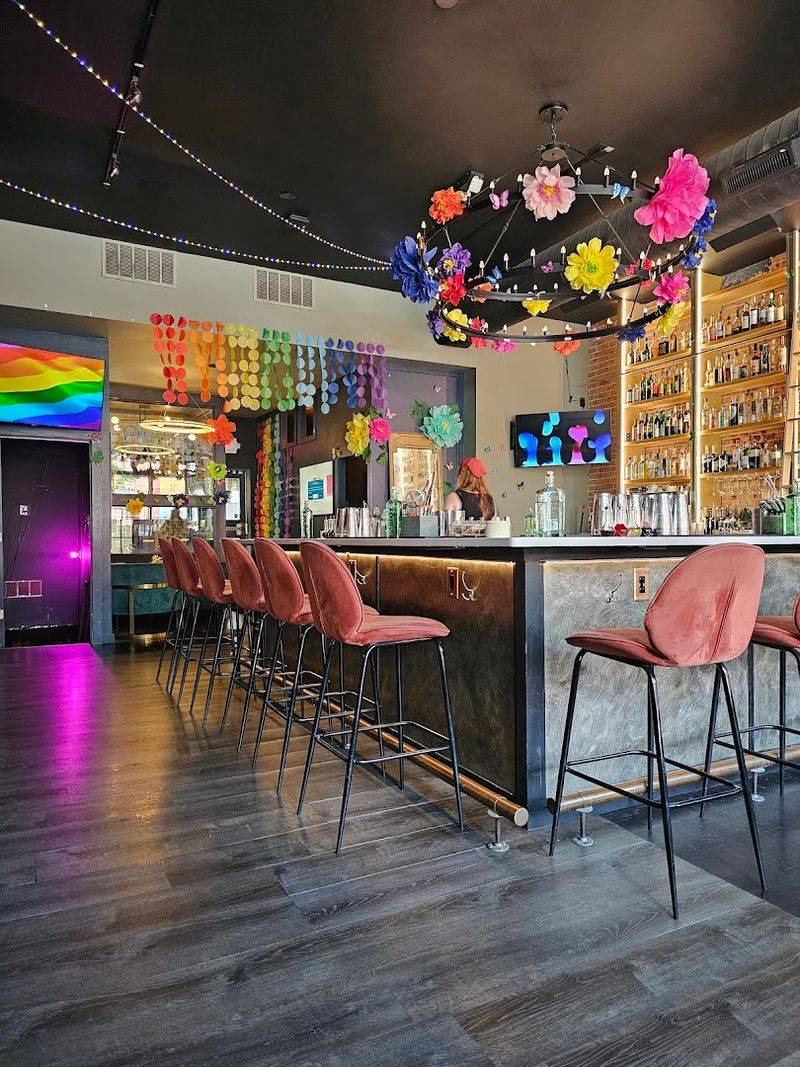
Neighborhood restaurants that actually serve the neighborhood are rarer than they should be. Goat & Rabbit on 39th Street is the real version of that idea.
The menu here moves between comfort and creativity without losing sight of either. Dishes are built around ingredients that make sense together rather than combinations chasing novelty for its own sake.
That restraint is harder to pull off than it looks and the kitchen here makes it look straightforward.
The 39th Street corridor has developed into one of the more walkable and independently driven stretches in the city. Goat & Rabbit fits that environment naturally.
It does not feel transplanted from a trendier neighborhood or designed to attract a different crowd than the one already living nearby.
Service matches the room. Attentive without hovering, informed without performing.
The kind of front-of-house experience that only happens when staff actually care about what they are serving and who they are serving it to.
Brunch draws consistent crowds for good reason. The kitchen applies the same level of care to daytime service that most spots reserve exclusively for dinner.
That consistency across service periods is a reliable indicator of how seriously an operation takes itself.
Independent restaurants on streets like this one are what give a city its actual food identity. Corporate concepts can open anywhere.
Places like Goat & Rabbit are specifically and unapologetically from here.
Stop in at 1804 W 39th St, Kansas City, MO 64111.
6. City Market
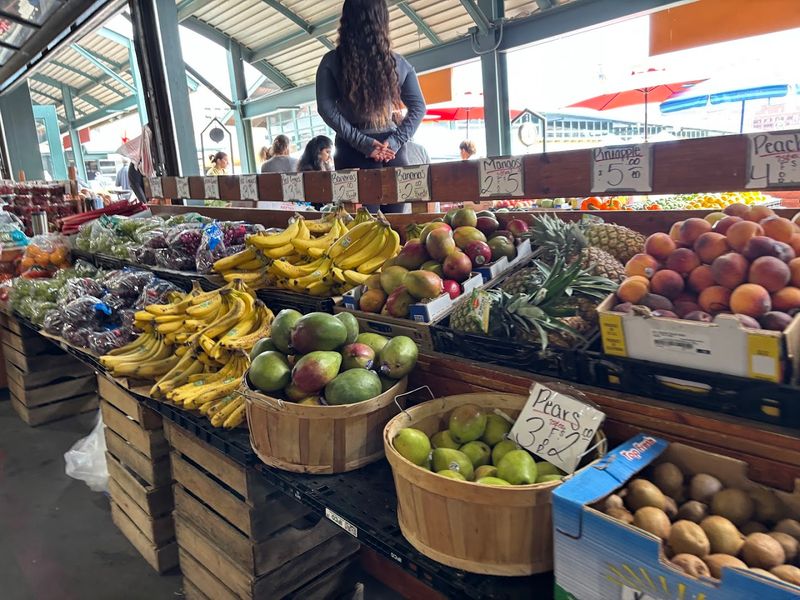
Some places accumulate history without trying to wear it as a selling point. City Market has been running long enough that its history simply shows up in everything around it.
Operating since 1857, this is one of the oldest and largest public markets in the Midwest. The footprint covers several blocks, and the variety inside reflects a city that has grown considerably more diverse than most outside visitors expect to find.
Weekend mornings are when the market operates at full capacity. Farmers, vendors, and independent food operators fill the outdoor stalls with produce, prepared foods, and goods that do not exist in any grocery store format.
The energy is unhurried in a way that feels increasingly rare.
The permanent vendors inside the market buildings add another layer. International grocers, specialty food shops, and prepared food counters from around the world coexist side by side without a planned theme.
That organic mix is exactly what makes the place feel genuine.
It functions as a neighborhood anchor for the River Market district as much as a destination for visitors. Locals shop here regularly because it is practical, not just because it is charming.
That dual purpose is what separates a real market from a tourist attraction wearing the same clothes.
Food culture in any city is only as strong as its foundational infrastructure. A market that has been feeding a city for over a century and still draws serious crowds on a Saturday morning is as foundational as it gets.
Visit at 20 E 5th St, Kansas City, MO 64106.
7. River Market Antiques
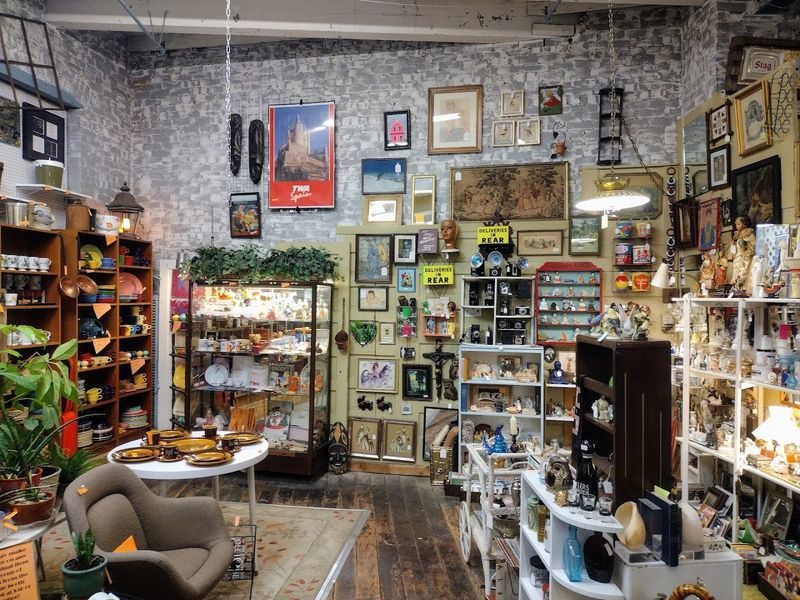
Antique markets reveal what a city has accumulated over time. River Market Antiques reveals quite a bit about Kansas City.
The building covers serious square footage and fills it with dealers who actually know their inventory. This is not a flea market situation where provenance is guesswork and pricing is optimistic fiction.
The vendors here operate with enough expertise that browsing becomes genuinely educational, whether a purchase happens or not.
Mid-century American furniture shows up consistently and in better condition than most comparable markets in the region. Vintage signs, industrial items, and décor from various decades fill the space, rewarding slow exploration rather than a quick visit.
The River Market location puts it steps away from City Market and the broader district that has developed around it.
A morning at the farmers market followed by a visit to the antique building offers two distinct sides of the neighborhood, all within walking distance.
Dealers cycle inventory regularly enough that return visits surface different material than the last trip. That unpredictability is part of what keeps serious collectors coming back on a schedule rather than treating it as a one-time stop.
Finding something specific here is possible, but the better approach is arriving without a fixed agenda. The floor rewards curiosity more than it rewards a checklist.
That distinction separates this kind of market from a retail environment and makes the time spent inside feel like something other than shopping.
Explore it at 115 W 5th St, Kansas City, MO 64105.
8. Westport Entertainment District
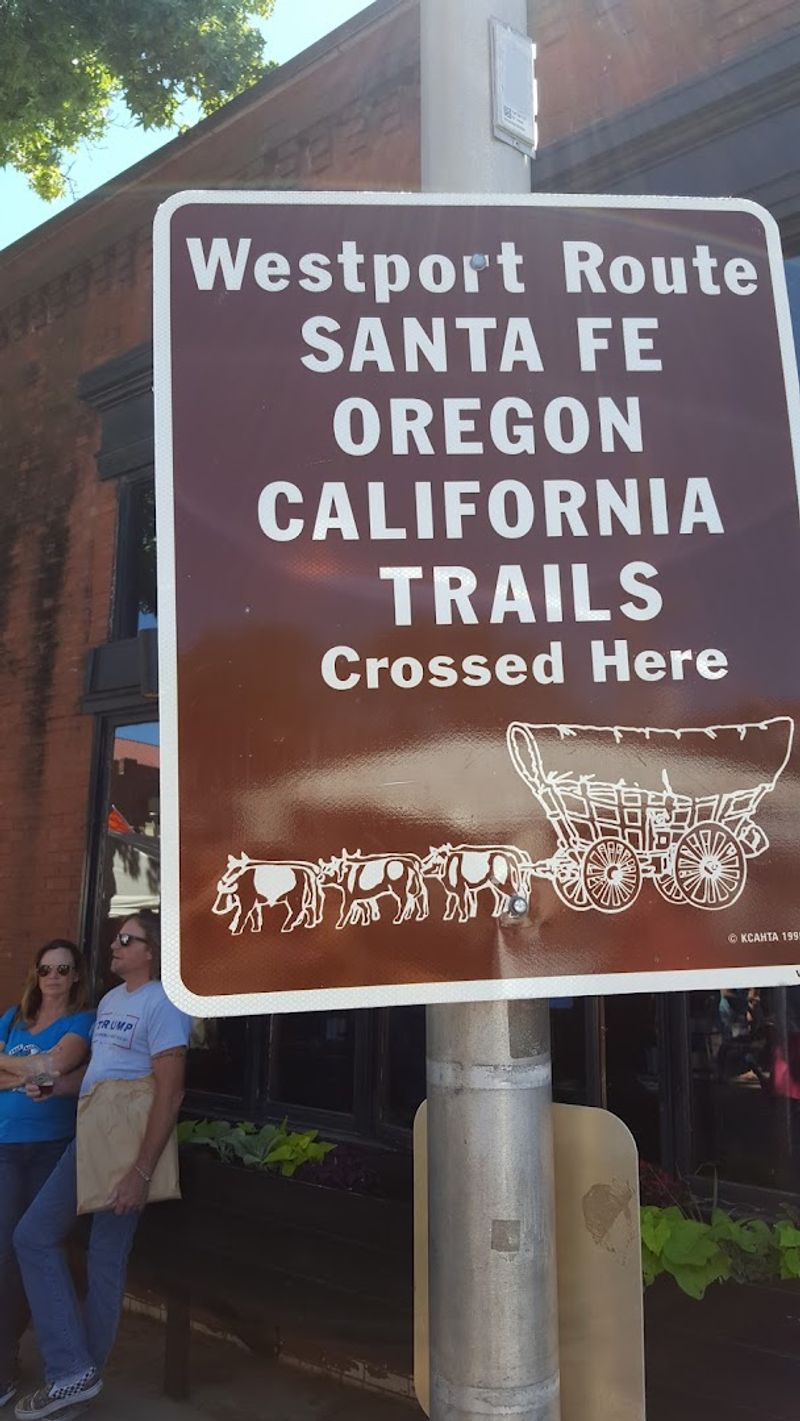
Some neighborhoods earn their reputation over decades rather than through a single moment of reinvention. Westport is that kind of place.
This is one of the oldest commercial districts in Kansas City, predating the city itself by several years. The streets here were already established when westward settlers used Westport as a jumping-off point before heading into the frontier.
That history is embedded in the layout and the buildings rather than displayed on interpretive signs.
The entertainment district that exists today grew organically from that foundation. Independent bars, live music venues, restaurants, and late-night spots occupy buildings that have been in continuous commercial use for generations.
Nothing about the block feels assembled from scratch.
Westport draws a genuinely mixed crowd. Students, longtime locals, visiting musicians, and people who have been drinking on these same streets for thirty years share the same sidewalks on any given weekend night.
That mix produces an atmosphere that purpose-built entertainment districts spend enormous amounts of money trying to replicate and never quite achieve.
Daytime Westport operates at a different frequency. Coffee shops, independent retailers, and lunch spots serve a neighborhood that actually lives nearby rather than just visits it after dark.
The district has enough density to function across all hours rather than existing solely as a nighttime destination.
Streets with this much accumulated character are genuinely difficult to find in American cities. Westport has managed to stay recognizable through decades of change that reshaped everything around it.
Explore the district at Westport, Kansas City, MO 64111.