
This Tiny Wisconsin Burger Stand Has Had Only One Item On The Menu Since 1909 (And People Drive Hours For It)
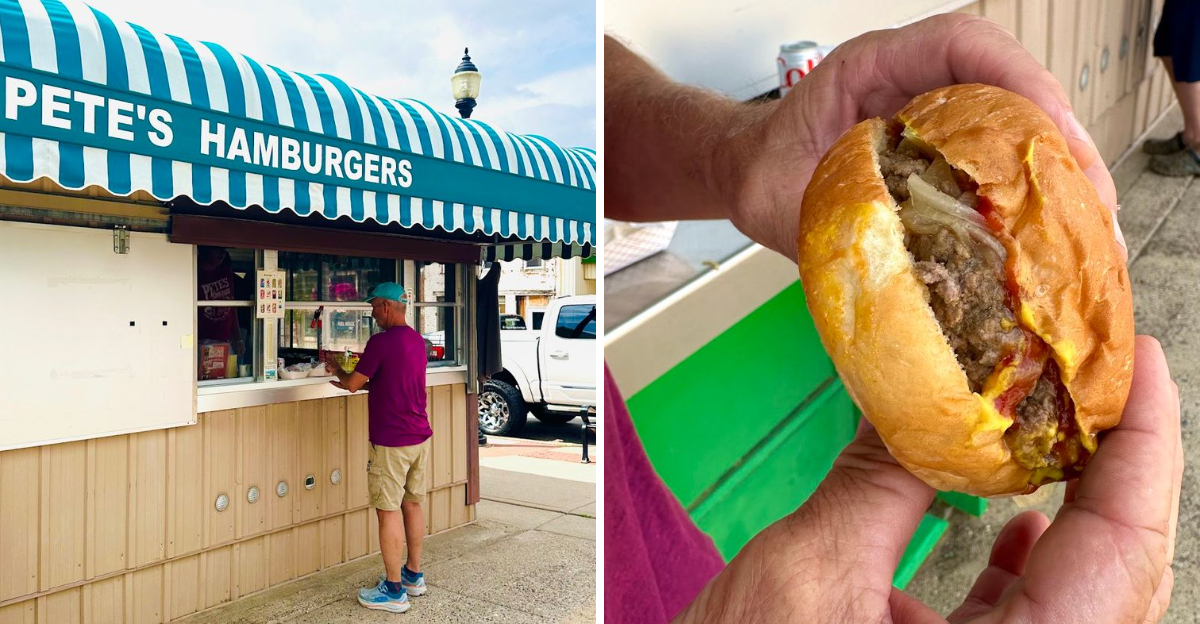
Southwestern Wisconsin hugs the Mississippi River in ways that make you want to slow down and stay awhile. One particular river town has been giving people an excellent reason to do exactly that since 1909.
A tiny burger stand has spent over a century serving precisely one item, cooked using a method so unexpected it stops first-timers cold. No menu boards to study, no customization rabbit holes, no chef’s specials rotating with the seasons.
Just a singular burger, a cooking technique nobody saw coming, and lines of people willing to wait for proof that simplicity done right beats complexity every single time. Over a hundred years of hungry customers can’t all be wrong.
A One Item Menu That Has Worked Since 1909
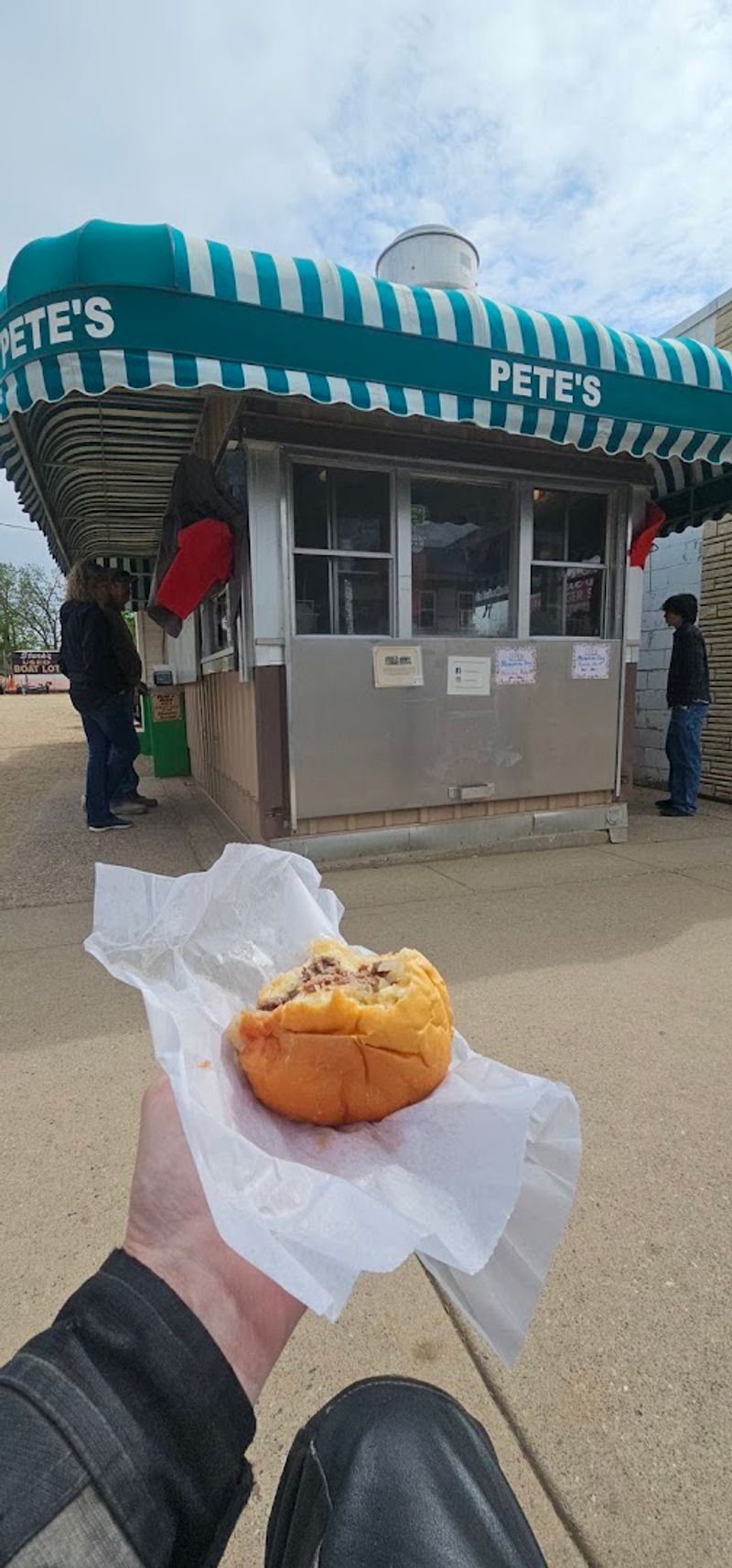
Walking up to Pete’s Hamburgers means accepting a refreshing reality: you will not be paralyzed by choices. The menu consists of a single burger, available with or without grilled onions, and that simplicity has sustained this business through world wars, economic shifts, and the rise of fast food chains.
Located at 118 W Blackhawk Ave, Prairie du Chien, WI 53821, the stand operates on a principle that feels almost radical in modern dining culture.
No bacon options exist here. No avocado slices, no specialty sauces in squeeze bottles, no build-your-own configurations on a laminated menu board.
The burger arrives on a locally made bun with your choice of condiments: ketchup, yellow mustard, or brown mustard.
This focus has allowed four generations of the same family to perfect one thing rather than dilute their efforts across dozens of mediocre offerings. The stand proves that mastery comes from repetition and that customers will travel significant distances for food made with consistent excellence and zero pretension.
The Burgers Are Cooked In A Way Most People Have Never Seen
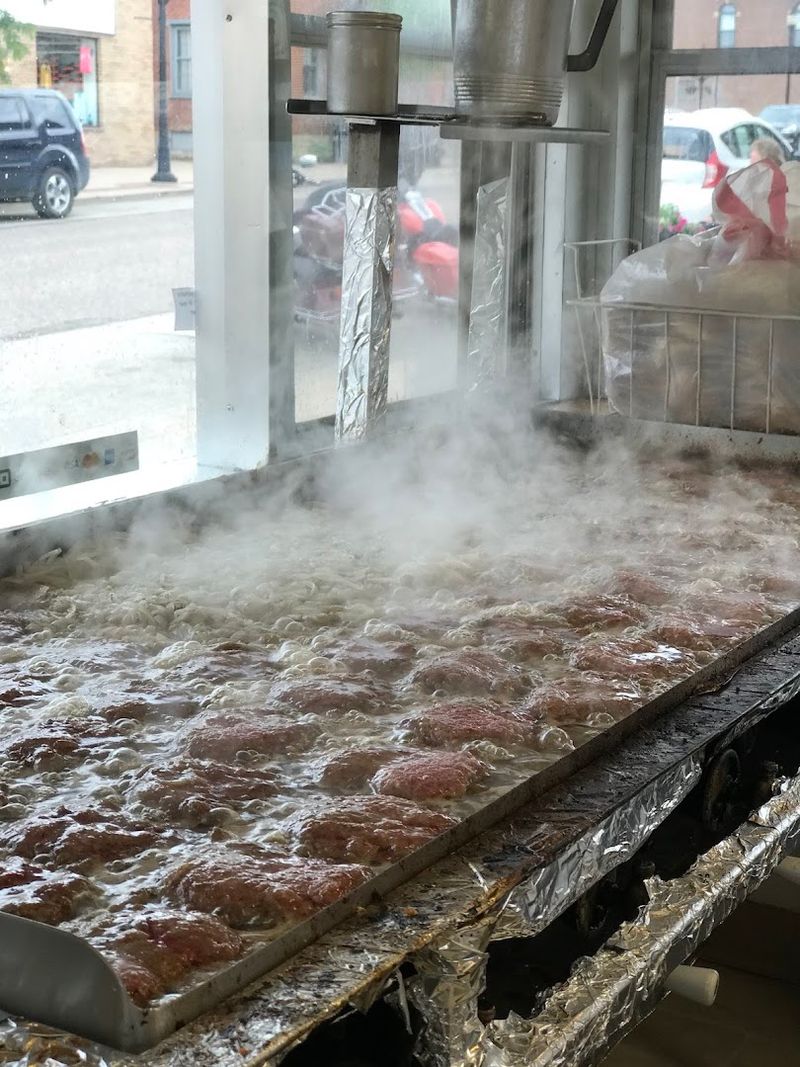
Forget everything you know about grilling burgers over open flames or searing them on a dry flat top. Pete’s employs a technique that surprises first-time visitors and keeps regulars coming back: the patties cook in a shallow pool of liquid created by rendering onions and beef fat on the griddle.
This method produces burgers with an entirely different texture and flavor profile than traditional grilling.
The process begins with a layer of sliced onions spread across the cooking surface. Ground beef patties go directly on top, and as everything cooks together, the moisture from the onions combines with fat from the meat to create a savory broth.
The patties essentially steam and simmer rather than char, resulting in meat that stays remarkably juicy while absorbing the sweetness of caramelized onions. Watching this unfold through the service window becomes part of the experience, a culinary theater that has played out the same way for more than eleven decades without modification or modern intervention.
Onions Are Part Of The Flavor, Not Just A Topping
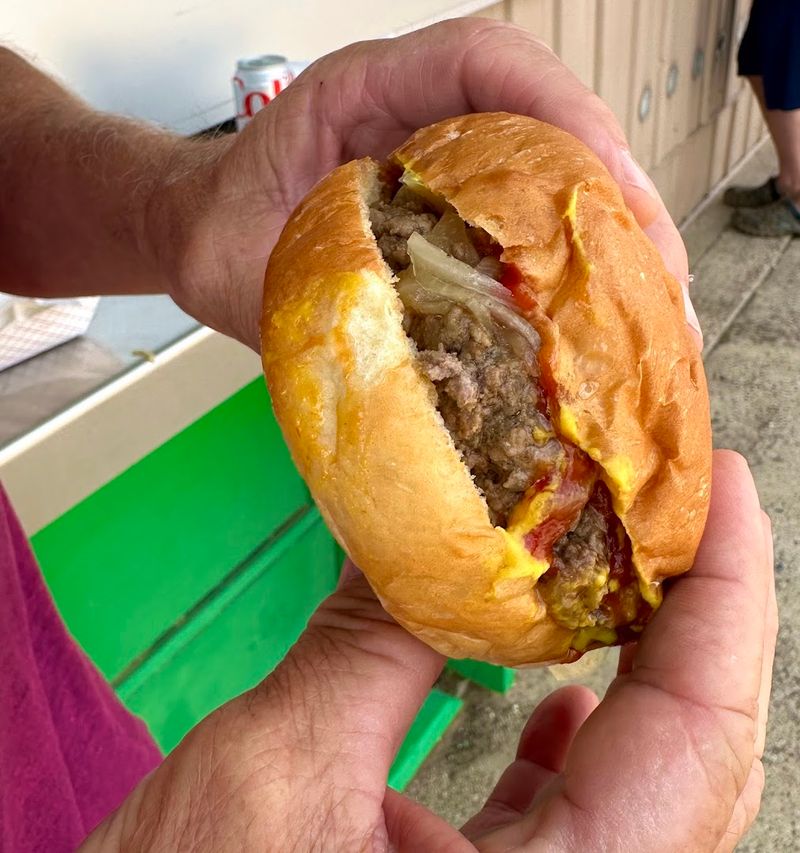
At Pete’s, ordering a burger with onions does not mean receiving a few sad rings placed as an afterthought between bun and beef. The onions function as an integral component of the cooking process itself, transforming from raw vegetable to flavor foundation as the patties cook atop them.
By the time your burger reaches the window, those onions have caramelized into sweet, tender strands that have spent their entire cooking time mingling with beef drippings.
The stand piles them generously on each burger, creating a ratio that might seem excessive until you take the first bite and realize the balance works perfectly. Some customers prefer their burgers without onions, but they miss the full expression of what makes this particular burger distinct from every other patty served across Wisconsin.
The onions contribute moisture, sweetness, and a depth of flavor that elevates simple ingredients into something memorable. They represent the kind of intuitive cooking wisdom that predates food science but produces results no laboratory could improve upon.
The Tiny Stand Only Opens Seasonally
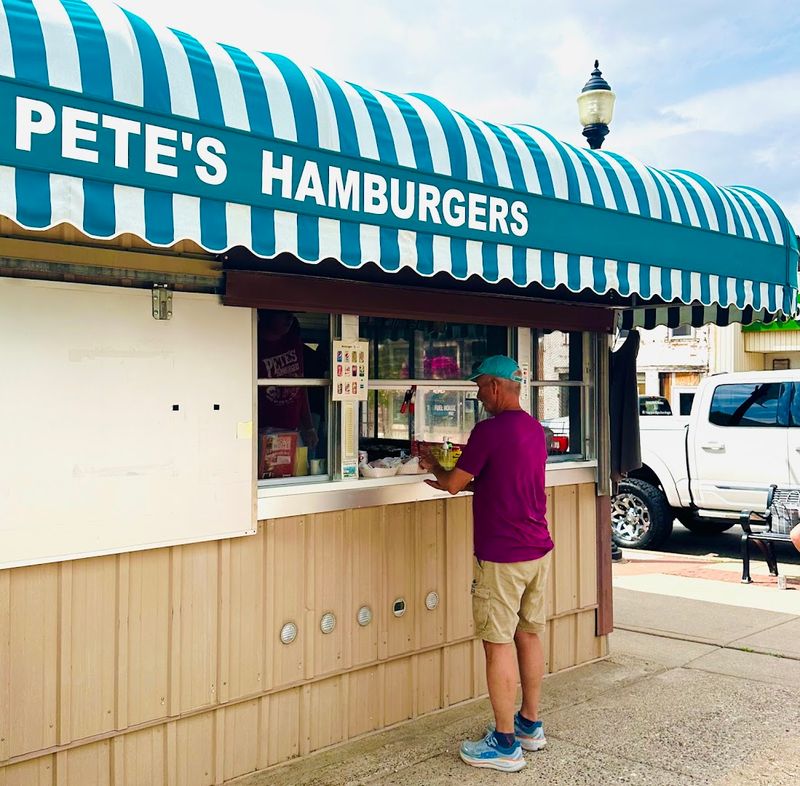
Pete’s Hamburgers does not operate year-round, a fact that adds both charm and frustration to its legend. The stand opens seasonally, typically running from spring through fall, with hours limited to Friday, Saturday, and Sunday from 11 AM to 7 PM.
During the cold Wisconsin winter months, the building sits shuttered, and burger enthusiasts must wait patiently for warmer weather to return.
This schedule makes perfect sense for a walk-up stand with no indoor seating, but it also creates a sense of urgency among fans who know their window of opportunity closes each autumn. The seasonal nature transforms each visit into a special occasion rather than a routine meal.
You cannot simply decide on a Tuesday in January that you want a Pete’s burger and make it happen. Planning becomes necessary, and that planning heightens anticipation.
The limited availability ensures that every burger served carries the weight of scarcity, and customers appreciate each bite more knowing they cannot return tomorrow or next week if the calendar falls wrong.
People Line Up For Burgers Served The Old Fashioned Way
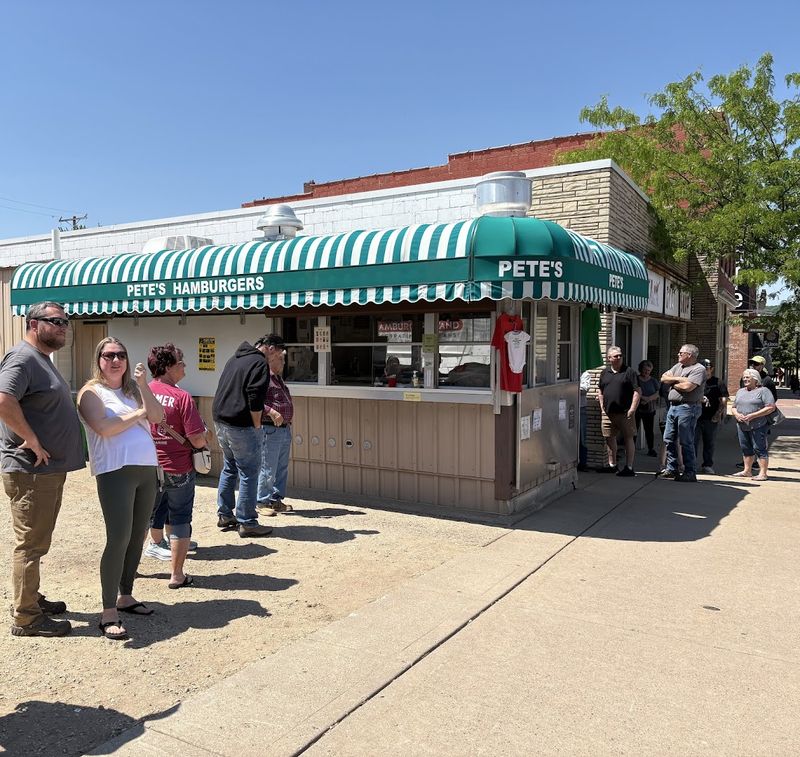
Lines form early at Pete’s, snaking along the sidewalk as customers wait their turn at the single service window. Some visitors arrive to find a manageable queue; others discover they have joined a wait that could stretch past an hour, particularly on sunny weekend afternoons when word spreads and hunger strikes simultaneously across southwestern Wisconsin.
The stand produces burgers in batches rather than continuously, meaning service happens in waves.
When one round finishes cooking, everyone waiting receives their order quickly. Then the next batch begins, and those who arrived moments too late must wait for the entire cooking cycle to complete.
This rhythm could frustrate people accustomed to drive-through efficiency, but something about standing in line at Pete’s feels different.
Conversations spark between strangers comparing previous visits or debating the merits of brown mustard versus yellow. The wait becomes communal rather than tedious, a shared experience that bonds people through their willingness to invest time for a burger made the old fashioned way.
There Is No Cheese, No Fries, And No Fuss
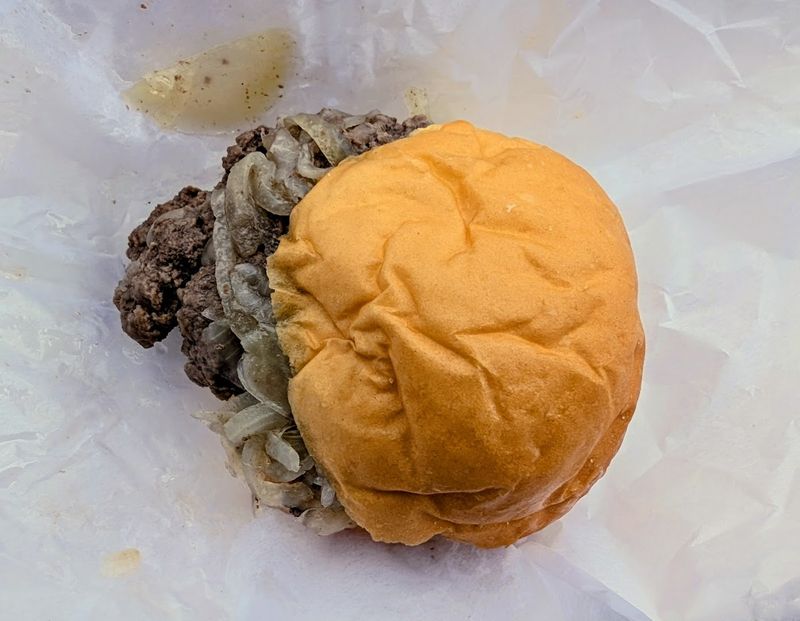
Requesting cheese on your Pete’s burger will earn you a polite but firm explanation that cheese simply does not exist here. The menu offers no fries, no onion rings, no tater tots or any other fried accompaniment that typically partners with American burgers.
Your side dish options consist of bagged potato chips in various flavors and canned sodas served at whatever temperature the cooler maintains on that particular day.
This minimalism might seem limiting until you recognize it as liberation from the tyranny of endless customization. The stand focuses entirely on executing one thing exceptionally well rather than spreading resources across a bloated menu of mediocre items.
No one working behind that window needs to remember complicated modifications or special requests.
Every burger emerges identical to the thousands that came before it, prepared with muscle memory refined over decades. The absence of fuss extends to the entire operation: no seating area to maintain, no dining room to clean, no complex kitchen systems to troubleshoot.
Just burgers, chips, and drinks served through a window that has witnessed over a century of hungry customers.
The Recipe Started With A Simple Grill Trick
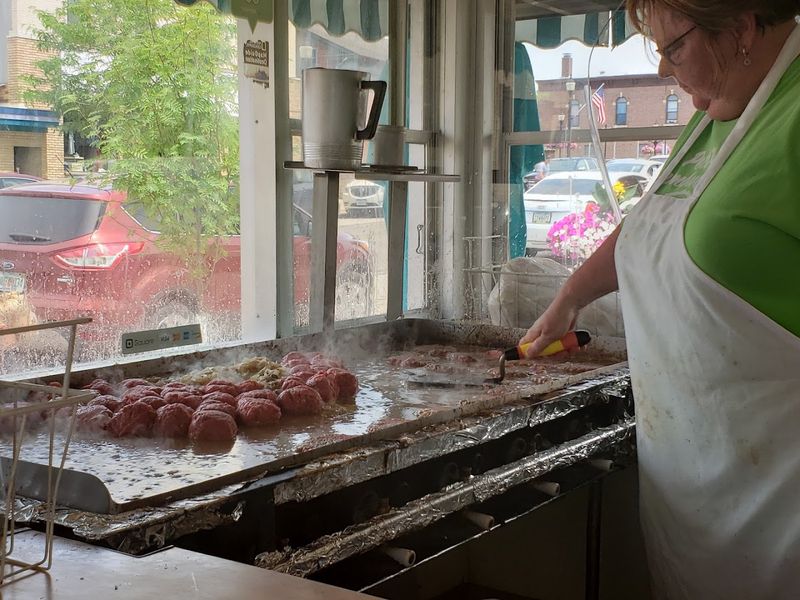
Pete’s distinctive cooking method did not emerge from culinary school training or cookbook research. The technique developed out of practical necessity and observation, the kind of improvisation that happens when someone cooking hundreds of burgers searches for ways to keep meat moist and flavorful without access to modern equipment.
Cooking patties in rendered onion liquid prevented the beef from drying out on the griddle while simultaneously infusing flavor into every bite.
This approach required no special ingredients or expensive tools, just attention to timing and temperature. The simplicity of the trick made it repeatable and teachable, allowing the method to pass unchanged through multiple generations of family ownership.
What began as a practical solution became the signature that distinguished Pete’s from every other burger joint in Wisconsin.
The recipe itself contains nothing exotic: ground beef, onions, salt, pepper, and buns. The magic lives entirely in the execution, in the patience required to let patties cook slowly in their flavorful bath rather than rushing them over high heat to maximize output.
Generations Of Wisconsin Families Keep Coming Back
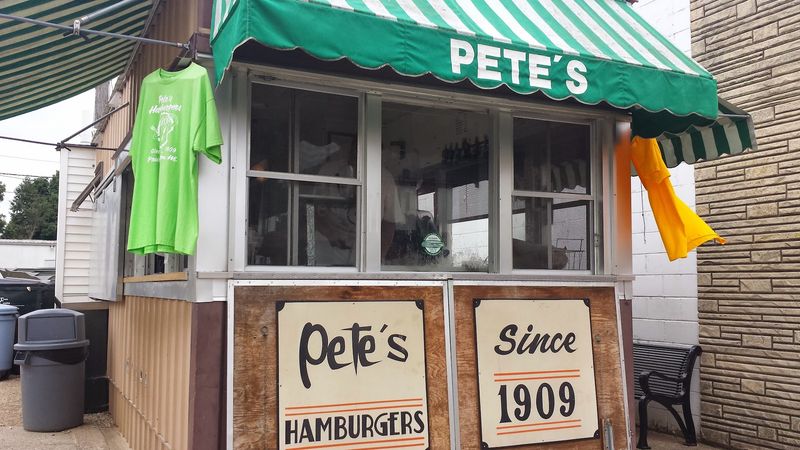
Grandparents bring grandchildren to Pete’s, recreating memories from their own youth when they stood in similar lines with their parents. These multi-generational visits form the backbone of the stand’s continued success, creating loyal customers before those customers develop the vocabulary to articulate why food matters beyond mere sustenance.
Children grow up hearing stories about Pete’s, building anticipation for the day they finally get to try the famous burger themselves.
Those first visits often happen during summer road trips or weekend excursions to Prairie du Chien, becoming formative food memories that shape preferences for decades. When those children become parents, they repeat the ritual, continuing an unbroken chain of family tradition that stretches back through the better part of a century.
The stand represents continuity in a world that constantly changes, a reliable constant where the burger tastes exactly as it did in their parents’ memories. This generational loyalty provides business stability that no marketing campaign could manufacture, proof that excellence and consistency create their own sustainable momentum.
The Smell Alone Pulls People Off The Road
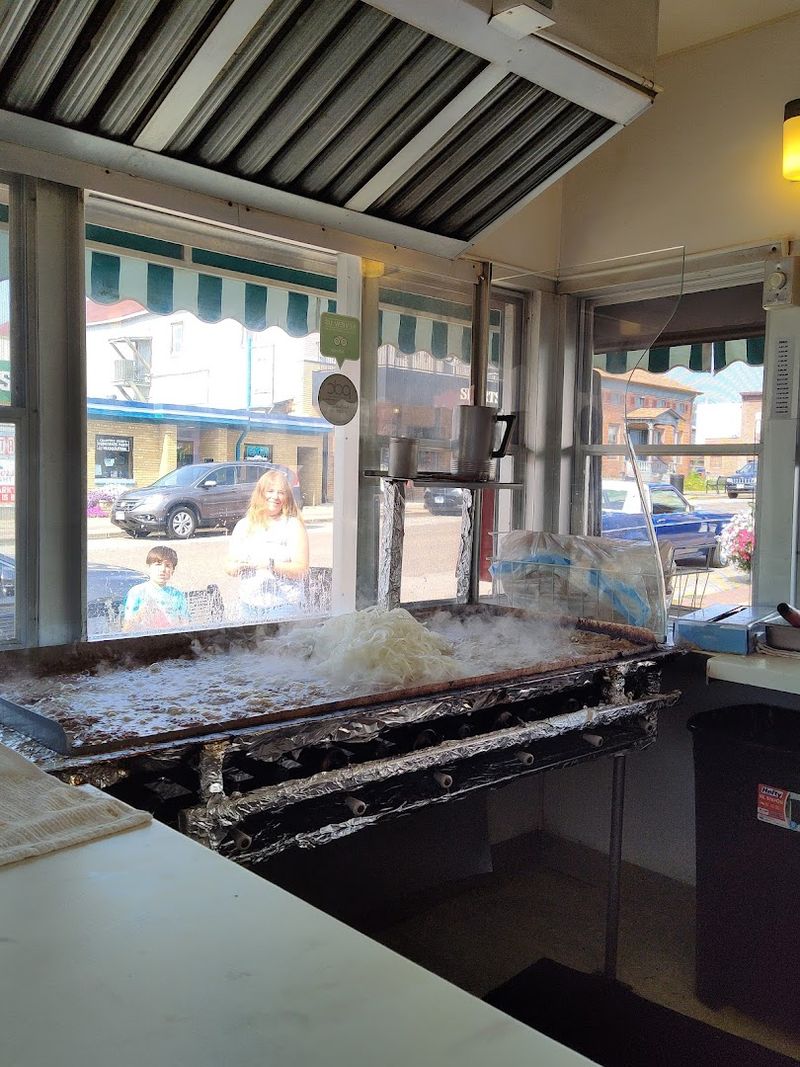
Driving through downtown Prairie du Chien with windows down, the scent of grilling onions and beef hits your senses blocks before you spot the actual stand. That aroma functions as advertising more effective than any billboard, triggering immediate hunger even in people who ate lunch an hour earlier.
The smell of caramelizing onions mixed with rendering beef fat creates an olfactory experience that bypasses rational thought and speaks directly to primal food instincts.
Countless travelers have altered their plans mid-journey after catching that scent drifting through their car vents. A quick stop for gas becomes an impromptu meal as the smell proves impossible to ignore.
The stand’s location on West Blackhawk Avenue positions it perfectly to ambush passing traffic with its aromatic siren call.
No synthetic air freshener or chemical flavoring could replicate what happens when real onions cook slowly alongside quality beef on a well-seasoned griddle. That authenticity registers immediately in the nose and brain, signaling food worth stopping for, worth waiting in line for, worth remembering long after the meal ends.
The Stand Has Become A Prairie Du Chien Tradition
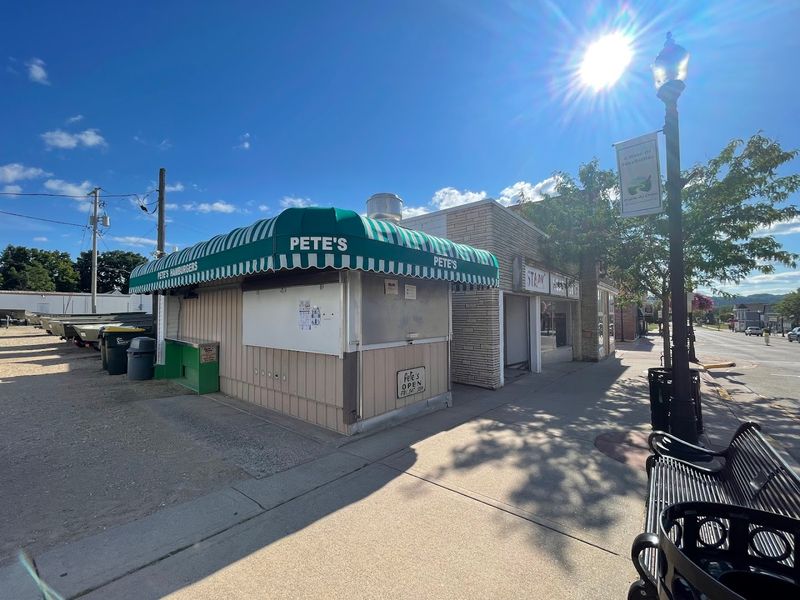
Pete’s occupies a special place in Prairie du Chien’s identity, functioning as more than a restaurant. The stand serves as a landmark, a meeting point, and a source of civic pride for residents who appreciate having something genuinely historic and authentic in their community.
When locals give directions, they reference Pete’s as a known quantity everyone recognizes. When they recommend activities to visitors, the burger stand appears on every list.
The business contributes to the town’s character in ways that chain restaurants never could, providing a tangible link to the past that makes Prairie du Chien feel distinct rather than interchangeable with any other small Wisconsin city. High school students gather there after games; families make it part of their weekend routine; tourists mark it as a must-visit destination.
This integration into community life creates a symbiotic relationship where the town supports the stand and the stand enhances the town’s appeal. The tradition extends beyond food into the realm of cultural heritage, preserving not just a recipe but a way of doing business that values quality over growth.
Food Shows Helped Turn It Into A Burger Pilgrimage
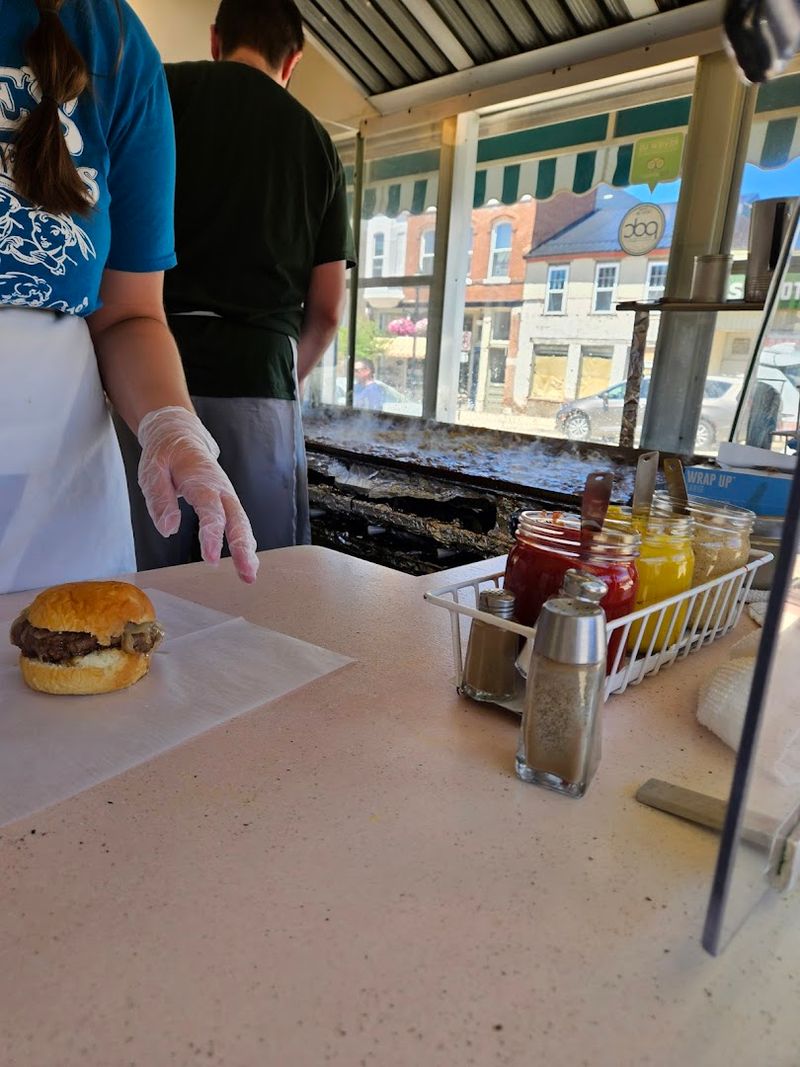
Television food shows discovered Pete’s in recent years, sending crews to document the unusual cooking method and interview the family members who maintain this piece of culinary history. These segments introduced the stand to audiences far beyond Wisconsin, transforming a regional secret into a national destination for burger enthusiasts.
Suddenly people from neighboring states began planning road trips specifically to visit Pete’s, armed with knowledge gained from watching it featured on their screens.
The exposure created both opportunities and challenges as crowds grew larger and lines stretched longer. The stand gained fame without changing anything about its operation, maintaining the same limited hours and simple menu despite increased demand.
This refusal to expand or modify the business model in response to publicity only enhanced its appeal among food pilgrims seeking authenticity.
The television attention validated what locals already knew but also invited scrutiny from viewers with high expectations. Most visitors leave satisfied, understanding that the pilgrimage offers value beyond the burger itself, providing a glimpse into how food businesses once operated before efficiency and profit margins dominated every decision.