
Most People Have Never Heard Of This Storybook Wisconsin Lakeside Town
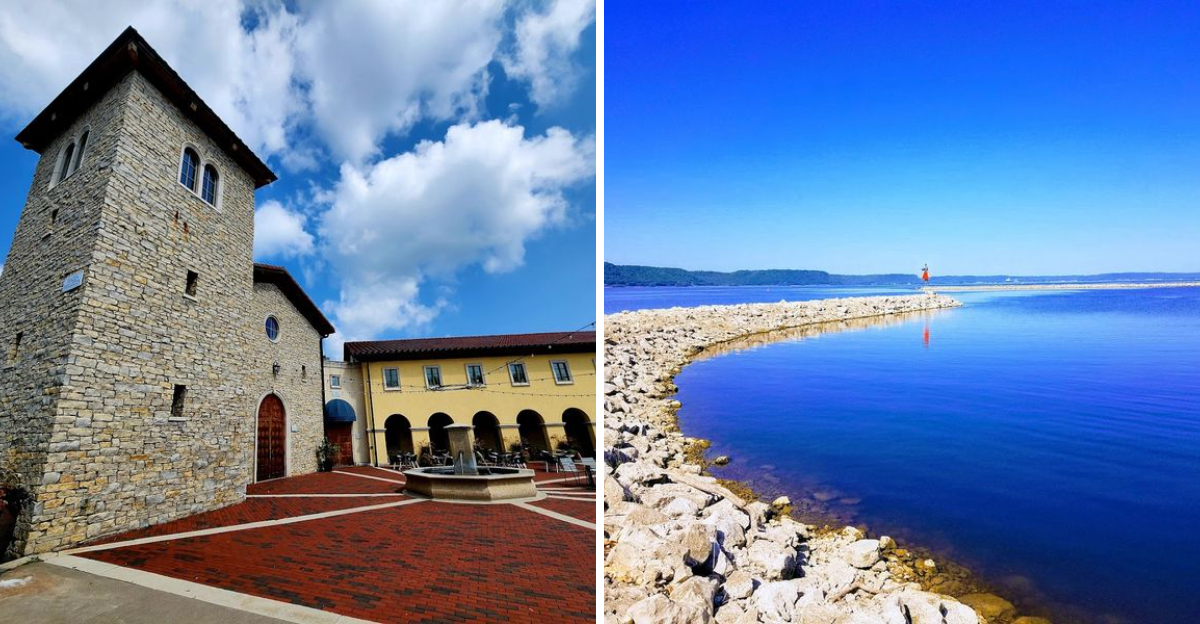
Most travelers blow right past it without a second thought. That’s their loss.
Sitting where the Mississippi River spills into a wide, glassy lake, this tiny Wisconsin village looks like something an illustrator dreamed up for a storybook. The population barely clears 700 people.
The pace of life makes a Sunday afternoon feel rushed. Railroads and riverboats once wrote this town’s story, and somehow that unhurried spirit never left.
Modern America traded quiet for convenience a long time ago, but this little waterfront community missed that memo entirely. Walking its streets feels less like tourism and more like accidentally stepping through a door that most of the world forgot existed. Lucky you for finding it.
Pepin Sits On The Shores Of Lake Pepin
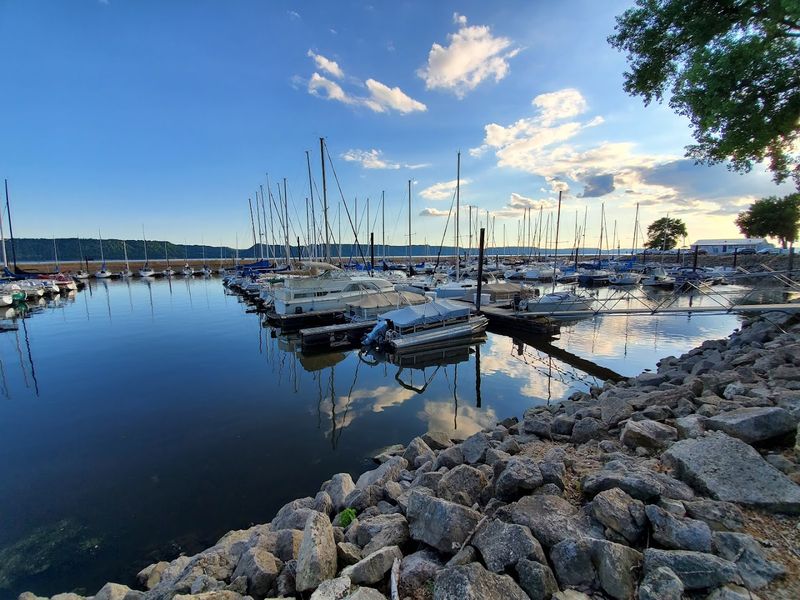
The village of Pepin occupies a narrow strip of land between steep bluffs and the open water of Lake Pepin, a natural widening of the Mississippi River. Buildings line the shore in a tidy row, most of them dating back to the late 1800s when the river trade was still thriving.
The setting creates a natural amphitheater effect, with the town at the bottom and forested ridges rising behind it.
Walking along the waterfront, you can see sailboats bobbing at anchor and fishing boats heading out in the early morning. The lake stretches more than two miles wide at this point, broad enough to feel like an inland sea.
On calm days, the water reflects the sky and the Minnesota bluffs across the way with mirror-like clarity.
The village sits at 44.4410785, -92.14795, tucked into Pepin County on Highway 35. Its position along the water has shaped everything about the town, from its economy to its character.
Lake Pepin Is The Widest Natural Part Of The Mississippi River
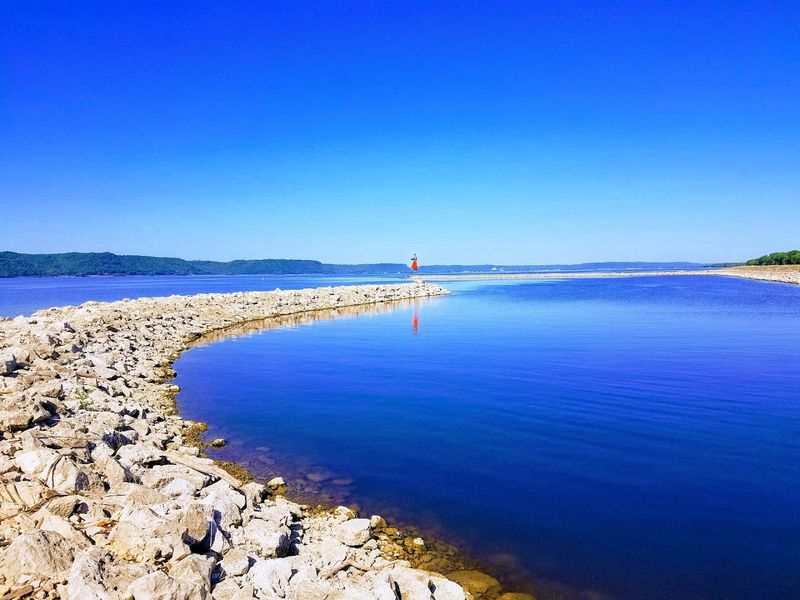
Lake Pepin formed naturally thousands of years ago when sediment from the Chippewa River created a delta that dammed the Mississippi. The result is a lake-like expansion that runs for about 22 miles and reaches widths of more than two miles in places.
It remains the only true lake along the entire course of the Mississippi River, a geological oddity that has defined the region for centuries.
The water here is deep enough and calm enough for serious sailing, which is rare on the Mississippi. Regattas and races take place throughout the summer, drawing sailors from across the Midwest.
The lake also supports a healthy population of walleye, sauger, and smallmouth bass, making it a popular spot for anglers.
Standing on the Pepin shore and looking out across the water, it is easy to forget you are on a river at all. The horizon seems impossibly wide, more ocean than stream.
The Town Is Part Of Wisconsin’s Great River Road
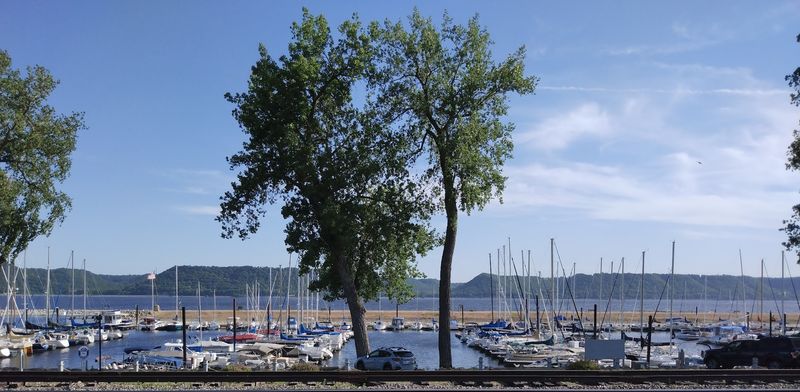
Highway 35 runs through Pepin as part of the Great River Road, a nationally designated scenic byway that follows the Mississippi from its source in Minnesota down to the Gulf of Mexico. The Wisconsin section of this route is particularly striking, hugging the river bluffs and offering long views of the water below.
Pepin sits at one of the most dramatic points along the way, where the road dips down to the shoreline and the lake opens up in full view.
Driving through town, the pace slows naturally. There are no stoplights, just a handful of stop signs and a main street lined with old storefronts.
The road curves gently along the water, passing marinas, parks, and historic buildings that have stood for more than a century.
Travelers who take the time to pull over and walk around often find themselves lingering longer than planned. The rhythm of the place is contagious.
Laura Ingalls Wilder Was Born Near Pepin
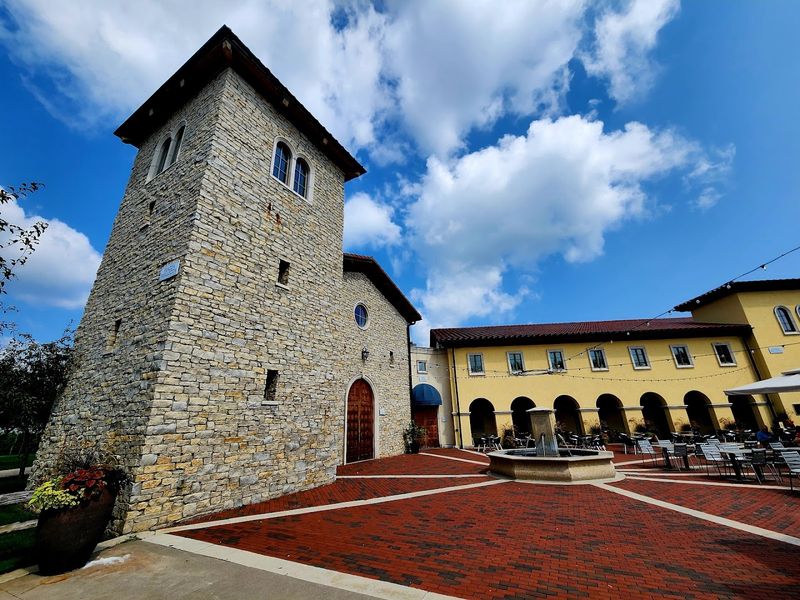
Laura Ingalls Wilder, author of the Little House books, was born about seven miles north of Pepin in 1867. Her family lived in a log cabin on the edge of the Big Woods, the dense forest that once covered much of western Wisconsin.
Though the Ingalls family moved away when Laura was still a child, her memories of those early years became the foundation for Little House in the Big Woods, the first book in her famous series.
The landscape she described in that book is still recognizable today. The woods remain thick and dark, the lake still wide and blue.
Her writing captured the rhythms of frontier life with such precision that readers have been visiting Pepin for decades, hoping to see the world she remembered.
The connection between Pepin and Laura Ingalls Wilder is the single biggest reason most people have heard of the town at all.
The Laura Ingalls Wilder Museum Keeps That Story Alive
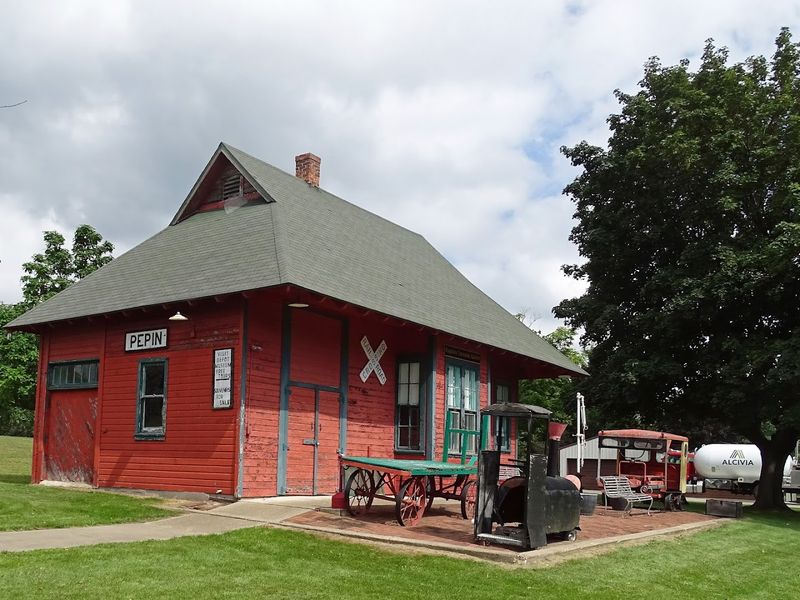
The Laura Ingalls Wilder Museum sits in downtown Pepin, occupying a former depot building that once served the railroad. Inside, visitors find exhibits dedicated to the Ingalls family, including photographs, documents, and artifacts from the 1860s and 1870s.
The museum does a careful job of separating fact from fiction, showing what life was really like for frontier families in Wisconsin during that era.
Displays include reproductions of period clothing, tools, and household items, along with maps showing where the Ingalls family lived and traveled. There are also editions of the Little House books in multiple languages, evidence of how widely Laura’s stories have been read around the world.
The museum is run by volunteers, most of them locals who grew up hearing stories about the Ingalls family. They are generous with their time and knowledge, happy to answer questions and share details that go beyond what the books reveal.
A Recreated Little House Cabin Stands North Of Town
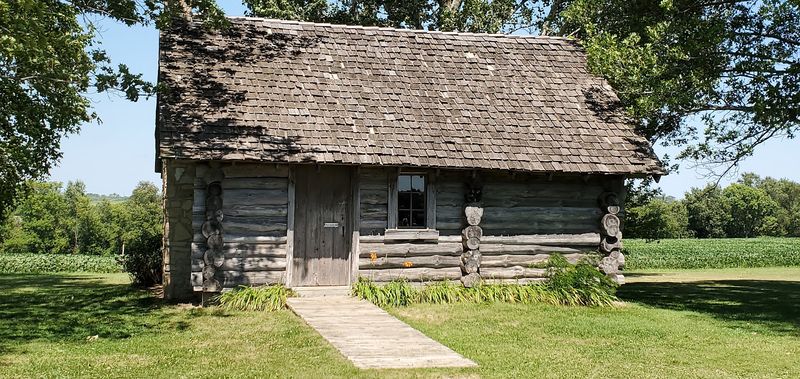
About seven miles north of Pepin, a replica of the Ingalls cabin stands on land believed to be close to the original site. Built in the 1970s, the cabin is a faithful reproduction based on descriptions from the books and historical records.
It sits in a clearing surrounded by tall pines and oaks, just as Laura described in her writing.
The cabin is small, just one room with a loft and a stone fireplace. Standing inside, it is striking how little space the family had and how much work must have gone into daily survival.
There are no modern conveniences, no electricity or running water, just the basics needed to cook, sleep, and stay warm through a Wisconsin winter.
Visitors can walk around the property and imagine what life was like for a family carving out a home in the wilderness. The stillness of the woods and the simplicity of the structure offer a powerful contrast to modern life.
The Waterfront Adds A Quiet Storybook Feel
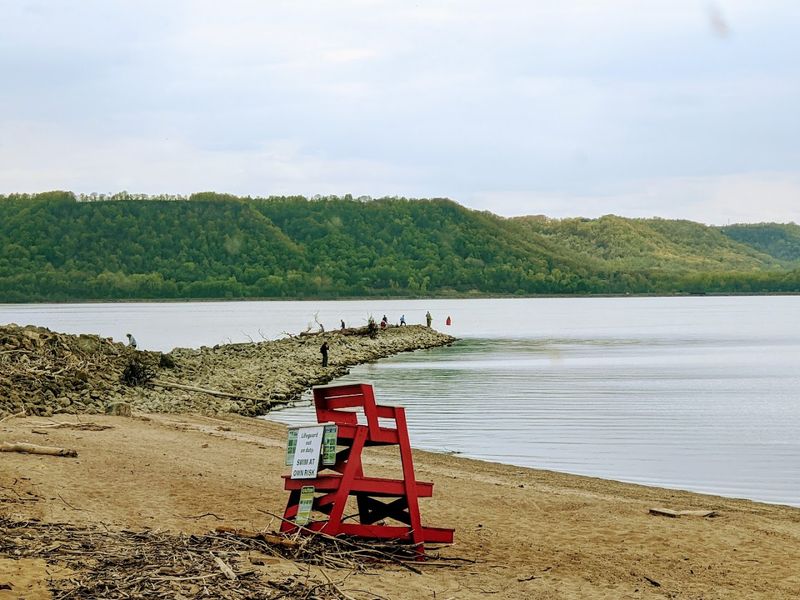
The waterfront in Pepin is simple and unpretentious, with a public park, a small beach, and a marina where sailboats and fishing boats come and go. There are benches facing the water, a playground for children, and a grassy area where people spread out blankets on summer evenings.
The atmosphere is unhurried, the kind of place where families linger and conversations unfold slowly.
Walking along the shore, you pass old buildings that have been converted into shops, cafes, and galleries. Many of them retain their original facades, giving the town a timeless quality.
The pace of life here feels deliberate, as if the town has decided to resist the rush and noise of the modern world.
On quiet mornings, the only sounds are the lapping of water against the docks and the occasional cry of a gull. It is easy to see why people describe Pepin as storybook-like.
Sailing And Boating Are Big Parts Of Local Life
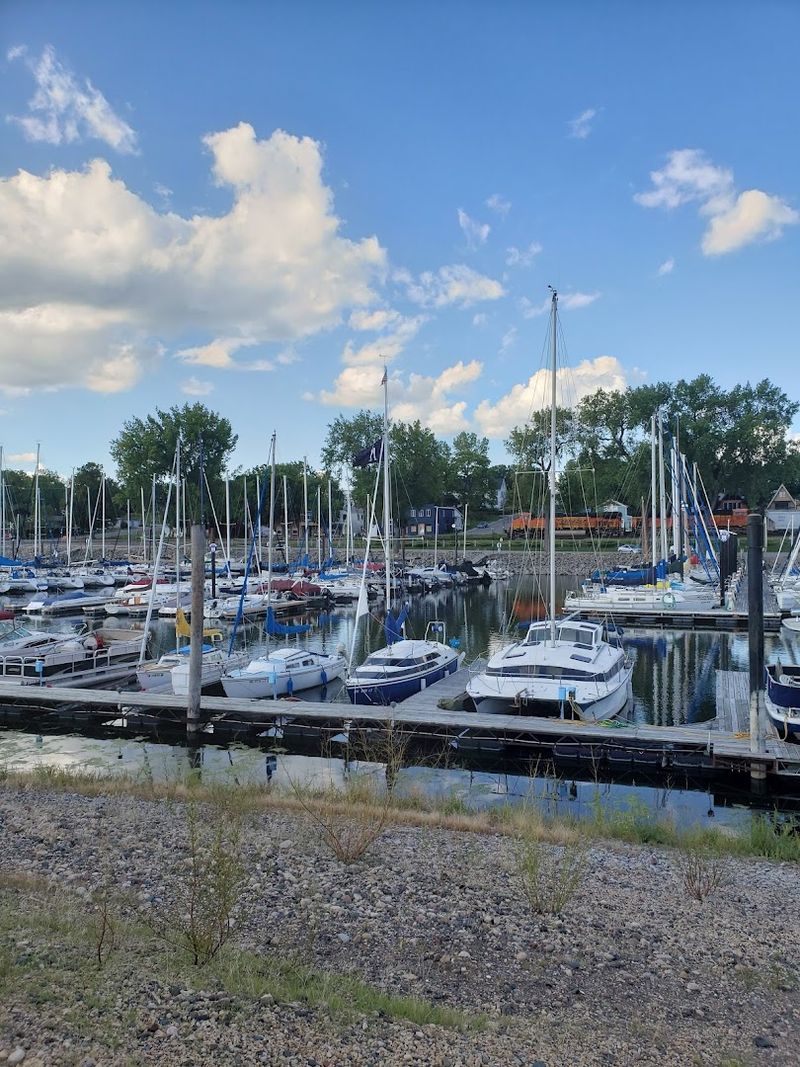
Lake Pepin has been a sailing destination for more than a century, and the tradition remains strong in Pepin today. The Lake Pepin Sailing Club, based in the village, hosts races and regattas throughout the summer, attracting sailors from Minnesota, Wisconsin, and Iowa.
The lake’s wide expanse and steady winds make it ideal for both racing and recreational sailing.
On weekends, the water fills with boats of all sizes, from small dinghies to larger cruising sailboats. The sight of white sails against the blue water and green bluffs is one of the defining images of Pepin.
Many families in town own boats, and sailing skills are passed down through generations.
Fishing is equally popular, with anglers launching early in the morning to chase walleye and bass. The lake supports a healthy fishery, and local knowledge about where and when to fish is shared freely at the marina and in the town’s cafes.
The Town Has A Long River And Railroad History
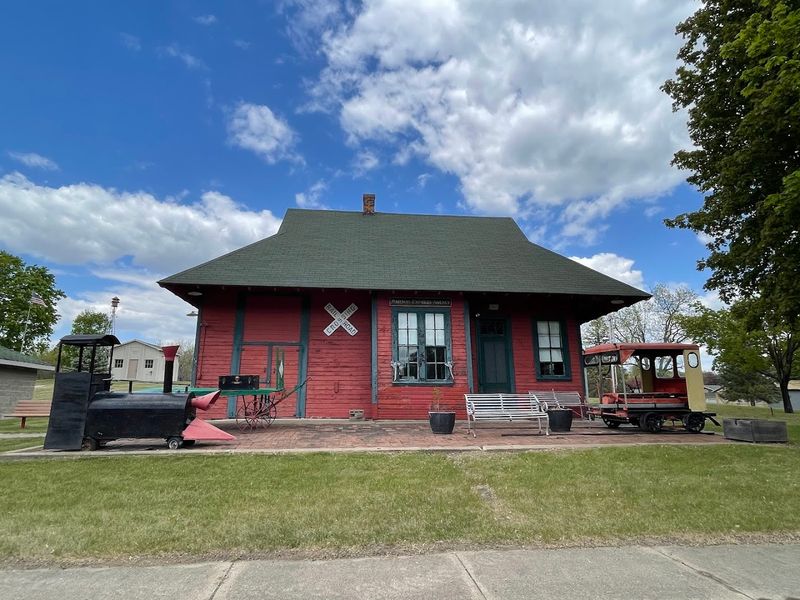
Pepin grew up as a river town in the mid-1800s, serving as a stop for steamboats carrying goods and passengers up and down the Mississippi. When the railroad arrived in the 1870s, the town became an important shipping point for grain, lumber, and livestock.
The combination of river and rail traffic brought prosperity, and many of the buildings that still stand today were built during that boom period.
The old depot, now home to the Laura Ingalls Wilder Museum, is one of the most visible reminders of that era. Other historic structures line the main street, including former hotels, warehouses, and storefronts that once catered to travelers and traders.
Walking through town, you can still sense the bones of that earlier economy.
By the early 1900s, both river and rail traffic had declined, and Pepin settled into a quieter existence. The history remains visible, though, in the architecture and layout of the town.
Laura Ingalls Wilder Days Brings Visitors Each September
Every September, Pepin hosts Laura Ingalls Wilder Days, a festival celebrating the author and the pioneer heritage of the area. The event draws thousands of visitors, many of them fans of the Little House books who come from across the country and around the world.
The festival includes parades, craft demonstrations, historical reenactments, and performances inspired by Laura’s stories.
Local volunteers dress in period clothing and demonstrate skills like butter churning, rope making, and blacksmithing. There are also tours of the museum and the cabin site, along with book signings, lectures, and children’s activities.
The festival has been running for more than 50 years and has become a beloved tradition for both residents and visitors.
For a few days each fall, Pepin transforms into a bustling hub of activity. Then, once the crowds leave, the town returns to its usual quiet rhythm, content to let the lake and the woods speak for themselves.