
These New York Forests Have Mushroom Foraging Spots That Locals Guard Like A Trade Secret
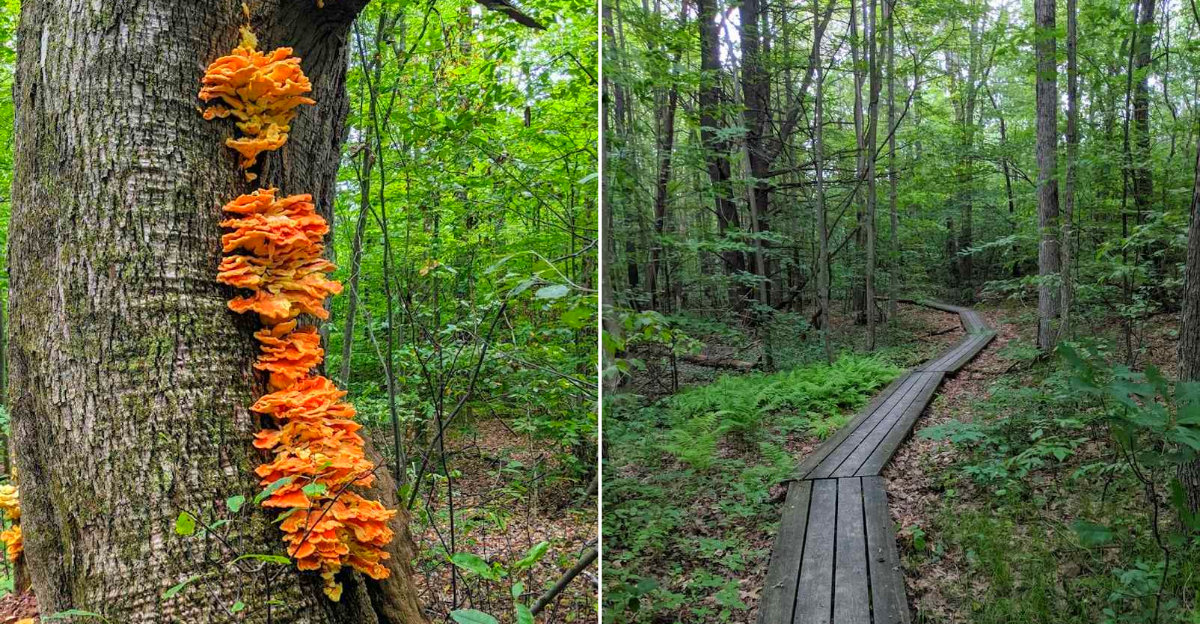
Ask a serious forager where they found the chanterelles and watch what happens to their face. The smile stays exactly where it is.
The eyes go somewhere else entirely. The answer that comes back is some version of a general region delivered with the confidence of someone who has just told you everything and nothing at the same time.
New York foragers have been perfecting that response for years and the forests behind it are the reason why.
Mushroom foraging runs on a combination of knowledge, patience, and the kind of specific geographic memory that serious practitioners treat as professional intellectual property.
New York forests hold these spots in abundance and the locals who know them return season after season with full baskets.
This list gets as close to those spots as anyone generous enough to share them was willing to go. The rest is up to you and a good pair of boots.
1. Finger Lakes National Forest: New York’s Only National Forest
At 16,259 acres spread across Seneca and Schuyler Counties, the Finger Lakes National Forest is the only national forest in all of New York State. That alone makes it worth talking about.
Personal-use foraging is explicitly permitted here, and the Cornell Mushroom Club treats it as their official go-to spot.
The season runs almost all year long, which is genuinely wild. Morels pop up in May, king boletes appear under spruce trees in June, chanterelles grow under oaks in July, and giant puffballs take over from August through September.
After that, the forest keeps producing all kinds of mushrooms straight through the first snowfall.
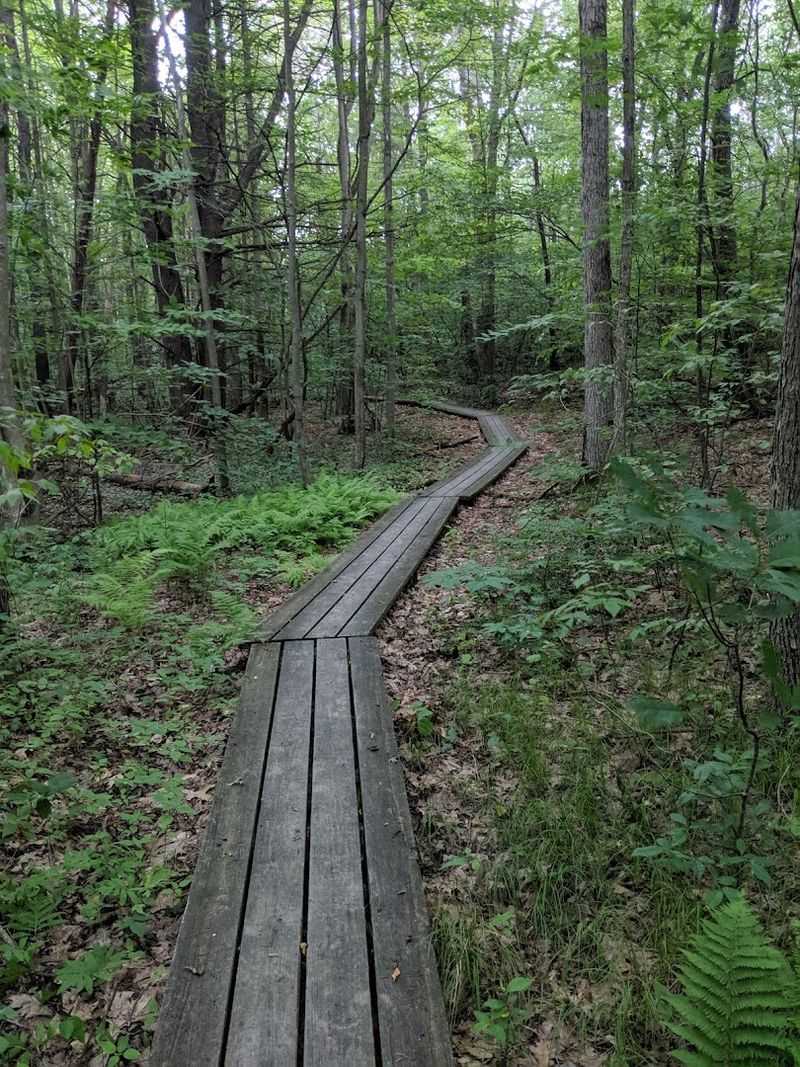
Thirty miles of interconnecting trails wind through gorges, ravines, and mixed woodland, so you are never stuck retracing the same path. The trails make it easy to cover new ground every single visit.
You can find the forest entrance information at 5218 NY-414, Hector, NY 14841.
One thing foragers love about this spot is how layered the seasons feel. You are not chasing one mushroom and calling it done.
The forest keeps rewarding you month after month with something different. Under DEC regulation 6 NYCRR Part 190.8(g), foraging for personal consumption is fully legal here, so you can fill your basket without any legal worries.
Just remember that State Parks like Harriman and Letchworth prohibit foraging entirely, so always double-check your location before you start picking.
2. Connecticut Hill State Forest: The Chanterelle Champion
Covering roughly 11,500 acres in Tompkins County, Connecticut Hill State Forest is one of the largest state forests in New York. Size matters in foraging because more acreage means more untouched ground.
The Cornell Mushroom Club specifically named this forest as a prime foraging location, which is about as strong an endorsement as you can get.
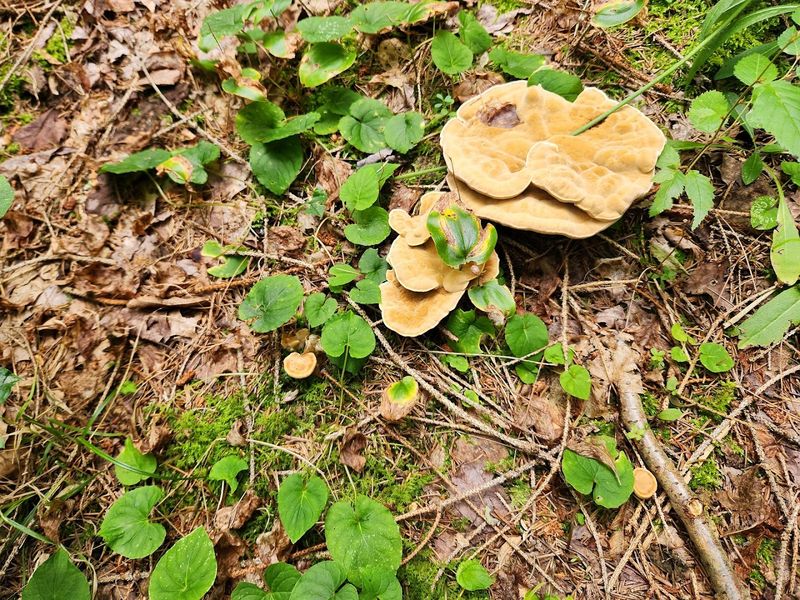
The mix of hardwood trees here is the real story. Significant oak coverage throughout the forest creates exactly the kind of ground conditions that chanterelles and hen of the woods thrive under.
Both species fruit reliably here, season after season, which is why experienced foragers keep coming back.
The Finger Lakes Trail passes through Connecticut Hill, giving you a natural route to follow without doubling back on yourself. That matters more than people realize.
When you are scanning the forest floor for mushrooms, having a clear path forward keeps you organized and covers more productive ground.
Foraging is legal here under DEC regulations for personal consumption, so you are good to go with a basket and a good eye. The forest sits within the Finger Lakes region, and its sheer size means crowds are rarely a problem even on weekends.
Just remember that nearby State Parks operate under different rules. Connecticut Hill State Forest is accessible from Newfield, NY 14867 in Tompkins County.
Pair this visit with a stop at one of the neighboring state forests for a full-day rotation that experienced foragers in the area swear by. Your morel spot is out there waiting.
3. Shindagin Hollow State Forest: Where Microclimates Do The Work
The name alone should tell you something is special here. Shindagin Hollow State Forest carries that gorge-country energy that foragers recognize immediately as premium mushroom territory.
The Cornell Mushroom Club recommends it, and once you understand the terrain, you will see exactly why.
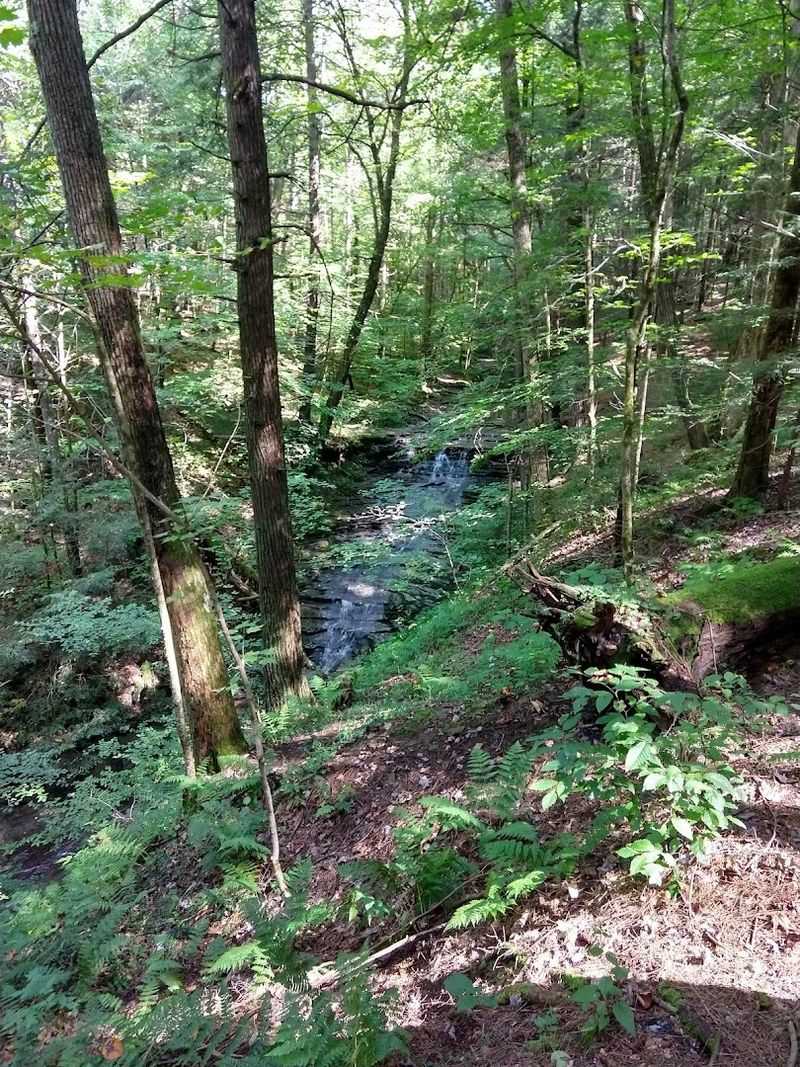
Gorge landscapes create microclimates, meaning pockets of moisture and shade that keep soil conditions right long after the surrounding forest has dried out.
That extended window matters enormously for chanterelles and oyster mushrooms, which need consistent humidity to fruit properly.
Shindagin Hollow delivers that naturally because of how the hollow channels water and retains cool air.
The hollow name is your compass. Follow the drainage lines through the forest and keep your eyes on decomposing hardwood along the creek corridor.
That is where oyster mushrooms cluster on fallen logs and stumps, sometimes in quantities that will genuinely surprise you. Experienced foragers know to walk slowly along creek edges rather than blazing straight through.
The forest is open to personal-use foraging under DEC regulations, and it sits in Tompkins County near Caroline, NY 14817. Getting there from Ithaca takes roughly 20 minutes, making it a realistic weekday morning trip.
The gorge terrain is a bit more demanding than flatter state forests, so wear boots with ankle support and bring trekking poles if you have them. Shindagin rewards patience more than speed.
The foragers who rush through it miss the best spots, which are always slightly off the obvious trail in the shadier corners of the hollow where moisture lingers longest.
4. Hammond Hill State Forest: High Elevation, Late Season Advantage
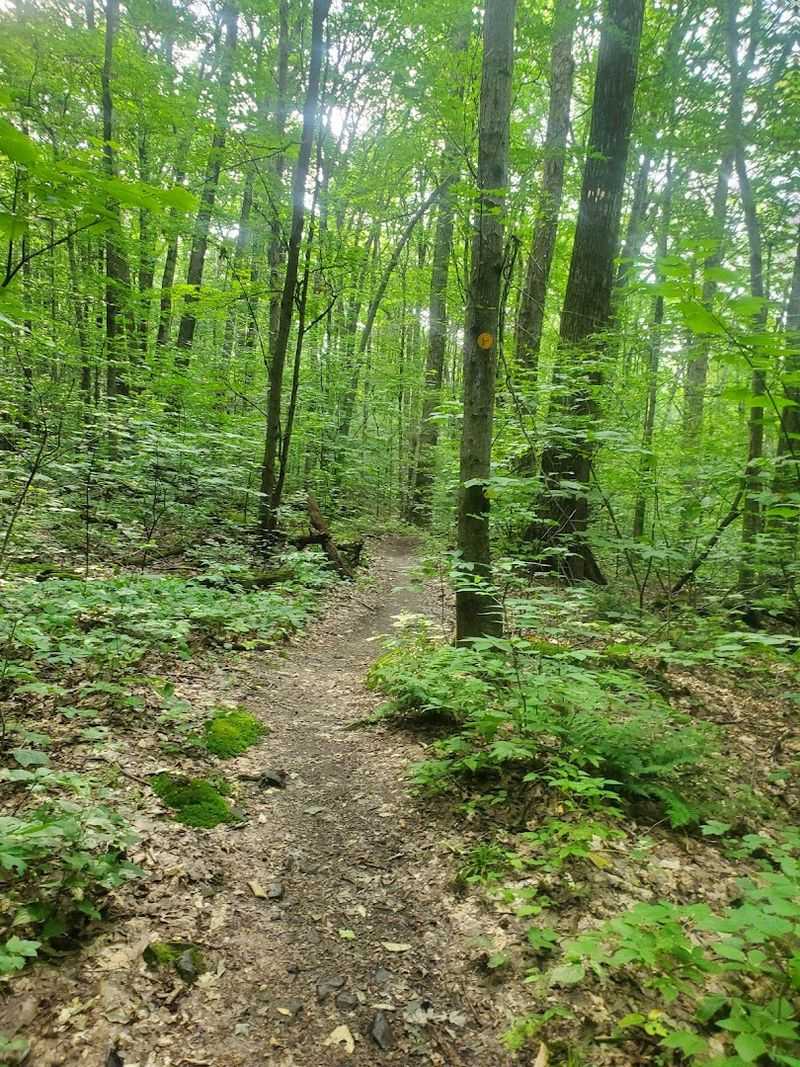
Elevation changes everything in mushroom foraging, and Hammond Hill State Forest is proof. Sitting higher than the surrounding valley state forests in Cortland and Tompkins Counties, it runs a week or two behind lower-elevation sites in terms of fruiting timing.
For foragers who missed the window at Connecticut Hill or Shindagin Hollow, Hammond Hill is the second chance you did not know you had.
The Cornell Mushroom Club endorses this forest specifically, and that timing advantage is likely a big reason why. A mixed forest of beech, maple, and oak covers the terrain, creating the layered canopy and decomposing leaf litter that so many edible species prefer.
Hen of the woods, chanterelles, and various boletes all appear here through the season.
The higher elevation also means slightly cooler temperatures during summer fruiting windows, which can slow the decay of mushrooms already out of the ground. That gives foragers a little more time to find them at peak condition rather than arriving a day late to a pile of mush.
Nobody wants that.
Hammond Hill State Forest is accessible near Harford, NY 13784 in Cortland County. Foraging for personal use is permitted under DEC regulation, and the forest sees less foot traffic than some of the more well-known Finger Lakes spots.
That relative quiet is exactly what regulars appreciate about it. Pair a visit here with a stop at nearby Shindagin Hollow or Connecticut Hill to cover multiple fruiting zones in one day.
The rotation strategy is something serious New York foragers use to maximize every single outing across the full season.
5. Catskill Forest Preserve State Lands: Morel Country With Serious Credentials
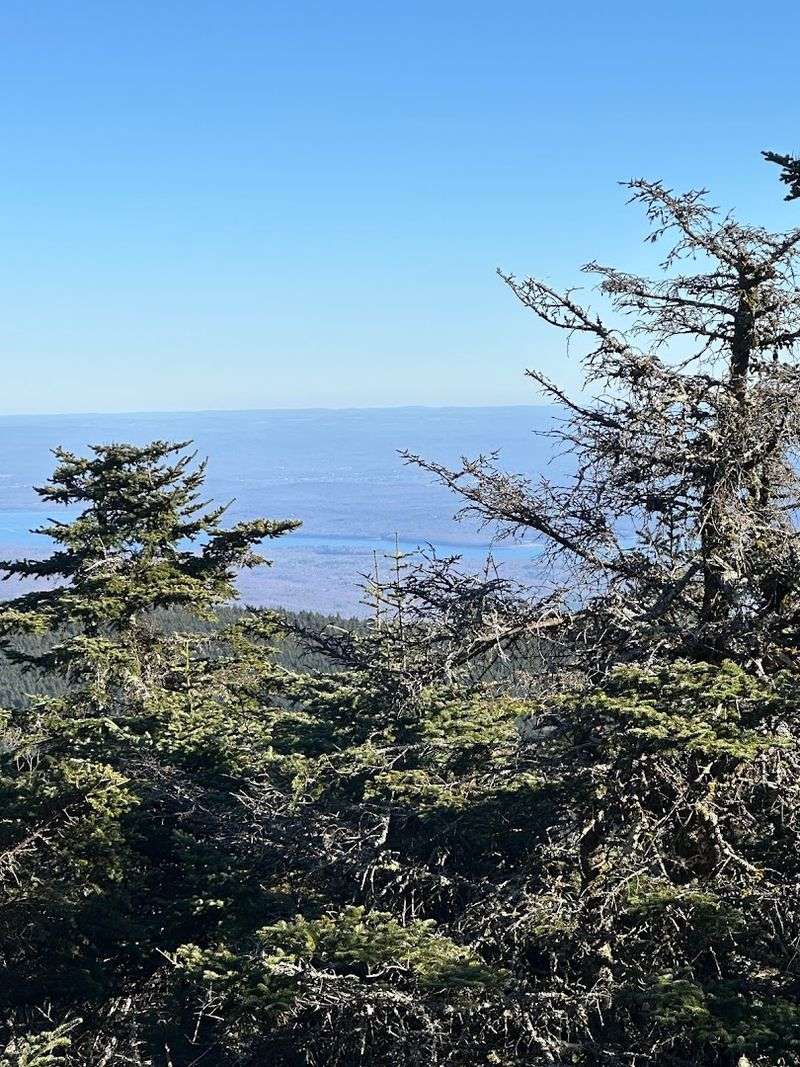
The Catskills have a reputation that stretches far beyond New York, and for mushroom foragers, that reputation is completely earned.
The Catskill Forest Preserve covers Greene, Ulster, Delaware, and Sullivan Counties, and foraging for personal consumption is permitted on state lands within the park under DEC regulations.
The key word there is state lands, not State Parks, which have separate rules that prohibit foraging.
The cove forests here are something special. Sugar maple, tulip poplar, ash, and beech growing on well-drained slopes create the kind of rich, multi-layered habitat described as producing reliable crops of morels every spring.
Chanterelles follow in summer across the mixed hardwood zones, and puffballs take over clearings and meadows through September.
The elevated and consistently moist conditions throughout the Catskills support a longer fruiting season than many foragers expect. The mountains trap humidity in ways that keep the forest floor productive well into fall.
That is why experienced Catskill foragers plan multiple trips across a single season rather than treating it as a one-and-done outing.
The Catskill Center and the DEC both publish trail and unit management information that can help you identify which specific parcels are state forest lands versus restricted areas.
A good starting point for Catskill foraging access is the DEC Region 3 and Region 4 offices covering this area, with information available through the New York State DEC website.
The Catskills reward foragers who do their homework before arriving, because the terrain is varied and the best spots require some genuine navigation rather than a casual stroll.
6. Danby State Forest: Connecticut Hill’s Quieter Neighbor
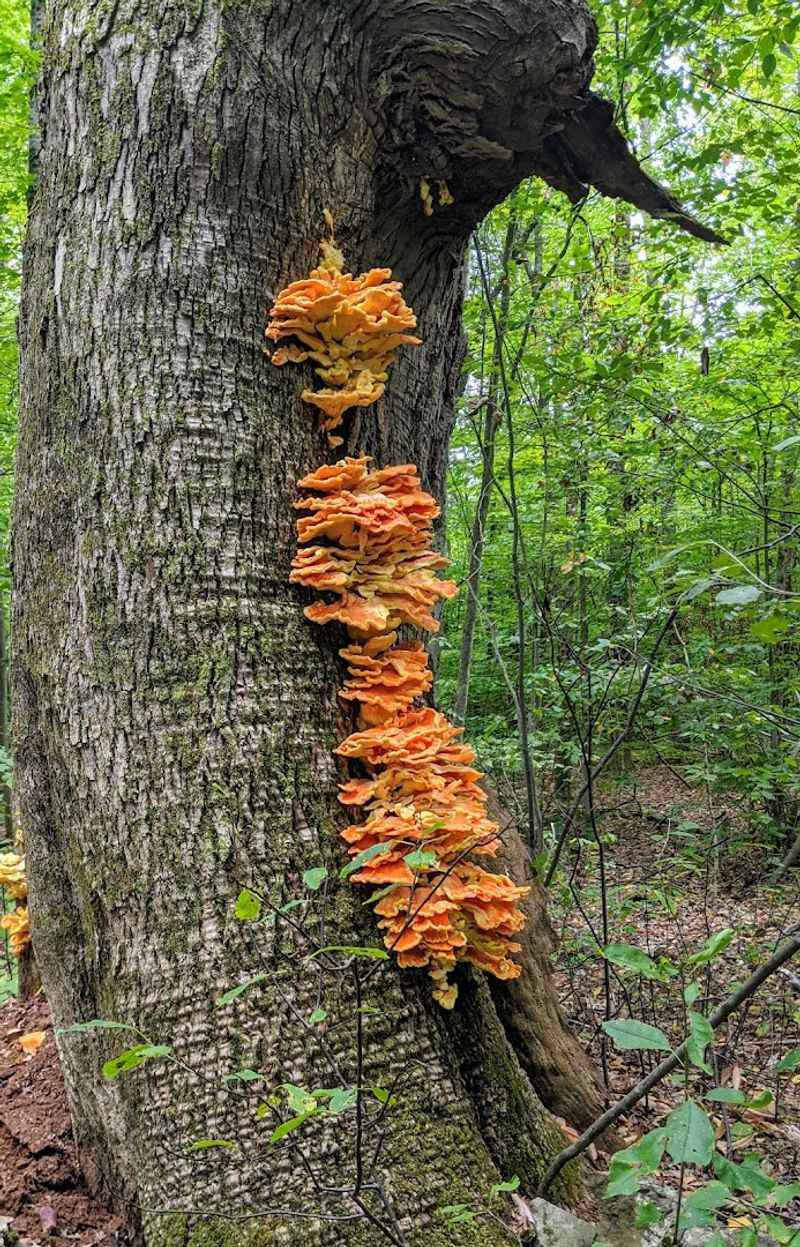
Every popular foraging spot has a quieter cousin nearby that regulars quietly prefer, and Danby State Forest is exactly that for Connecticut Hill. Also in Tompkins County and also endorsed by the Cornell Mushroom Club, Danby offers distinctly different terrain despite its close proximity.
Steeper slopes and a denser canopy in several sections make it feel like a completely separate world.
The Cornell Mushroom Club recommends pairing Danby with a Connecticut Hill visit as a two-location day since the forests sit close enough to each other to make that realistic.
Experienced foragers in the Finger Lakes area already treat these two forests as a unit, working through both on a single outing to cover more varied terrain and catch different fruiting conditions in one trip.
Danby’s steeper topography creates shaded, moisture-retaining pockets similar to what makes Shindagin Hollow so productive. Oyster mushrooms and hen of the woods both appear here on hardwood through the season.
The density of the canopy in certain sections keeps sunlight low, which suits several species that prefer shadier conditions.
The forest is open for personal-use foraging under DEC regulations and is accessible near Danby, NY 14850 in Tompkins County. Getting there from Ithaca is a short drive, making it a practical early-morning stop before the day gets busy.
Danby sees less foot traffic than Connecticut Hill on weekends, which is either a selling point or a sign that people simply have not caught on yet. Honestly, that works in your favor.
Go find out what the regulars already know.
7. Adirondack Forest Preserve Non-Wilderness Zones: The Northern Frontier
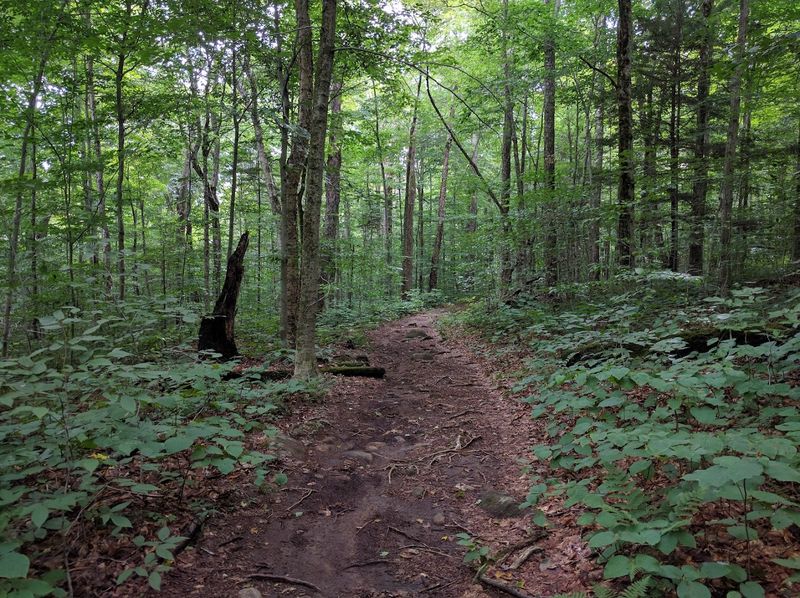
The Adirondack Park is one of the largest protected areas in the contiguous United States, and within its boundaries, the rules for foraging depend entirely on which zone you are standing in. Non-wilderness state forest lands allow personal-use foraging under DEC regulations.
Designated Wilderness areas do not. The distinction matters, and trail maps along with DEC unit management plans mark the boundaries clearly so you know exactly where you stand.
Northern hardwood forests of sugar maple, yellow birch, and beech cover enormous stretches of the non-wilderness zones. Morels fruit at higher elevations here later in the season, running from mid-May into early June when the Finger Lakes spots have already peaked.
That timing shift makes the Adirondacks a natural second chapter for foragers who started the season farther south.
Oyster mushrooms and chicken of the woods appear on dead hardwood throughout summer, sometimes in quantities that feel almost unreasonably generous.
The sheer scale of the Adirondack non-wilderness zones means that even during busy weekends, finding untrafficked forest is completely realistic.
The park covers parts of Hamilton, Essex, Franklin, St. Lawrence, Herkimer, Warren, and several other Adirondack counties across upstate New York.
The DEC Region 5 office based in Ray Brook, NY 12977 handles much of the Adirondack foraging jurisdiction and publishes unit management plans online. Downloading the relevant plan for your target area before heading out is genuinely useful, not just a technicality.
The Adirondacks reward preparation. Show up knowing your zones, and the forest will show up with mushrooms.
It is a fair trade.
8. Yellow Barn State Forest: The Insider’s Rotation Finisher
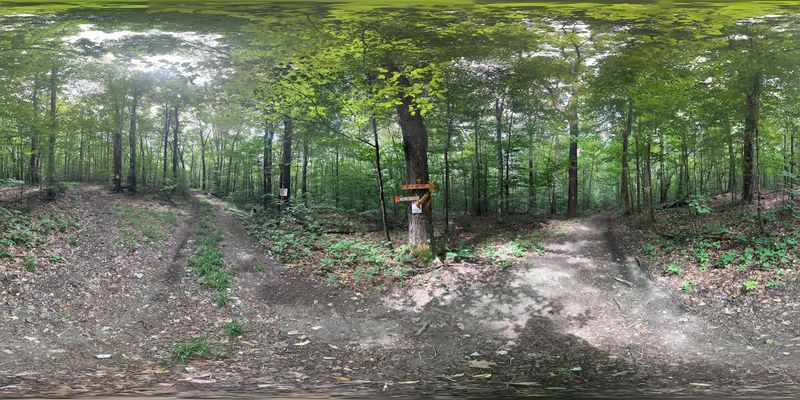
If the other forests on this list are the well-known players, Yellow Barn State Forest is the sleeper pick that regulars quietly rotate into their season. The Cornell Mushroom Club lists it as one of their five specific Finger Lakes recommendations, which is significant given how selective that list is.
Less traffic than Connecticut Hill is the detail that experienced foragers consider the real advantage here.
Yellow Barn sits in the Tompkins and Tioga County area, accessible from the Ithaca region, and it shares the mixed hardwood character of the other Tompkins County state forests.
That consistency in tree composition means the same species showing up at Connecticut Hill and Danby will likely appear here too, but with far fewer people competing for them on any given weekend.
Serious New York foragers treat the cluster of Tompkins County state forests as a rotation system rather than individual destinations.
They move between Yellow Barn, Danby, Connecticut Hill, Hammond Hill, and Shindagin Hollow across a single season, tracking where rain fell most recently and adjusting accordingly.
That strategy keeps their baskets full and their favorite spots sustainable over time.
Foraging for personal use is permitted here under DEC regulations, and the forest can be accessed near Van Etten, NY 14889. The Cornell Mushroom Club’s endorsement of five separate Finger Lakes forests signals something important: no single spot will cover your whole season.
Yellow Barn is the kind of place that rounds out a forager’s rotation rather than anchoring it, and that supporting role is exactly what makes it genuinely valuable across a full New York mushroom season.