
9 Off-Beat Places In Tennessee That Will Satisfy Your Thirst For Exploration
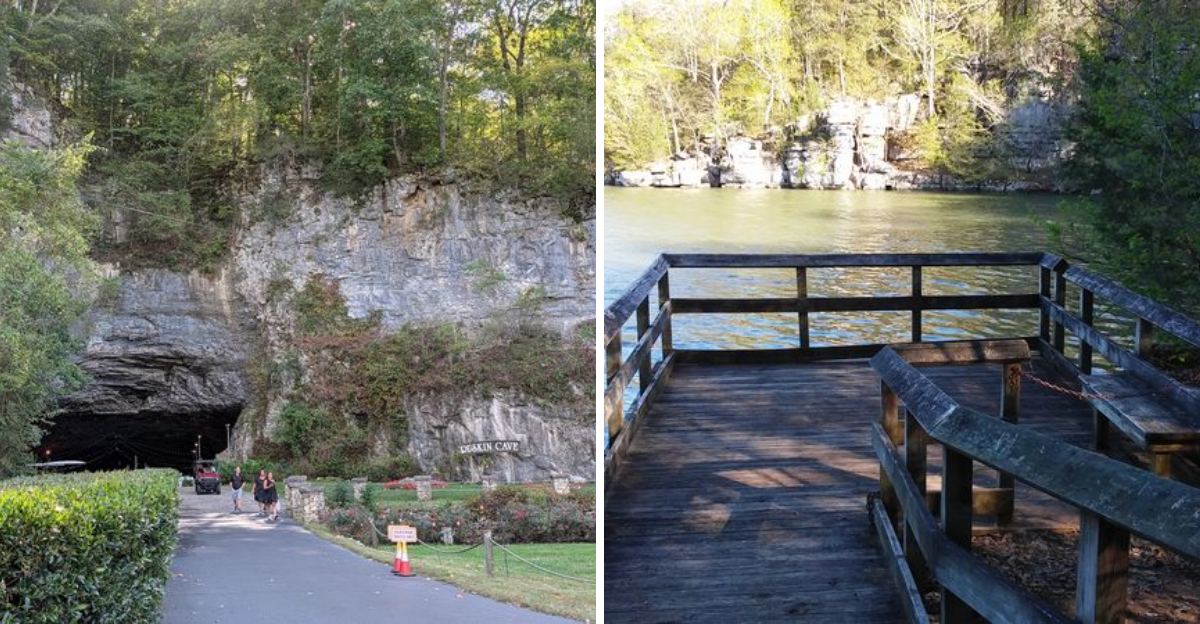
Ever get the urge to skip the usual attractions and see where curiosity takes you? Tennessee rewards travelers who wander beyond the familiar with places that are strange, surprising, and impossible to forget.
Each stop offers a story you probably will not hear on a standard sightseeing tour. You may encounter unusual collections, puzzling landmarks, forgotten history, or scenery that makes you stop and look twice.
That sense of not knowing exactly what comes next is half the fun. Invite your most adventurous friend and leave room in the schedule for unexpected discoveries.
These destinations prove that a memorable trip does not need famous crowds or polished attractions. It only needs a little curiosity and a willingness to take the less obvious route.
Ready to see a side of Tennessee that many travelers miss? These offbeat places are waiting to make your next journey far more interesting.
1. Mound Bottom State Archaeological Area, Kingston Springs
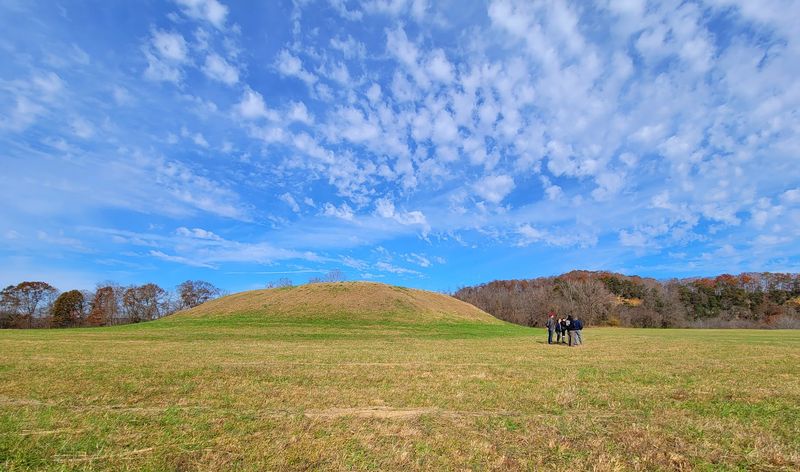
Long before roads and towns shaped this land, a sophisticated civilization was already building remarkable structures along the Harpeth River.
Mound Bottom State Archaeological Area at 1377 Cedar Hill Rd in Kingston Springs is one of the most significant yet least-visited archaeological sites in the entire state.
The site contains around 20 platform mounds built by the Mississippian culture, a society that thrived here between roughly 1000 and 1400 CE.
These mounds were used for ceremonies, leadership rituals, and community gatherings, reflecting a complex social structure that historians are still working to fully understand.
Getting here requires a bit of effort. Access typically involves a hike from a parking area, which means you will share this space with far fewer visitors than you would at a typical park.
That quietness makes the experience feel almost meditative.
Spring and fall are the best seasons to visit, when temperatures are comfortable and the surrounding forest glows with color. Bring water, solid footwear, and a genuine sense of curiosity, because this is not a place with flashy signs or gift shops.
What you will find instead is raw, unfiltered history standing quietly in a field, waiting to be noticed. Researchers from universities regularly study the site, so you may even spot an active dig in progress.
For anyone who has ever wondered what life in ancient North America truly looked like, Mound Bottom offers a rare and humbling answer.
2. Dunbar Cave State Park, Clarksville
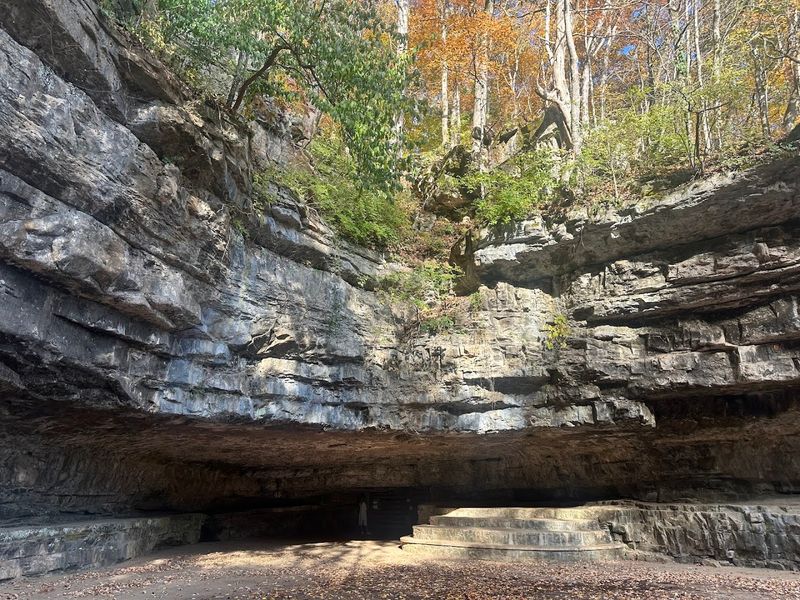
There is something almost theatrical about Dunbar Cave. The entrance yawns open like the mouth of an underground theater, and in fact, that comparison is not far off.
This cave once served as a popular entertainment venue in the early 20th century, hosting dances and concerts right at its entrance.
Country music legend Roy Acuff even performed here, which adds a layer of cultural history that few natural landmarks can claim. Today, Dunbar Cave State Park protects both the cave and the surrounding 110 acres of land, offering hiking trails, a lake, and ranger-guided cave tours.
The cave itself maintains a steady temperature of around 56 degrees Fahrenheit year-round, making it a cool escape on hot Tennessee summers.
Inside, visitors can see stunning cave formations and learn about the thousands of years of human use the cave has witnessed, from prehistoric peoples to early settlers.
Guided tours are required to enter the cave, so check the park schedule before you go. The hiking trails outside are open year-round and wind through peaceful woodlands that feel completely removed from the busy streets of nearby Clarksville.
Birdwatchers will also appreciate the area, as the lake and forest attract a wide variety of species throughout the year. Whether you are a history enthusiast, a nature lover, or simply someone looking for an unexpected afternoon adventure, Dunbar Cave delivers on every level.
3. Coker Creek Gold Camp, Tellico Plains
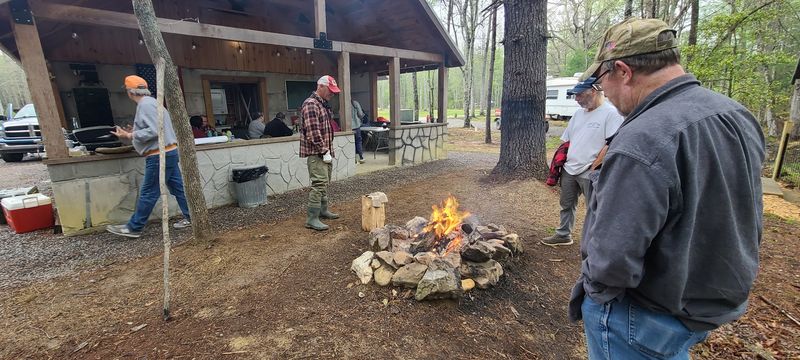
Gold in Tennessee? Absolutely.
The Cherokee Hills region around Tellico Plains has a legitimate gold-mining history stretching back to the early 1800s, making it one of the first gold rush areas in American history, decades before California ever entered the conversation.
Coker Creek Gold Camp at 12451 TN-68 in Tellico Plains is the site of the Diggers Expedition, where visitors can actually try their hand at gold panning in the creek. This is not a gimmick or a carnival trick.
Real gold has been found here, and experienced staff teach guests how to use a pan correctly to spot flakes and small nuggets.
The experience is suitable for families, solo adventurers, and anyone who has ever daydreamed about striking it rich in the mountains. Children especially love the hands-on nature of the activity, and the thrill of spotting even the tiniest gold flake feels genuinely exciting.
The surrounding landscape is gorgeous, with the Cherokee National Forest providing a lush green backdrop and cool mountain streams running through the property. Fall is a particularly beautiful time to visit, when the forest turns into a canvas of amber and red.
Beyond gold panning, the area offers access to hiking trails and scenic drives through the mountains. Coker Creek is one of those rare places where history, nature, and hands-on fun come together in a way that feels completely authentic and surprisingly affordable.
4. Gray Fossil Site And Museum, Gray
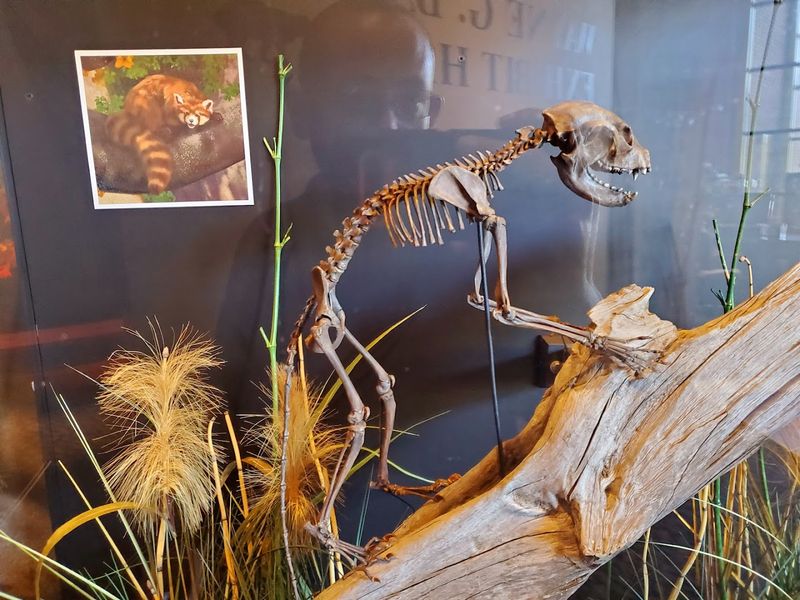
In 2000, a road construction crew near Gray accidentally uncovered one of the most significant paleontological discoveries in the eastern United States.
What they found beneath the surface was a five-million-year-old sinkhole filled with the bones of ancient animals that had no business being in Tennessee, at least not by modern expectations.
The Gray Fossil Site and Museum is built directly on top of that active excavation.
Visitors can watch real paleontologists and students from East Tennessee State University working the dig through large windows while exploring a world-class museum filled with the actual fossils recovered from the site.
The collection includes remains of ancient tapirs, red pandas, rhinos, alligators, and a now-famous Miocene-era mastodon nicknamed Dolly.
Each discovery rewrites a small piece of what scientists understood about prehistoric life in North America, which gives every visit a sense of genuine scientific importance.
The museum is thoughtfully designed for all ages, with interactive displays and clear explanations that make complex science accessible and fun. Guided tours are available and highly recommended for the full experience.
Gray is located in the Tri-Cities region of northeast Tennessee, making it an easy addition to any road trip through that part of the state.
For fossil fans, science lovers, or anyone who has ever been curious about what lived on this land millions of years ago, this museum is nothing short of extraordinary.
5. Nickajack Cave Wildlife Refuge, New Hope
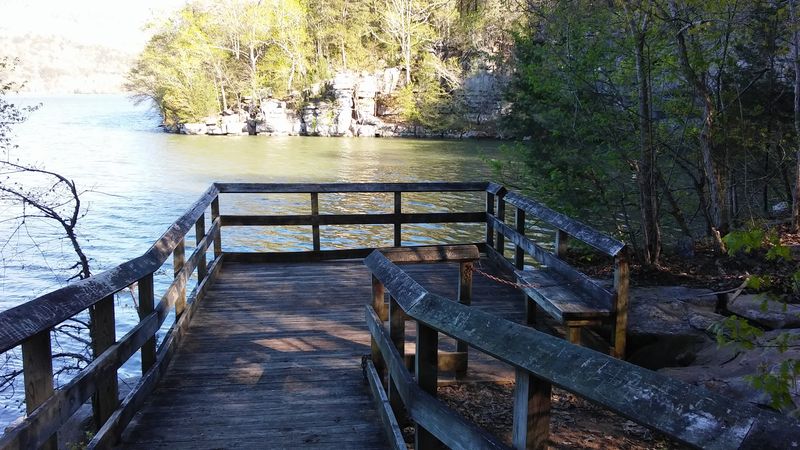
Every summer evening, something extraordinary unfolds along the shores of Nickajack Lake near New Hope.
Millions of gray bats pour out of the enormous mouth of Nickajack Cave in one of nature’s most jaw-dropping spectacles, a living river of wings that can take a full hour to pass overhead.
Nickajack Cave Wildlife Refuge is managed by the U.S. Fish and Wildlife Service specifically to protect this massive colony of endangered gray bats.
The cave itself is closed to the public to prevent disturbance, but a viewing platform near the entrance gives visitors a front-row seat to the nightly bat emergence.
The best time to visit is between May and August, when the colony is at full strength. Plan to arrive about 30 minutes before sunset, bring bug spray, and settle in for one of the most memorable wildlife moments you will ever witness in Tennessee.
Beyond the bats, the area sits along the Tennessee River and offers beautiful views of the water and surrounding bluffs. Fishing is popular nearby, and the quiet, remote feel of the location makes it a peaceful spot even when the main show is not happening.
This is the kind of place that reminds you just how wild and alive the natural world still is, especially when a million wings take flight and fill the sky with a sound that you will not soon forget.
6. Whiteoak Sink, Great Smoky Mountains National Park, Townsend
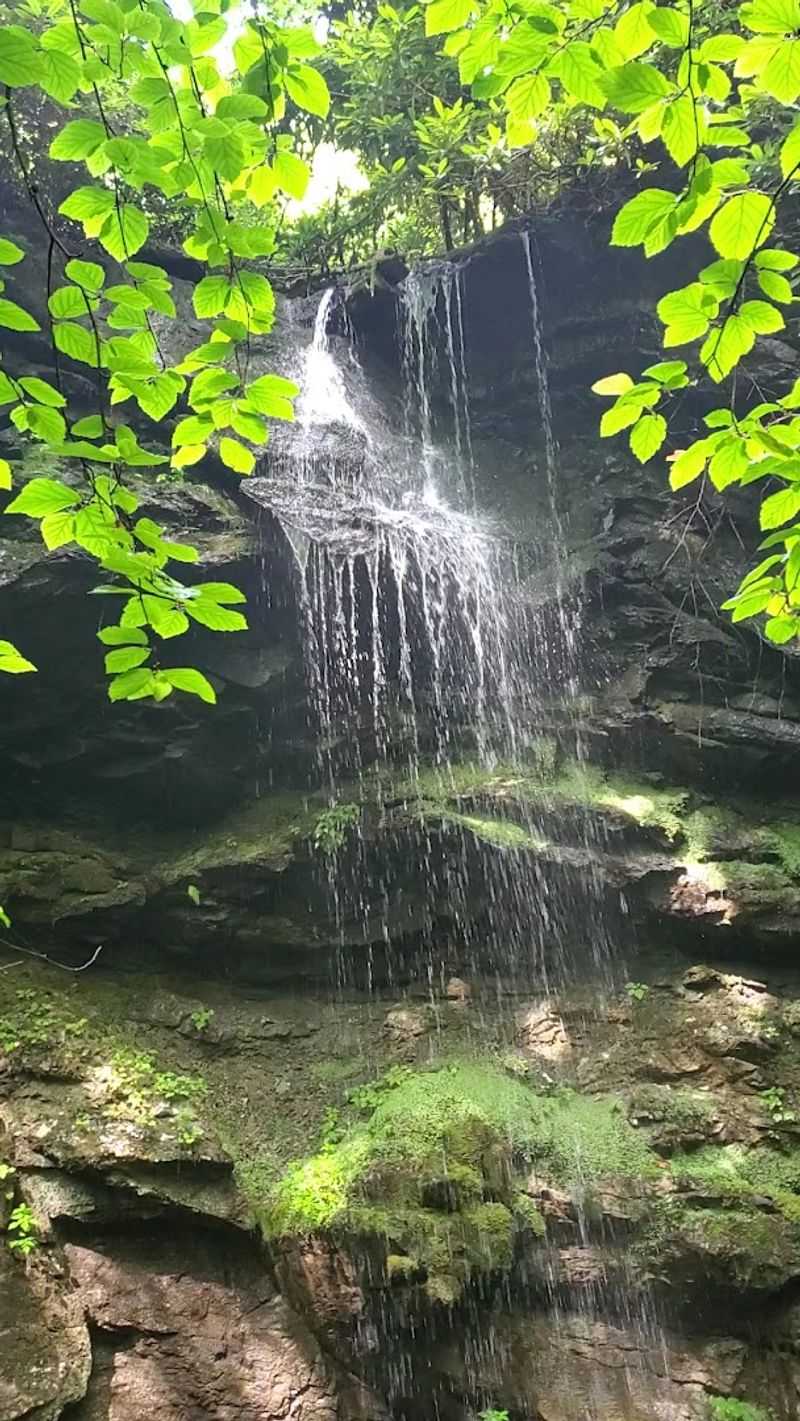
Tucked behind a series of forest trails in the Great Smoky Mountains, Whiteoak Sink is the kind of place that rewards those willing to work just a little harder than the average park visitor. This geological depression is one of the largest and most ecologically rich sinkholes in the entire park.
The sink itself measures roughly 500 acres, creating a sheltered microclimate that supports an extraordinary diversity of wildflowers. Spring visits are particularly magical, when trillium, wild geranium, and other blooms carpet the forest floor in waves of color that feel almost unreal.
Reaching Whiteoak Sink requires a moderate hike of about four miles round trip from the Schoolhouse Gap trailhead. The trail passes through varied terrain, including ridgelines and stream crossings, keeping the walk interesting from start to finish.
Because the sink is not on most tourist maps and requires a bit of navigation, it sees far fewer visitors than popular Smoky Mountain destinations like Laurel Falls or Clingmans Dome. That solitude is a big part of its appeal.
You might hike the entire trail without seeing another person.
There is also a small cave opening at the base of the sink, though entering it is not permitted. The combination of geology, wildflowers, forest atmosphere, and genuine remoteness makes Whiteoak Sink one of the most rewarding off-trail experiences the Smokies have to offer.
7. Old Stone Fort State Archaeological Park, Manchester
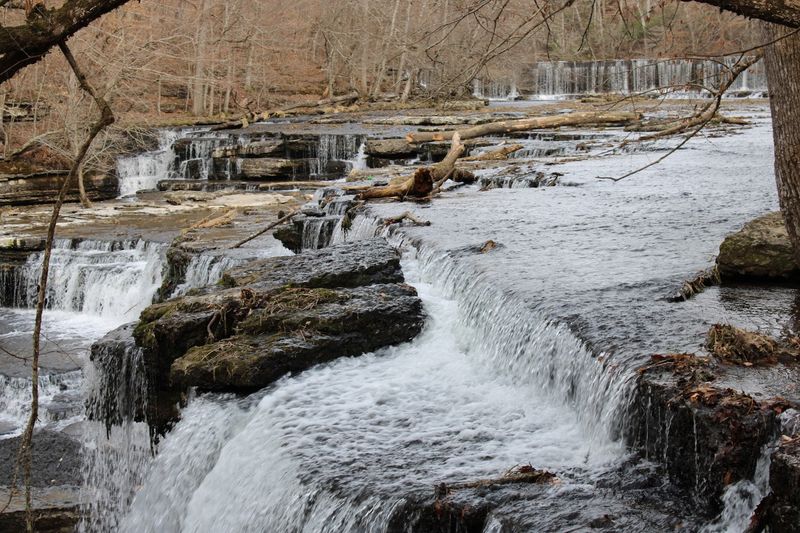
Imagine a structure so old and so puzzling that historians debated for centuries whether it was built by a lost European civilization or even Vikings. Old Stone Fort State Archaeological Park in Manchester has that kind of backstory, and the truth is almost more fascinating than the myths.
The site is actually a ceremonial enclosure built by Native Americans of the Middle Woodland culture between roughly 80 CE and 550 CE.
The walls, which stretch nearly a mile and a half, were constructed using earth and stone over hundreds of years, making this one of the most ambitious construction projects in prehistoric North America.
The park sits at the confluence of two rivers, the Duck and the Little Duck, and the resulting landscape is genuinely spectacular. Waterfalls, bluffs, and dense forest surround the ancient walls, creating a setting that feels both dramatic and serene.
A 1.5-mile loop trail takes visitors along the top of the earthen walls and past multiple waterfalls, making it one of the most scenic short hikes in middle Tennessee. The on-site museum provides excellent context about the site’s construction, purpose, and the people who built it.
Manchester is conveniently located along Interstate 24, making Old Stone Fort an easy and worthwhile stop on any road trip through the region. Few places in the South combine natural beauty and ancient history quite so seamlessly as this remarkable and underappreciated park.
8. Fort Southwest Point, Kingston
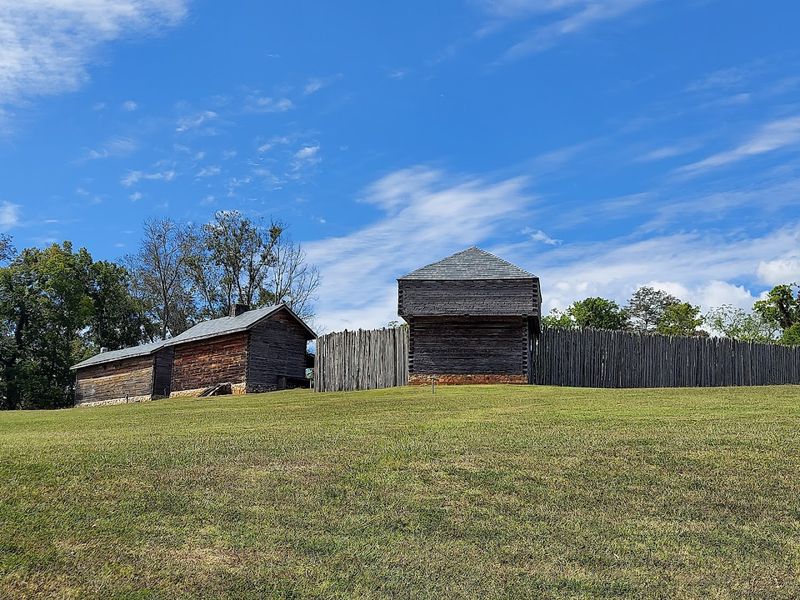
Most people drive through Kingston without realizing they are passing by a fully reconstructed frontier fort that played a critical role in the early history of the American Southeast.
Fort Southwest Point at 1226 S Kentucky Street sits on a bluff overlooking the confluence of the Clinch and Tennessee Rivers, and the view alone is worth the stop.
Originally built in 1792, the fort served as a U.S. military post and a center for federal relations with the Cherokee Nation during a period of intense political and territorial change.
It was one of the most important outposts on the southwestern frontier of the young United States, though it rarely gets the recognition it deserves.
The reconstructed fort features log buildings, a blockhouse, and stockade walls that give visitors a vivid sense of what frontier life actually looked like in the late 18th century.
Interpretive signs and museum exhibits throughout the site provide detailed historical context that brings the story to life.
Admission is free, which makes it one of the best value historical attractions in the state. The grounds are open year-round, and the riverside setting makes for a lovely picnic spot after exploring the exhibits.
Kingston itself is a small and charming town that often gets overlooked in favor of larger nearby cities, but Fort Southwest Point gives visitors a compelling reason to slow down and appreciate a chapter of American history that deserves far more attention than it typically receives.
9. Ruskin Cave, Dickson
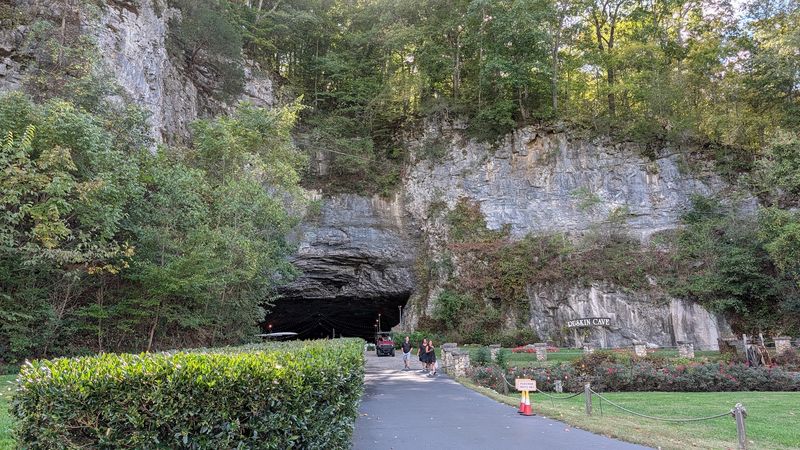
Few caves in America come with a utopian backstory, but Ruskin Cave in Dickson is genuinely one of a kind.
This cave was once the centerpiece of a 19th-century socialist commune called the Ruskin Colony, a community founded in 1894 by idealists who believed they could build a better society in the hills of Tennessee.
The colony lasted only a few years before dissolving due to internal disagreements, but the cave remained and eventually became a popular resort destination in the early 20th century.
Dances, concerts, and social gatherings were held inside its cool chambers, giving the cave a lively cultural history that goes far beyond geology.
Today, Ruskin Cave is privately owned and not always open for regular public tours, so it is worth contacting the owners in advance to arrange a visit.
When access is available, the experience is deeply atmospheric, combining the physical drama of a large cave with layers of strange and compelling history.
The surrounding property in Dickson County is peaceful and rural, offering a glimpse of the quiet Tennessee countryside that feels far removed from any urban center.
History enthusiasts, cave explorers, and anyone drawn to stories of unconventional communities will find Ruskin Cave endlessly fascinating.
It is the kind of place that makes you think differently about what people were willing to try in pursuit of a better way of living, and that alone makes it worth the trip out to 2803 Yellow Creek Road in Dickson.