
Nevada Has A Secret Lake Park With Peacocks, Rainbow Trout, And 11,000 Years Of History
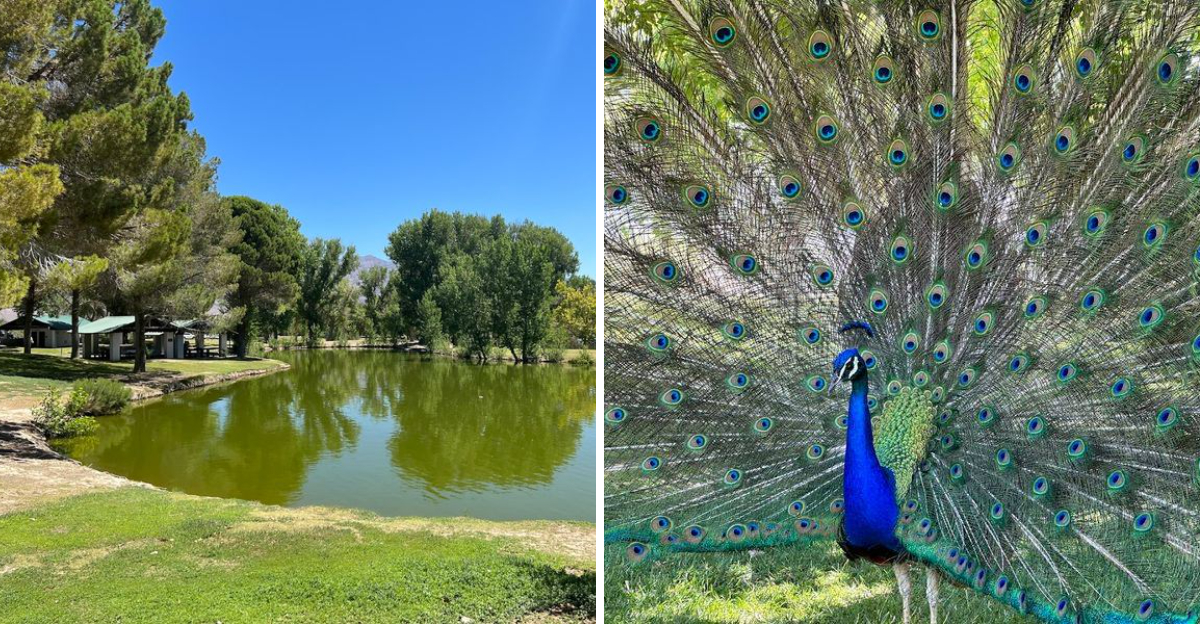
Peacocks strolling beside spring-fed lakes are not what most people expect near Las Vegas. Yet this peaceful Nevada escape replaces flashing signs and casino noise with shady lawns, calm water, and curious birds wandering wherever they please.
The property covers 680 acres, giving visitors plenty of room to fish, picnic, walk, and slow down beneath mature trees. Old ranch buildings add another layer to the experience, revealing stories about early desert life and the people who worked this land.
Its history reaches much farther back, with evidence of human activity dating back thousands of years. Few places combine wildlife, water, archaeology, and Nevada history so naturally.
It feels less like a city park and more like a desert world with its own rhythm.
A 680 Acre Oasis Sits Far Beyond The Las Vegas Strip
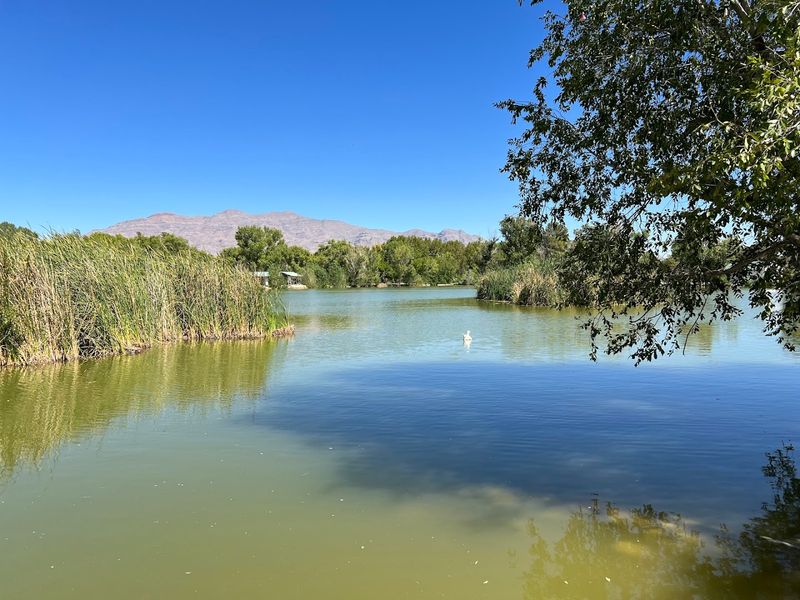
Floyd Lamb Park at Tule Springs occupies 680 acres along Tule Springs Road in northwest Las Vegas. The property extends well beyond the urban core, providing a counterpoint to the development that defines much of the valley.
Visitors arriving at 9200 Tule Springs Road encounter cottonwood groves, open meadows, and pathways that wind between four distinct lakes. The park opens daily at 8 AM and closes at 8 PM, with an entrance fee of six dollars per vehicle.
Military families enter free of charge. The distance from the Strip ensures quieter surroundings, and the natural springs sustain vegetation that would otherwise struggle in this climate.
Parking lots are distributed throughout the grounds, each providing access to different sections of the park. The scale of the property allows for solitude even during busier weekend hours.
Four Peaceful Lakes Create A Rare Desert Escape
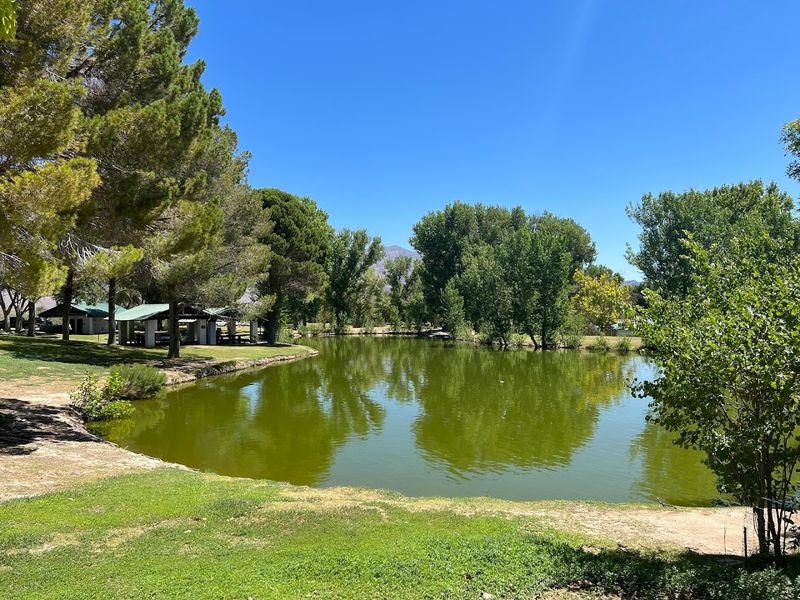
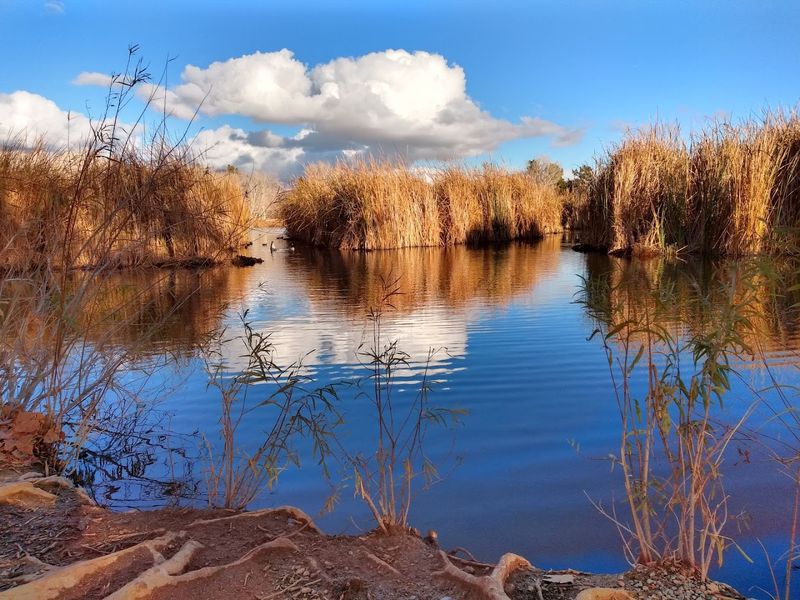
Four interconnected lakes anchor the layout of Floyd Lamb Park, each fed by underground springs that have sustained this area for thousands of years. The water bodies vary in size and depth, creating distinct environments for wildlife and recreation.
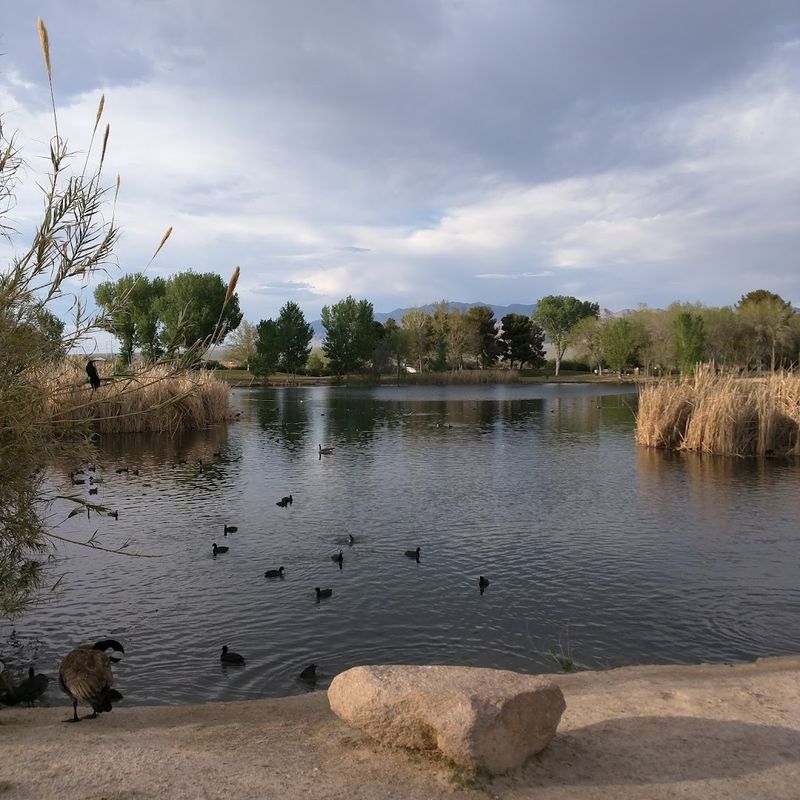
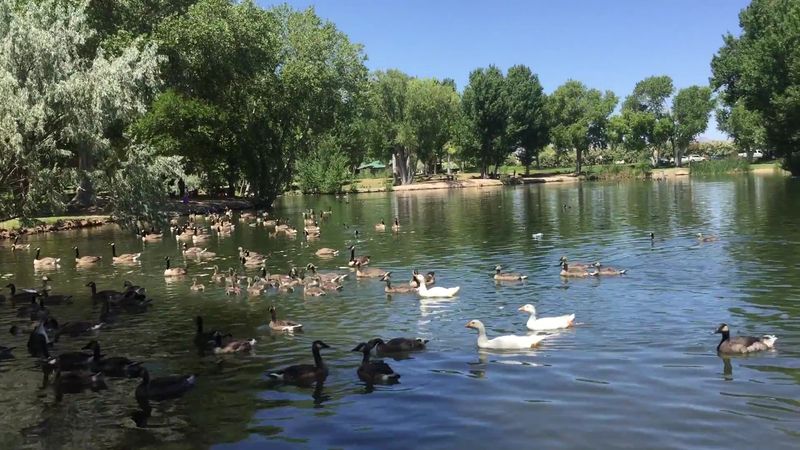
Ducks, geese, and American coots gather along the shorelines, while cormorants dive for small fish. Benches positioned near the water offer vantage points for observation, and the shade from mature trees provides relief during warmer months.
Photographers frequent these lakes, drawn by the contrast between the green surroundings and the arid landscape beyond the park boundaries. The water maintains a greenish tint due to algae and organic matter, a natural characteristic of spring-fed systems.
Turtles occasionally surface near the banks. The lakes serve as focal points for picnics, quiet walks, and informal gatherings throughout the year.
Rainbow Trout And Catfish Keep Anglers Coming Back
Fishing remains a consistent draw at Floyd Lamb Park, with rainbow trout and catfish stocked in the lakes. Anglers position themselves along the banks or at designated fishing areas, though success varies depending on season and stocking schedules.
The park does not charge additional fees for fishing beyond the entrance cost. A valid Nevada fishing license is required for anyone over the age of twelve.
Local anglers describe the fishing as relaxing rather than productive, with catches more sporadic than at dedicated fishing reservoirs. The setting appeals to those seeking a low-pressure environment, particularly families introducing children to the activity.
Catfish tend to be more active during evening hours. The presence of waterfowl and turtles adds to the experience, though it also means sharing space with wildlife that can be territorial during nesting periods.
Today’s Peacocks Descend From Birds Brought Here In The 1940s
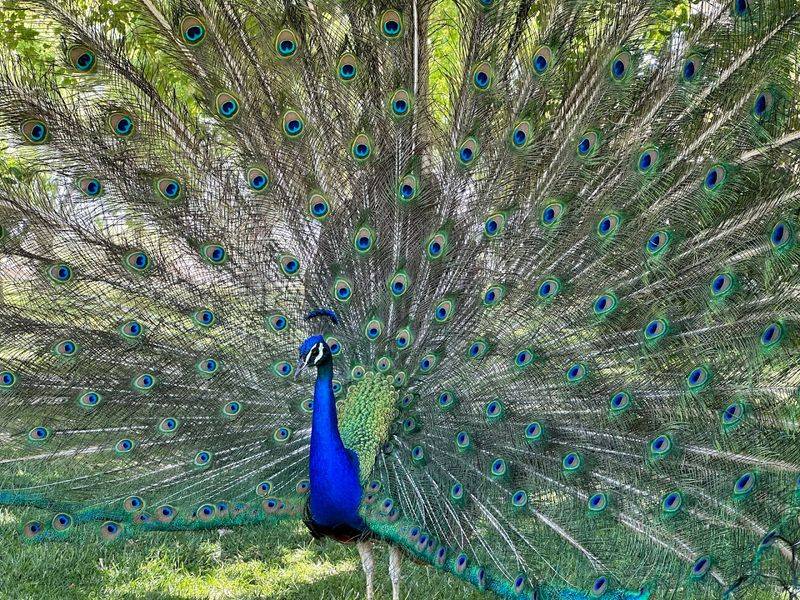
Peacocks roam freely throughout Floyd Lamb Park, their lineage tracing back to birds introduced during the property’s time as a working ranch in the 1940s. The population has persisted through decades of ownership changes and park development.
Males display their iridescent tail feathers during mating season, creating opportunities for photographers and casual visitors alike. The birds are accustomed to human presence but remain wild, foraging along pathways and resting under trees.
Their calls echo across the grounds, particularly in the early morning and late afternoon. Some visitors find the sound charming, while others describe it as unexpectedly loud.
The peacocks share the park with other bird species, including roadrunners, hummingbirds, and various waterfowl. Park staff do not feed the peacocks, relying instead on their ability to find natural food sources within the preserve.
Natural Springs Have Drawn People Here For 11,000 Years
Archaeological surveys confirm that humans utilized the springs at Tule Springs for at least 11,000 years, making this one of the oldest continuously used water sources in the region. The springs provided a reliable resource in an otherwise harsh environment.
Evidence of early human activity includes tool fragments, fire pits, and animal remains discovered during excavations. The water attracted not only people but also large mammals during the late Pleistocene epoch.
These springs allowed survival in the Mojave Desert long before modern infrastructure. The flow has diminished over millennia due to geological shifts and groundwater extraction, but the springs still feed the park’s lakes.
Interpretive materials on site reference this deep history, though the park itself focuses more on recreation than archaeology. The combination of ancient use and current preservation gives the location a layered significance.
Tule Springs Once Served Travelers Along A Historic Stagecoach Route
During the 19th century, Tule Springs functioned as a waypoint along a stagecoach route connecting southern Nevada settlements. The natural springs made it a logical stopping point for travelers and livestock crossing the desert.
Stagecoach operators relied on such oases to maintain schedules and ensure the survival of passengers and animals. The route passed through what is now the northern Las Vegas valley, a landscape that has changed dramatically since that era.
Records from the period describe Tule Springs as a modest but vital stop, valued more for its water than any amenities. The transition from stagecoach stop to ranch occurred as the railroad shifted transportation patterns in the region.
Today, no visible remnants of the stagecoach era remain on the park grounds. The historical significance is preserved through documentation rather than physical structures.
The Property Became A Working Ranch In The Early 1900s
In the early 1900s, Tule Springs transitioned from a natural watering hole to a working ranch, with families establishing operations that would continue for decades. The ranch raised livestock and cultivated crops using water from the springs.
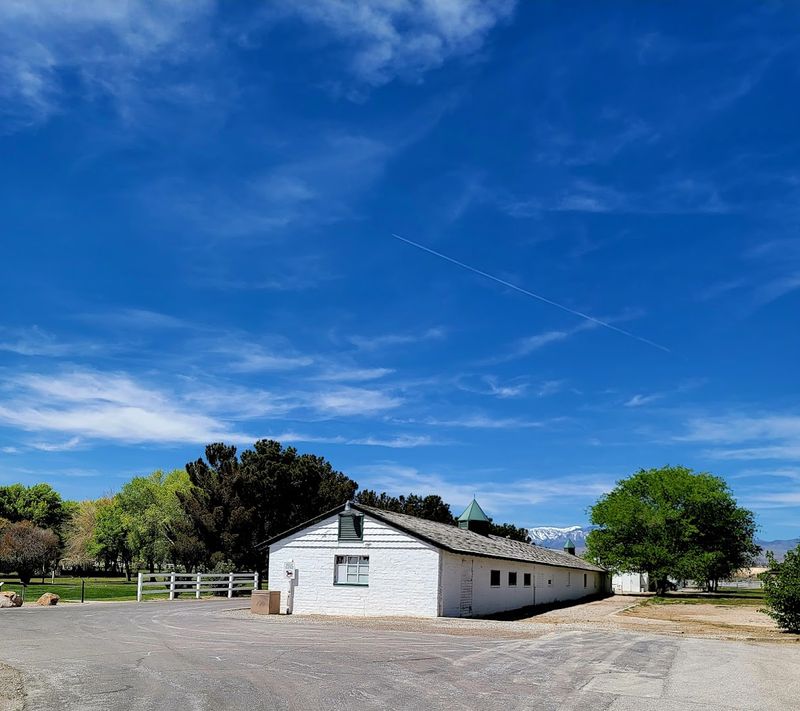
Buildings constructed during this period reflect the practical needs of ranch life in the desert. Adobe structures, barns, and a foreman’s house were built to withstand the climate while providing functional living and working spaces.
The ranch changed hands multiple times, each owner adapting the property to shifting economic conditions. Ranching in southern Nevada faced constant challenges, from water scarcity to market fluctuations.
By the mid-20th century, urban expansion began encroaching on the property. The ranch eventually ceased commercial operations, paving the way for its preservation as public land under the management of Clark County.
Its Colorful Past Includes An Unexpected Chapter As A Divorce Ranch
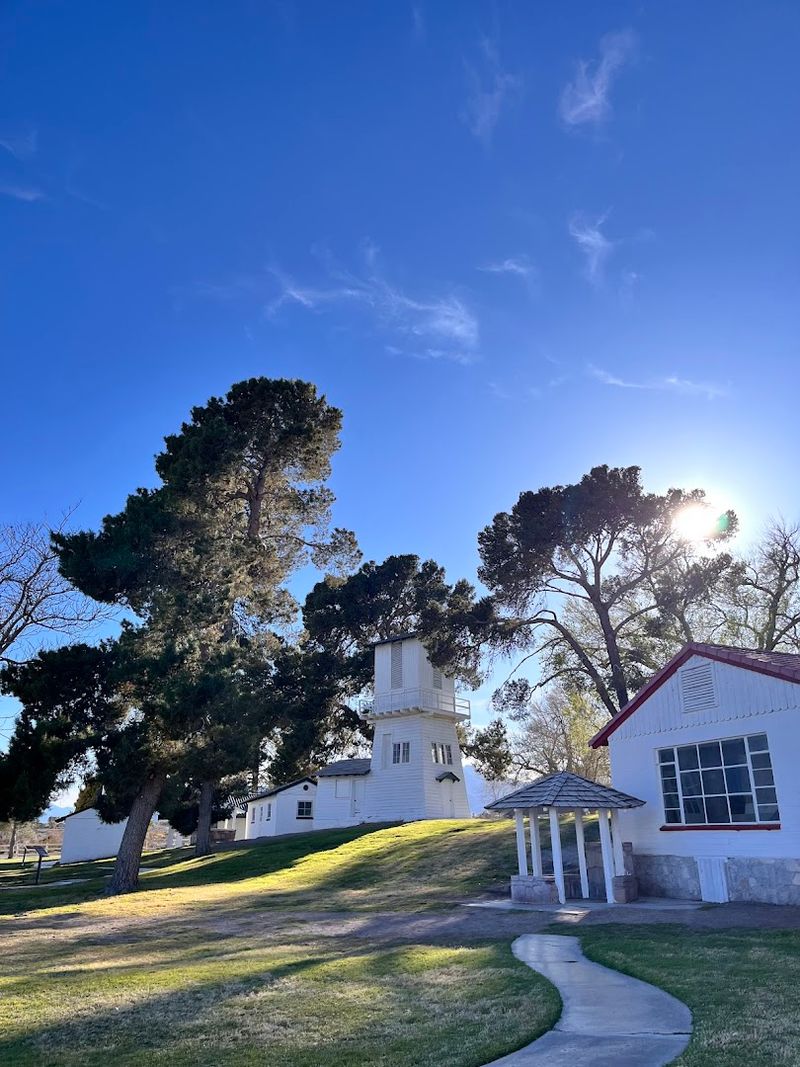
During the 1940s, Tule Springs operated as a divorce ranch, a phenomenon unique to Nevada during an era when the state offered some of the most lenient divorce laws in the country. Women from other states traveled here to establish residency and file for divorce.
The six-week residency requirement could be fulfilled at ranches like Tule Springs, where guests stayed in modest accommodations while waiting for legal proceedings to conclude. The arrangement provided income for ranch owners and discretion for clients.
This chapter in the property’s history reflects broader social changes occurring in mid-century America. Nevada capitalized on its legal distinctions, attracting those seeking quick resolutions to marital issues.
The divorce ranch era ended as other states relaxed their own divorce laws. The buildings used during this period remain part of the park’s historic structures, though their original purpose is now a footnote in the property’s long timeline.
A Century Old Adobe Building Still Stands On The Grounds
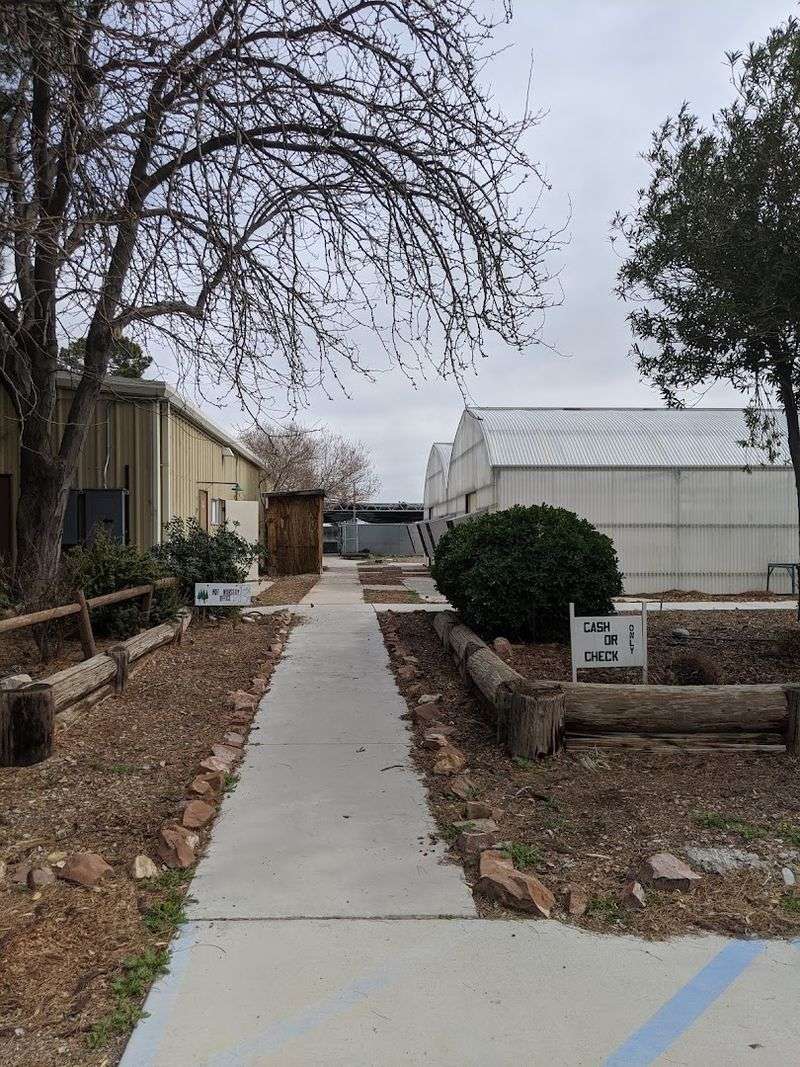
An adobe building constructed over a century ago remains standing at Floyd Lamb Park, serving as a tangible connection to the ranch’s early years. Adobe, made from mud and straw, was a practical choice in this climate due to its thermal properties.
The thick walls helped regulate interior temperatures, staying cool in summer and retaining warmth during winter nights. This building reflects construction methods common in the Southwest during the late 19th and early 20th centuries.
Time and weather have affected the structure, but preservation efforts have maintained its integrity. The building is not open for interior tours, though visitors can view it from designated pathways.
Its presence adds historical depth to the park, reminding visitors of the human effort required to sustain life in this environment. The adobe stands alongside other historic structures, forming a small complex that illustrates the ranch’s evolution.
The Restored Foreman’s House Recalls Early Ranch Life
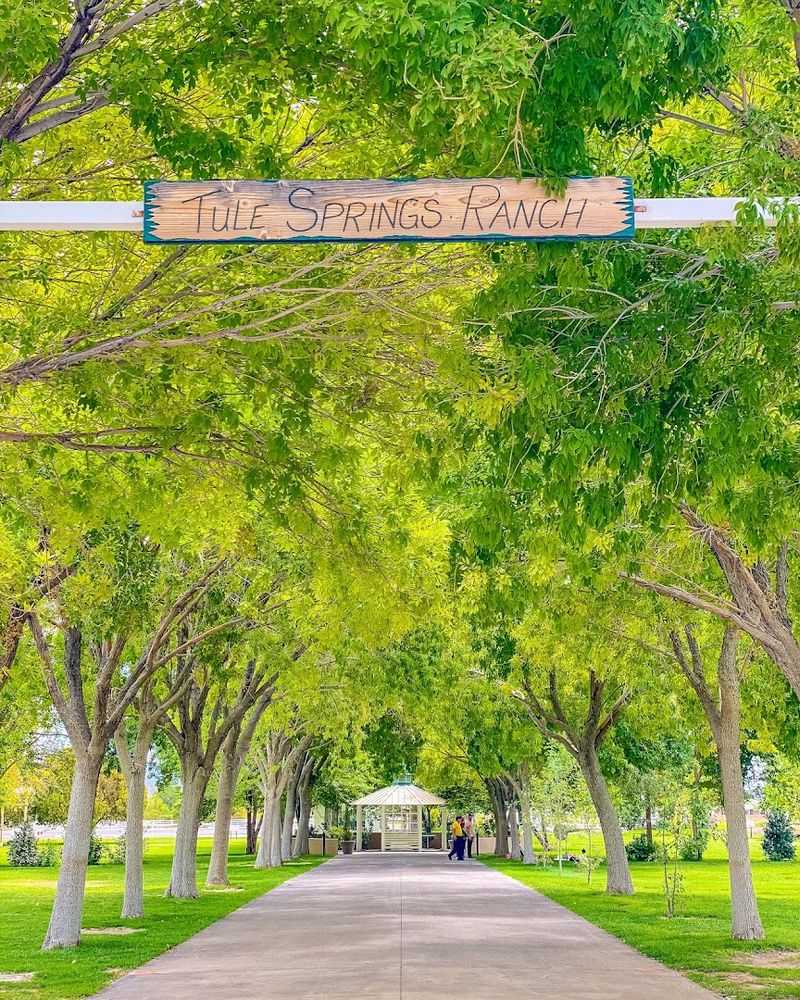
The foreman’s house at Floyd Lamb Park has undergone restoration to preserve its appearance from the early ranch period. This structure housed the individual responsible for overseeing daily operations, managing workers, and maintaining livestock.
The restoration process focused on maintaining original materials and design elements while ensuring structural stability. Interpretive signage near the house provides context about ranch life and the role of the foreman.
Visitors can view the exterior and surrounding area, gaining insight into the living conditions of those who worked the land. The house is modest in scale, reflecting the practical nature of ranch architecture.
Furnishings and interior details are not accessible to the public, but the building’s placement within the park allows for easy viewing. It stands as one of several historic structures that collectively tell the story of Tule Springs’ transformation from ranch to public park.
Walking Biking And Horseback Trails Wind Through The Park
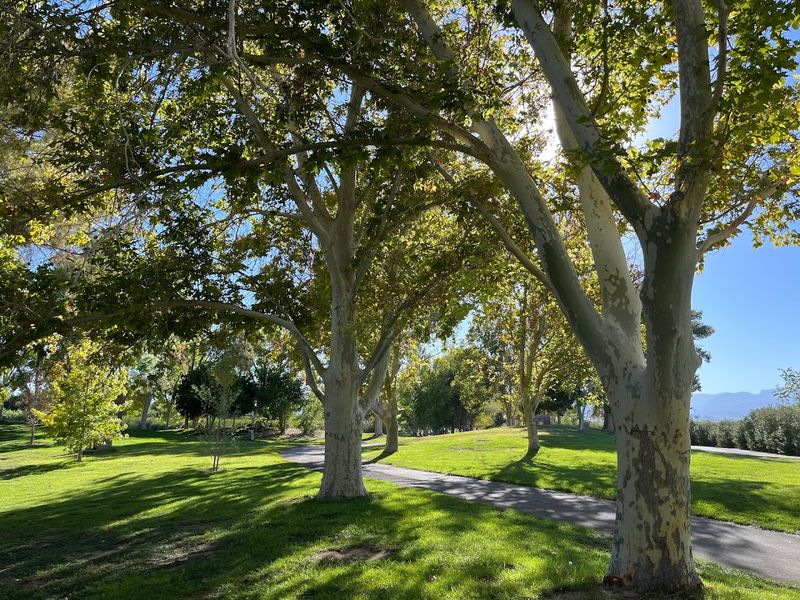
A network of trails crisscrosses Floyd Lamb Park, accommodating walkers, cyclists, and equestrians. The paths vary in surface type, from paved sections to dirt trails that extend into less developed areas of the preserve.
Mountain bikers access a dedicated cross-country trail system on the eastern edge of the park, where terrain becomes more rugged. These trails attract riders seeking technical challenges within the Las Vegas valley.
Walking paths remain popular for casual exercise and wildlife observation. The trails connect picnic areas, lakes, and historic structures, allowing visitors to explore the park at their own pace.
Horseback riding requires adherence to park regulations, including staying on designated trails. The combination of flat terrain and shaded sections makes the trails accessible to a range of fitness levels and interests throughout the year.
Historic Registers Protect The Ranch And Its Remarkable Story
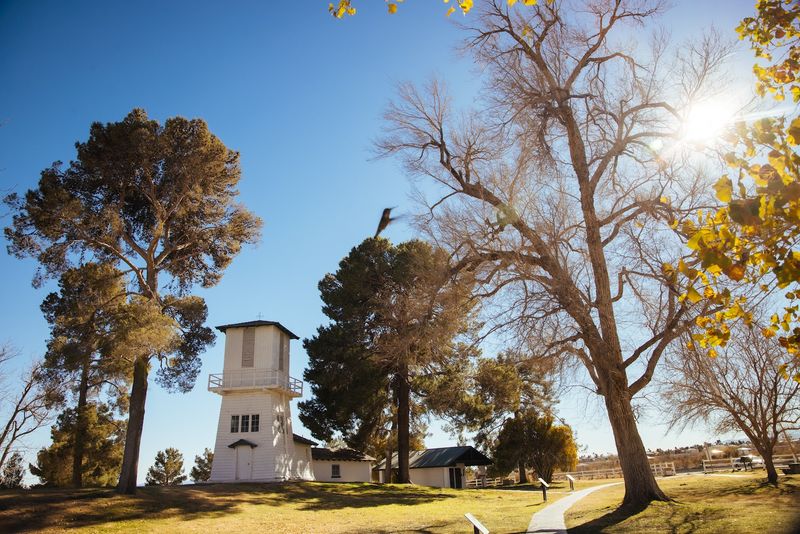
Floyd Lamb Park at Tule Springs holds a place on historic registers, providing legal protection for the ranch buildings and ensuring the preservation of the site’s layered history. This designation recognizes the property’s significance at local, state, and potentially national levels.
The registers protect against inappropriate development and guide restoration efforts. Funding opportunities become available through historic preservation programs, supporting maintenance of structures like the adobe building and foreman’s house.
The recognition also raises public awareness about the site’s importance beyond its recreational value. The ranch’s evolution from stagecoach stop to working ranch to divorce retreat creates a narrative that reflects broader patterns in Nevada history.
Park managers work within the guidelines established by these protections, balancing public access with conservation needs. The historic designation ensures that future generations can connect with the tangible remains of Tule Springs’ past.
Ice Age Fossils Connect The Park To Nevada’s Prehistoric Past
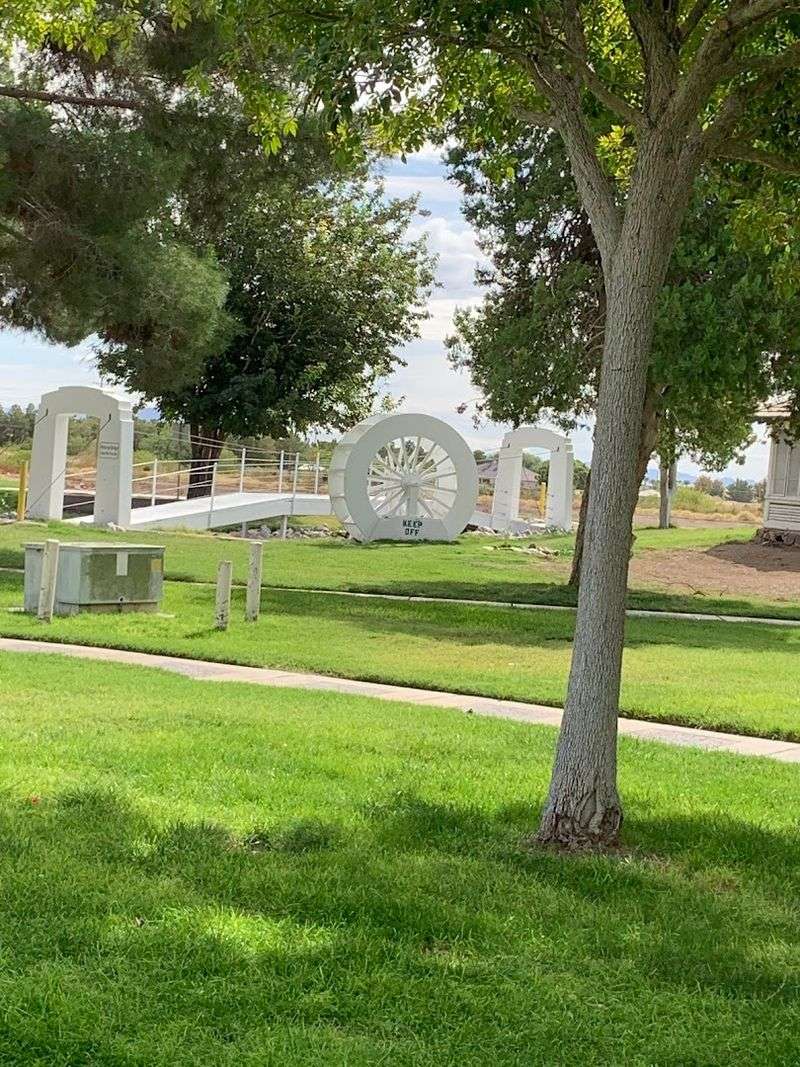
Paleontological excavations at Tule Springs have uncovered Ice Age fossils, including remains of mammoths, camels, and giant ground sloths. These discoveries place the site within a larger network of Pleistocene deposits in the Las Vegas valley.
The fossils date back tens of thousands of years, to a period when the region supported very different plant and animal communities. Cooler, wetter conditions allowed large mammals to thrive in areas that are now desert.
Tule Springs Fossil Beds National Monument, established adjacent to the park, protects the most significant paleontological sites. The park itself serves as a gateway to understanding this ancient landscape.
Interpretive programs occasionally reference the fossil record, though the park’s primary focus remains recreation. The connection between ancient springs and modern lakes underscores the enduring importance of water in shaping life in southern Nevada across millennia.