
This Nevada Ghost Town Frozen In Time Still Lets You Sleep In An Original Miner’s Cabin Just Like It’s 1900
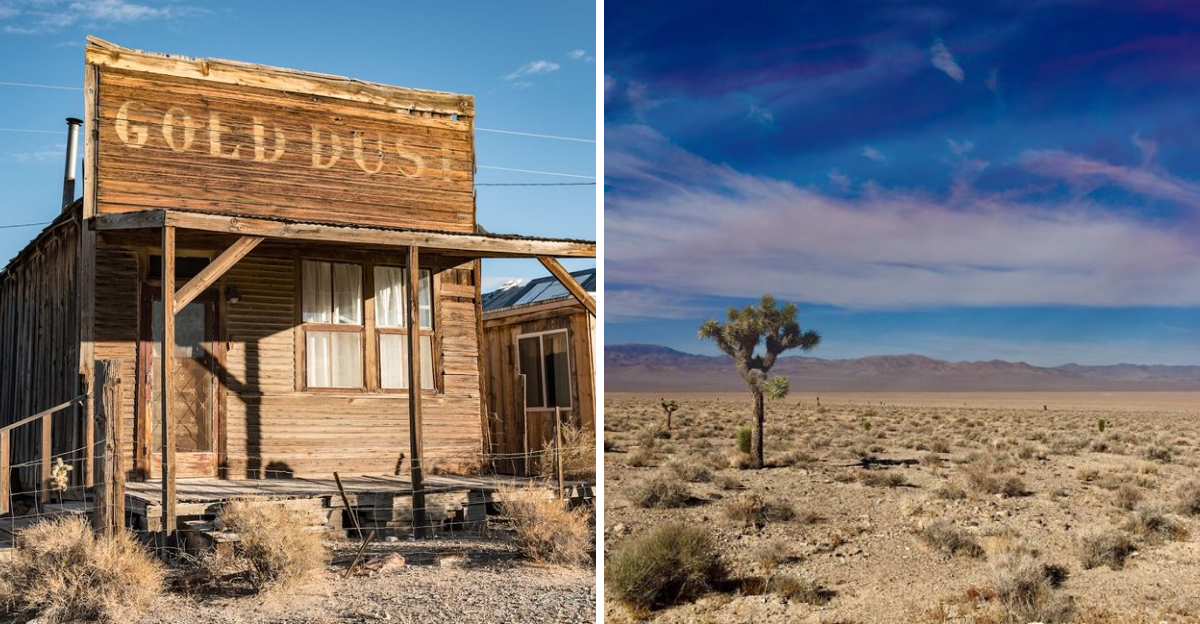
Sleeping in a real miner’s cabin sounds like something reserved for an old Western movie, but Nevada makes it possible. At the end of a dusty desert road, weathered buildings still stand beneath a sky that seems impossibly wide.
Visitors can step inside structures left behind by miners, wander past rusted equipment, and hear stories shaped by boom years and hard luck. The real surprise arrives after sunset.
Instead of driving back to a modern hotel, you can settle into an authentic cabin and spend the night surrounded by deep silence. Morning brings pale desert light, creaking floorboards, and a view that has barely changed in generations.
Few overnight stays place you this close to Nevada’s rough and restless mining past.
You Can Sleep Inside An Original Miner’s Cabin
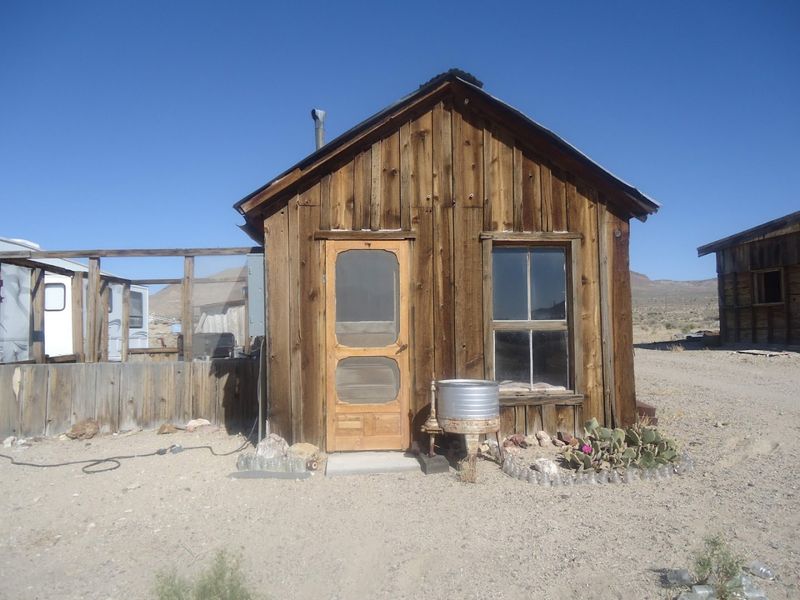
Gold Point operates as a bed and breakfast inside genuine structures from the mining era. The cabins available for overnight guests date back to the early 1900s when miners lived and worked in this remote corner of Esmeralda County.
Walking through the door feels like stepping across a century of history.
Reservations put you inside buildings that housed real people during the gold rush. The walls still show their age, and the floors creak with stories from another time.
Staying overnight means sleeping where miners once collapsed after long shifts underground.
Guests discover that these cabins maintain their historical character without sacrificing basic comfort. The experience connects you to Nevada’s mining past in a way no museum display ever could.
Gold Point gives visitors a tangible link to frontier life that most ghost towns cannot offer.
Gold Point Still Looks Like An Old Nevada Mining Camp
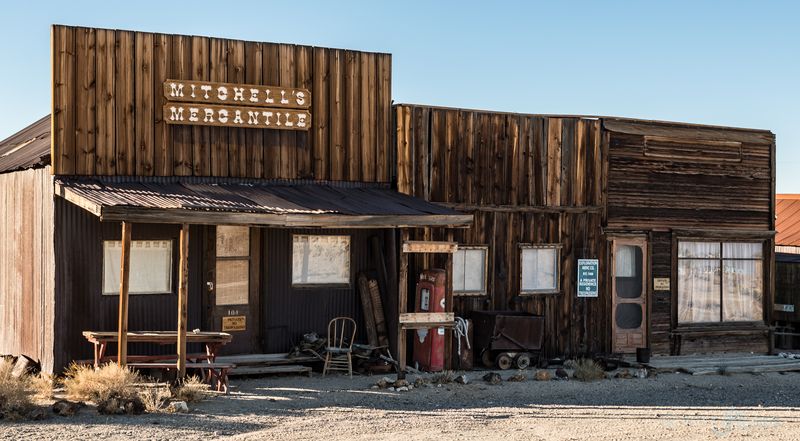
The town layout remains largely unchanged from its operational days. Buildings stand where miners placed them, following no particular plan beyond convenience and necessity.
Gold Point never received the modern makeover that ruins the authenticity of other historic sites.
Wooden structures line the dirt roads in various states of preservation. Some lean slightly, others stand firm, but all contribute to the atmosphere of a camp that simply stopped rather than disappeared.
The randomness of the town plan reflects its origins as a working site rather than a planned community.
Located at 37.3545032, -117.365007 in Nevada, this unincorporated community serves as the southern terminus of Nevada State Route 774. The isolation helped preserve what development would have destroyed.
Gold Point looks like a mining camp because it was one, and nobody tried to change that fact for convenience or profit.
The Cabins Stay Rustic Outside But Comfortable Inside
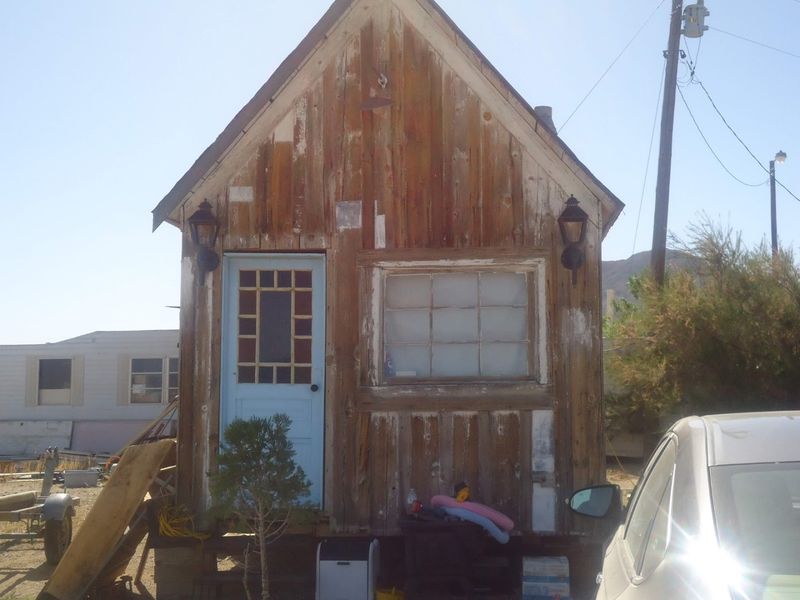
The bed and breakfast operation understands the balance between authenticity and livability. Cabin exteriors keep their weathered appearance, showing the marks of desert sun and mountain winters.
Inside, guests find beds with real mattresses, basic furniture, and enough comfort to sleep soundly after a day exploring the ghost town.
The accommodations avoid the extremes of either full modernization or complete roughness. You will not find plasma televisions or wireless internet, but you also will not sleep on a plank.
The setup respects history while acknowledging that modern visitors need some basic amenities.
This approach lets guests experience frontier conditions without actual frontier hardships. The cabins prove that historical tourism can maintain integrity without demanding suffering.
Gold Point found the middle ground between museum piece and comfortable lodging, creating an overnight experience that educates without punishing.
Every Overnight Stay Helps Preserve The Ghost Town
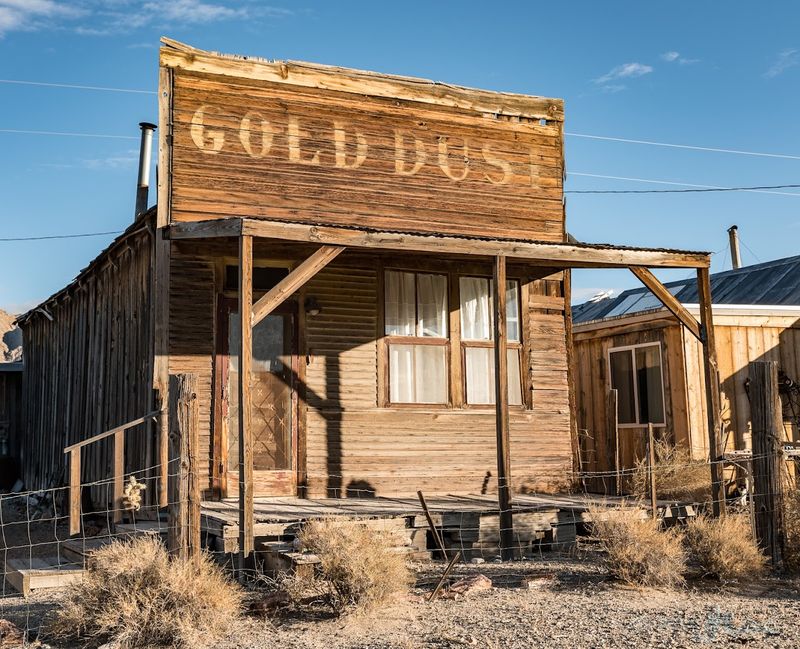
Running a bed and breakfast in a ghost town generates revenue that funds ongoing preservation. The cabins require constant maintenance to remain habitable, and that work extends to other structures around Gold Point.
Guest fees directly support the effort to keep this piece of Nevada history standing.
Without income from visitors, these buildings would eventually collapse under desert conditions. Wood dries and cracks, metal rusts, and structures sag without regular attention.
The overnight accommodation model creates a sustainable way to maintain historical buildings that might otherwise disappear.
Staying at Gold Point means participating in preservation rather than just observing it. Your visit becomes part of the solution to saving authentic Western sites.
The bed and breakfast concept proves that ghost towns can survive as living history rather than slowly crumbling into dust and memory.
The Town Began As A Mining Camp Before Becoming Gold Point
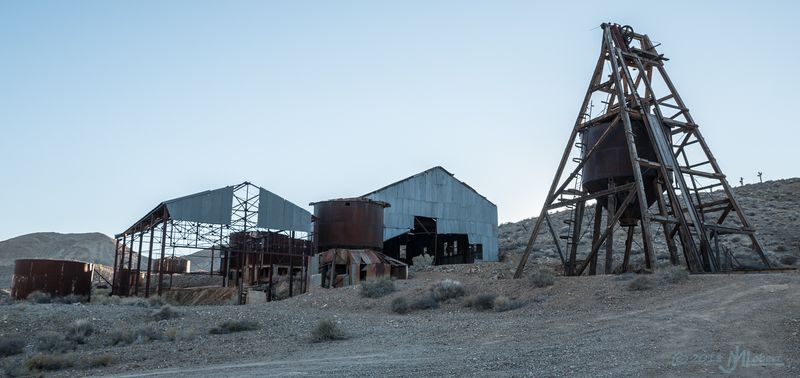
The community started as Hornsilver, a mining camp that sprang up when prospectors discovered valuable ore deposits. Like most Nevada mining towns, it grew quickly around the promise of wealth buried in the surrounding hills.
The original name reflected the silver content found alongside gold in local claims.
Gold Point became the official name later, emphasizing the precious metal that drew miners to this isolated corner of Esmeralda County. The town served the practical needs of mining operations rather than any grand vision of permanent settlement.
Buildings went up fast, designed for function rather than beauty or longevity.
The boom eventually faded as mines played out and prospectors moved to richer strikes elsewhere. Gold Point never completely emptied like some ghost towns, maintaining a tiny population through the decades.
This continuity helped preserve structures that total abandonment would have claimed long ago.
Old Wooden Buildings Give The Streets Their Frozen In Time Feel
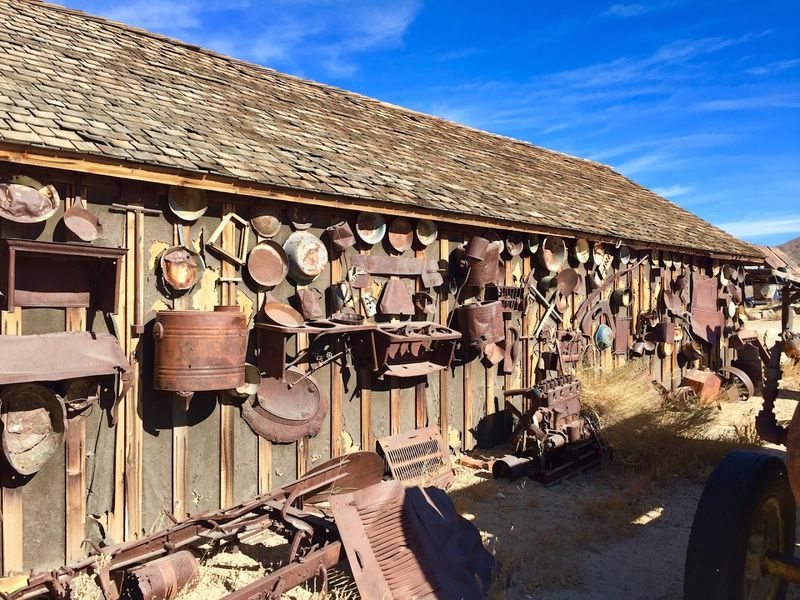
The architecture throughout Gold Point reflects the construction methods and materials available during the mining era. Wood frames and plank siding dominate the streetscape, showing the natural aging that comes from decades of sun exposure.
These structures were built quickly by people focused on mining rather than carpentry, and that utilitarian approach remains visible.
Paint has long since peeled away from most buildings, leaving bare wood that has turned gray and brown. Windows sometimes lack glass, doors hang at angles, and rooflines sag in places.
The imperfections create authenticity that perfect restoration would destroy.
Walking the dirt streets feels like traveling backward because the scenery matches period photographs. Gold Point avoided the fate of ghost towns that became either completely ruined or over-restored.
The buildings remain in that perfect middle state where history feels present rather than distant or fabricated.
The Bed And Breakfast Turns History Into The Main Attraction
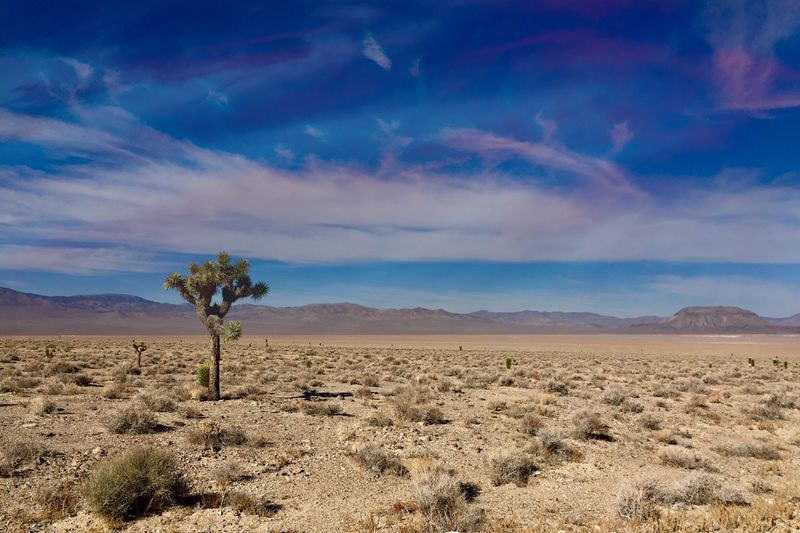
Most accommodations offer a place to sleep while you visit attractions elsewhere. Gold Point reverses this formula by making the lodging itself the primary experience.
The bed and breakfast does not compete with the ghost town; it is the ghost town, offering immersion rather than proximity.
Guests arrive to explore history and end up living inside it temporarily. The cabins provide more than shelter; they serve as time machines that transport visitors to Nevada’s frontier past.
This approach transforms passive tourism into active participation in historical preservation and education.
The website at goldpointghosttown.com provides information and booking details for visitors planning their stay. The operation remains small and personal rather than commercial and impersonal.
Gold Point succeeds by understanding that some travelers want experiences that cannot be replicated by standard hotels, no matter how many stars they claim or amenities they list.
Dark Desert Skies Make Nighttime Part Of The Experience
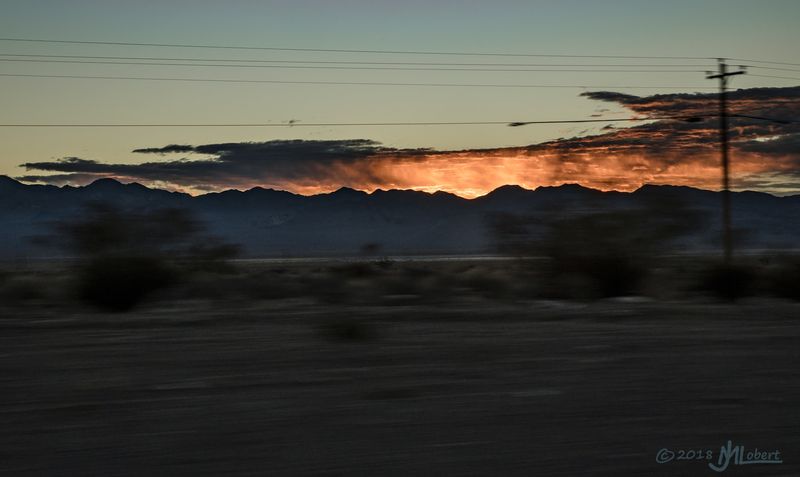
Gold Point sits far from city lights and major population centers. After sunset, the sky transforms into a display that most modern Americans never witness.
Stars appear in numbers that seem impossible to anyone accustomed to urban skies, and the Milky Way stretches overhead like a glowing river.
The darkness that falls over the ghost town adds another layer to the historical experience. Miners who lived here saw these same stars without light pollution, and the night sky connected them to the vast universe above.
Modern guests rediscover that perspective when artificial light disappears.
Spending an evening in Gold Point means confronting the darkness and silence that defined frontier nights. The experience reminds visitors how much modern life insulates us from natural conditions.
Looking up at that star-filled sky from a miner’s cabin creates memories that outlast any photograph.
Jackrabbits And Desert Silence Replace A Normal Hotel Lobby
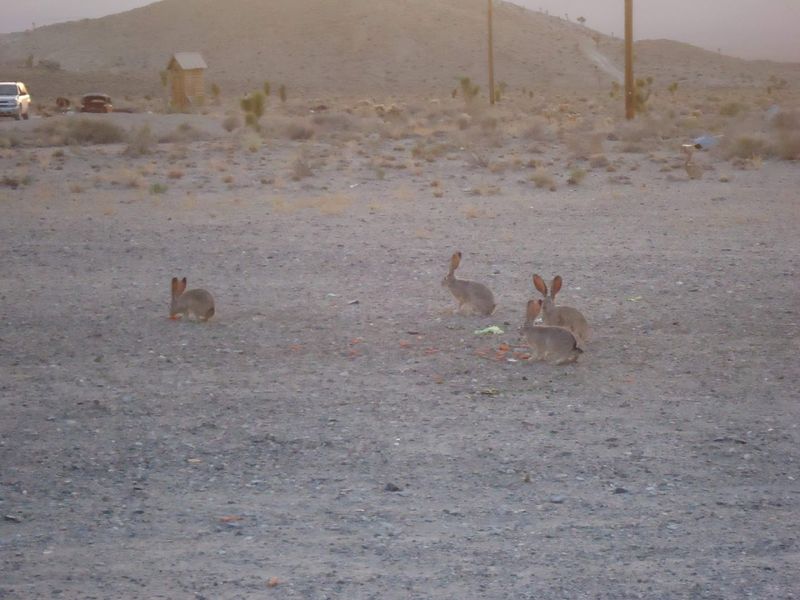
The wildlife around Gold Point consists mainly of creatures adapted to harsh desert conditions. Jackrabbits bound across the landscape, lizards sun themselves on warm rocks, and occasional birds pass overhead.
The animal population reminds visitors that this land belongs to species that thrive in environments humans find challenging.
Silence dominates the soundscape in ways that unsettle people accustomed to constant background noise. No traffic hums, no sirens wail, no crowds murmur in lobbies or hallways.
The quiet becomes almost tangible, broken only by wind, wildlife, or your own footsteps on desert ground.
This absence of typical hotel amenities and urban sounds forms part of the attraction rather than a deficiency. Gold Point offers escape from the overstimulation of modern life.
Guests trade convenience for authenticity and discover that silence and simplicity have value that luxury accommodations cannot provide.
Gold Point Feels Like A Living Ghost Town, Not A Museum
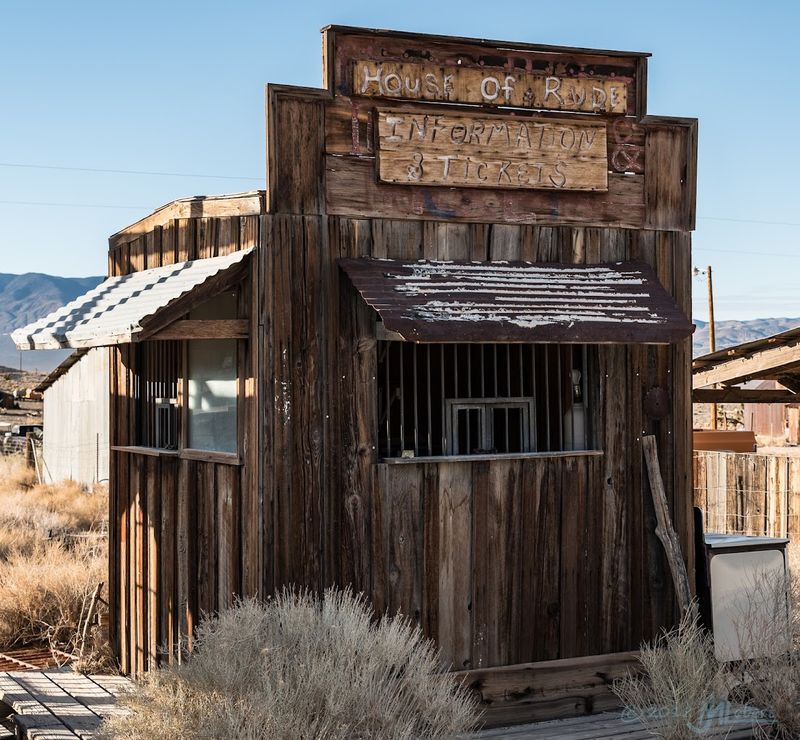
Many ghost towns exist as static displays behind ropes and signs that command visitors to look but not touch. Gold Point takes a different approach, allowing people to interact with history rather than merely observe it from a distance.
The town functions as a place you can inhabit temporarily rather than just photograph.
The distinction matters because engagement creates understanding in ways that observation cannot match. Sleeping in a miner’s cabin teaches lessons about frontier life that no guided tour could communicate.
Gold Point invites participation in its ongoing story rather than presenting a finished narrative.
This living quality sets the town apart from better-known historic sites that feel sanitized and safe. Gold Point maintains its rough edges and authentic character, trusting visitors to appreciate history without needing it packaged and simplified.
The result feels genuine in ways that carefully curated attractions never achieve.