
This Wisconsin Town Called Itself The Bicycling Capital Of America And Built 100 Miles Of Trails To Prove It
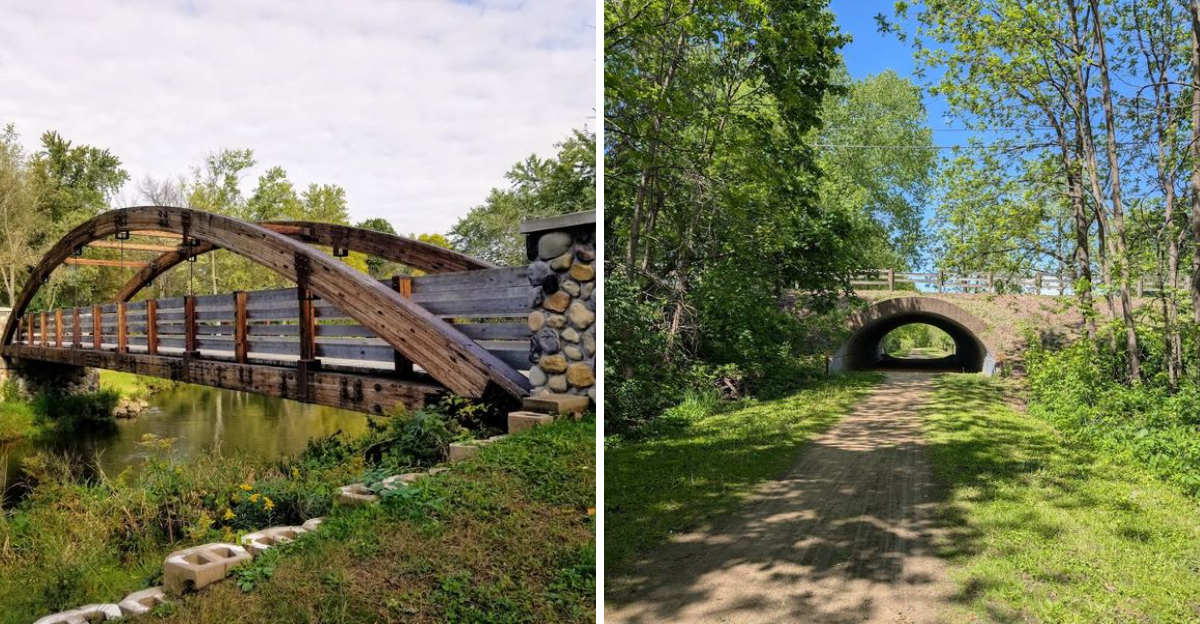
A bold nickname only works if a place can back it up. This small Wisconsin city did exactly that, trading old railroad corridors for smooth trails, tunnel rides, river views, and miles of countryside made for two wheels.
What began as a local idea became a full blown cycling identity, the kind that pulls riders in with packed panniers, family bikes, and weekend plans. Around 100 miles of connected routes give visitors plenty of room to pedal without repeating the same scenery.
One stretch rolls past farms, another slips through wooded pockets, and another follows the La Crosse River at an easy pace. Big cities may have bike lanes, but this place built an entire reputation on the joy of riding.
Sparta Built Its Identity Around Bicycling
Sparta committed to cycling long before rail trails became fashionable across America. The town saw potential in its landscape and its abandoned railroad lines, recognizing that bicycles could become more than recreation.
City leaders and residents alike embraced the idea, and soon the entire community began shaping itself around two wheels.
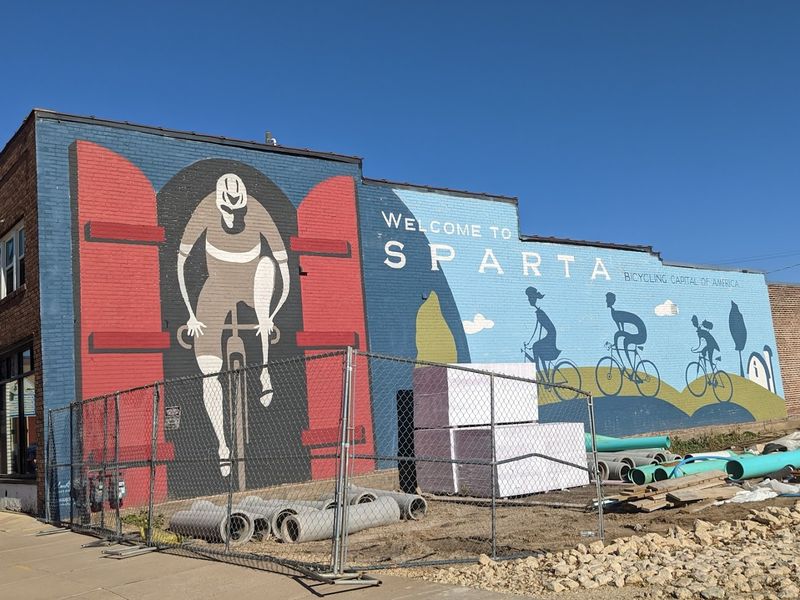
Murals celebrating bicycles decorate building facades along Main Street. Bike racks appear at nearly every storefront.
Local businesses cater to riders passing through, offering everything from tube repairs to trailside snacks.
The commitment runs deeper than decoration. Sparta hosts cycling events throughout the year, maintains its trails with care, and continues investing in infrastructure that keeps riders safe and comfortable.
The town transformed its economy and its reputation by sticking to a single, clear vision that most places only talk about but never fully realize.
The Elroy Sparta Trail Started America’s Rail Trail Movement
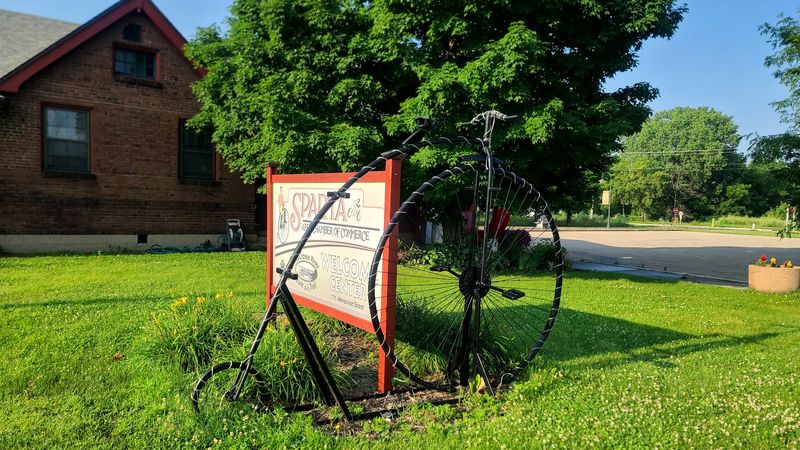
Before the Elroy Sparta Trail opened in 1967, the concept of converting old rail corridors into recreational pathways barely existed in this country. Wisconsin took a chance on 32 miles of abandoned Chicago and North Western Railway bed, creating the first official rail trail in the United States.
What began as a local experiment became a national template.
The trail connected Elroy to Sparta across rolling farmland and wooded valleys, proving that unused railroad rights-of-way could serve the public in entirely new ways. Other states watched and followed.
Thousands of rail trails now crisscross America, but this one came first.
Riders today pedal the same route that sparked a movement. The Elroy Sparta Trail remains one of the most popular in the Midwest, its historical significance matched only by its natural beauty and the engineering marvels it passes through.
Two Major State Trails Meet Right In Town
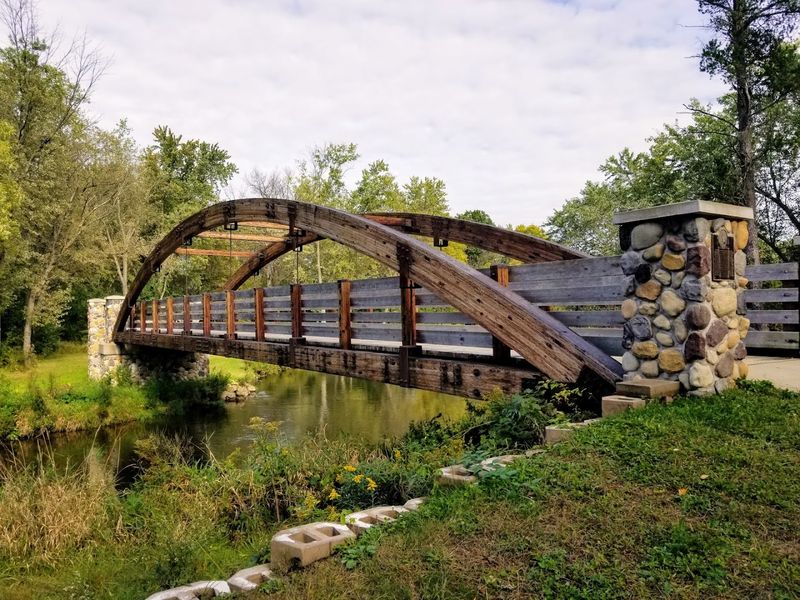
Sparta functions as the hub where two significant state trails converge, giving riders options and creating a natural gathering point. The Elroy Sparta Trail arrives from the east, while the La Crosse River State Trail stretches westward toward La Crosse.
Both routes meet within the city limits, making Sparta the obvious base for longer excursions.
This intersection means riders can choose their direction based on mood, fitness, or time available. Head east for tunnels and more dramatic terrain.
Go west for gentler grades and river views. Either way, Sparta serves as the starting line, the turnaround point, or the overnight stop.
The town capitalized on this geographic advantage by building amenities that serve trail users. Parking areas, restrooms, water fountains, and nearby lodging all cluster around the junction, making logistics simple for anyone planning a ride through Monroe County.
The Connected Trail System Reaches About 100 Miles
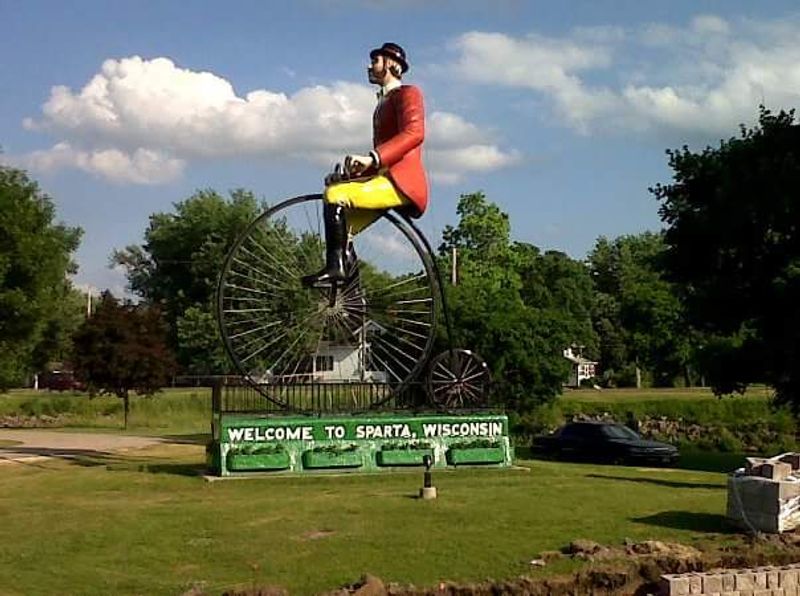
Adding up the Elroy Sparta Trail, the La Crosse River State Trail, and their various spurs and connections brings the total mileage near 100 miles of rideable surface. Sparta sits at the center of this network, offering access to nearly every segment without requiring a car shuttle or complicated planning.
Riders can cover short loops or multi-day adventures depending on their ambition. Families with young children stick to the flatter western sections.
Experienced cyclists tackle the full distance, camping along the way or returning to Sparta each night.
The mileage claim is not exaggeration or creative accounting. The trails genuinely extend across the region, maintained by state and local authorities who keep the surfaces smooth and the signage clear.
Sparta earned its title by delivering the infrastructure to back it up, and the system continues growing as new segments open.
Three Railroad Tunnels Make The Ride Unforgettable
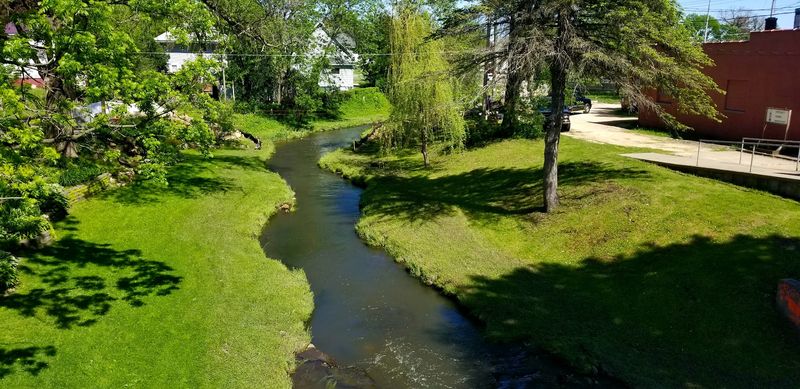
The Elroy Sparta Trail passes through three tunnels blasted through ridges during the railway era, and these passages define the experience for most riders. Each tunnel stretches hundreds of feet through solid rock, cool and dark even on the hottest summer days.
Headlights or flashlights become necessary equipment, and the temperature drop inside surprises first-time visitors.
The tunnels were engineering achievements in the 1870s, allowing trains to cross the rugged Driftless Area without excessive grading. Today they serve as the most dramatic and memorable feature of the trail, offering a break from open sky and a brief journey into geological history.
Riders emerge from each tunnel into daylight and scenery that feels earned. The contrast between the enclosed darkness and the sudden openness of the countryside creates a rhythm that makes the miles pass quickly and keeps the ride from feeling monotonous.
Tunnel Three Is The Stretch Riders Remember Most
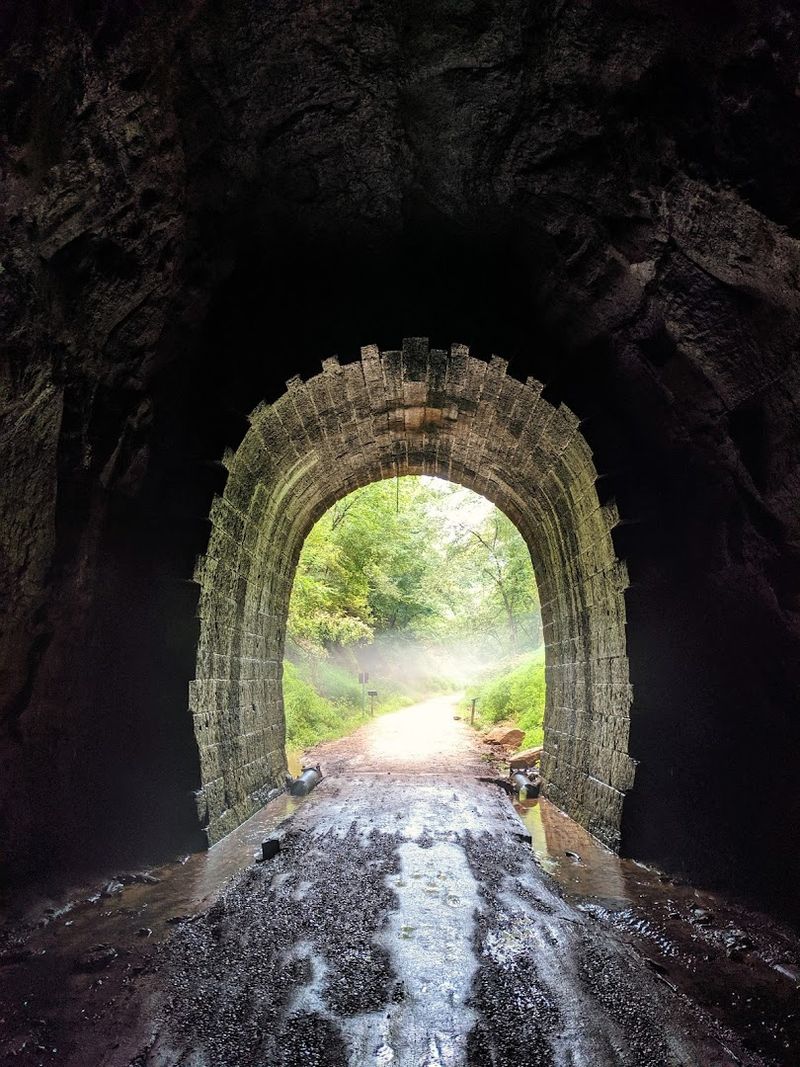
Among the three tunnels, Tunnel Three stands out for its length and the experience it delivers. At 3,810 feet, it takes several minutes to pedal through even at a steady pace.
Complete darkness fills the middle section, and the air inside stays damp and cold year-round. Voices echo strangely, and the only light comes from headlamps or the distant glow of the exits.
The tunnel cuts through a high ridge east of Sparta, and its construction required immense labor and precision. Workers drilled and blasted through limestone and sandstone, creating a passage that still feels solid more than a century later.
Riders often stop just inside the entrance to adjust their eyes and their expectations. The tunnel demands attention and a bit of courage, especially for younger cyclists.
Emerging on the far side feels like an accomplishment, and the memory of that long, cool passage stays vivid long after the ride ends.
Crushed Limestone Keeps The Route Smooth But Rustic
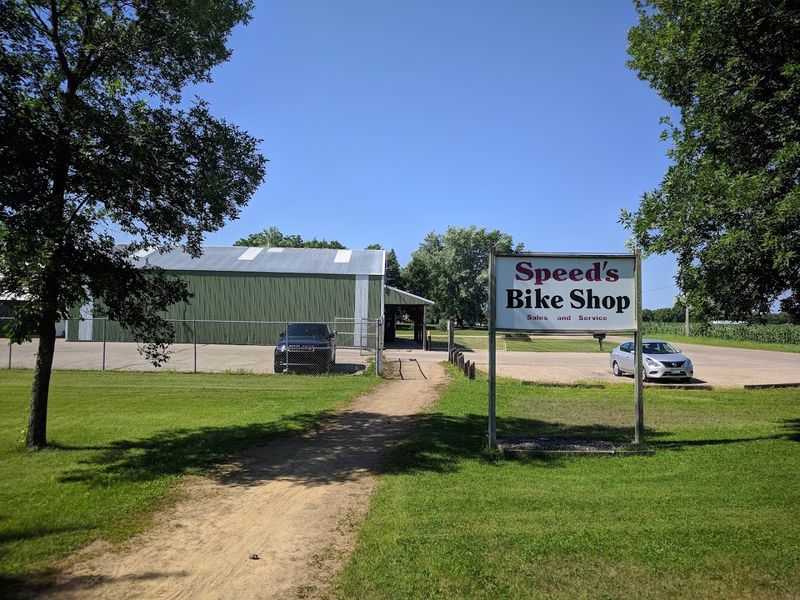
The trail surface consists of finely crushed limestone, packed firm enough to ride smoothly but soft enough to feel forgiving on joints and tires. This material replaced the original railroad ballast, creating a pathway that works for road bikes, hybrids, and mountain bikes alike.
The limestone drains well after rain and reflects sunlight, keeping the trail visible even in shaded stretches.
Maintenance crews grade and refresh the surface regularly, filling ruts and smoothing rough patches. The result is a trail that feels rustic without being punishing, accessible without losing its connection to the rural landscape it crosses.
Some riders prefer pavement, but the limestone offers advantages. It reduces speed just enough to encourage observation rather than rushing.
Dust rises on dry days, and the crunch of tires on gravel becomes the soundtrack of the ride, a reminder that this path remains rooted in its railroad past.
The Trail Rolls Through Classic Driftless Scenery
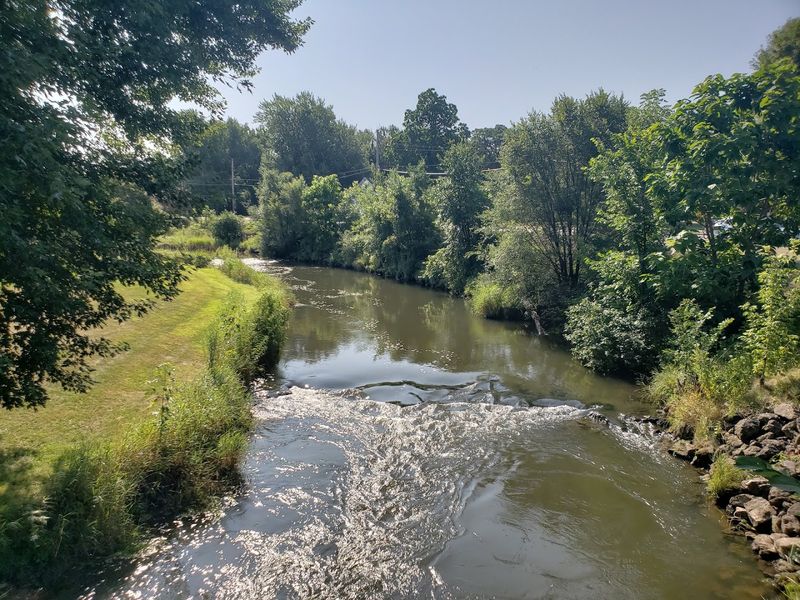
Sparta and its trails occupy the Driftless Area, a region of Wisconsin that glaciers bypassed during the last ice age. The landscape here differs from the rest of the state, marked by steep bluffs, narrow valleys, and streams that carve intricate patterns through the hills.
The trails follow these contours, rising and falling gently but never demanding serious climbing.
Farmland spreads across the valley floors, alternating with patches of hardwood forest. Wildflowers bloom along the trail edges in spring and summer.
Hawks circle overhead, and deer appear frequently near dawn and dusk.
The Driftless topography gives the ride character without overwhelming riders. The scenery shifts constantly but never feels chaotic.
Sparta sits at the heart of this landscape, and the trails showcase it better than any road could, offering views and quiet that cars simply cannot access.
Small Trail Towns Give Riders Easy Places To Pause
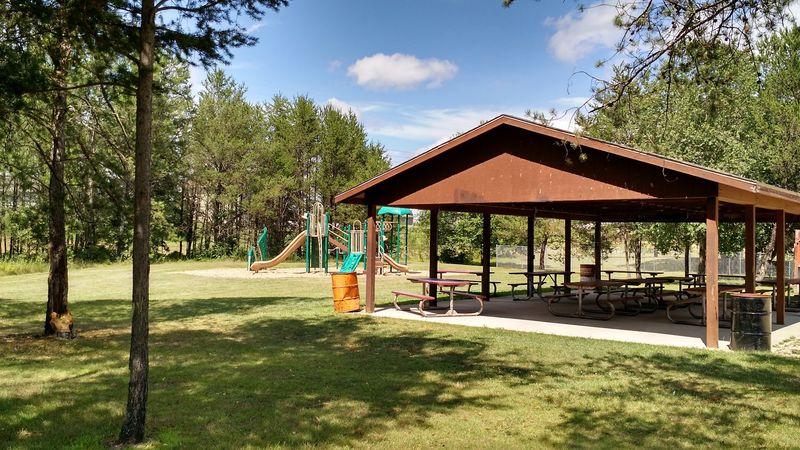
Between Sparta and Elroy, several small towns line the trail, each offering rest stops, food, and basic services. Kendall, Wilton, and Norwalk all welcome riders with cafes, parks, and restrooms.
These towns keep their trail access points well marked and their businesses stocked with snacks, cold drinks, and bike supplies.
The trail towns understand their role in the larger system. They maintain their sections of the path, host events, and cater to the steady stream of visitors who pass through during riding season.
Local pride shows in the upkeep and the hospitality.
Stopping in these places breaks up longer rides and adds social texture to the journey. Conversations happen easily over sandwiches or ice cream.
Trail towns remind riders that this network connects communities, not just miles, and that Sparta built something bigger than a recreational amenity.
The La Crosse River Trail Adds A Gentler Westbound Ride
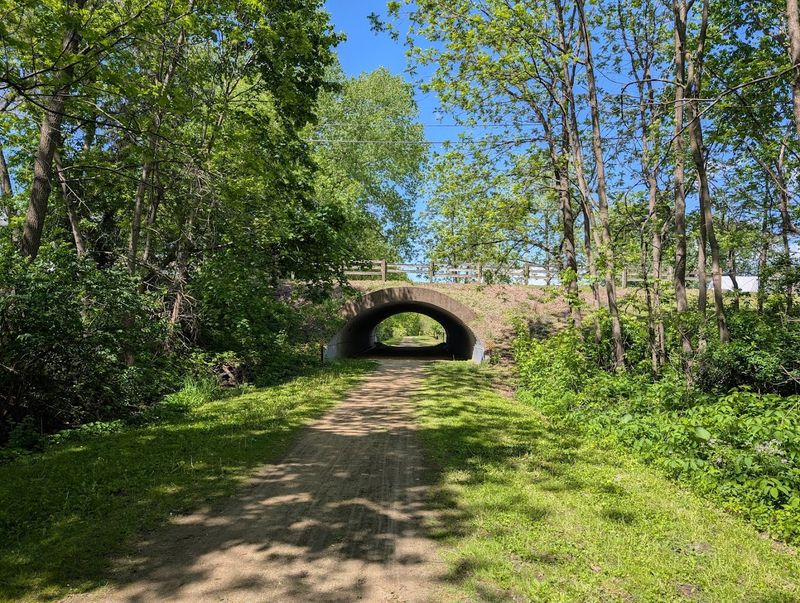
The La Crosse River State Trail runs 22 miles from Sparta to La Crosse, following the river valley with minimal elevation change. This trail appeals to families, casual riders, and anyone seeking a less challenging route than the eastern tunnels and hills.
The surface remains smooth, the grades stay gentle, and the scenery unfolds at a pace that encourages lingering.
The trail parallels the river for much of its length, offering water views and opportunities to spot wildlife. Small bridges cross tributaries, and wooded stretches alternate with open farmland.
The ride feels peaceful, almost meditative, without the dramatic features that define the Elroy route.
Sparta benefits from having both options. Riders can choose intensity or ease, adventure or relaxation, and still return to the same town at the end of the day.
The La Crosse River Trail completes the network, proving that variety matters as much as mileage.