
Explore The Best North Carolina Spots For Hunting Shark Teeth Gemstones Quartz And More
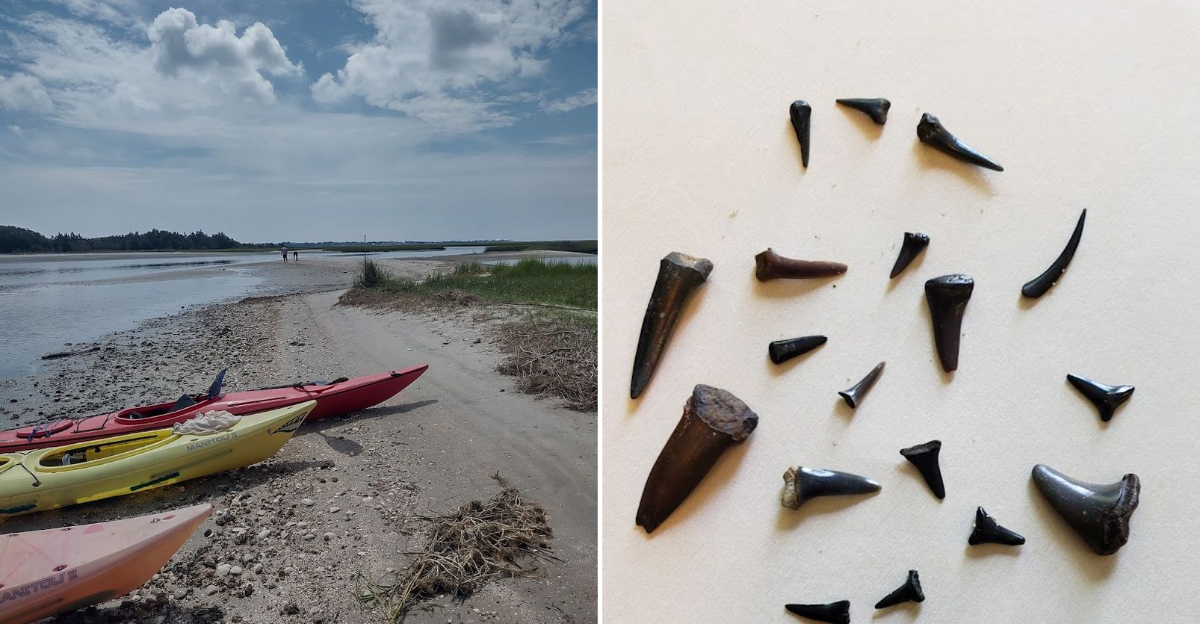
Few things rewrite a beach day faster than pulling something from the sand that does not belong to this century. North Carolina’s coastline and inland riverbeds have been holding onto treasures longer than most people stop to consider.
Shark teeth, quartz crystals, and polished gemstones wait beneath places that look completely ordinary from the road. The secret is knowing where to crouch down and actually look.
This state has a geological story running beneath every trail, every riverbank, and every shoreline. Rockhounds who understand that story leave with pockets full of evidence.
Beginners show up expecting a pleasant walk and leave converted into something far more obsessive. North Carolina has a talent for turning a single good find into a hobby that starts consuming every weekend plan entirely.
Techniques For Identifying Teeth In Nature
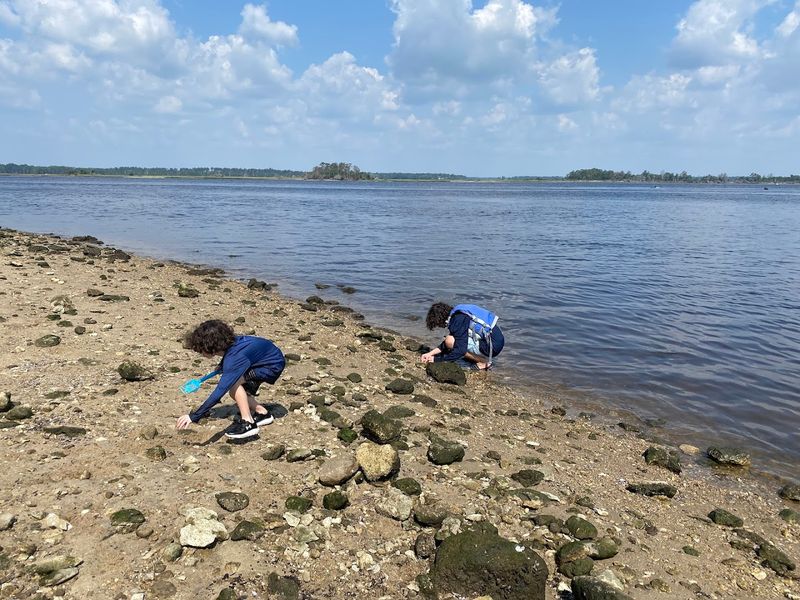
Finding a shark tooth on Shark Tooth Island is all about training your eyes to spot specific shapes. Fossilized teeth are dark, almost black, and have a glossy triangular shape.
They look very different from the pale shells and light-colored gravel around them.
Walk slowly along the waterline. Scan the shell beds and gravel lines carefully.
The teeth settle into darker patches, so focus on those areas first.
Crouching low helps a lot. You get a better angle to catch the light reflecting off that shiny enamel surface.
Polarized sunglasses are a game-changer here because they cut glare and make dark fossils pop against the pale background.
Surface collecting is the most common method and works really well at low tide. The receding water exposes fresh ground constantly.
New teeth appear on every visit.
Flip over small rocks and debris chunks. Many fossils hide just underneath.
Shell casts and fossil imprints are also found this way, making the search even more rewarding.
Patience matters more than luck here. First-timers often struggle until they find that first tooth.
After that, your brain locks onto the pattern and the finds multiply fast. Shark Tooth Island is located at R07800 001-001-000, Wilmington, NC 28412, and is open 24 hours every day of the week.
Common Types Of Gemstones Found In North Carolina
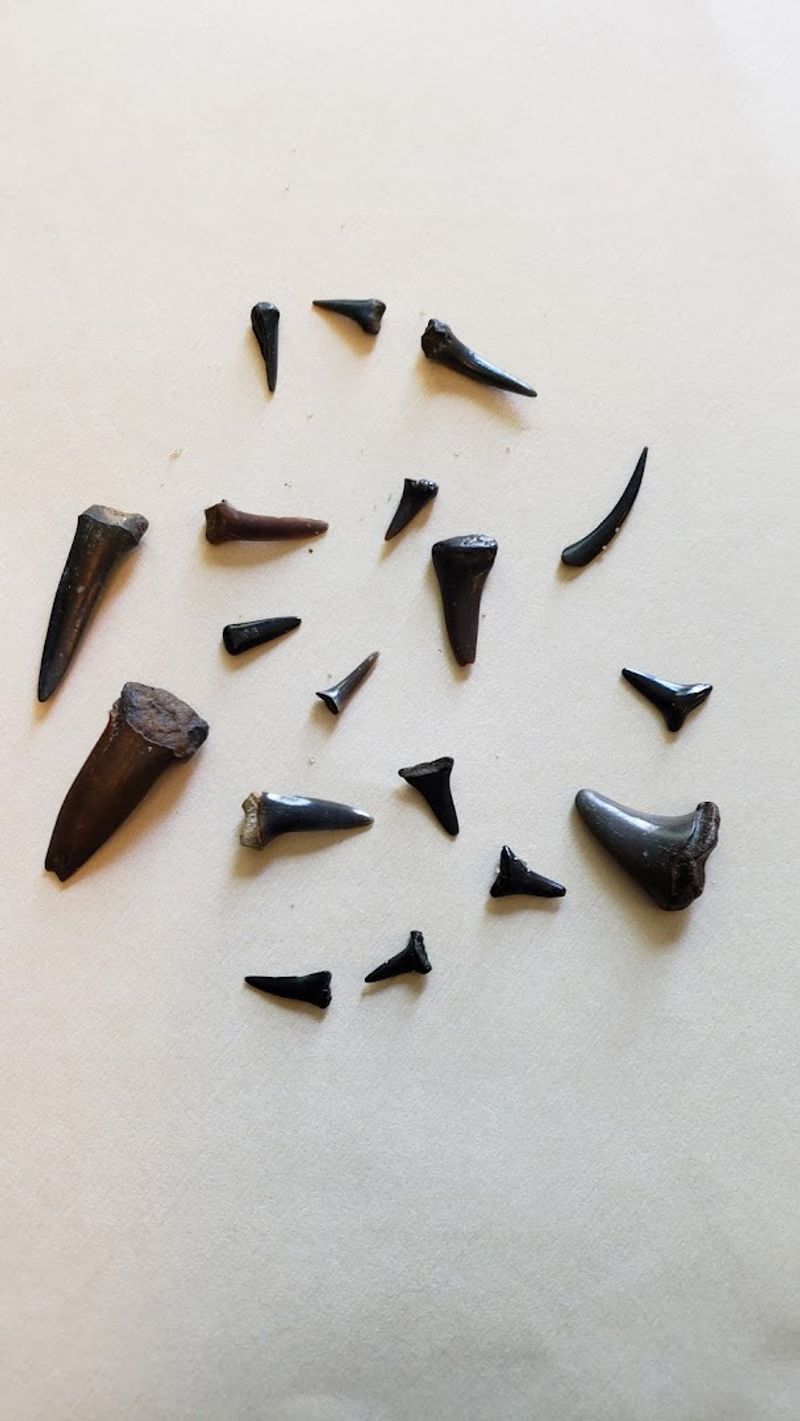
North Carolina is one of the most gemstone-rich states in the entire country. The variety of minerals found here genuinely surprises most people visiting for the first time.
Hiddenite, named after a small North Carolina town, is found almost nowhere else on Earth. Emeralds have been pulled from the ground in Alexander County for over a century.
Rubies and sapphires show up in the western mountains near Franklin.
Quartz is everywhere across the state. Clear quartz, smoky quartz, and rose quartz all appear in different geological zones.
Many rockhounds consider quartz hunting a great starting point before chasing rarer finds.
Amethyst, garnet, and tourmaline also appear in various North Carolina locations. Each mineral forms under specific geological conditions, making certain spots more productive than others.
Knowing your target mineral helps you pick the right location.
Around the Cape Fear River region near Shark Tooth Island, the focus shifts more toward marine fossils than gemstones. Ancient shells, ray plates, and coral pieces join the shark teeth on the shoreline.
This region offers a completely different kind of treasure compared to the mountain spot fields.
North Carolina truly offers something for every type of collector. Whether you prefer sparkling crystals or ancient fossils, the state delivers.
The sheer geological variety here is honestly hard to beat anywhere in the Southeast.
Tools Needed For Successful Quartz Hunting Adventures
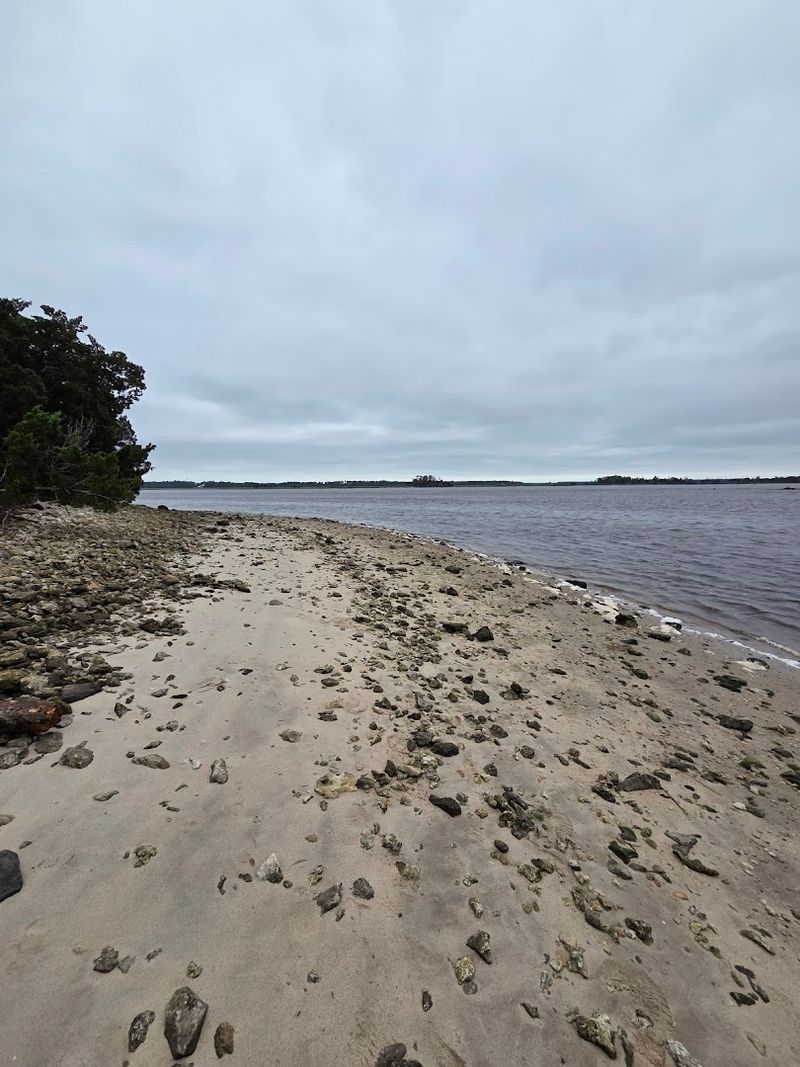
Showing up prepared makes a massive difference at any fossil or mineral hunting site. The right tools turn a frustrating search into a genuinely productive outing.
A small hand shovel or trowel is your best friend. It lets you dig into shell beds and gravel layers without disturbing too much of the surrounding area.
Lightweight and easy to carry, a trowel fits right into a small backpack.
A wire mesh sieve or screen is incredibly useful for sifting through sediment. Scoop up a pile of gravel and shells, then shake it over the water.
Smaller teeth and fossil fragments stay on the screen while fine sand washes away.
Bring a sturdy container to hold your finds. A small plastic bucket or a zip-lock bag works fine.
Keeping your discoveries organized prevents them from getting lost or damaged during the trip back.
Polarized sunglasses help cut water glare and surface reflection. Spotting dark glossy teeth against pale shells becomes noticeably easier with them on.
This one tool alone has helped many visitors dramatically increase their find count.
Wear sturdy closed-toe shoes. The terrain at Shark Tooth Island is uneven and rocky in places.
Flip-flops will make certain sections genuinely difficult to navigate safely.
Sunscreen, insect repellent, and plenty of water round out your essential kit. There is no shade on the island.
Staying comfortable keeps your focus sharp throughout the hunt.
Seasonal Patterns Impacting Fossil And Gemstone Finds
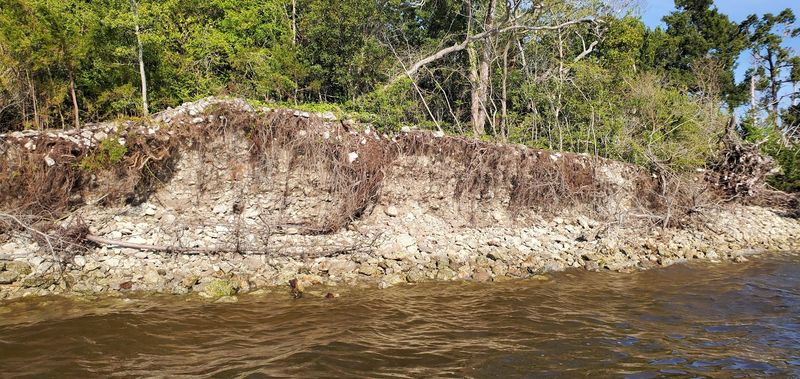
Timing your visit to Shark Tooth Island around the right season dramatically improves your odds. Nature does a lot of the work for you if you pay attention to patterns.
Spring is widely considered the best season for fossil hunting here. Winter storms churn up the riverbed and expose fresh layers of sediment along the shoreline.
By spring, all that newly exposed ground is ready and waiting for sharp-eyed collectors.
Low tide is the single most important timing factor on any visit. Arriving about 90 minutes before peak low tide gives you the most productive window.
The receding water reveals ground that was completely underwater just hours before.
After storms, the island changes overnight. Strong currents shift sediment and uncover buried fossils that were hidden for potentially thousands of years.
A visit the day after a significant storm can be surprisingly rewarding.
Summer visits are still worthwhile but require more caution. Heat builds quickly on the open island with no shade available.
Staying hydrated and watching for afternoon thunderstorms is essential during the summer months.
Fall brings comfortable temperatures and lighter crowds. The island sees fewer visitors, which means less competition for exposed fossils.
Tidal patterns remain productive well into November.
Winter visits are possible, but cold river winds make conditions harsh. Serious collectors still go, especially right after winter storms.
The reward for braving cold weather can be some of the freshest fossil exposures of the entire year.
Histories Behind Popular North Carolina Gemstone Sites
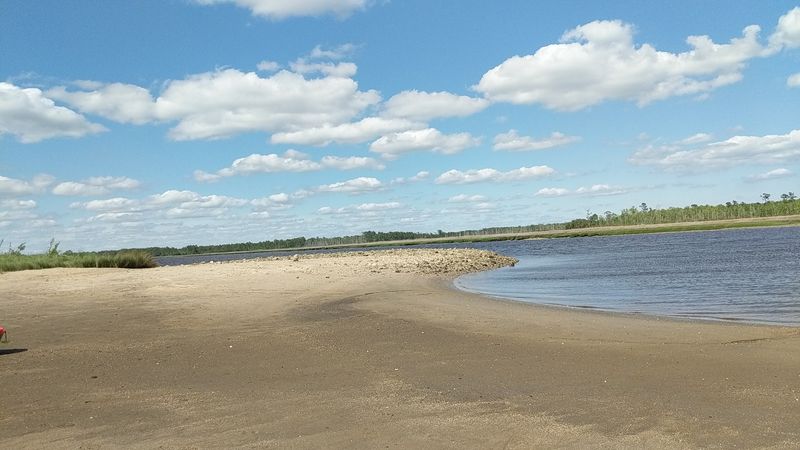
North Carolina has a geology that reads like a treasure map drawn by ancient volcanic and tectonic forces. The stories behind the most famous sites add a whole extra layer to the hunting experience.
Shark Tooth Island itself has a fascinating origin. It is a dredge spoil island, formed from sediment excavated during Cape Fear River dredging operations in the late 1800s.
That dredging brought ancient marine sediments to the surface, releasing millions of years of fossil history onto an accessible shoreline.
The fossils found here represent creatures that lived when this region was underwater. Tiger sharks, bull sharks, sand tiger sharks, and even the enormous megalodon once swam through these ancient seas.
Finding their teeth connects you directly to that prehistoric world.
Occasionally, visitors also discover Native American artifacts, colonial-era objects, and Civil War relics mixed into the sediment. The Cape Fear River was a major historical corridor for centuries.
History layers upon history in this place.
In the western mountains, sites like the Emerald Hollow Mine in Hiddenite have histories stretching back to the 1870s. Early miners stumbled onto gemstone deposits that geologists later confirmed were among the rarest in North America.
Franklin, North Carolina, earned its nickname as the Gem Capital of the World through decades of productive ruby and sapphire mining. Local mines opened to the public continue drawing collectors from across the country every single year.
Safety Tips While Exploring Remote Geological Areas
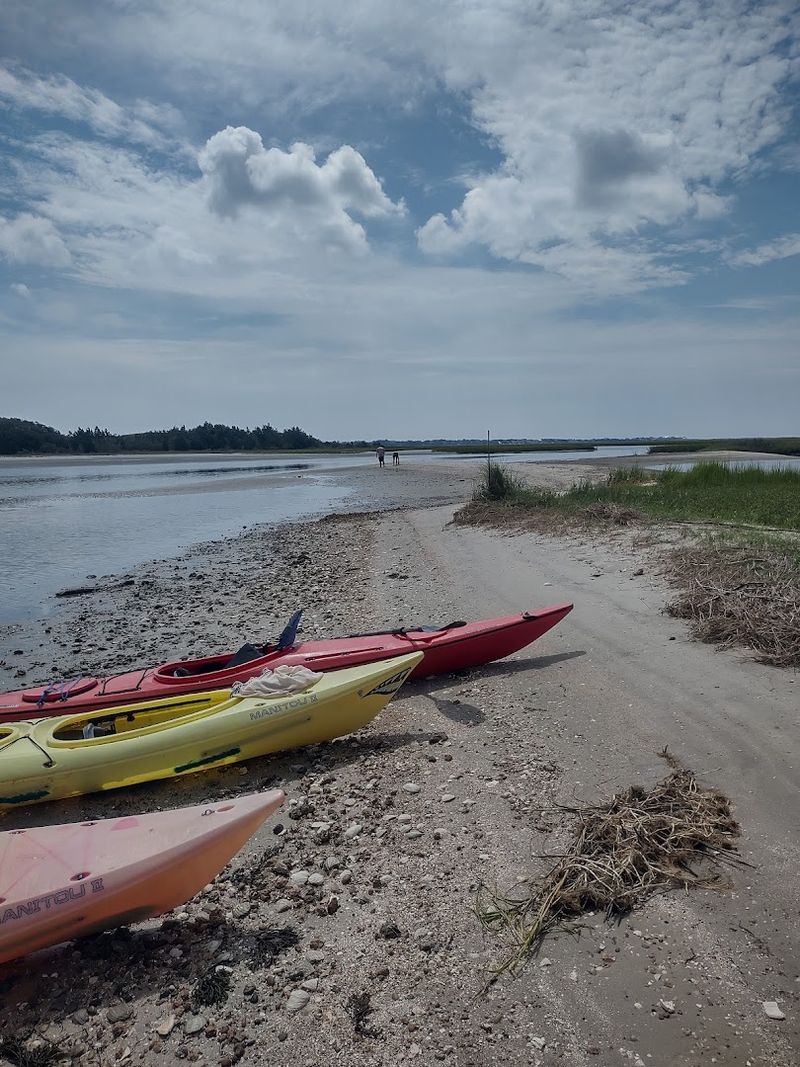
Remote geological sites like Shark Tooth Island demand real preparation. The island has no amenities, no shade, and no staff watching over visitors.
You are fully responsible for your own safety.
Wear sturdy closed-toe shoes every single time. The terrain mixes rocky sediment, uneven ground, and muddy patches.
Ankle support matters more than you might expect when you are scrambling along an unpredictable shoreline.
Bring more water than you think you need. The open river environment offers zero shade.
Heat exhaustion sneaks up fast when you are focused on searching and forgetting to drink.
Sunscreen and insect repellent are non-negotiable. Sunburn happens quickly on reflective water surfaces.
Bugs along the riverbank can be persistent, especially in warmer months.
If you kayak to the island, pay close attention to large cargo ships moving through the Cape Fear River. Their wakes are powerful and can catch smaller vessels completely off guard.
Always pull your kayak far up the bank when you stop to explore.
Watch the tides actively throughout your visit. The island’s shape shifts with tidal changes and river currents.
What looked like a stable landing spot earlier can look very different when you are ready to leave.
Tell someone your plan before heading out. Share your expected return time and the launch location you are using.
Simple communication can prevent a minor issue from becoming a genuine emergency on the water.
Environmental Considerations When Collecting Natural Treasures
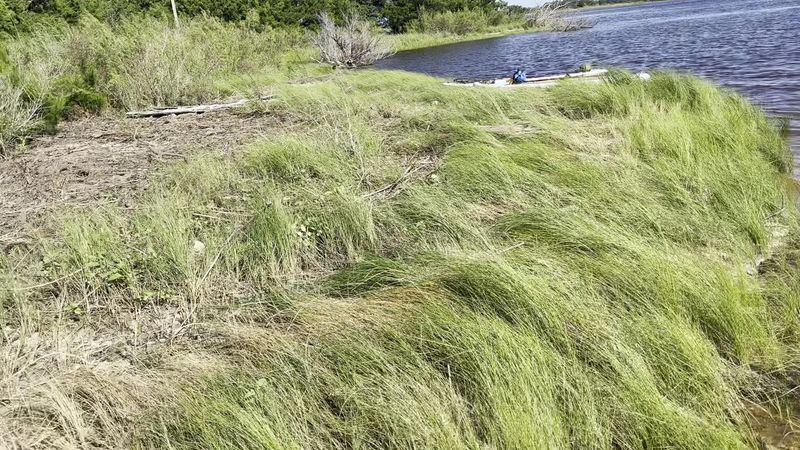
Shark Tooth Island is a natural preserve, and keeping it that way depends entirely on how visitors behave when they are there. Collecting fossils here is permitted, but responsible collecting is absolutely expected.
Take only what you personally find meaningful. Clearing an entire exposed area of every visible tooth leaves nothing for the next group of visitors.
The island works best when everyone practices reasonable restraint.
Avoid disturbing large sections of sediment unnecessarily. Focused, careful digging in specific spots causes far less damage than broad, random excavation.
Targeted searching respects the ecosystem while still producing great finds.
Leave no trace applies here just like anywhere else. Pack out everything you bring in.
The island is naturally clean and worth keeping that way for every future visitor.
The Cape Fear River ecosystem supports coastal birds, dolphins, fish, and various marine species. Loud behavior, littering, or careless movement through habitat zones disrupts wildlife unnecessarily.
Moving quietly and observantly actually improves your fossil hunting odds anyway.
Avoid removing living organisms like shells still occupied by animals or any live coral fragments. Only collect clearly fossilized or fully inorganic material.
The difference between a fossil and a living shell is usually obvious on close inspection.
Respecting the island today keeps it productive for future hunters. The geological history exposed here took millions of years to form.
Treating it with care costs nothing and preserves something genuinely irreplaceable for generations ahead.
Preservation Methods For Collected Fossils And Minerals
Getting your fossils home safely is only the beginning. Proper preservation keeps your finds looking great for years and prevents natural deterioration from setting in.
Rinse fossils gently with fresh water immediately after collecting. River sediment and salt residue can cause surface damage over time if left on the specimen.
A soft toothbrush works well for removing stubborn debris from crevices.
Let fossils air dry completely before storing them. Sealing damp specimens in containers traps moisture and encourages cracking or mold growth.
A few hours of drying in open air is usually enough.
Fragile fossils benefit from a light coating of clear consolidant or museum-grade adhesive. This stabilizes micro-cracks and prevents further deterioration.
Products designed specifically for fossil preservation are available through rockhound supply retailers.
Store specimens in individual compartments or wrapped in soft tissue. Teeth and minerals scratch each other easily when jumbled together in a single container.
Small divided display boxes work perfectly for organizing multiple finds.
Label each specimen with its collection location and date. This simple step transforms a random pile of fossils into an organized, meaningful collection.
Future you will absolutely appreciate the effort.
Display cases with UV-protective glass prevent light damage to sensitive minerals and fossil surfaces. Quartz and other crystals hold up well to display, but some fossils fade with prolonged direct light exposure.
A little protection goes a long way toward keeping your collection in excellent condition long-term.