
This Enchanting California Chocolate Factory Feels Like Walking Through A Dessert Wonderland
Chocolate has a way of making adults forget they were ever in a hurry, and this California factory weaponizes that effect from the moment you step inside. The smell alone is enough to stop a conversation mid-sentence.
Everything here is designed to overwhelm the senses in the most deliberate way possible. Color, aroma, texture, and the kind of craftsmanship that turns a simple confection into something closer to performance art.
Visitors move slowly, not because the space demands it, but because leaving anything unseen feels like a genuine loss. Each section of the factory reveals something the previous one did not prepare you for.
California has built its reputation on experiences that feel larger than life. This chocolate factory earns its place among them, delivering something that lingers well past the drive home and long after the last piece has disappeared.
History Of Making Techniques
This place did not start with a massive factory and a big budget. It began as a small passion project rooted in curiosity about where chocolate really comes from.
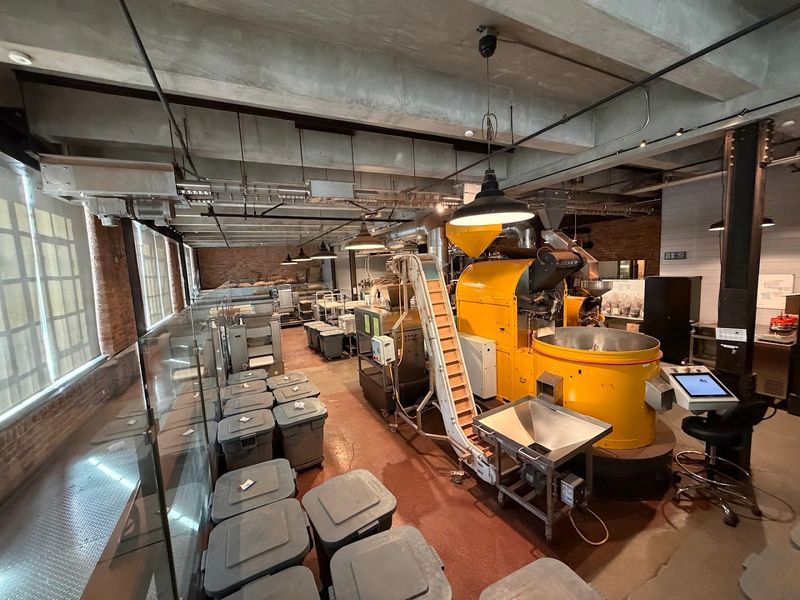
The 16th Street Factory, which opened in 2019, is housed in a century-old brick building that once operated as a print shop.
That history matters. The bones of the building, exposed brick, high ceilings, and industrial bones, give the space a feeling that is hard to fake.
Walking through it feels like being inside something that has always made things by hand.
The techniques used here go back to old-world chocolate traditions. Everything is done in small batches, which means every bar gets real attention.
There are no shortcuts hiding behind fancy packaging.
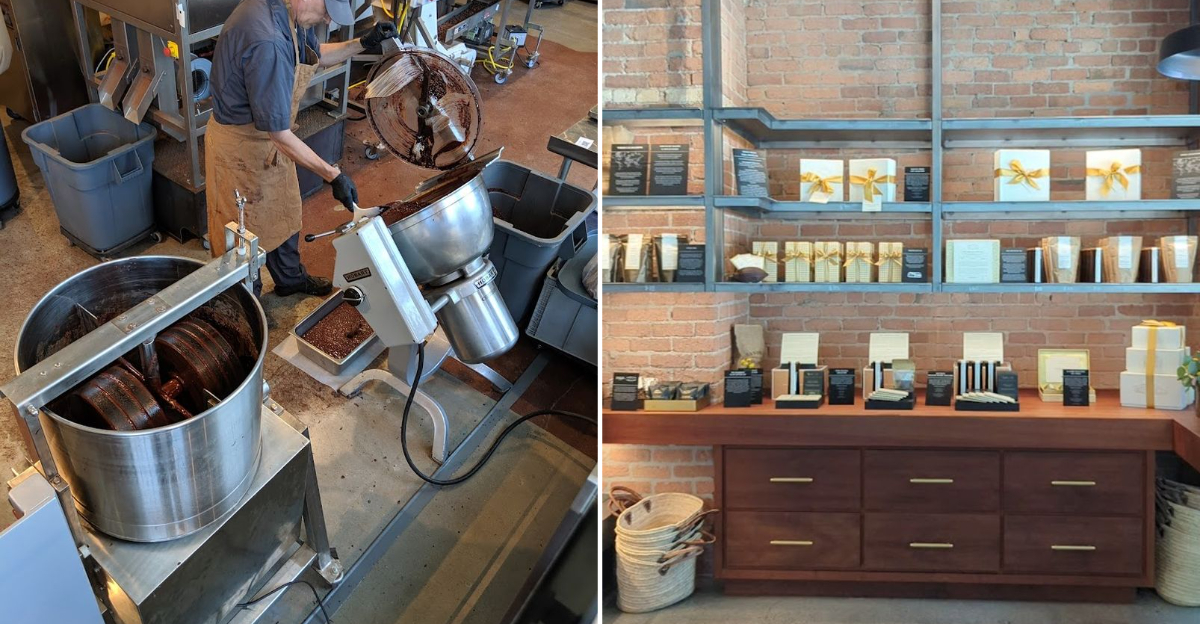
Roasting, grinding, and conching all happen under one roof. Visitors on the factory tour actually watch each step unfold in real time.
You can see the machines working and smell the cocoa transforming at every stage.
The process is slow on purpose. Dandelion believes speed kills flavor.
That philosophy shapes every decision made on the production floor.
The factory sits at 2600 16th St, San Francisco, CA 94103. It is open most days starting at 7:30 AM, making it an easy morning destination.
Guided tours run regularly and are worth booking well ahead of time.
Crafting Unique Flavors And Blends
Flavor is the whole point at Dandelion Chocolate. Every bar is built to highlight what a specific cacao bean tastes like on its own.
That sounds simple, but it is actually a wildly ambitious goal.
Most chocolate brands blend beans from many regions to create one consistent taste. Dandelion does the opposite.
Each origin gets its own bar, its own roast profile, and its own personality.
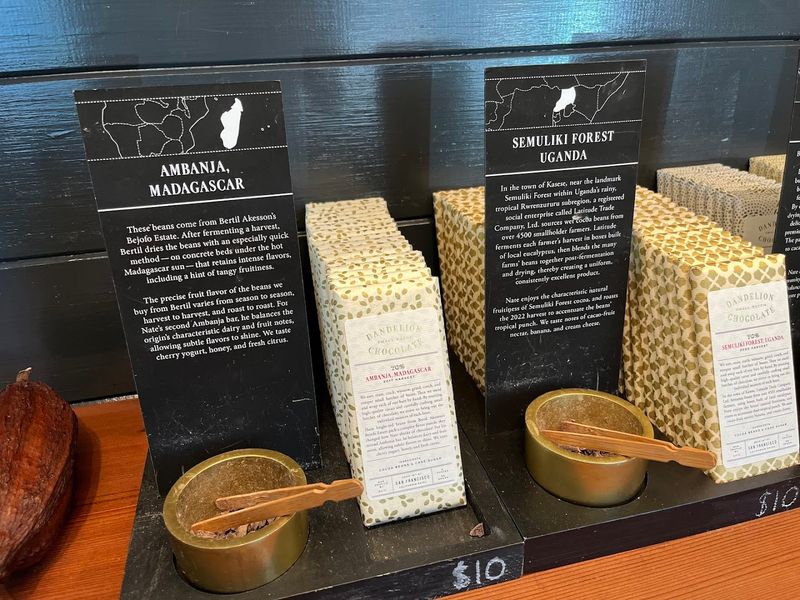
A bar made from Peruvian beans might carry notes of dried fruit and earth. One from Madagascar might be bright and tangy, almost like berries.
The range is surprisingly wide for something made from just two ingredients.
Those two ingredients are cacao beans and organic cane sugar. That is it.
No added cocoa butter, no vanilla, no lecithin. The restraint is intentional and impressive.
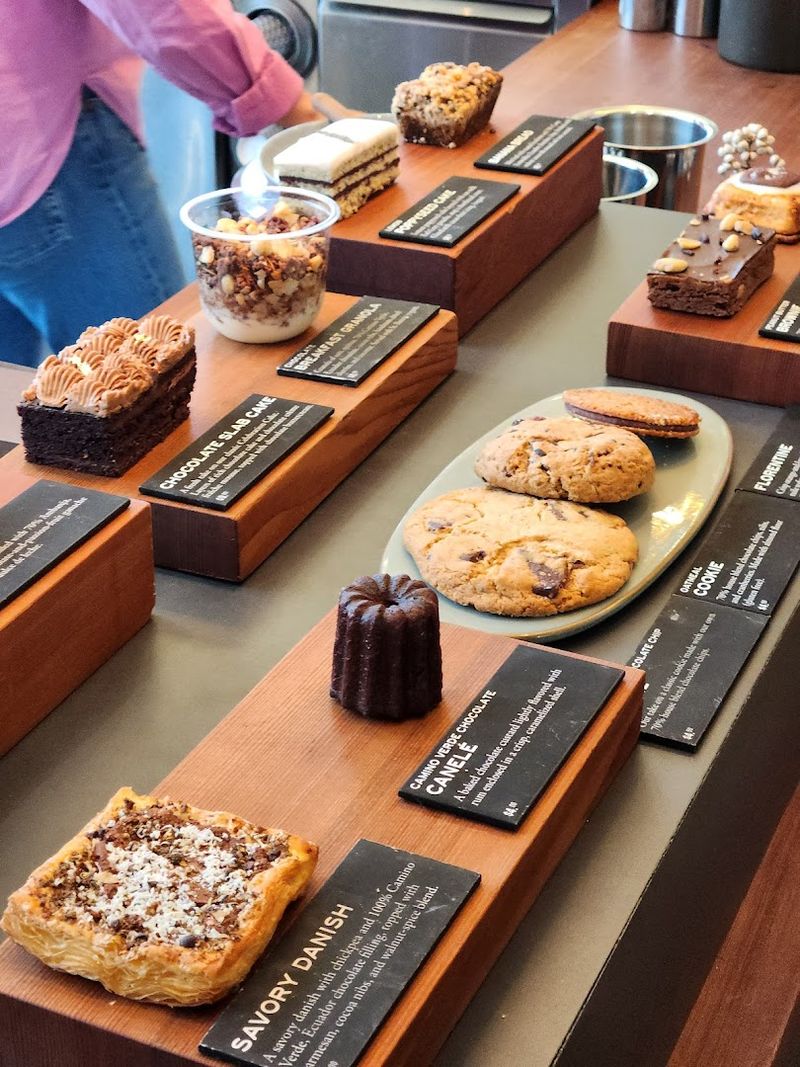
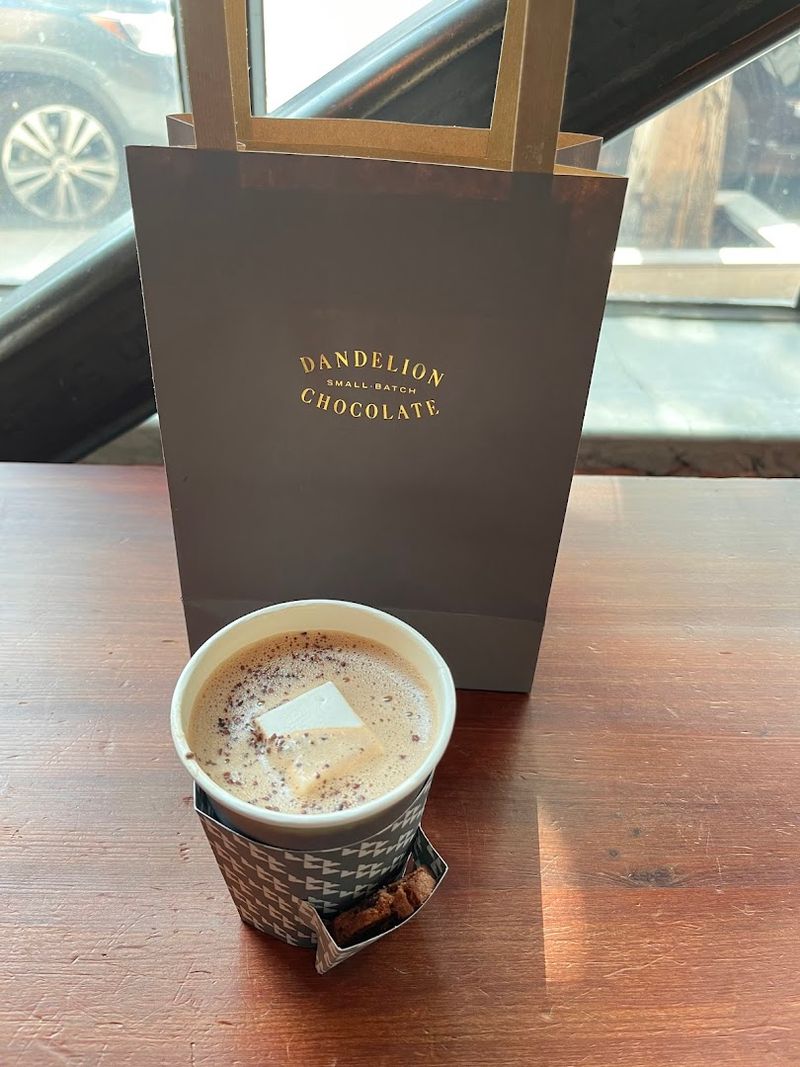
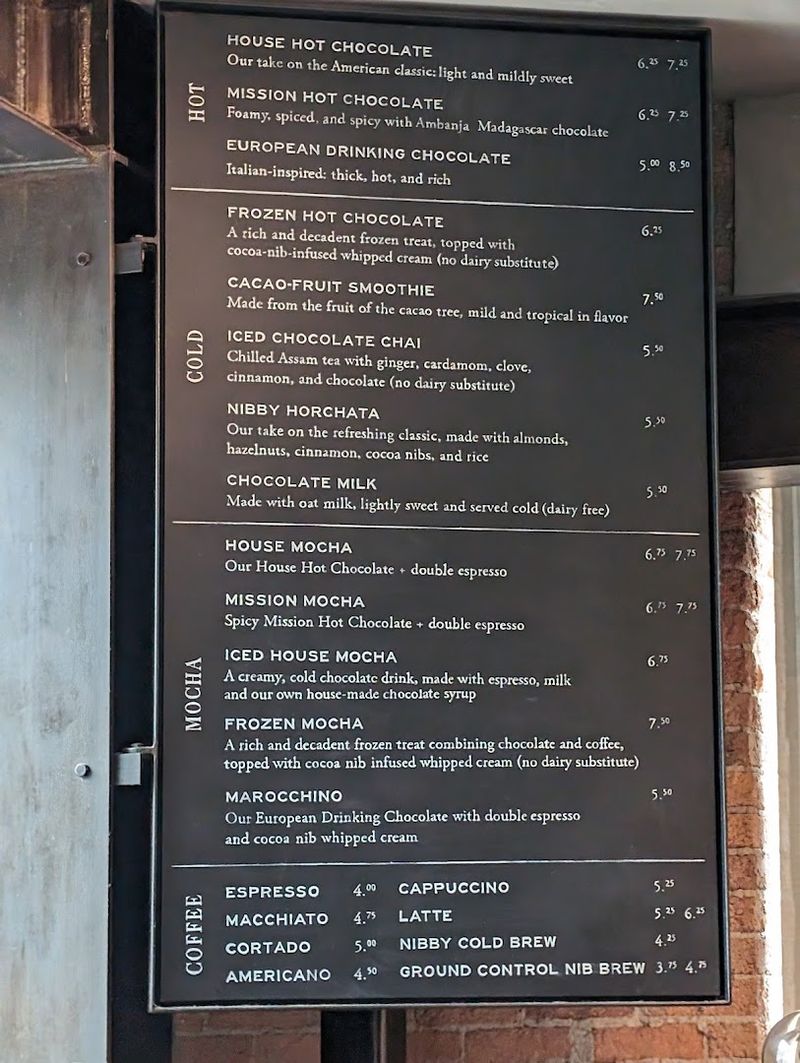
The cafe side of the factory also plays with flavors in creative ways. The Mission Hot Chocolate brings a spicy, warming kick that catches first-timers off guard.
The European Drinking Chocolate is thick, rich, and almost dessert-like in a cup.
Baked goods made with single-origin chocolate rotate daily. Cookies, pastries, and specialty items all carry that distinct Dandelion depth.
Nothing here tastes like something you grabbed from a grocery store shelf.
The flavor work at this factory is genuinely worth exploring slowly. Order something, sit down, and actually pay attention to what you taste.
Sourcing Ethical Cocoa Beans
Before any chocolate gets made, someone has to find the right beans. At Dandelion, that search is taken seriously.
Cocoa is sourced from specific farms in places like Peru, Ecuador, and Madagascar.
Ethical sourcing means the farmers growing the cacao are paid fairly and treated well. It also means Dandelion builds real relationships with those farms over time.
This is not just buying beans off a commodity market.
The sourcing process directly affects flavor. Beans grown in healthy soil, harvested at the right time, and fermented properly taste completely different from commodity cocoa.
That difference ends up in every bar.
Dandelion is transparent about where its beans come from. The packaging on each bar lists the origin farm or region.
That level of honesty is rare in the chocolate industry and worth paying attention to.
The factory tour covers sourcing in detail. Guides explain why fermentation matters, what good drying looks like, and how the journey from farm to factory shapes the final product.
It is more interesting than it sounds, genuinely.
Supporting this model means your chocolate purchase actually goes somewhere meaningful. Farmers get a stable income.
Ecosystems stay healthier. And the chocolate tastes better because of it.
Dandelion proves that knowing where your food comes from is not just a trendy idea. It is a real practice with real results you can literally taste in every single bite.
Innovations In Bean To Bar Production
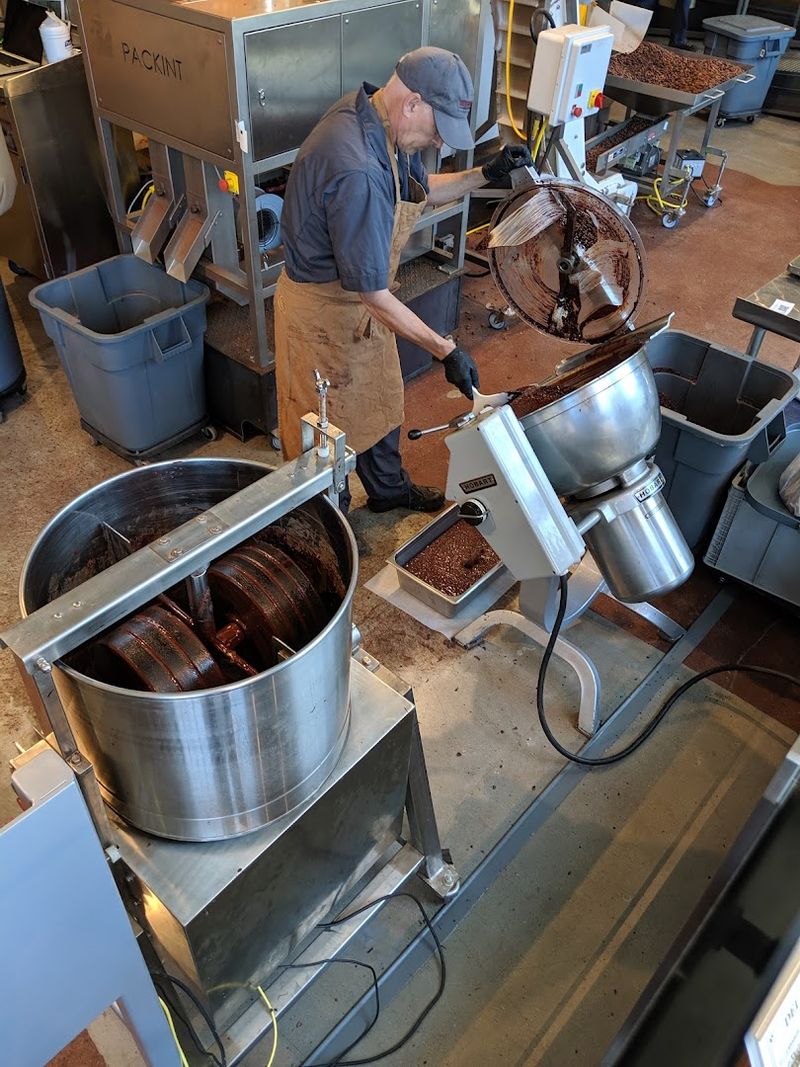
Bean-to-bar is not just a marketing phrase at Dandelion. It describes every single step happening inside the 16th Street Factory.
From raw bean to finished bar, nothing gets outsourced or skipped.
The factory uses a combination of traditional methods and modern equipment. Roasters are calibrated carefully for each origin.
Grinders run for extended hours to develop the right texture and flavor depth.
Conching, which is the process of continuously mixing chocolate to smooth it out, can take days here. Most industrial producers rush it.
Dandelion does not. That patience shows up in the final texture of every bar.
One of the more fascinating innovations is how the team tracks flavor development at each production stage. Small samples are pulled and tasted constantly.
Adjustments happen in real time based on what the chocolate is telling them.
The factory layout is designed so visitors can actually see the machines in action. Large windows and open floor plans make the production process visible from multiple angles.
It is genuinely engaging to watch.
Small-batch production means the factory does not chase volume. Each batch gets individual attention from start to finish.
Quality control is built into the rhythm of the day, not bolted on at the end.
This approach to production is what separates craft chocolate from commercial candy. The factory floor at Dandelion is living proof that the process matters just as much as the product.
The Art Of Tempering
Tempering is one of those chocolate skills that sounds technical but becomes fascinating the moment you understand it. It is the process of heating and cooling chocolate to specific temperatures.
Done right, it gives chocolate that satisfying snap and glossy shine.
At Dandelion, tempering is treated as a craft skill, not just a production step. The chocolatiers working the floor know their temperatures precisely.
Even a few degrees off can ruin the structure of the final bar.
The science behind it involves cocoa butter crystals forming in a stable pattern. Unstable crystals lead to bloomed chocolate, that grayish, streaky surface you sometimes see on old bars.
Proper tempering prevents that completely.
Dandelion even offers a dedicated Chocolate Tempering class for visitors who want to learn the skill firsthand. You get to work with real chocolate and walk through the process step by step.
It is hands-on and surprisingly satisfying to nail.
Watching a skilled chocolatier temper chocolate on a marble slab is almost meditative. The back-and-forth motion, the careful eye on temperature, the moment the chocolate starts to pull together correctly, it is genuinely beautiful to observe.
The finished bars coming out of this process have a clean, firm snap when broken. That sound is not accidental.
It is the result of careful temperature control executed with real precision every single time.
Behind The Scenes Of Packaging Design
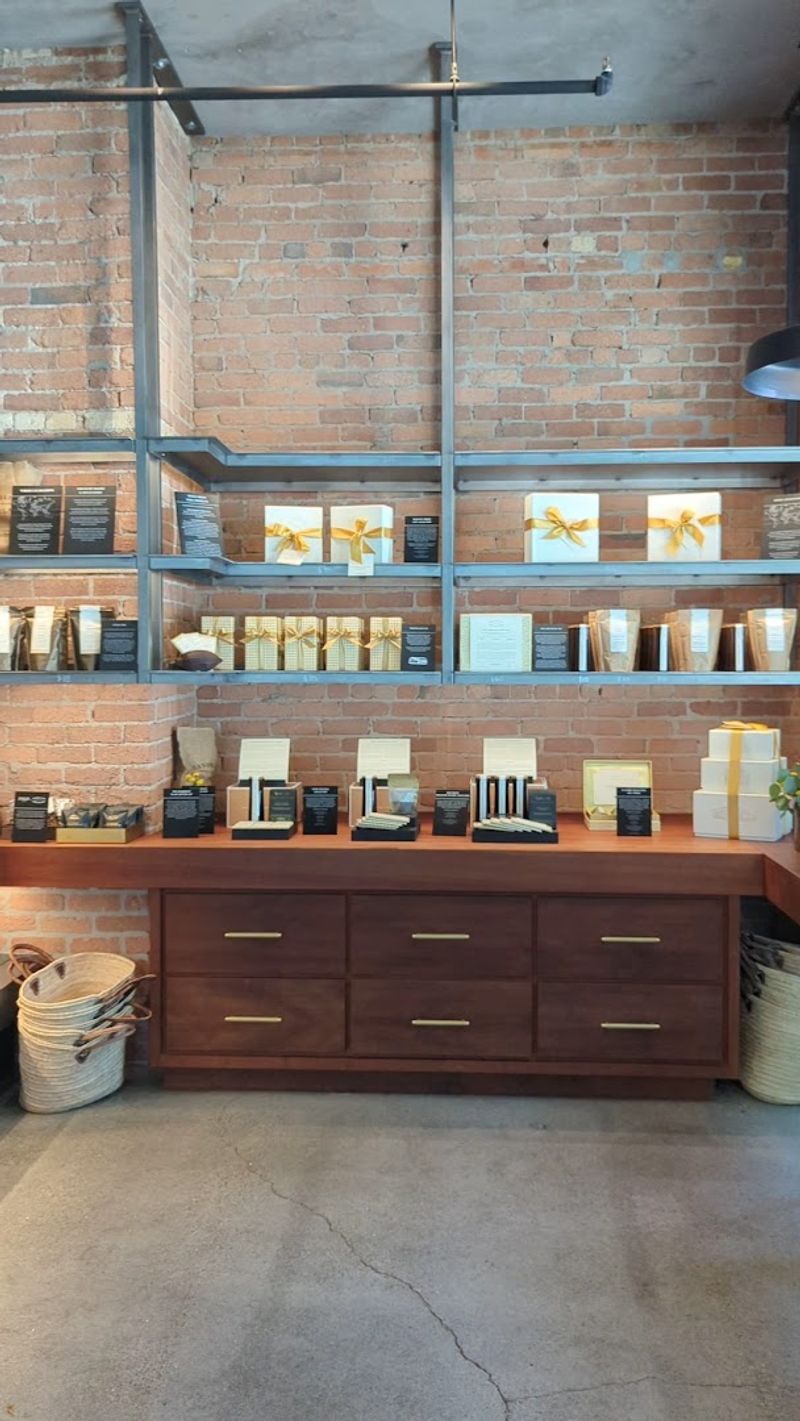
Packaging at Dandelion Chocolate is not an afterthought. The wrappers on their bars are designed to feel like a small piece of art.
People have described the paper as feeling almost like fabric, which tells you something about the care that goes into it.
Each wrapper is printed with detailed illustrations and information about the origin of the beans inside. The design communicates quality before you even open the bar.
Gold ribbons and refined typography make the gift sets feel genuinely special.
The packaging team works to match the visual identity with the story of each bean origin. A bar from Madagascar might carry different visual cues than one from Peru.
The design language shifts subtly to reflect the character of the chocolate inside.
From a practical standpoint, the packaging also protects the bars well. Proper wrapping keeps the chocolate from absorbing outside odors and maintains the right humidity level.
Function and beauty working together is a rare combination.
The factory store displays the finished bars and gift sets in a way that makes browsing genuinely enjoyable. Stacked bars, open sample trays, and thoughtful shelf arrangements make the whole retail area feel curated without feeling precious.
Gift sets are a popular purchase here, and it is easy to see why. The presentation alone justifies the price for many buyers.
When something looks this considered, it signals that the product inside was made with the same level of intention.
Health Benefits Of Dark
Dark chocolate has a solid reputation in the nutrition world, and for good reason. High-cocoa chocolate carries real antioxidants, specifically flavonoids, which support heart health and reduce inflammation.
Dandelion’s bars are made with minimal ingredients, which keeps those benefits intact.
Because there are only two ingredients in every Dandelion bar, there is no filler diluting the cocoa content. More cocoa means more of the naturally occurring compounds that make dark chocolate worth eating beyond just the flavor.
That is a meaningful difference from most commercial options.
Flavonoids in dark chocolate have been linked to improved blood flow and lower blood pressure in several studies. They also support brain function by increasing blood flow to key areas.
Eating a small amount regularly may contribute to long-term cardiovascular health.
Dandelion’s bars typically land on the higher end of cocoa percentage. The 85% gift set mentioned by fans is a good example of how intense and pure the chocolate profile can get.
High cocoa content means lower sugar, which many health-conscious eaters appreciate.
Cocoa also contains magnesium, iron, and zinc in meaningful amounts. These minerals support everything from muscle function to immune health.
Getting them through chocolate is admittedly one of the more enjoyable ways to meet your daily needs.
The key with dark chocolate is moderation and quality. A few squares of something this carefully made goes a long way.
Dandelion makes it easy to choose quality over quantity every single time.
Signature Pairing Ideas
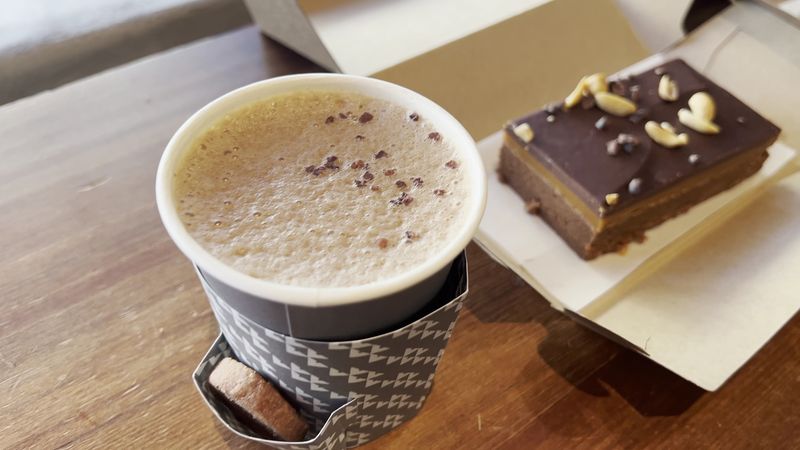
Pairing chocolate with other flavors is one of the more playful parts of the Dandelion experience. The factory actively encourages this kind of exploration through its classes and cafe menu.
A Chocolate and Sake Pairing class is one of the more unexpected options on the roster.
The Mission Hot Chocolate pairs beautifully with something cool and creamy. The spice in that drink, ginger-forward and warming, balances well against the frozen hot chocolate if you want to contrast temperatures and intensity on the same visit.
Single-origin bars from Madagascar tend to pair well with bright, acidic fruits. Think raspberries or passion fruit, flavors that echo the natural tang already present in the chocolate.
Peruvian bars lean earthier and work well alongside roasted nuts or aged cheeses.
The Bloom Chocolate Salon inside the factory offers more formal pairing experiences. The Afternoon Chocolate Tea is a three-course tasting menu that walks guests through structured flavor combinations.
It is a proper sit-down experience in a Parisian-inspired setting.
Chocolate Babka French Toast made with single-origin chocolate is one of the salon’s standout savory-sweet pairings. The richness of the chocolate against the eggy, caramelized bread is a combination that makes total sense once you try it.
Even the simple act of eating a Dandelion bar alongside a cup of their European Drinking Chocolate is its own kind of pairing. Sometimes the best combinations are the most obvious ones.