
This Small Wisconsin Town Has a 700-Seat Theatre That Looks Like It Belongs in Versailles
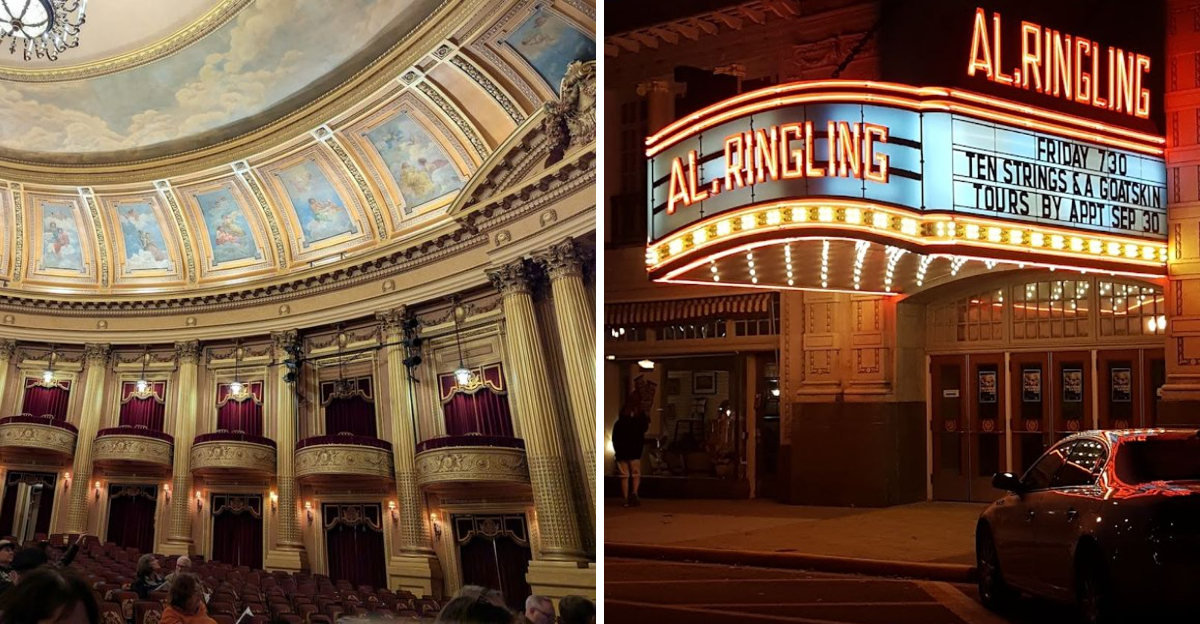
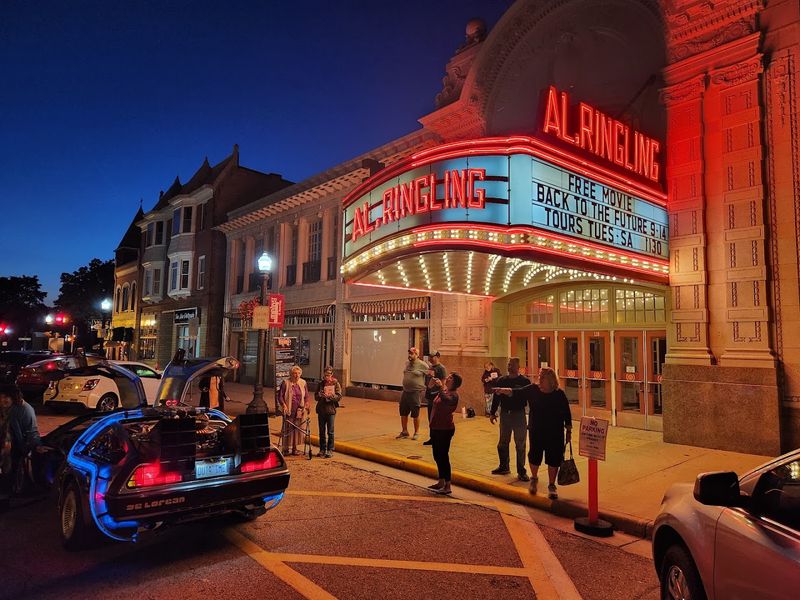
A small Wisconsin downtown is not where most people expect to find chandeliers, gilded details, sweeping balconies, and a ceiling that can stop a conversation cold. Yet that is exactly what waits inside this century-old theater, where the outside gives almost no warning about the drama beyond the doors.
Built in 1915 by a member of the famous circus family, the venue feels more like something borrowed from Paris than a town of roughly 12,000 people. Every curve, carving, and painted surface seems designed to make guests look up before they even find their seats.
The result is part performance hall, part time capsule, and part jaw-dropping surprise hiding behind an ordinary Wisconsin street.
A Ringling Brother Built Baraboo’s Grand Theatre
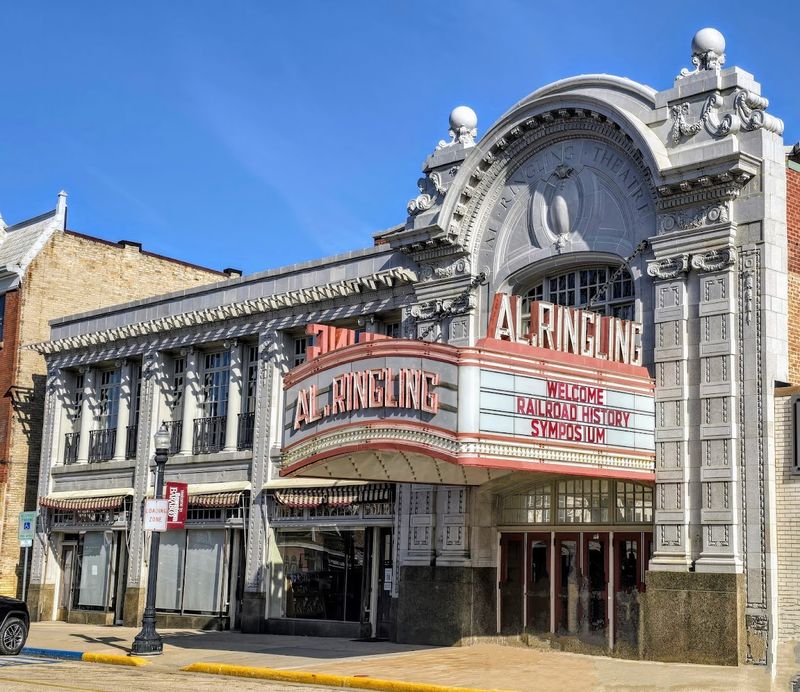
Al Ringling grew up in Baraboo before he and his brothers took their circus operation across the country and eventually around the world. Success in entertainment brought him significant wealth, and rather than abandon his hometown, he chose to give back in a meaningful way.
In 1915, he commissioned a theater that would bring world-class performances to the people who had watched him grow up.
Construction cost approximately $100,000 at the time, a staggering sum that reflected his ambition to create something genuinely special. He wanted Baraboo to have access to the same caliber of venues found in Chicago or New York.
The theater at 136 4th Avenue became his gift to the community, a statement that small towns deserved beauty and culture just as much as large cities.
His vision succeeded beyond expectation. More than a century later, the theater still operates as a vital cultural hub, hosting everything from touring Broadway productions to local theater groups, all within the lavish space Al Ringling imagined.
European Opera Houses Inspired Its Lavish Interior
Architect C.W. Rapp traveled extensively through Europe before designing the Al.
Ringling Theatre, studying opera houses in Paris, Vienna, and other cultural capitals. He returned with sketchbooks filled with architectural details that would transform a small Wisconsin building into something extraordinary.
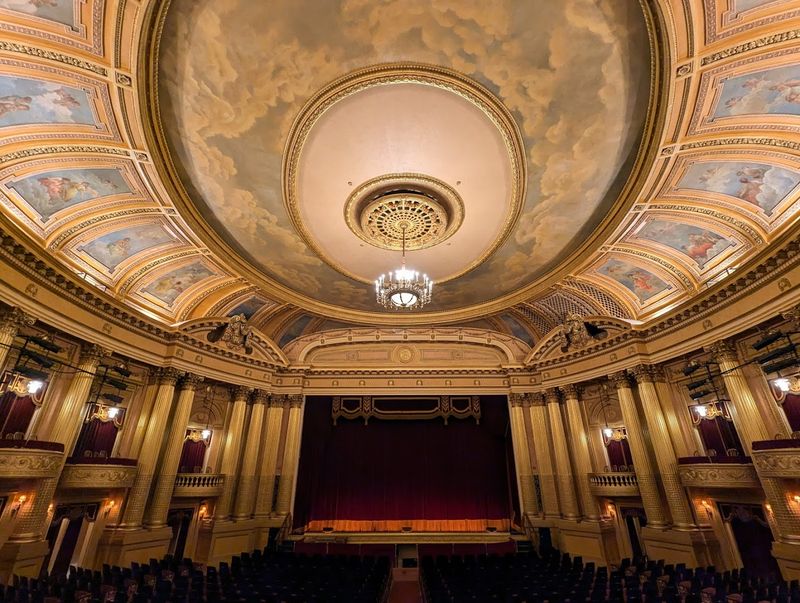
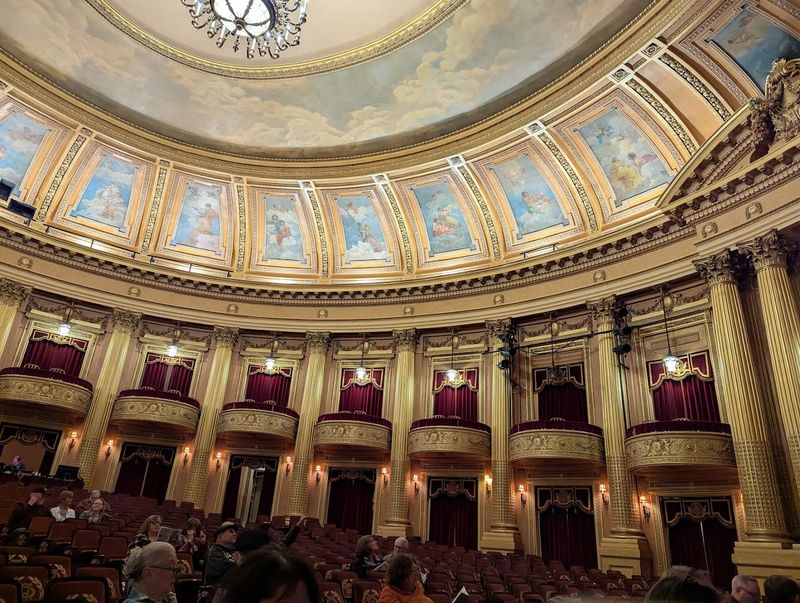
The resulting interior borrows heavily from French Baroque and Rococo traditions, styles that dominated European theater design during the 18th and 19th centuries.
Walking into the auditorium feels like stepping into a different era and continent entirely. The balconies curve gracefully, supported by ornamental columns.
Elaborate plasterwork covers nearly every surface, creating visual interest from floor to ceiling. Rich colors and intricate patterns draw the eye in multiple directions at once.
European influence shows up in the smallest details, from the style of the light fixtures to the arrangement of the seating boxes. Rapp did not simply copy these designs but adapted them thoughtfully to fit the scale and purpose of a Midwestern theater, creating something both familiar and unique.
Versailles Style Details Give The Room Its Royal Feel
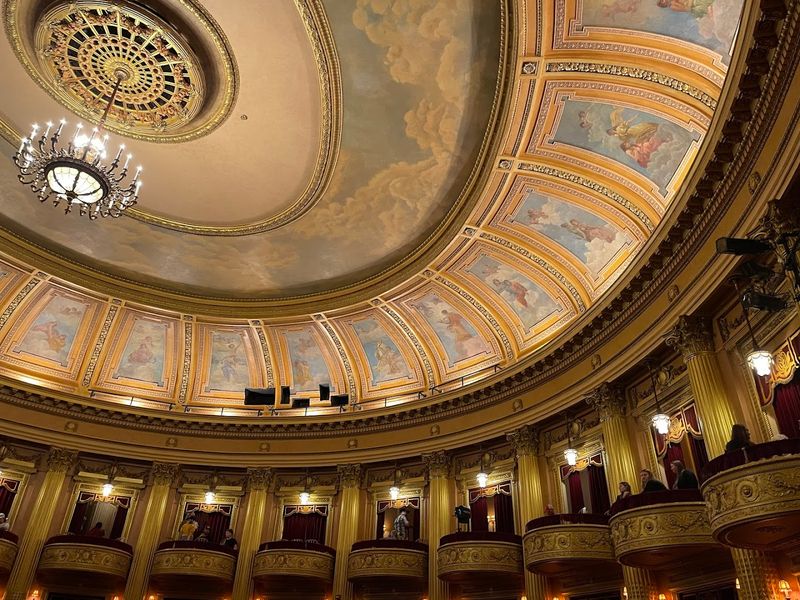
Gold leaf covers much of the decorative plasterwork throughout the theater, catching light from the chandeliers and creating a warm glow across the auditorium. This technique, perfected in French palaces like Versailles, involves applying extremely thin sheets of real gold to surfaces, a process both expensive and labor-intensive.
The effect transforms ordinary architectural elements into something that appears precious and otherworldly.
Ornamental details inspired by Louis XIV’s palace appear throughout the space. Elaborate scrollwork, floral motifs, and classical figures decorate the walls and ceiling.
The color palette relies heavily on creams, golds, and soft pastels, the same combinations that made Versailles famous. These choices create an atmosphere of refined elegance rather than overwhelming opulence.
The comparison to French royalty might seem exaggerated until you actually sit in the theater and look around. The attention to detail and commitment to beauty match what you would find in European palaces, making the Baraboo location all the more surprising and delightful.
Rapp And Rapp Designed The Showpiece
The Chicago-based firm Rapp and Rapp specialized in theater design during the early 20th century, creating some of the most beautiful performance venues across the United States. Brothers Cornelius and George Rapp understood how to balance acoustics, sightlines, and aesthetic appeal, skills that made them highly sought after by theater owners.
Their portfolio eventually included over 400 theaters, but the Al. Ringling Theatre stands out even among their impressive body of work.
The Rapp brothers brought technical expertise that matched their artistic vision. They understood how sound traveled through a space and designed the auditorium to enhance acoustic quality naturally.
Every seat in the house offers a clear view of the stage, accomplished through careful calculation of balcony angles and floor slopes.
Their work in Baraboo demonstrates what made them exceptional. They created a space that functions beautifully as a theater while also serving as a work of art in its own right, proving that practical considerations and aesthetic ambition could coexist perfectly.
The Theatre Has Welcomed Crowds Since 1915
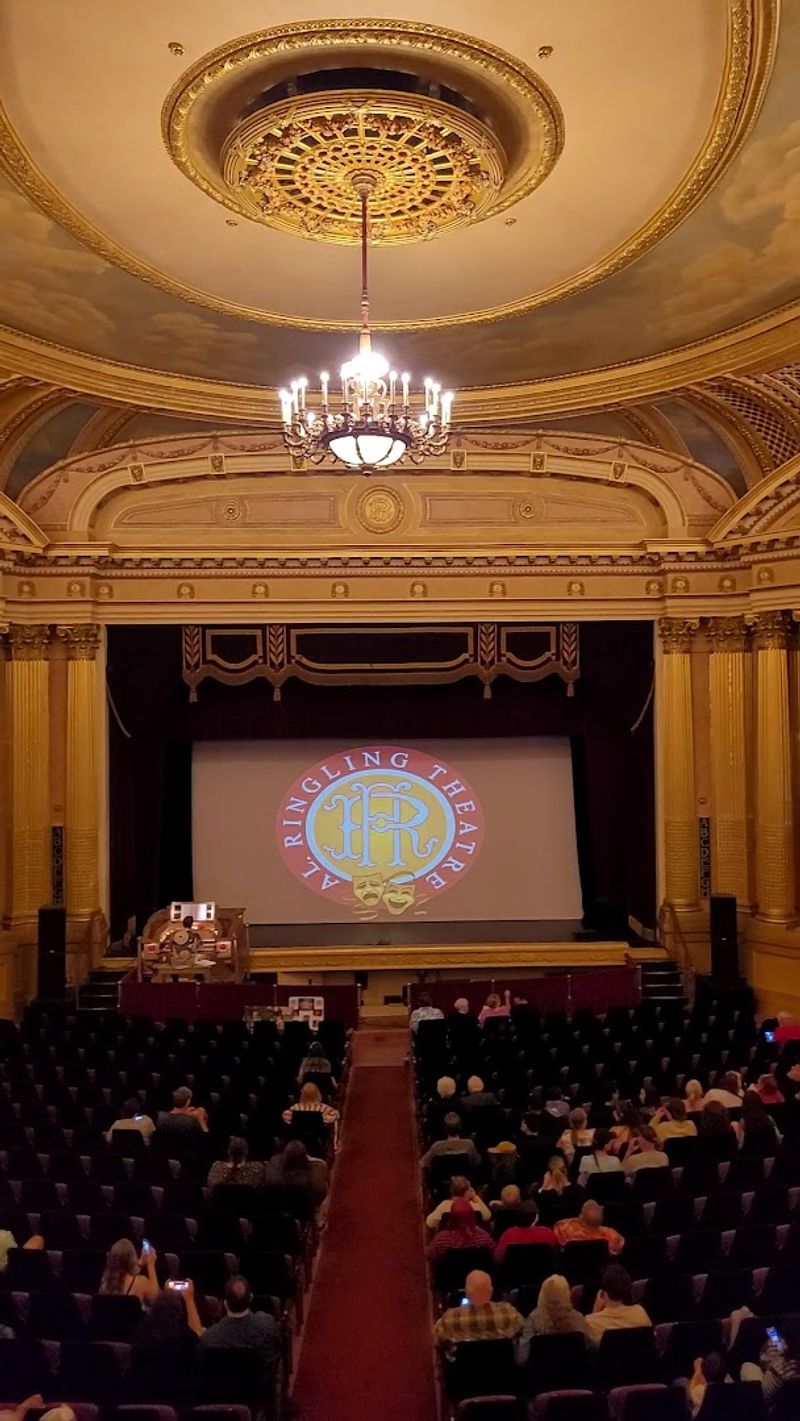
Opening night in November 1915 drew massive crowds eager to see what Al Ringling had built for their community. The theater premiered with a vaudeville show, the most popular form of entertainment at the time, featuring multiple acts that ranged from comedy to acrobatics.
Local newspapers covered the event extensively, describing the interior in glowing terms and predicting the theater would become a regional treasure.
Over the decades, the theater adapted to changing entertainment trends while maintaining its original character. Silent films arrived with live musical accompaniment, then talkies, then concerts, plays, and eventually the diverse programming it offers today.
The building survived the Great Depression, two World Wars, and the rise of television and home entertainment.
Continuous operation for more than a century represents a remarkable achievement, especially for a theater in a small town. The fact that it remains vital and well-attended speaks to both the quality of the building and the commitment of the community to preserve it.
A 700 Seat Auditorium Feels Stunning In A Small Town
Most communities the size of Baraboo struggle to support a theater with even 200 seats, making the Al. Ringling Theatre’s 700-seat capacity genuinely remarkable.
The auditorium includes orchestra seating, a balcony, and private boxes along the sides, creating multiple viewing experiences within a single space. Full capacity crowds generate an energy and excitement that smaller venues simply cannot match.
The size allows the theater to host touring productions that might otherwise skip smaller markets entirely. Broadway shows, symphony orchestras, and nationally recognized performers can justify stops in Baraboo because the venue can accommodate audiences large enough to make the economics work.
This brings cultural opportunities to the area that would otherwise require driving to Madison or Milwaukee.
Standing in the auditorium when it fills before a show, you understand why Al Ringling built on this scale. The space comes alive with hundreds of people, the architecture framing the collective experience in a way that feels both intimate and grand simultaneously.
Gold Leaf And Murals Create The Grand First Impression
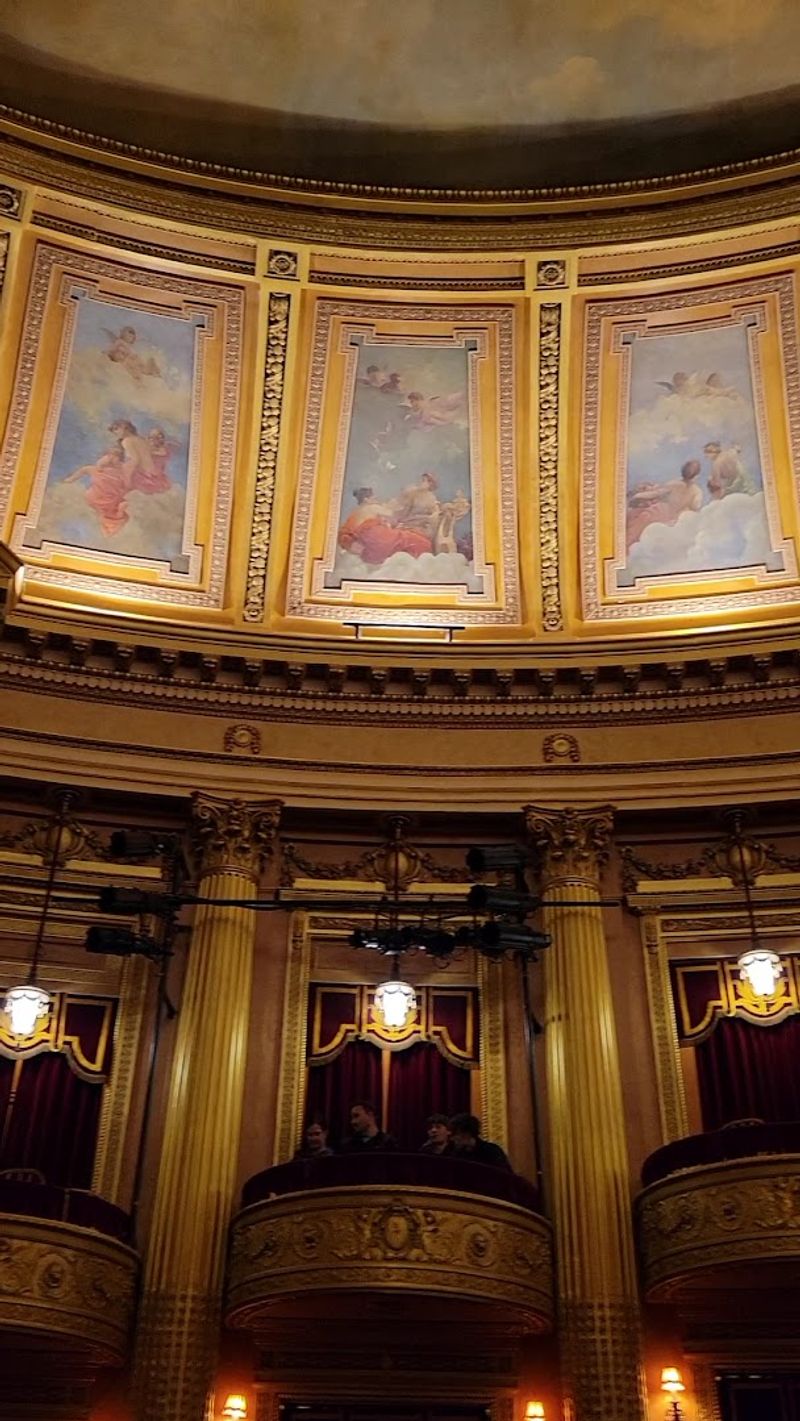
Stepping through the theater’s entrance, visitors immediately encounter a lobby that sets expectations for what lies beyond. Hand-painted murals cover the ceiling, depicting classical scenes with soft colors and careful attention to detail.
Artists applied these paintings directly to the plaster, a technique that has allowed them to survive for over a century with proper maintenance and occasional restoration.
Gold leaf accents frame the murals and highlight architectural features throughout the lobby and auditorium. Real gold, applied in delicate sheets, creates a richness that imitation simply cannot replicate.
The material catches and reflects light in unique ways, adding depth and warmth to the overall color scheme.
First impressions matter tremendously in theater, and the Al. Ringling Theatre understands this completely.
Before the curtain rises or a single note plays, the building itself has already created a sense of occasion and elevated the entire experience. The lobby serves as a transition space, moving visitors from ordinary Baraboo streets into an extraordinary environment.
The Historic Fire Curtain Deserves Its Own Look
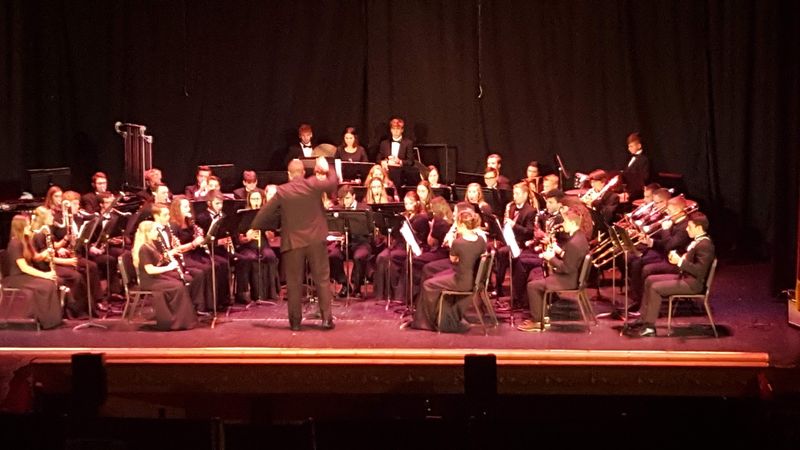
Fire safety regulations in the early 1900s required theaters to install heavy curtains between the stage and auditorium that could drop quickly in case of emergency. Rather than treat this safety feature as purely functional, the Al.
Ringling Theatre commissioned an elaborate painted scene on their fire curtain, transforming a legal requirement into an artistic element. The painting depicts an idyllic European landscape, complete with rolling hills, classical architecture, and careful attention to perspective.
The curtain weighs several hundred pounds and operates on a counterweight system that allows it to descend rapidly if needed. During performances, it remains raised, but many shows lower it during intermission, giving audiences a chance to appreciate the artwork.
The painting has been carefully maintained and restored over the years, preserving both its aesthetic value and its historical significance.
Details in the painting reward close examination. Small figures populate the landscape, architectural elements show precise rendering, and the overall composition demonstrates genuine artistic skill rather than mere decoration.
The Barton Organ Adds Old School Theatre Magic
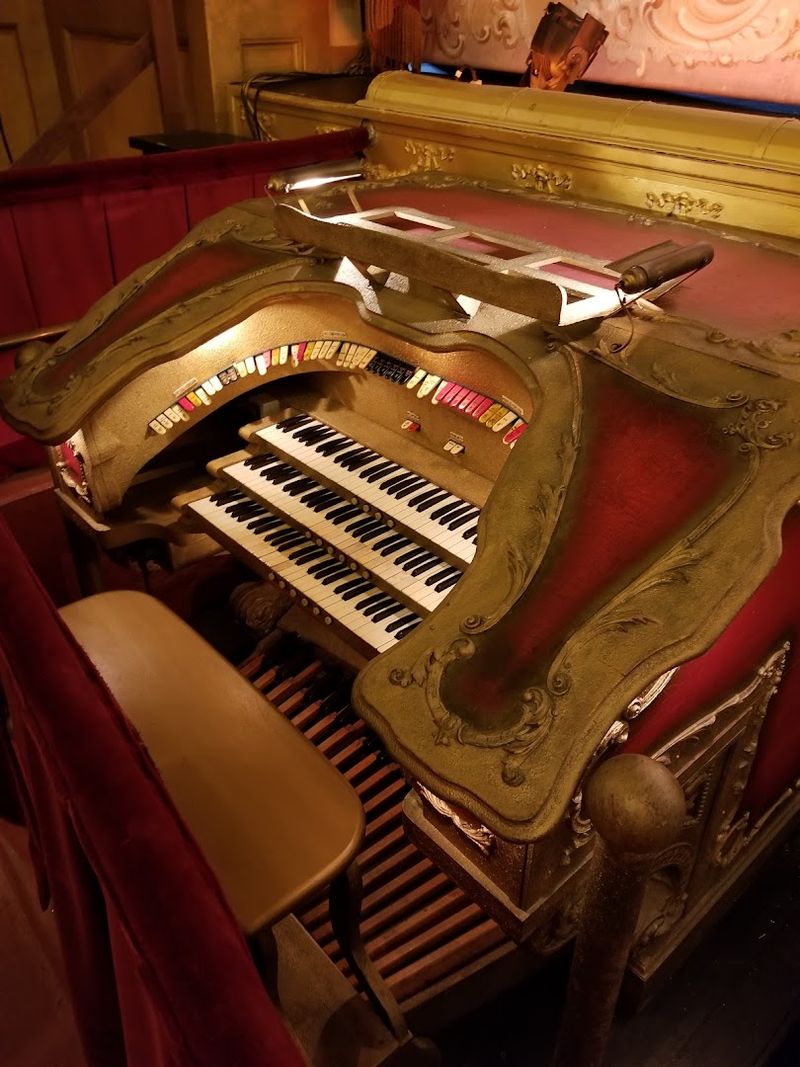
Theater organs served a crucial function during the silent film era, providing musical accompaniment that enhanced the emotional impact of on-screen action. The Al.
Ringling Theatre’s Barton organ, installed in the 1920s, could replicate the sounds of an entire orchestra through a complex system of pipes, bellows, and keyboards. A skilled organist could create everything from gentle background melodies to dramatic crescendos that matched the intensity of the film.
The instrument includes multiple keyboards, called manuals, along with a pedalboard that allows the organist to play bass notes with their feet. Various stops and controls enable the creation of different instrumental sounds, from flutes to trumpets to percussion effects.
The organ console sits in the orchestra pit, while the pipes themselves are housed in chambers on either side of the stage.
Regular concerts and special events still showcase the Barton organ, connecting modern audiences to the theater’s earliest days and demonstrating how live music once brought silent films to life.
Vaudeville, Silent Films, And Concerts Shaped Its Legacy
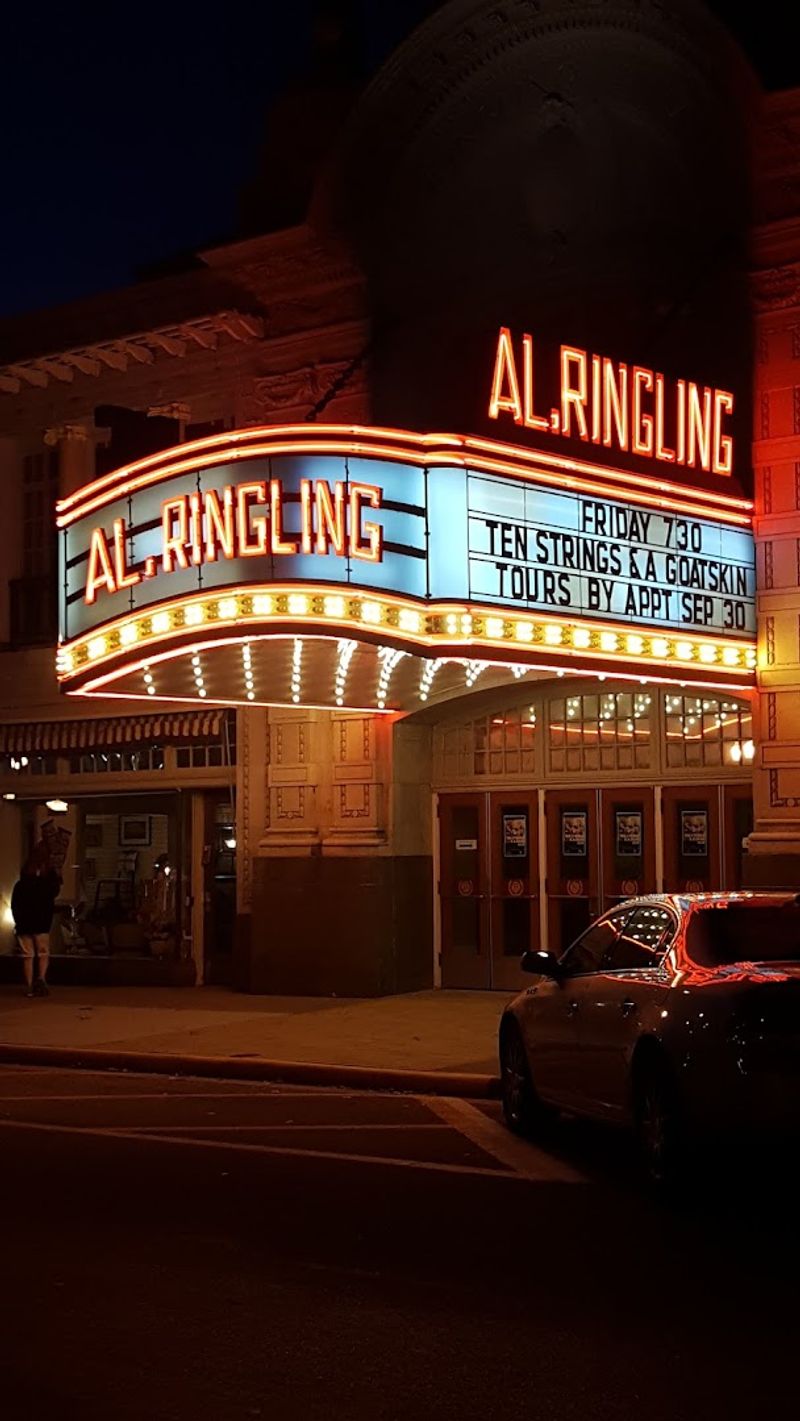
Vaudeville dominated American entertainment when the theater opened, offering variety shows that mixed comedy, music, dance, and novelty acts into a single evening’s program. The Al.
Ringling Theatre hosted traveling vaudeville circuits, bringing nationally known performers to Baraboo alongside local talent. Audiences packed the house for these shows, creating a lively social scene that extended beyond the performance itself.
Silent films arrived quickly, and the theater adapted by installing projection equipment and featuring the Barton organ for musical accompaniment. Movies became the primary draw through the 1920s and 1930s, with the theater showing the latest Hollywood releases alongside newsreels and short subjects.
The transition to talking pictures required additional technical upgrades, which the theater managed successfully.
Concert programming has remained constant throughout the theater’s history. Classical music, jazz, popular music, and contemporary performances have all found audiences in the beautiful auditorium, proving that great acoustics and elegant surroundings enhance any musical genre.